

.webp?language=en-US)


-
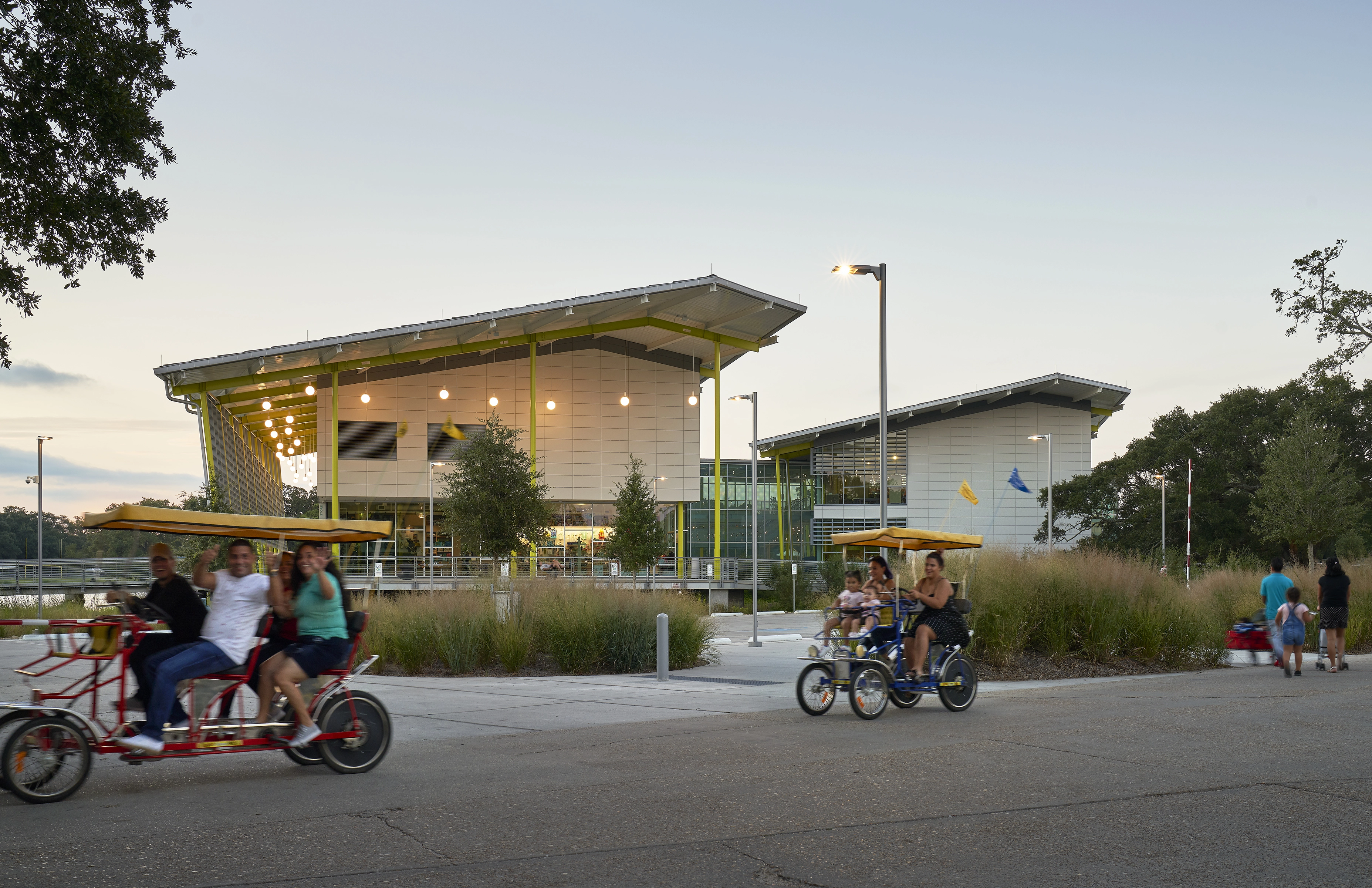
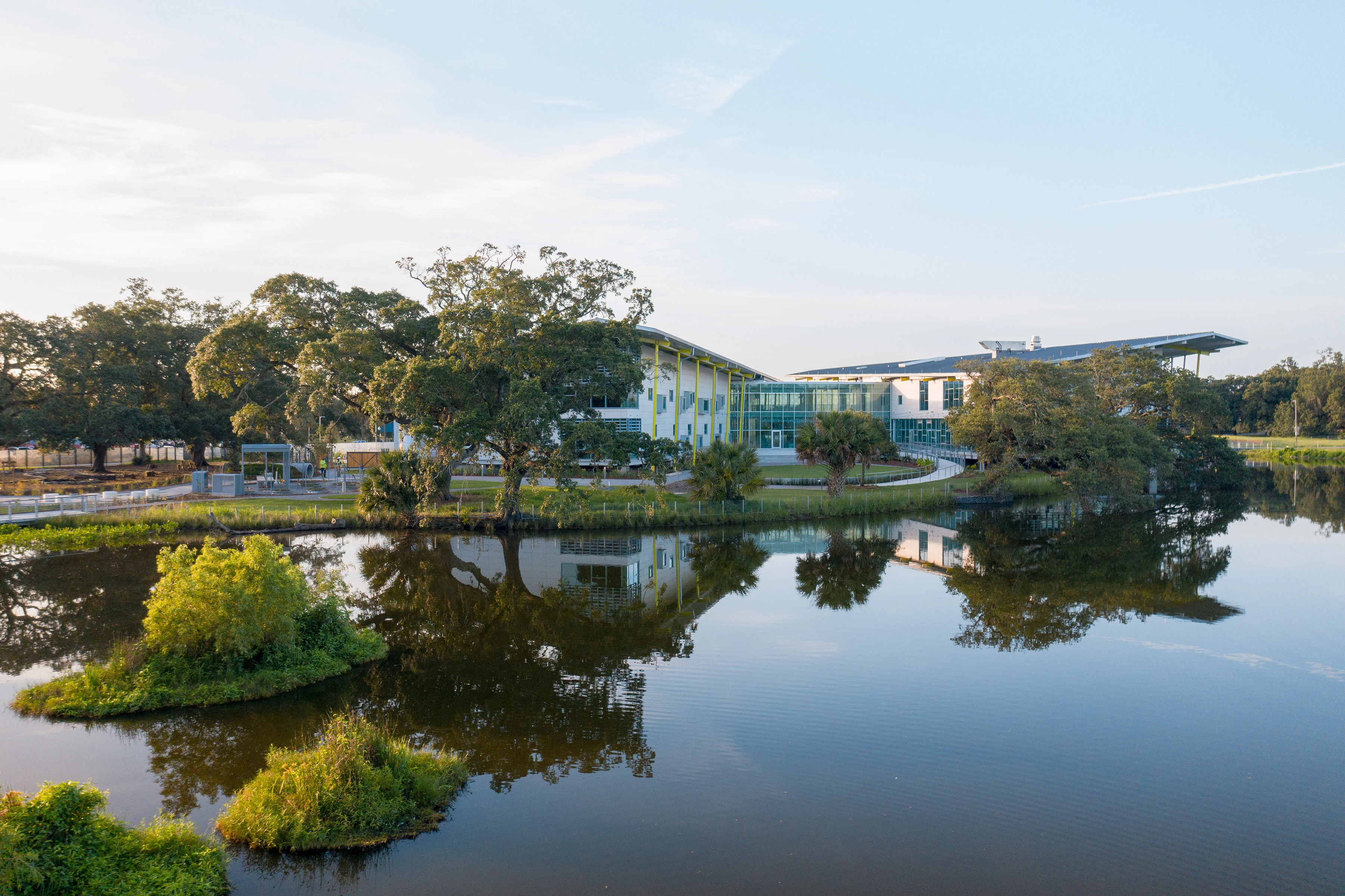
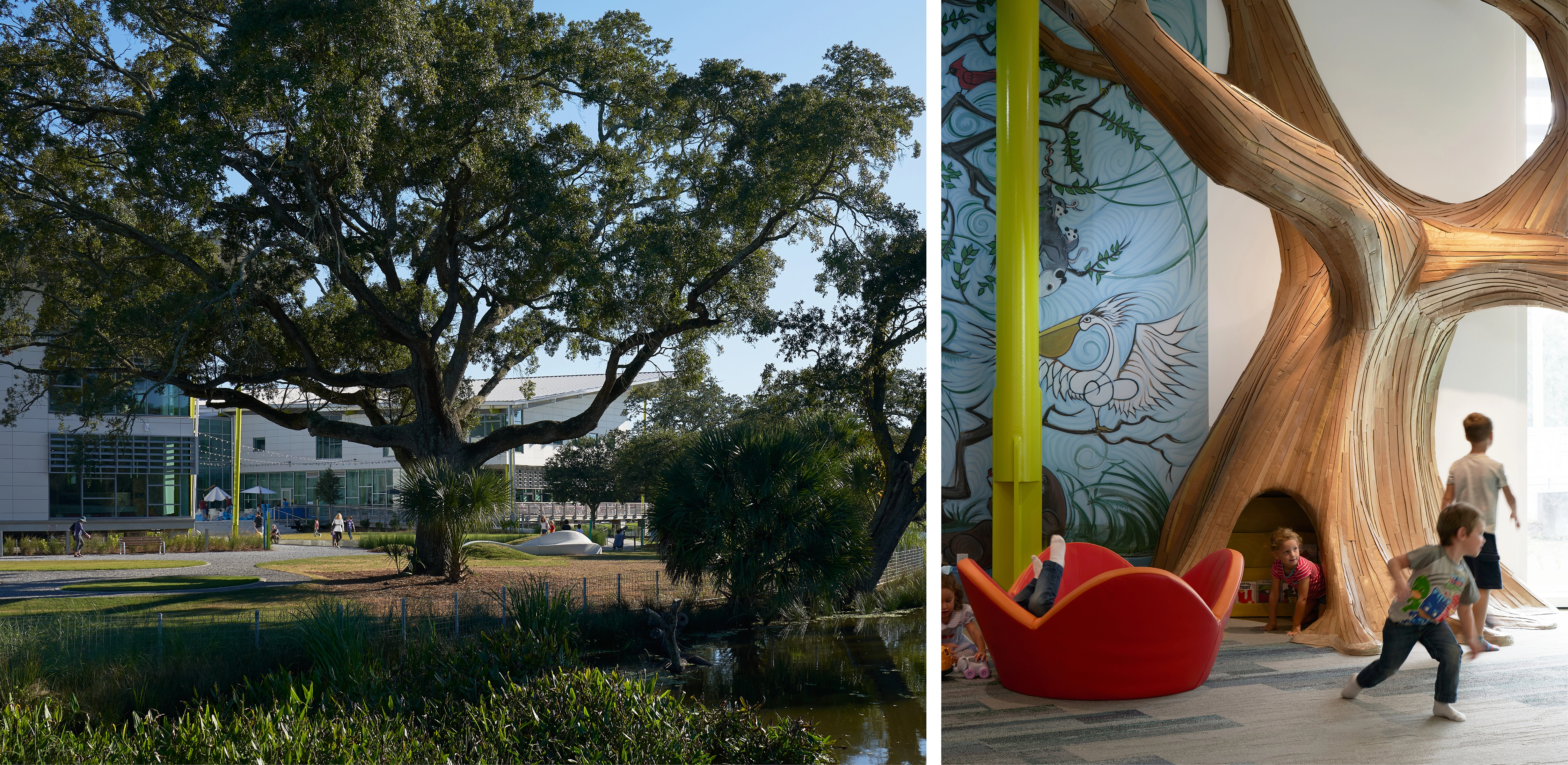
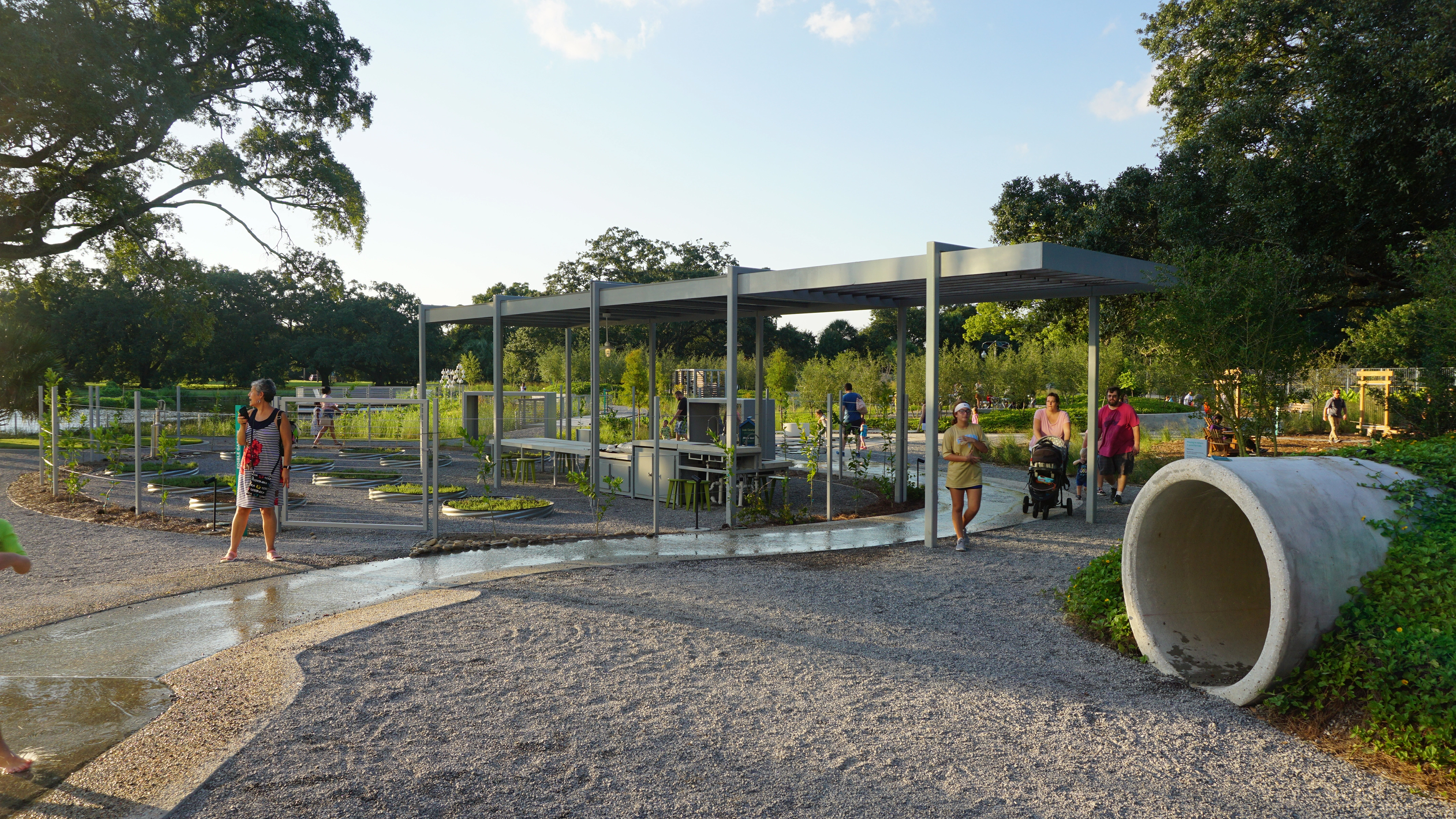
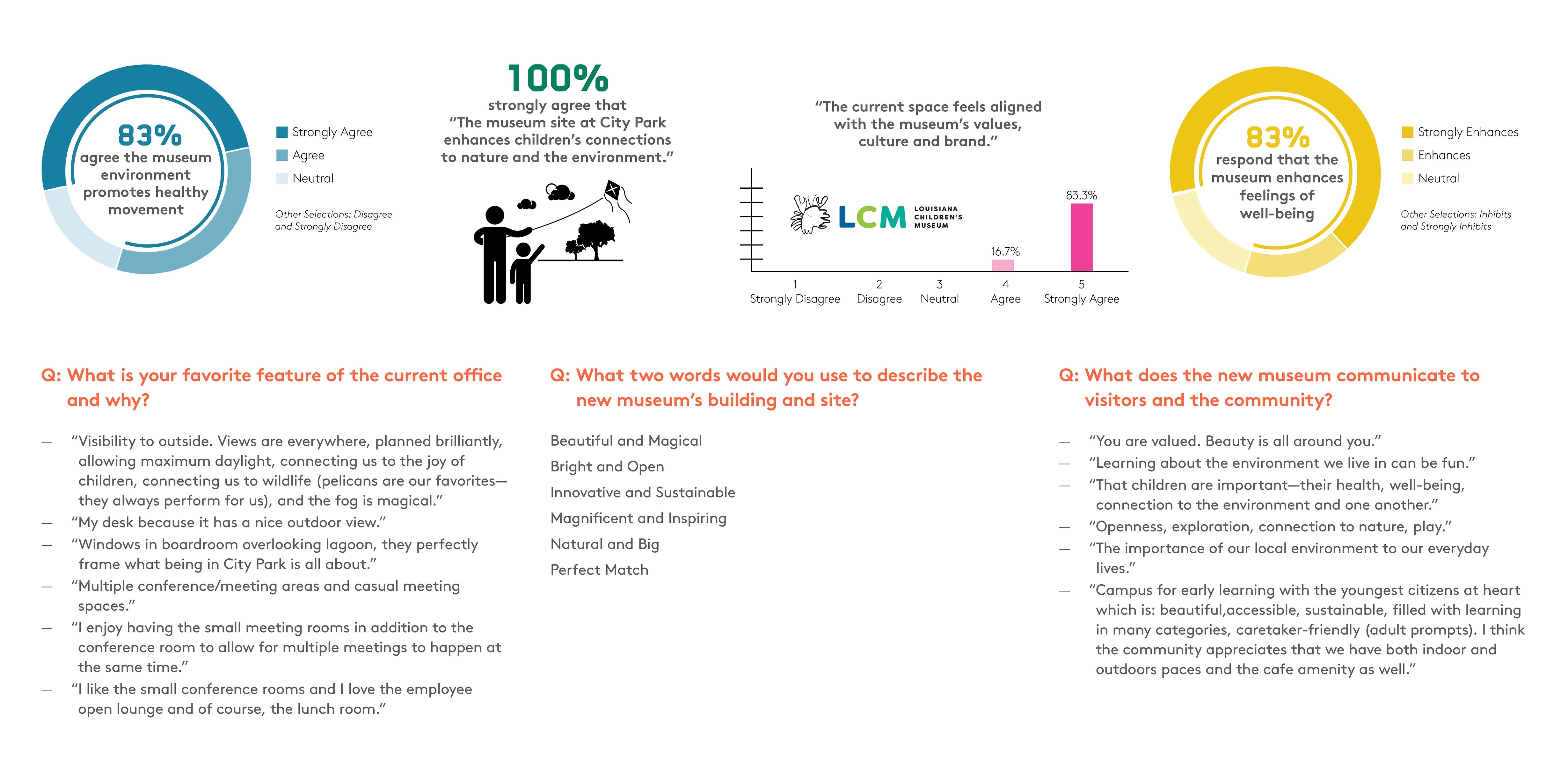
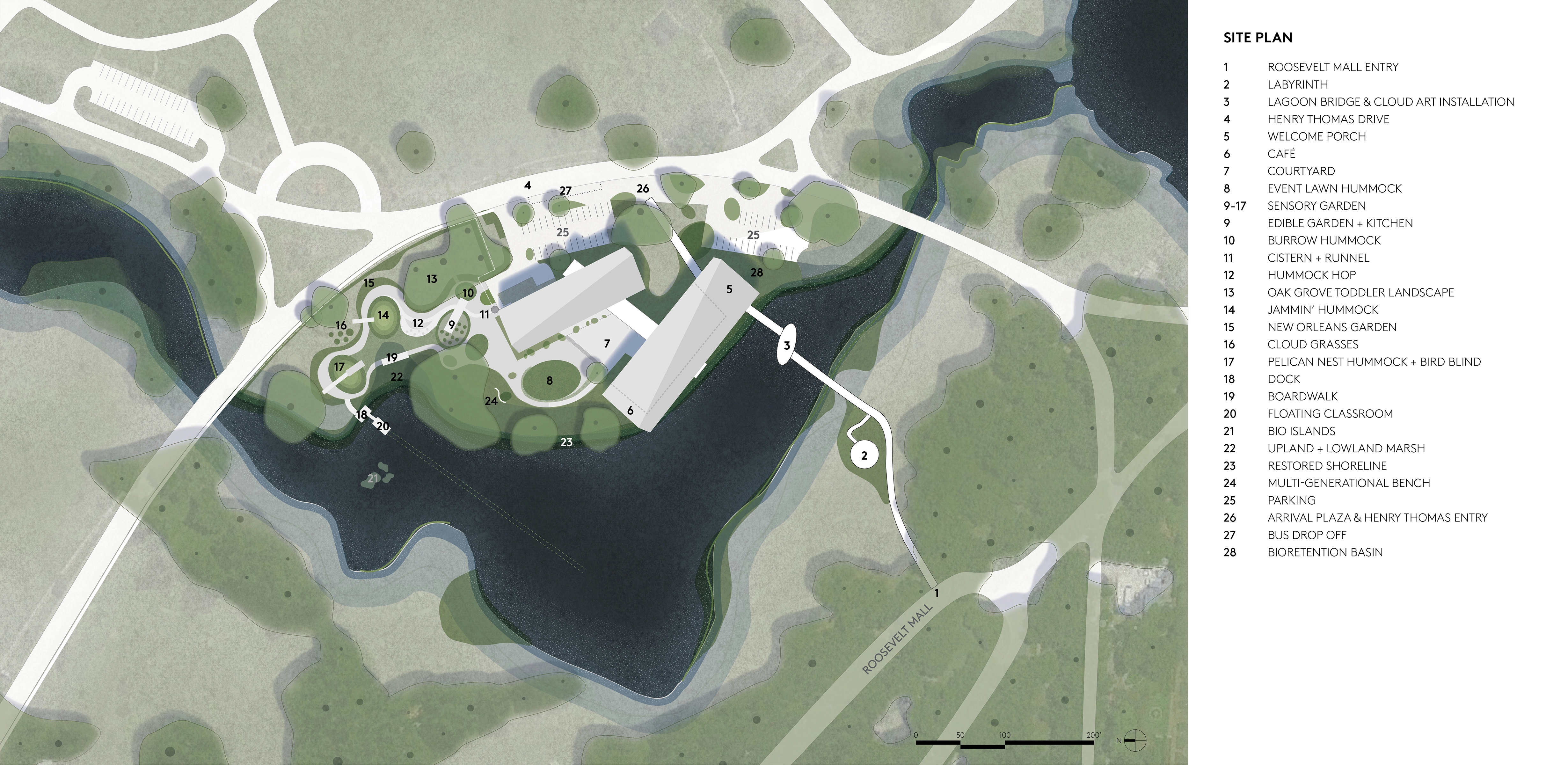
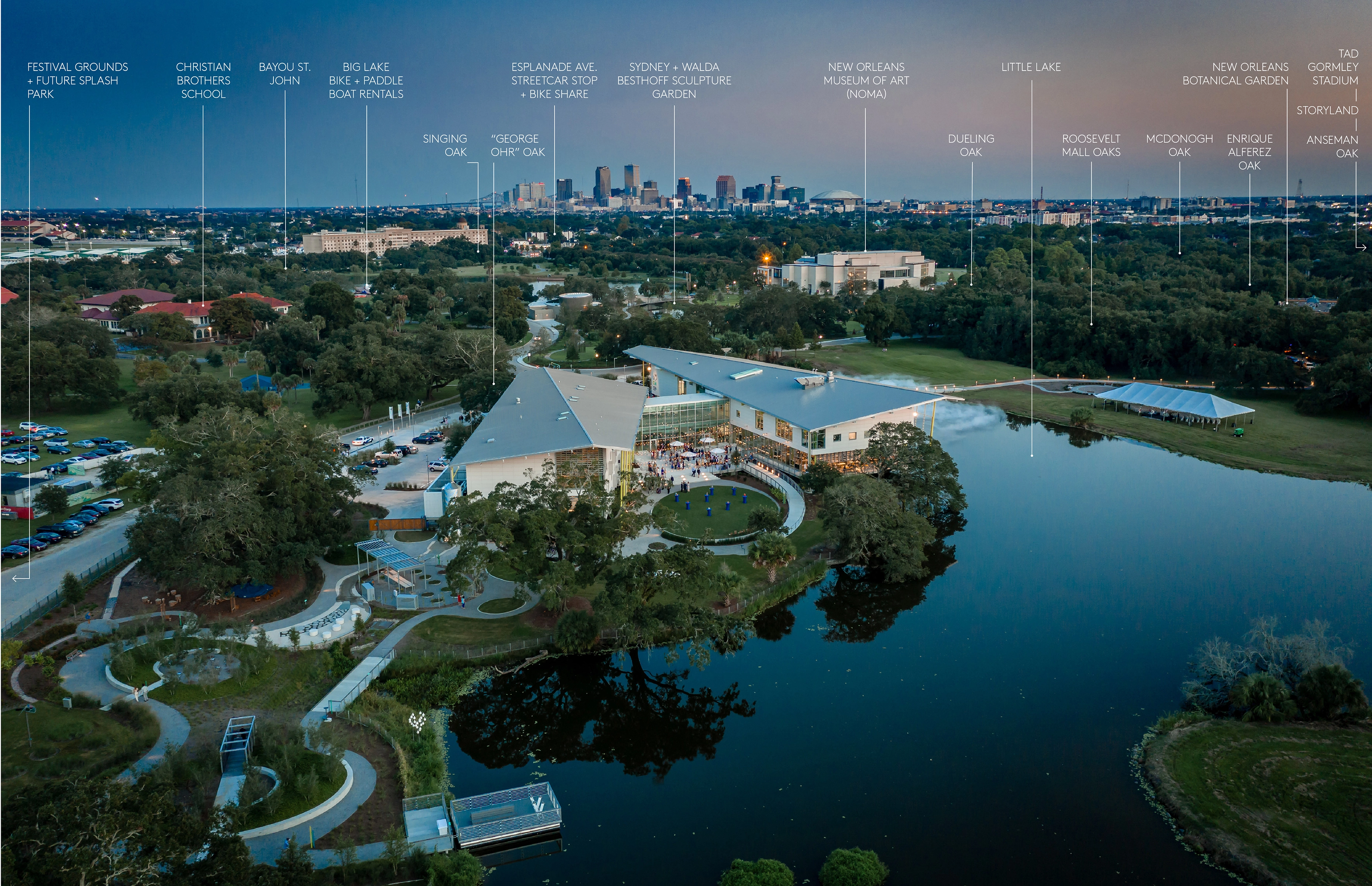
Louisiana Children’s Museum envisioned a new model for children’s museums: a place where children and families in one of the nation’s most underserved regions would have a wealth of ways to explore the artistic, sensory and natural worlds. The City Park site is part of a collection of civic institutions sitting on the edge of a lagoon teeming with wildlife and provides an ideal living classroom. The site design integrates mature live oaks, the new museum building, and experiential outdoor spaces that demonstrate solutions to some of the challenging issues facing New Orleans and the world, including coastal shoreline loss, water management, food insecurity and climate adaptation.
-
After Hurricane Katrina in 2005, Louisiana Children’s Museum (LCM) re-envisioned its mission to holistically address the health and development of children in a state that often ranks 48th in educational outcomes. The health and well-being benefits of intentionally connecting children with nature led the museum to relocate from an indoor-focused experience in New Orleans’ Warehouse District to a new campus encircling a lagoon alongside other museums and attractions in City Park, where families have been going for generations. The new campus presents a transformative model for children’s museums, one that weaves together indoor and outdoor learning opportunities along with literacy, parenting, early childhood research and environmental education activities to create a holistic and supportive environment for children and their families.
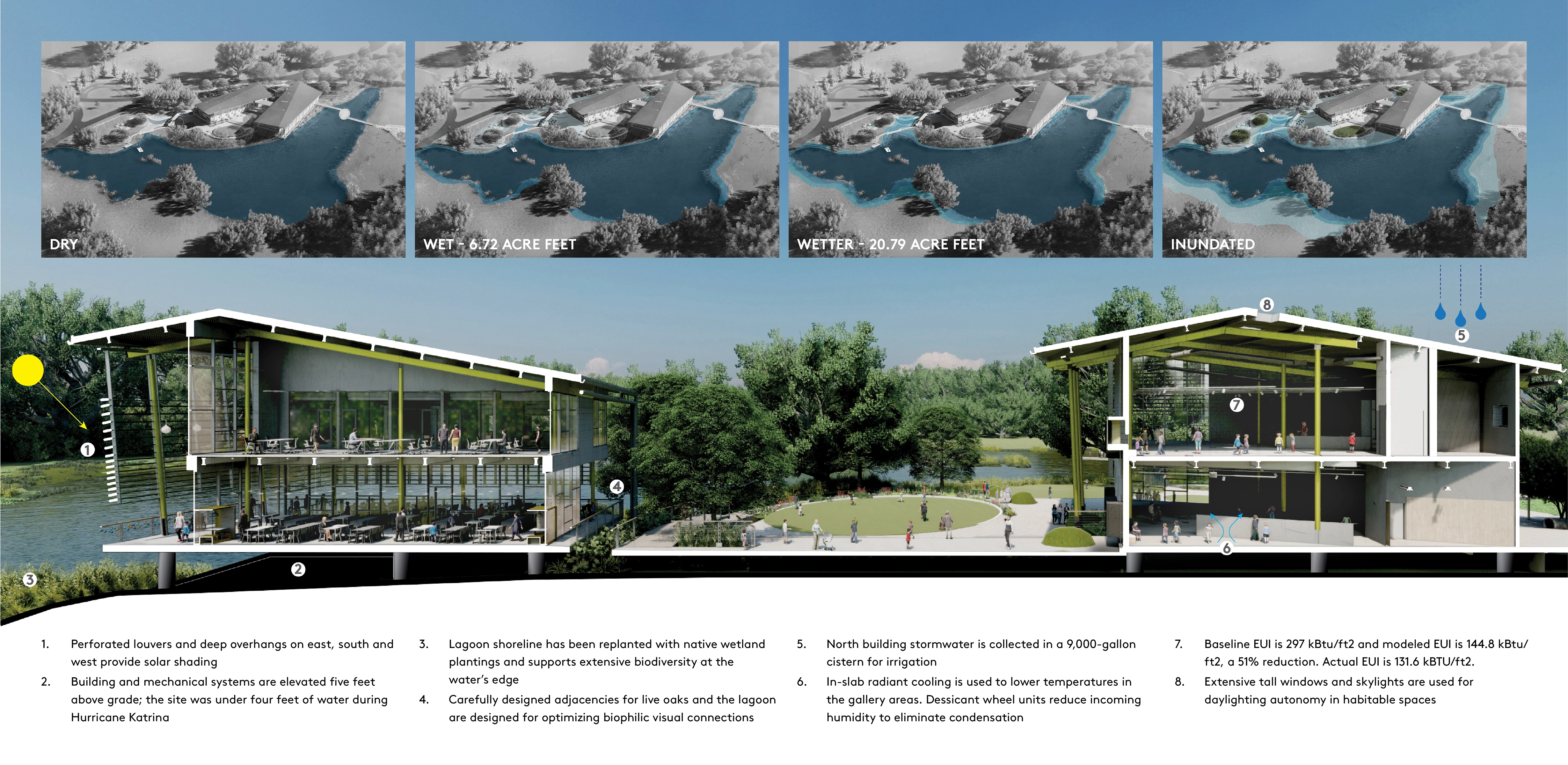
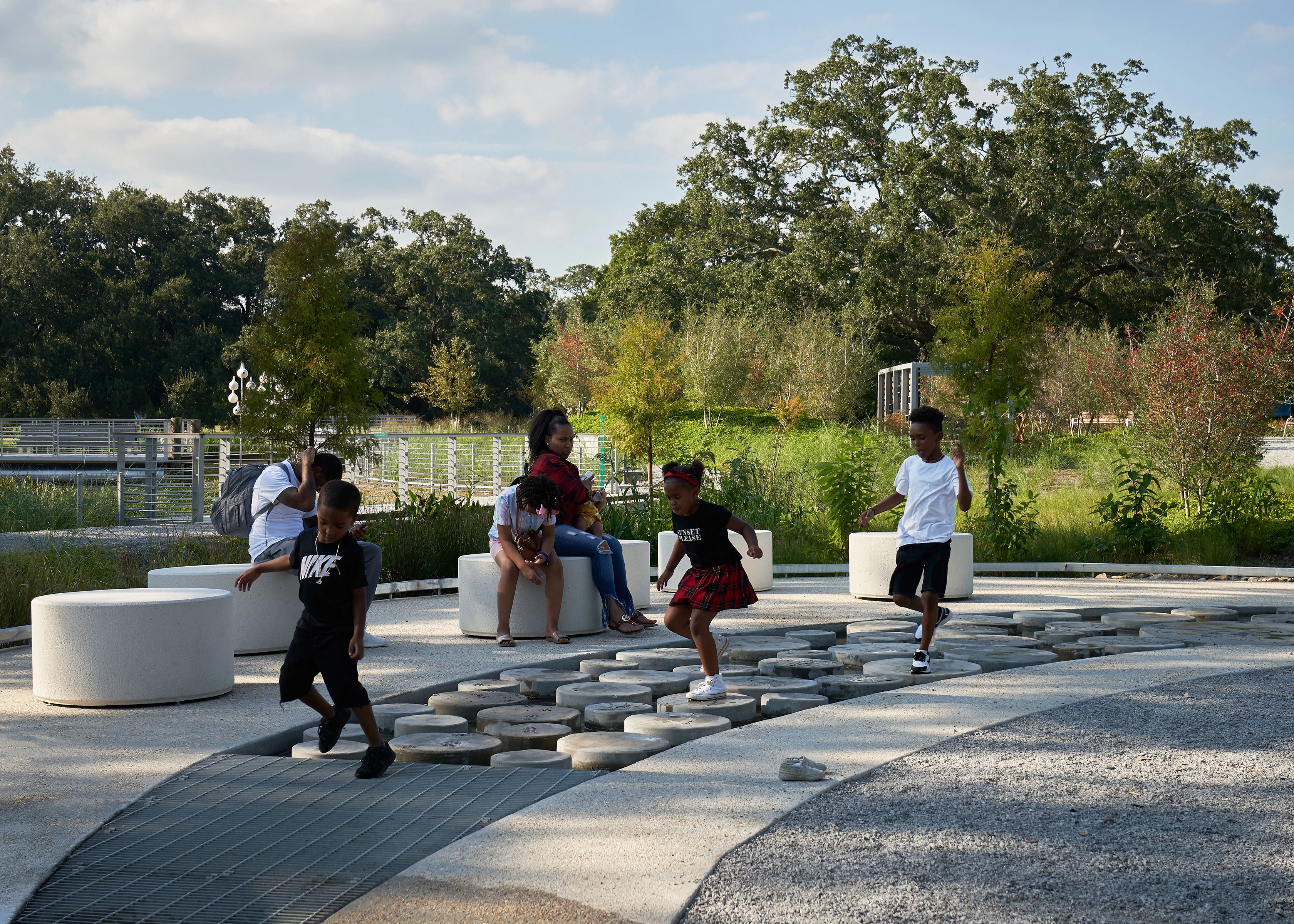
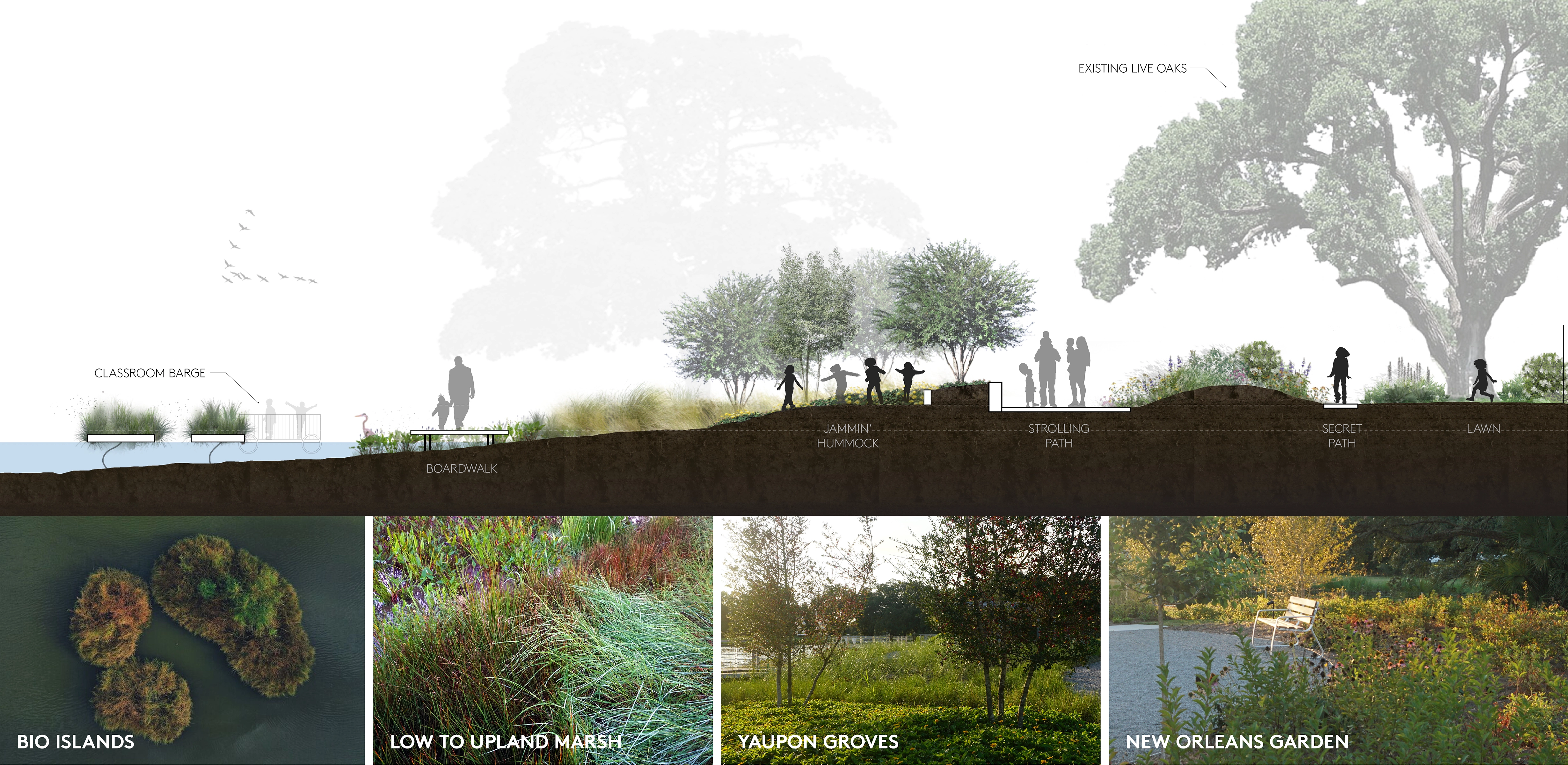
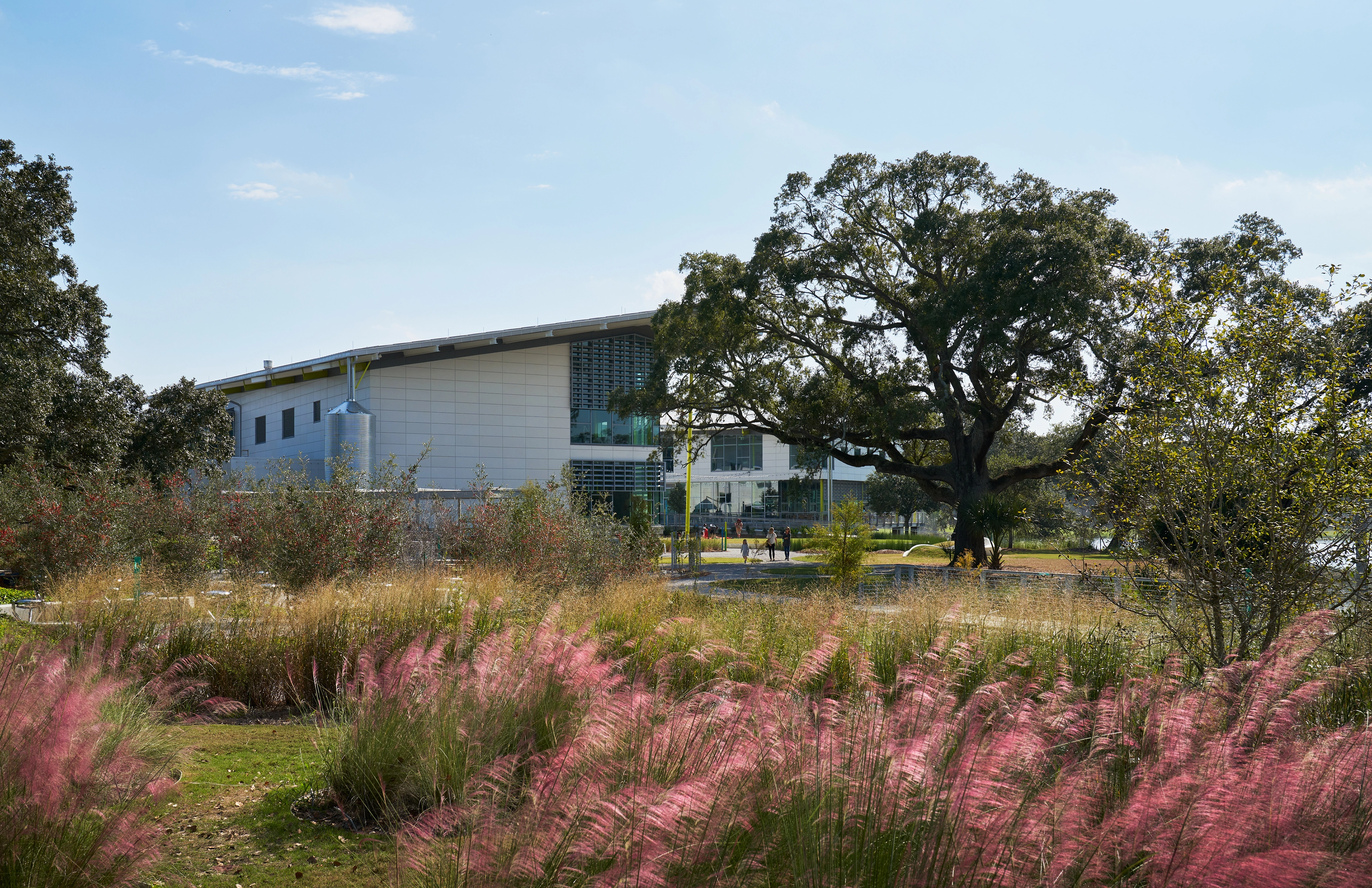
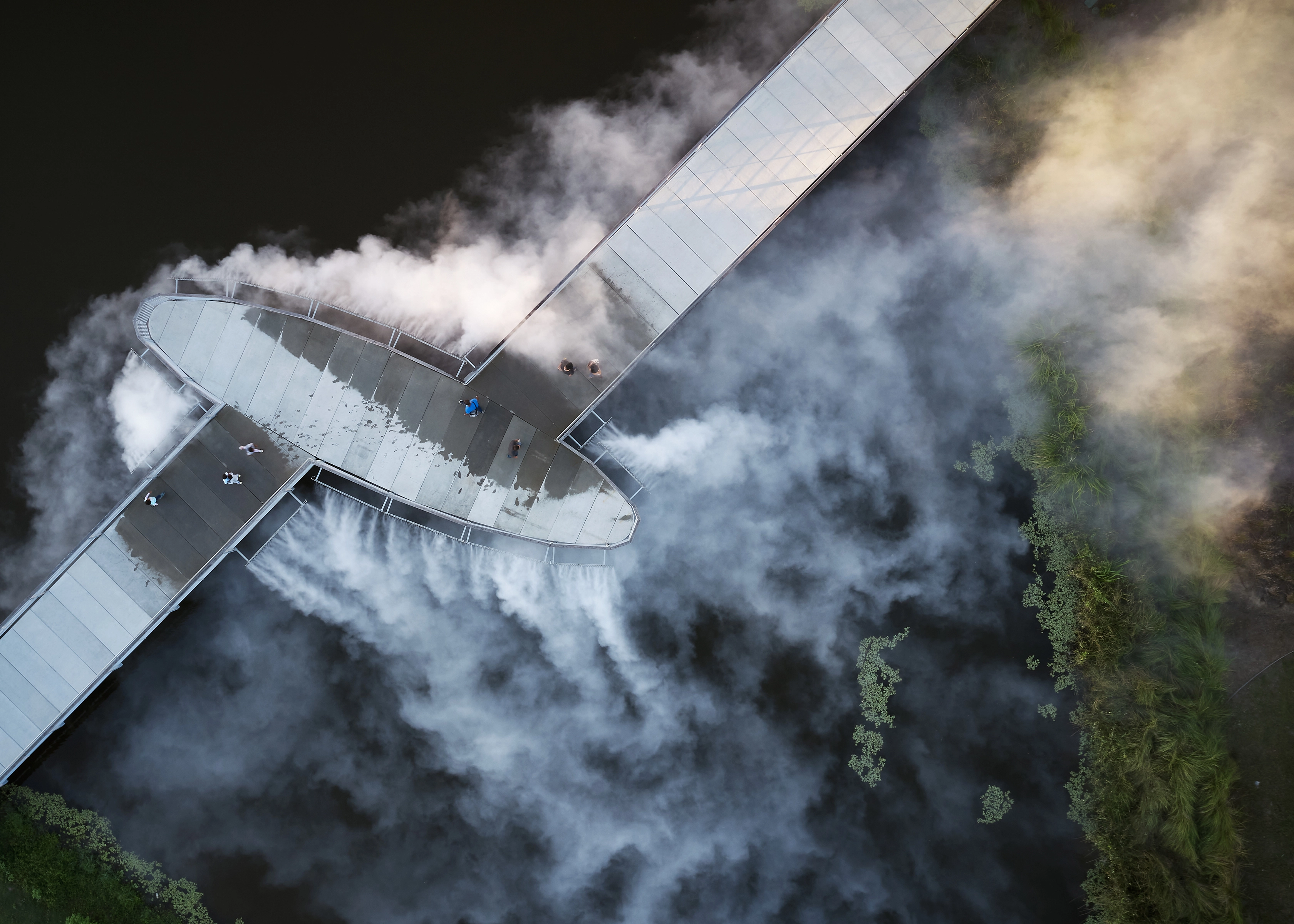
The building and site were designed to accommodate periodic flooding, and mitigate the hot, humid climate. The integrated design optimizes the shade of mature live oak trees, the world’s largest grove of live oaks, and the flow of a freshwater lagoon as a local stormwater receiving area that relieves flooding in downtown neighborhoods. The choreography of the visitor experience connects families with these nature-based systems—moving through groves of live oaks, across water, through immersive exhibits and into a courtyard and sensory gardens.
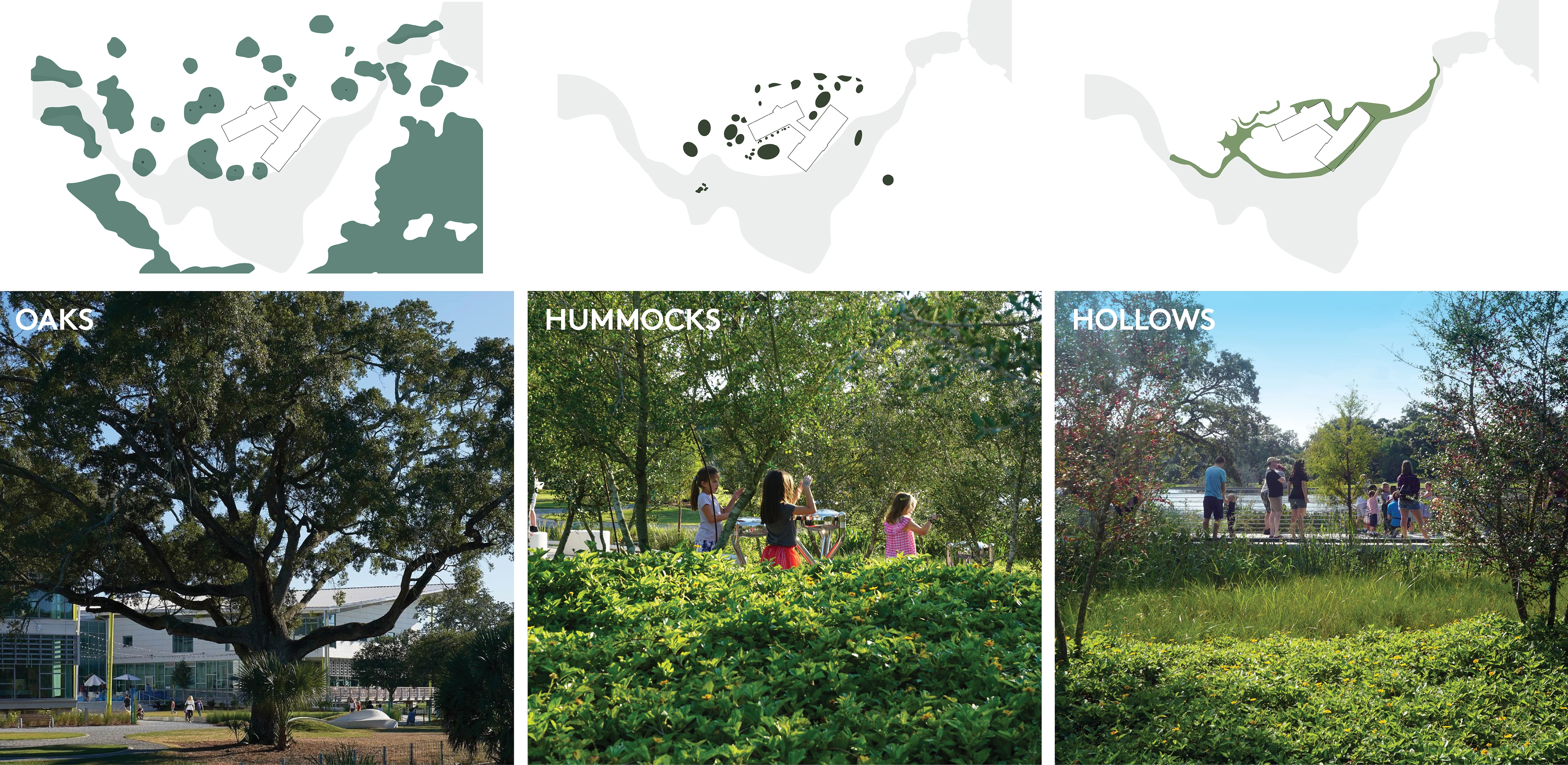
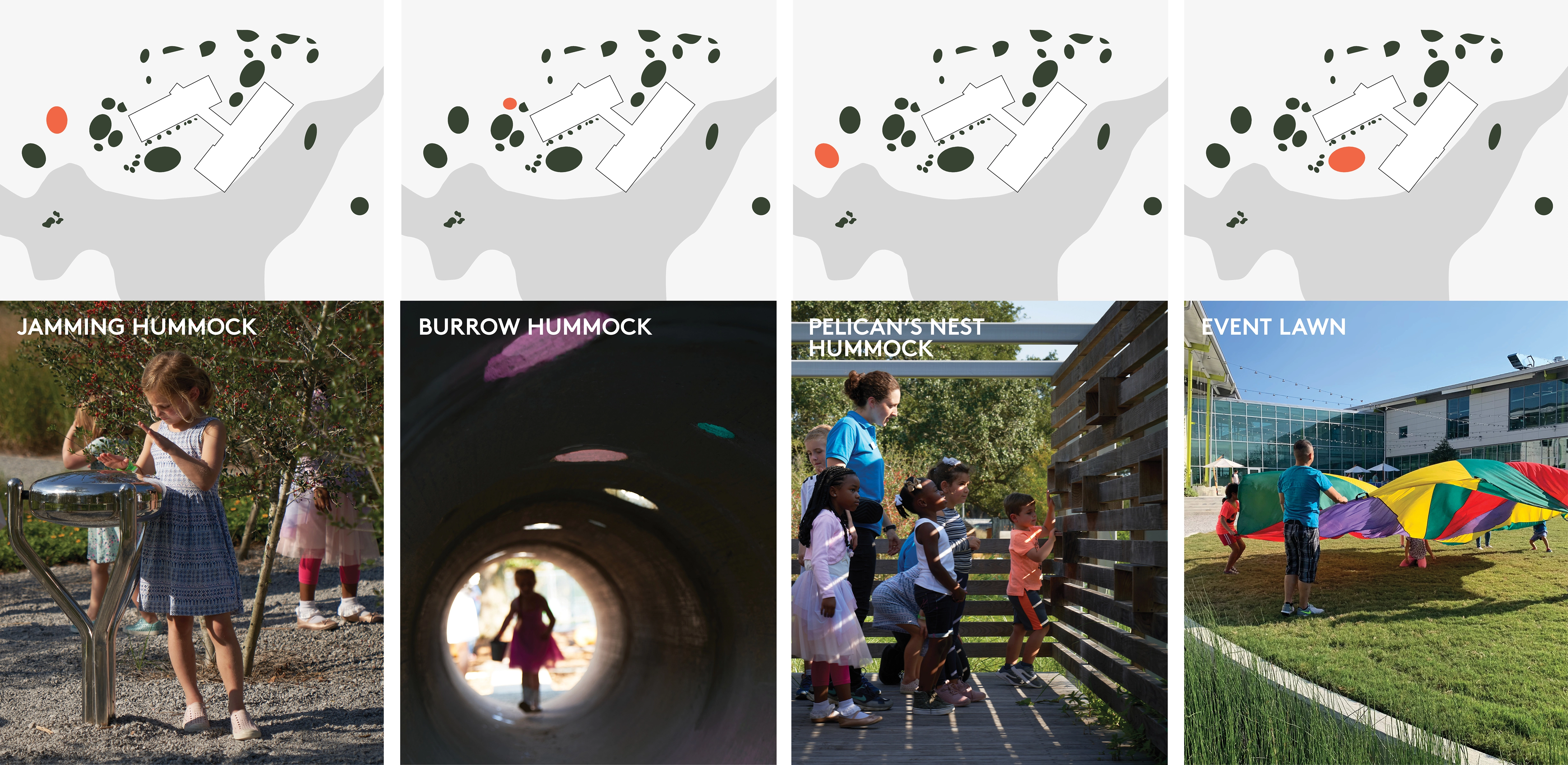
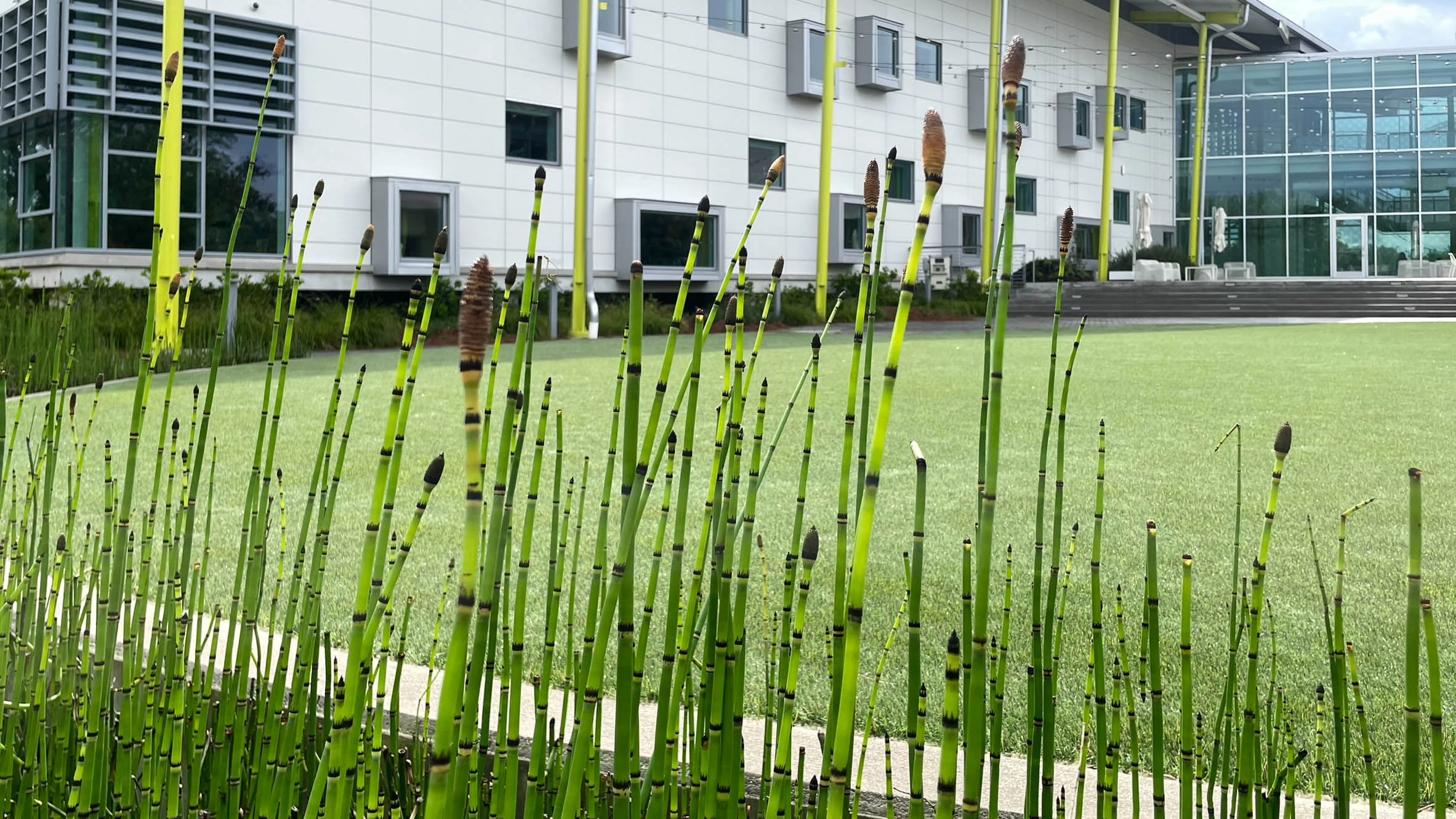
The magic of child-centered play is reinforced with a simple expression of the local landscape—the oaks, the hummocks and the hollows. In the delta landscape, a six-inch topographic change enables a wholly different ecosystem. These slight variations in topography and dramatic ecosystem change are the backbone of the design concept. The hummocks and hollows concept unfolds in multiple ways across multiple scales—as small, medium, and large program and outdoor exhibit areas create varied play experiences and build healthy habitat. The International Living Future Institute recognized the project with the 2021 Stephen R. Kellert Biophilic Design Award.
The Reggio Emilia child development philosophy—a child-centered approach that emphasizes multisensory nature play—guided the design of experiential and haptic elements that cast changing shadows and inspire interactive rainwater engagement while providing energy reductions and stormwater utility. During the pandemic, the museum pivoted to host preschool and kindergarten students (94% of whom are living under the poverty line) from a nearby charter school for daily classes, providing a critical service to support the surrounding community. Test scores during this time dramatically increased.
The new museum has changed the city and the state. Average monthly attendance from across the state has tripled. The Governor and the Mayor of New Orleans increased financial support for early childhood development citing the Museum’s example. And a recent regional economic group survey identified early childhood development as the top priority within the region. As part of a suite of projects, LCM’s resilient green infrastructure helped the City win a $141 million grant through the 2015 National Disaster Resilience Competition. The project’s exemplary actual sustainable performance and post-occupancy lessons earned recognition with a 2022 AIA COTE Top Ten Plus Award. The jury remarked, “This project exemplifies a resilient way of living with water in a place that is continuously challenged by its proximity to it.”
-
- Pastorek Habitats - Local Landscape Architect
- Schrenk Endom Flanagan - Civil Engineer
- Biohabitats - Ecology and Permitting Advisor
- Gyroscope Inc. - Exhibit Design
- Landscape Images - Adventure Play Area Design
- ARUP - Site Lighting, MEP Engineer, AV & Acoustics
- Mithun - Architecture, Interior Design
- Waggonner & Ball Architects - Local Collaborating Architect
- Roy Anderson Corp. - General Contractor
- RCI - Landscape Subcontractor
- Thornton Thomasetti - Structural Engineer
- Vanir Construction Management, Inc. - Construction Manager
- William Brown (WBLA) - Irrigation Design
- Fujiko Nakaya / MEE Fog - Site Art Installation
- Mitchell Gaudet - Glass Artist (Mardi Gras beads, glass lens at Burrowing Hummock)
- Studio Matthews - Environmental Graphics
- Bayou Tree Service - Live Oak Specialist
- Pastorek Habitats - Planting Design Consultant
-
Products
- Furniture
- Fences/Gates/Walls
- Irrigation
- Lumber/Decking/Edging
- Structures
- Water Management/Amenities
- Soils
- Hardscape
- Lighting
- Other
-
- Yaupon Holly
- Southern Live Oak
- Pond Cypress
- Possumhaw
- Mayhaw Hawthorn
- Gardenia
- Bear’s Breeches
- Butterfly Ginger
- Sweet Spire ‘Henry’s Garnet’
- Dwarf Palmetto
- Meyer Lemon
- Southern Waxy Sedge
- Marsh Hay
- Bull Tongue
- Pickerelweed
- Copper Iris
- Stokes Aster
- Pink Muhly Grass
- Switchgrass
- Red Jewel Millet
Related Awards
Award of Excellence, General Design
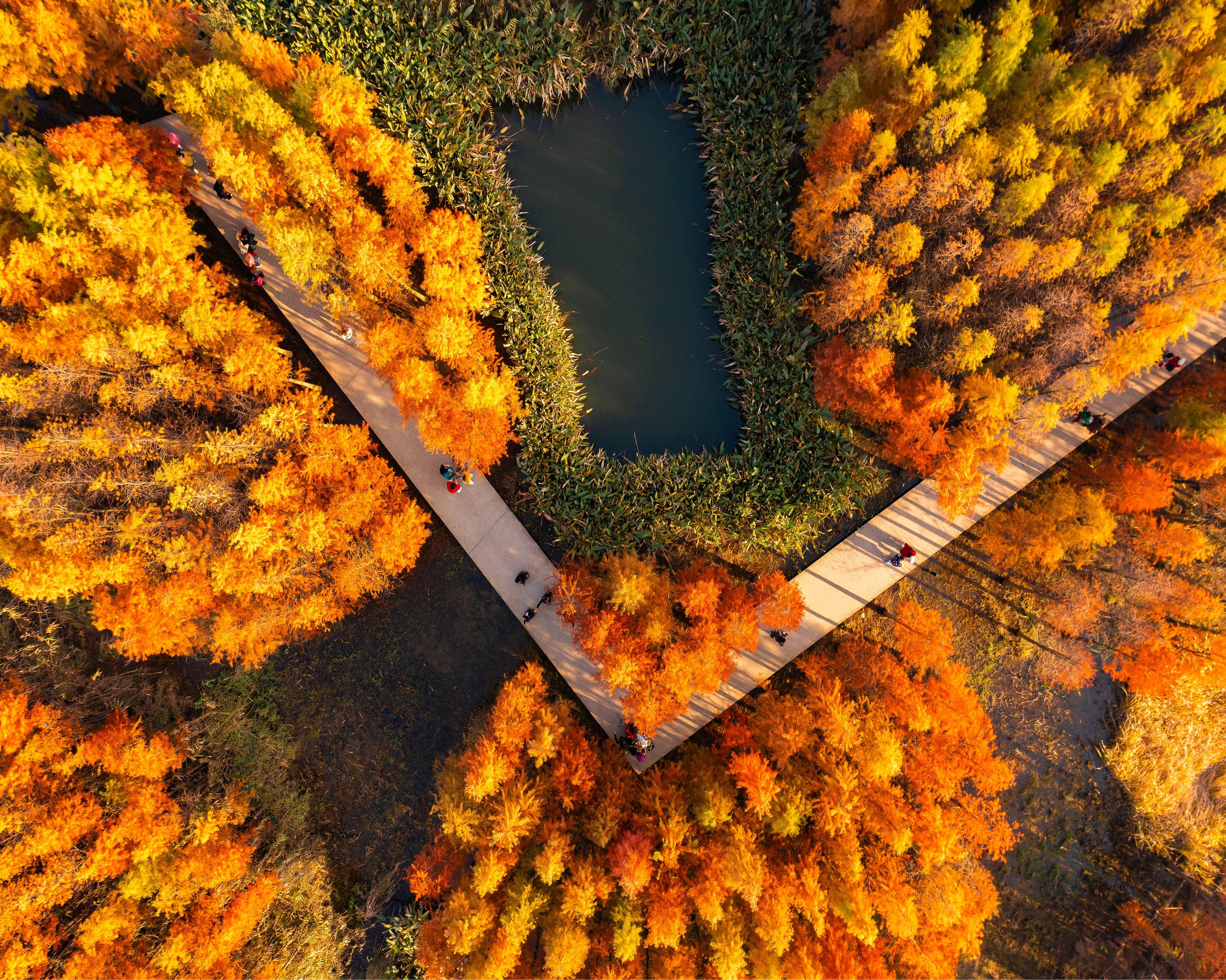
A Floating Forest: Fish Tail Park in Nanchang City
In Nanchang, within the Yangtze River floodplain, we revitalized a heavily degraded 126-acre landscape into a floating forest that manages stormwater, restores habitats, and provides diverse recreational spaces—all within a limited budget and a short timeline. This innovative urban nature model strengthens the district’s identity and spurs surrounding development. Fish Tail Park offers a scalable solution for flood-prone regions, seamlessly integrating flood resilience, ecological restoration
Related Articles
Awards
ASLA 2026 Professional Awards: Early Bird Deadline Approaching January 9
Submit your best work by the January 9 Early Bird deadline to save. Get insider tips at the January 7 Professional Awards Webinar. Student and other professional deadlines follow in February.
Dec 16 2025