

.webp?language=en-US)
.webp?language=en-US)
Advertisement
2020 ASLA Professional Awards
Explore:
General Design Category
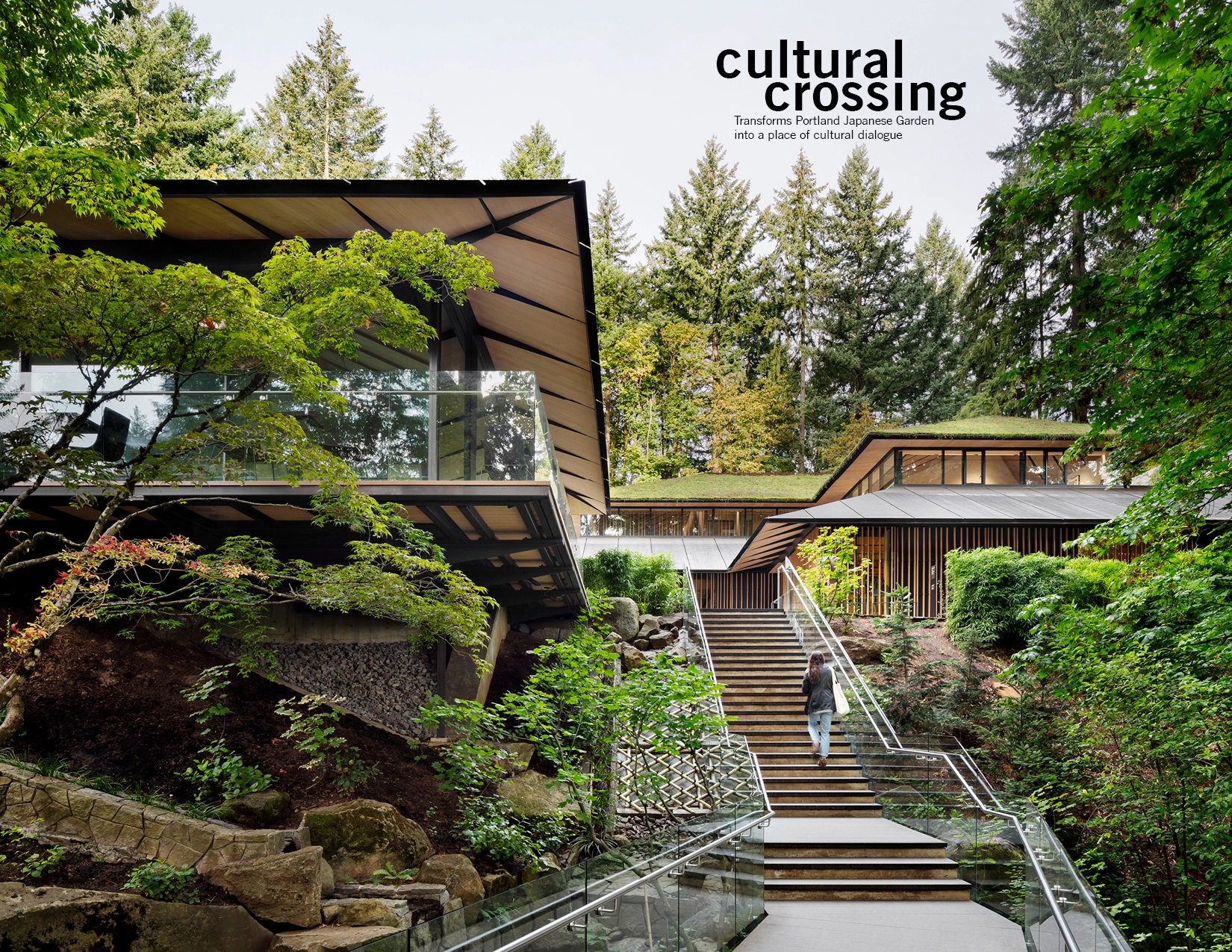
Cultural Crossing Transforms Portland Japanese Garden into a Place of Cultural Dialogue
The Cultural Crossing project is a place of inspired intercultural exchange and dynamic hands-on learning. While the project is an expansion of the existing Portland Japanese Garden, already a celebrated landmark known as one of the most authentic Japanese gardens outside of Japan, it diverges significantly from traditional Japanese garden design. Cultural Crossing creates a setting in which ecological principles and high-performance sustainable techniques blend with the aesthetics of modern Japanese design, and become the backdrop for a socially dynamic, world-class educational program. The elegant, contemporary spaces of the Cultural Crossing also restored the impacted, geologically complex landscapes of the site, and transformed the space into an immersive and interactive environment to learn about Japanese culture and craft.
General Design
Honor Awards
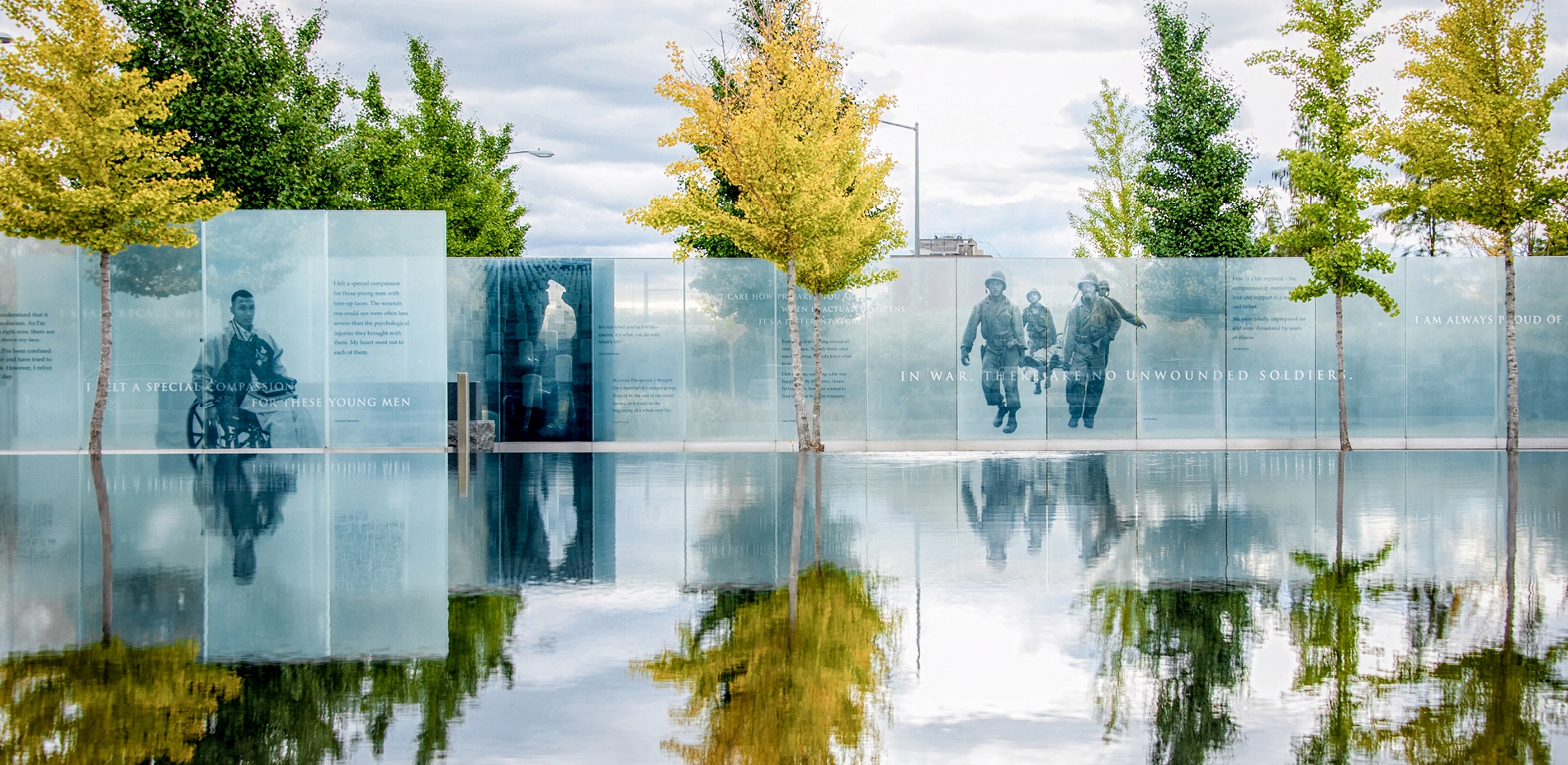
American Veterans Disabled for Life Memorial
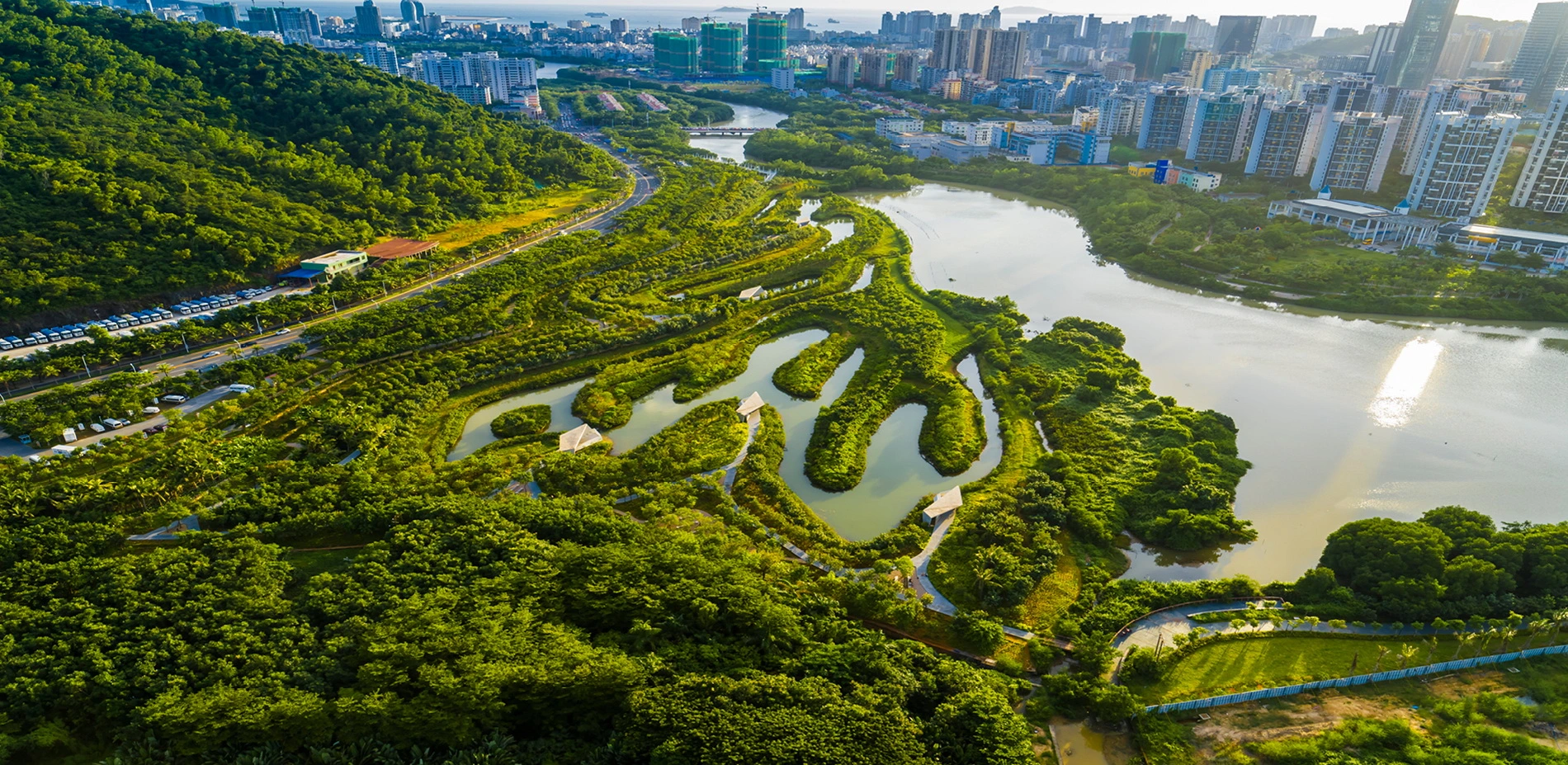
Deep Form of Designed Nature: Sanya Mangrove Park
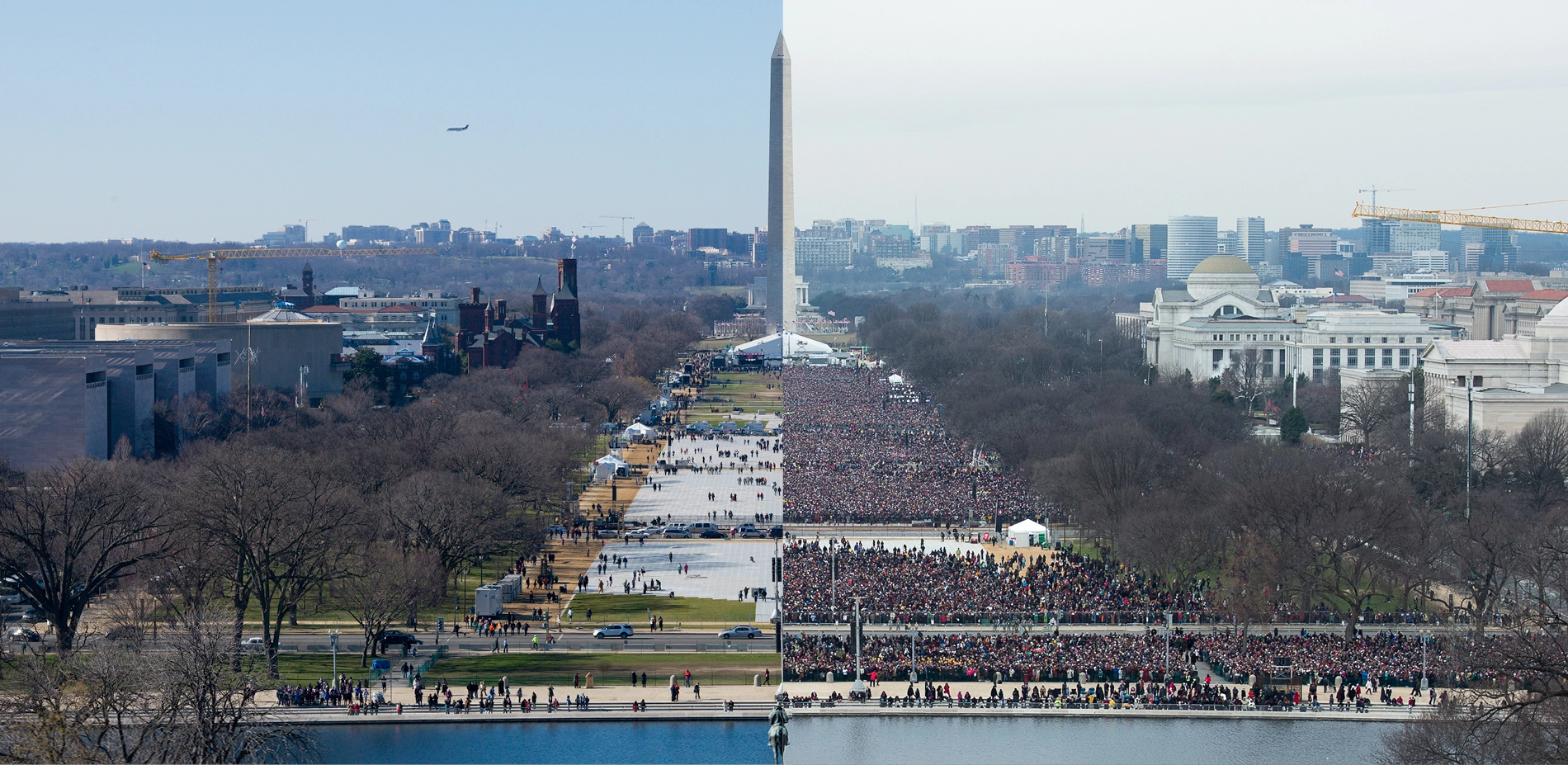
Designing, Implementing, and Managing Improvements to the National Mall
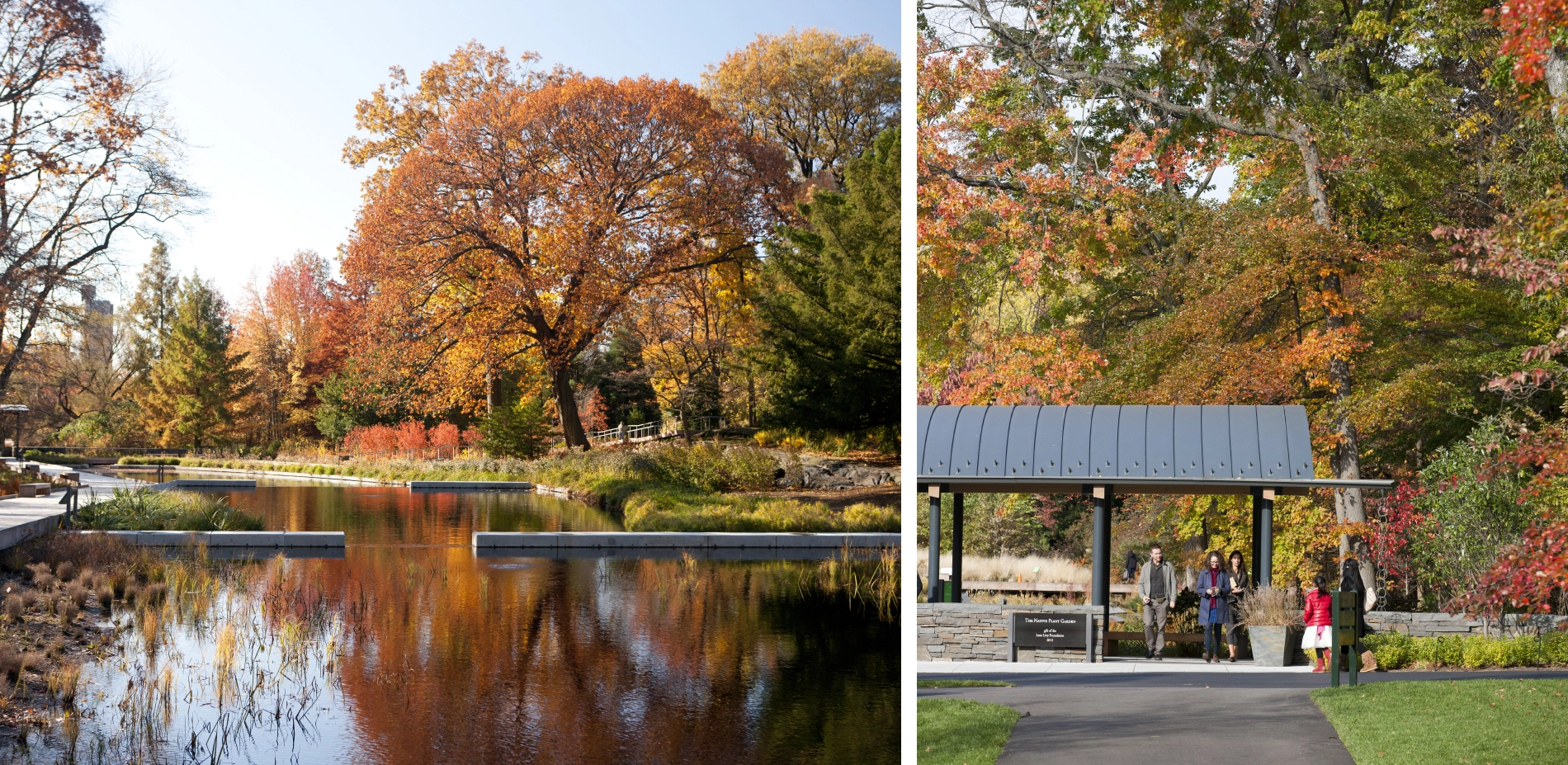
The Native Plant Garden at the New York Botanical Garden
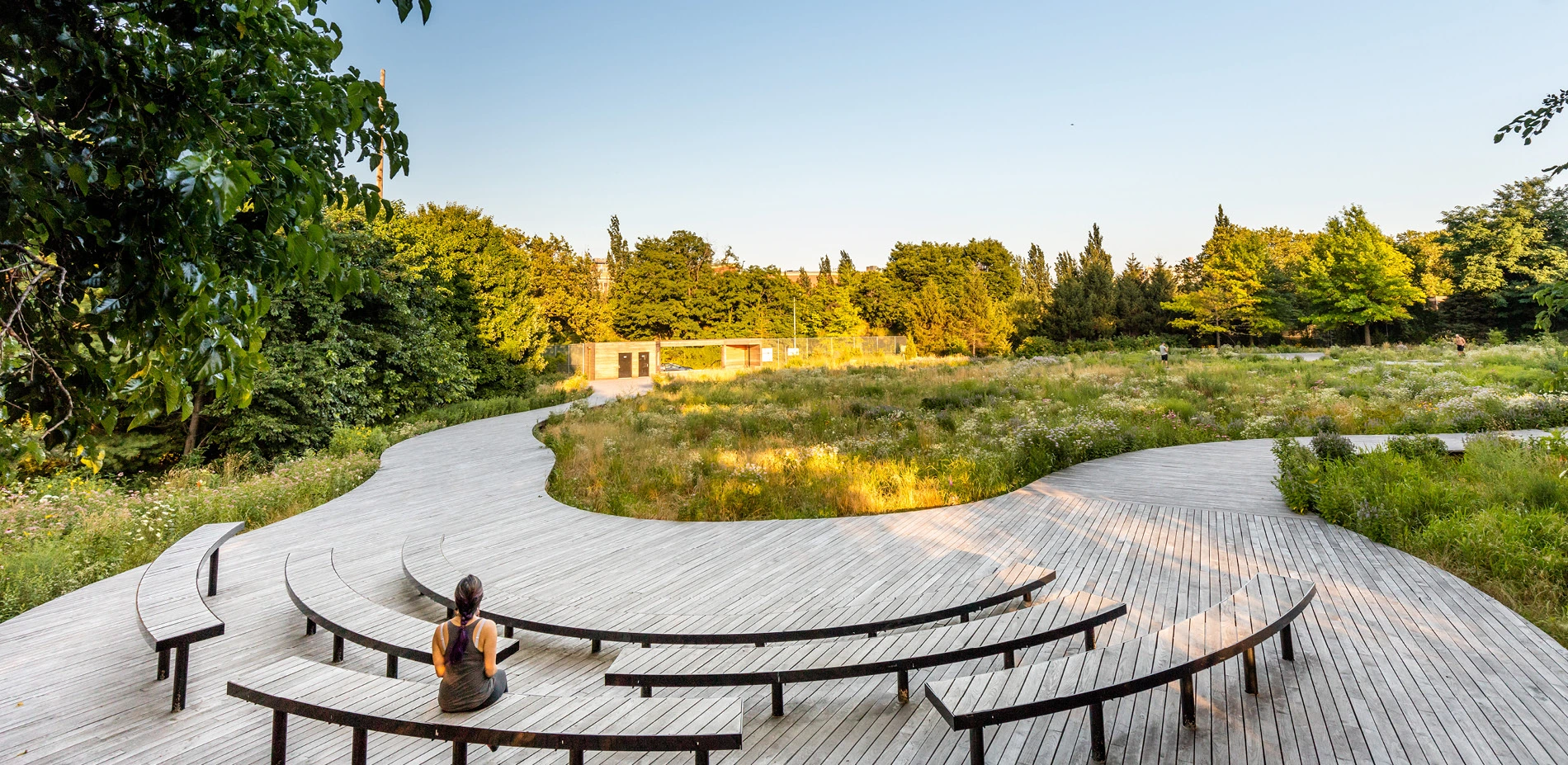
Naval Cemetery Landscape
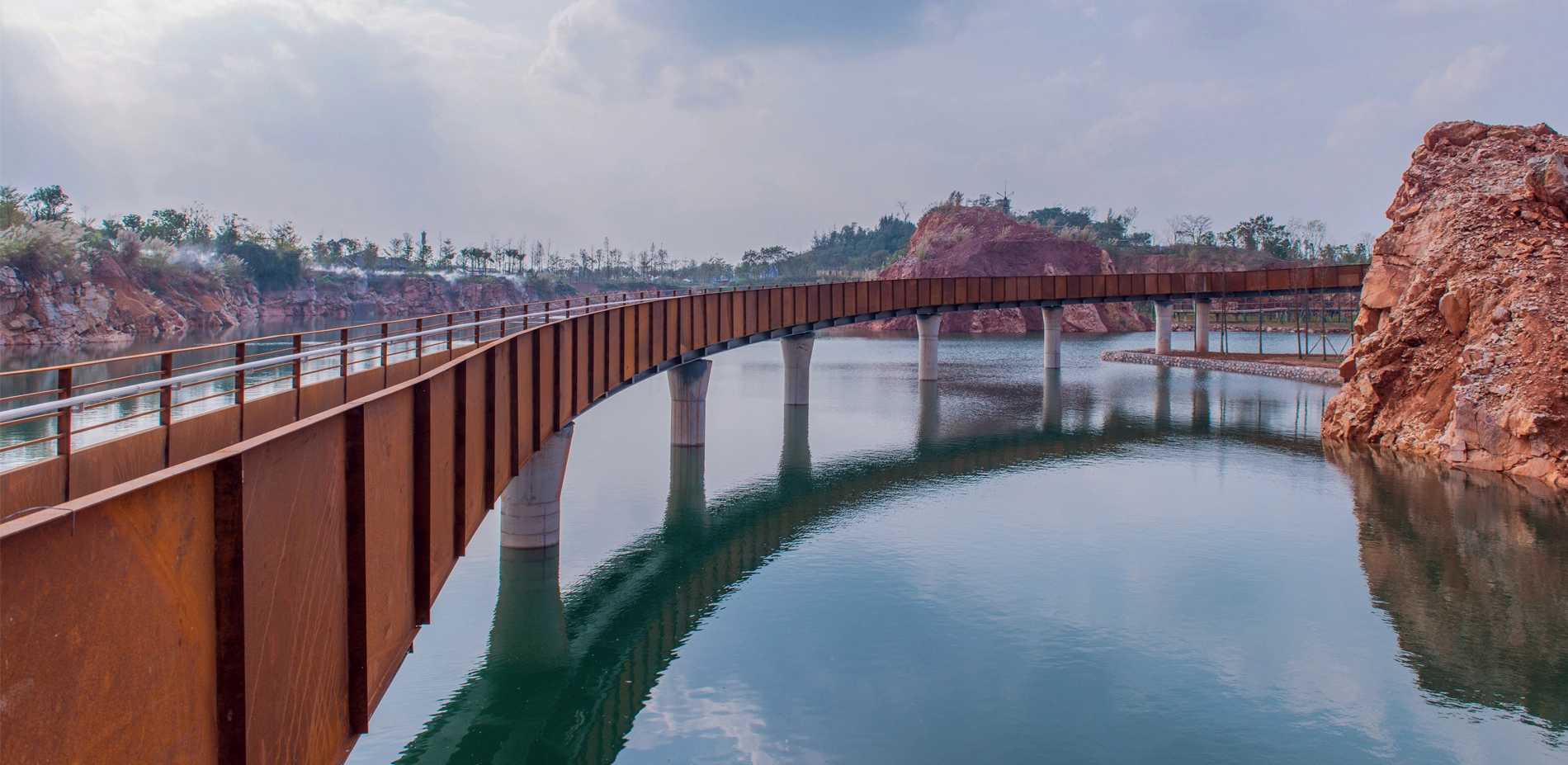
Quarry Gardens in Nanning Garden Expo Park

Taopu Central Park
Advertisement
Residential Design Category
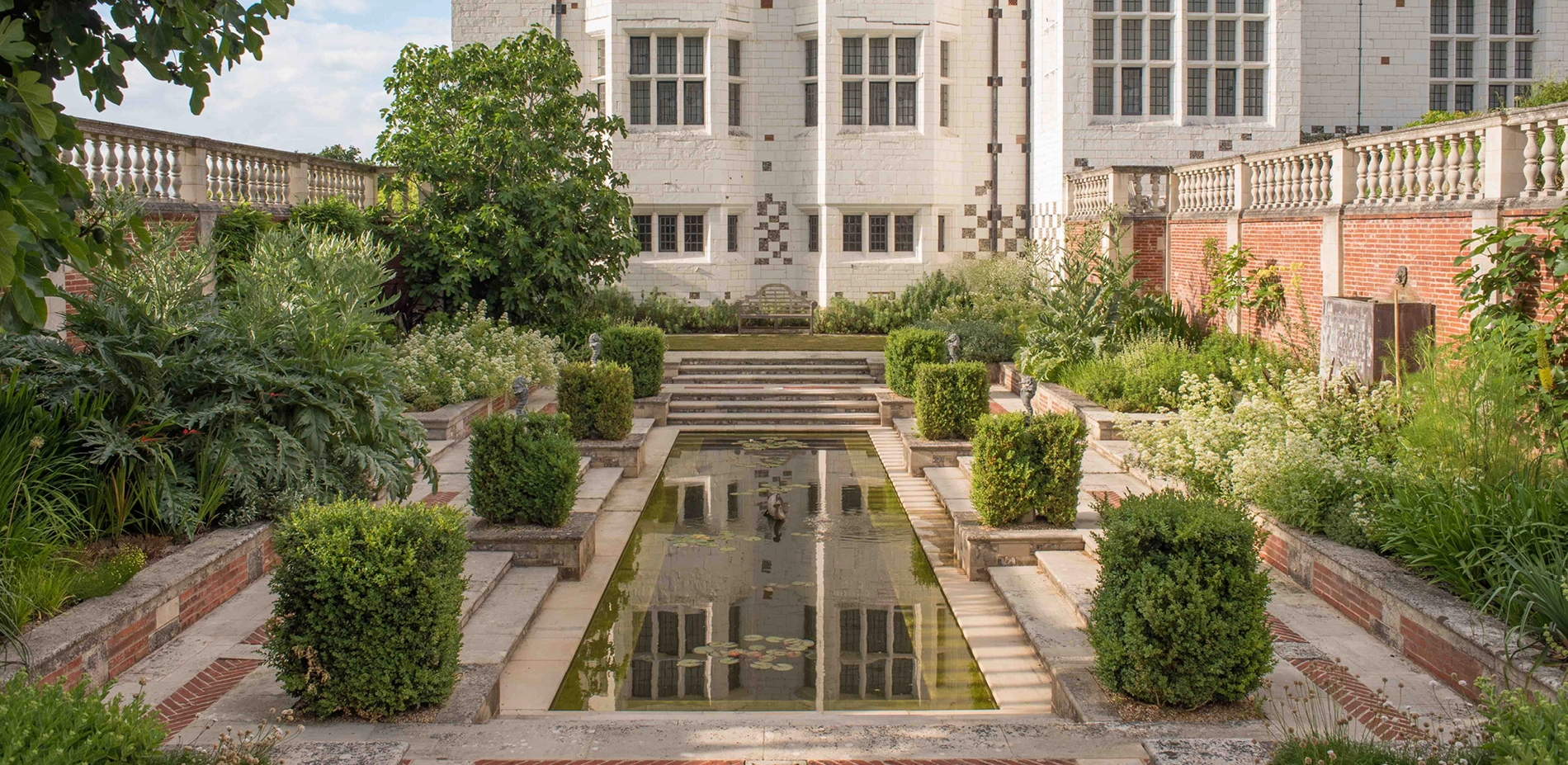
Marshcourt
Marshcourt is the estate and gardens created by Edwin Lutyens with Gertrude Jekyll in the chalk-veined hills above the River Test in Hampshire, United Kingdom. Constructed between 1901 and 1904, both house and gardens are listed on the National Register of Historic Parks and Gardens — Marshcourt is a quintessential expression of the Arts and Crafts Movement. Lutyens and Jekyll’s design seized particular site conditions in ways bold and subtle to produce an evocative, inventive genius loci. In spring of 2010, the owners of Marshcourt commissioned our practice to develop a master plan for Marshcourt, which, after decades under different owners, lay in decline.
The owners charged us to preserve the landscape while also adapting it to serve as a home for their family. Together we faced the formidable task of stewarding this national treasure into a new era as a contemporary home. This project required different landscape architecture approaches in different places: preservation, renewal or reinterpretation, and, elsewhere, entirely new design that sought, as Lutyens and Jekyll did, to articulate Marshcourt’s extraordinary genius loci.
Residential Design
Honor Awards
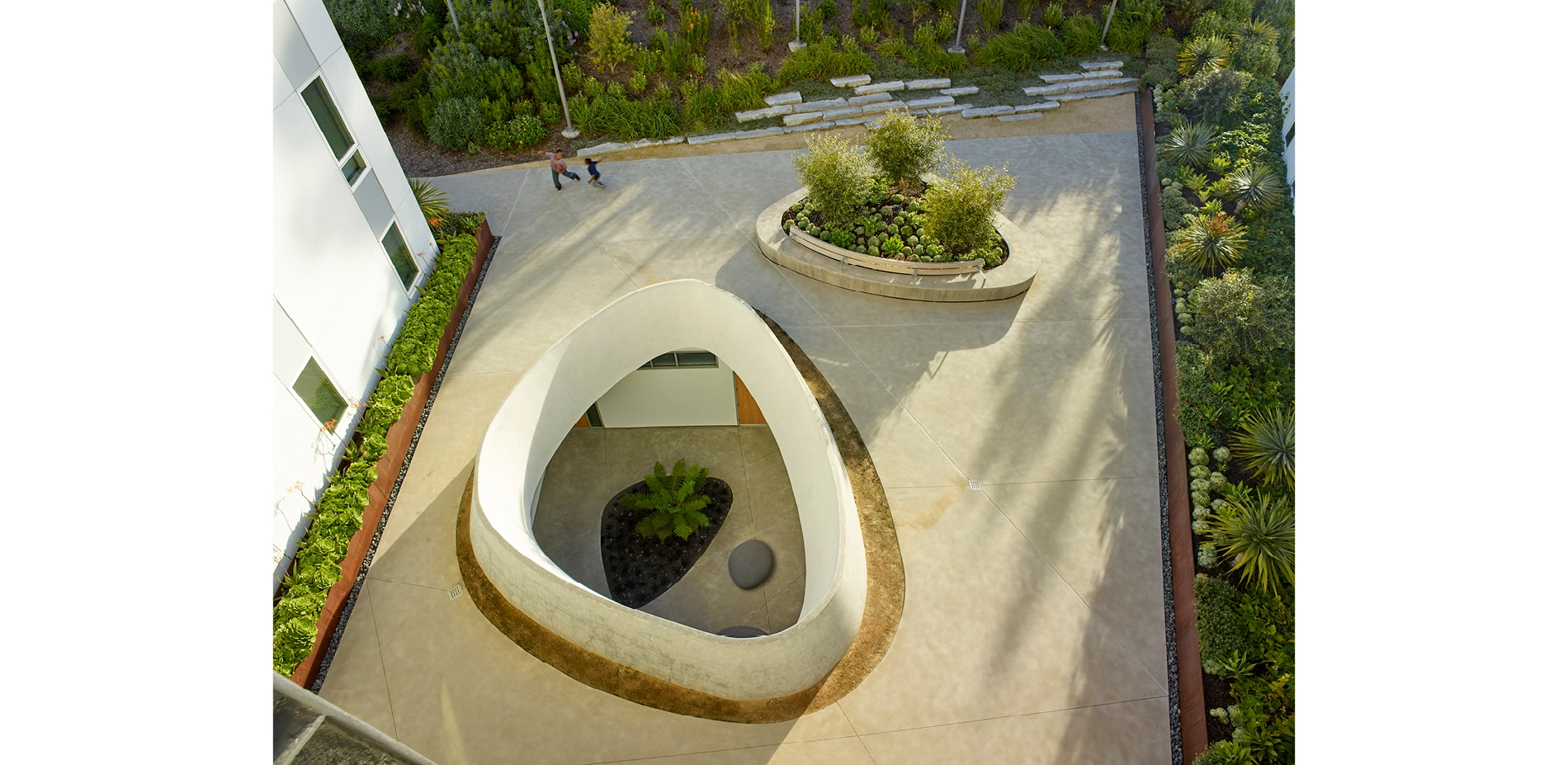
901 Fairfax Hunters View Housing
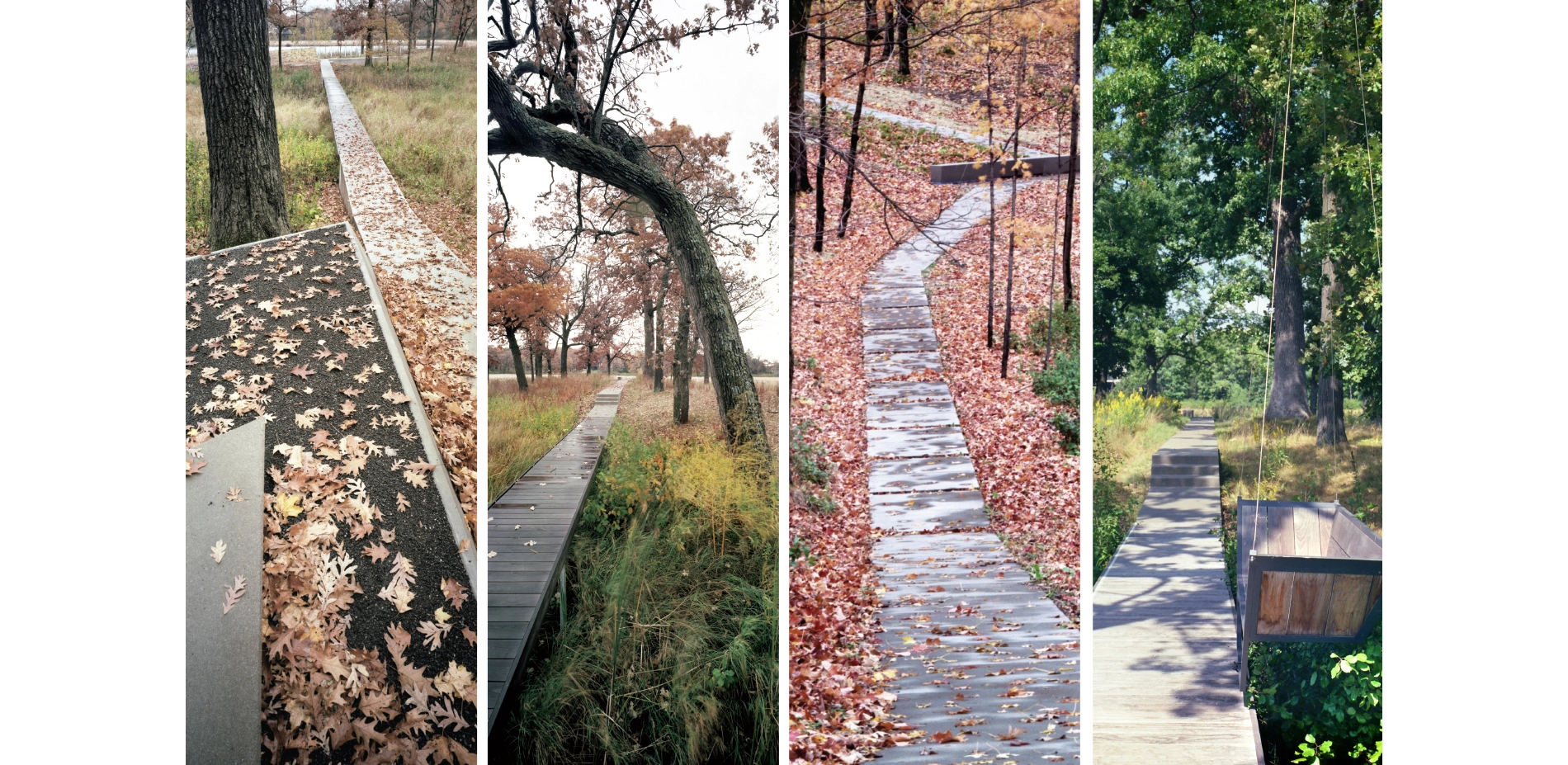
Lake Marion Residence: Connecting Art and Ecology
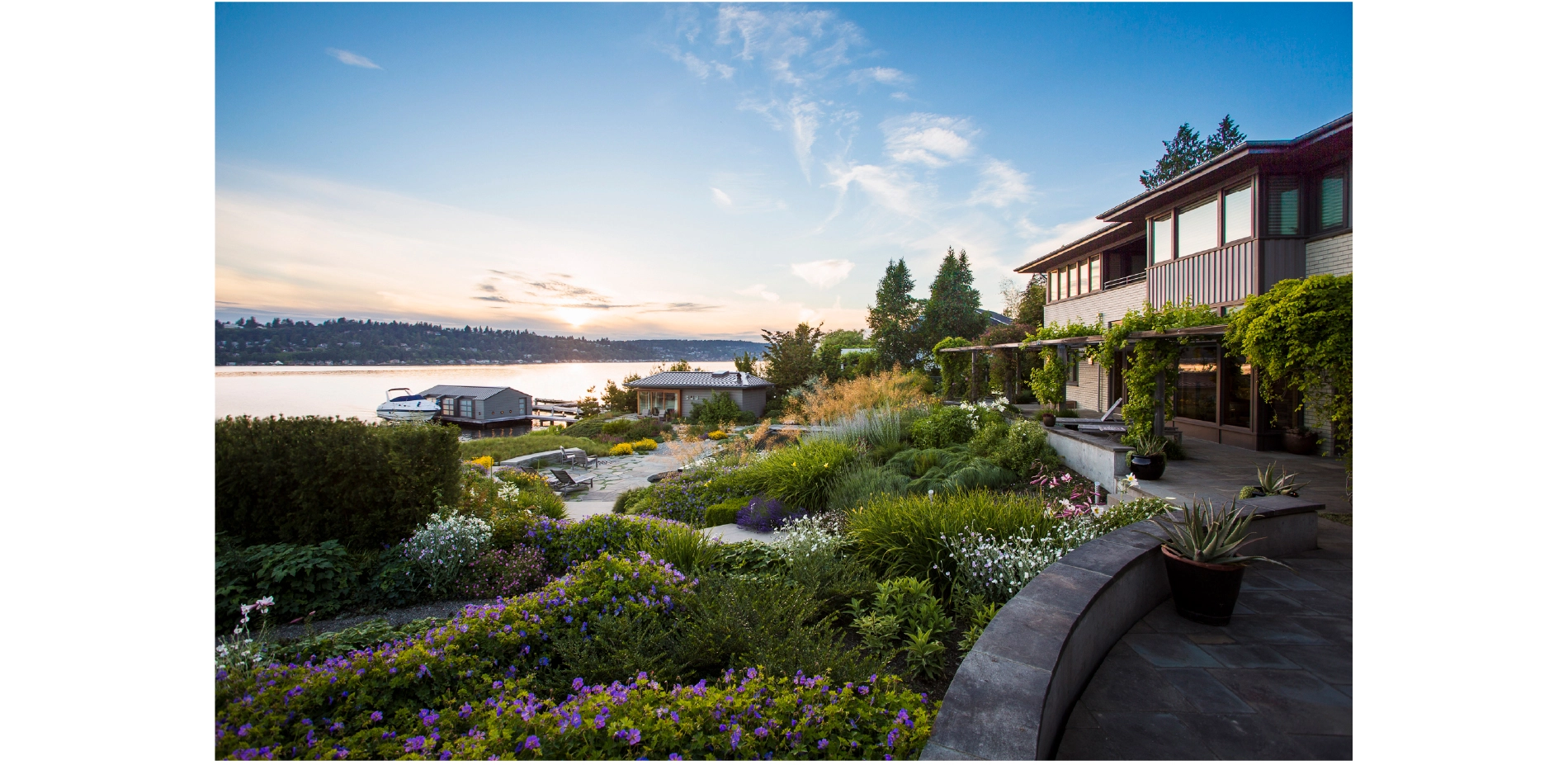
A Shoreline Re-Imagined
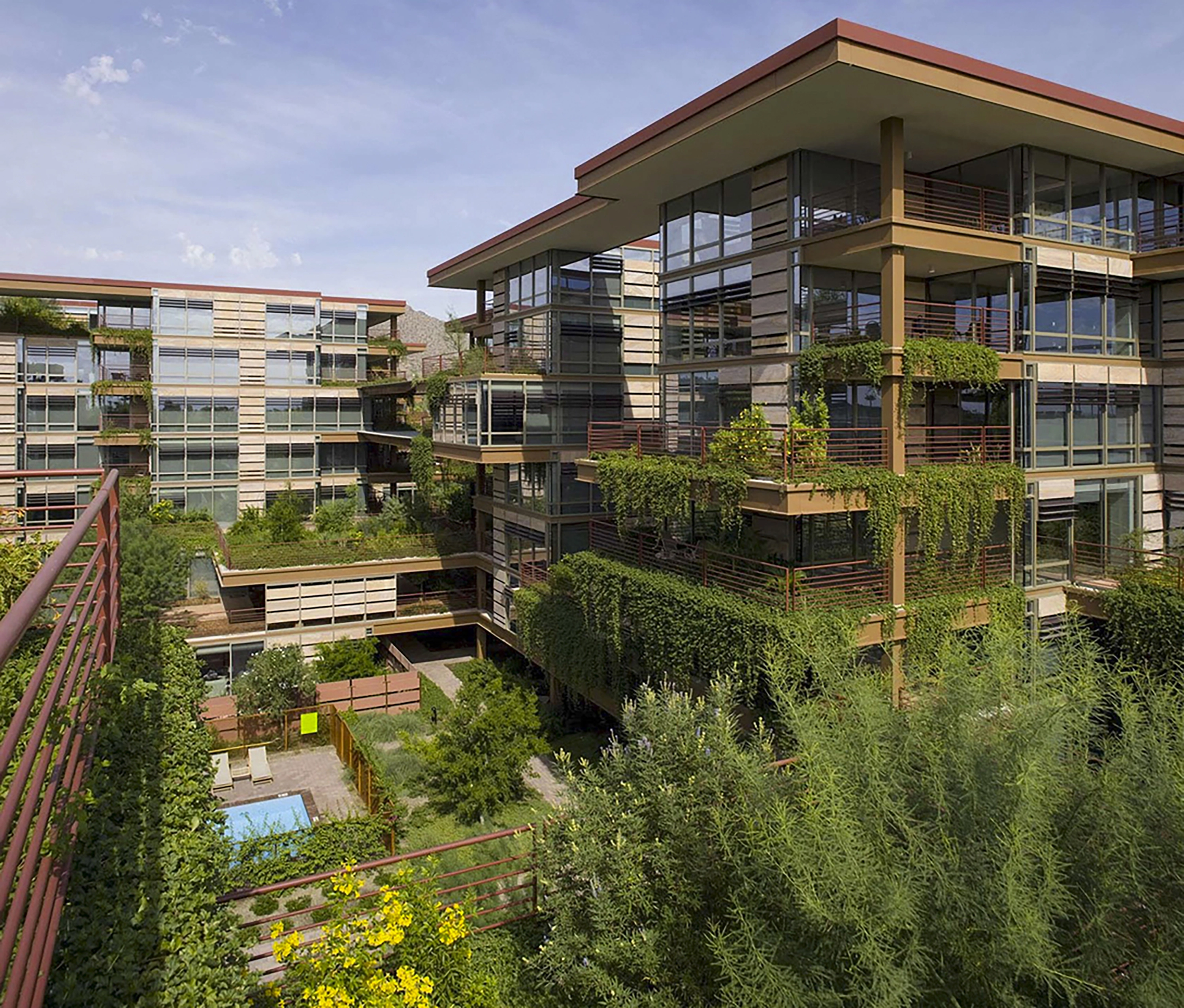
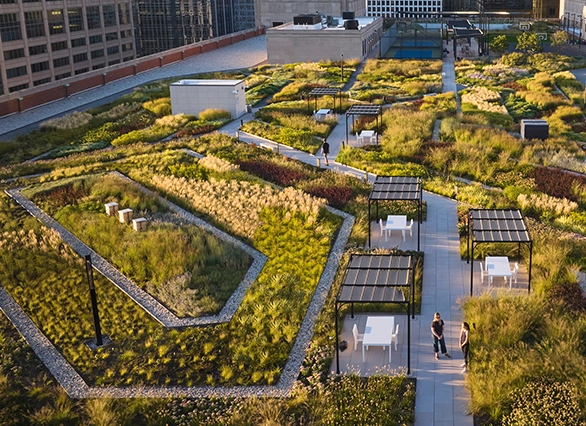
Vertical Oasis: Verdant Sustainability in an Arid Climate
Urban Design Category

Dilworth Park
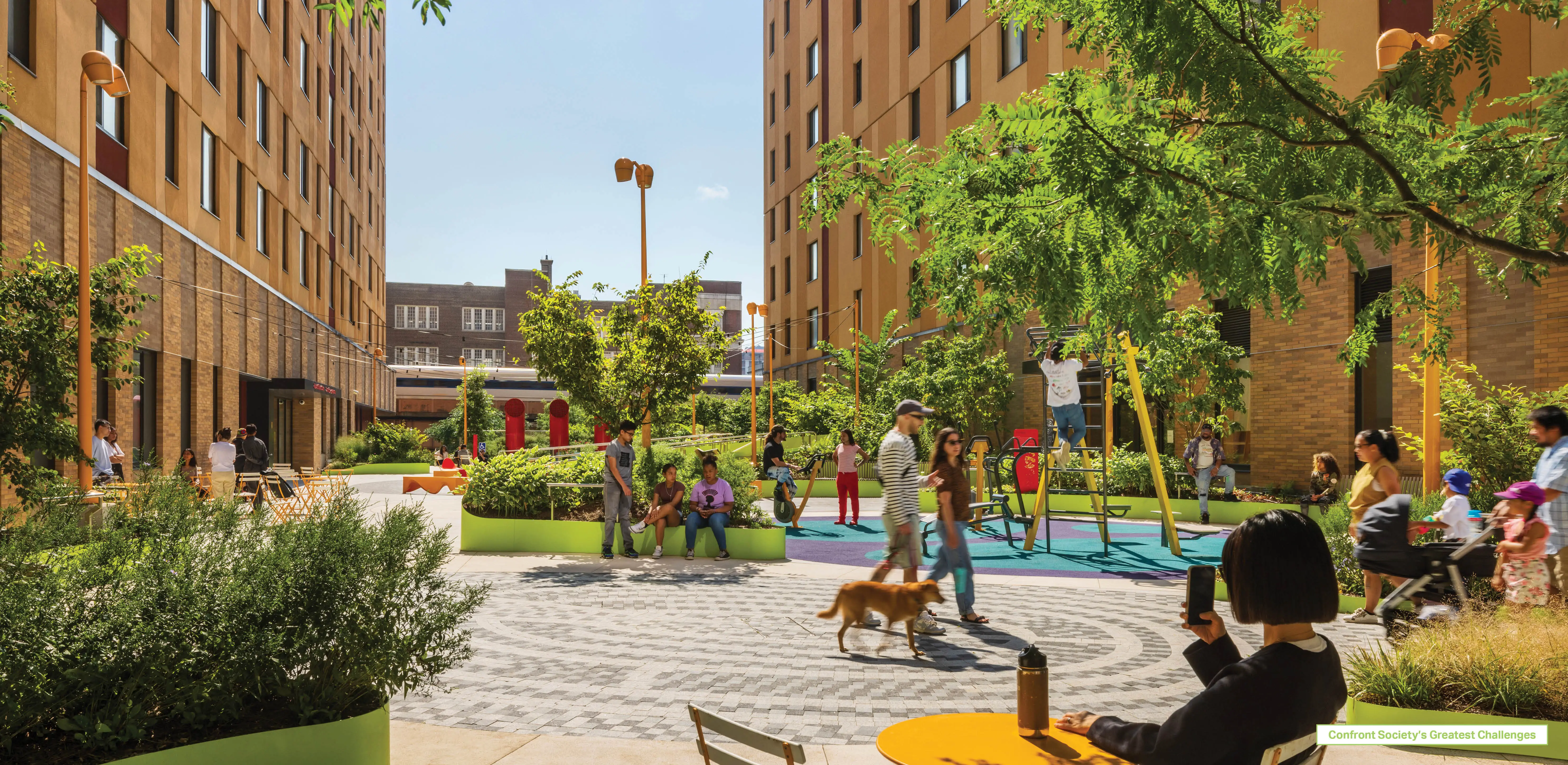
Dilworth Park at Philadelphia’s City Hall is a lively and contemporary embodiment of William Penn’s vision for Philadelphia as a ‘Green Country Town.’ Today the park is an inclusive hub of Philadelphia’s life outdoors but for decades this was not the case. Prior to renovation Dilworth was an uninviting and inaccessible maze of raised and sunken terraces, hidden passageways, and defunct fountains surrounded by gloomy malnourished trees. The opportunity for change raised the park, both physically and metaphorically, to the prominence of its location at the foot of Philadelphia’s City Hall. The new park provides universal accessibility by bringing the entire site to street level, and encourages use throughout the day with a variety of programming. The entire park, with its generous lawn, interactive fountain, café, and ample seating amidst green groves of native plantings, are all built atop the nexus of Philadelphia’s multi-modal transit system and acts as a connective gateway to all of Philly’s neighborhoods. The park functions as a 2.5-acre green roof, creating a welcome all-season spot for relaxation and public recreation.
Urban Design
Honor Awards
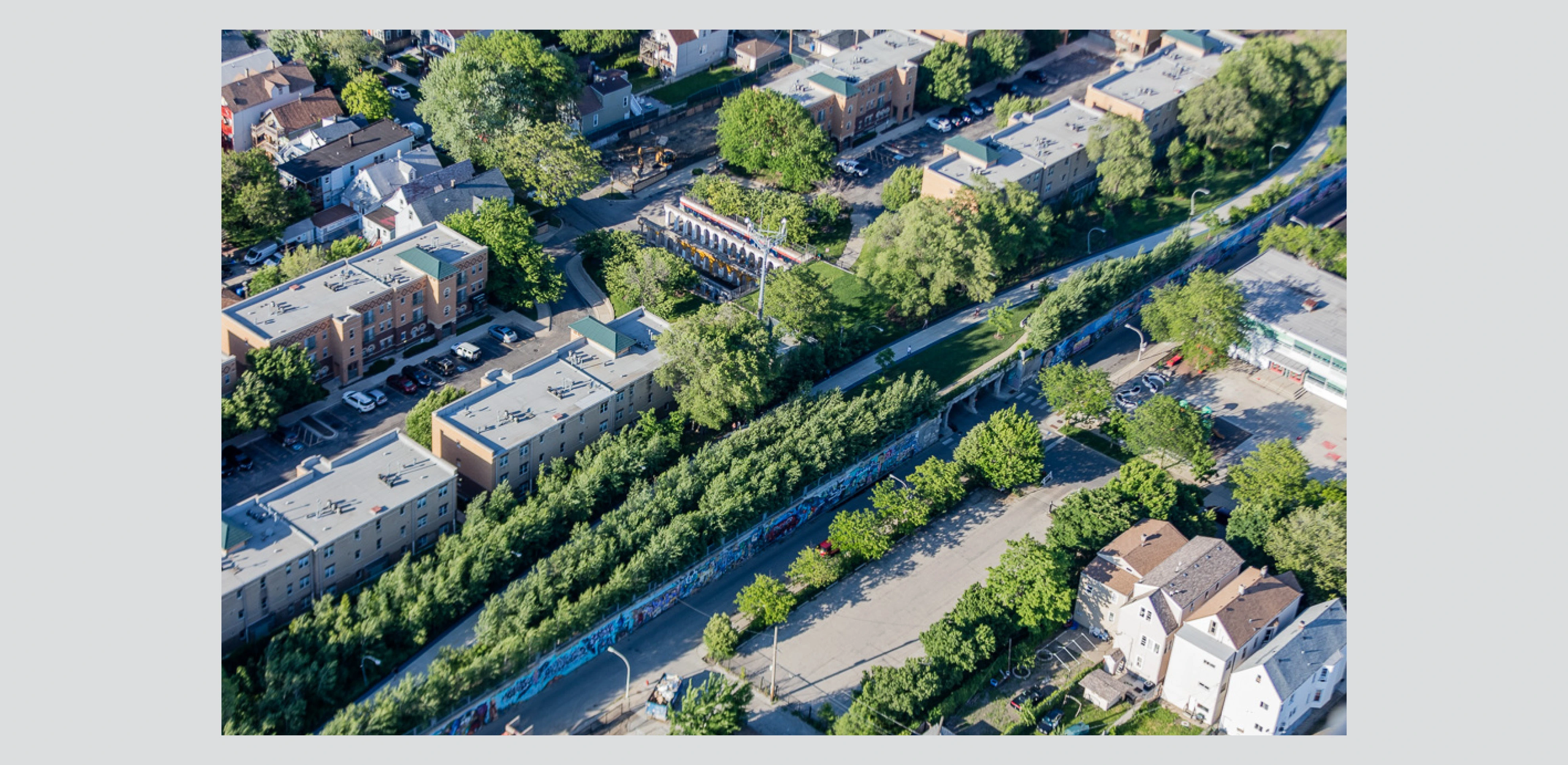
The 606
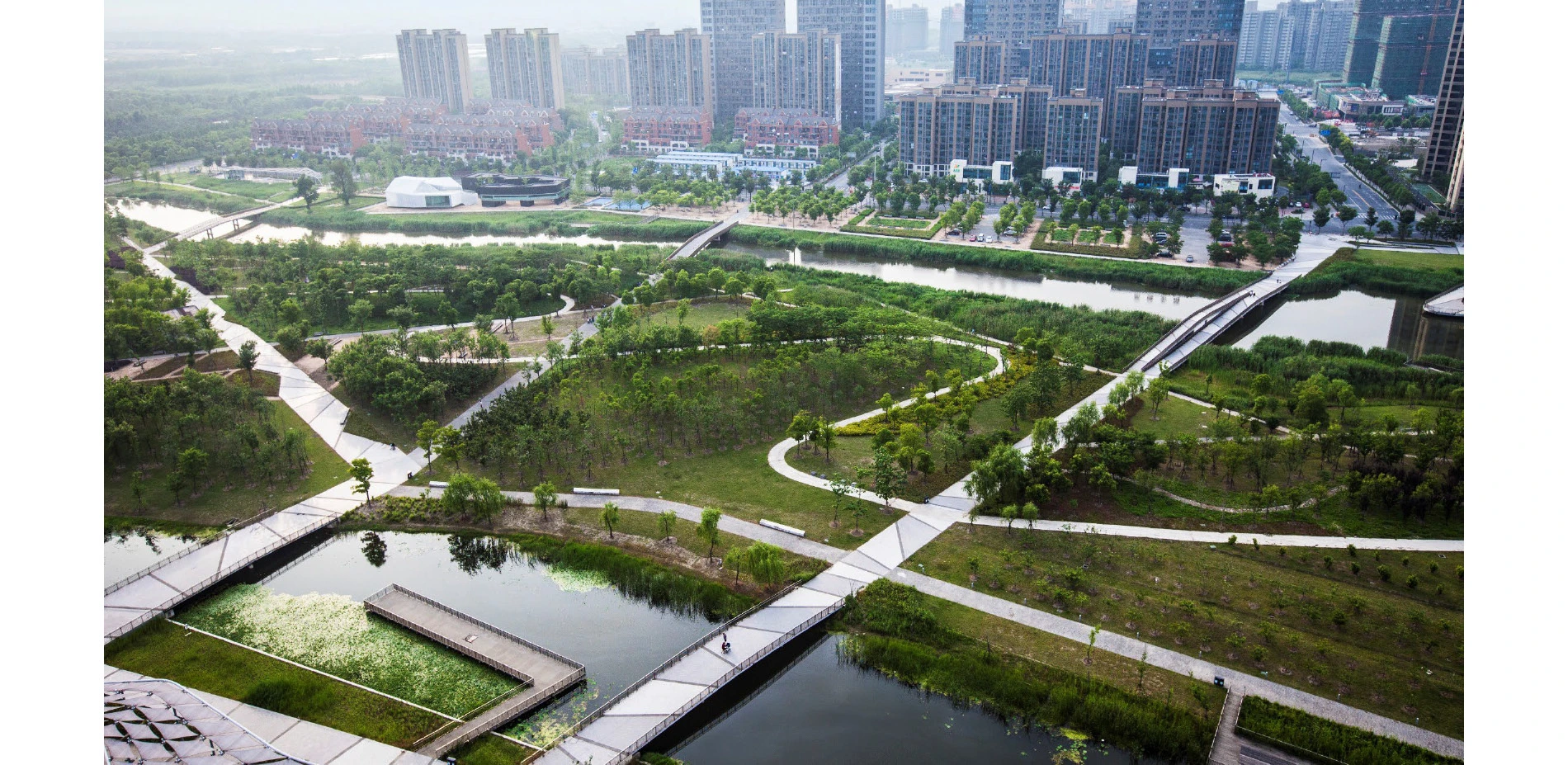
Jiading Park

Yongqing Fang Alleyways: An Urban Transformation
Analysis and Planning Category
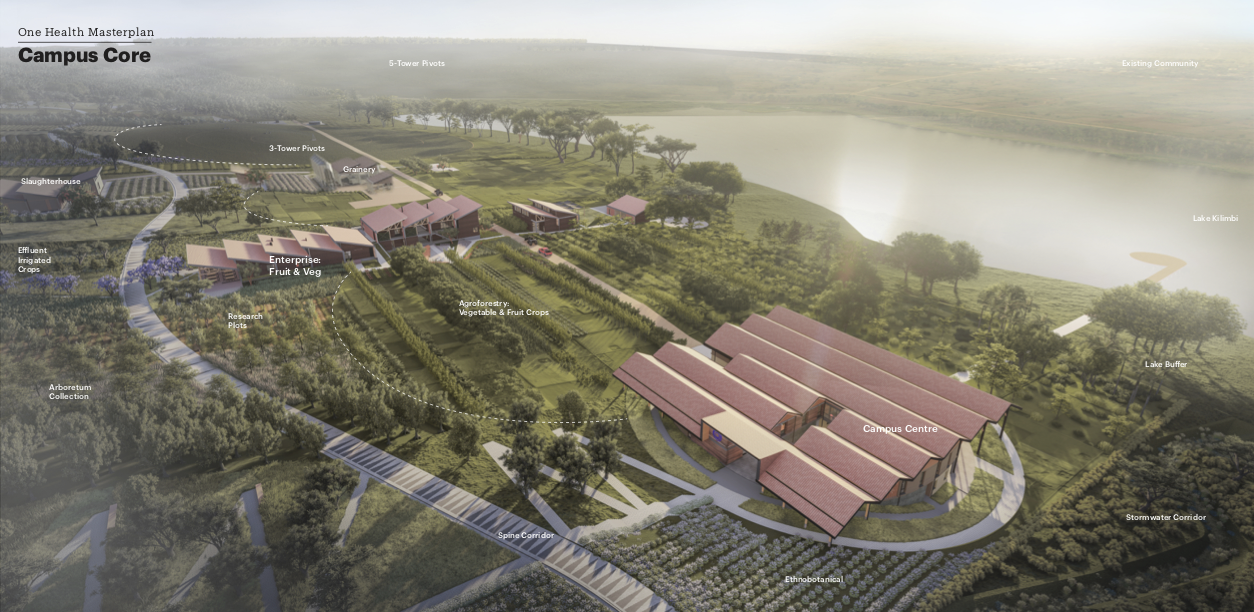
Rwanda Institute for Conservation Agriculture (RICA)
Rwanda’s population will double by 2050, increasing strain on the nation’s maxed-out farmlands. The Rwanda Institute for Conservation Agriculture (RICA) will help ensure future food security for all Rwandans by educating the next generation of farmers and agricultural leaders in developing healthy, sustainable food systems. Informed by a multidisciplinary research and analysis process, the landscape team generated a 1400 hectare land use and master plan guided by the unique theory of One Health, an understanding that human, ecological, and animal health are deeply intertwined. Through One Health RICA harnesses symbiotic ecological and agricultural relationships and regenerative principles to achieve greater crop yields, increased biodiversity, utilized waste streams, healthier soils, and cleaner water. RICA’s landscape architects orchestrated a master plan that will produce a net-zero carbon footprint through landscape design, sustainable construction methods, and materials, such as stone, soil, and vegetation, sourced directly from the site. The project will be petrochemical-free and energy-independent, drawing power from renewable, off-grid energy. RICA is estimated to become carbon-positive by 2044, positioning the project as a model for sustainable development.
Analysis and Planning
Honor Awards
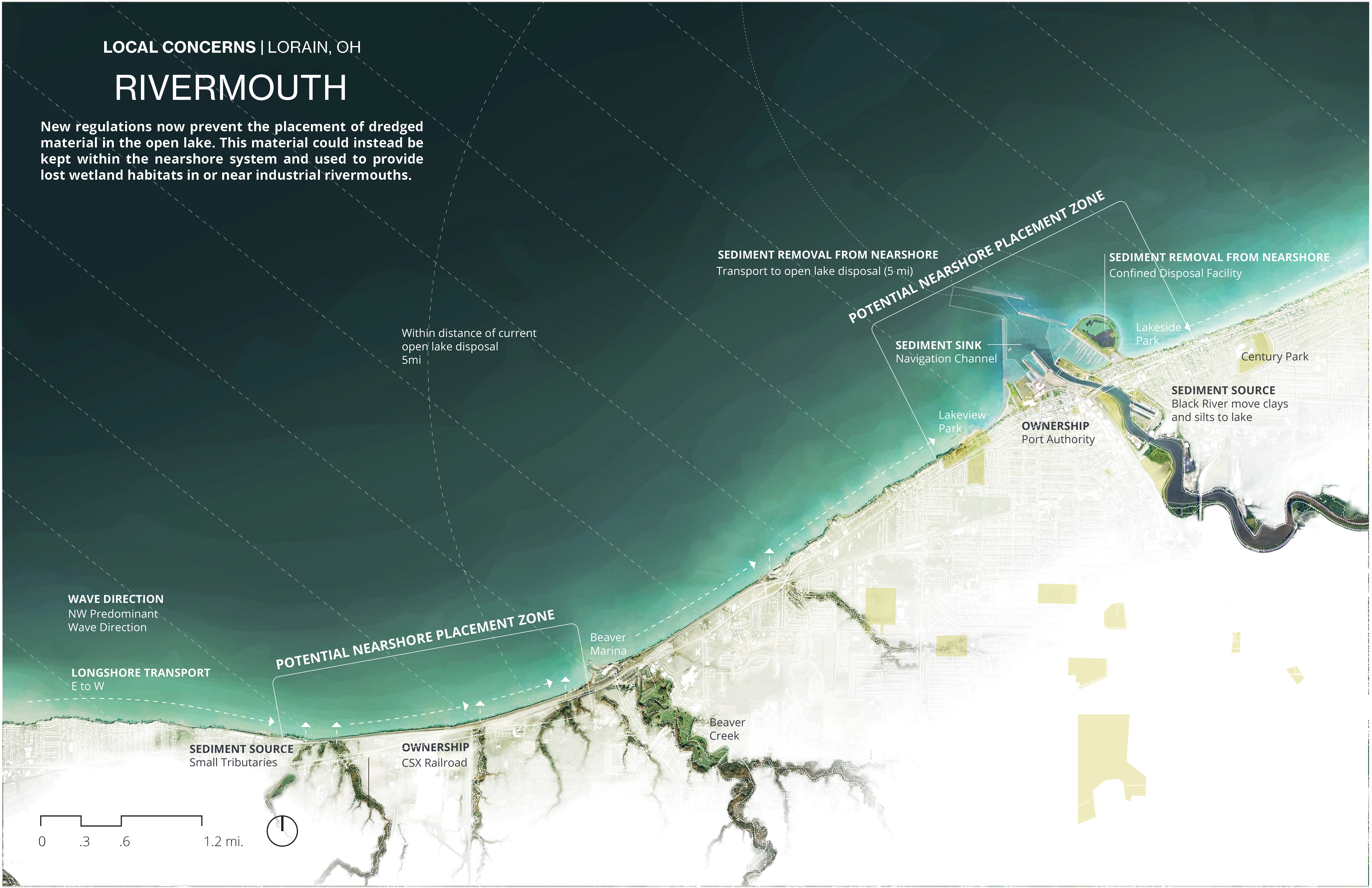
Sensitive Structures: A Landscape Approach for Great Lakes Coasts
Our project repositions ports and marinas in the Great Lakes Basin as drivers of ecological health alongside their traditional role as cultural and economic engines. This is achieved through a focus on sediment, its management, and the ways this informs the design and restoration of public landscapes in critical nearshore habitats across the region. We worked with stakeholders and collaborators to characterize regions in the basin by their population and urban form, aquatic and terrestrial
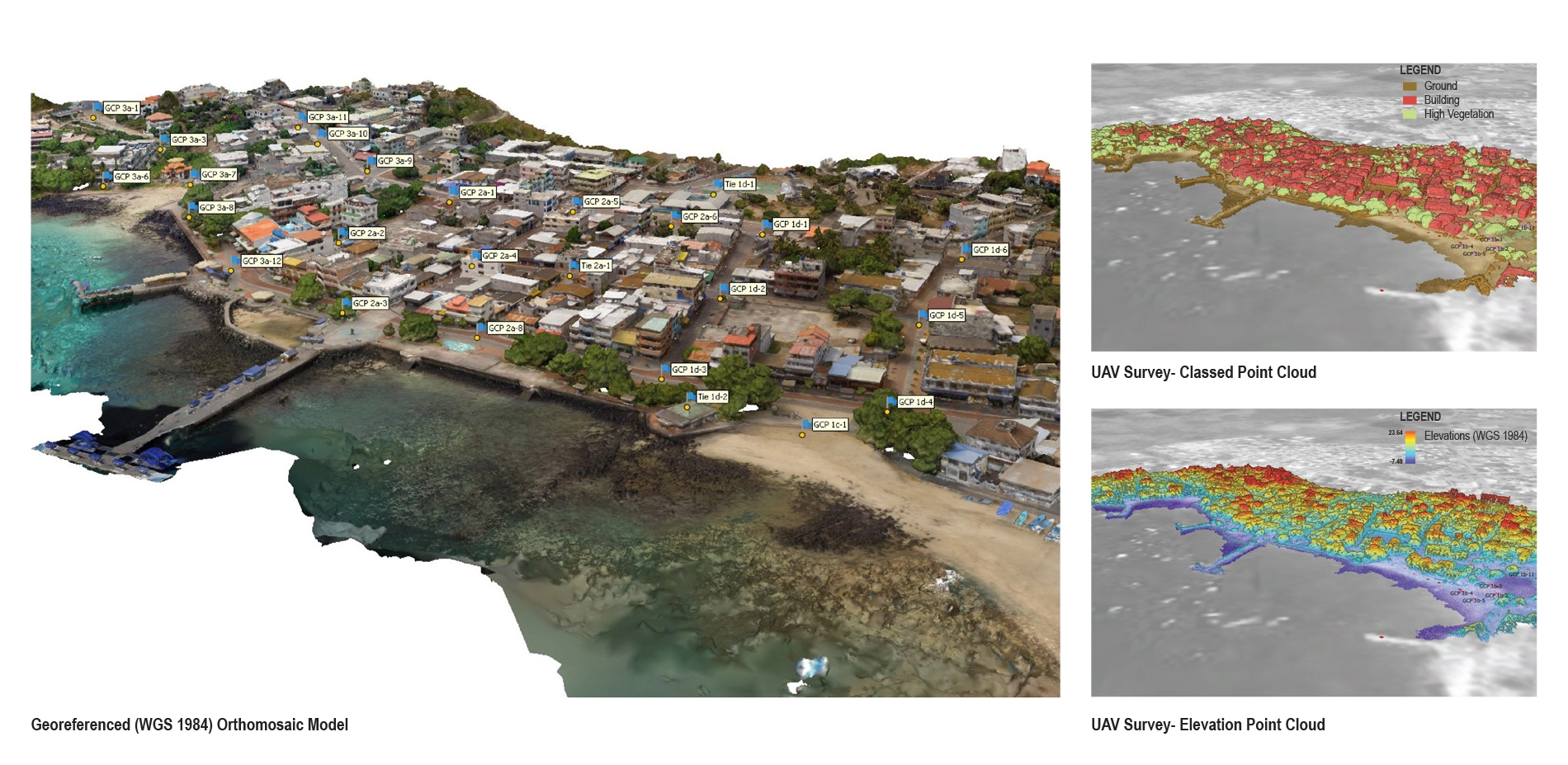
Fantasy Island: The Galapagos Archipelago
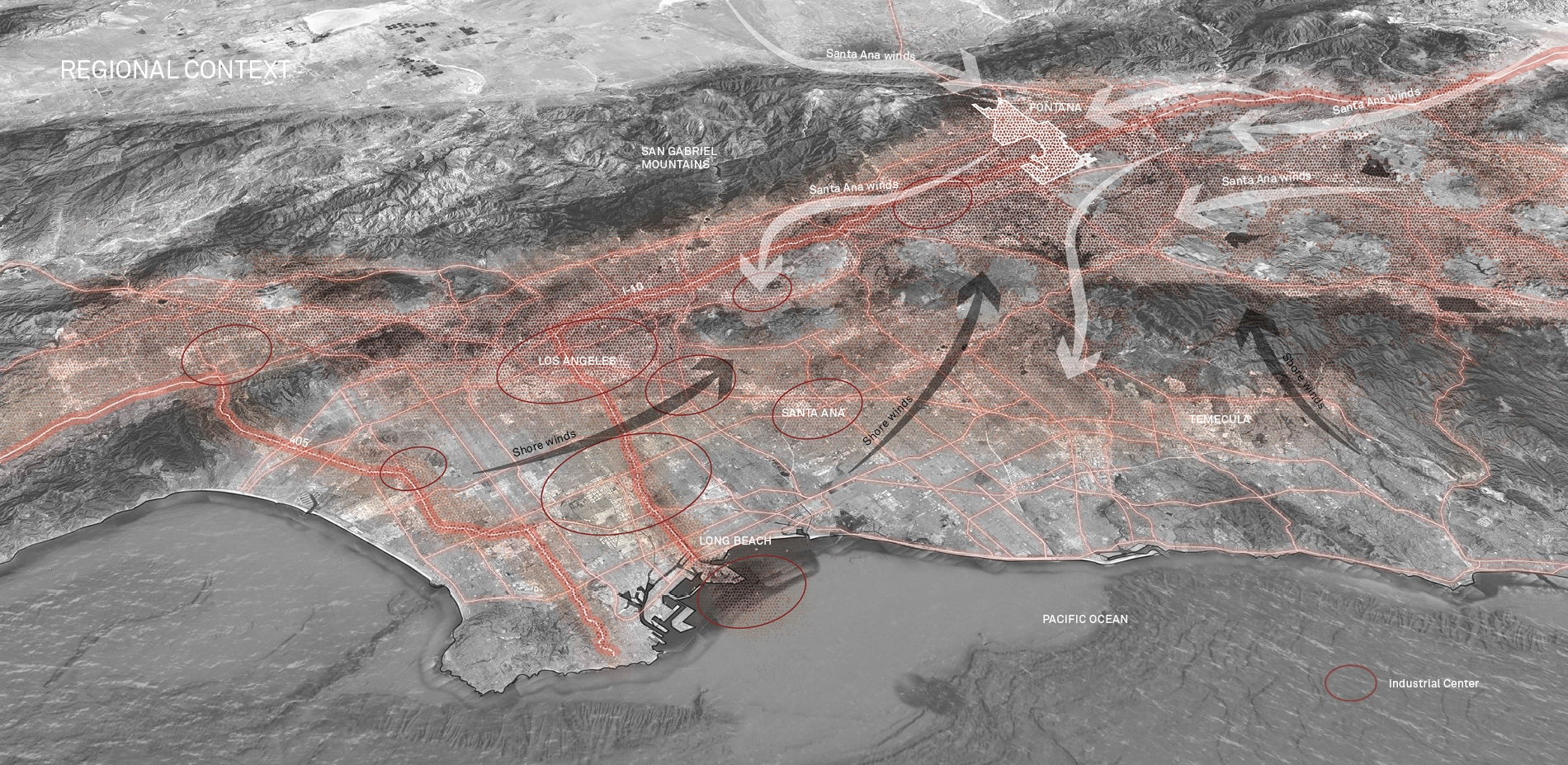
Air Quality, Placemaking and Spatial Equity: The Fontana Urban Greening Master Plan
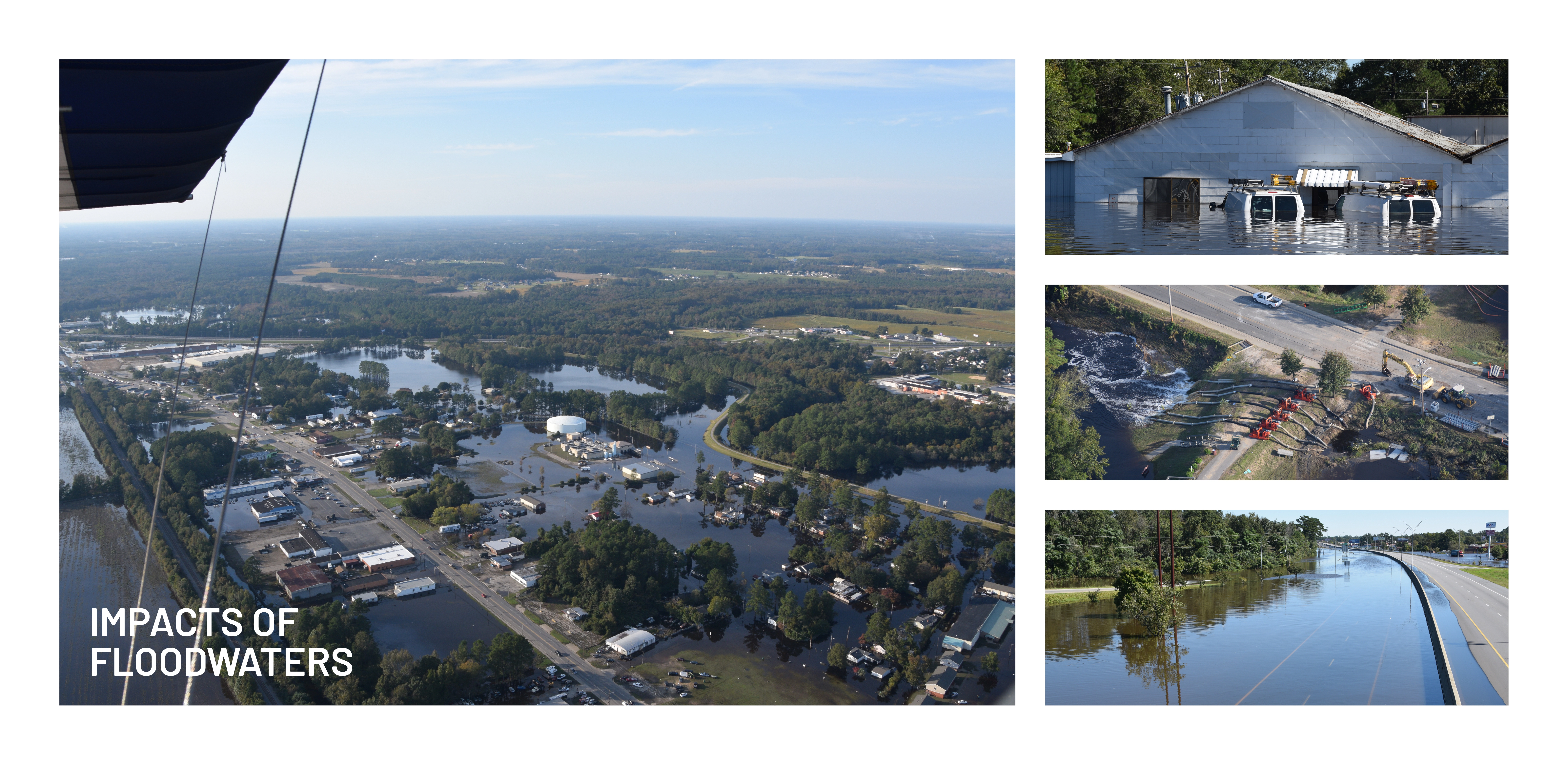
Lumberton Community Floodprint: Strategies for Repurposing Vulnerable Landscapes After Disaster
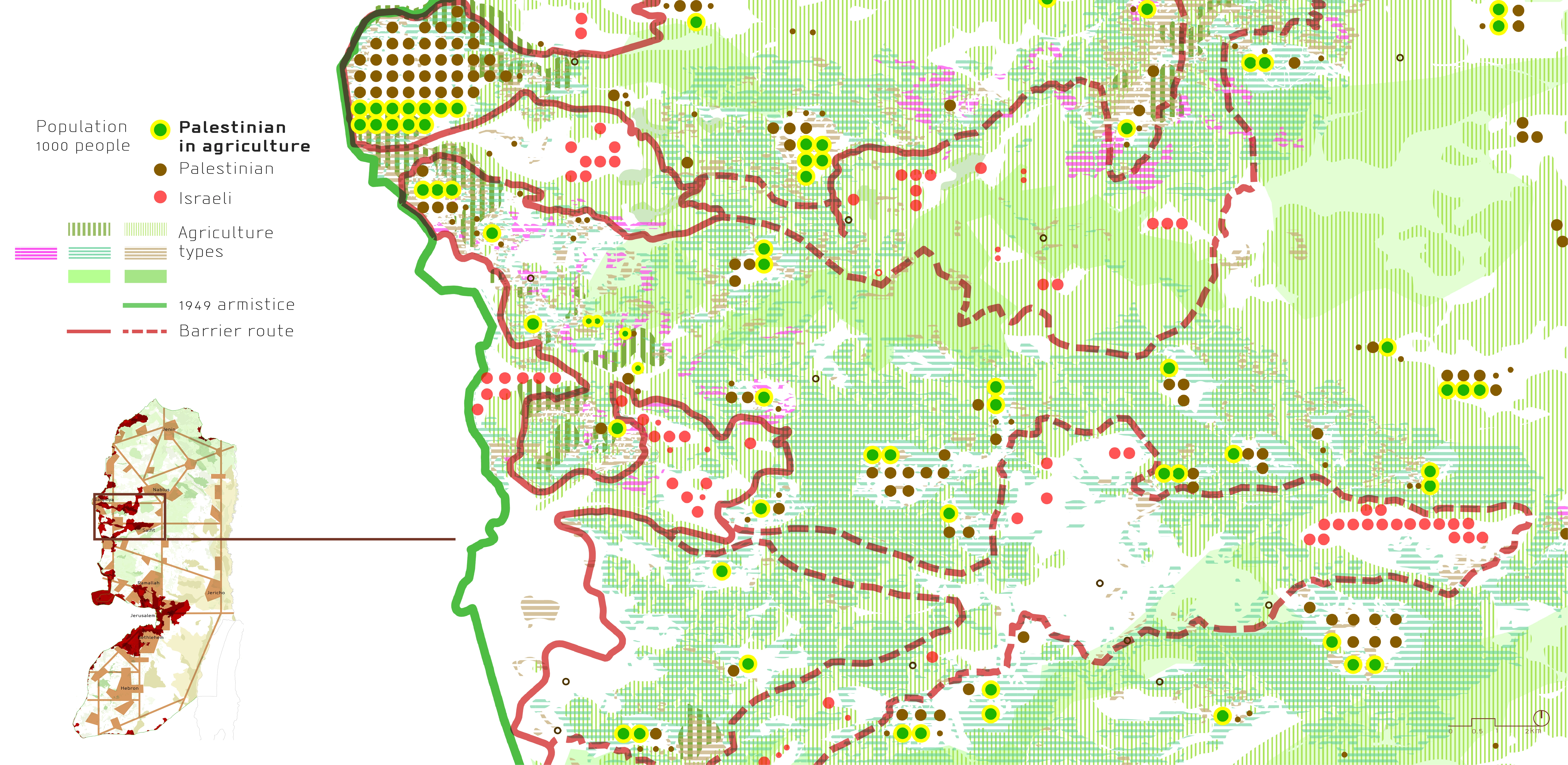
The Landscape of An Agreement: The Role of Regional and Geopolitical Landscape, Agriculture and Religion in a Future Peace Agreement Between Palestine and Israel
The applied research was commissioned by the ngo "Peace Now", and is continually presented to key politicians, diplomats, press members, and think-tanks. It examines the open spaces planning aspects of the Palestinian-Israeli conflict in the West Bank - territorial landscape, agriculture, nature reserves, religious and heritage landscapes - and suggests their solutions for a future peace agreement, in : 1. the equitable, sustainable growth of Palestine. 2. as part of Israeli settlement and
Research Category
Honor Awards
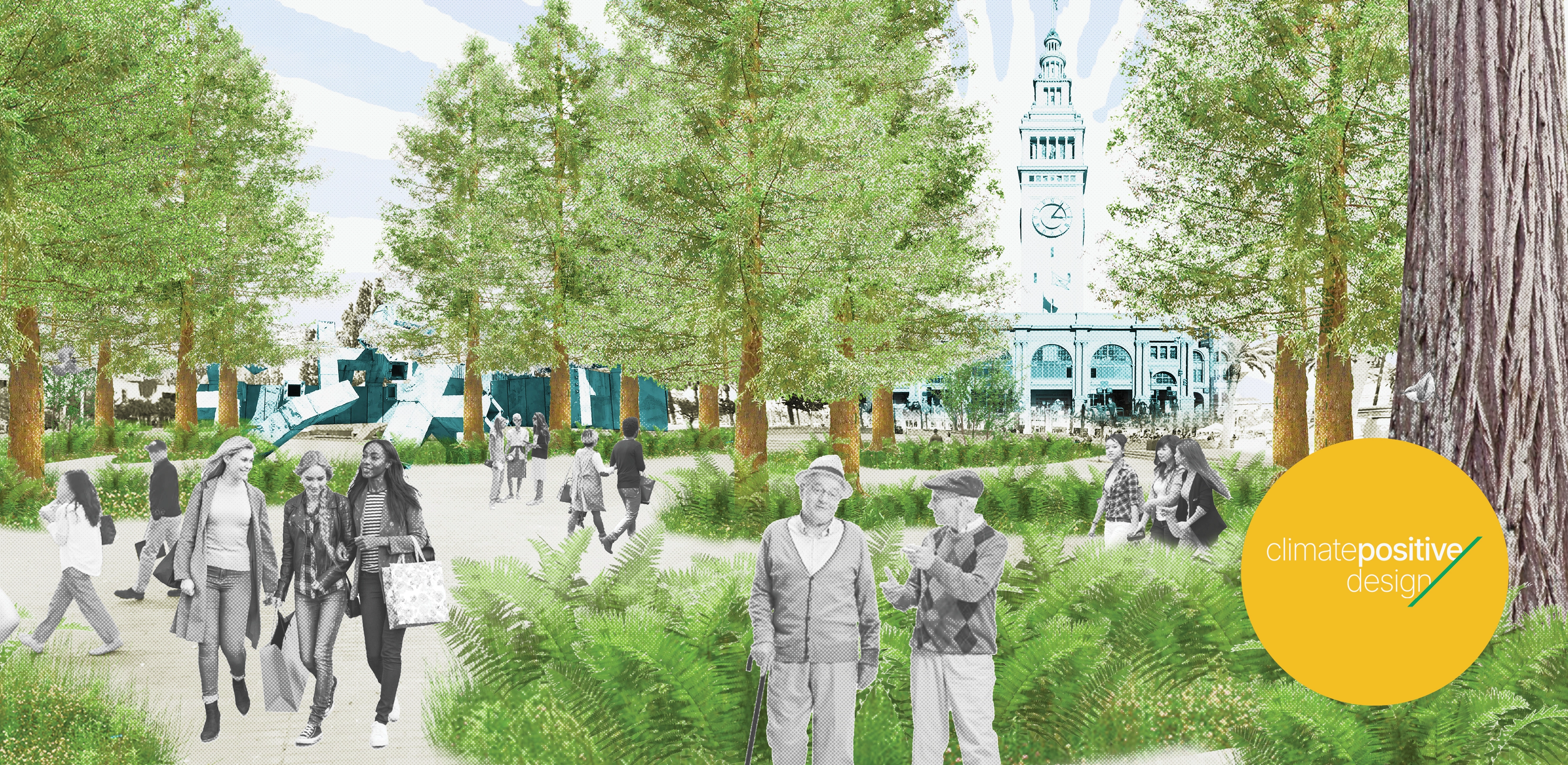
Climate Positive Design
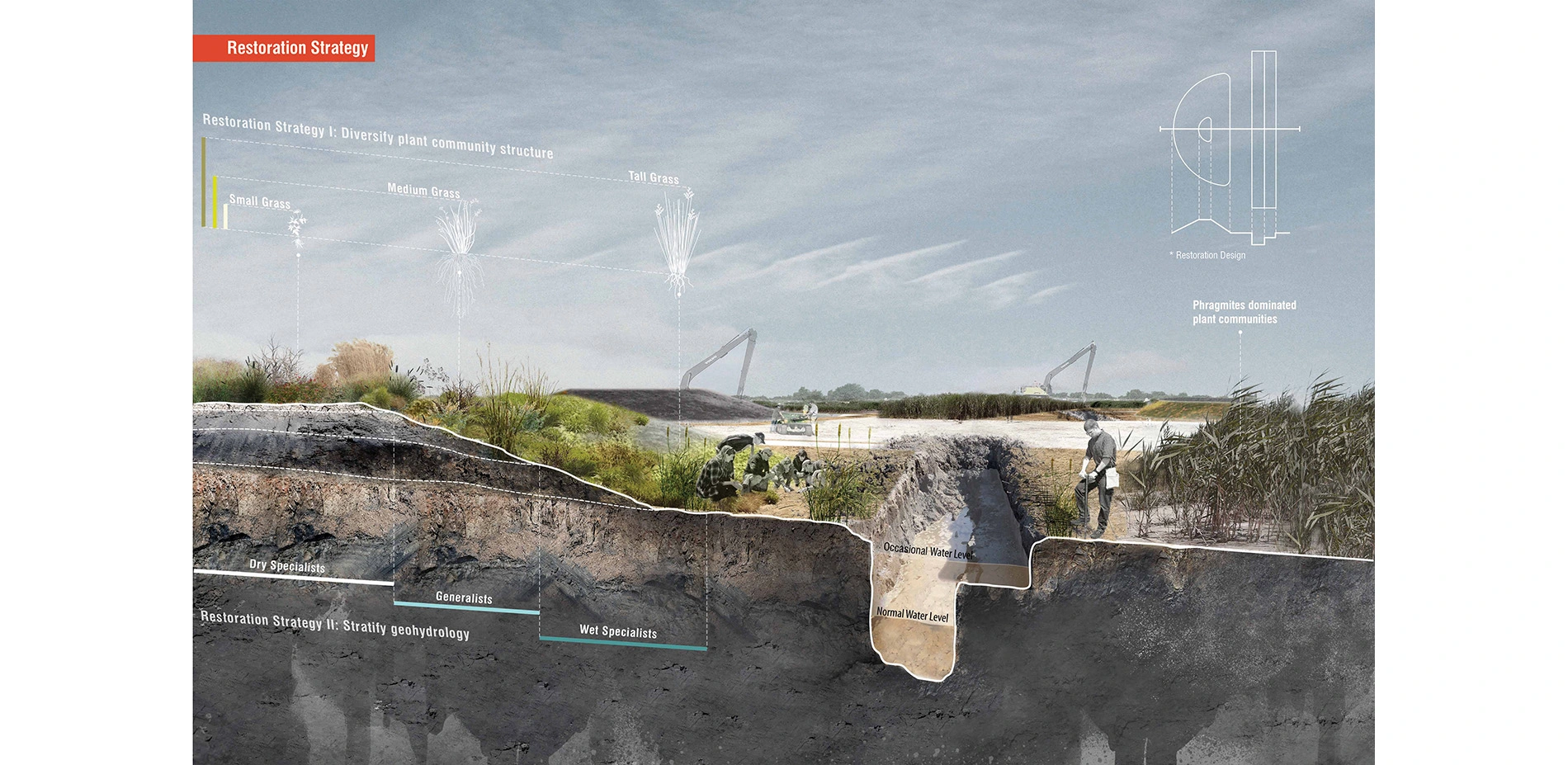
Seeding Specificity: Materials and Methods for Novel Ecoystems
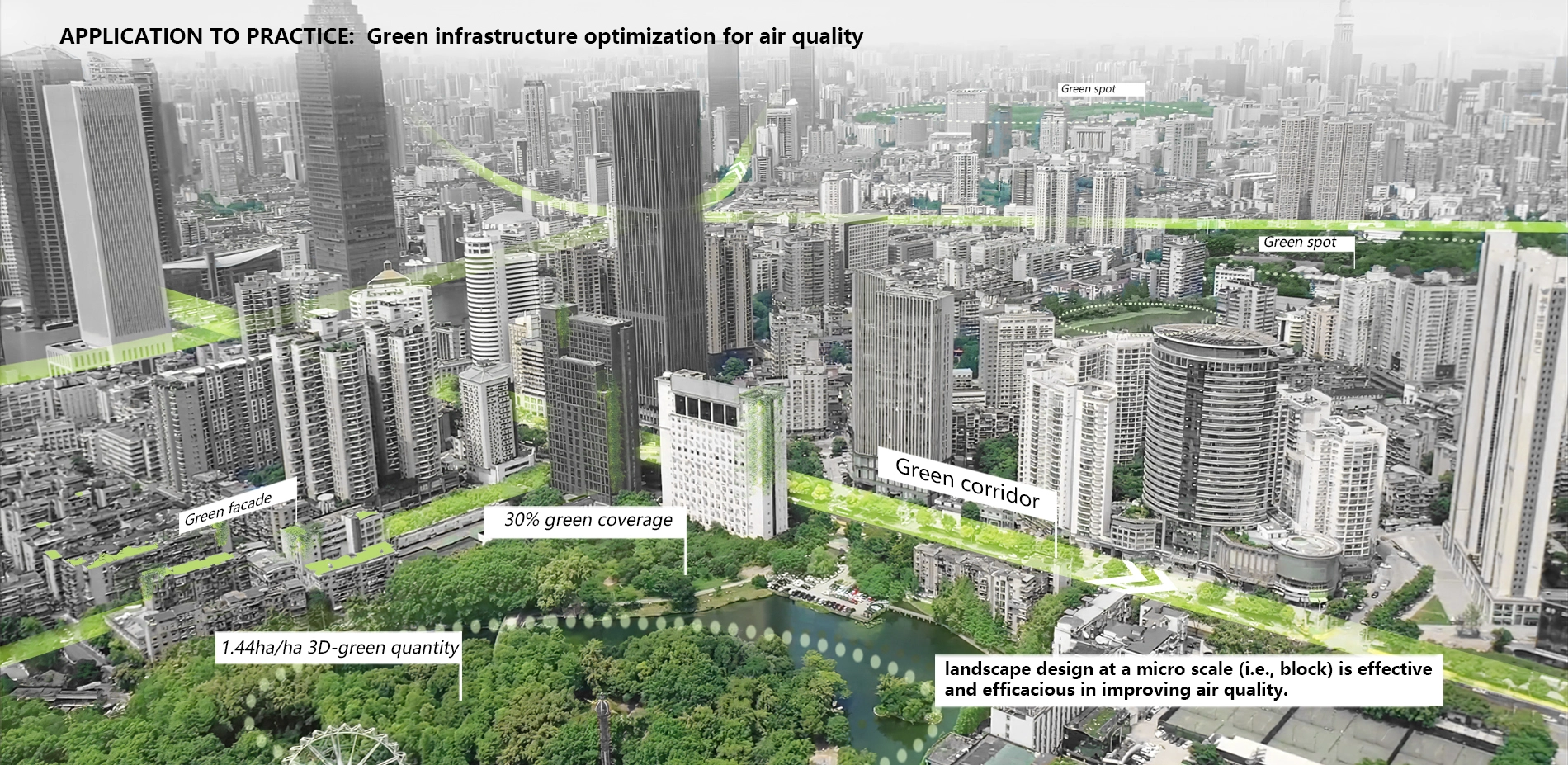
Particulate Matter Mitigation Through Urban Green Infrastructure: Research on Optimization of Block-scale Green Space
Communications Category
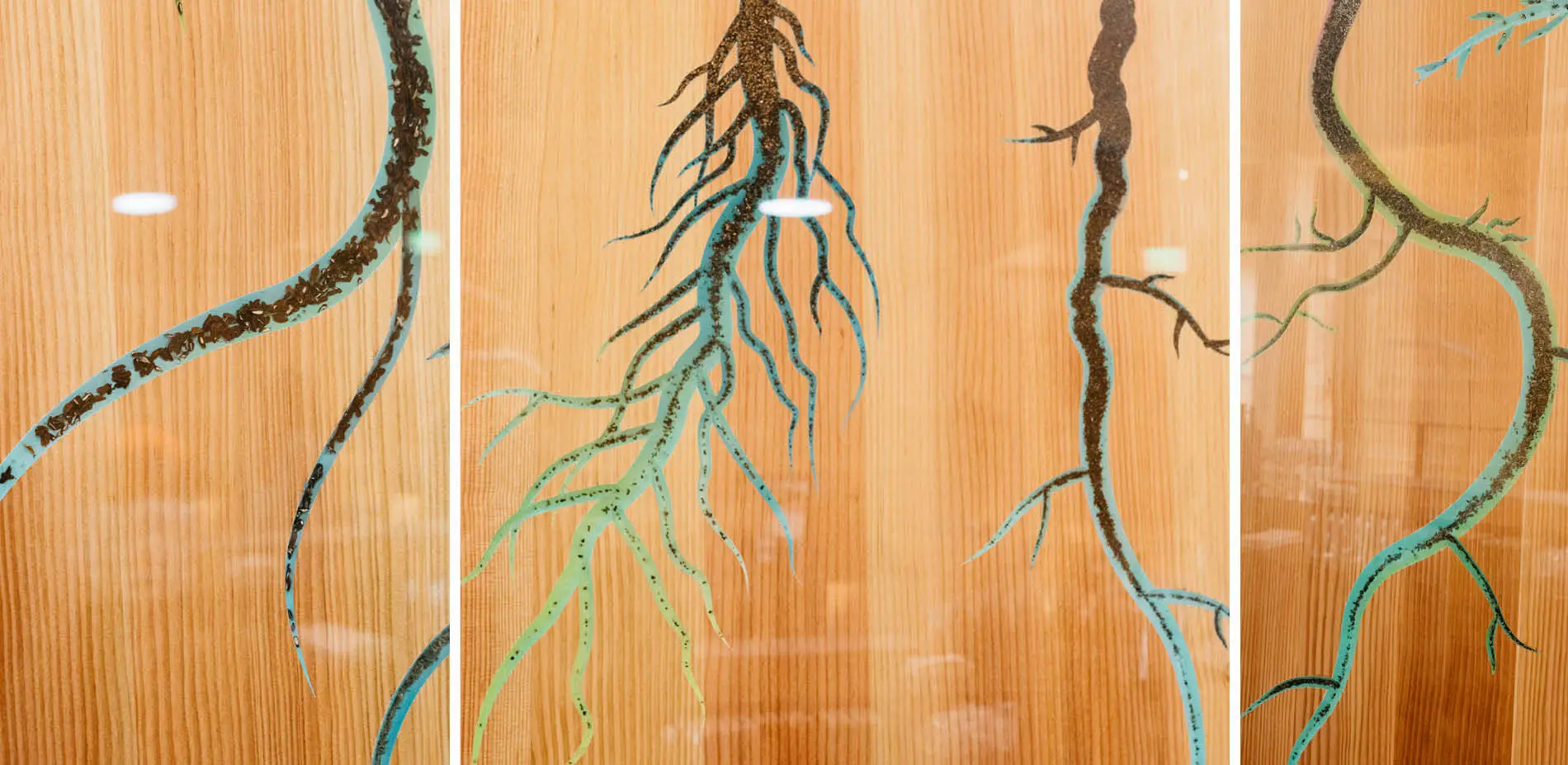
The Seed Bank: A New Approach to the Living Wall
Communications
Honor Awards
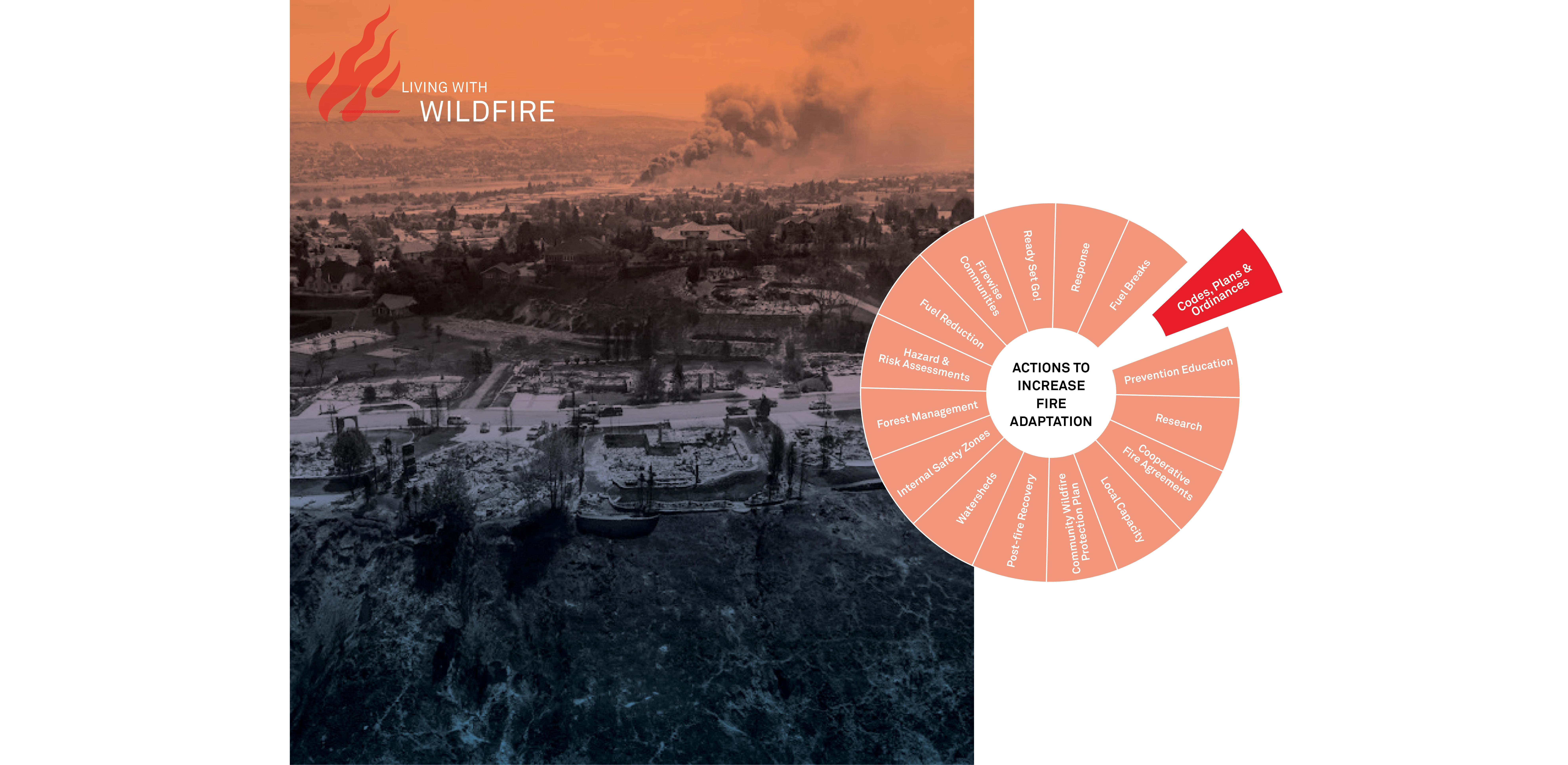
Affecting Change to Avoid Disaster: Communicating Effective Wildfire Planning Strategies
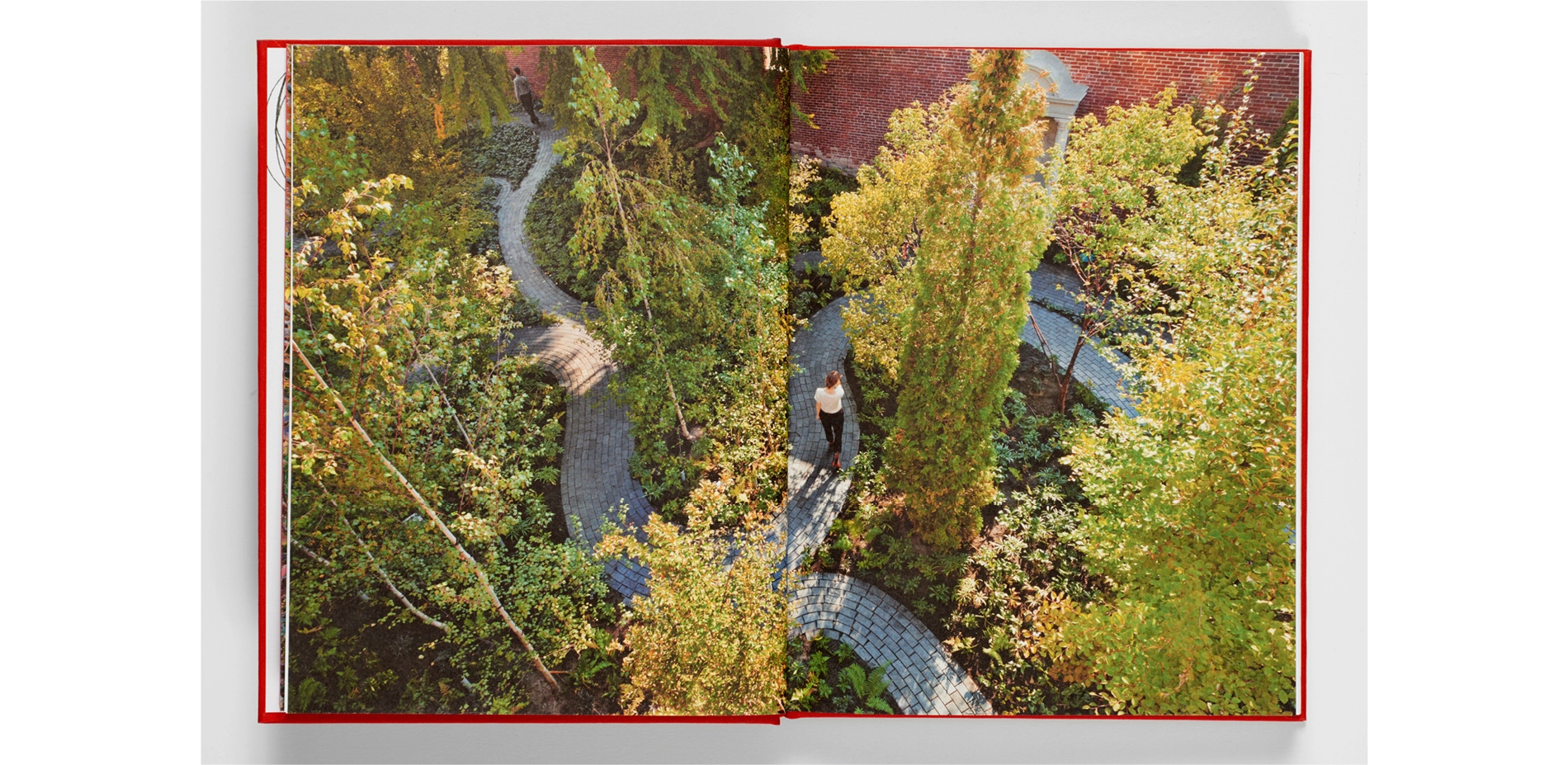
Designing a Garden: Monk’s Garden at the Isabella Stewart Gardner Museum
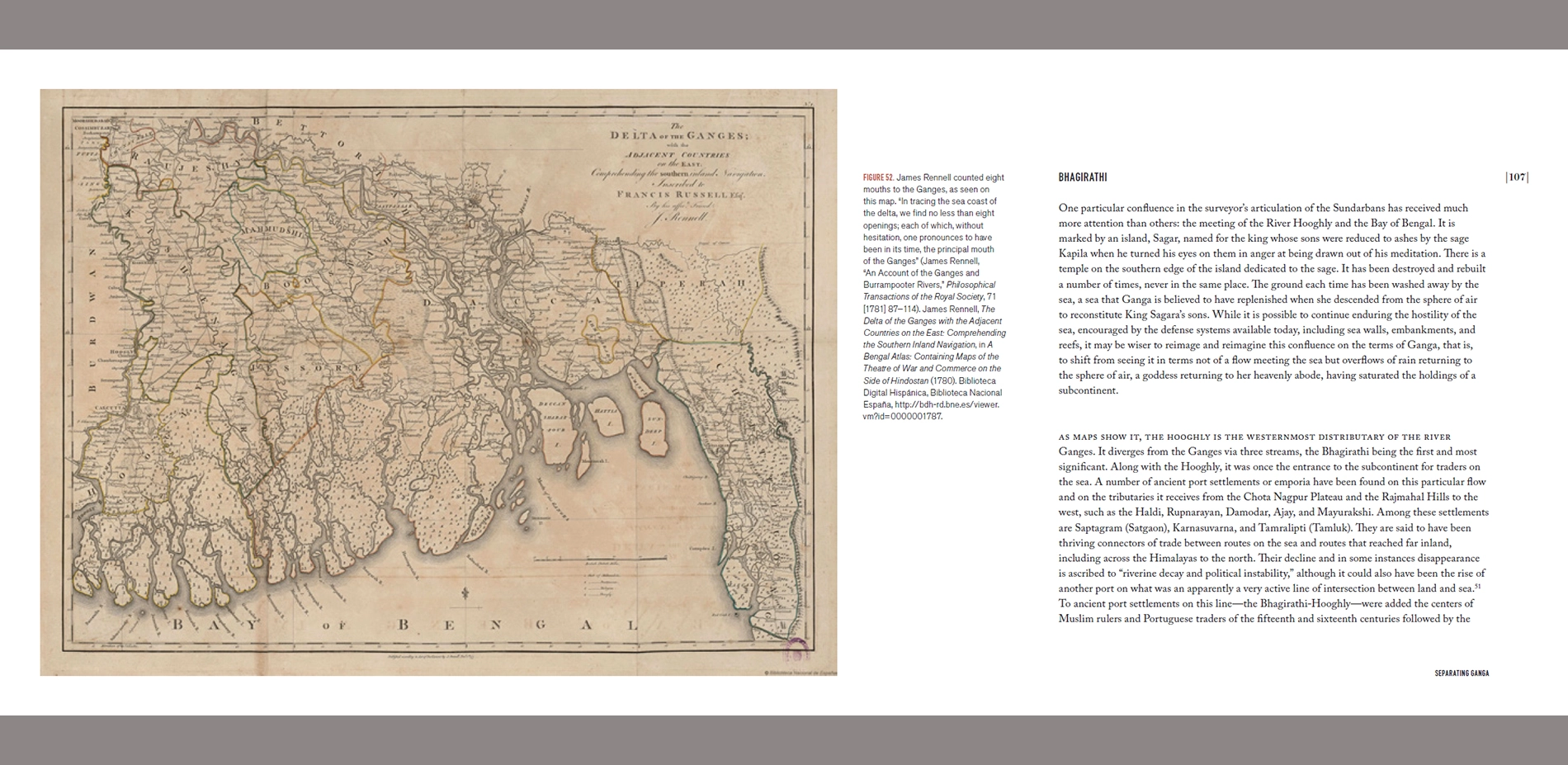
Invention of Rivers: Alexander's Eye and Ganga's Descent
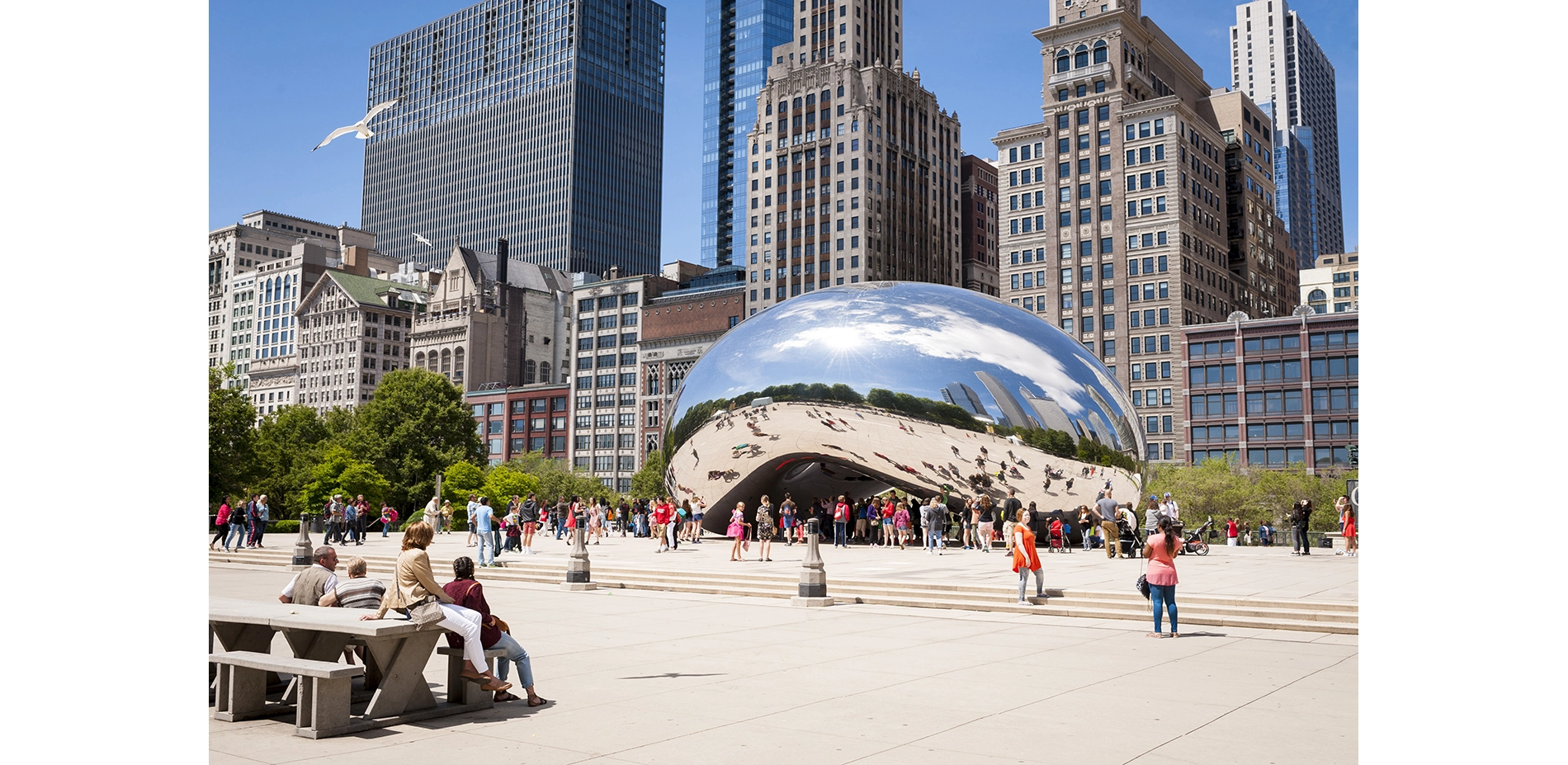
Millennium Park—The Fortuitous Masterpiece
Few public space projects in the past 100 years have had a stronger impact on our ideas of how art, landscape architecture, and architecture can stimulate change in a City’s economy, change perceptions of collaboration throughout multiple professional fields, and change people’s lives than Millennium Park. The Park began life as a disused railyard in the central business district of Chicago and, thanks to one of the longest and most productive public-private partnerships in the country, has evolved as the cultural heart of the City. The Park welcomes over 20,000,000 annual visitors to its over 200 year-round free public cultural events featuring some of Chicago’s, and the world’s, best musicians, artists, architects, performers, and designers. The driving philosophy of Millennium Park has always been of a free, public, and equitably representative cultural space. This concept, and the Park’s design and operation, have inspired countless other cities and countries to study the Park for ideas about developing their own urban spaces, growing their own tourism economies, and creating a cultural heart for their own citizens.