

.webp?language=en-US)

Advertisement
2018 ASLA Professional Awards
Explore:
General Design Category
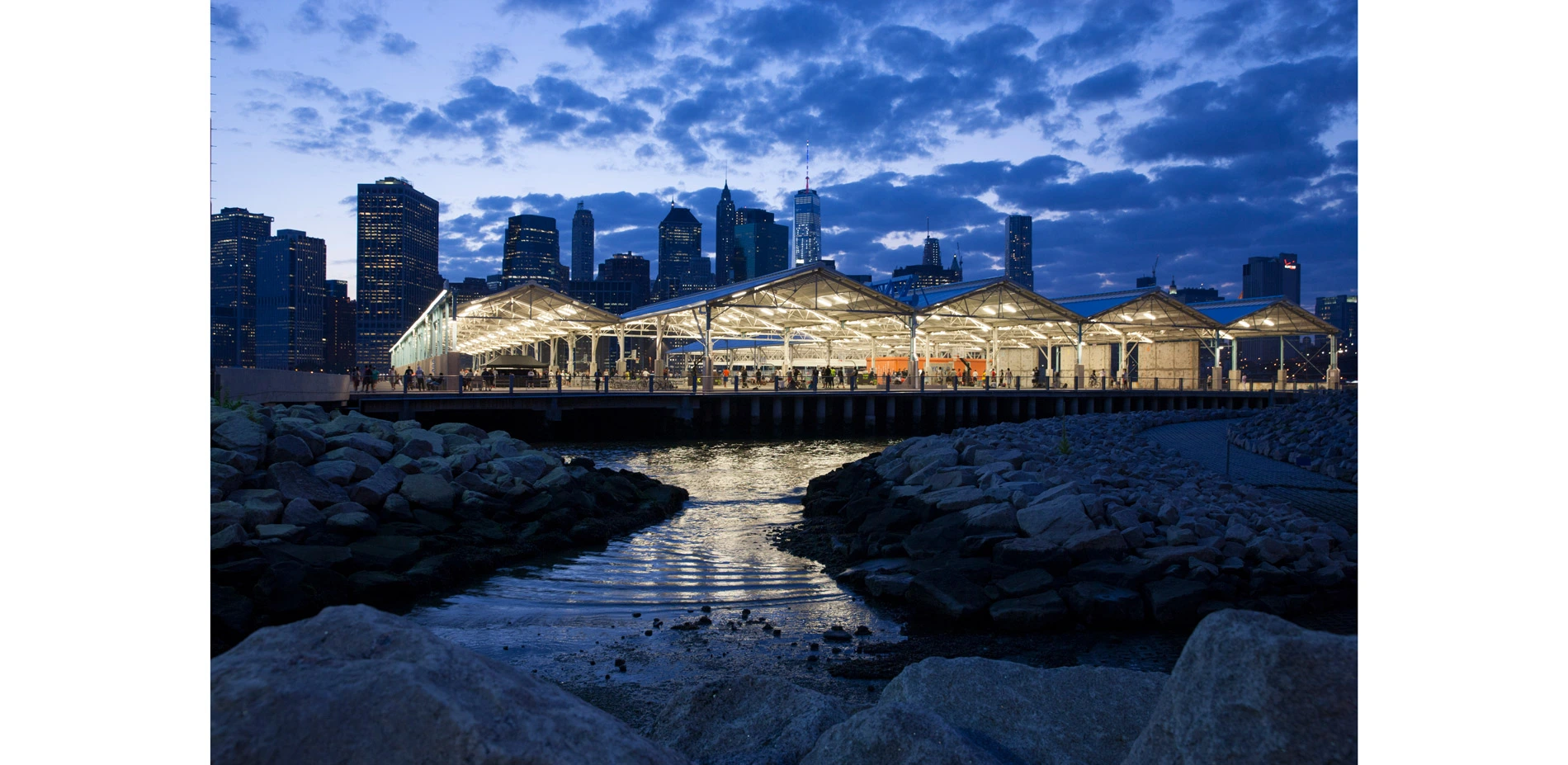
Brooklyn Bridge Park: A Twenty Year Transformation
Last year Brooklyn Bridge Park welcomed 5 million visitors: a mix of locals, far-flung metro area residents, and tourists from around the world. After twenty years of planning and construction, this 83-acre transformation of a post-industrial waterfront is almost complete, but the park has been a fixture in city life since the opening of its first segment in 2010. Having planned this ambitious project to be built incrementally, the designers focused the initial phases on the site's toughest challenges and greatest assets. Adjacent neighborhoods severed from the park site by city infrastructure were reengaged with program-rich urban nodes at existing connection points, while the first pier transformations were optimized for a range of water's edge activities, civic events and active program. Faced with challenging site conditions, the high standards for ecological performance set early in construction guided later phases and prompted further innovation. The combination of a locally-focused city edge and a transformative experience of the water cemented Brooklyn Bridge Park as a city park first, but one whose reach continues to grow.
General Design
Honor Awards
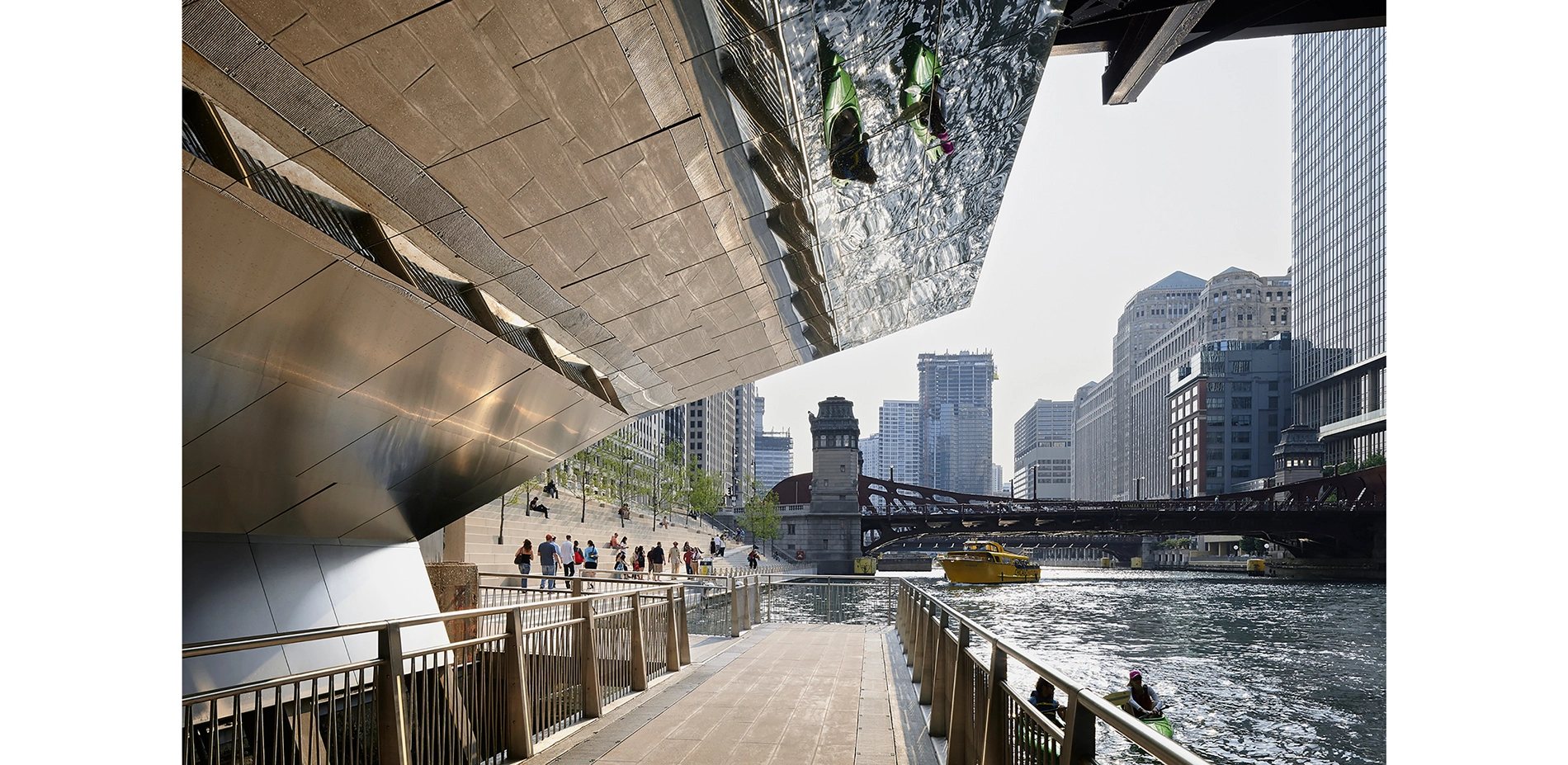
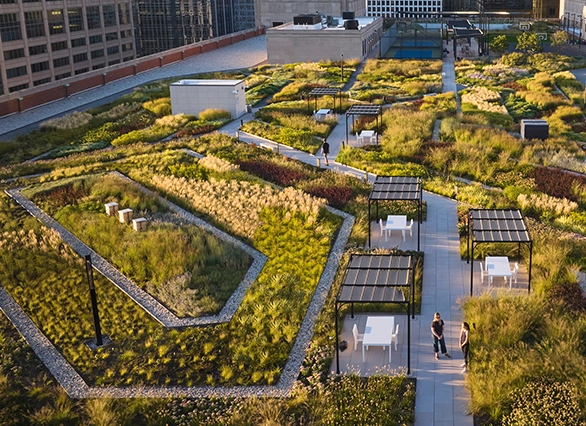
Chicago Riverwalk | State Street to Franklin Street
The Chicago Riverwalk project, an initiative to reclaim the Chicago River for the ecological, recreational, and economic benefit of the city, is responsible for many realized and continuous river improvements over the past three decades. The segment between State Street and Lake Street represented the last unrealized and disconnected link between the lake and the river's confluence in the downtown core.
This five-block phase of the Riverwalk extension creates
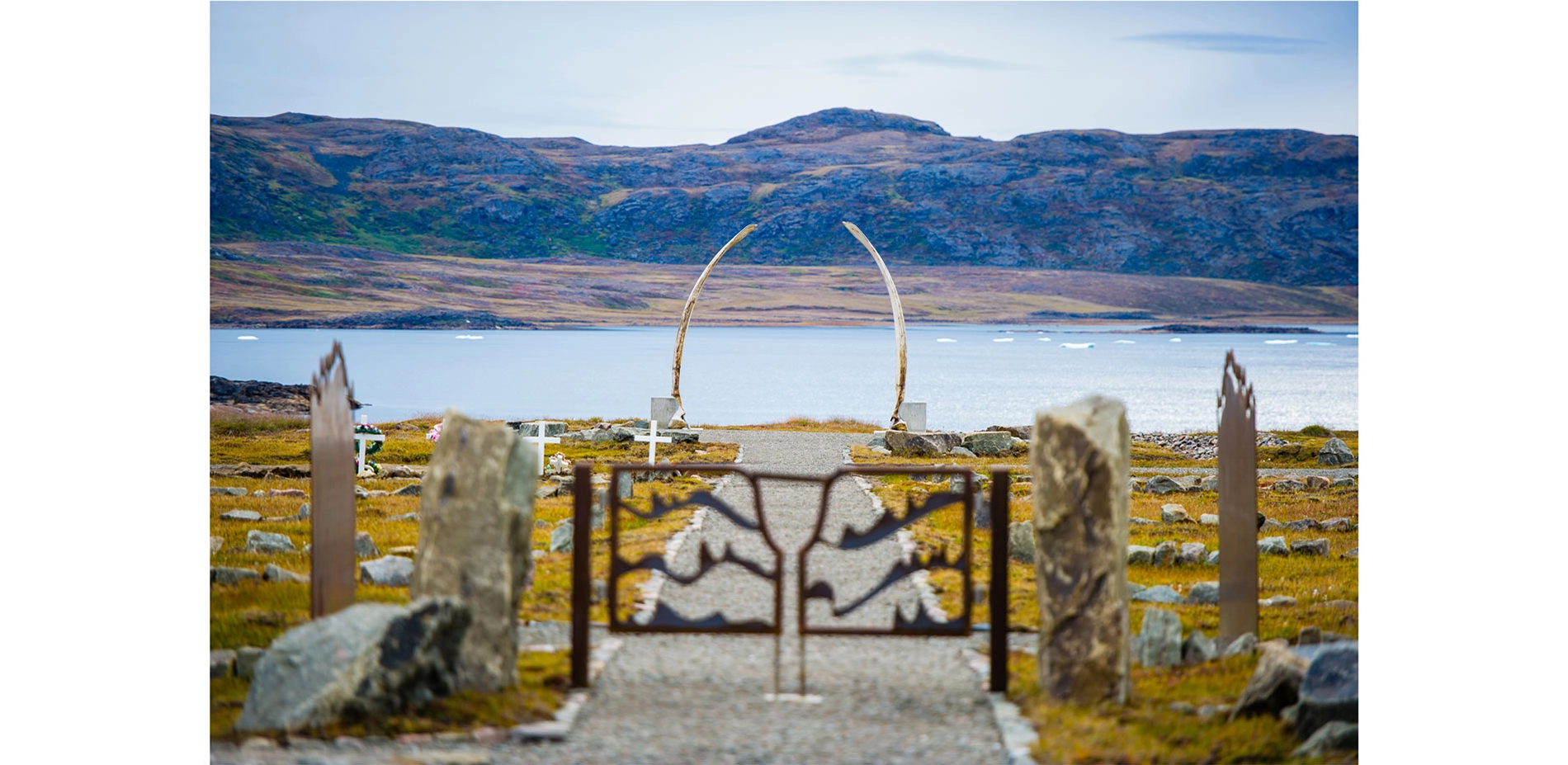
Iqaluit Municipal Cemetery
The Iqaluit Municipal Cemetery has transformed the community's perception of what a cemetery can and should be. Drawing on local and traditional knowledge, the thoughtful combinations of natural materials and indigenous cultural elements create a dynamic community space where the arctic landscape and its peoples are remembered and celebrated. With an organic design that embraces the beauty of sparseness, the simplicity of this design is what creates its magic. A st
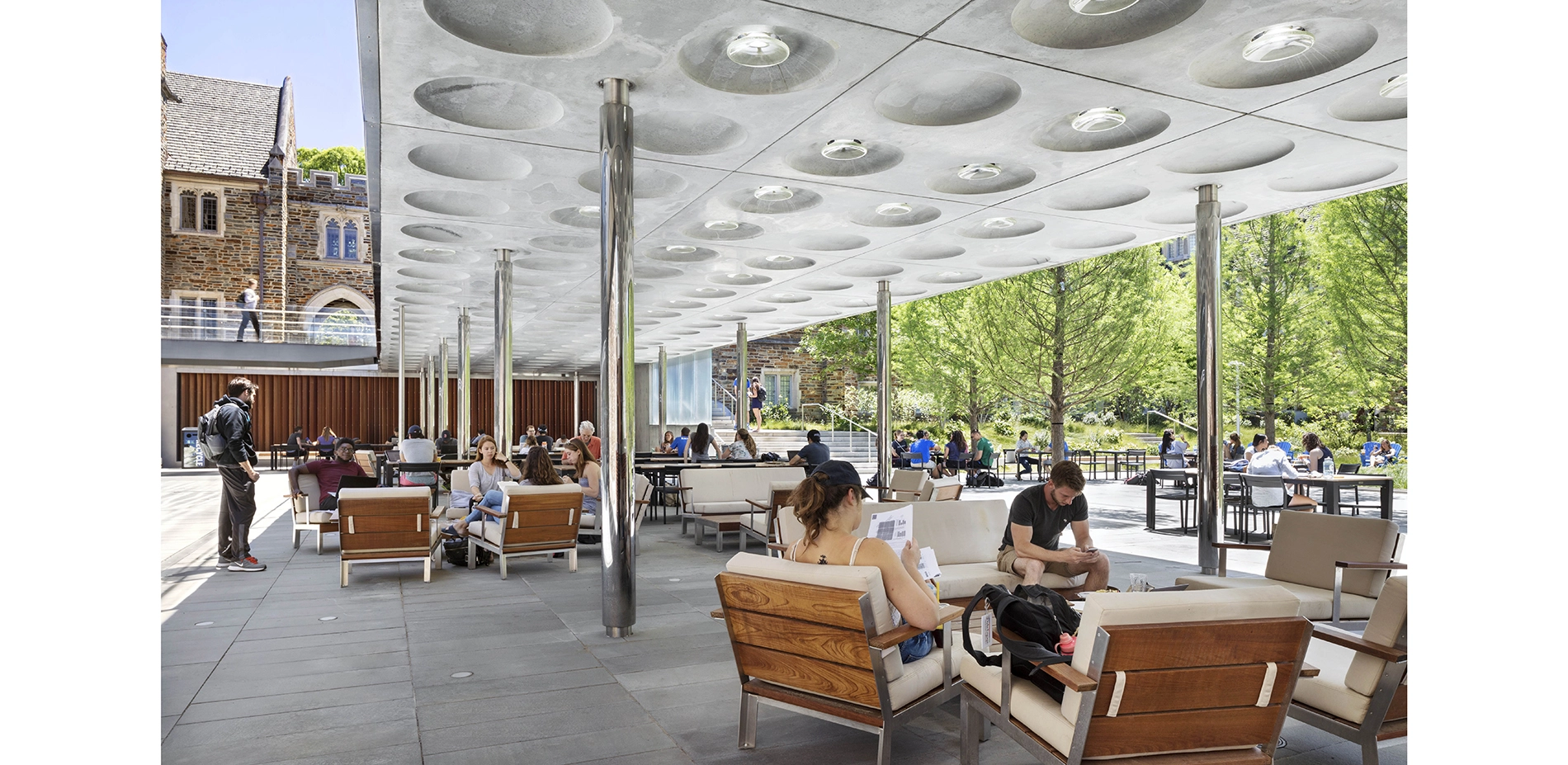
Legacy and Community: Juxtaposing Heritage and Invention for Duke University's West Campus
Landscape architecture is the primary, galvanic presence unifying Duke's new student life precinct. Between 2007 and 2017, one landscape architect brought consistent design leadership and contextual sensitivity to five individual projects executed in collaboration with eight architects to transform a disparate collection of program nodes, utilitarian infrastructure, historic quads, and campus pathways into a coherent district. With a nuanced reading of historic fab
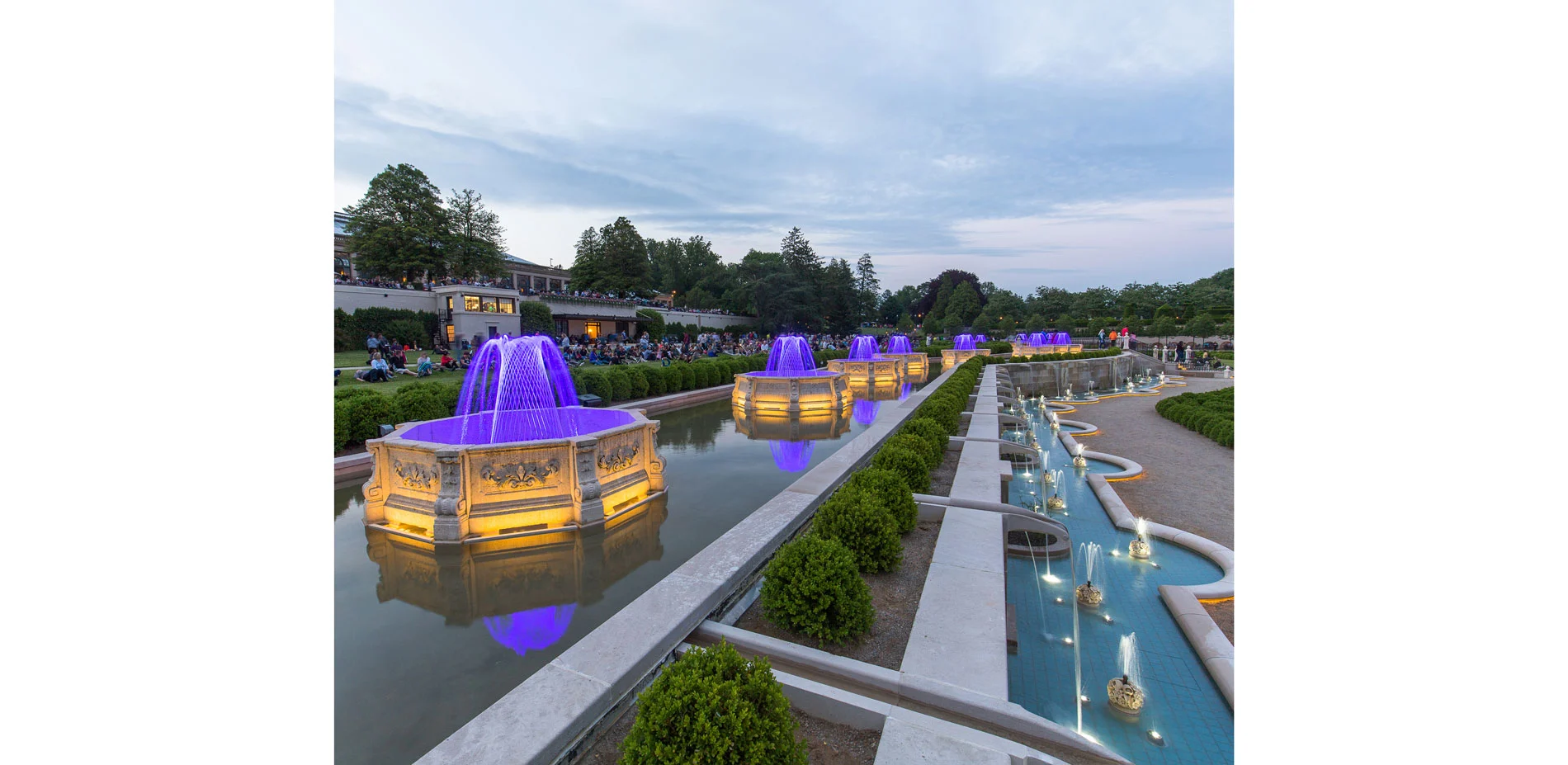
Longwood Gardens Main Fountain Garden
The Main Fountain Garden revitalization builds upon Longwood's first-ever physical master plan, which was completed by the landscape architect in 2011. The original astonishing design by Pierre du Pont was honored, and yet, the fountain garden was re-imagined. It plays a key role in the park as it is the first and most dramatic encounter of the vast gardens which span 1.077 acres. The 83-year-old fountain infrastructure has been replaced with the latest technology,
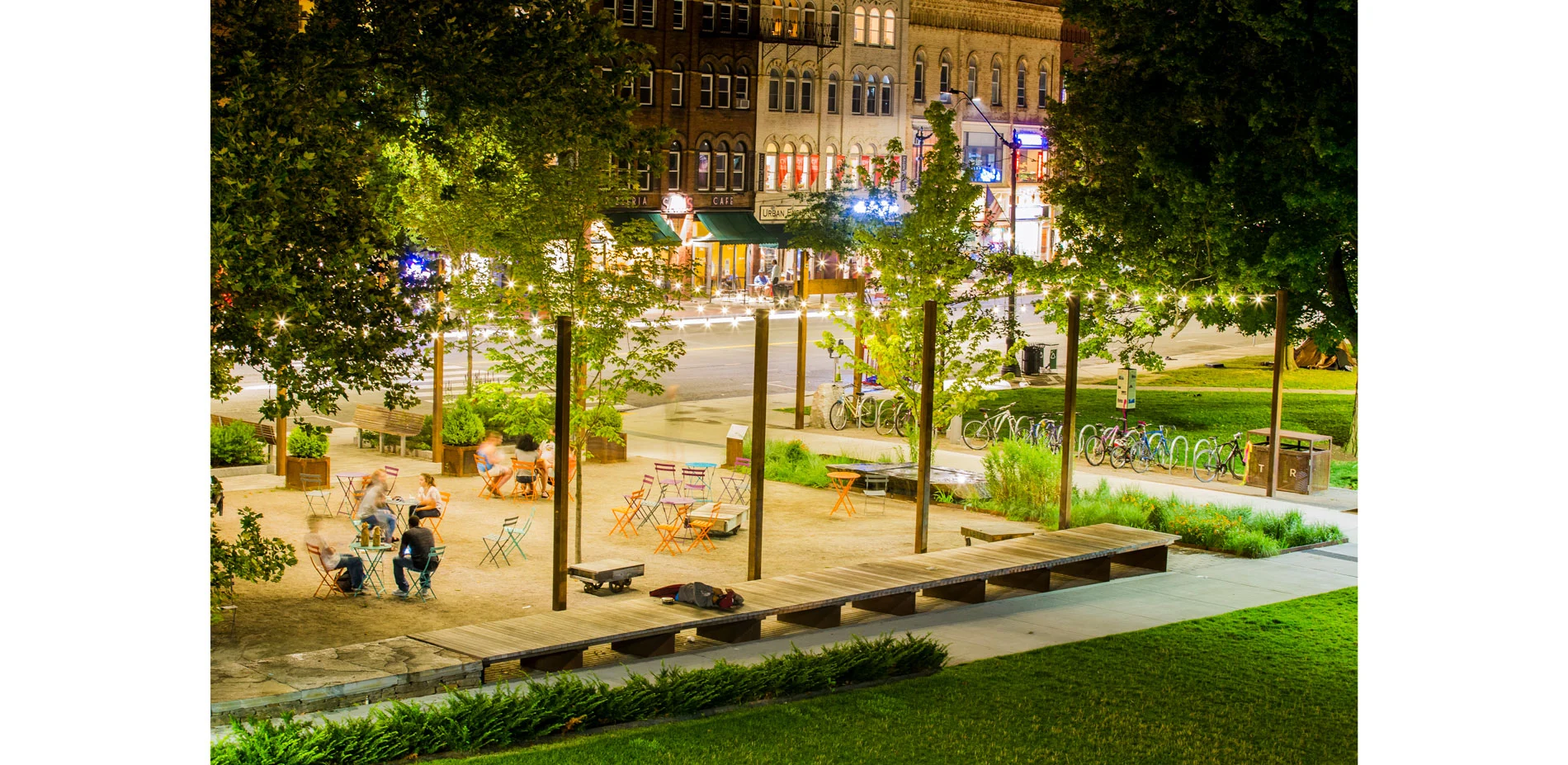
Re-Envisioning Pulaski Park
Re-envisioning Pulaski Park is a restoration of the only remaining green space in downtown Northampton, Massachusetts. At 2.5 acres, the Park is small but mighty. After renovations in the 1970s paved much of the site, the Park had entered a state of disrepair and benign neglect. The Landscape Architect collaborated with the City Engineer to acquire funding through numerous grants and engaged in a year-long public forum design process for community input. The result
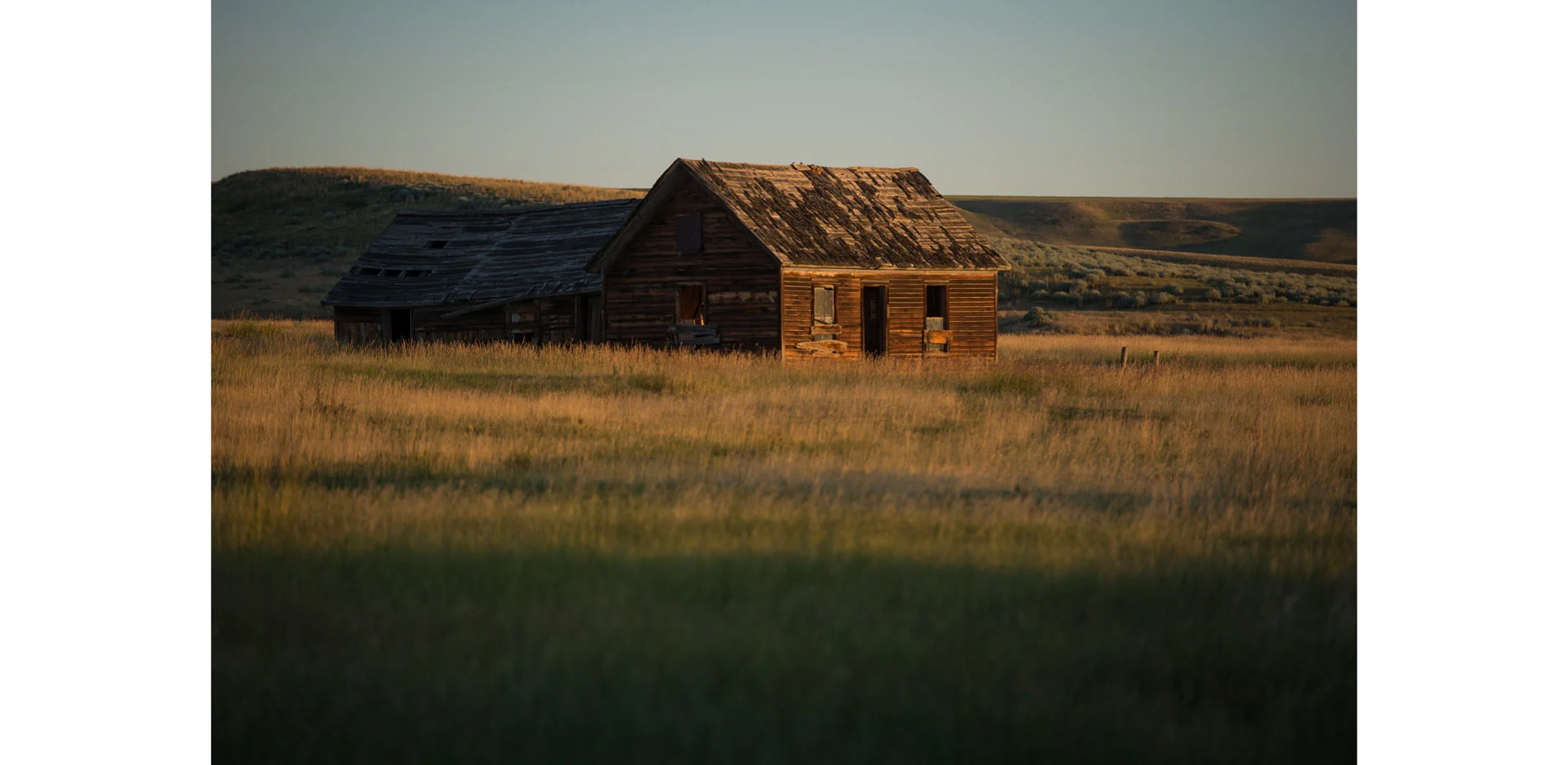
Tippet Rise Art Center
Tippet Rise Art Center (Tippet Rise) is one of the most ambitious international sculptural parks and music venues ever conceived. Located on 10,260 acres of rugged ranch land, the site is just outside of Fishtail, Montana, a small town in the southern part of the state. In the shadow of the Beartooth Mountains, this vast landscape consists of gently rolling hills, water-carved canyons, high meadows, mixed grassland, and short-grass prairie under an endless sky.
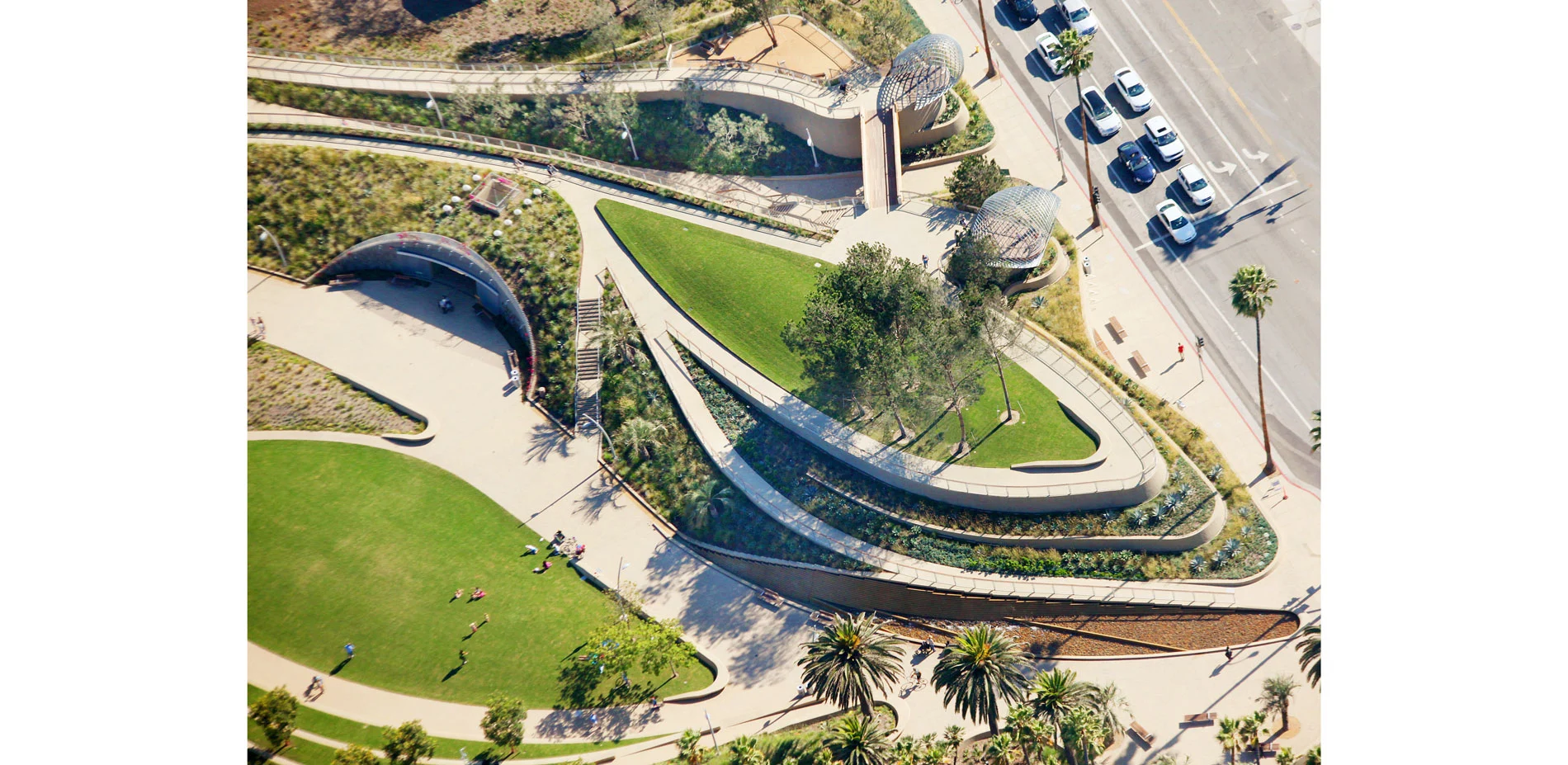
Tongva Park and Ken Genser Square
Tongva Park + Ken Genser Square transformed a former parking lot into a lush landscape of rolling hills, meadows and gardens. The design was shaped by an extensive community process and is now celebrated as an important destination and center for Santa Monica. The most dramatic aspect of the site transformation has been the restoration of its ecosystem - new forest types and amended soils respond to the design's microclimates and showcase a diversity of species spe
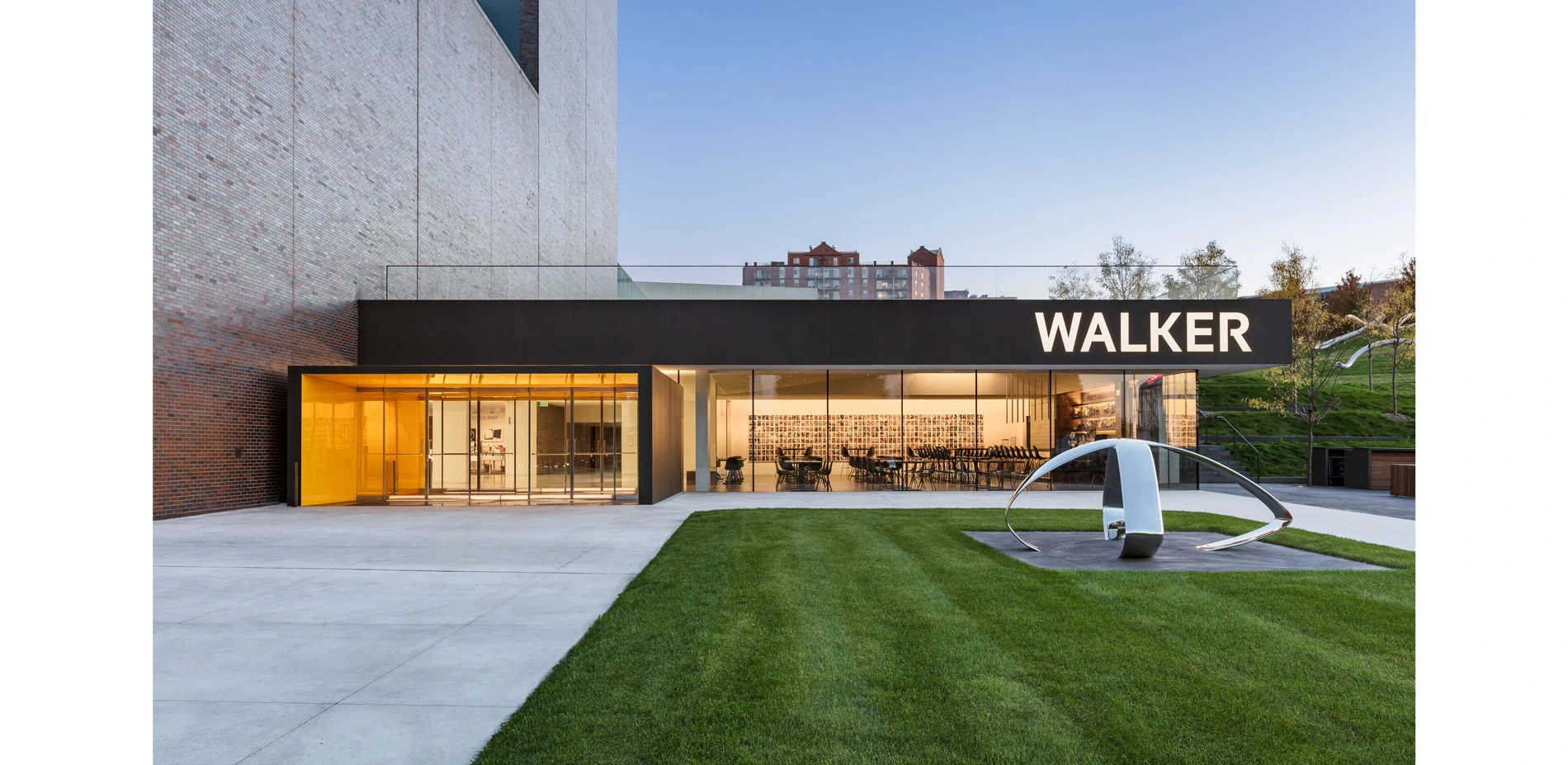
Walker Art Center Wurtele Upper Garden
The Walker Art Center is one of the nation's top contemporary art institutions. The new Wurtele Upper Garden is a part of a larger vision to re-orient the main entry of the museum, strengthen the relationship with the Minneapolis Sculpture Garden, and create a Walker Art Center campus. The vegetated volumes and the circuit path that connects them enhance the welcoming entry approach and provide dynamic experiences for engaging art. The re-imagined garden provides f
Advertisement
Residential Design Category
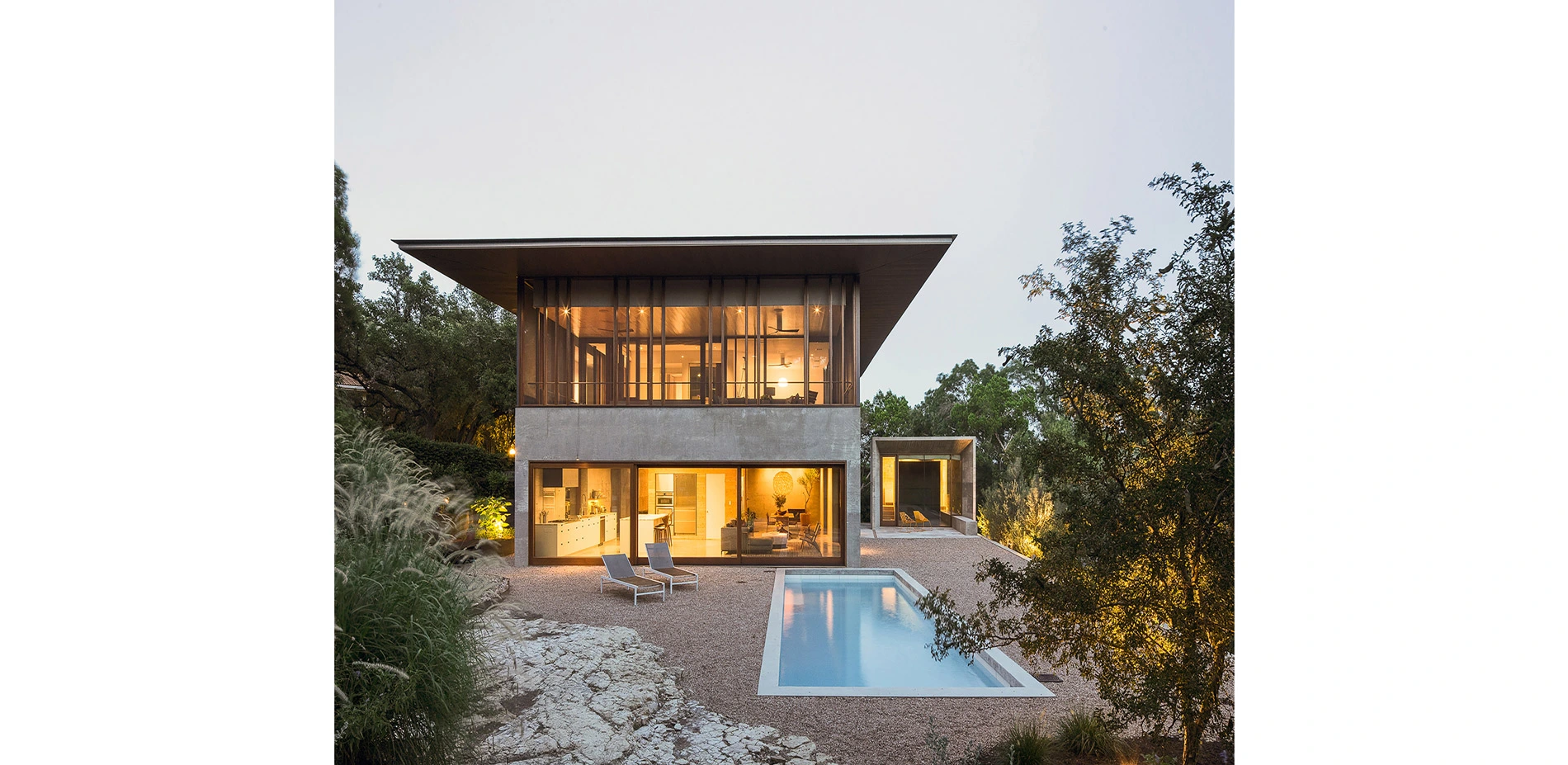
Balcones Residence
Organized around a series of negative spaces created by the architecture, the design invites visitors to enjoy intimate garden moments and expansive views to the broader landscape.
Situated on a rocky hillside with little topsoil, twenty-five feet of grade change, and a bevy of existing invasive plants, work to restore the site's vegetation was one of the biggest challenges in creating a successful and beautiful landscape.
Collaborating closely with both client and architect, a design-build modus allowed the landscape team to carefully orchestrate moments of design in the field when unforeseen conditions or opportunities arose.
Mitigation and excavation of invasive ligustrum, morning glory, and jasmine with air spading revealed sinuous limestone strata. These newly-exposed edges were incorporated into the plan and underscore the site's sensitive redevelopment.
Use of native grasses and succulents met the client's needs for a low-maintenance, low-water- use garden, while building habitat and fostering soil formation, transforming the site's ecology.
The restrained material palette underscores the elegance of the architecture and highlights the grandeur and simple beauty of the Texas landscape.
Residential Design
Honor Awards
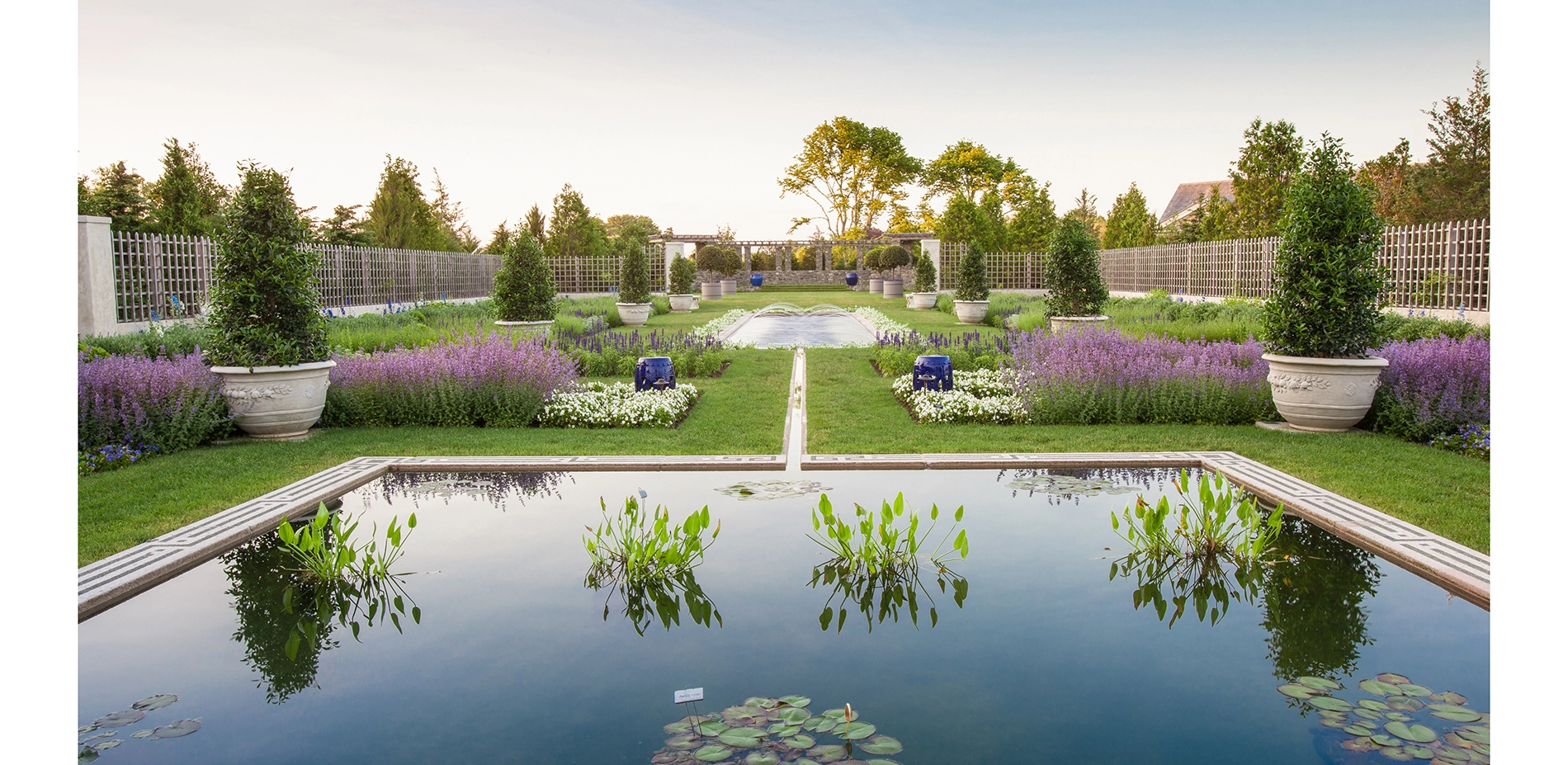
Sustaining a Cultural Icon: Reconciling Preservation and Stewardship in a Changing World
This project gives new life and expanded regional prominence to The Blue Garden, a neglected yet significant early 20th-century garden designed by Olmsted Brothers, which exemplified Italianate traditions of the Country Place Era of American gardens, and offered a place of jubilant social gatherings reflecting the colorful personality of its client, Harriet James Curtis. Just as the original garden benefitted from generous patronage, so this site has been revitaliz
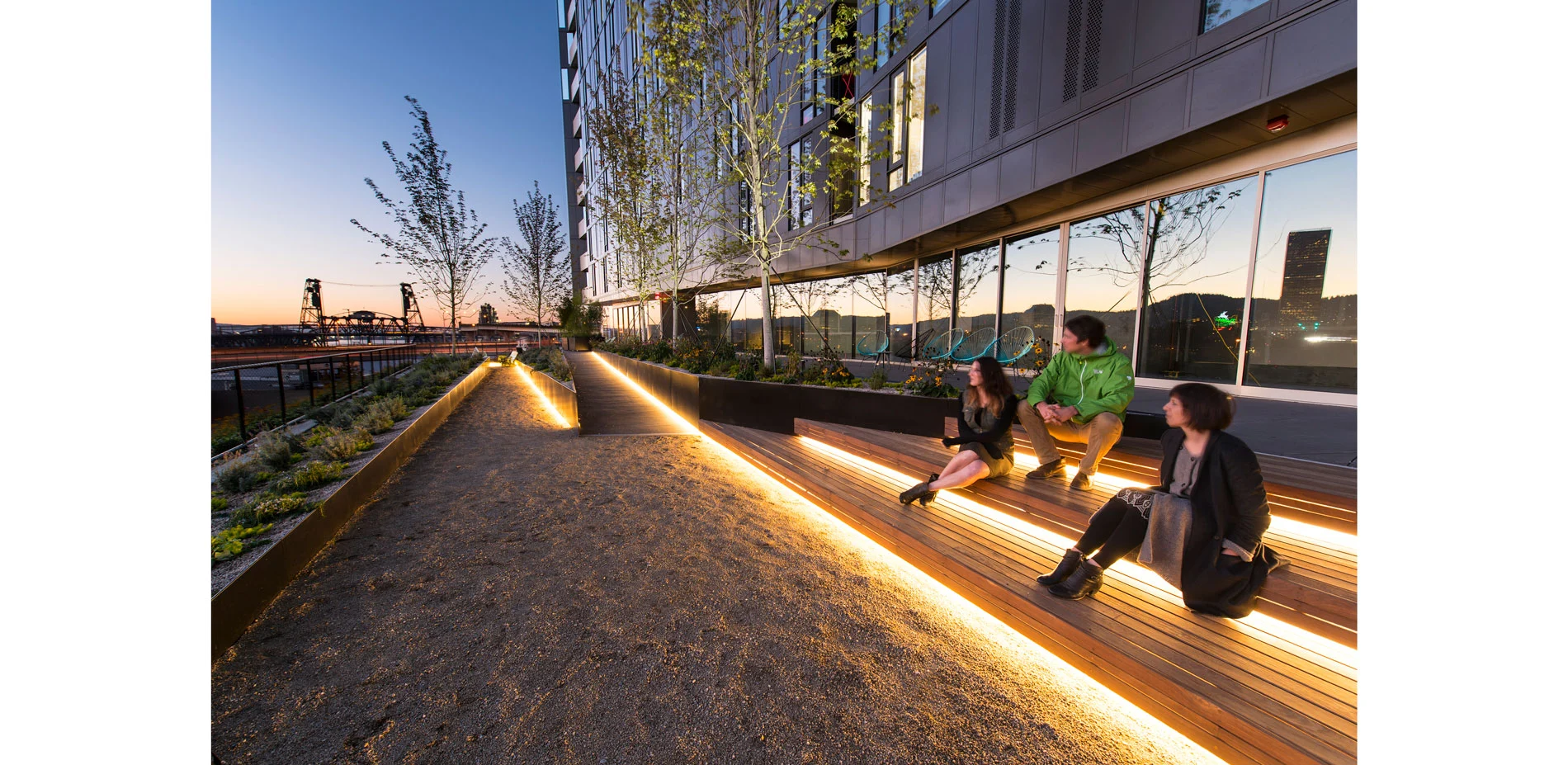
Yard
Perched at the foot of the historic Burnside Bridge, YARD transforms a remnant parcel in Portland's Central Eastside Industrial District into a shared community landscape that redefines the relationship of a residential tower and its context. The design team, long-term collaborators of exploring unique relationships between site and building, were excited by the challenge of the highly visible site that connected to surrounding context on multiple topographic level
Analysis and Planning Category
A Colorado Legacy: I-25 Conservation Corridor Master Plan
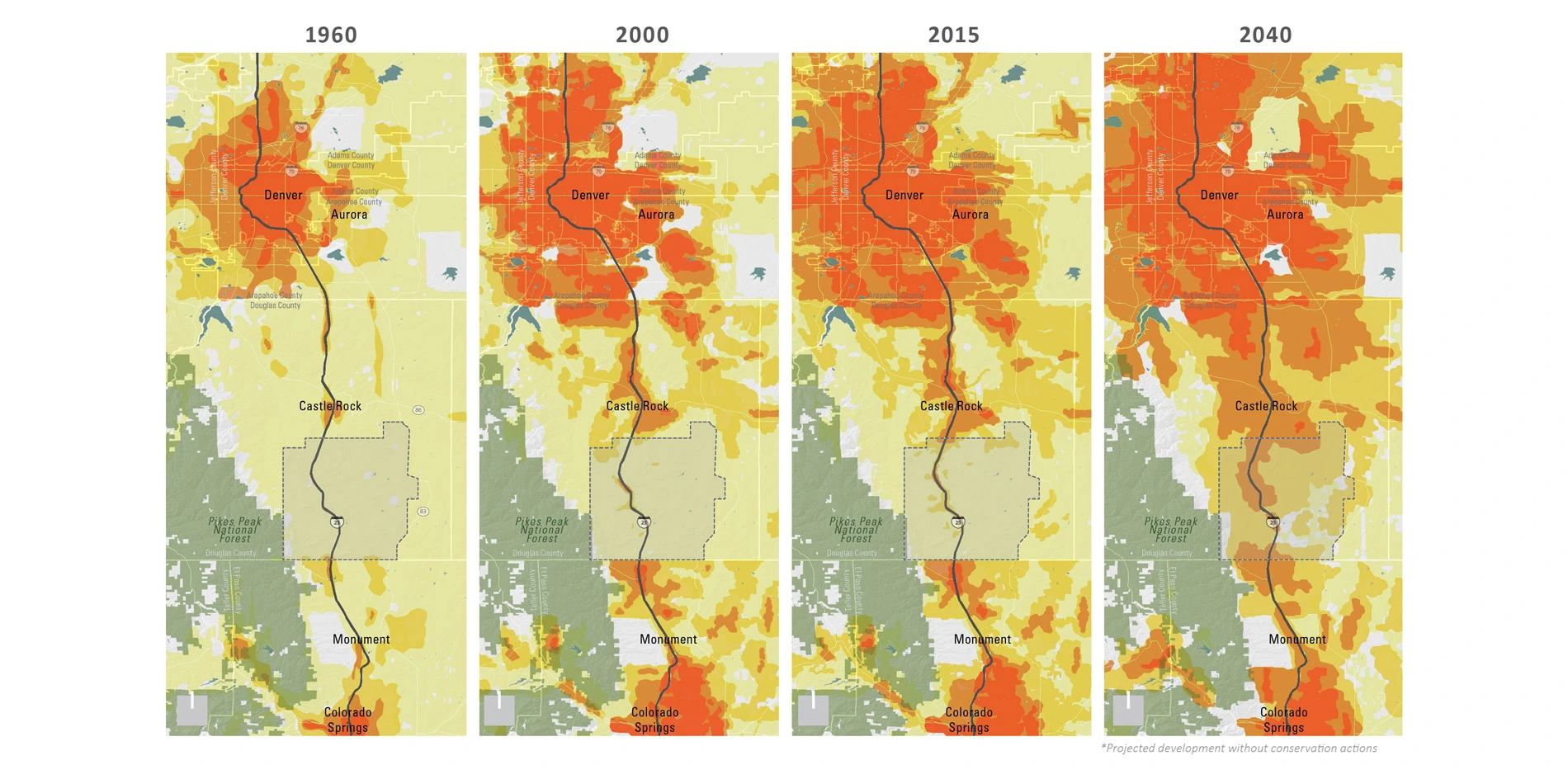
Over 73,000 vehicles travel the Front Range corridor between Colorado Springs and Denver on any given day. This area is growing fast. Population is increasing at a clip of 1,000 per-month and construction continues to change the skyline. South of Castle Rock, however, sweeping views of the mountains emerge amidst a pristine foreground of rolling grasslands, mesas and historic ranches. This unique 17-mile stretch of Interstate 25 lies undeveloped following the implementation of the I-25 Conservation Corridor Master Plan, the result of a strong strategic vision coupled with unprecedented cooperation among conservation organizations, government entities and private landowners.
The Conservation Fund, in collaboration with the landscape architect, initiated a strategy to engage residents and government officials in conserving open lands to forever protect scenic vistas, water quality, wildlife, clean air and recreational opportunities along the corridor. Devised to offer solutions to the surrounding uncontrolled sprawl, the plan leveraged unique planning methods and limited development strategies to achieve what had been previously considered impossible: preservation of over 100,000 acres of open space along Colorado's Front Range.
Analysis and Planning
Honor Awards
Extending Our History, Embracing Our Future
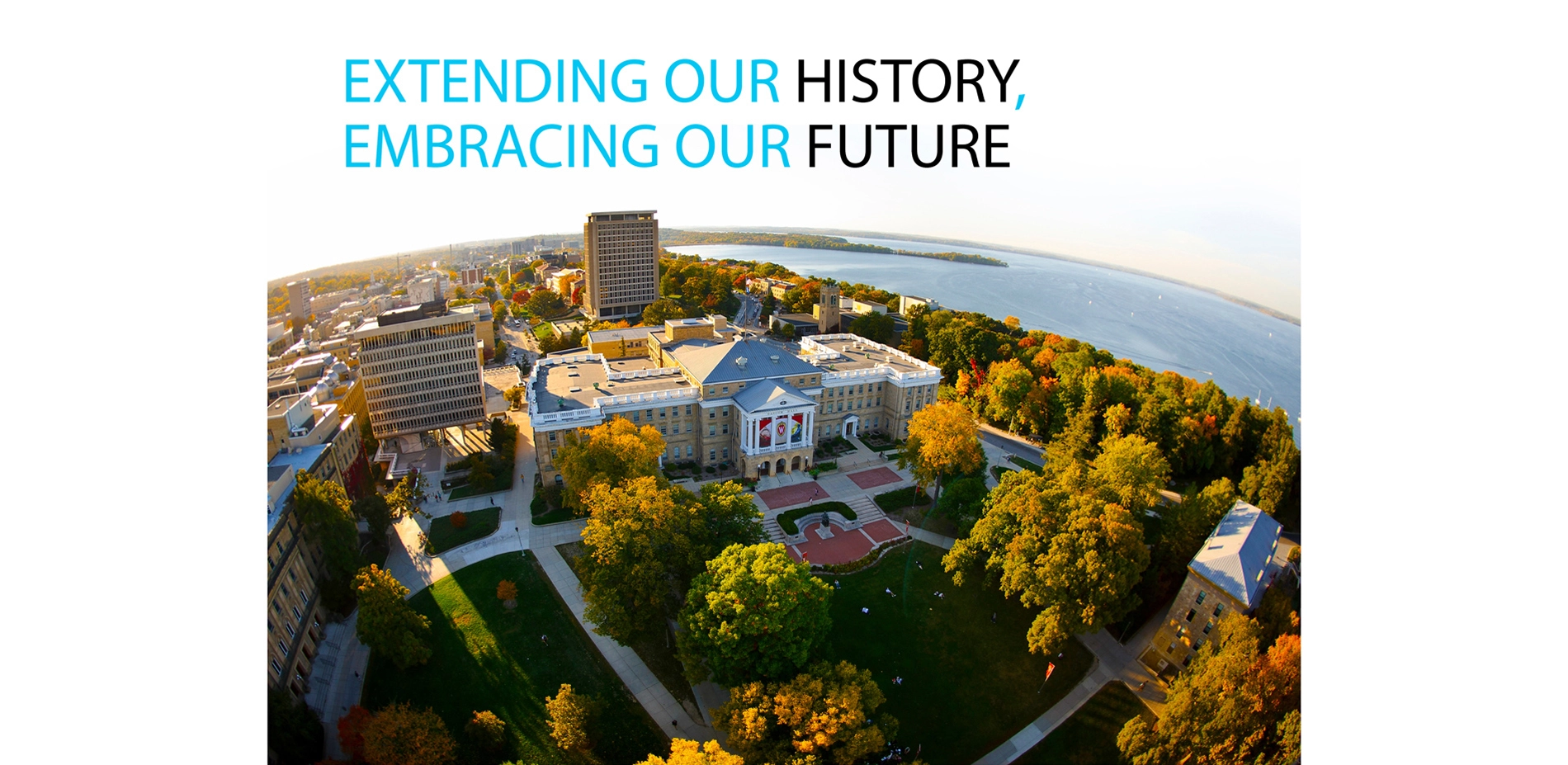
The University of Wisconsin-Madison's 936-acre campus occupies a vital intersection between the capital city and Lake Mendota, and between the institution's long history and enduring legacy. Founded in 1848, the State's oldest and largest university features over 4.5 miles of shoreline; a compelling diversity of cultural, historic, natural and urban landscapes; and a range of past and future development impacts that require improved stewardship practices.
As
From Pixels to Stewardship: Advancing Conservation Through Digital Innovation
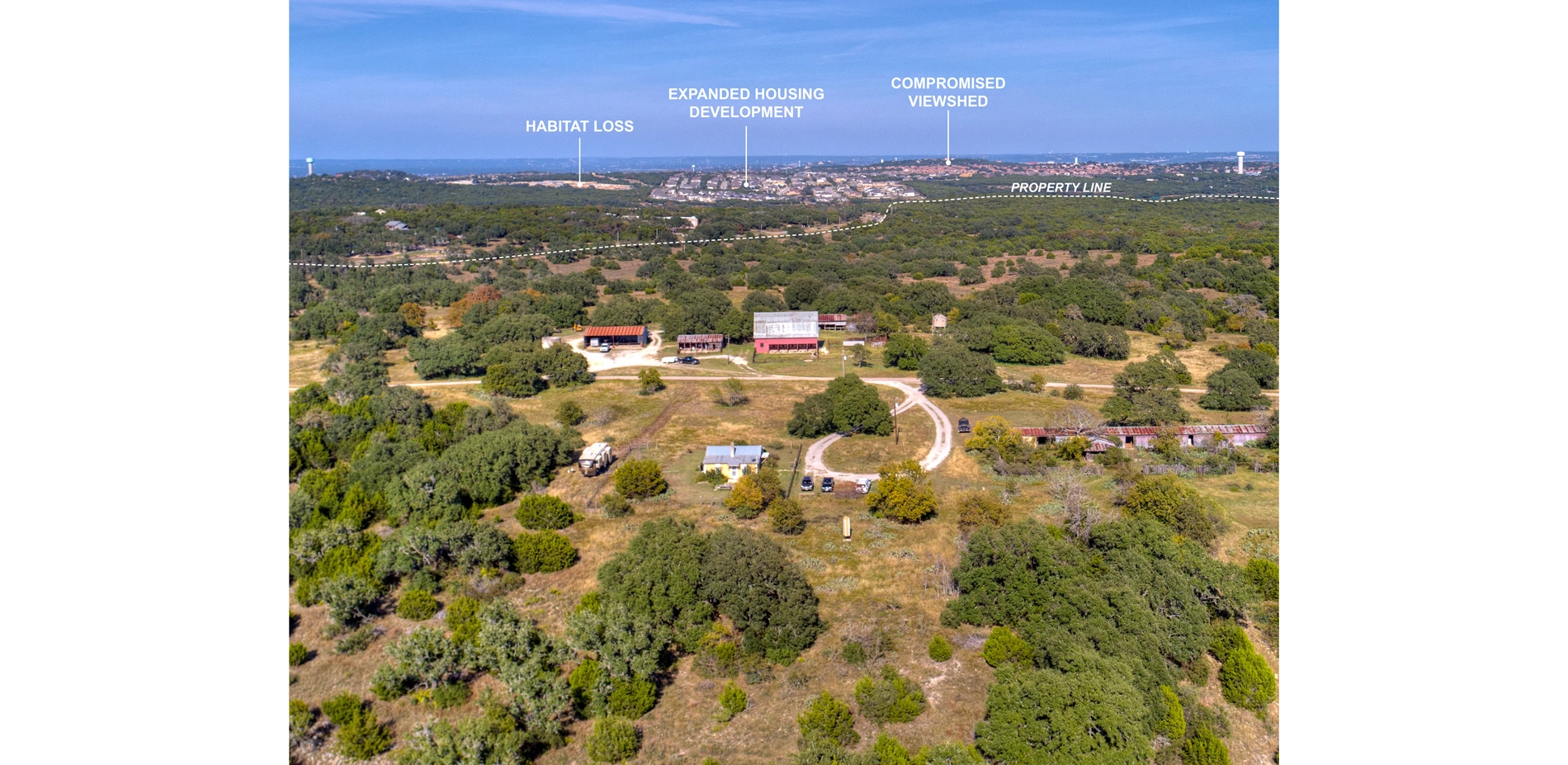
Ninety-five percent of Texas is privately owned, thereby providing land owners the unique capacity to enhance the landscape's ecosystem services, embed resiliency, and reinvigorate Texans about their distinctive natural and cultural environment. The Shield Ranch Master Plan demonstrates one family's evolving approach to land stewardship and advocacy during a pivotal point in their 80-year journey. To protect, connect, and share Shield Ranch's 6,800-acre, Austin, TX
Iowa Blood Run Cultural Landscape Master Plan
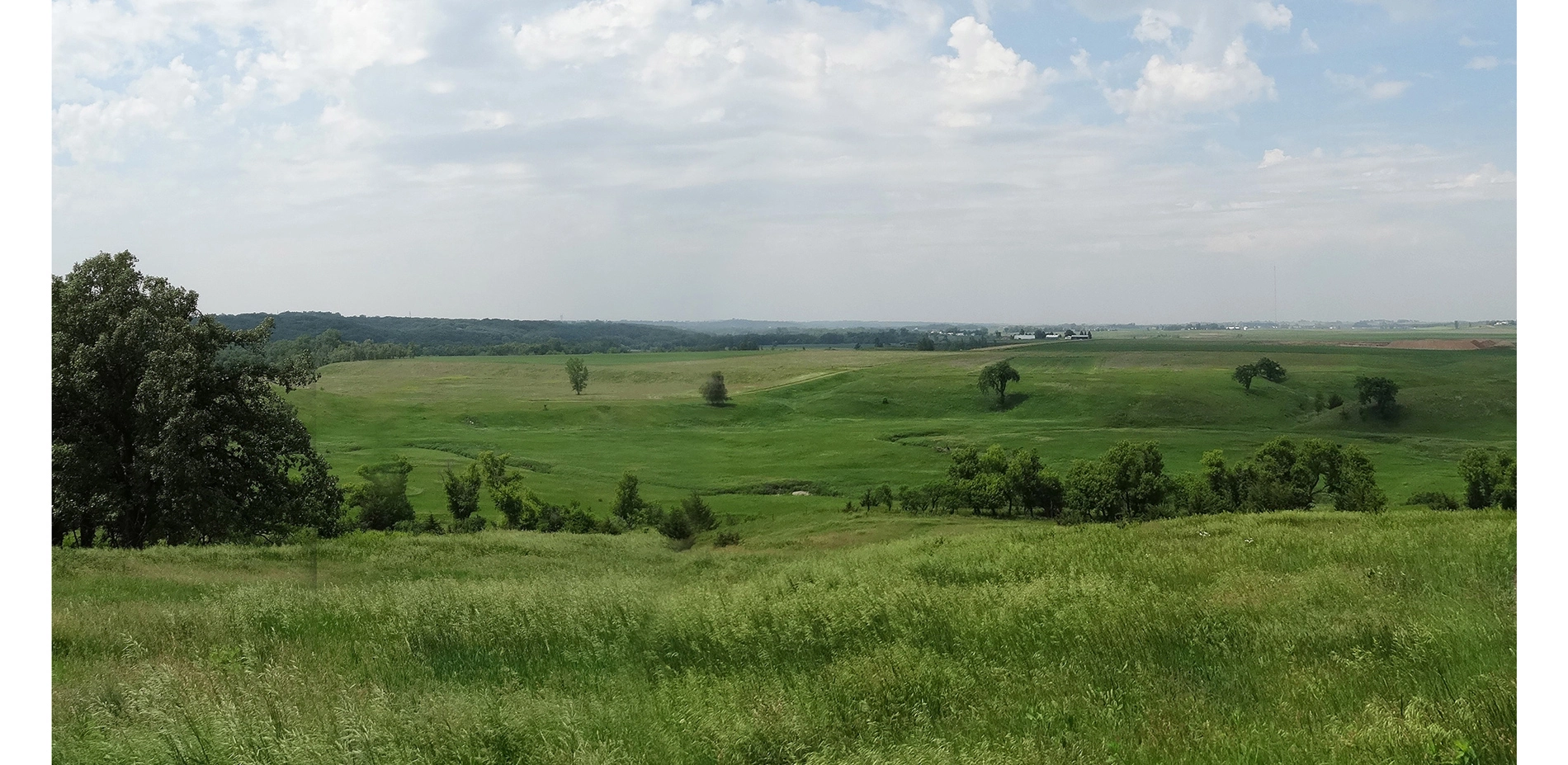
The Landscape Architects facilitated the creation of an "entirely different dialogue" between groups culturally connected to the landscape and those positioned to guide the formation of a unique bi-state park. Through a process that fostered teamwork and collaboration, the project brought together representatives of descendant Indigenous communities, local farmers, landowners, residents, economic specialists, historians, naturalists, and other stakeholders, to find
Willamette Falls Riverwalk
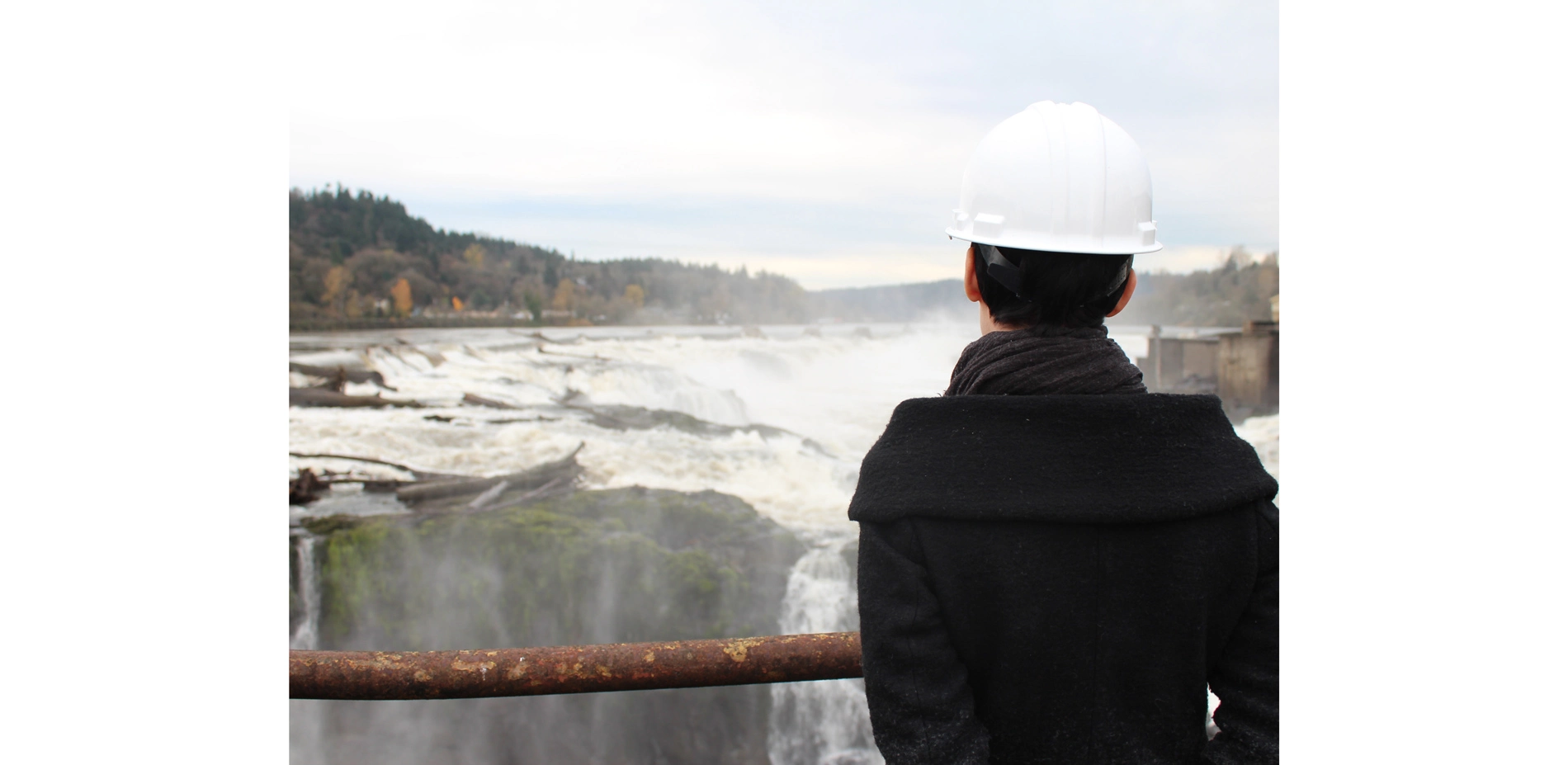
Willamette Falls is the second largest waterfall by volume in the country. For over a century, the breathtaking site has been cut off from public access by industrial infrastructure built along the water's edge. Upon closure of the Blue Heron Paper mill in 2012, city and state agencies came together as the Willamette Falls Legacy Project to secure public access to the Falls. A new riverwalk and its sequence of public spaces will allow visitors to rediscover the ful
Research Category
Honor Awards

Atlas for the End of the World - Atlas for the Beginning of the Anthropocene
4 years in the making, this web-based interactive Atlas surveys the status of, and conflicts between conservation, land-use and urban growth in the world's 36 biodiversity hotspots - regions which by definition harbor the most threatened and irreplaceable biodiversity on earth.
Specifically, the Atlas shows how the hotspots and their 391 constituent ecoregions are performing with regard to meeting 2020 United Nations protected area targets under the legally b
Design with Dredge: Resilient Landscape Infrastructure in the Chesapeake Bay
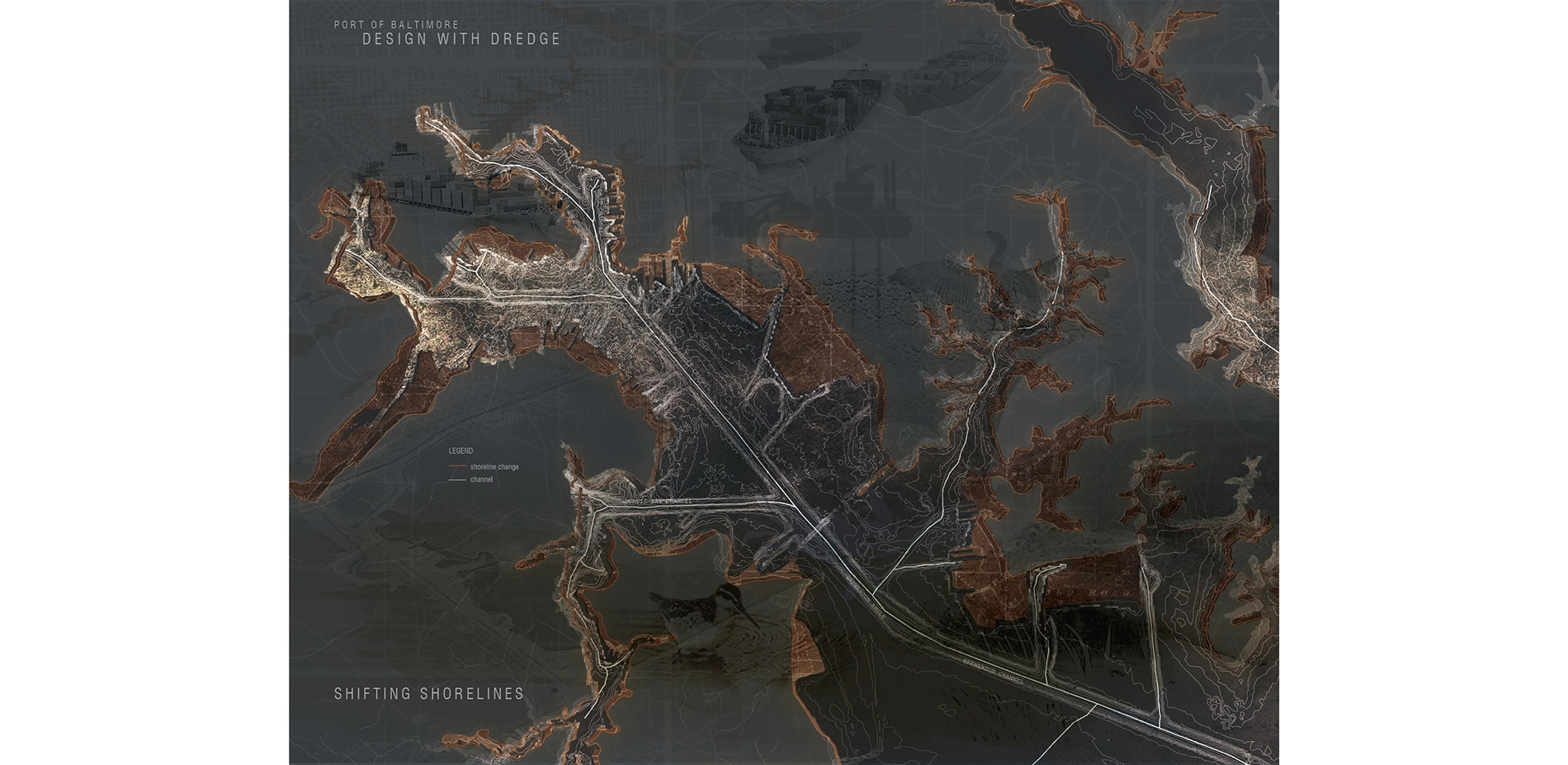
Every year in the Baltimore Harbor natural and anthropogenic siltation processes infill waterways and navigation channels, necessitating the removal of 1.5 million cubic yards of sediment to keep the port operating. The Design with Dredge research program brings together practitioners, community members, academics, regulatory and policy officials, and industry representatives to advance shared conceptual frameworks, planning priorities, and applied landscape strate
Urban Aquatic Health: Integrating New Technologies and Resiliency into Floating Wetlands
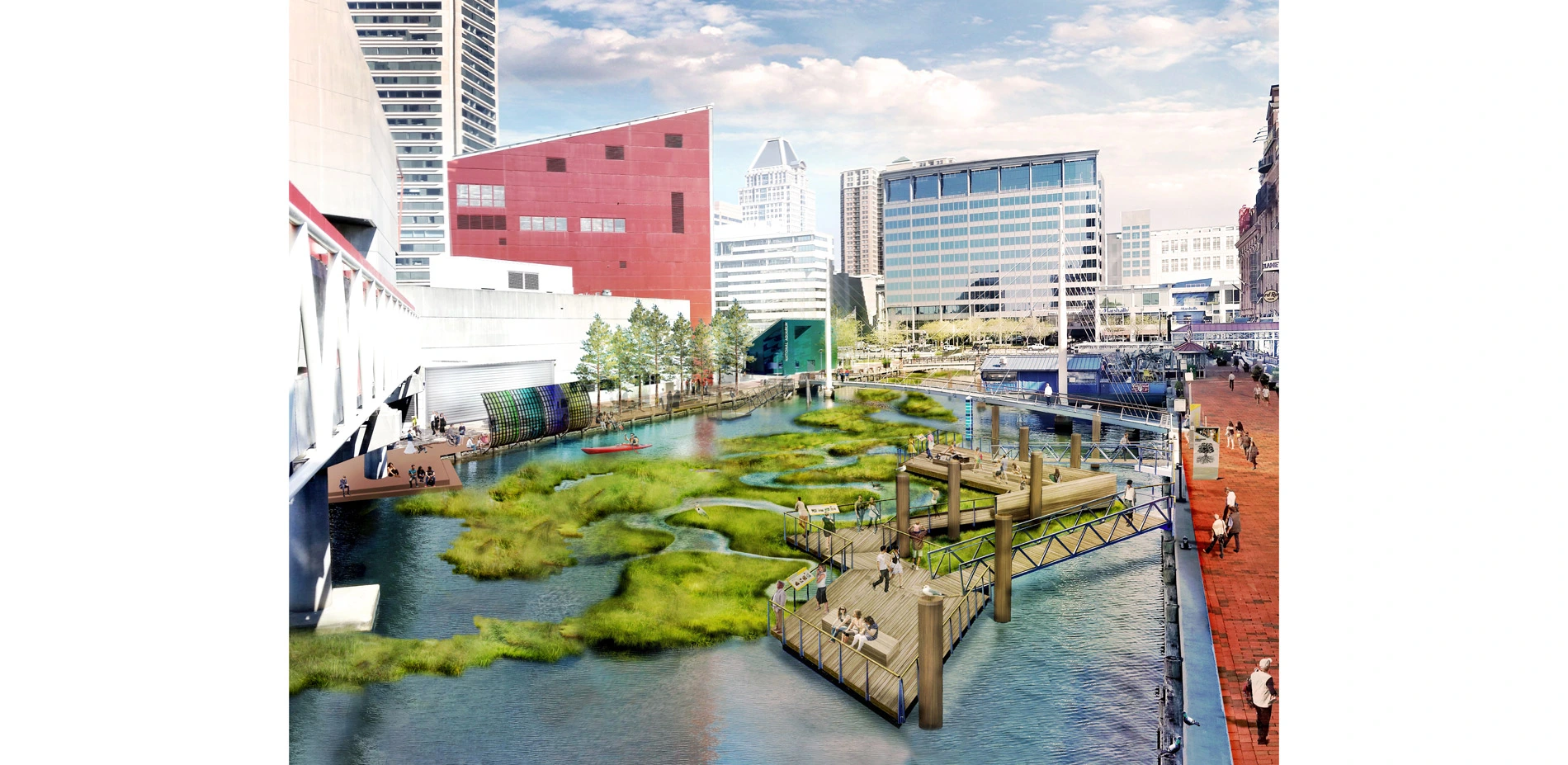
The National Aquarium in Baltimore, Maryland sits on a typical post-industrial urban waterfront. Their unique position as global actors and habitat experts makes them well positioned to be an agent of change for urban water quality. With an ultimate goal of transforming their campus into a living lab, the Aquarium teamed with designers, engineers, and researchers to investigate new technologies to produce a more sustainable and high-performing floating wetland.
Communications Category
100 Years of Landscape Architecture at The Ohio State University
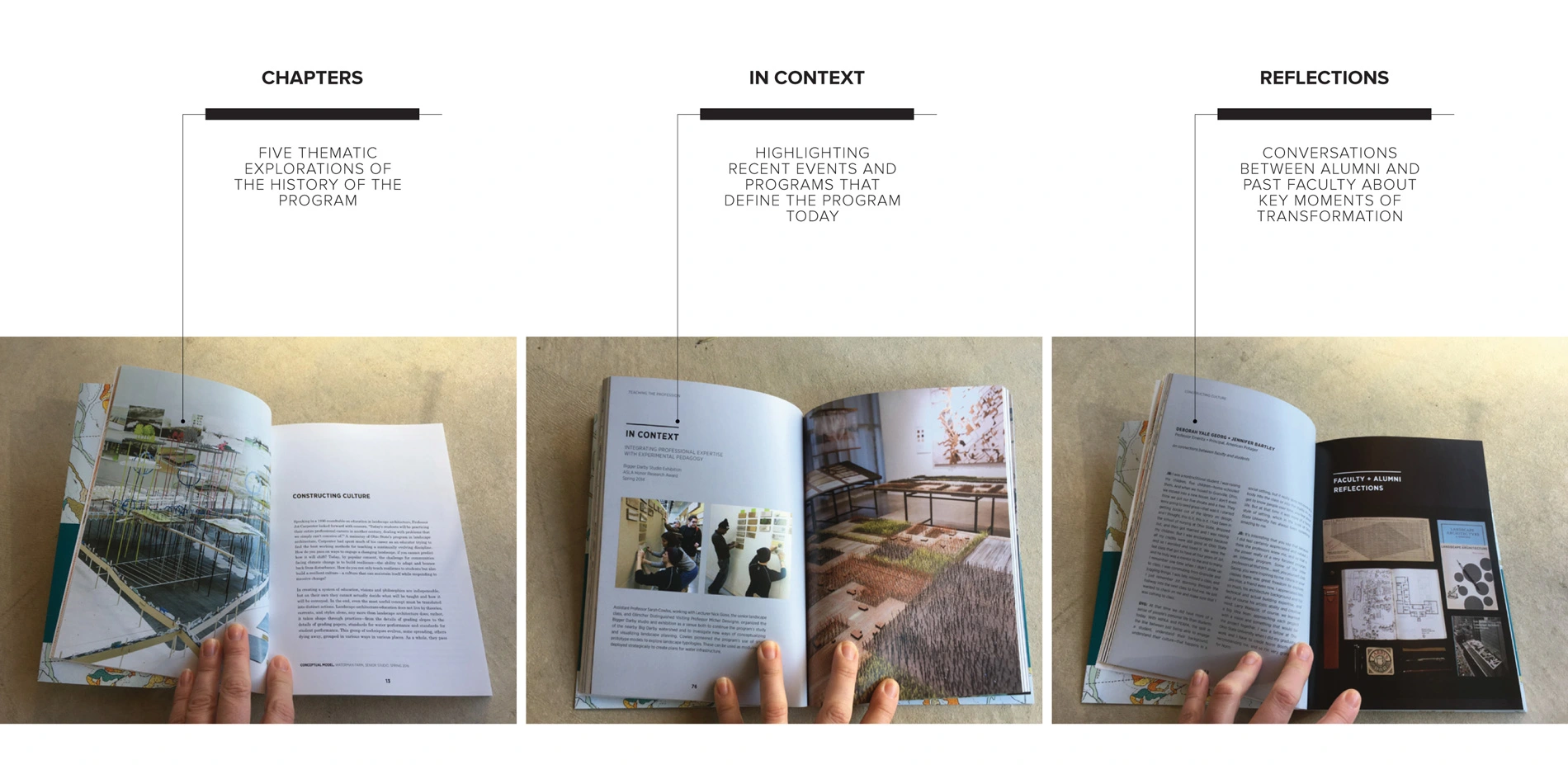
Beginning in 2015, the landscape architecture program of The Ohio State University launched a multi-part initiative to celebrate its centennial. Forming around a common theme of making, the initiative gathered archival material and crafted new objects to tell the story of the program. The result helped bring together a community in transition, and provided an innovative look at the profession's history through the institution that has reliably represented its heart.
The initiative comprised four interwoven projects. First, a series of informational banners were installed throughout the program's home of Knowlton Hall. These banners were translated into a brochure of infographics for alumni, prospective students, and friends of the program. An exhibition collected 100 years of the program's student work. Finally, the program gathered its history in a book, published in 2017 as Testing Grounds: 100 Years of Landscape Architecture at The Ohio State University. The title points to a major theme for each piece: Ohio State's position as a bellwether of the landscape profession and academy, a site where new practices are tested and perfected.
Communications
Honor Awards
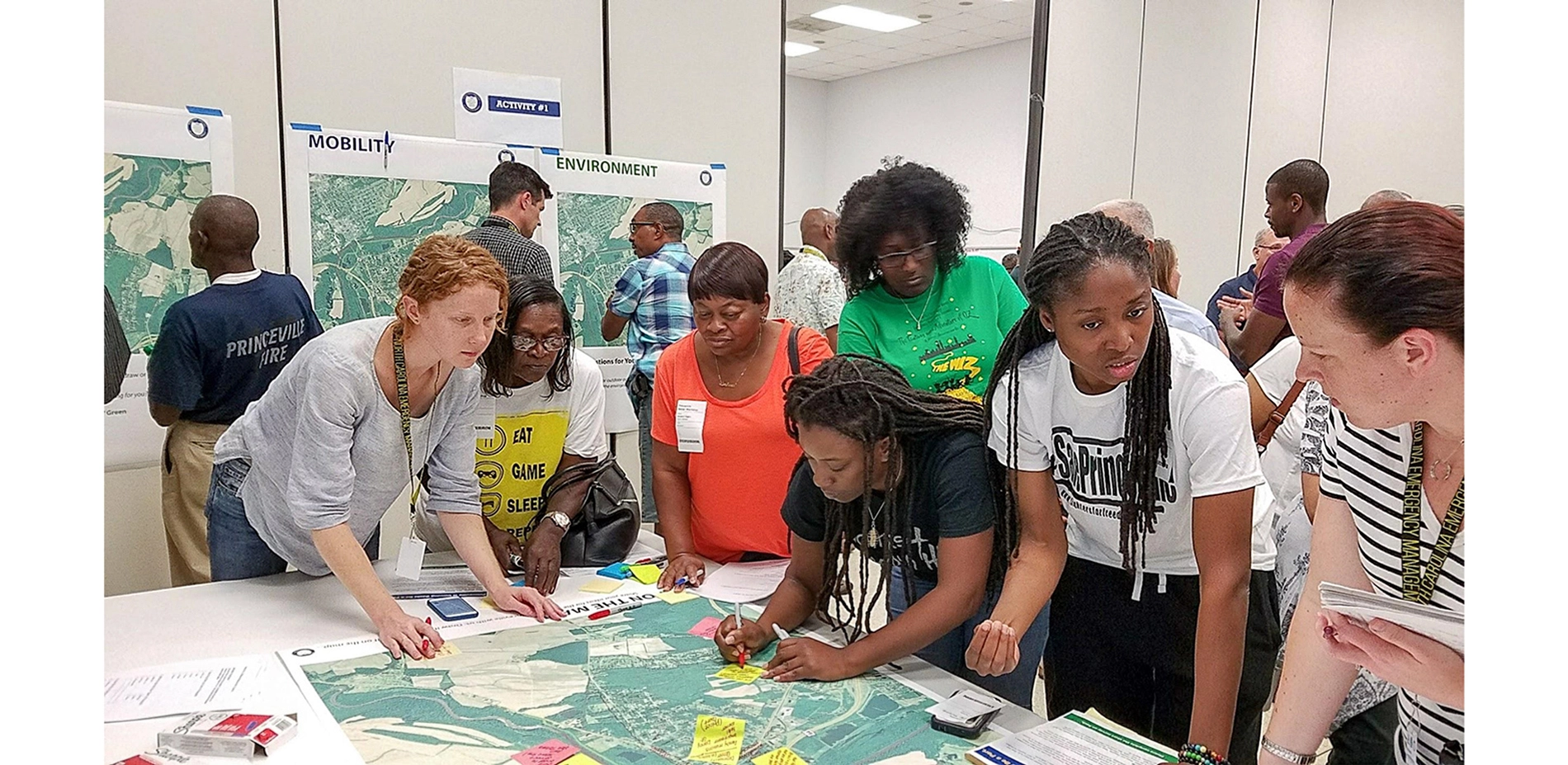
Homeplace: Conversation Guides for Six Communities, Rebuilding After Hurricane Matthew
Although there is public awareness of information describing the effects of climate change, gaps remain in how information is communicated to enable impactful decision-making. There aren't enough human-stories (relatable to everyday people) grounding climate change strategies, and there is a dearth of digital tools reflecting contemporary engagement with complex data.
Homeplace: Conversation Guides for Six Communities, Rebuilding from Hurricane Matthew were designed to address these
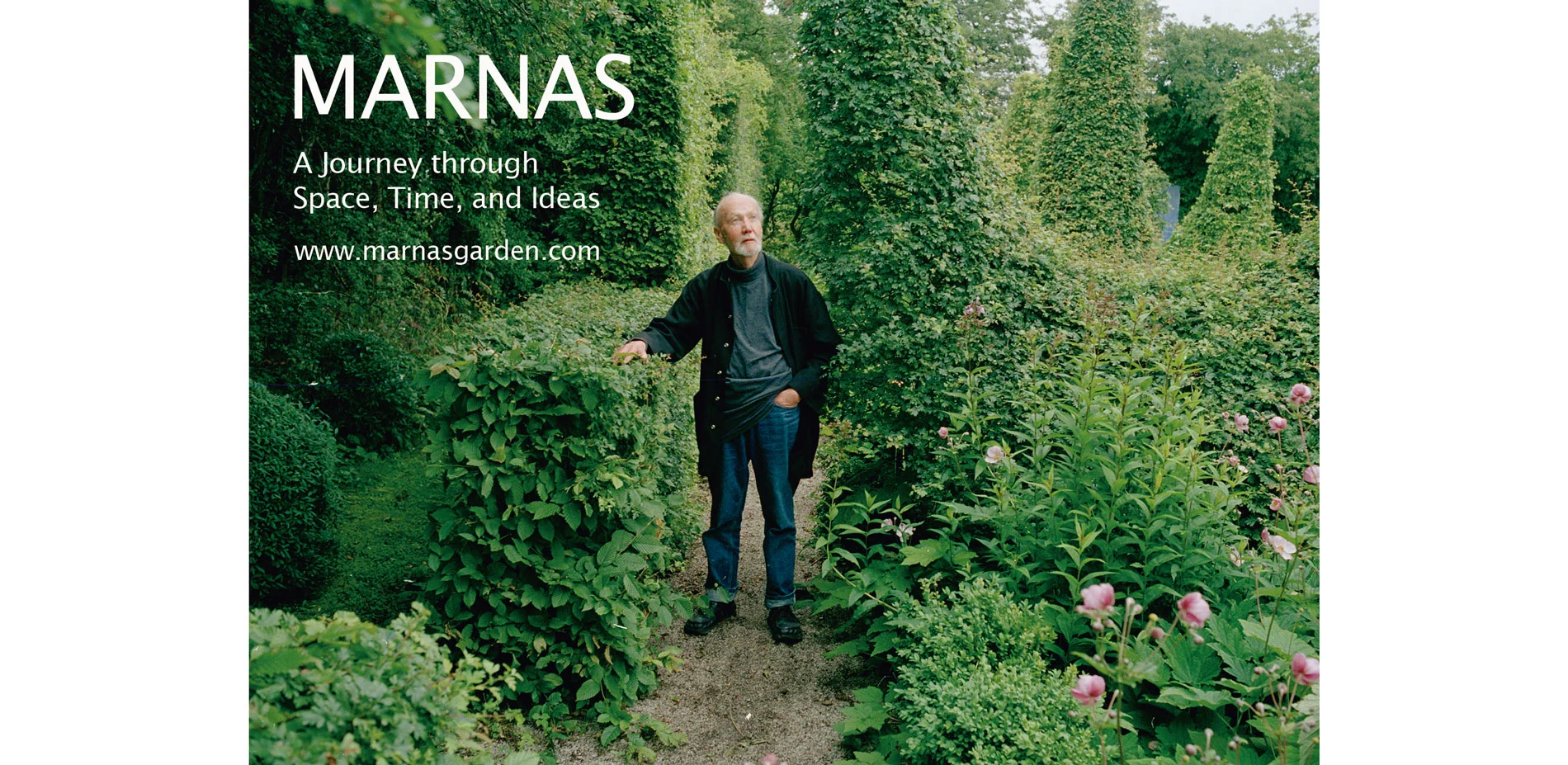
Marnas: A Journey through Space, Time, and Ideas
Marnas (www.marnasgarden.com) provides the first public access to the garden laboratory of master designer/theorist, Sven-Ingvar Andersson (1927-2007), who recorded his experiments there, over the course of 50 years, in thousands of photographs. This extraordinary documentation made possible the digital archive and interactive multimedia website, designed as an immersive, three- and four-dimensional exp
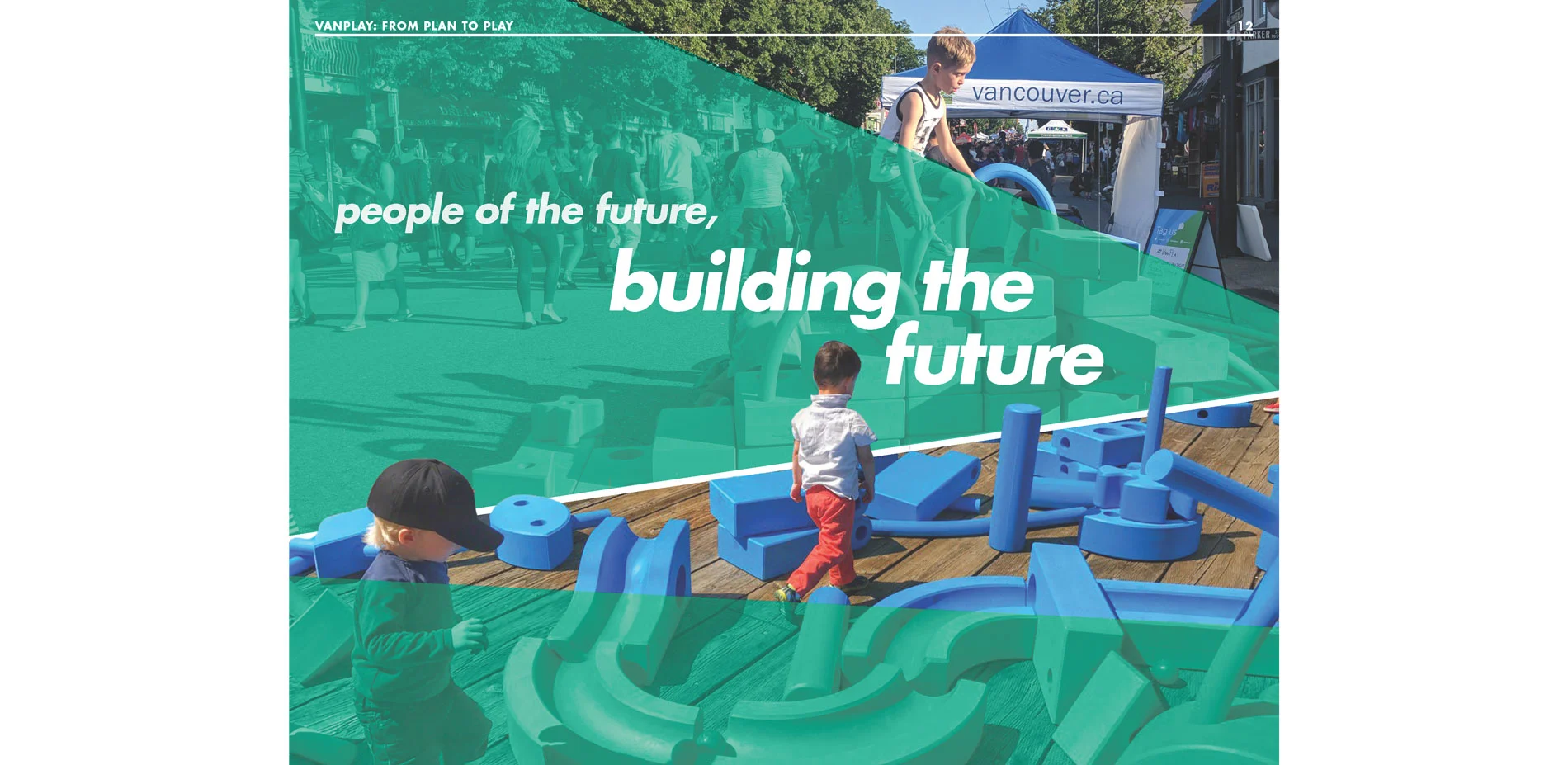
VanPlay: Plan to Play
How does a parks and recreation department recast itself as a relevant brand today that can successfully face the next century of change? Seeking a vision beyond the typical 'blue and green' parks motif, the Vancouver Board of Parks and Recreation challenged the design team to craft a brand to spark the public's curiosity in the first systemwide master plan in over 25 years.
Curlers to coyotes roam and recreate in Vancouver's network of 1,300
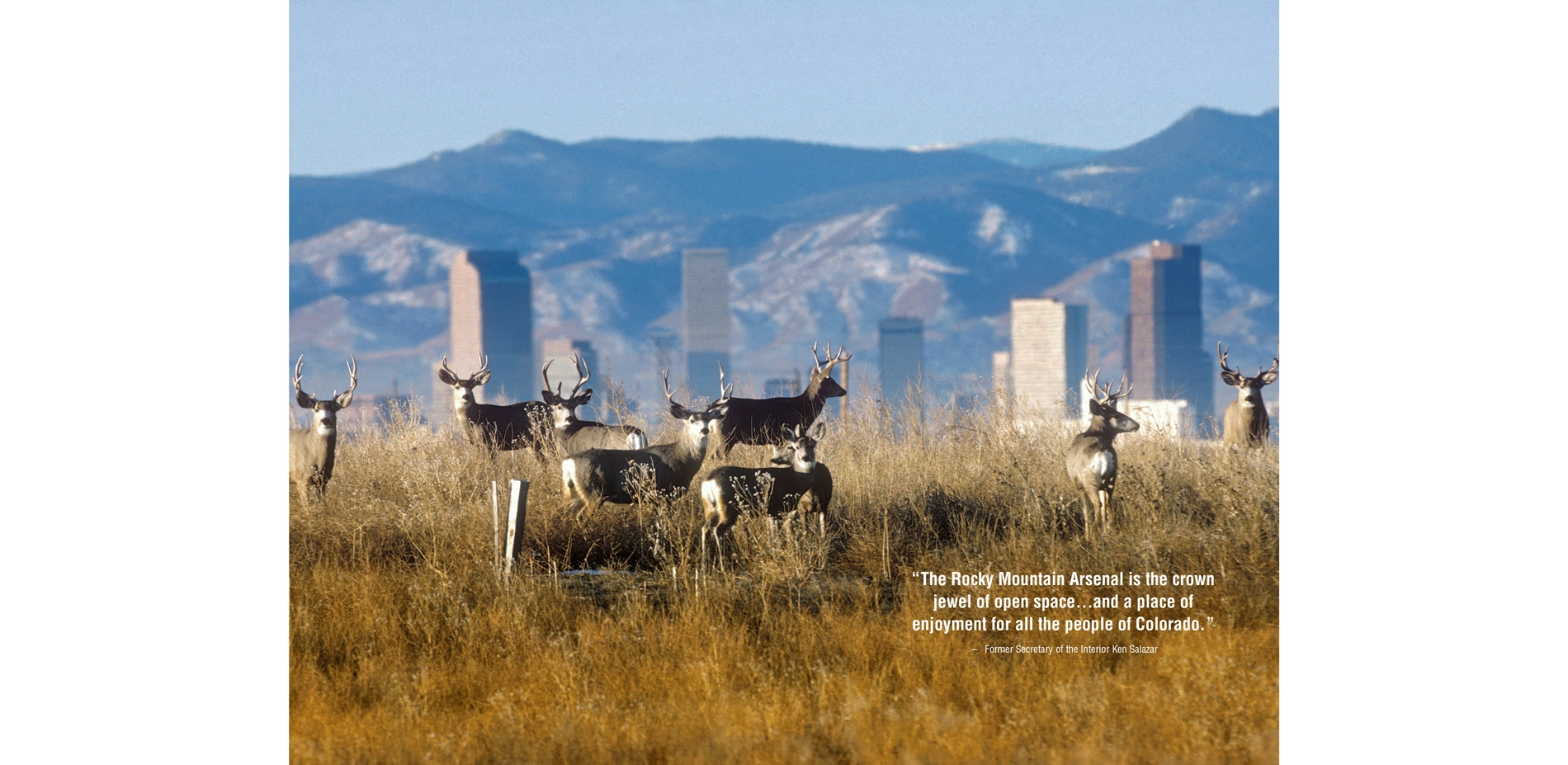
From Weapons to Wildlife: The Rocky Mountain Arsenal National Wildlife Refuge Comprehensive Management Plan
The Rocky Mountain Arsenal National Wildlife Refuge Comprehensive Management Plan served a visionary purpose in the conversion of a 17,000-acre Superfund site into one of our nation's largest urban wildlife refuges. The catalyst – the Refuge Act of 1992 – set forth the challenge to maximize public use at levels compatible with the conservation and enhancement of wildlife habitat.
Addressing pressing land use issues of the early 21st century – conservation, habitat protection and management, pollution control, cleanup and reuse, public use, recreation, environmental education and sustainable development – the CMP conceptualized a pioneering approach to dynamic, novel ecosystems where restoration would harbor living ecologies while simultaneously providing recreational opportunities. Demonstrating the role landscape architecture may play in complex, contaminated lands, the CMP represented a model for how public and private partnerships may assist with the large-scale remediation of decommissioned military sites into public wildlife reserves.
"The Rocky Mountain Arsenal is the crown jewel of open space…and a place of enjoyment for all the people of Colorado." – Former Secretary of the Interior, Ken Salazar