







Nurturing What's Next
What A/E/C Business Consultants Learned from Conversations at ASLA 2026
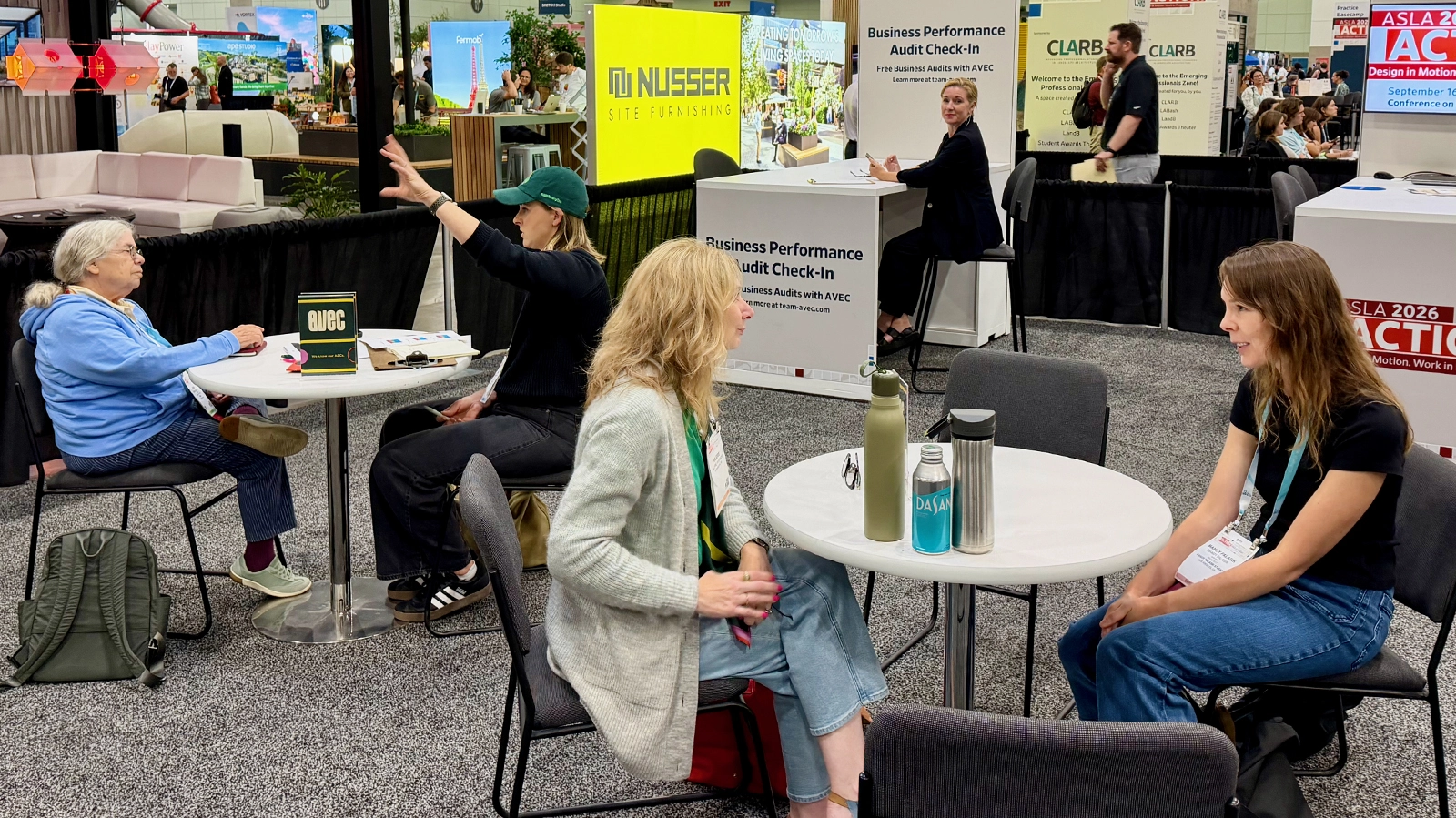
One of the more curious things I noticed at this year's ASLA Conference in Los Angeles was attendees sporting tiny sprouts clipped in their hair. Apparently, someone was roaming the conference floor "sprouting" people.
The whole thing stuck with me. Looking back on the AVEC team's conversations over three days, it also seems like a fitting metaphor for one of the biggest themes we heard: the importance of investing in future growth, even when conditions are uncertain.
Our AVEC business consultants spoke with dozens of firm leaders about the state of their businesses and what lies ahead. Here's what we learned…
Treading Water is Getting Uncomfortable
The overall mood wasn't necessarily pessimistic, but it wasn't particularly optimistic, either. Many firms seem to be in a holding pattern, managing current workloads, keeping an eye on opportunities, and trying to make thoughtful decisions in an environment that still feels uncertain. There's a sense that demand is out there, but something needs to shift before it translates into more consistent opportunities.
For firm leaders, this creates an uncomfortable balancing act. You need to maintain the capacity to respond when business picks up without overextending yourself in the meantime, while also making decisions about where to invest limited resources. It's difficult to plan for the next six or twelve months when the market isn't providing much clarity, but standing still isn't particularly appealing, either.
One opportunity that emerged repeatedly in our conversations was the value of using this period to strengthen the business from within, particularly by investing in the people who will lead firms into the future.



The Next Generation of Leaders is on Everyone's Mind
Principals and firm owners are thinking seriously about who's next, how to identify people with leadership potential, and what it will take to prepare them for greater responsibility.
Succession planning has been a concern across the AEC industry for years, but what struck us was the emphasis on developing the skills future leaders will actually need, rather than simply identifying potential successors. Being an exceptional landscape architect or project manager doesn't automatically translate into being an effective business leader. The next generation needs to understand how firms operate, manage people, make sound business decisions, and develop client relationships.
This distinction was also central to Beyond Firm Ownership: How Leadership Transition Really Happens, a conference session featuring AVEC Senior Partner Rena Klein, FAIA, alongside Jennifer L. Orr, ASLA, PLA, of Lionheart Places and Keiko Tsuruta Cramer, ASLA, PLA, of WRT. The session explored how becoming an owner doesn't necessarily mean becoming a leader. Without clearly defined responsibilities, expectations, and opportunities to develop skills like financial literacy and emotional intelligence, new owners can find themselves continuing in their previous roles rather than making a meaningful transition to firm leadership.
Business development was another common concern in our conversations. Many talented professionals have spent their careers focused on designing and delivering projects, with fewer opportunities to develop the relationships and skills required to bring new work into the firm.
Leaders recognize the importance of helping these individuals become comfortable identifying opportunities, building client relationships, and representing the firm in the marketplace well before they're expected to take on principal-level responsibilities.
What we heard wasn't a lack of confidence in the next generation. Rather, it was a recognition that firms need to be more intentional about preparing people for responsibilities that extend well beyond project delivery. The challenge isn't simply finding the next generation of leaders. It's developing them.



Personal Branding: An Unexpected Piece of the Leadership Puzzle
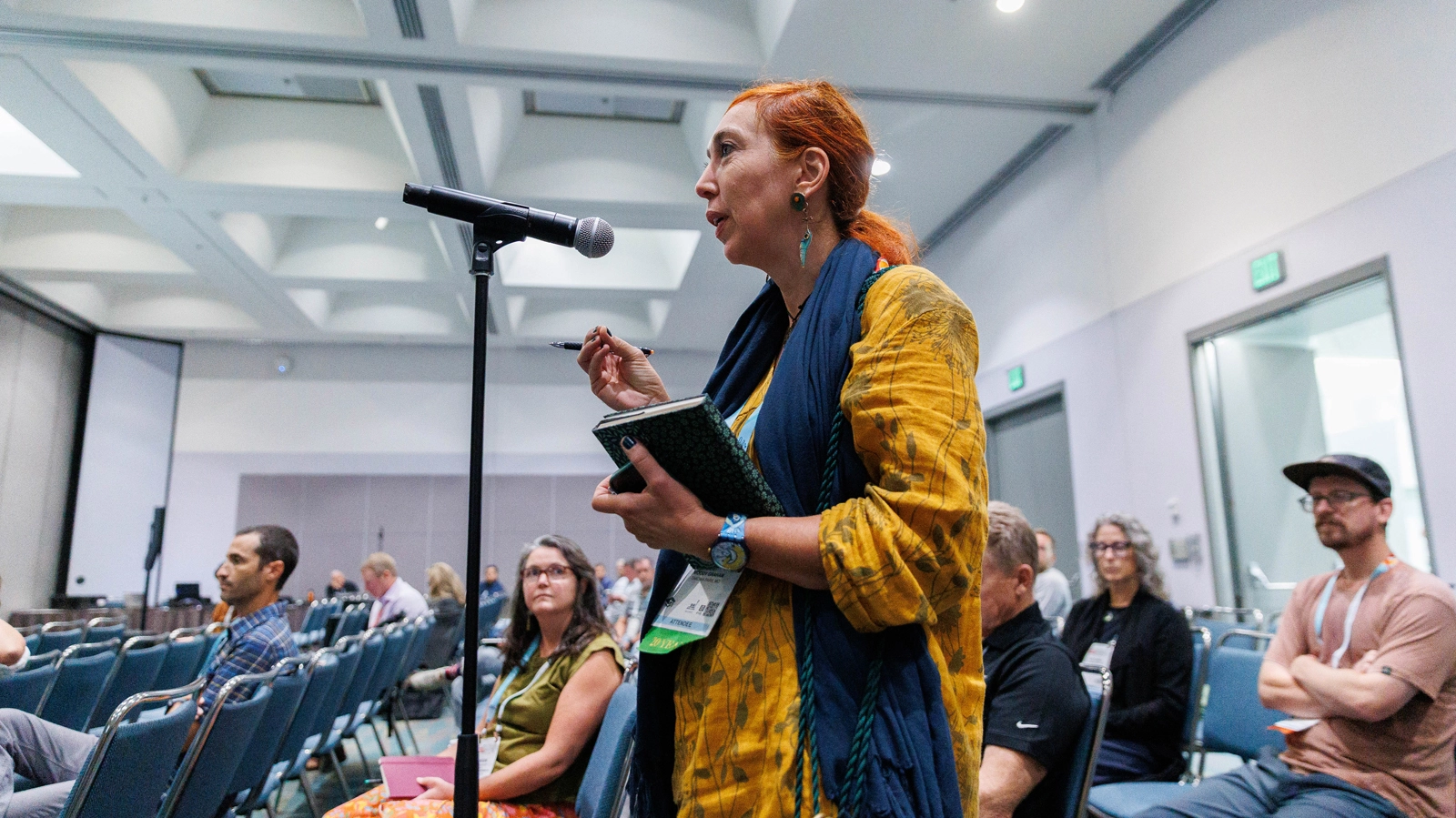
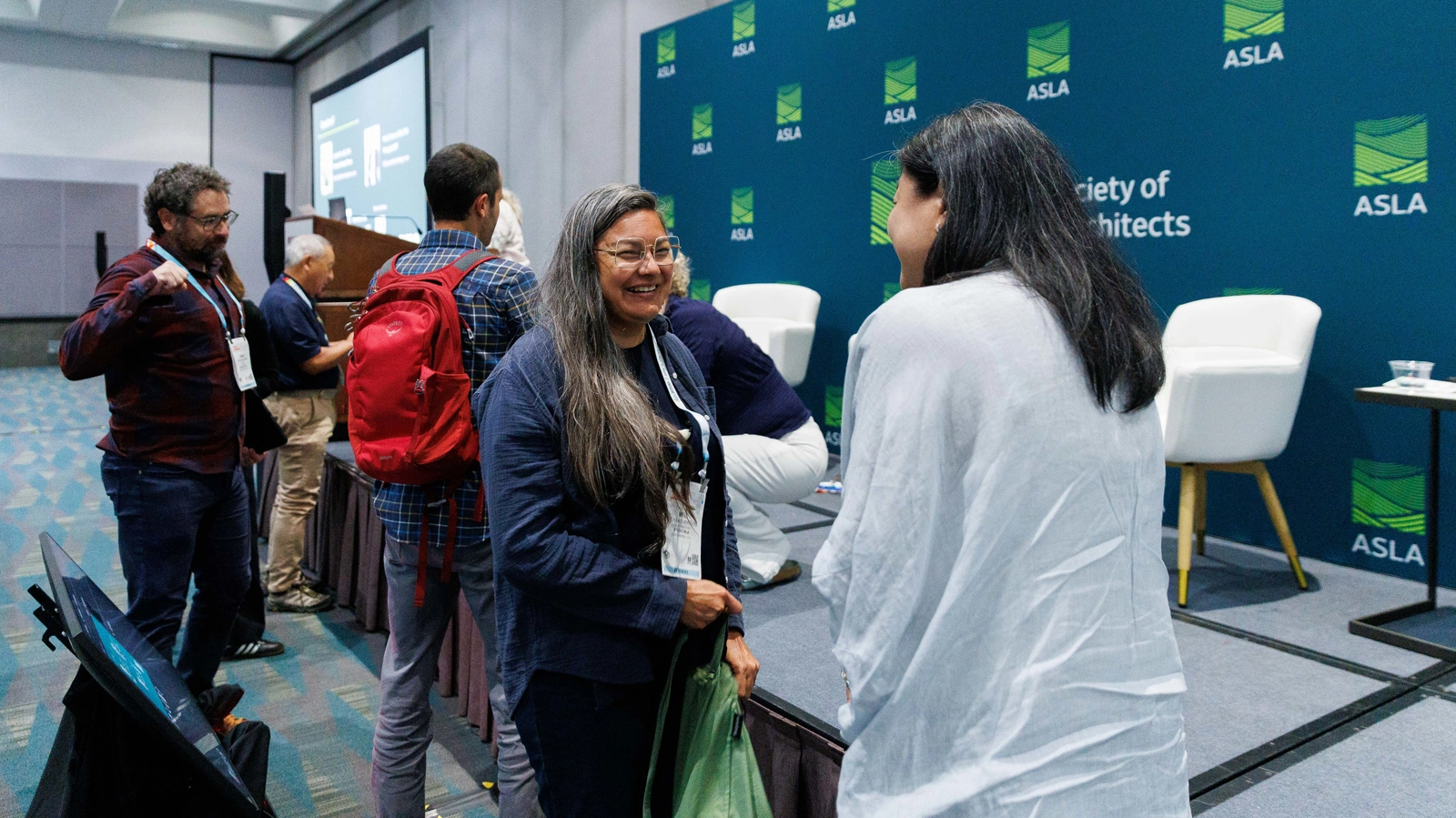
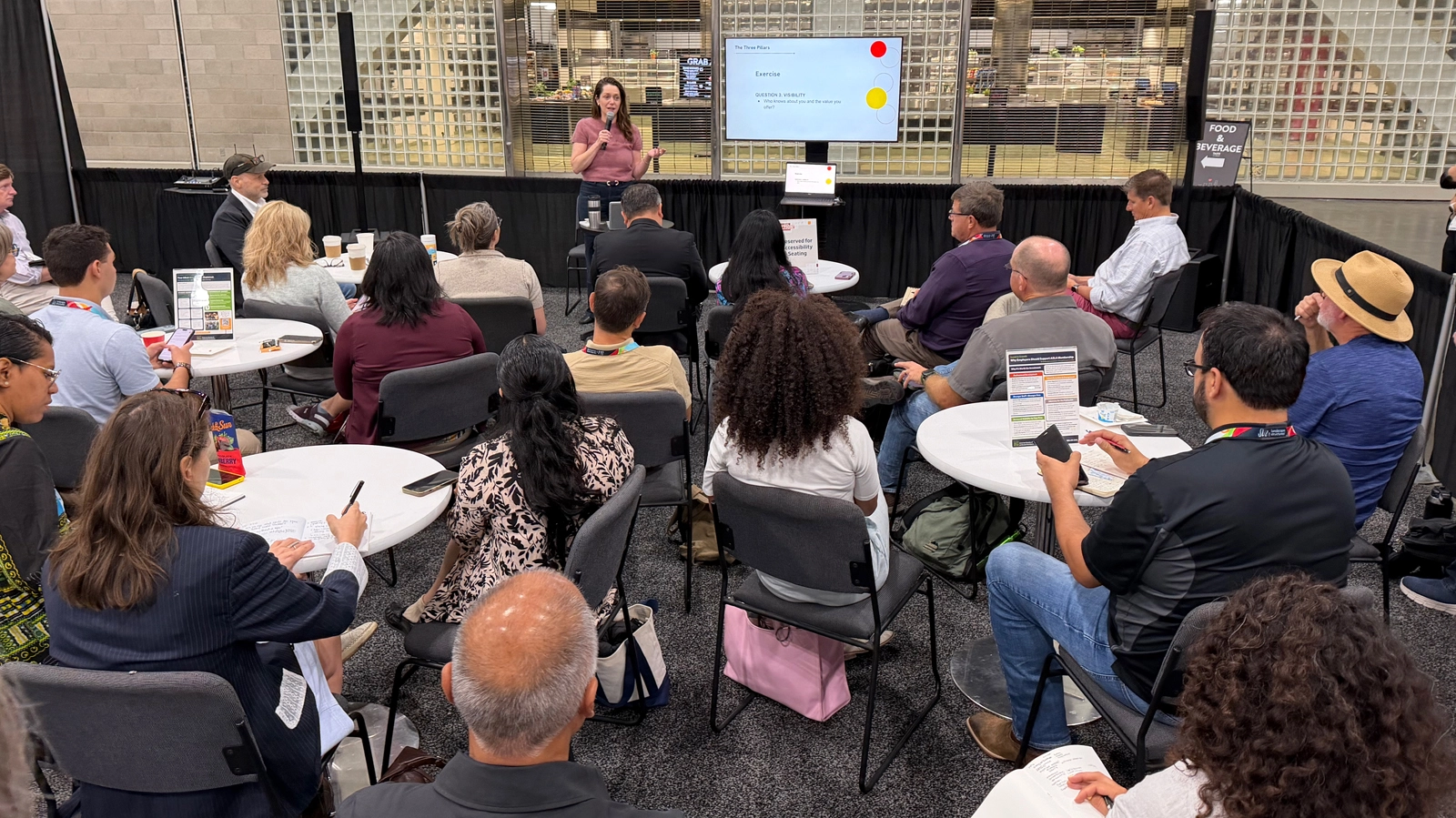
Another conference highlight was AVEC's Xylia Buros presenting Personal Branding: A Field Guide for AEC Leaders. The session was very well attended, suggesting strong interest among professionals in becoming more intentional about their professional identities and reputations.
The premise was simple: you already have a personal brand, whether you've intentionally developed it or not. Your personal brand is what people know you for, encompassing the reputation you've built, the expertise people associate with you, and the extent to which the right people know about your work.
The session explored three interconnected elements of personal branding: expertise, reputation, and visibility. Participants considered what they're particularly good at, what people currently know them for, and whether the people who could benefit from their expertise are actually aware of it. The goal isn't to turn everyone into a prolific LinkedIn poster or a relentless self-promoter, but to help professionals articulate their value and become more intentional about how they share it.
This connects directly to the leadership development conversations we were having throughout the conference. Firm leaders want their emerging principals to become more effective at business development, but business development requires relationships, credibility, and visibility. When professionals understand their unique strengths and can articulate the value they bring, they're better equipped to build relationships, pursue opportunities, and establish themselves as leaders within and beyond their firms.
Seen through this lens, personal branding isn't separate from leadership development; it's an important part of preparing the next generation to lead.
Professional Development is a Business Strategy
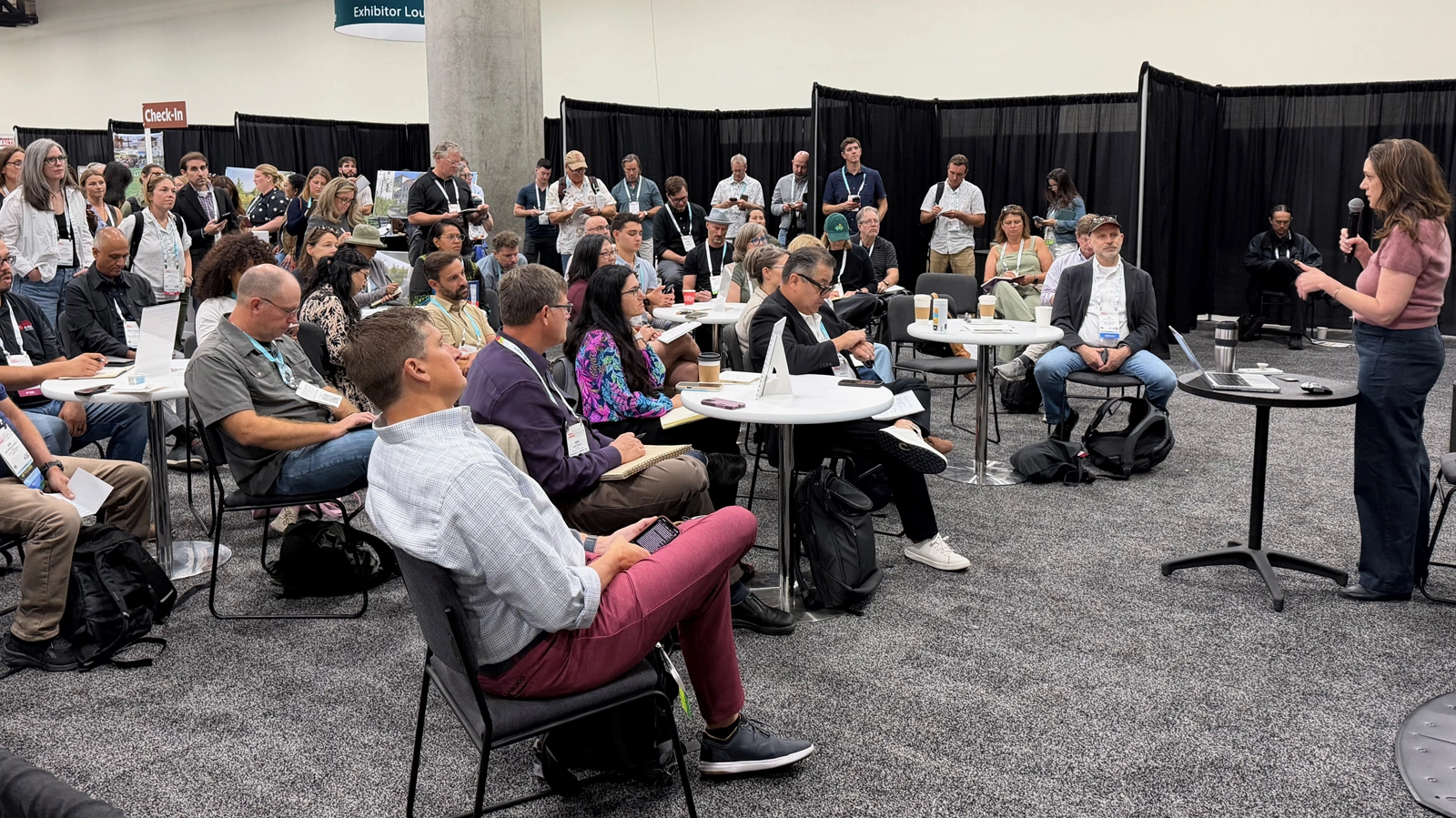
Taken together, these conversations reinforced something we believe strongly at AVEC: developing people isn't simply an employee benefit. It's an investment in the future of the firm, and it requires work.
Meaningful professional development starts with understanding what the business will need from its future leaders and identifying the capabilities individuals need to build to get there. That might mean helping a promising project manager understand financial management, coaching an emerging principal on business development, or helping a talented designer recognize and communicate the expertise that sets them apart.
It also requires a commitment on both sides: firms must create meaningful pathways to leadership, while individuals must take ownership of developing the skills, relationships, and professional identities that will help them succeed. Importantly, firms need to create opportunities for people to practice these skills before they're expected to perform at the next level.
Firms that approach leadership development intentionally are doing more than preparing for succession. They're building stronger, more adaptable organizations that will be better equipped to respond to new opportunities when they arise.
Planting the Seeds Now
We left Los Angeles with the sense that many landscape architecture firms are ready for their next chapter, even if they're not entirely sure when it will begin. There's understandable frustration with the uncertainty and anticipation about pent-up demand, but also a growing recognition that the people who will lead firms into the future need support and development today.
The market will do what the market does. Firms can't control when clients release projects or when economic conditions improve, but they can identify future leaders, invest in their business development skills, and help them build the confidence, relationships, and professional reputations they'll need to succeed.
Which brings us back to those little sprouts. You can't control when the conditions will be right for growth, but you can make sure you've planted the seeds.
More from ASLA
Practice Management Resources


SKILL | ED Practice Management Institute
Practical business, leadership, and management skills for landscape architects at every career stage.
Leadership & Mentorship
Professional Practice Network
This network is for landscape architects committed to fostering workplace inclusion, advancing equity, supporting mentorship, and growing as leaders within the profession.
Small Practice
Professional Practice Network
This PPN is for those working at small firms with fewer than ten team members, including sole proprietors and those working in residential design, planting design, larger multidisciplinary firms, and design-build practices.