


Making Room for Recreation
The Olmsted Network’s next webinar explores the balance between preserving the integrity of historic landscapes and meeting the needs of modern recreation.
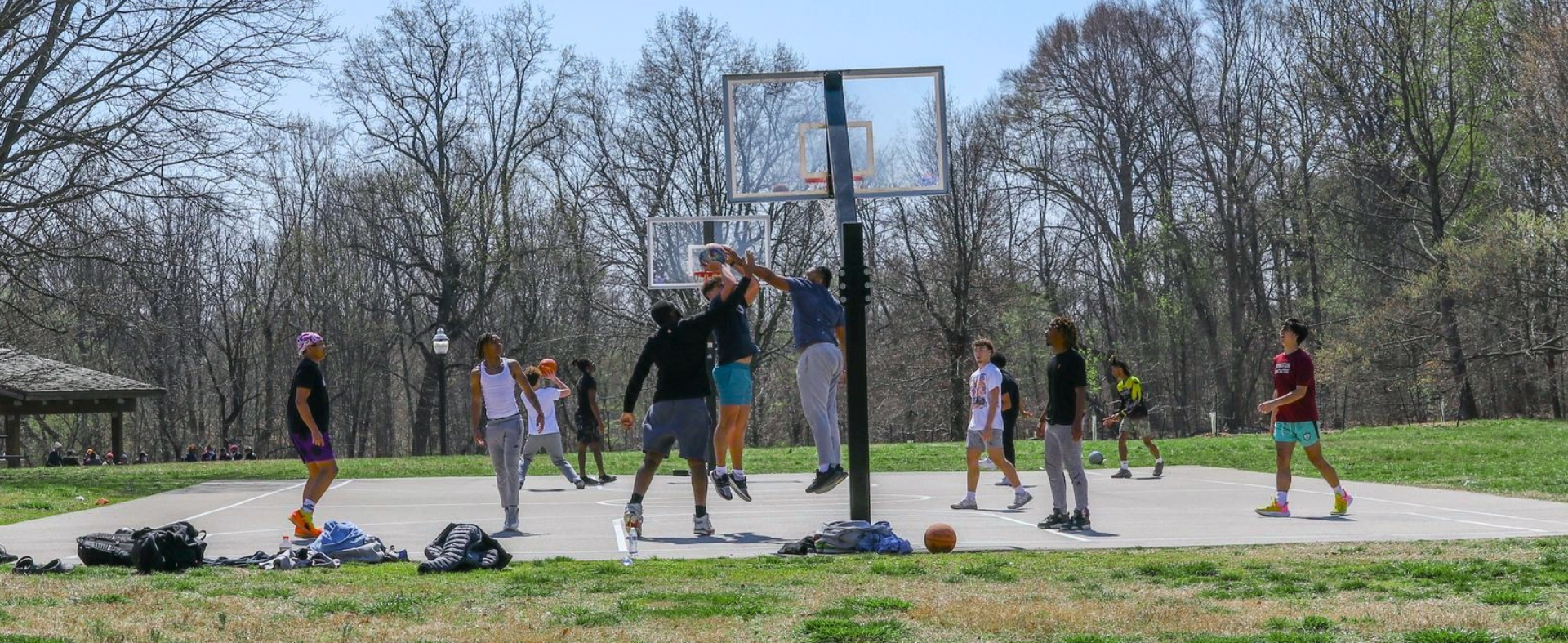
On Tuesday, December 15, join the Olmsted Network for a conversation exploring the evolving relationship between active and passive recreation in historic parks.
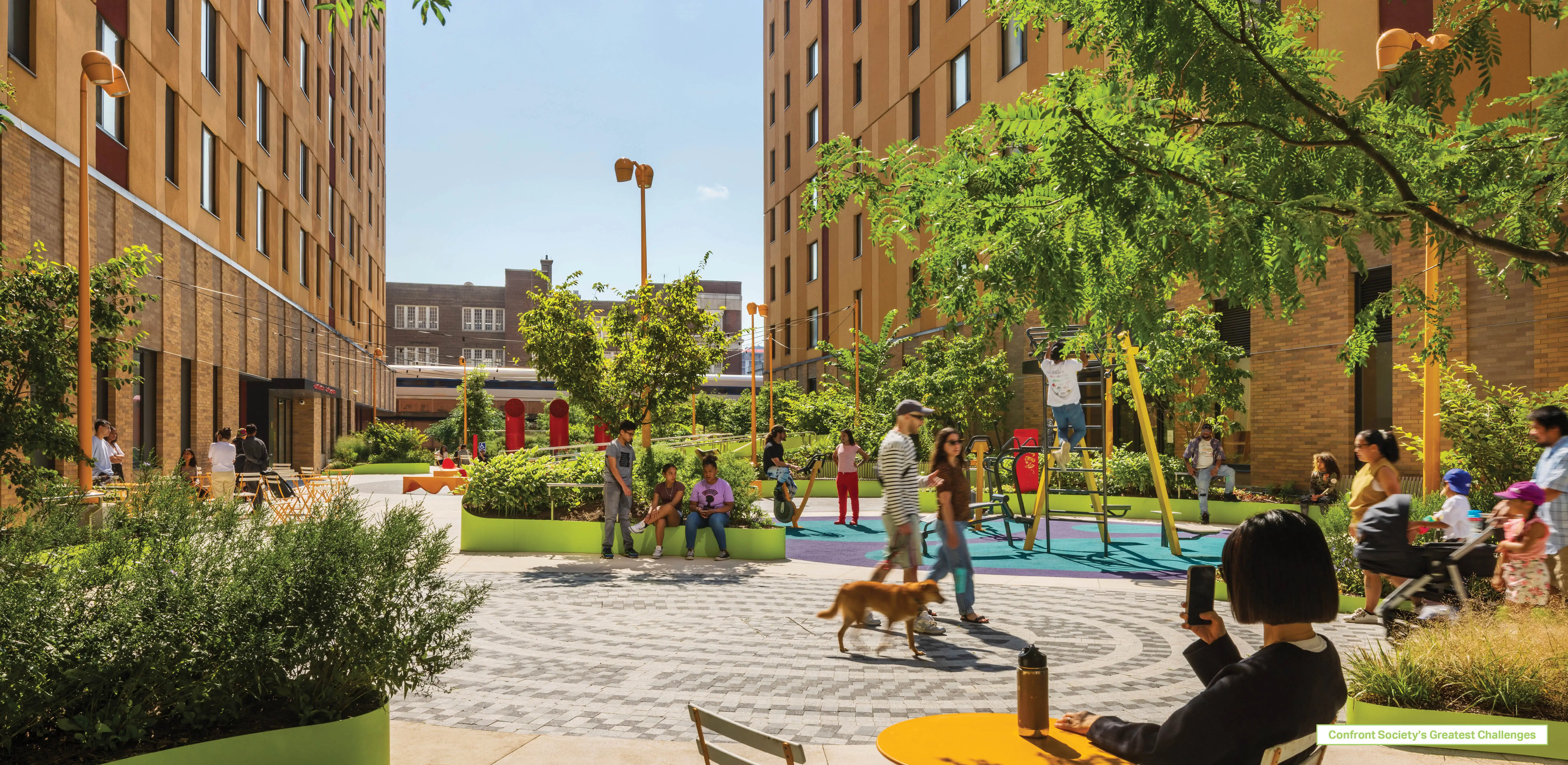
From pickleball courts and athletic fields to Playgrounds and peaceful retreats, public parks are being asked to accommodate an ever-widening range of recreational activities. But how can historic parks accommodate today’s recreational needs without compromising the landscapes and experiences they were designed to provide?
Drawing on the philosophies of Frederick Law Olmsted and the Olmsted Brothers, panelists will examine how recreational expectations have changed over time and what those changes mean for park stewardship today. Through historical insights, preservation perspectives, and real-world examples, the discussion will consider how parks can welcome new uses while safeguarding their historic character and enduring public value.
Speakers include:
Moderator: Richard Roark, FASLA, Co-Chief Executive Officer and Partner, OLIN (Philadelphia, PA)
Roark embeds sustainability and environmental justice into his design practice. His work spans many scales and types, from ResilienCity Park in Hoboken to Marie Selby Botanical Gardens to large-scale master plans like the Caño Martín Peña Infrastructure Plan. Roark's approach emphasizes public enrichment, ecological balance, and has earned accolades including the ASLA/IFLA Global Impact Award and the ASLA Urban Design Award of Excellence. His work also includes innovative research projects such as the Circular Soil initiative. Roark's contributions demonstrate his commitment to creating spaces that foster well-being and environmental sustainability. He is incoming to join the Olmsted Network Board of Directors in 2027.
Laurie Matthews, FASLA, Director of Preservation Planning + Design, MIG (Portland, OR)
Matthews is Director of Preservation Planning + Design at MIG and a nationally recognized expert in cultural landscapes. Her work has helped maintain and manage some of the most iconic historical places in the country, such as Yosemite National Park, Point Reyes National Seashore, and Crater Lake National Park. Early in her career, she worked at the Olmsted Center for Landscape Preservation with an office at Frederick Law Olmsted National Historic Site. Matthews’ work is guided by the principle that landscape preservation requires managing rather than halting change. She has an M.L.A. and B.L.A. from the University of Oregon, where she also teaches.
Johnny Macon, MLA, Lecturer, Morgan State University (Baltimore, MD)
Macon is an educator and landscape designer with diverse experience in built environment work, including planning, GIS, landscape design, and education. He has worked as a volunteer and as a professional with communities throughout Baltimore and central Maryland. Macon has built strong relationships with community leaders, activists, and city officials and facilitated collaborations between community partners, local governments, nonprofit organizations, and local design practitioners. His previous work includes recreation design, streetscaping, community engagement, and placemaking, and he sees himself as a consensus builder, an advocate, and an individual strongly committed to civic engagement.
We are committed to making this webinar accessible to everyone. Live captions will be provided via Zoom transcription. If you have specific accessibility needs or require accommodations, please let us know when you register.