
.webp?language=en-US)
Iqaluit Municipal Cemetery
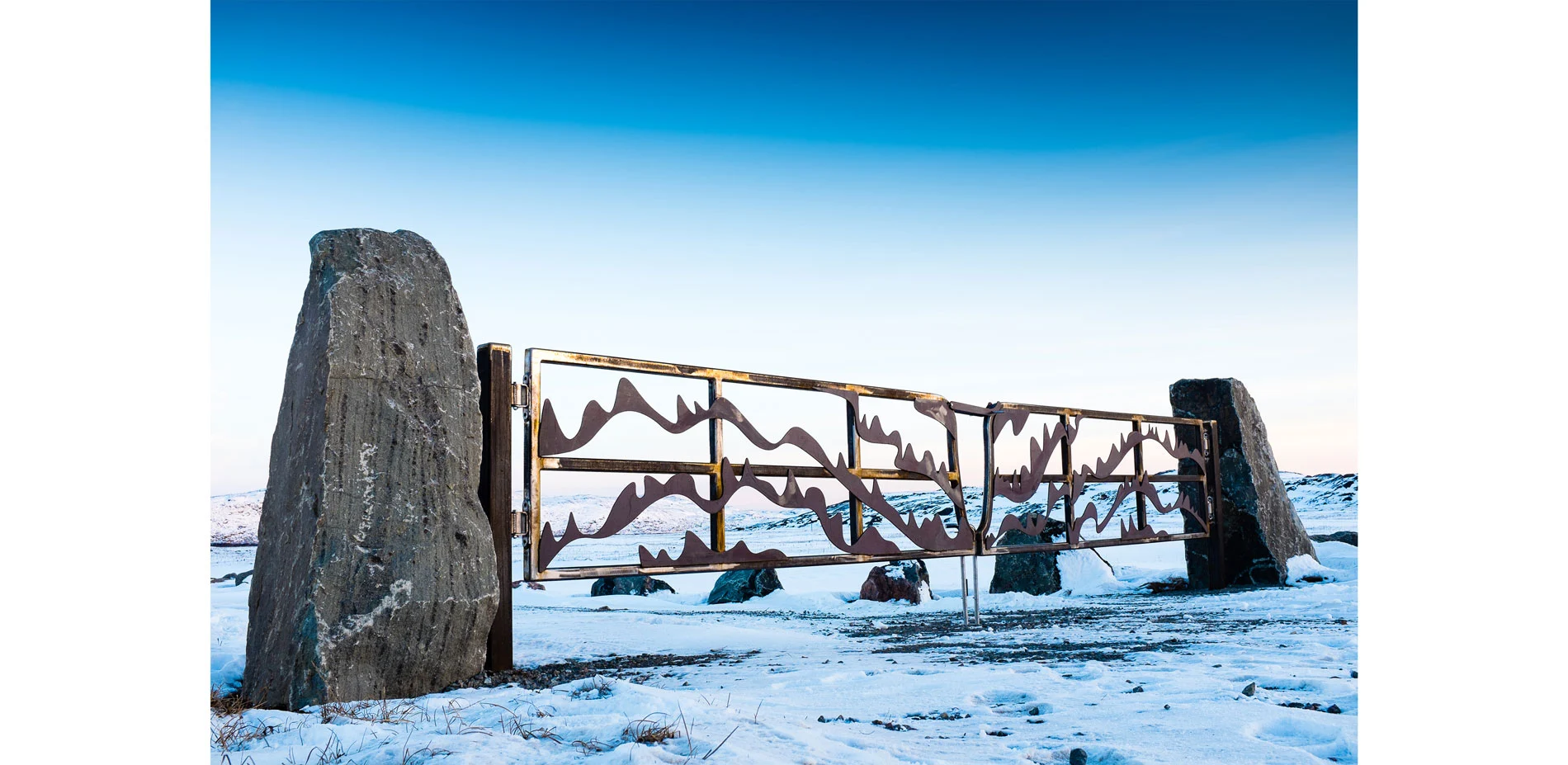
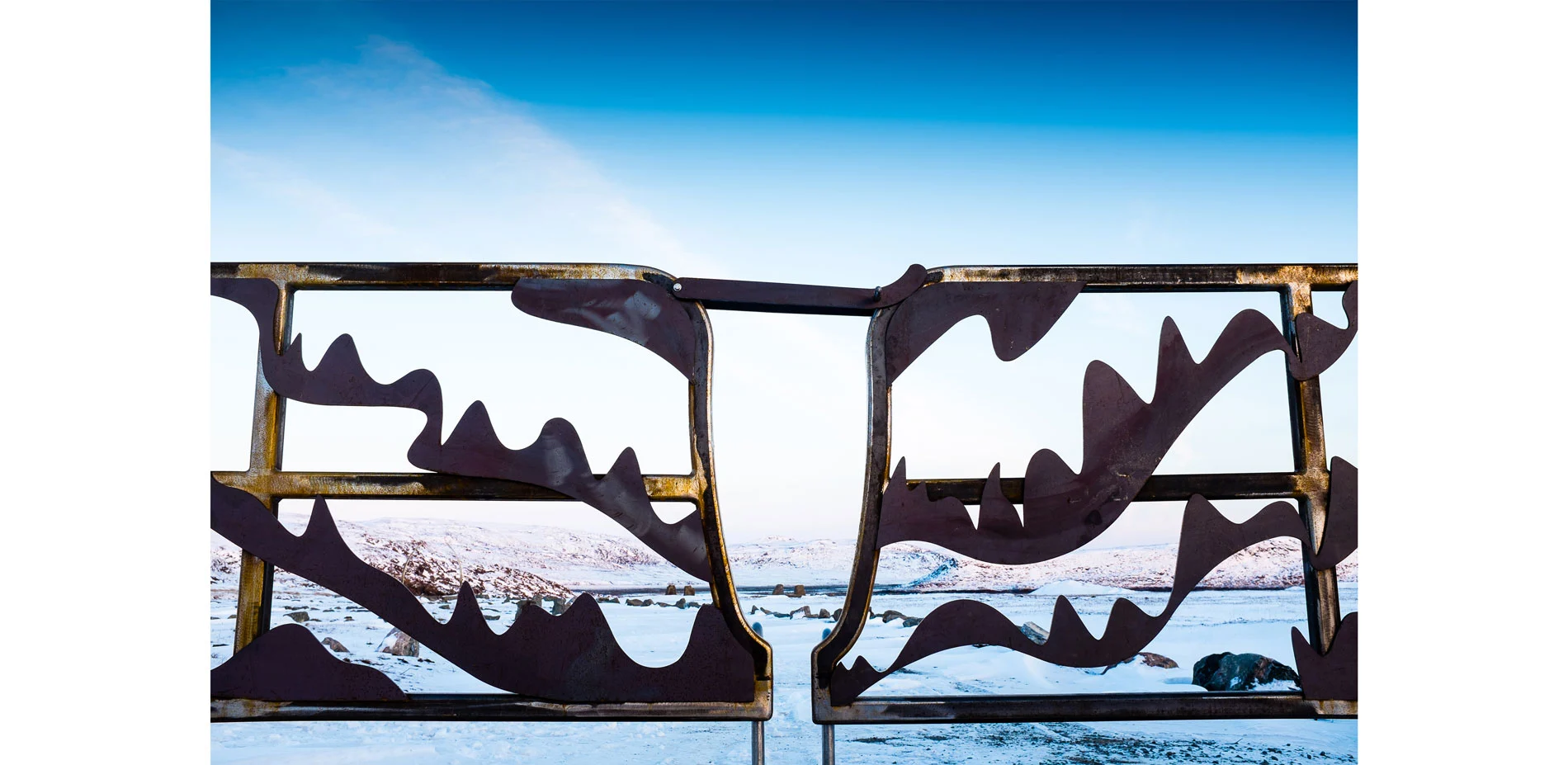
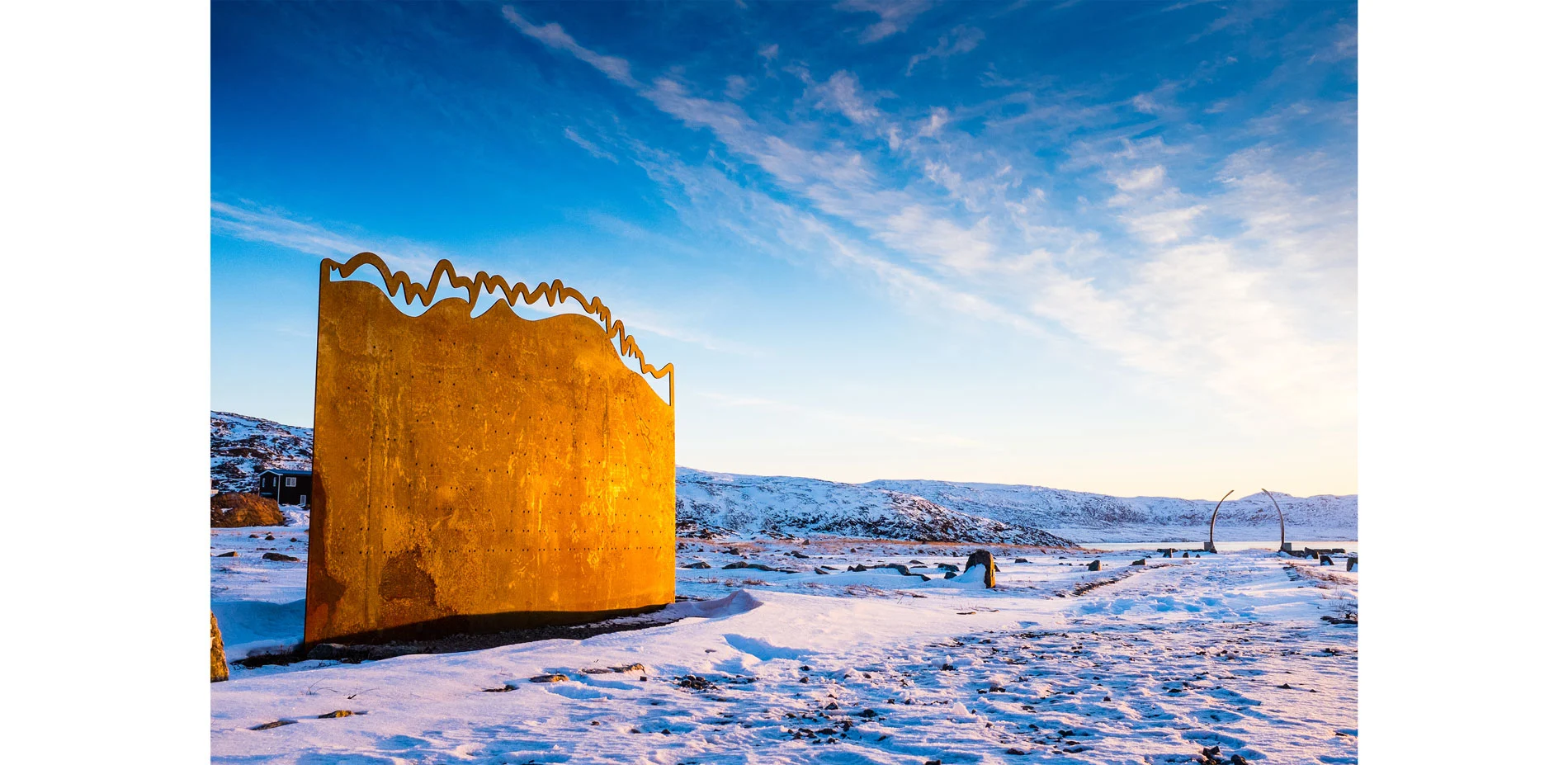
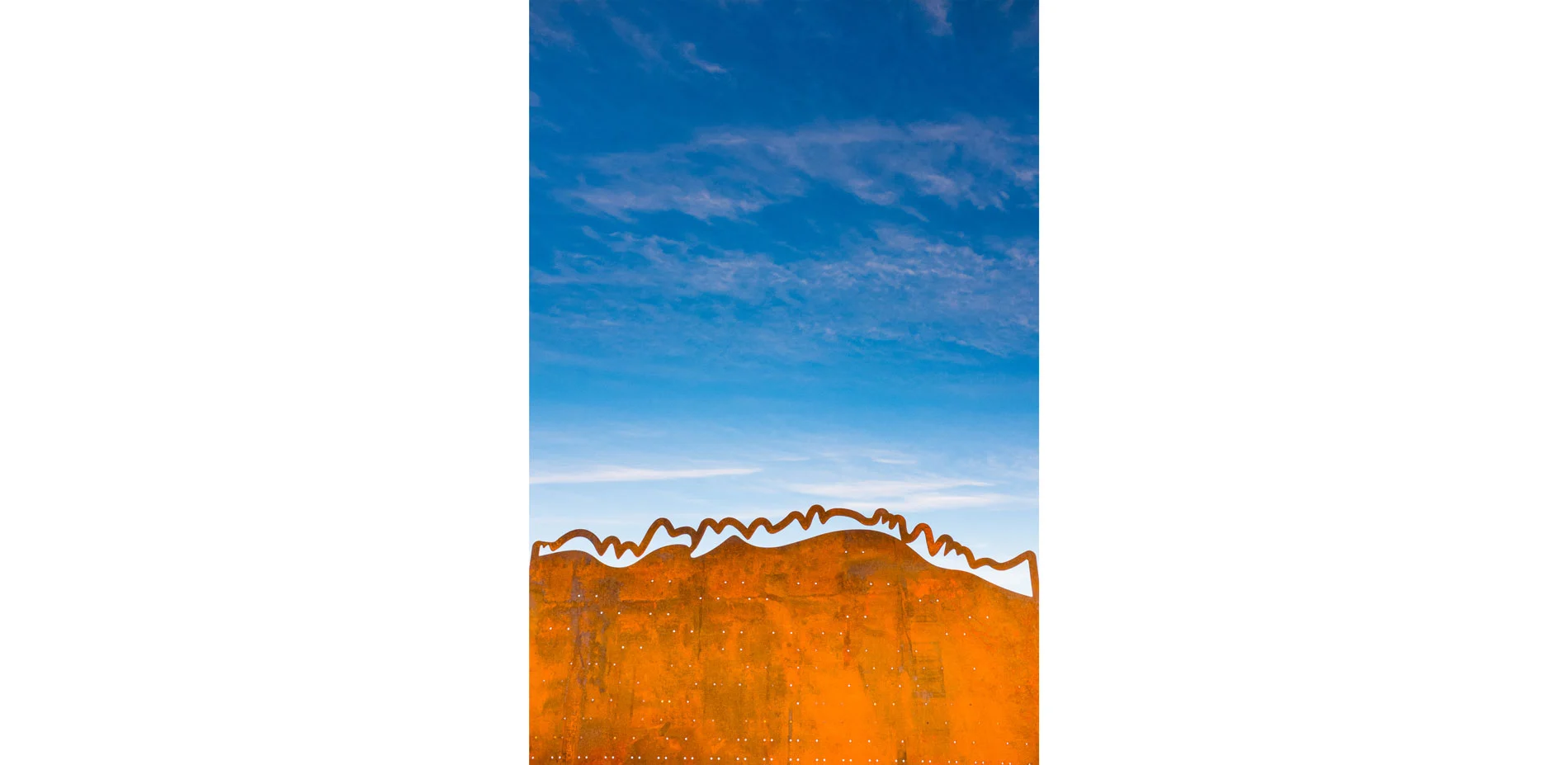
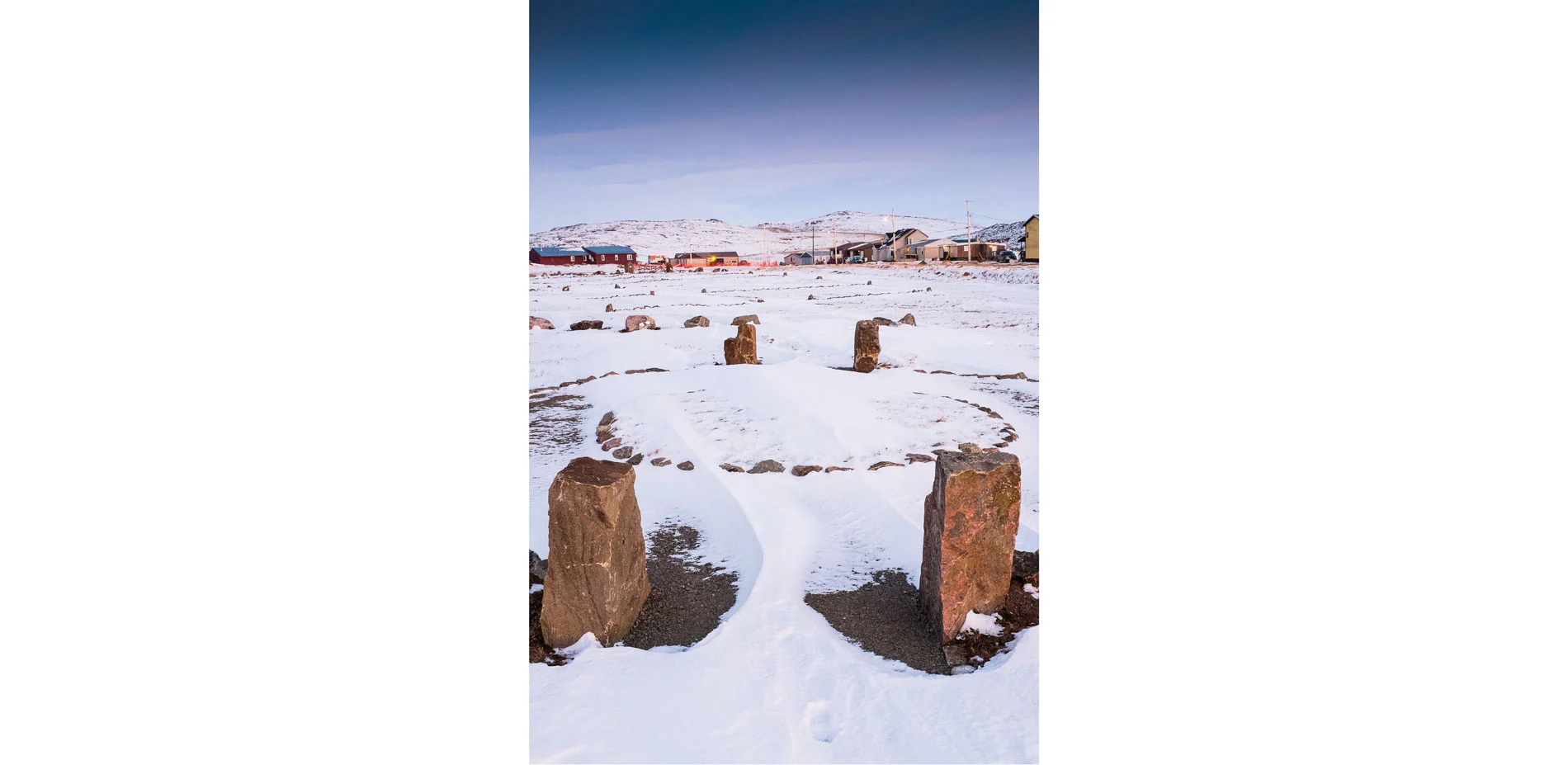
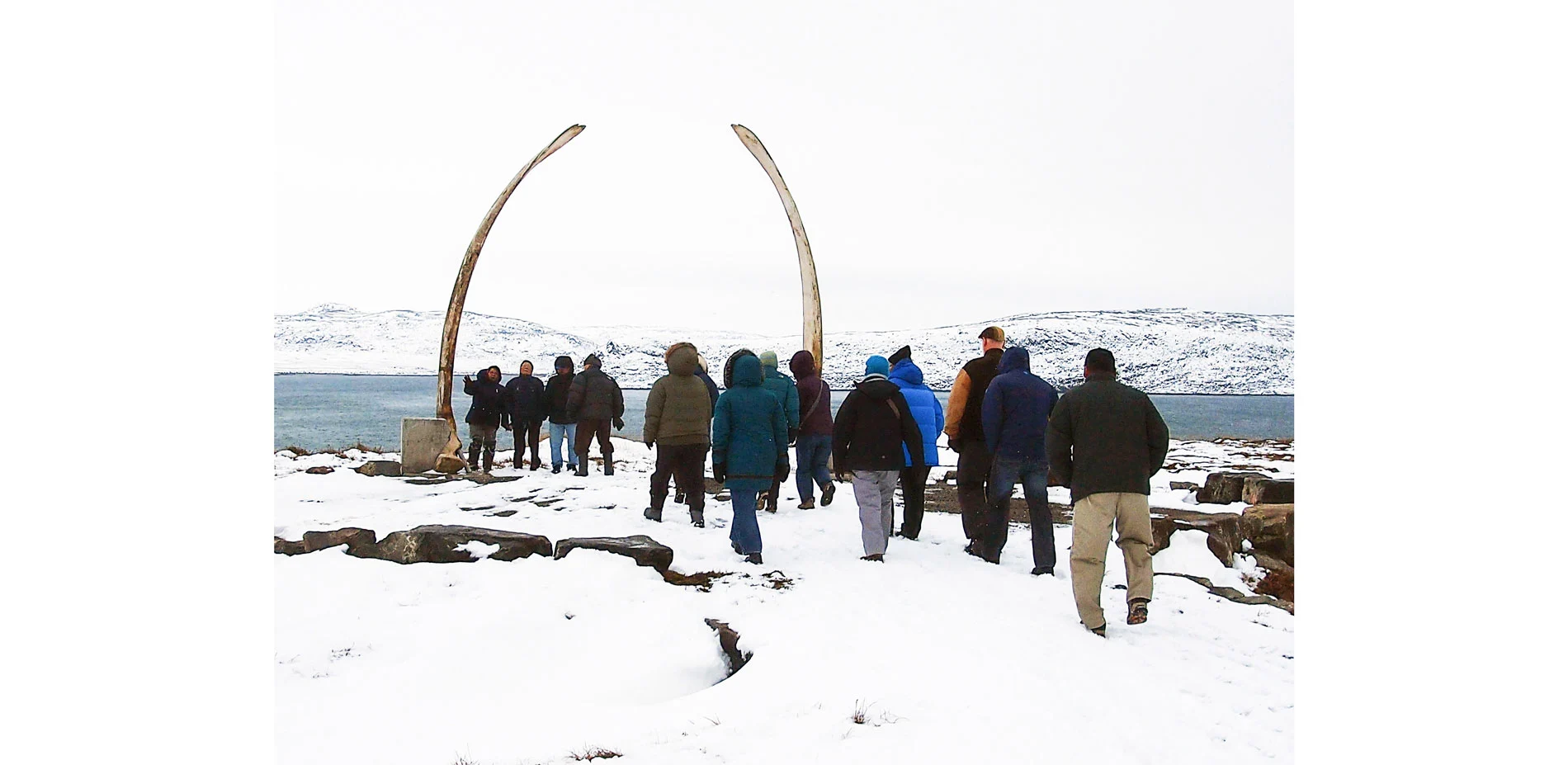
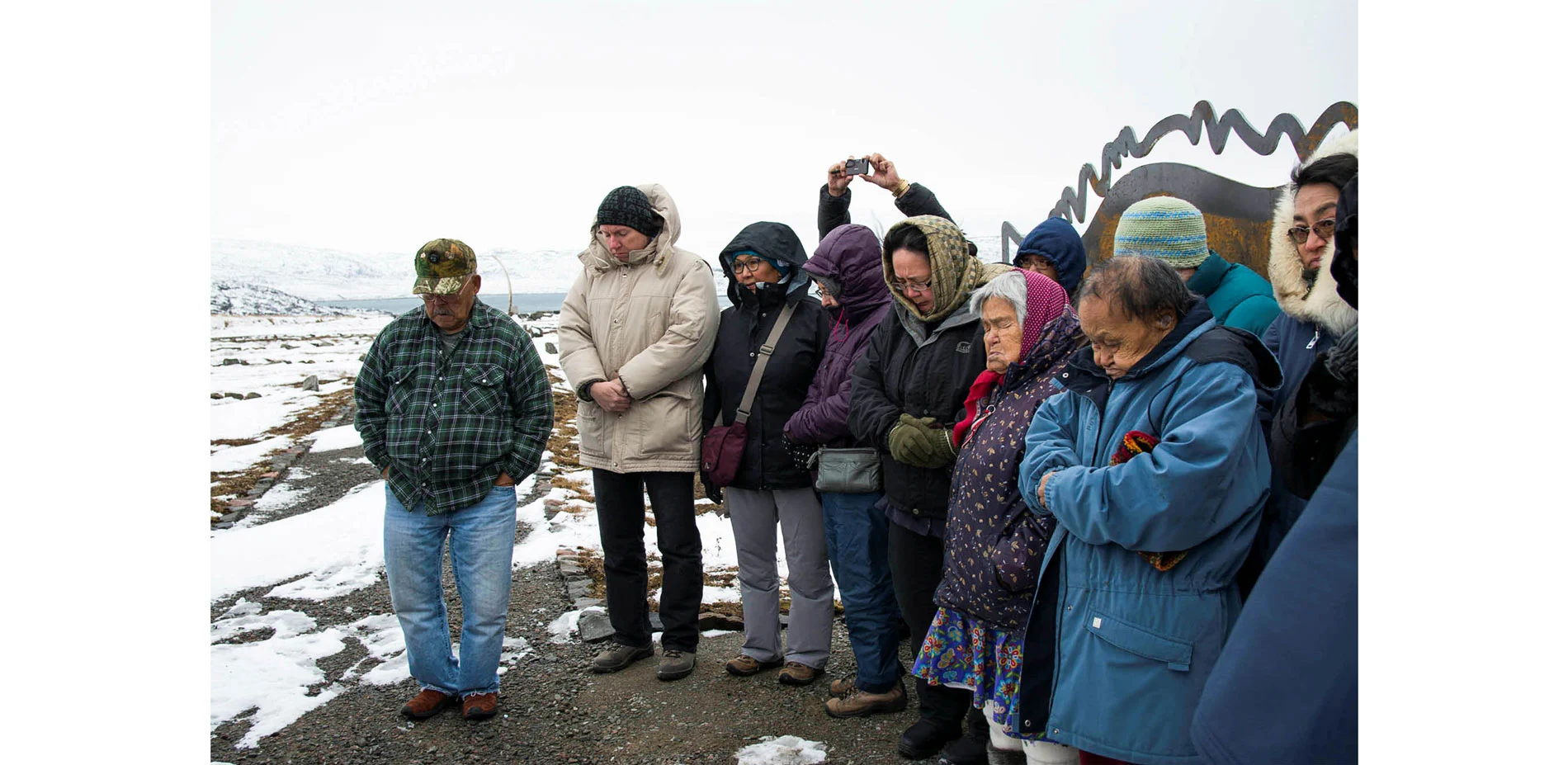
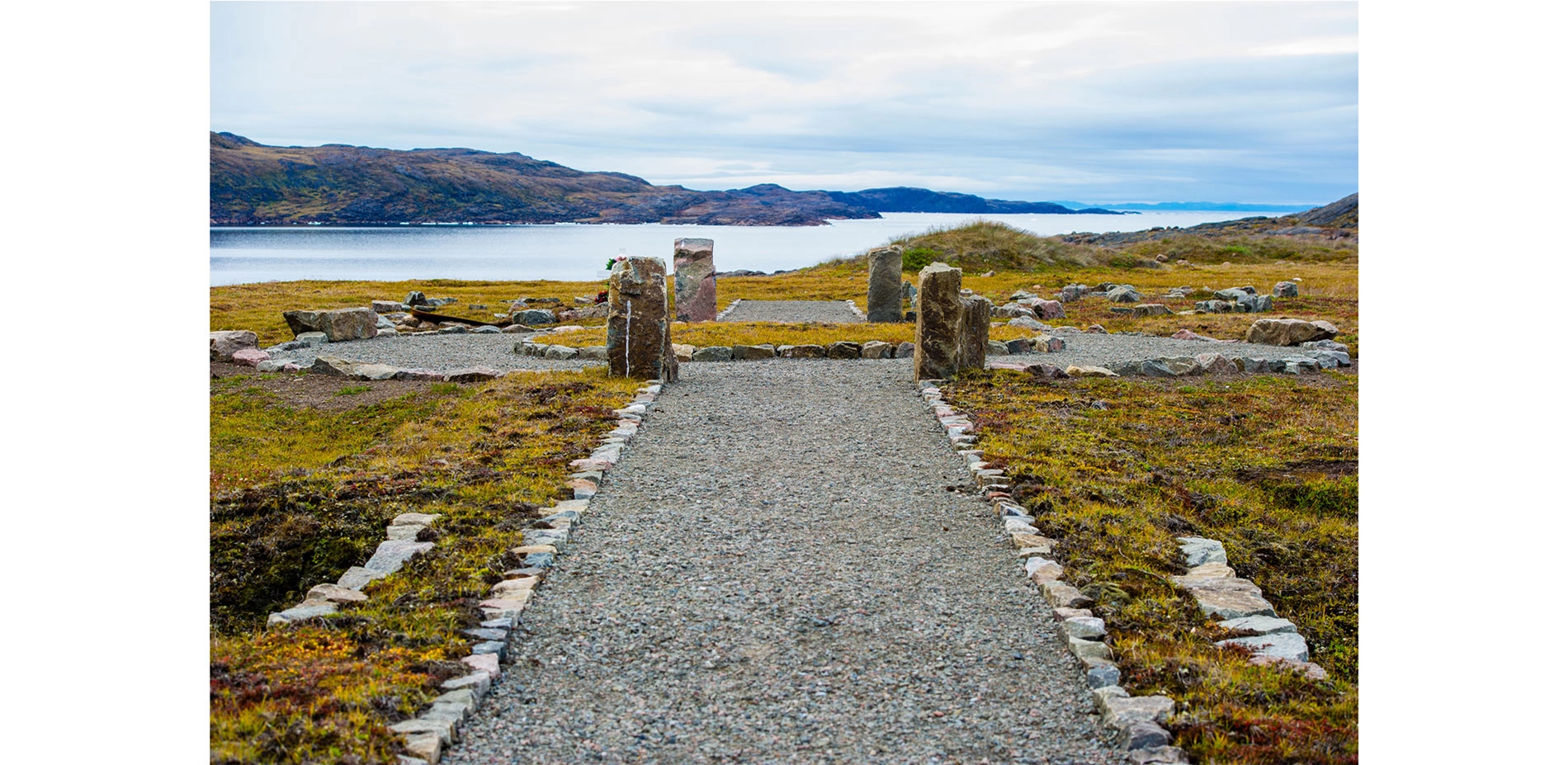
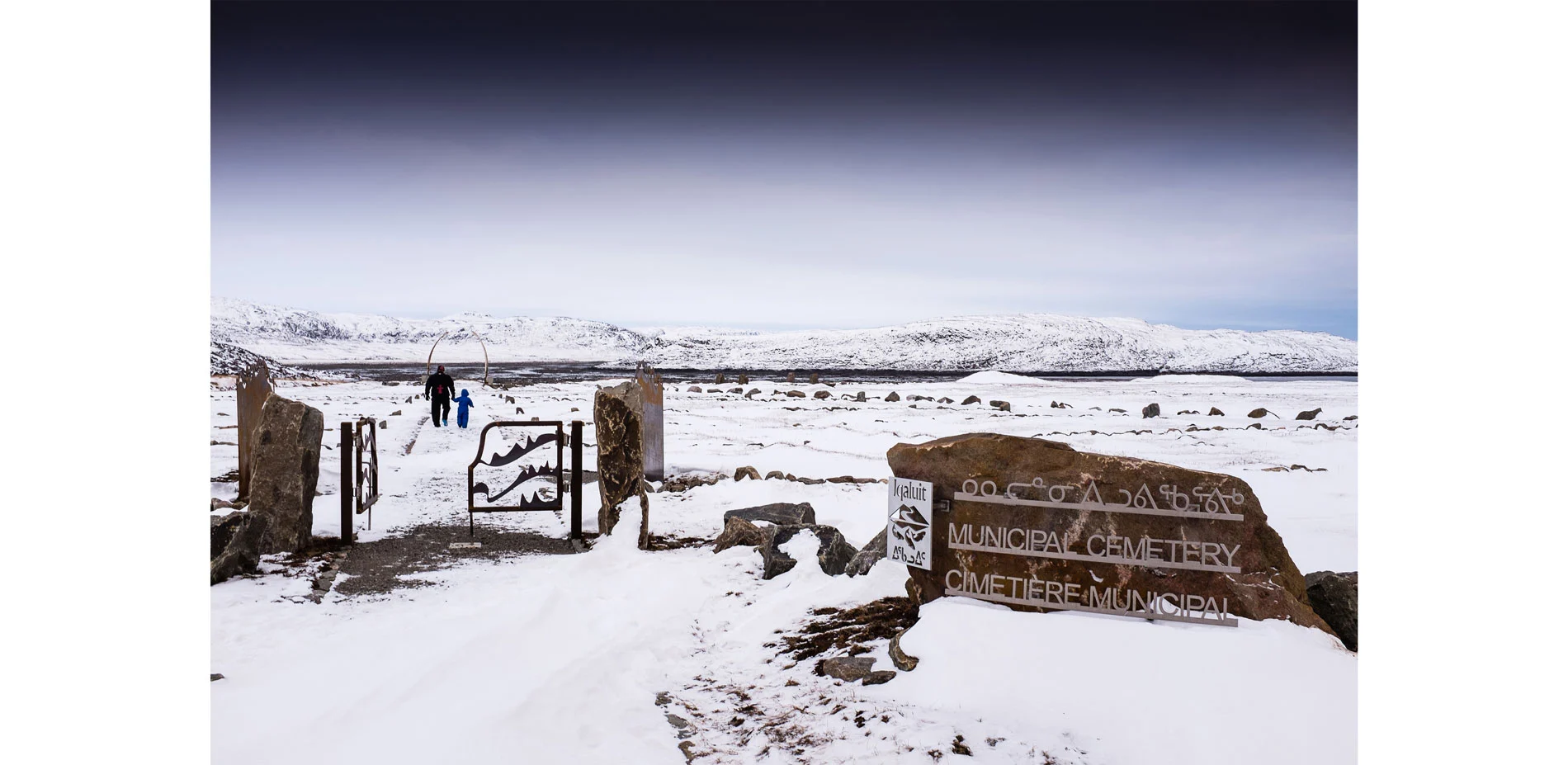
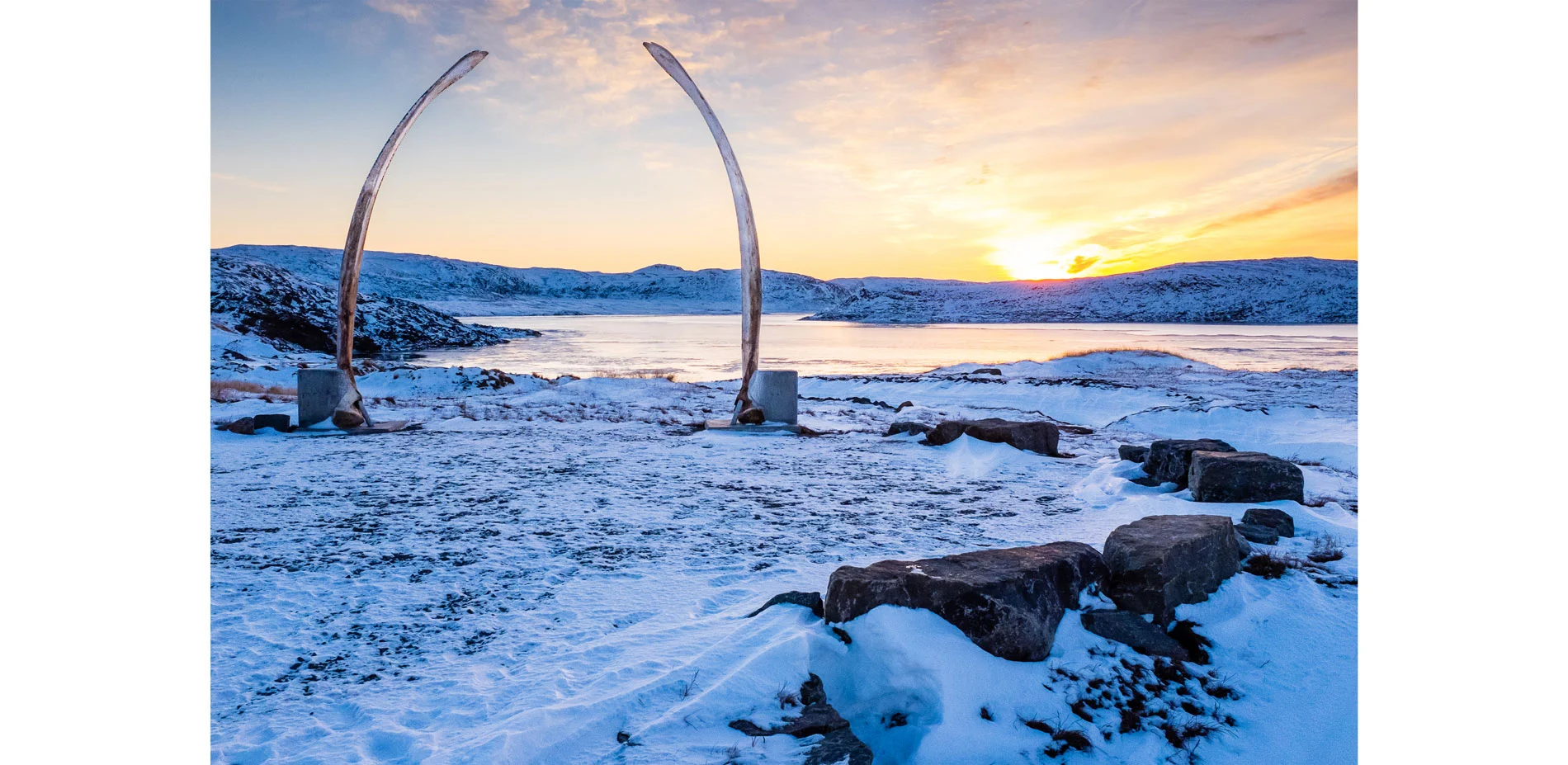
The power of the place is extraordinary, and the decision to keep it simple and subdued is brilliant.The place honors the community’s ancestors. There are certain times when you’re working with a landscape that’s so beautiful, the best thing to do is as little as possible.
Awards Jury
-
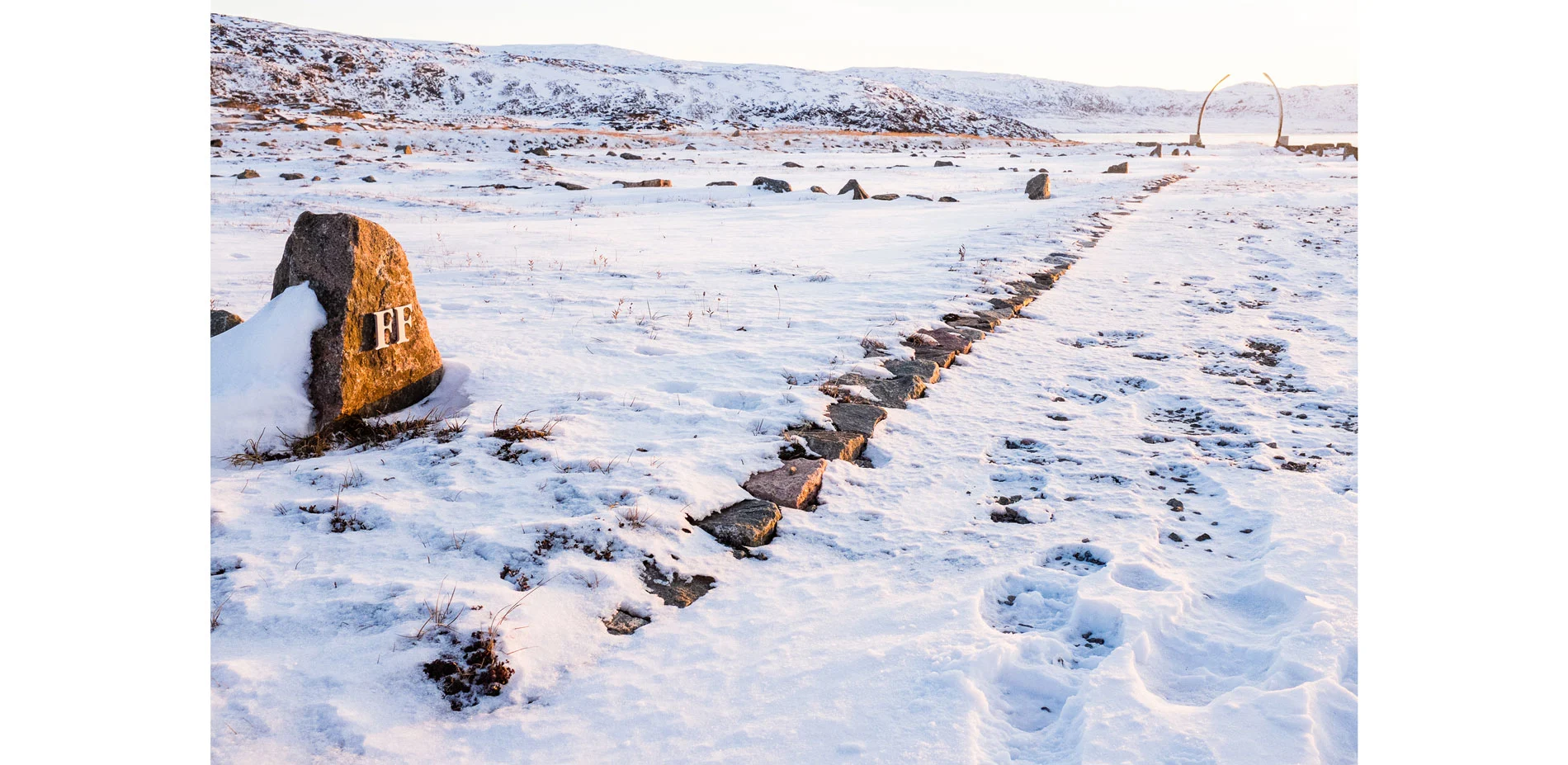
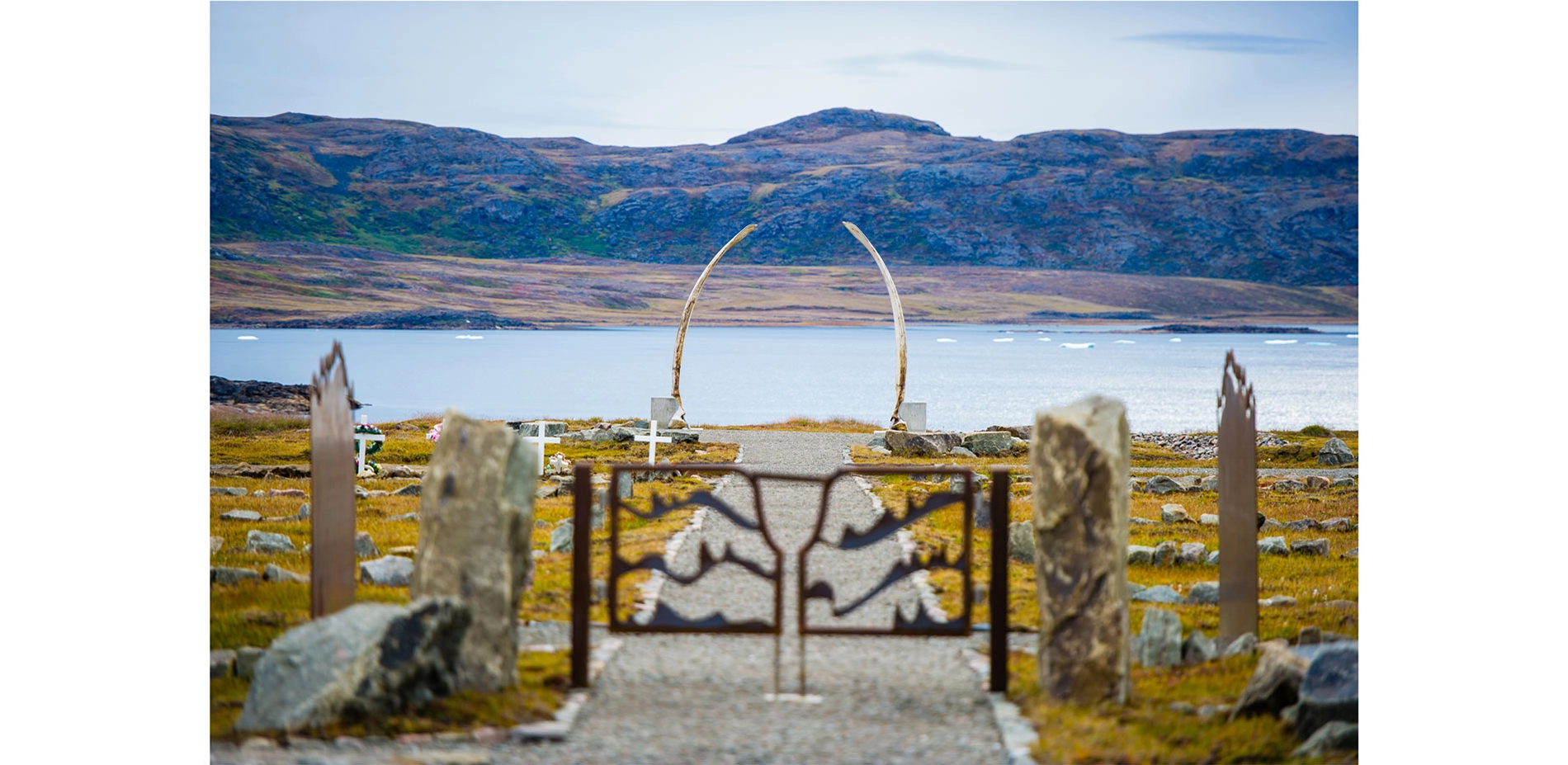
The Iqaluit Municipal Cemetery has transformed the community's perception of what a cemetery can and should be. Drawing on local and traditional knowledge, the thoughtful combinations of natural materials and indigenous cultural elements create a dynamic community space where the arctic landscape and its peoples are remembered and celebrated. With an organic design that embraces the beauty of sparseness, the simplicity of this design is what creates its magic. A strong geometry of pathways, visible even under the snow, leads to a ceremonial gathering space framed by an arch of bowhead whale jaw bones. Striking but simple forms honour indigenous traditions, using a juxtaposition of natural materials and artifacts. Environmental values underpin the design approach with a customized operations plan to preserve the tundra and manage changes in permafrost. The cemetery makes an eloquent statement, a blending of time, honouring those that have passed with the current landscape and the people that live within it.
-
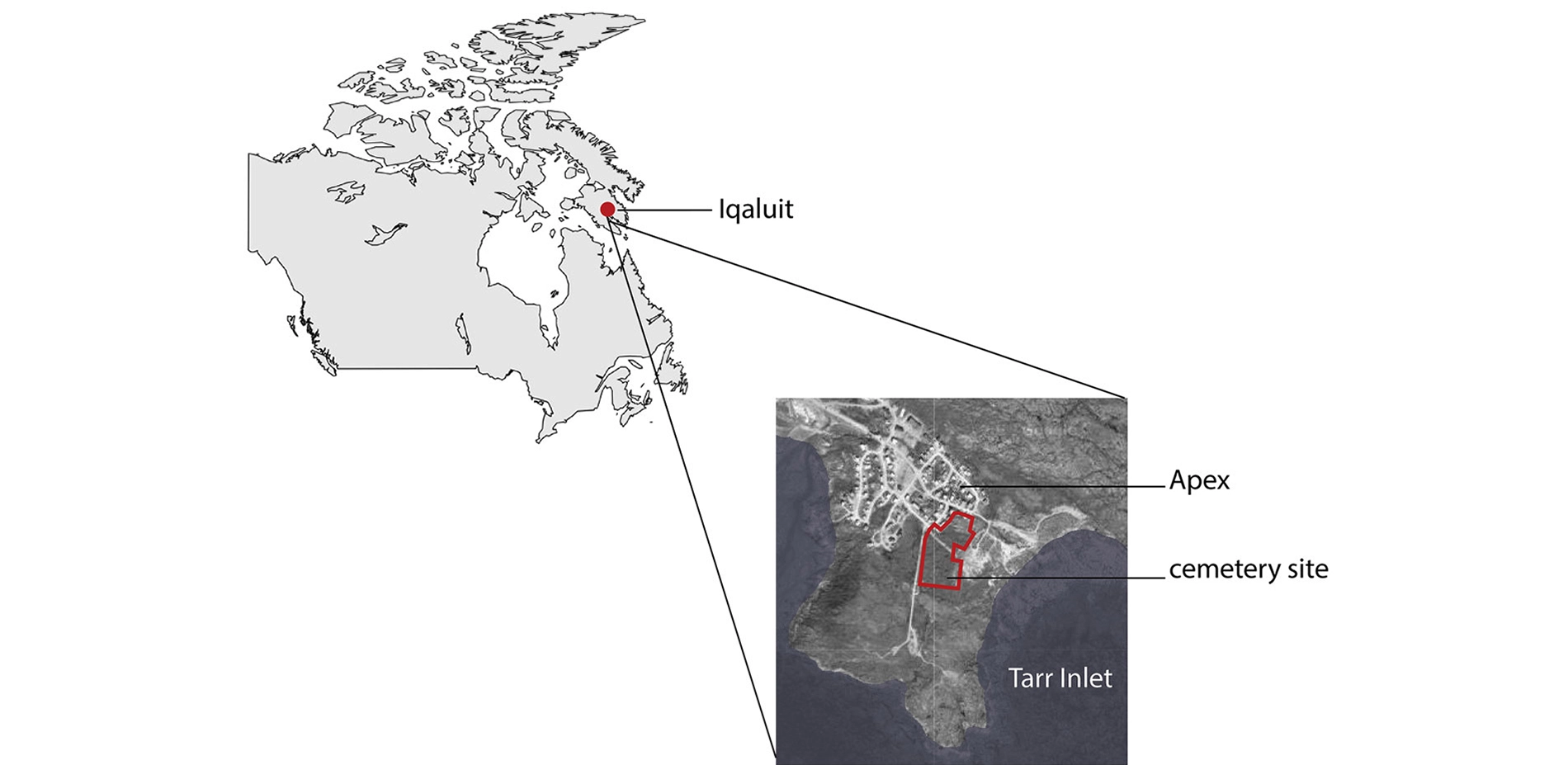
The Iqaluit Municipal Cemetery, located in the Nunavut, Canada, opened to the public in October 2014. Led by landscape architects, the multi-disciplinary team collaborated on all aspects of the project from site selection, through design, construction and operations. Working closely with Inuit elders and Council, the team aimed to ensure the cemetery would respect the local Inuit culture, and their connection to the land. A three-acre site was selected that met the need for accessibility, respected the fragile character of local soils, and met the community's desire for views to the sea.
Early questions that had to be addressed included: How would the cemetery function without diminishing the fragile arctic tundra landscape? How could the cemetery act as an inclusive community space? How could the municipality increase resilience in its operations in the face of climate change impacts?
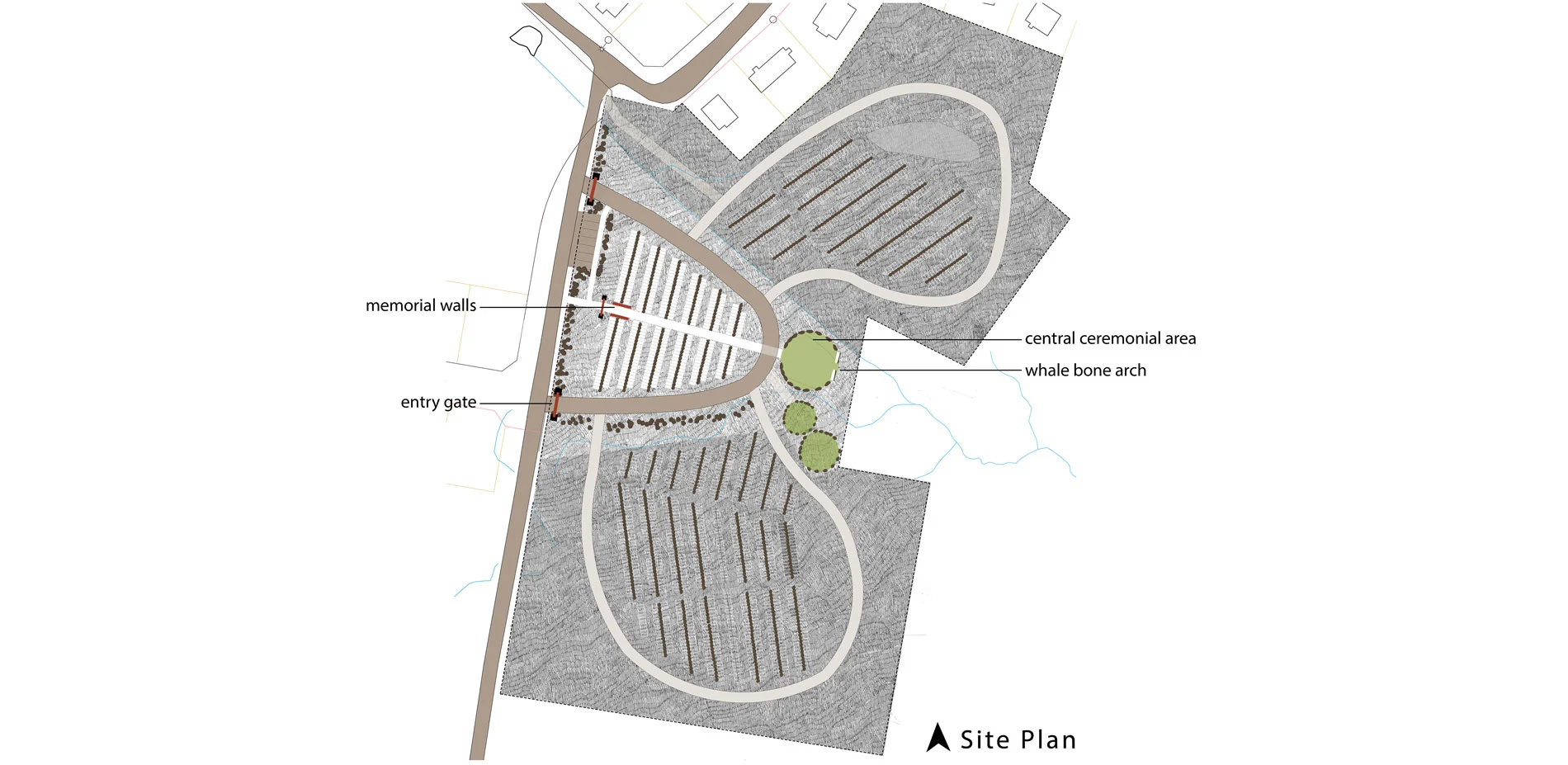
The design draws on local and traditional knowledge with a focus on locally-sourced, culturally meaningful materials and simple forms to honour indigenous traditions. Weathered boulders create a strong geometry of pathways, visible even under snow. Designed to be accessed on foot, the site's central pathway takes visitors to the ceremonial gathering space, which terminates at an archway of upstanding bowhead whale jaw bones. From the central area, the monumental bones anchor and frame the view towards the sea, symbolizing a connection to the afterlife, and honouring the community's hunters.
Juxtaposed with the natural materials and artifacts, contemporary weathering steel panels act as the cemetery's memorial walls. The rust colours of the steel are animated over time by the salty air, reflecting the colors of the northern lights and distant swaths of arctic willow. With an eloquent sensitivity to the local culture, the cemetery functions as a cultural landscape, validating local symbols and traditions while providing an open space for community use, remembrance and celebration.
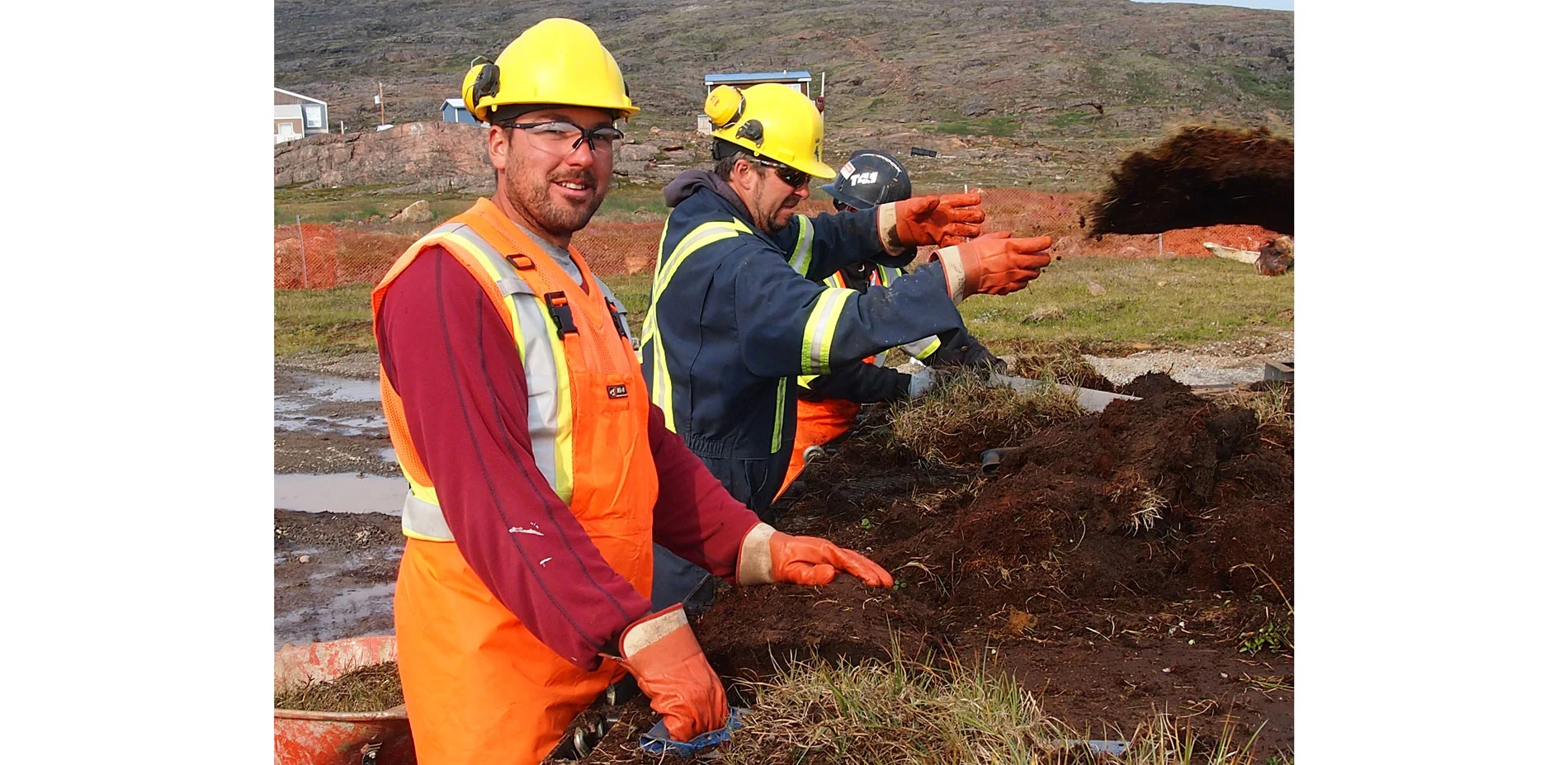
Environmental values underpin the design approach, which includes a sequencing of active burial areas to ensure that the vulnerable tundra landscape will be sustained over time. In tandem with the design program, the landscape architects developed a customized operations plan to preserve the delicate tundra vegetation and manage changes in permafrost. During construction, the surficial vegetation on roadways was carefully cut and salvaged, and later replaced over disturbed areas. After construction, the tundra grasses blooming in late summer are a testament to the success of the re-vegetation program.
The new cemetery continues to evolve. The new operational procedures developed by the design team required maintenance and operations staff to acquire new skills and communication protocols. In summer months, warmer temperatures mean faster turnaround times for grave opening and closing due to seasonal fluctuations in the depth of permafrost. The new cemetery's management procedures require effective communication between all involved in the burial process, including relaying to community residents how and when tundra is replaced in restored burial areas. Now an active cemetery, maintenance staff continue the practice of restoring tundra grasses after burials. While demanding great care in its execution, the preservation of the tundra landscape also affords opportunities for community participation and pride.
Today, the frequent and varied use of the site by people in the city demonstrates a transformation in the residents' perception of what a cemetery can and should be. The value of the site is reflected in the words of the Mayor: "Thank you for creating this cemetery that is so respectful of this place." From passive recreation to remembrance, the site is an important public open space that celebrates the community and its arctic landscape.
-
Design Team
- Erik Lees, ASLA, Lead Designer
- Cameron DeLong
- Heidi Redman
Landscape Architect
-
Product Sources: FENCE/GATES
Advertisement
Related Awards
Award of Excellence, General Design
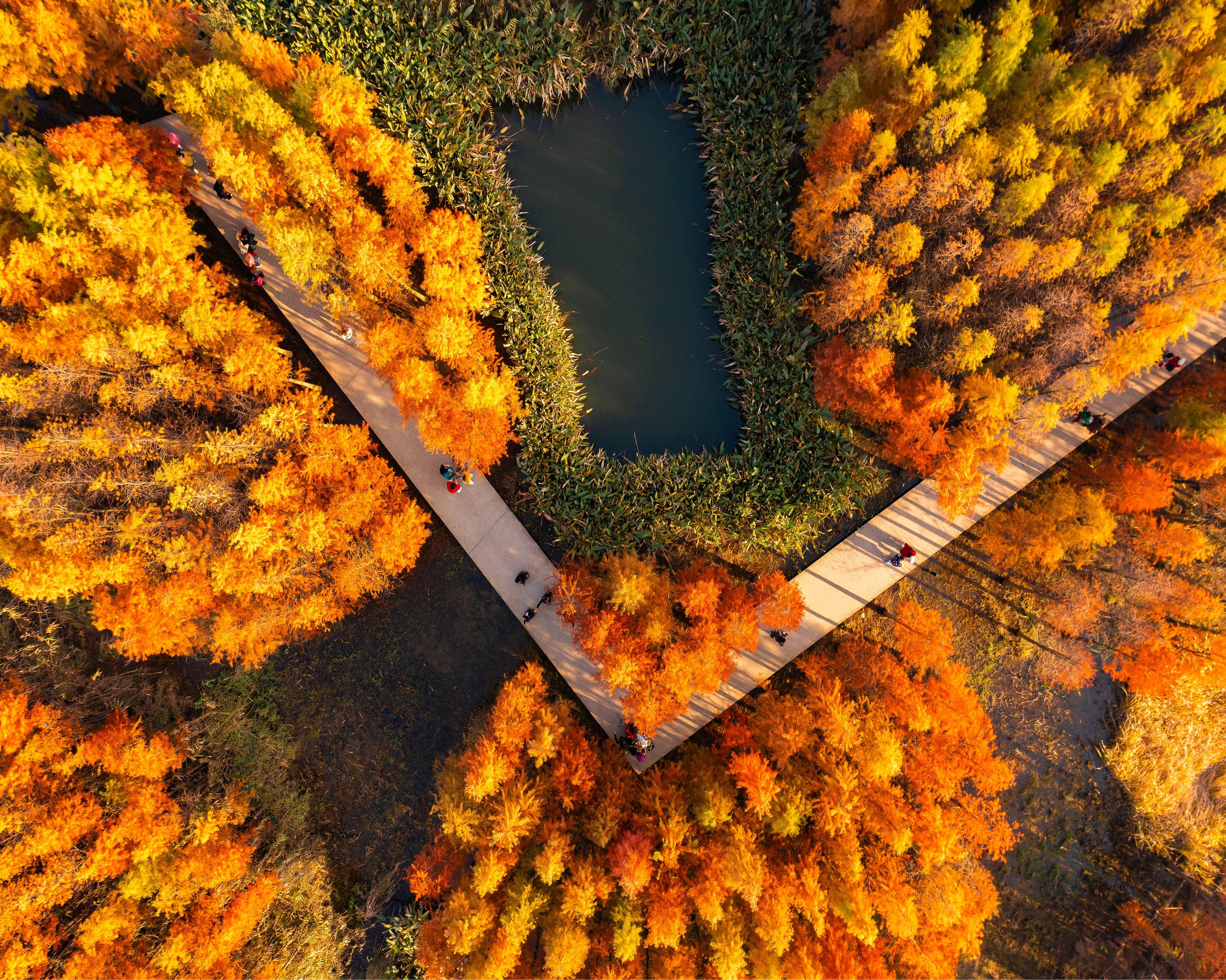
A Floating Forest: Fish Tail Park in Nanchang City
In Nanchang, within the Yangtze River floodplain, we revitalized a heavily degraded 126-acre landscape into a floating forest that manages stormwater, restores habitats, and provides diverse recreational spaces—all within a limited budget and a short timeline. This innovative urban nature model strengthens the district’s identity and spurs surrounding development. Fish Tail Park offers a scalable solution for flood-prone regions, seamlessly integrating flood resilience, ecological restoration