
.webp?language=en-US)



Longhorn: in Defense of Change
Andrew Doyle, Student ASLA
-
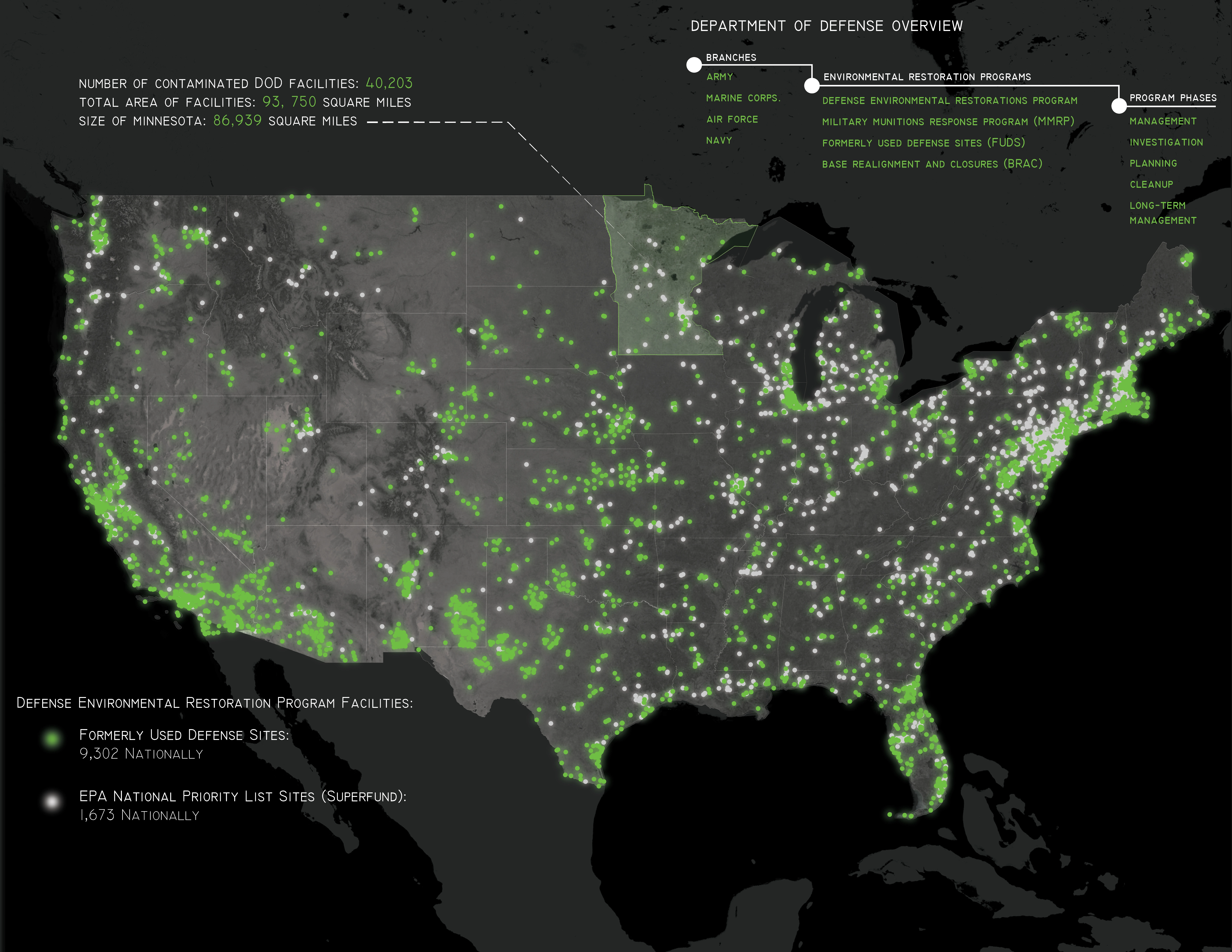
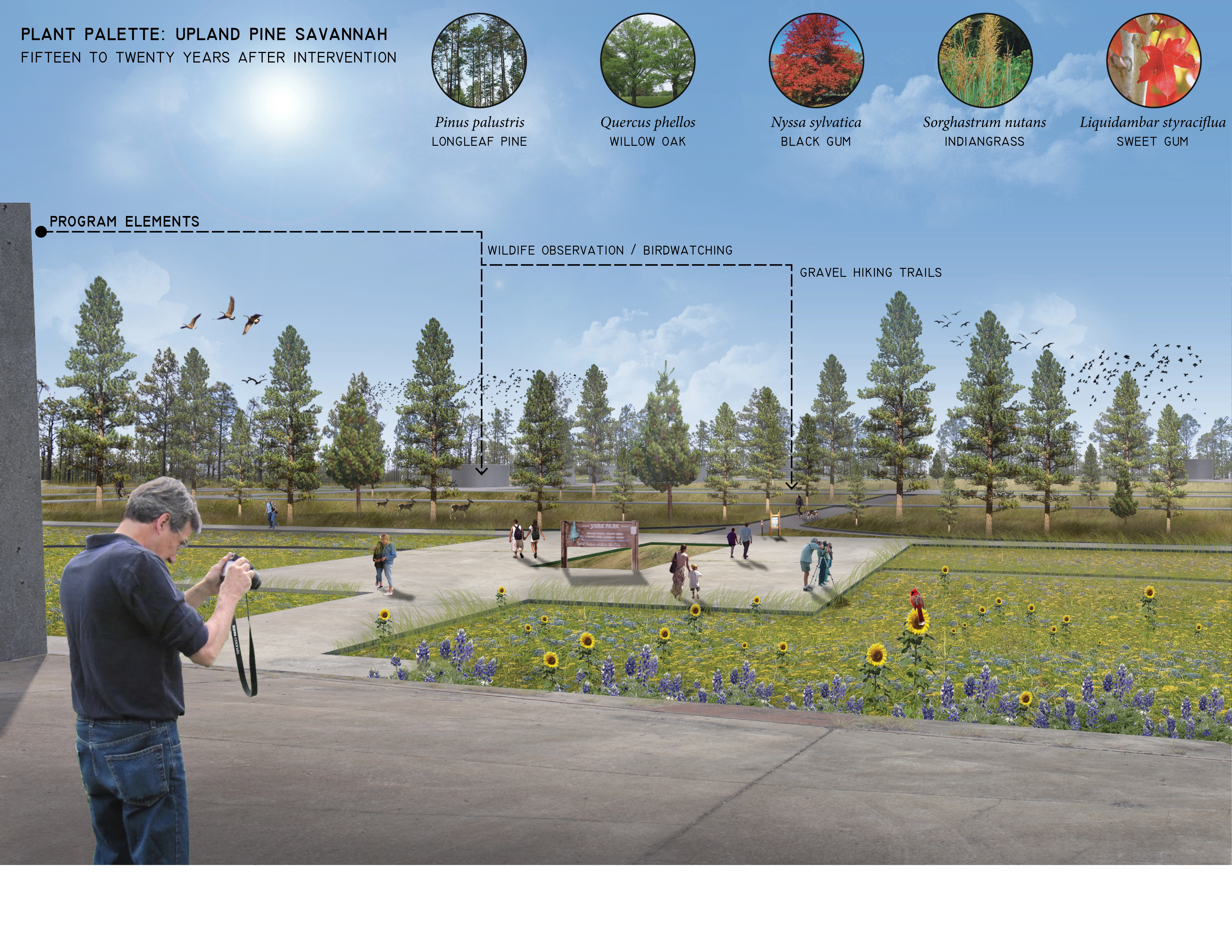
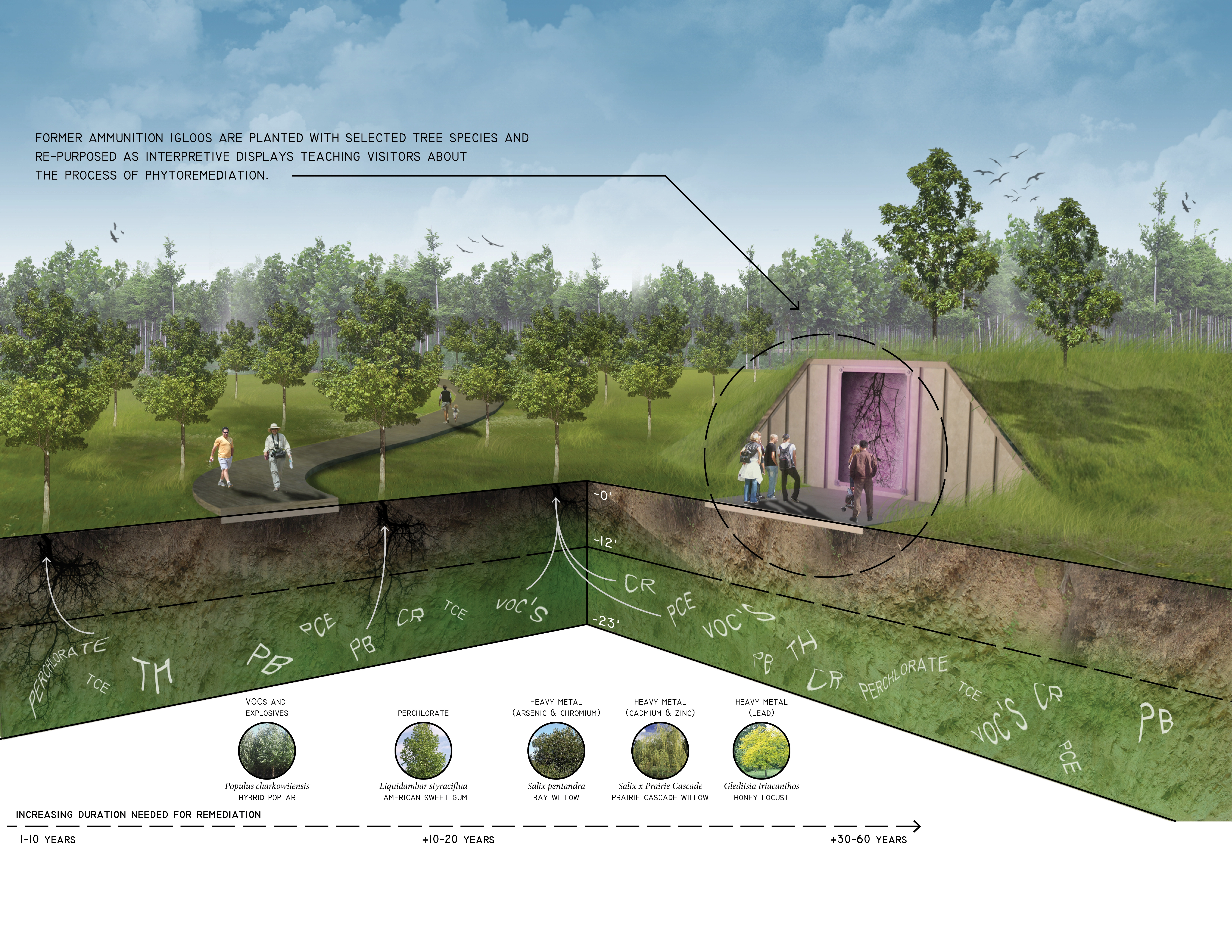
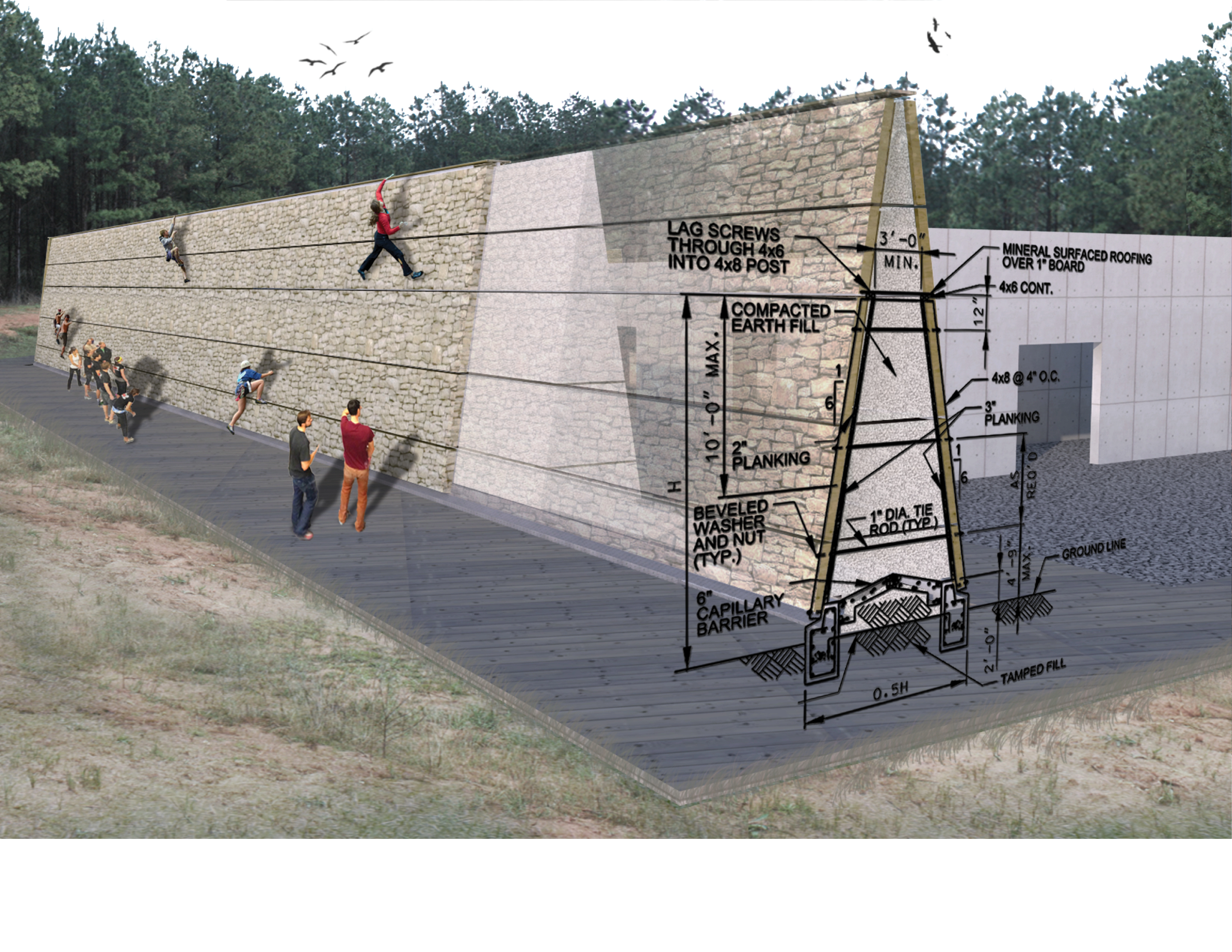
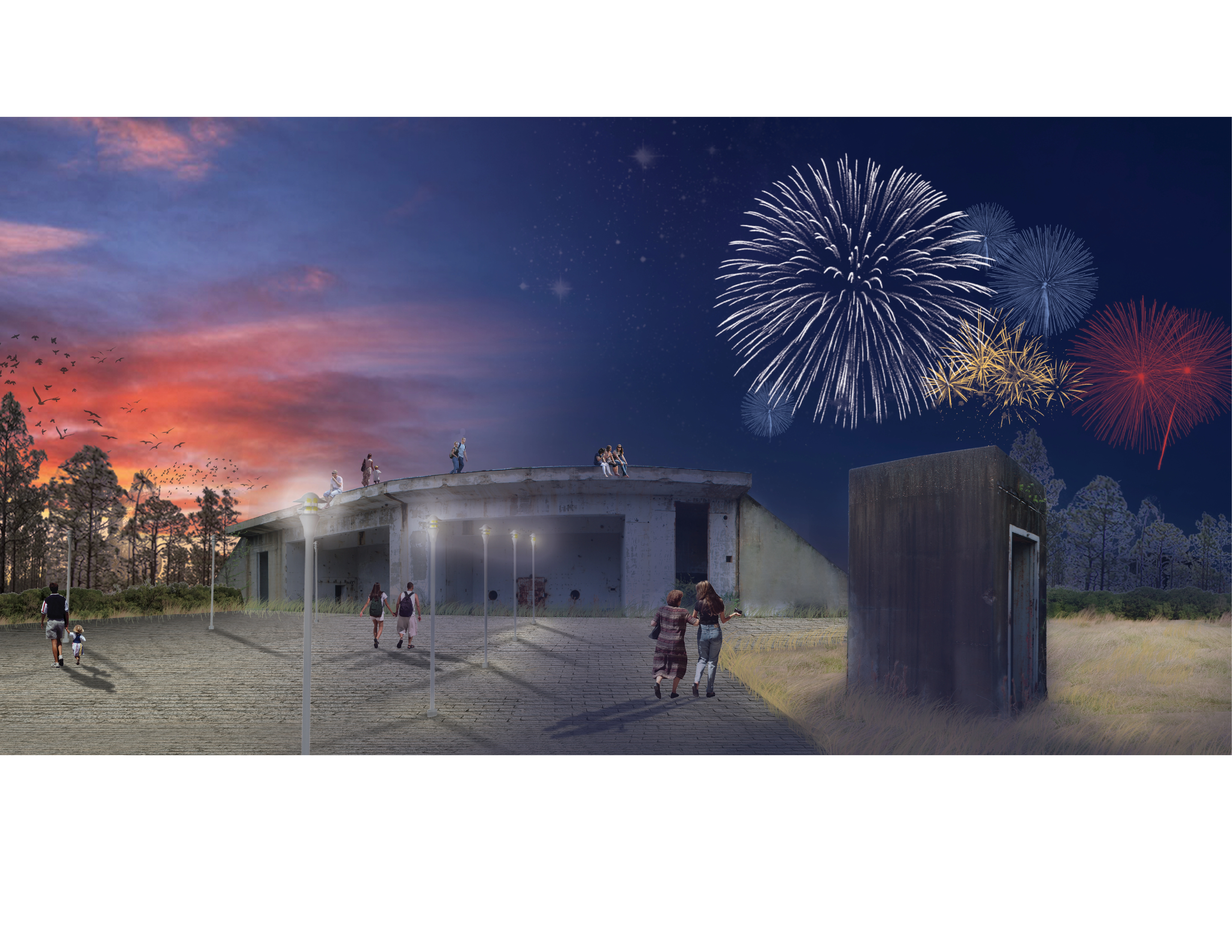
A response to the existence of an alarming number of contaminated Department of Defense sites within the United States, Longhorn: In defense of change seeks to provide an alternative to traditional remediation methods commonly utilized by the federal system. Unlike typical remediation processes, this strategy engages the public throughout the site’s transformation in order to educate the public about the process of remediation, provide recreational opportunities, and inform users about the importance of land stewardship.
-
Context and Site Introduction
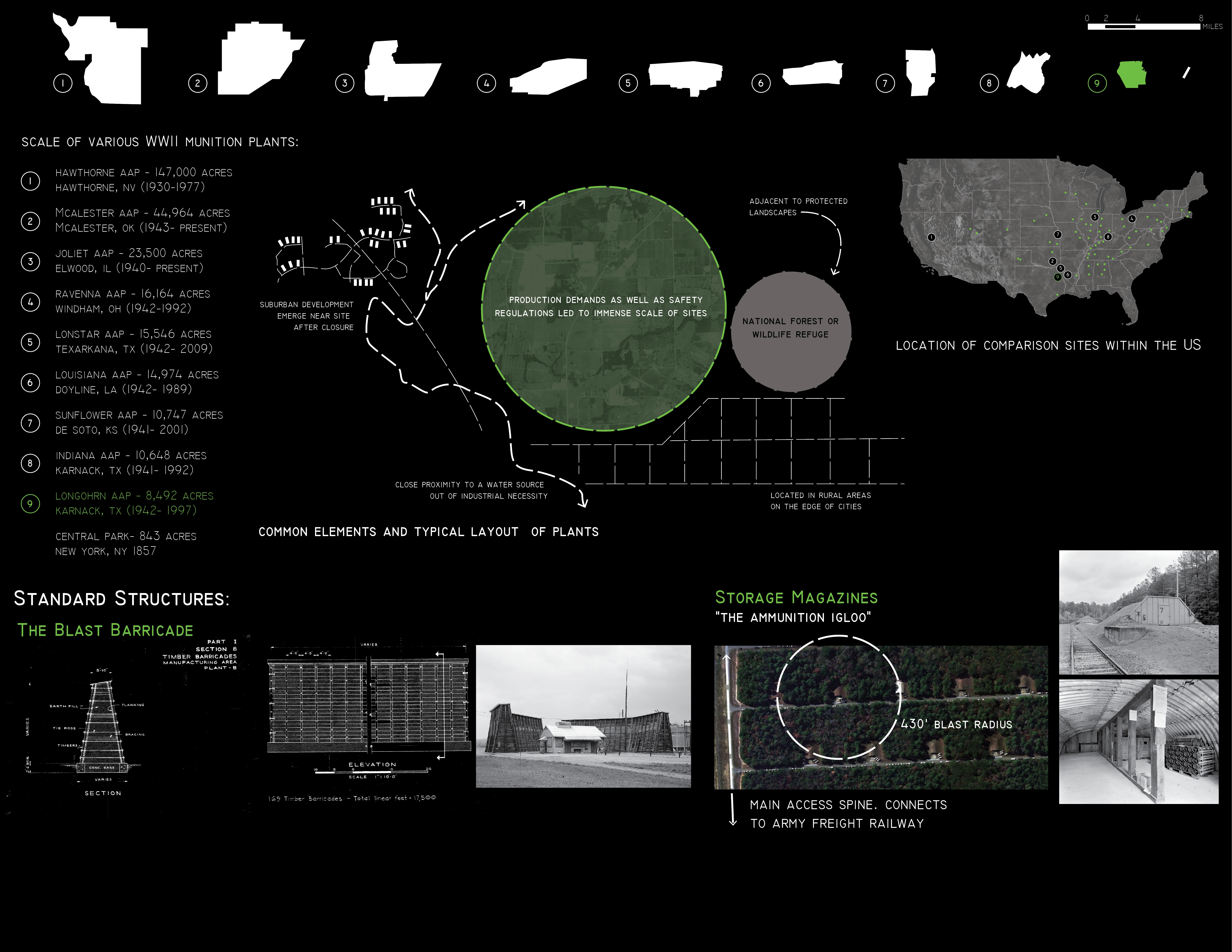
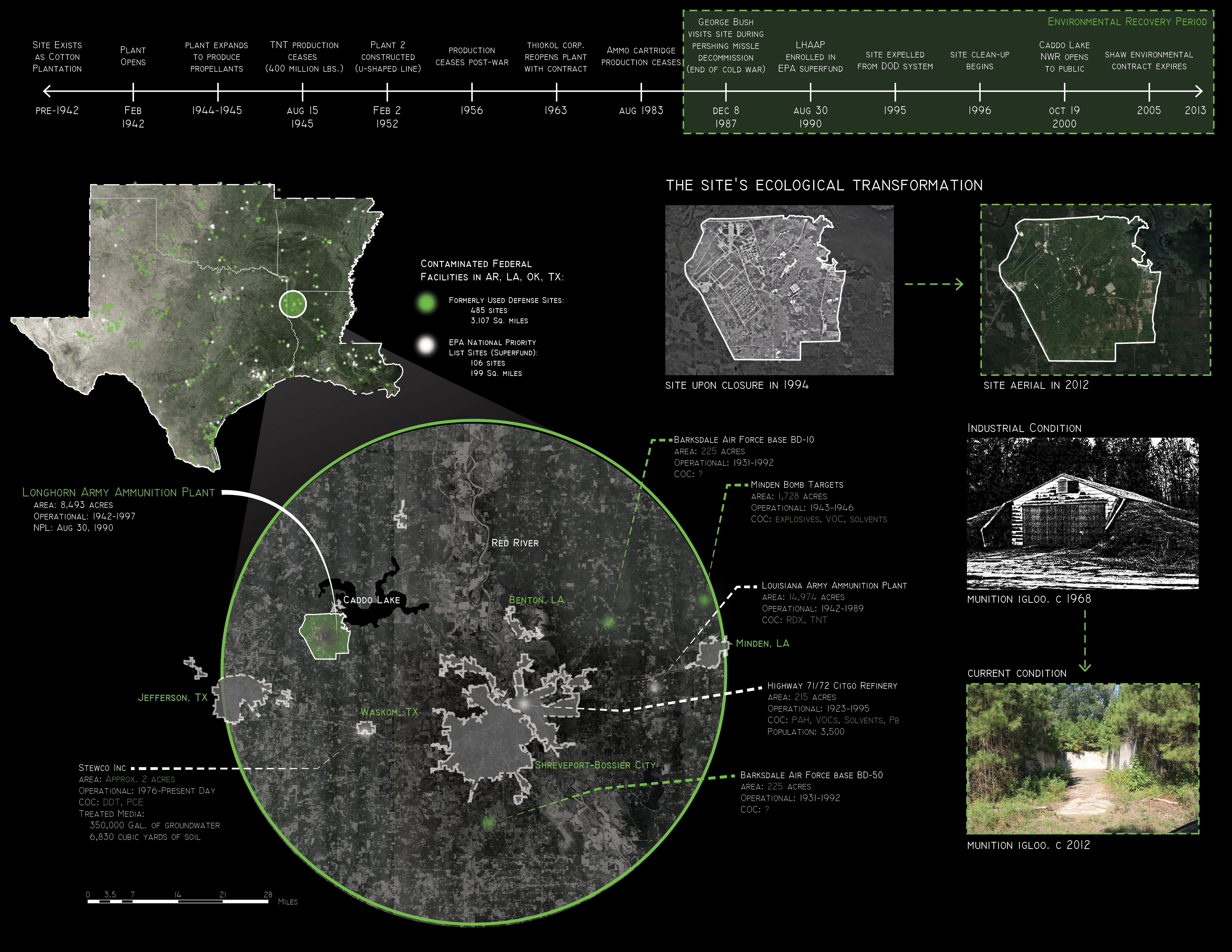
Located on the banks of Caddo Lake in northeast Texas, approximately 4 miles west of the Louisiana-Texas border and 25 miles northeast of Shreveport, LA, Longhorn Army Ammunition Plant is an 8,493 World War II era munitions production facility that was established in 1942. One of sixty other comparable sites, Longhorn is part of an extensive network of government-owned contractor-operated (GO-CO) that was constructed in response to the events in 1941 at Pearl Harbor that lead to the United States’ entry into WWII. Over several decades, which spanned four major wars and various contract transfers, the plant produced over 393 million pounds of TNT before its closure in the late 1980s. As a result of the site’s extended industrial function, the soil, sediment, and groundwater of Longhorn contain large concentrations of a multitude of contaminants including heavy metals, (lead, arsenic, chromium, nickel) VOCs, (methylene chloride) explosives, (TNT, TCE, PCE) and perchlorate. The fear of these large contaminants plumes migrating into nearby Caddo Lake, a public recreational space and water supply, lead to the site’s enrollment into the United States EPA Superfund program on August 30, 1990. However, despite the efforts of the EPA and various environmental agencies, the site remains contaminated and largely closed to public access.
Ecology and Degradation
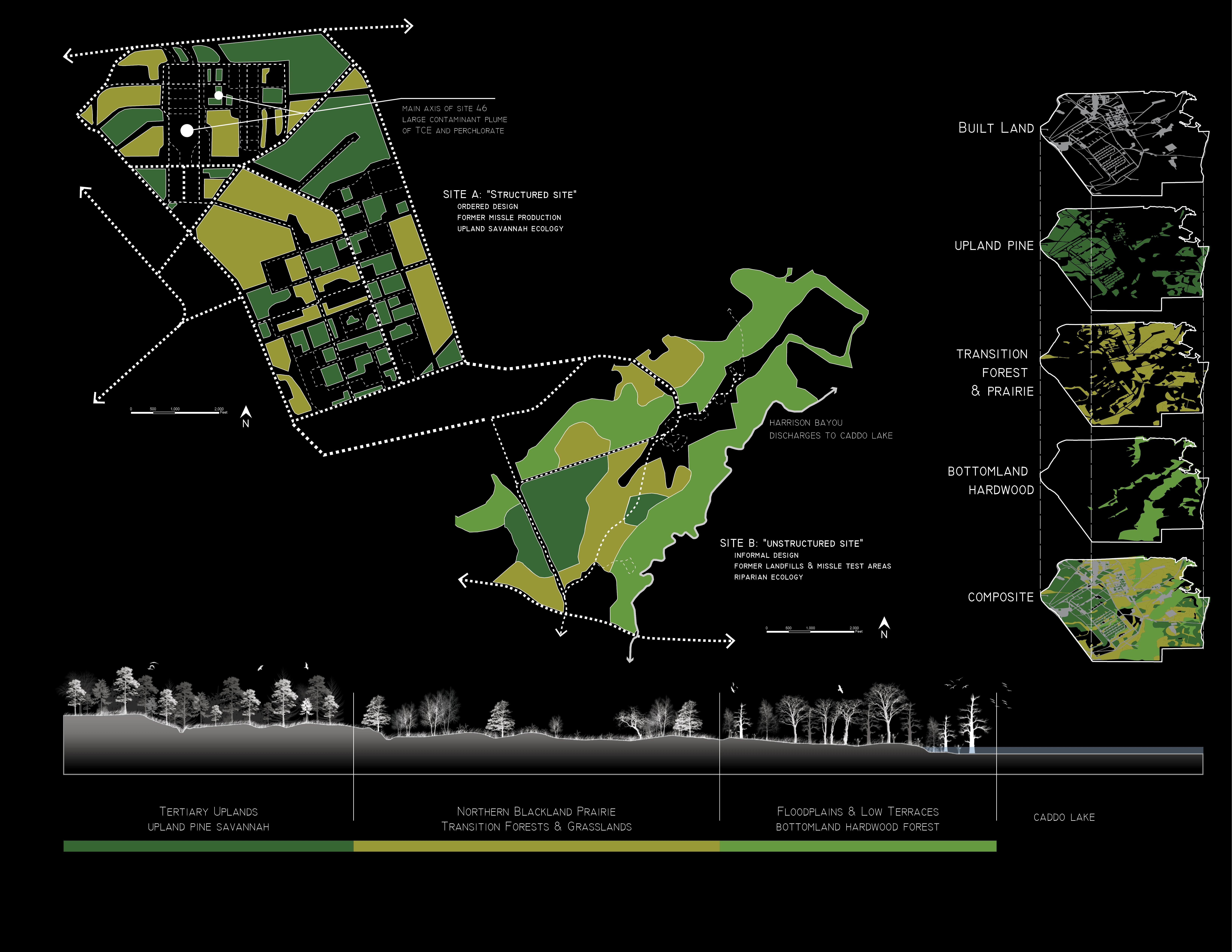
Following the halt of the site’s industrial function, the site entered into an idle state that allowed for its ecological context to arrive at the forefront of its aesthetic. Over a twenty year period large forest clearings, functional industrial structures, and a buzzing community of employees were respectively transformed into a spectral forest of upland pine and bottomland hardwoods, folly-like architectural remnants of times past, and a diversity of wildlife including 353 different species. The contrast of the site’s thriving ecology of flora and fauna to its continued contamination issues served as an inspiration developing a design strategy.
While on the surface Longhorn appears to be in a state of repair, in reality most of the attempted remediation efforts since the site’s inclusion on the National Priorities List have failed. A variety of methods including excavation of contaminated soils, capping of two landfills located on site, as well as pump-and-treat systems have largely been abandoned due to financial ties, and some portions of the site have an estimated +400 years remaining before reaching acceptable levels of contamination, as defined by the EPA.
This project attempts to provide a revised remediation strategy for the site that will reduce the processes’ duration while increasing the public’s awareness.
Program and Design Strategy
Typically, Department of Defense sites, particularly munitions plants, are closed to the public both during operation as well as throughout the remediation process. These sites are often minimally cleaned-up meeting the basic requirements for remediation, and normally are converted into industrial parks that continue to impede on the quality of life of surrounding communities. The goal of this project is to identify relationships between the diverse forest ecology, former industrial components, contamination hot spots, and topography in order to develop a comprehensive strategy that allows for the public to occupy the site while respecting the dangerous nature and ecological prowess of Longhorn.
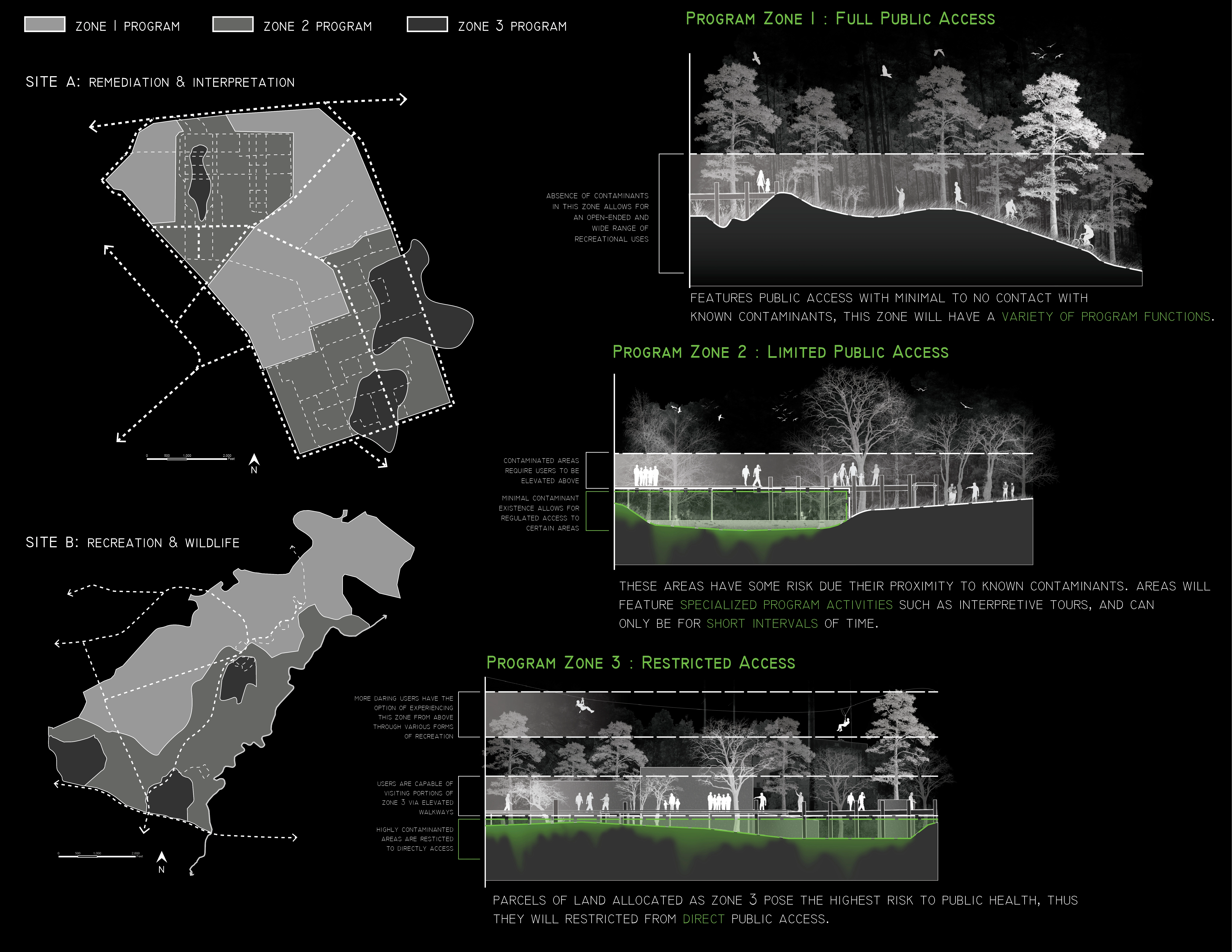
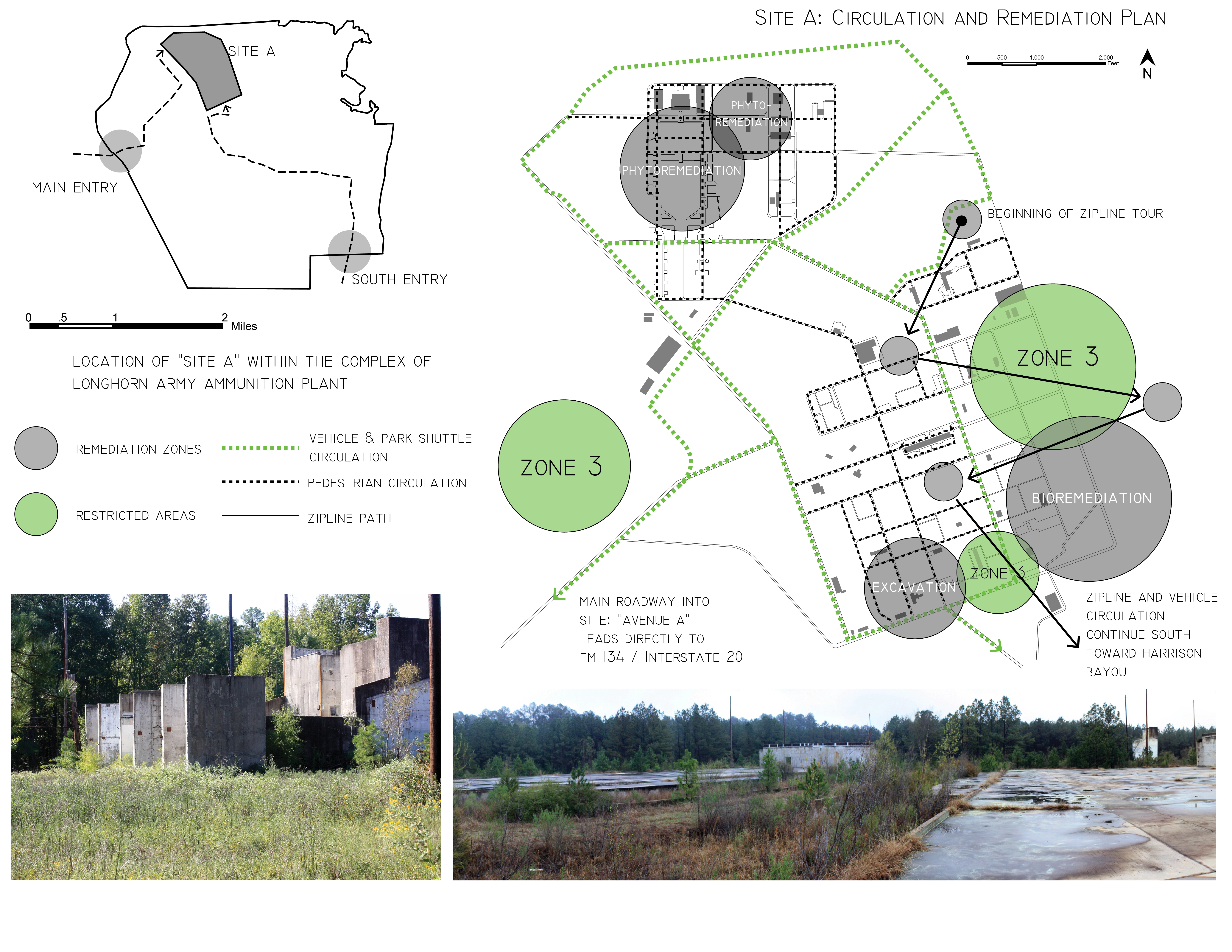
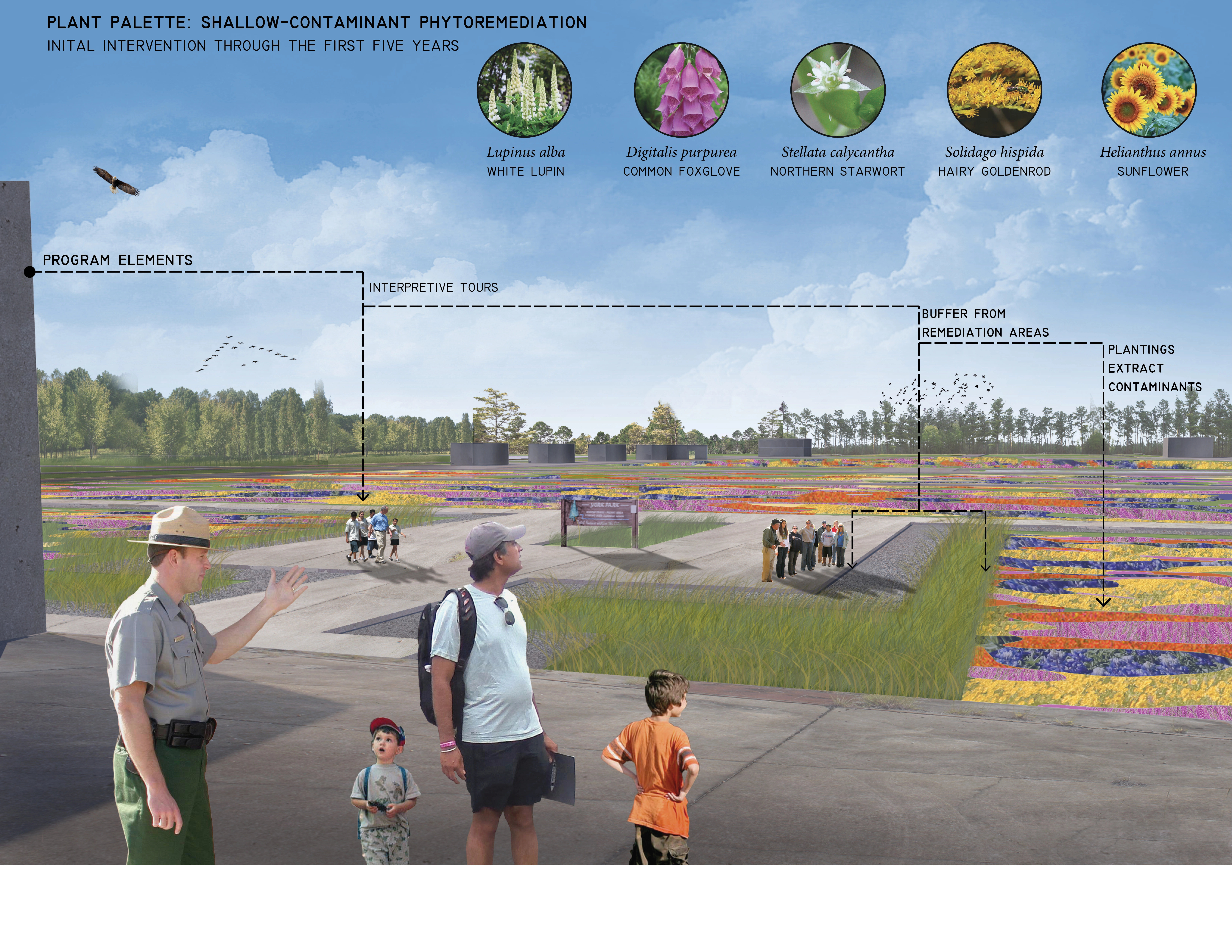
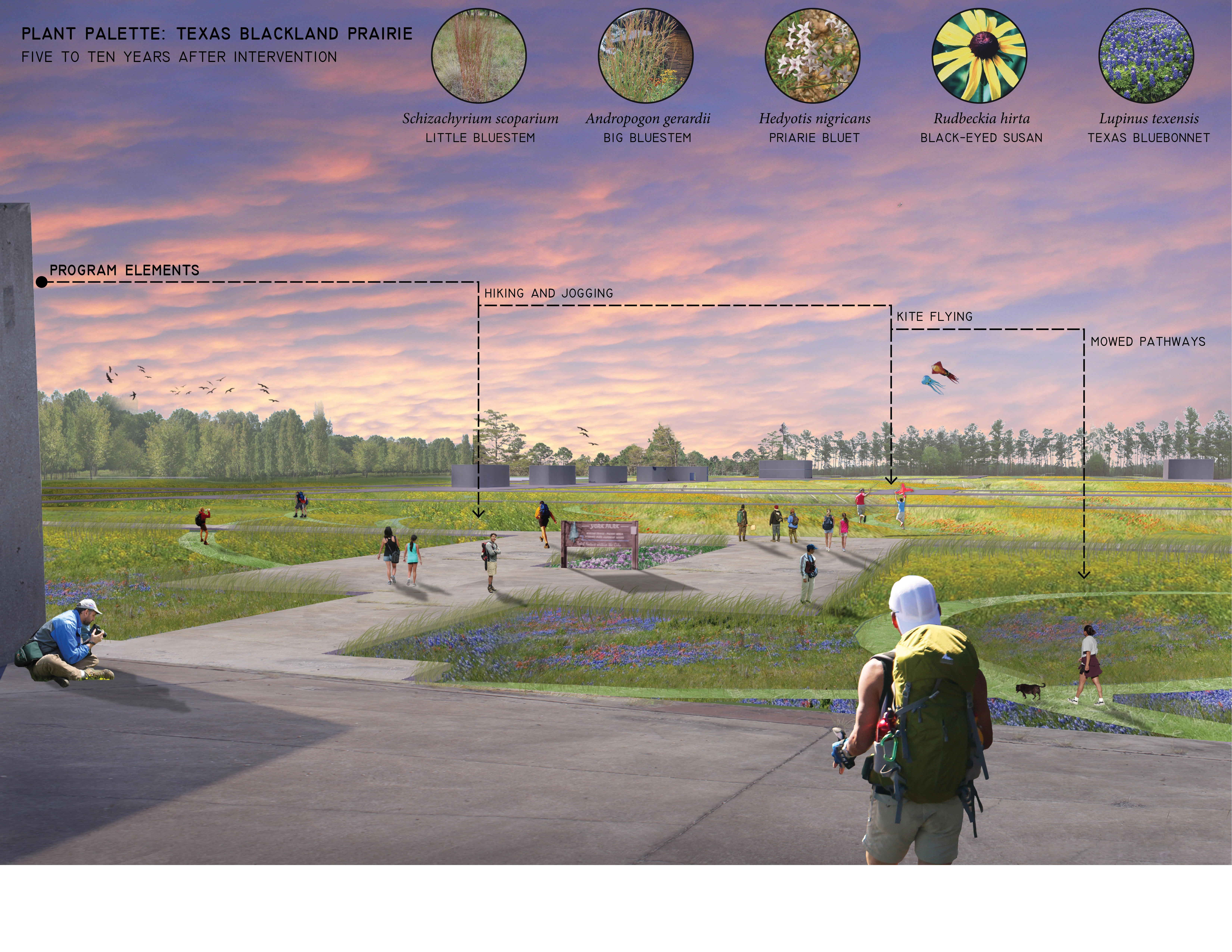
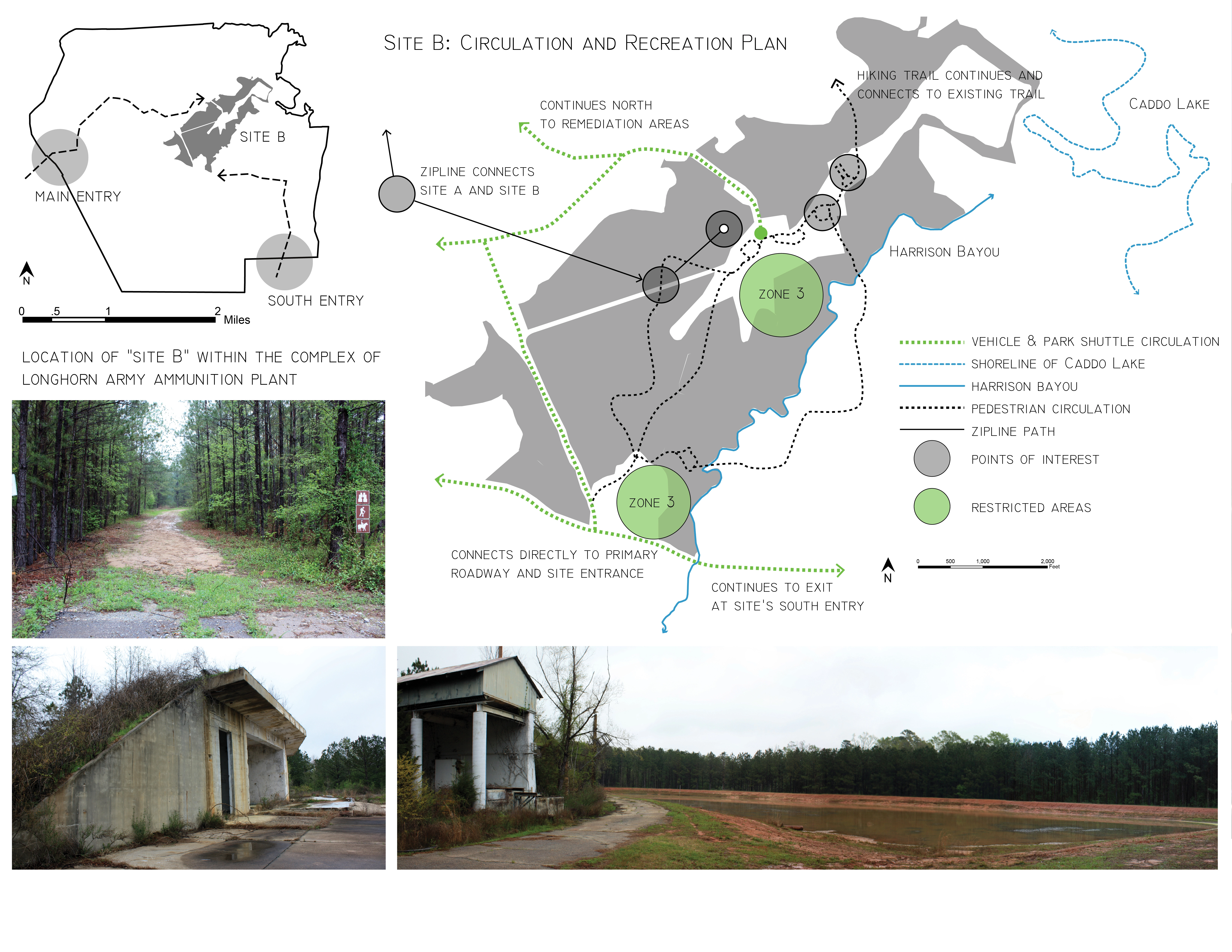
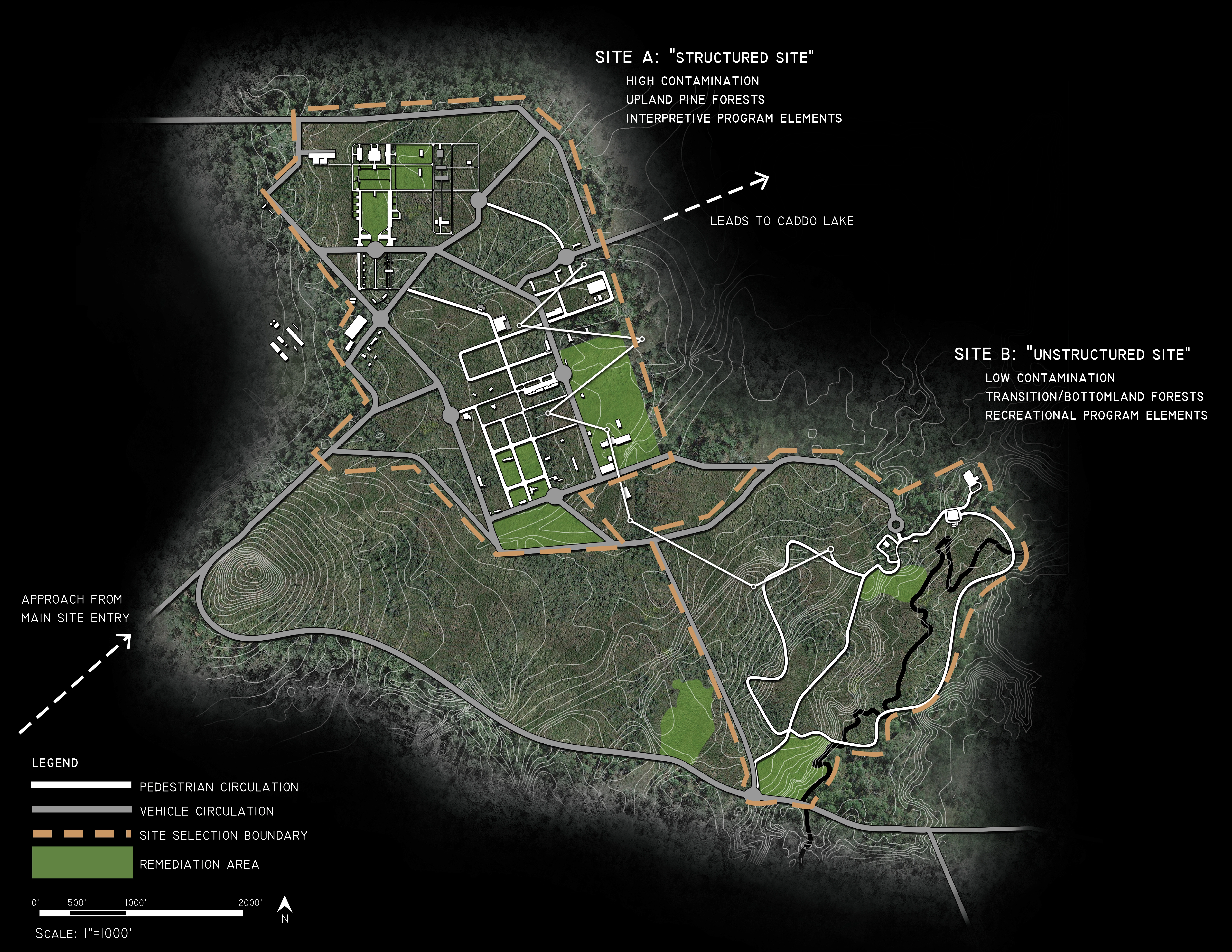
Due to the immense scale of the site, and the wide range of forest types as dictated by topographic features as well as isolated pockets of contamination severity, two areas of the site were identified that represent the extremes of each condition found on the site. “Site A”, formerly a TNT production and rocket motor assembly area is located at the northern end of the site, it contains several large contaminant plumes of varying intensities, and is hidden within a dense upland pine forest. Conversely, “Site B”, a former landfill and missile static test area is located along the banks of Harrison Bayou, contains minimal contamination and a diversity of wildlife due to its location within a bottomland hardwood forest. The opposition of these two sites’ fundamental characteristics allows for the development of two distinct portions of the site that offer different experiences for users. “Site A”, also called the “structured site”, lends itself to remediation strategies which integrate interpretive elements that inform users about the ongoing processes that they observe. While “Site B”, or the “unstructured site”, offers a strategy that allows users to interact with the site’s wildlife, while entertaining users through recreation-based program features.
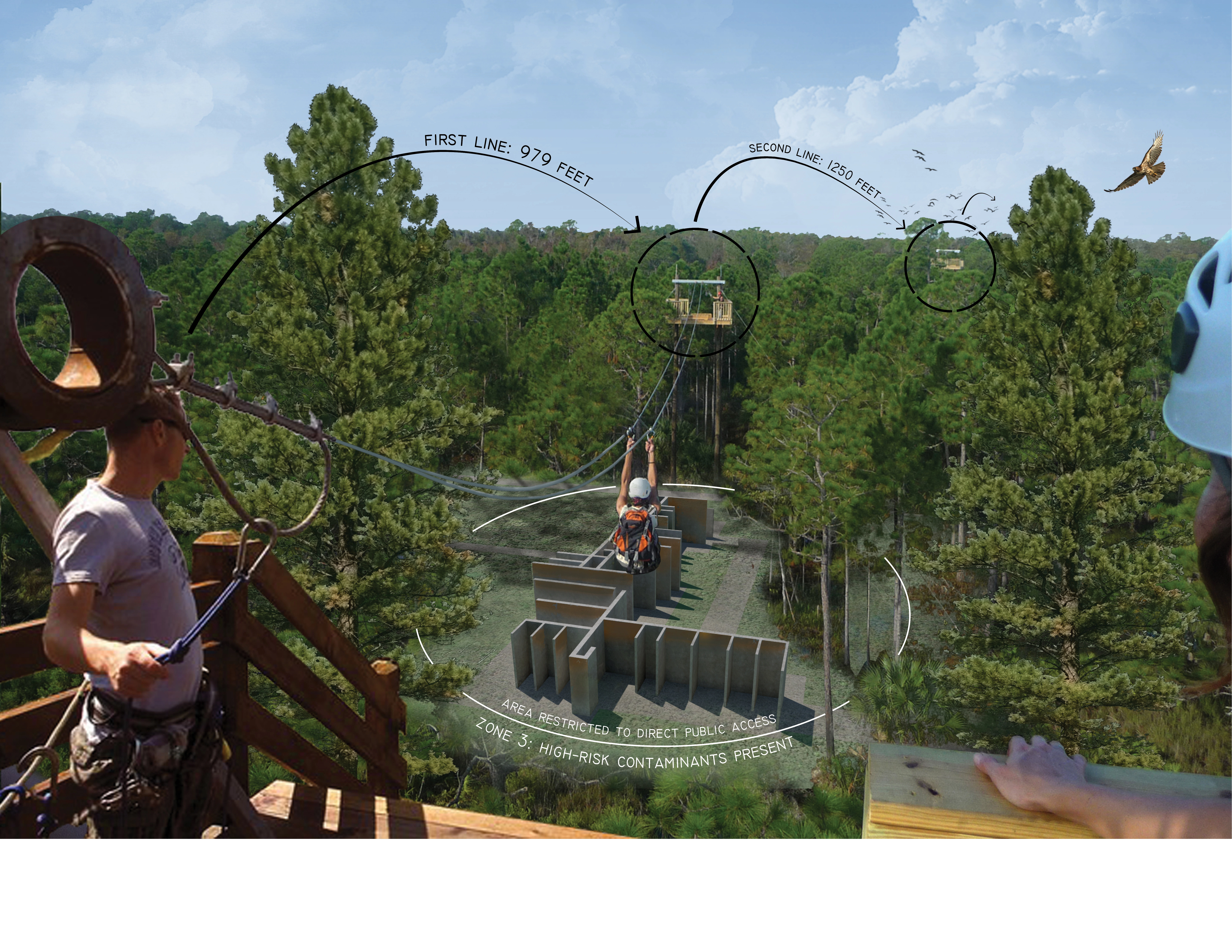
In order to safely provide access to the site, a three-tiered program network was proposed that responded to various levels of contamination. This network consists of three distinct zones, denoted as Zones 1, 2, and 3, that each carries various levels of public access. “Zone 1” features full public access with minimal to no contact with known contaminants. This zone will features a variety of unrestricted program functions. “Zone 2” allows for limited public access. These areas carry some threat to public safety due to their proximity to known contaminants and will feature specialized program activities such as guided interpretive tours. “Zone 3” is allocated to parcels of land which pose the highest risk to public health. These areas are restricted from direct public access; however, while “zone 3” will not be directly accessible it will be integrated into the site’s experience in a variety of ways. This strategy, which is implemented across the entire site, ultimately informed the circulation and design strategy of both “Site A” and “Site B.”
Changing Perceptions
While this strategy is applied to a singular site, Longhorn fits into the context part of a much larger system and a much larger issue. In a society that continues to consider marginal landscapes as an opportunity to keep undesired aspects of development such as landfills and manufacturing plants "out of sight and out of mind" it is becoming increasingly important to inform people about the dangers of land degradation and the profound economic and sociologically ramifications it possesses. While sites such as Longhorn, which are created to defend our quality of life as Americans, are certainly important and should continue to do so, past habits of extracting a landscape's resources and relocating once they are depleted are no longer viable. This project hopes to install into a larger, ongoing conversation centered on shifting the public mind set about these issues.
-
Caddo Lake Institute
United States Fish and Wildlife Service
Advertisement
Related Awards
Honor Award, Analysis & Planning
A Cultural Approach: The Fort Peck Tribes Hazard Mitigation Plan
In collaboration with the Fort Peck Assiniboine and Sioux Tribes, EPA, and FEMA, the Fort Peck Tribes Hazard Mitigation Plan (HMP) adopts a culturally responsive approach to hazard mitigation planning that features connection to place.