
.webp?language=en-US)



METABOLIC CHANGE: Coastal Patterns of Human Settlement and Material Flow
Eric Roy, Student Affiliate ASLA; Matthew Seibert, Student ASLA

-
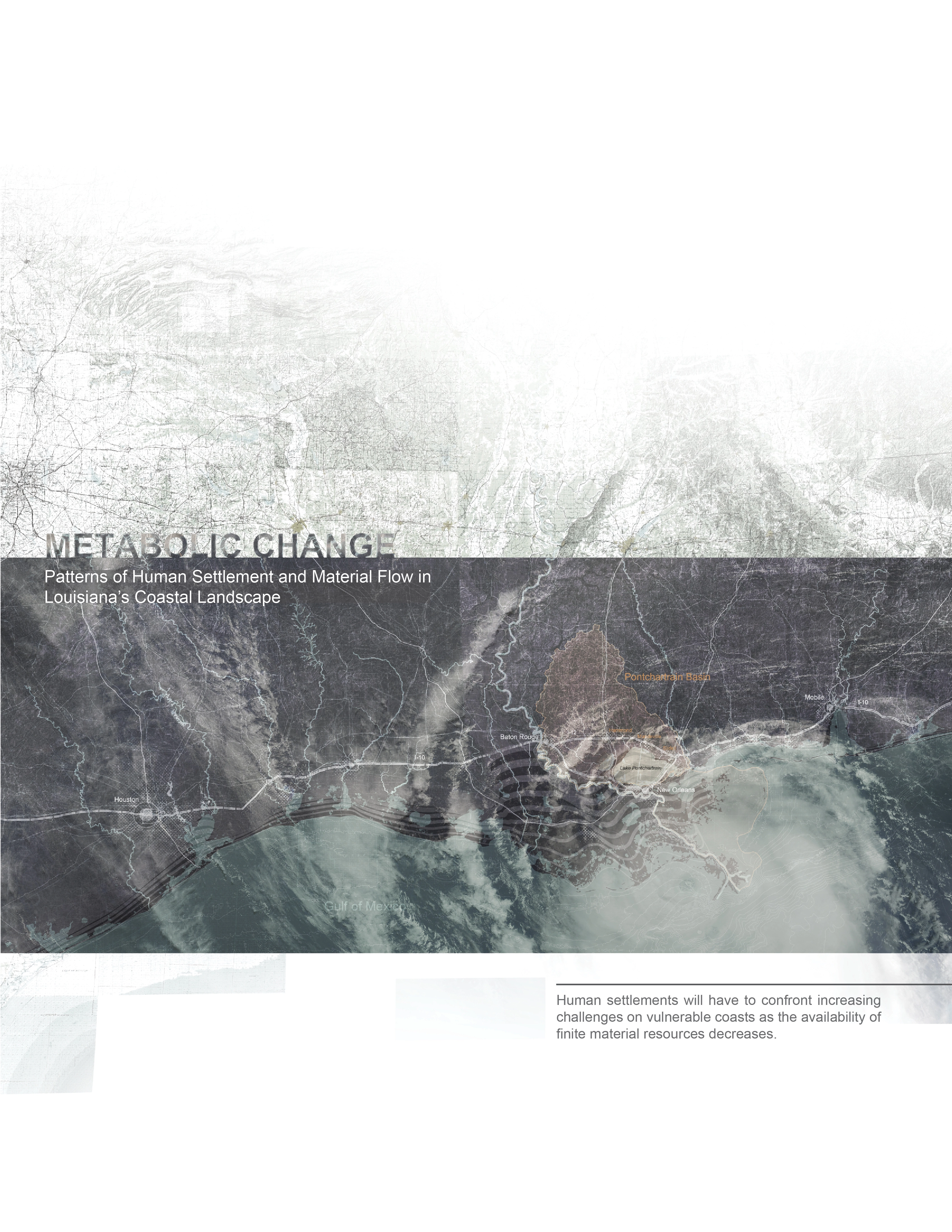
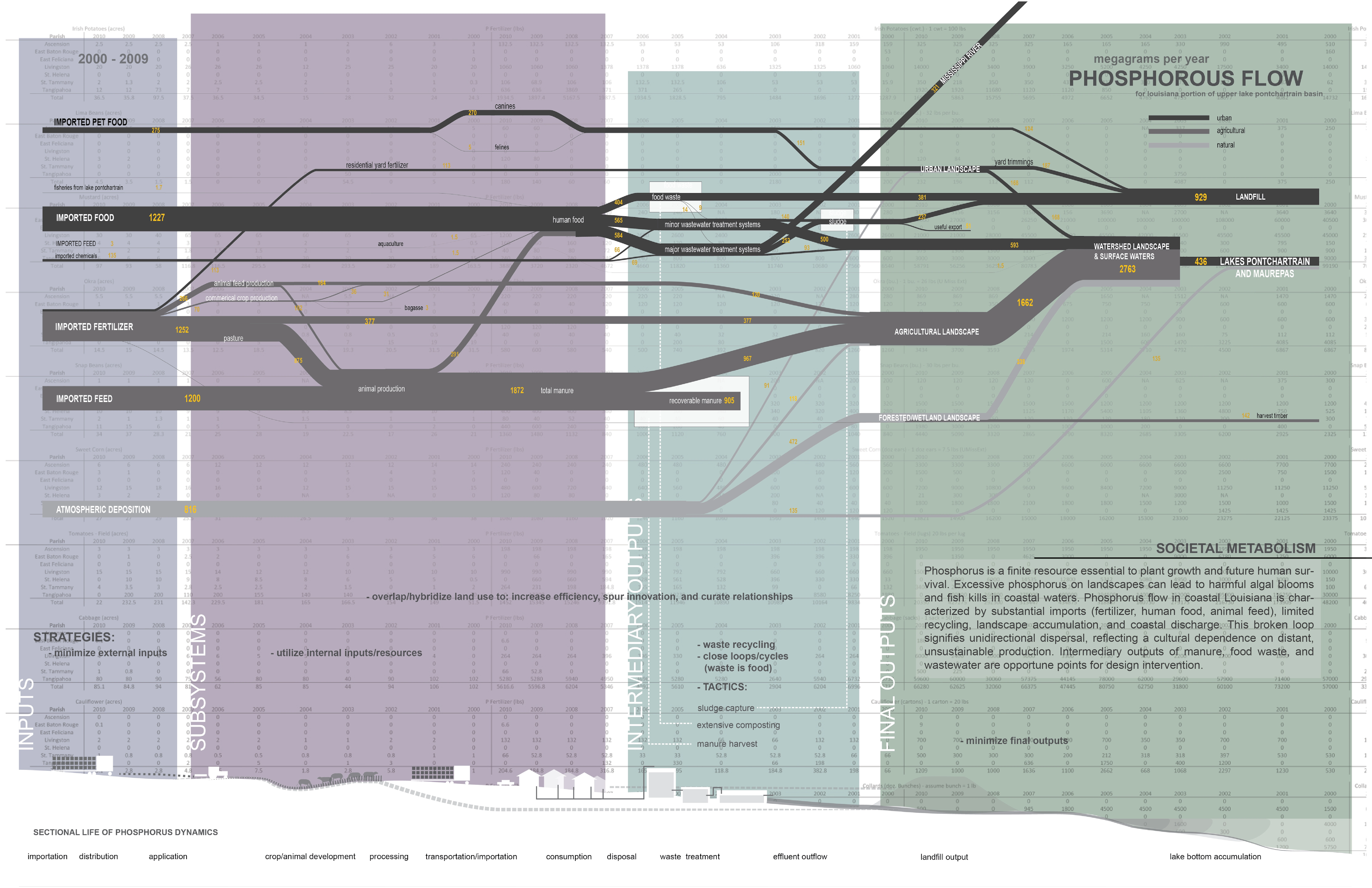
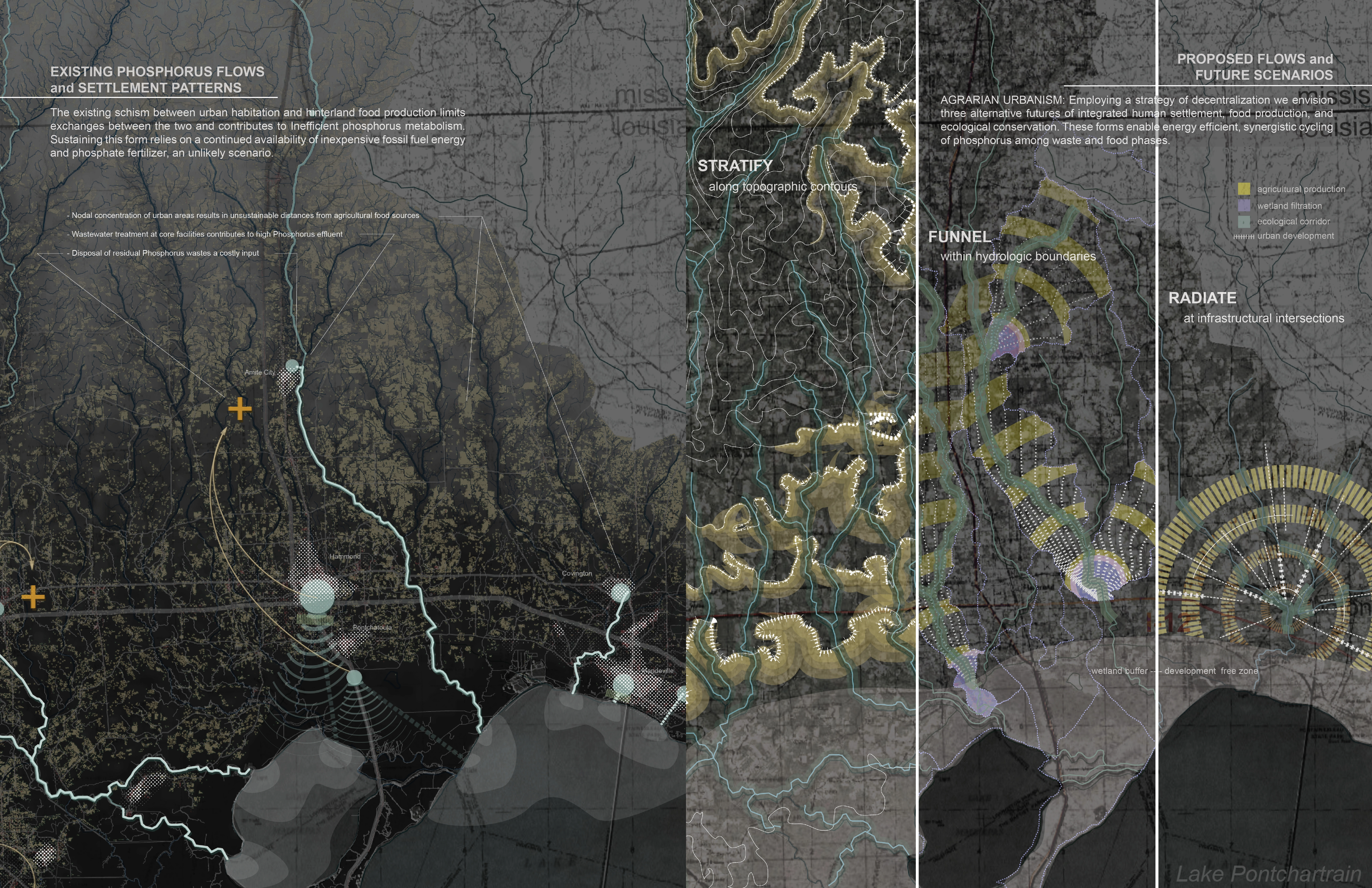
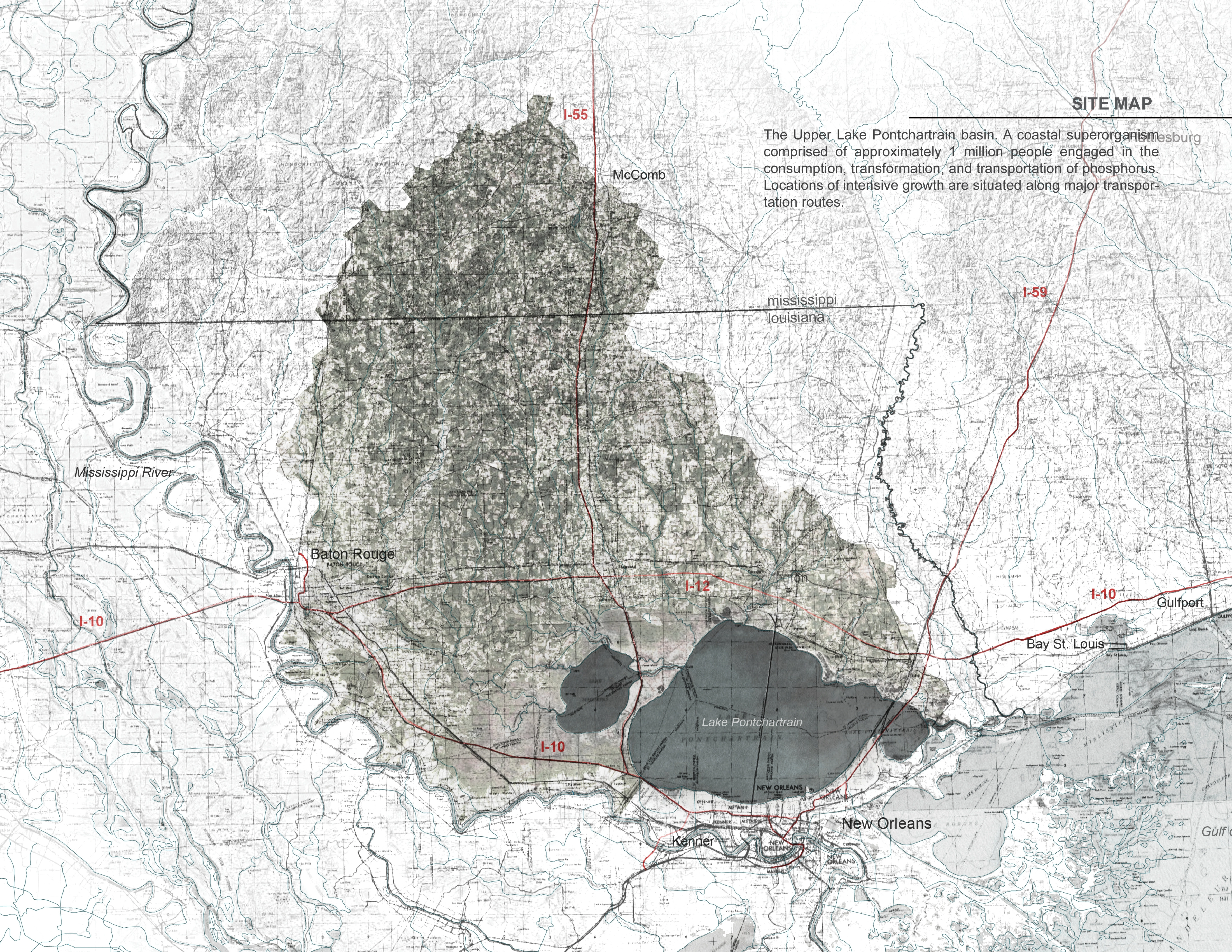
Metabolic Change investigates a coastal region experiencing population growth largely driven by environmental change as a burgeoning superorganism consuming, transforming, and expelling materials. The regional analysis and plan focuses on this superorganism’s metabolism of phosphorus, a finite resource essential to agricultural productivity and responsible for widespread aquatic pollution. The project integrates an analysis of phosphorus cycling grounded in systems ecology and engineering with a landscape architecture perspective on form to envision sustainable futures of an agrarian urbanism.
-
Human communities are comprised of diverse individuals, but also function as a whole when it comes to the consumption, transformation, utilization, and expelling of material resources. Out of a meshwork of individual choices, cultural norms, regulations, land use, infrastructure, and technological practice emerges a superorganism with a quantifiable metabolism of materials. Metabolic Change takes this perspective into the coastal landscape.
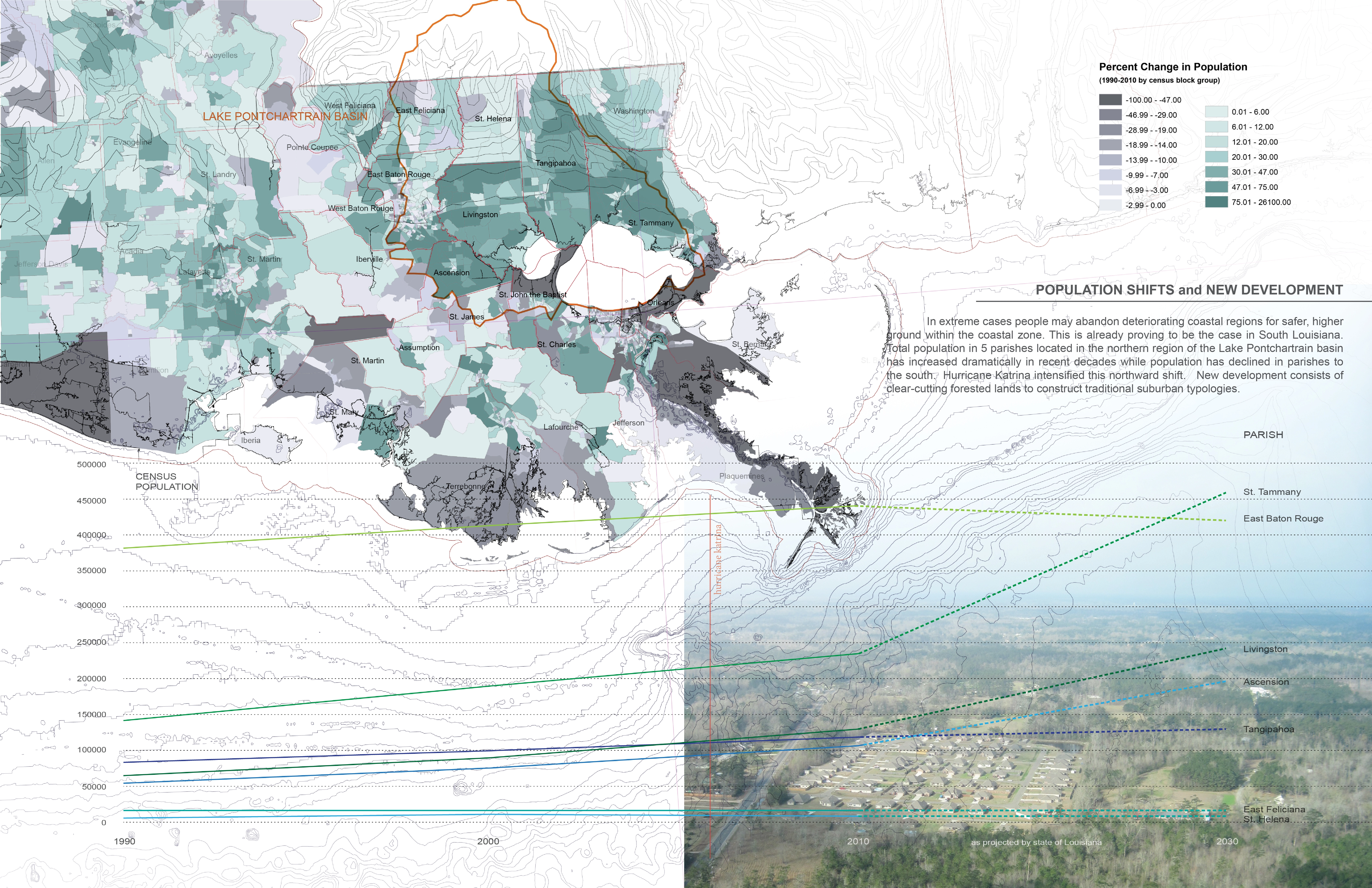
In Louisiana, a migration of people from deteriorating regions to safer, higher ground is underway in the coastal zone and was punctuated by Hurricane Katrina. The sustainability of these growing coastal regions of refuge in a future characterized by a decreased availability of fossil fuels and material resources deserves increased attention. Metabolic Change focuses on the metabolism of phosphorus in the upper Lake Pontchartrain basin of southeast Louisiana where population is rising. Phosphorus is essential to human life as a key nutrient required for plant growth and a component of genetic molecules, cellular bioenergetics, and membranes. Phosphate rock is mined from places like Florida and Morocco, spread over the landscape as fertilizer, and transported through human communities as food and waste. Poor management of phosphorus leads to inefficient use and elevated discharge to aquatic ecosystems. This commonly results in negative ecological consequences including harmful algal blooms and fish kills. The paradox of phosphorus is that this widespread aquatic contaminant is also a finite resource forecasted to be in tight supply within decades. Improving society’s metabolism of phosphorus will be a critical task to ensure sustainability.
Analyzing and envisioning a growing coastal region as a superorganism requires an interdisciplinary approach combining ecology, engineering, spatial analysis, visualization, and design. Our two member team covered these diverse areas of inquiry and expression to formulate a perspective of unique scope. The challenge was to synthesize a large amount of data to effectively communicate current phosphorus flows, form a basis for design interventions, and envision creative solutions.
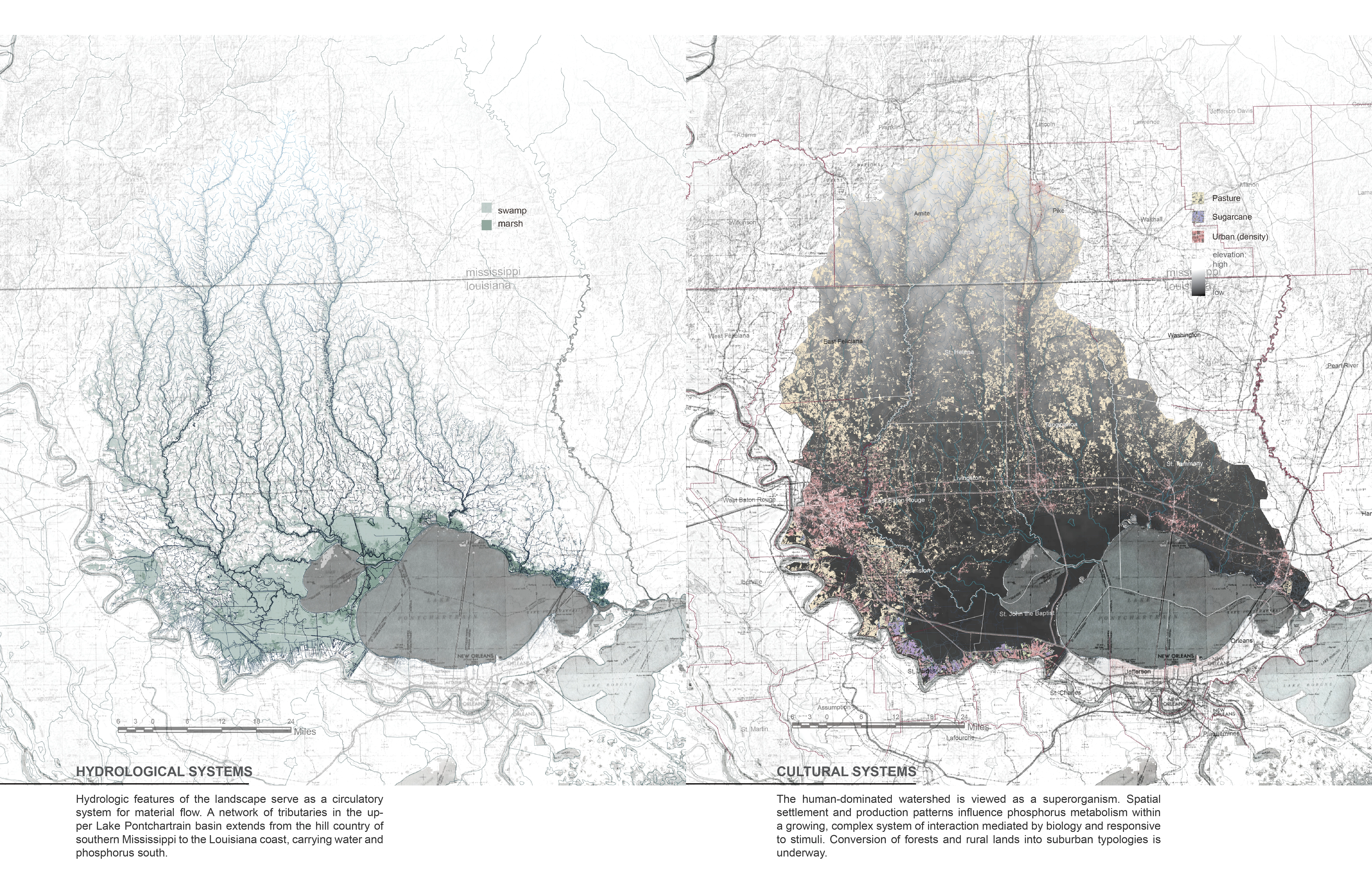
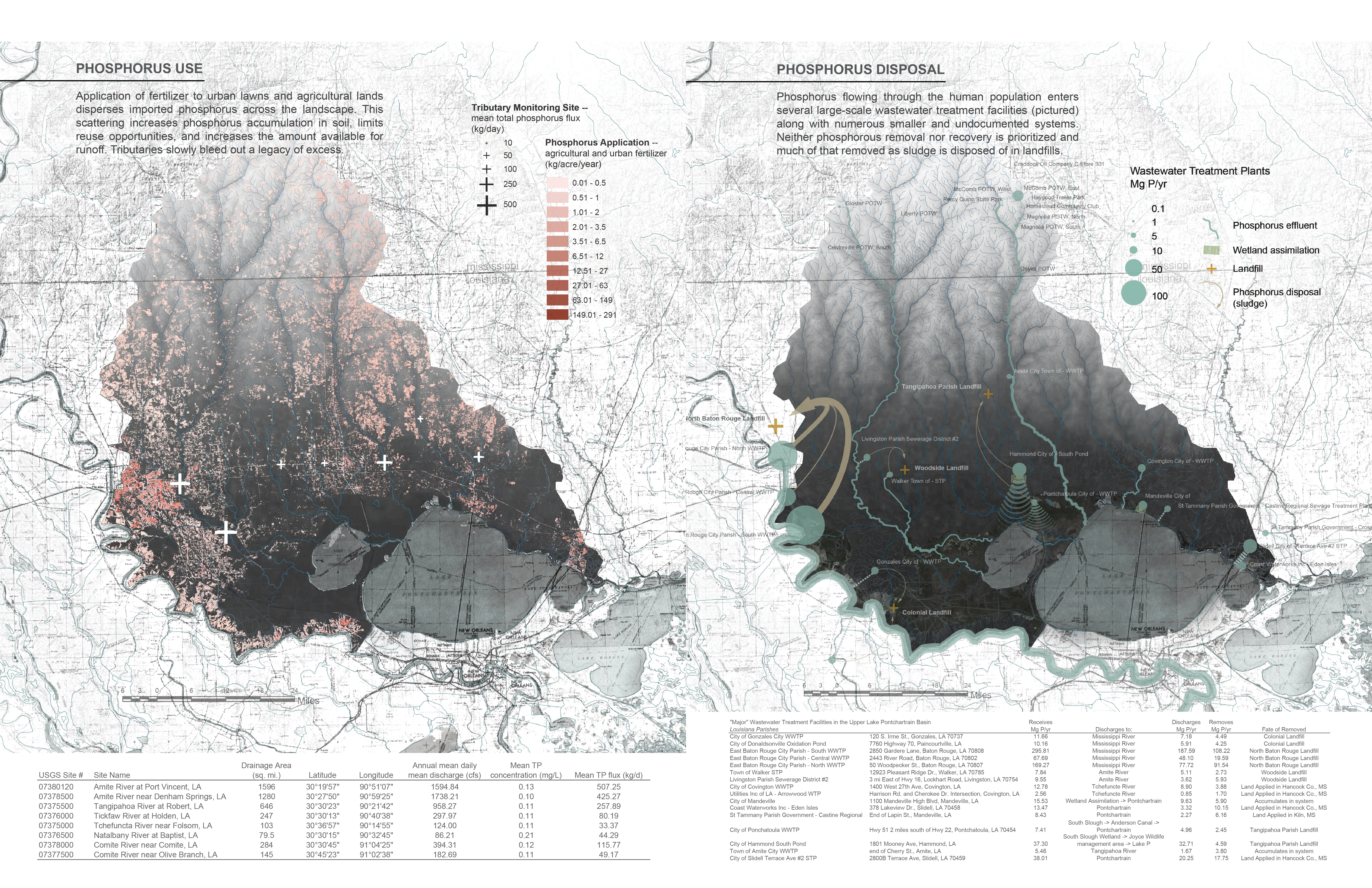
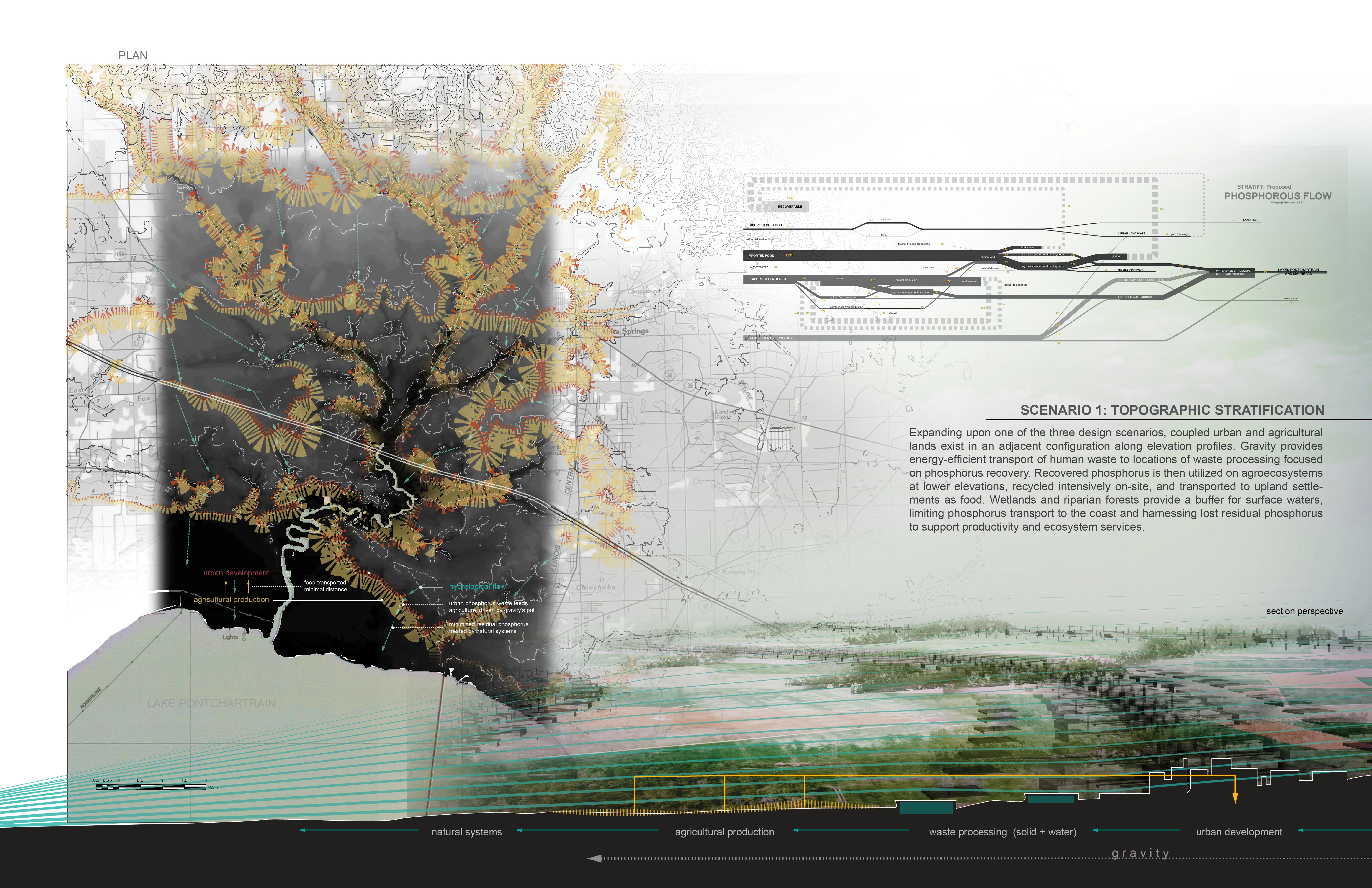
The analysis began with a massive data collection effort including census data, agricultural statistics, fertilizer sales records, tributary water quality data, tributary flow data, wastewater treatment permits, and multiple GIS layers, along with phosphorus concentration data for hundreds of foods, products, and waste streams. The Coastal Sciences team member used material flow analysis to track the movement of phosphorus through the upper Lake Pontchartrain basin, establishing a complex mass balance that was then visualized by the Landscape Architecture team member. The second phase of the analysis included an expansion of our understanding of how phosphorus moves through the system spatially based on current land use practices and mapping of collected data. Following these two analysis phases, we had generated a comprehensive view of how phosphorus enters the region, is transformed, utilized as food, and emitted as waste over time and space.
As we moved into the design phase, our discussions meandered through numerous practical limitations along with potential inspirations. For example, two key factors limiting the recycling of phosphorus in waste streams are energy availability and the distance between locations of waste phosphorus harvest and food production. How, then, should we implement design to navigate these limitations? Humans are not unique in their quest to obtain and recycle phosphorus. How do aquatic microorganisms maximize the efficiency of phosphorus use in phosphorus-limited environments? Thoughts such as these eventually led to concepts founded upon the notion of decentralization.
A counter-intuitive move towards decentralization brings many benefits. First, centralized wastewater systems rely upon large-scale, expensive infrastructure that may prove difficult to maintain in an energy-limited future and therefore a decentralized approach will be more adaptable and sustainable. Second, decentralization can increase the connectivity and overlap of urban space and agricultural production in comparison to when distinct separation exists between a centralized urban landscape and hinterland agriculture. The bodies of phytoplankton are commonly structured to maximize surface area, increasing the rate at which needed phosphorus diffuses in from the water. We are searching for ways to maximize the surface connecting people, wasted P, and food.
Three proposed phosphorus flow patterns for the future apply a strategy of agrarian urbanism: stratify, funnel, and radiate. The first employs topography as its driving feature, the second reorients political boundaries along hydrological watersheds, and the third capitalizes upon infrastructural junctions. In Metabolic Change, we elaborate on one of these proposals, exploring the potential for topographic stratification to guide the form of human settlement. Urban developments, waste harvesting sites, and productive agroecosystems are arranged in sequence along elevation gradients, providing gravitational transport of phosphorus-containing wastes and fertilizers. Enhanced recycling of waste phosphorus to food phosphorus would greatly increase overall metabolic efficiency, closing the human phosphorus cycle, and reducing the reliance on distant fossil fuel driven production systems. In addition, we believe increasing the legibility of these systems and their hidden processes is critical to both enhancing the efficiency of phosphorus metabolism in the region and supplying information for adaptive management of this metabolism. By exploiting the sites where infrastructure and hydrology cross, responsive light installations visualize phosphorus flux in the water and engage the public along high circulation conduits. This constructs a behavioral feedback system to inform local residents of the results of their collective actions and subsequently influence a community’s future development.
This project proposes a prosperous transition from a period of relatively cheap and widely available phosphorus fertilizer to one in which phosphorus availability is limited. The overarching metaphor of a superorganism metabolizing materials provides functional guidance and serves to inspire a shift in values, reconnecting residents to the land and highlighting their intimate role in global biogeochemical cycles.
Advertisement
Related Awards
Honor Award, Student Collaboration
TREES ALIVE!: Techniques, Details, Traditions
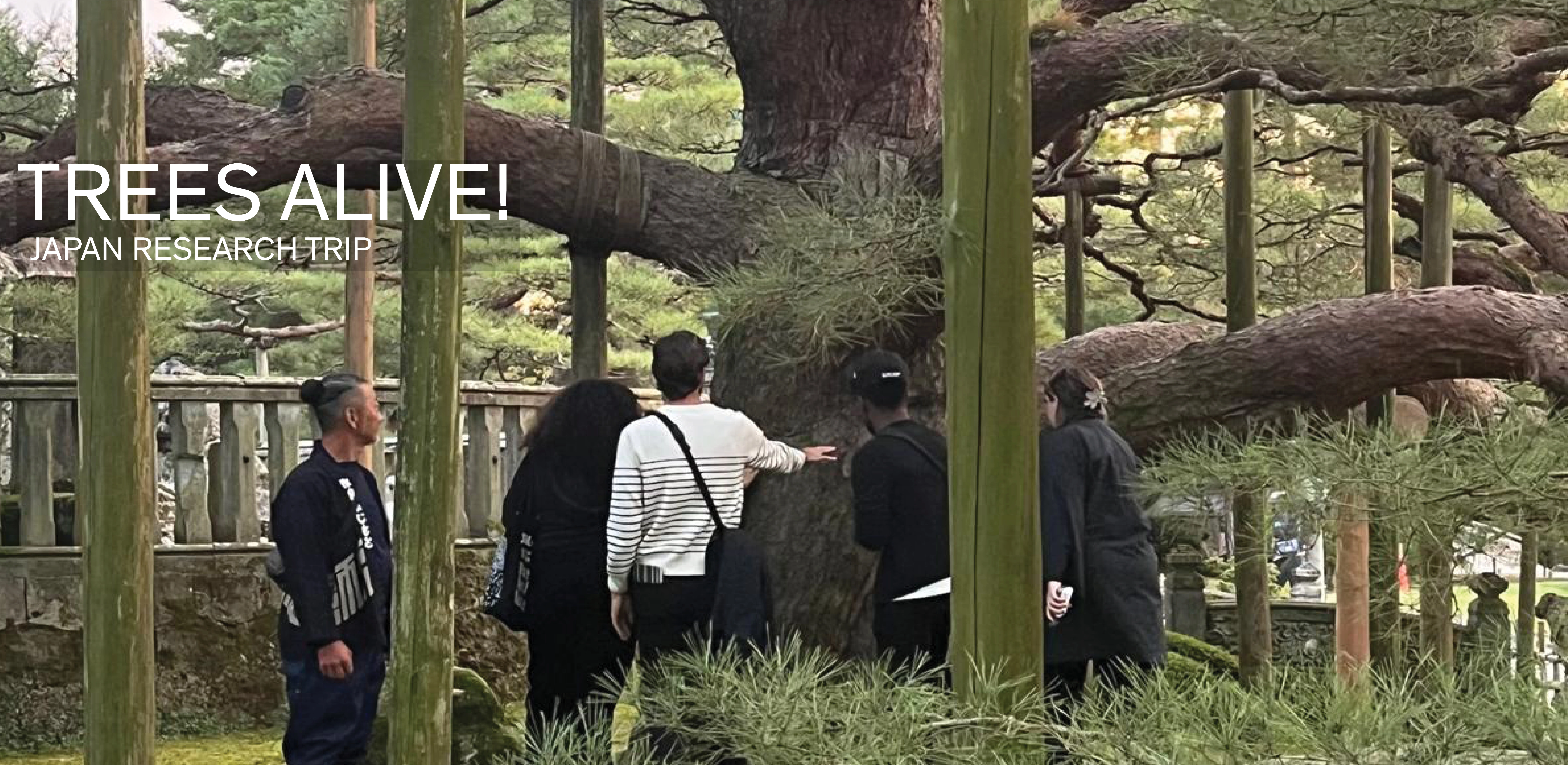
TREES ALIVE! is a collaborative research and travel exchange between American and Japanese landscape architecture programs to study the techniques, details, and cultural traditions for trees in contemporary urban landscapes. Students participated in collaborative technical workshops and visits to significant gardens and landscapes to investigate urban tree planting and legacy tree conservation in Tokyo, Kanazawa, Chicago, Columbus (Indiana), Philadelphia, and New York. Two technical