
.webp?language=en-US)

Museum of Freeway Art (MOFA) - The Atlanta I/75 - I/85 Connector Transformation
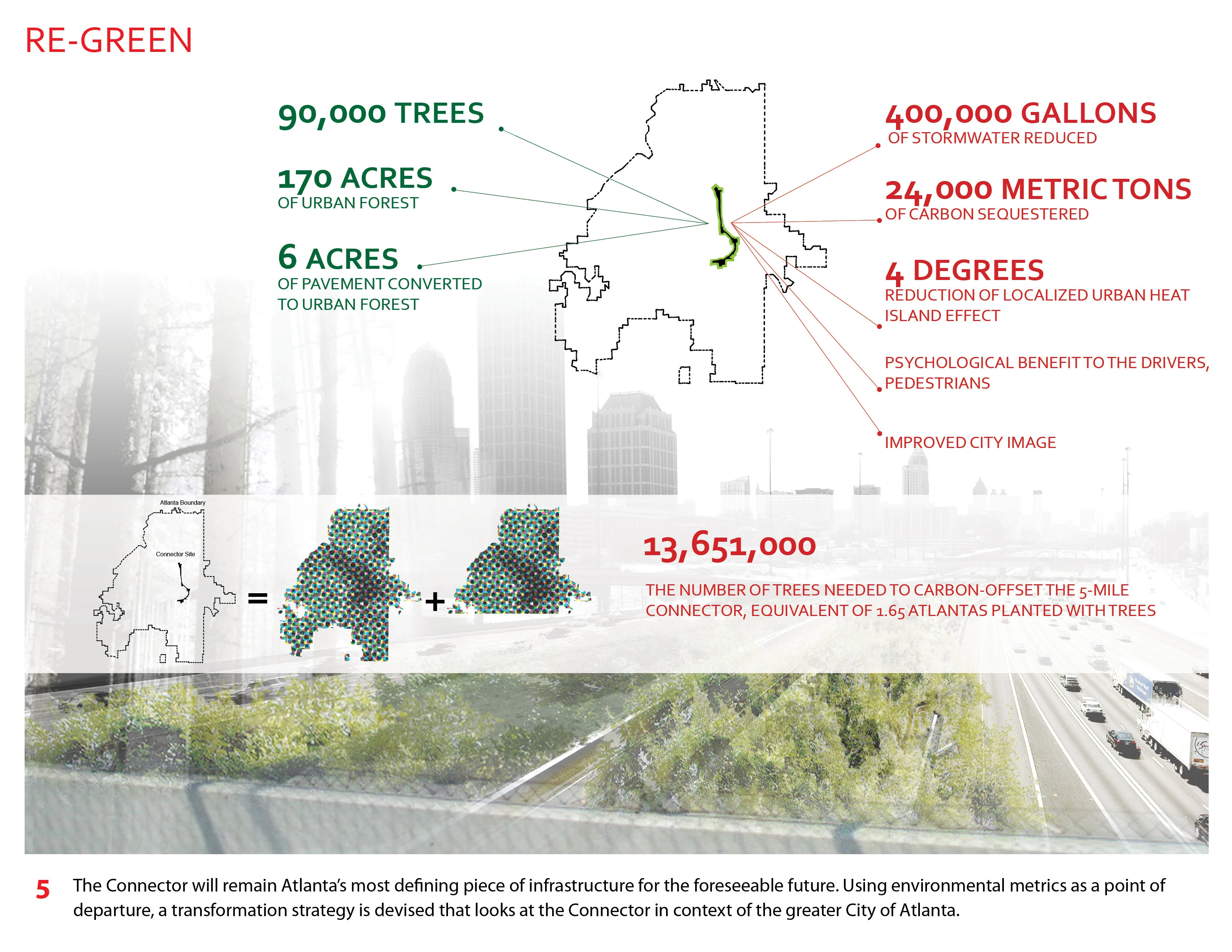
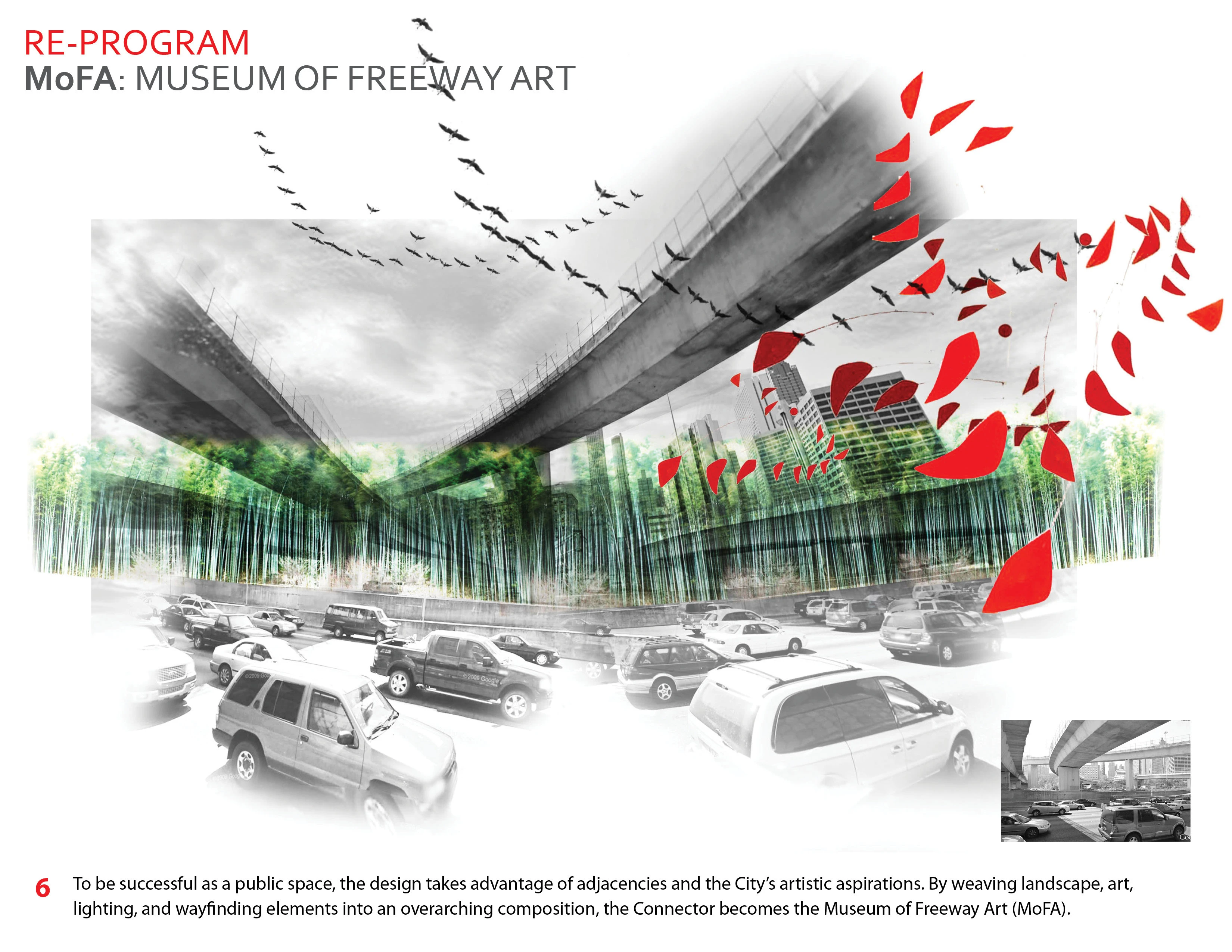
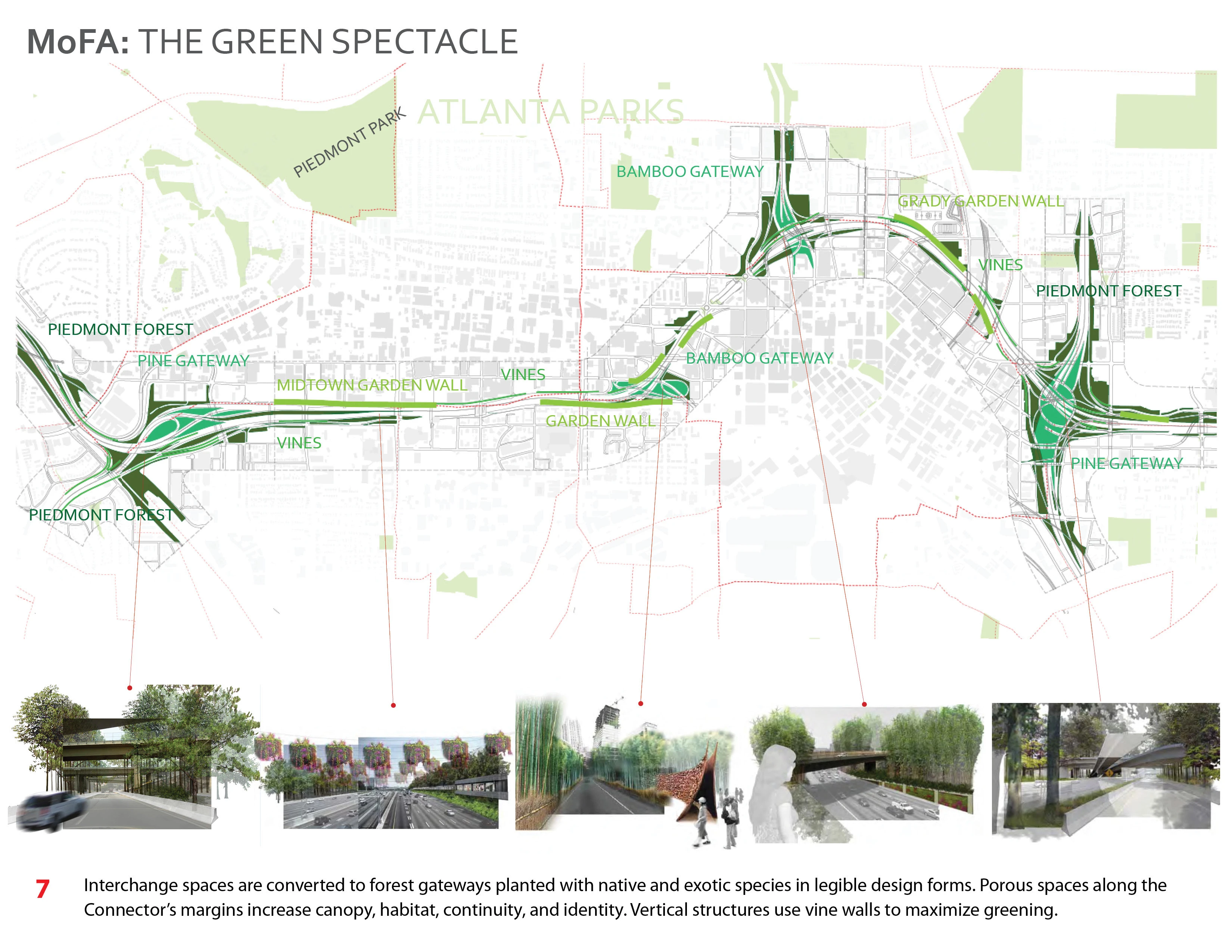
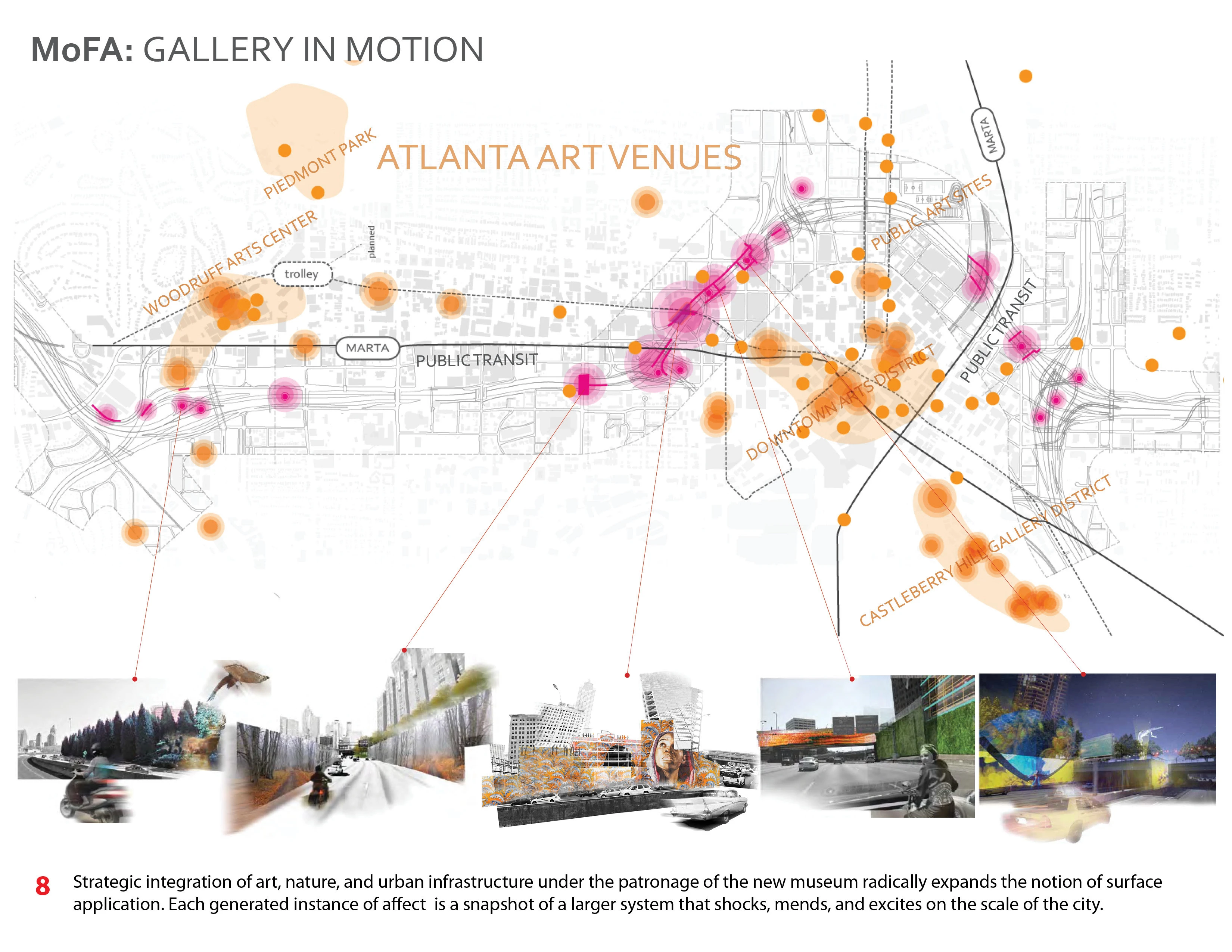
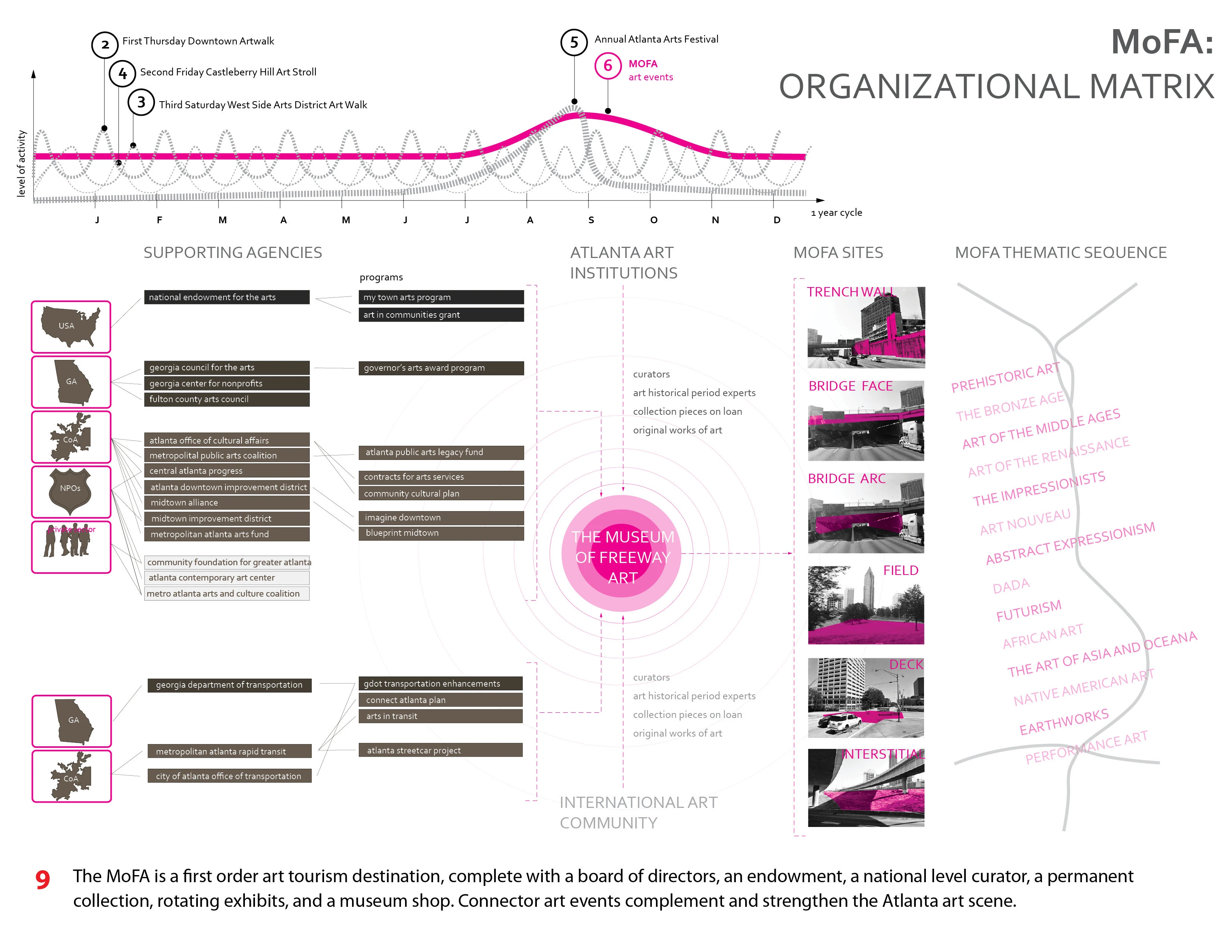
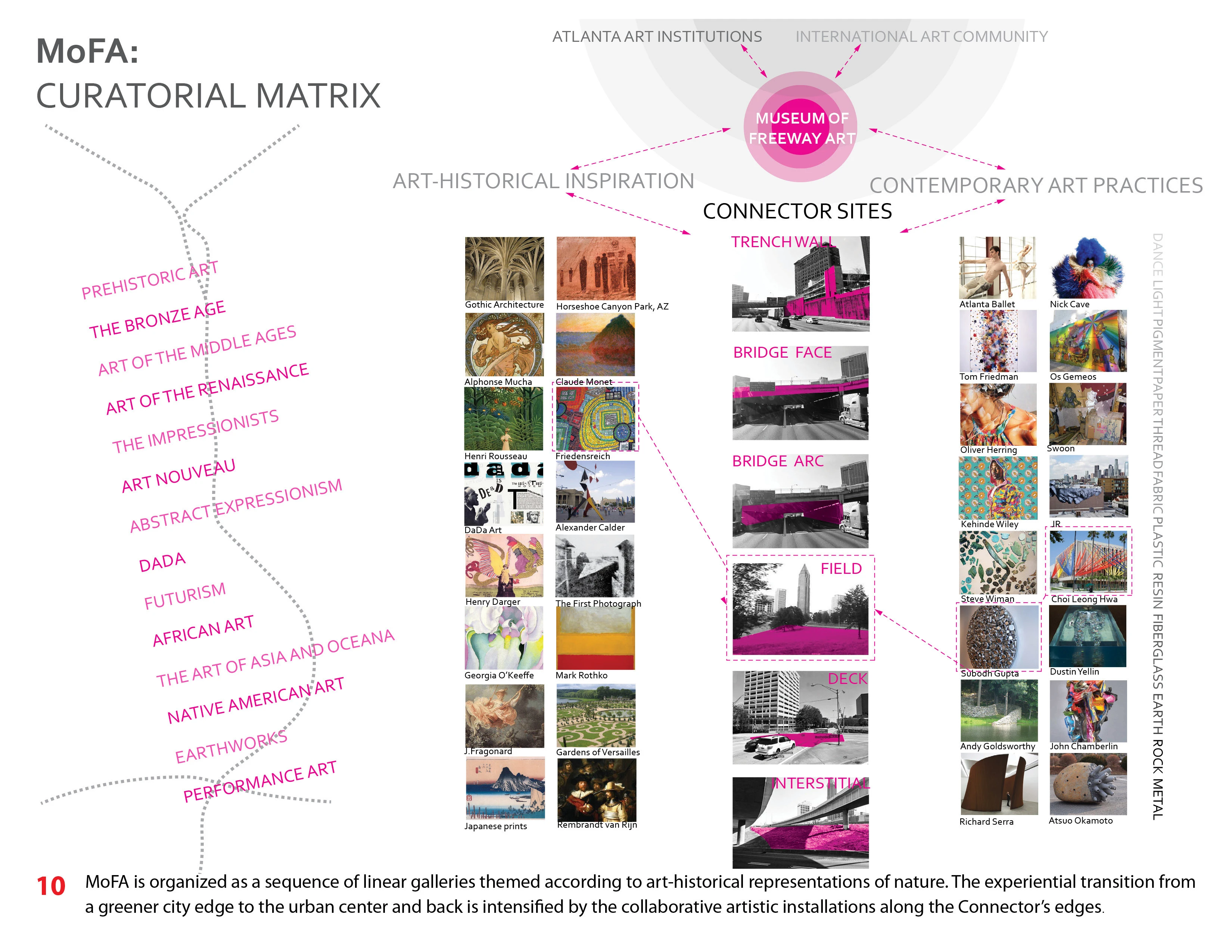
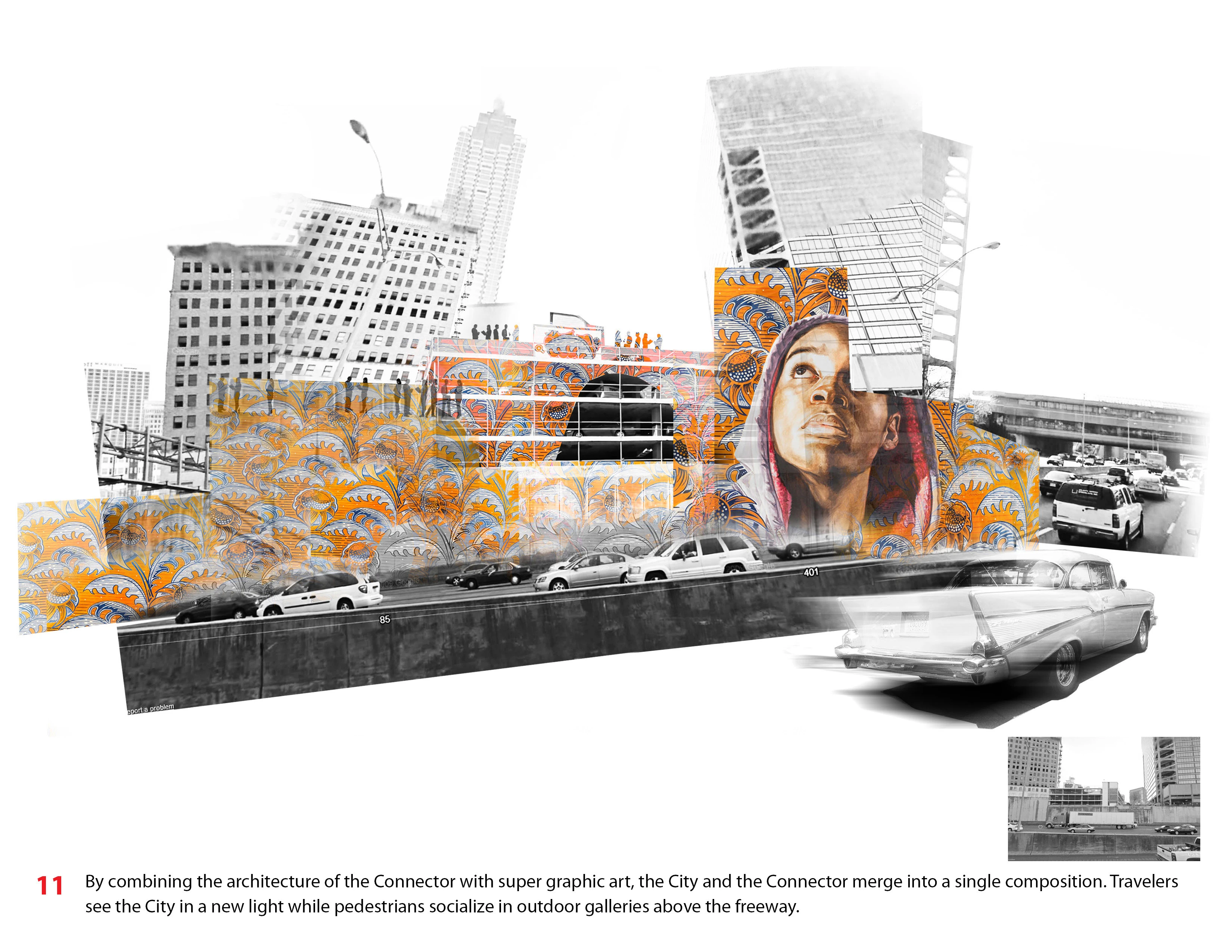
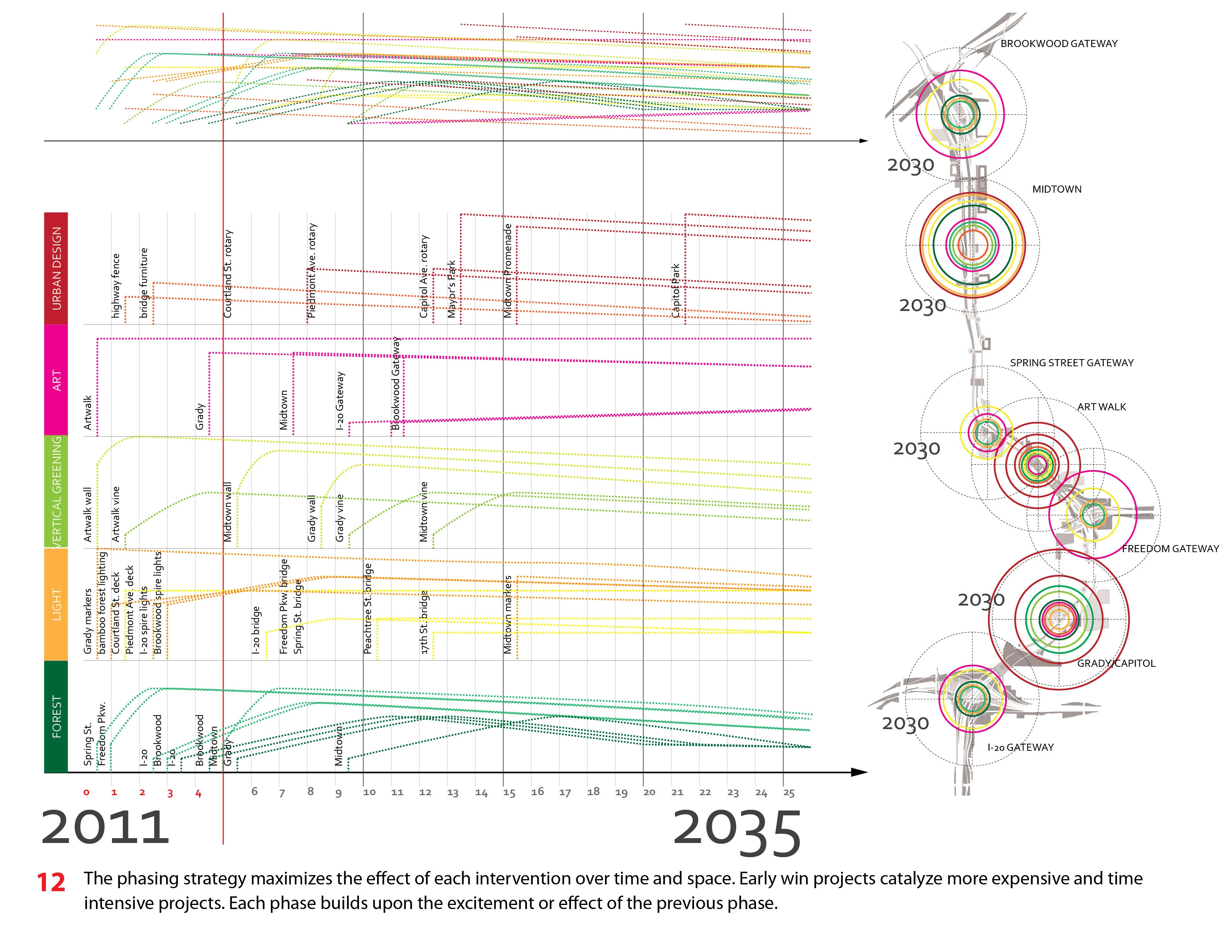
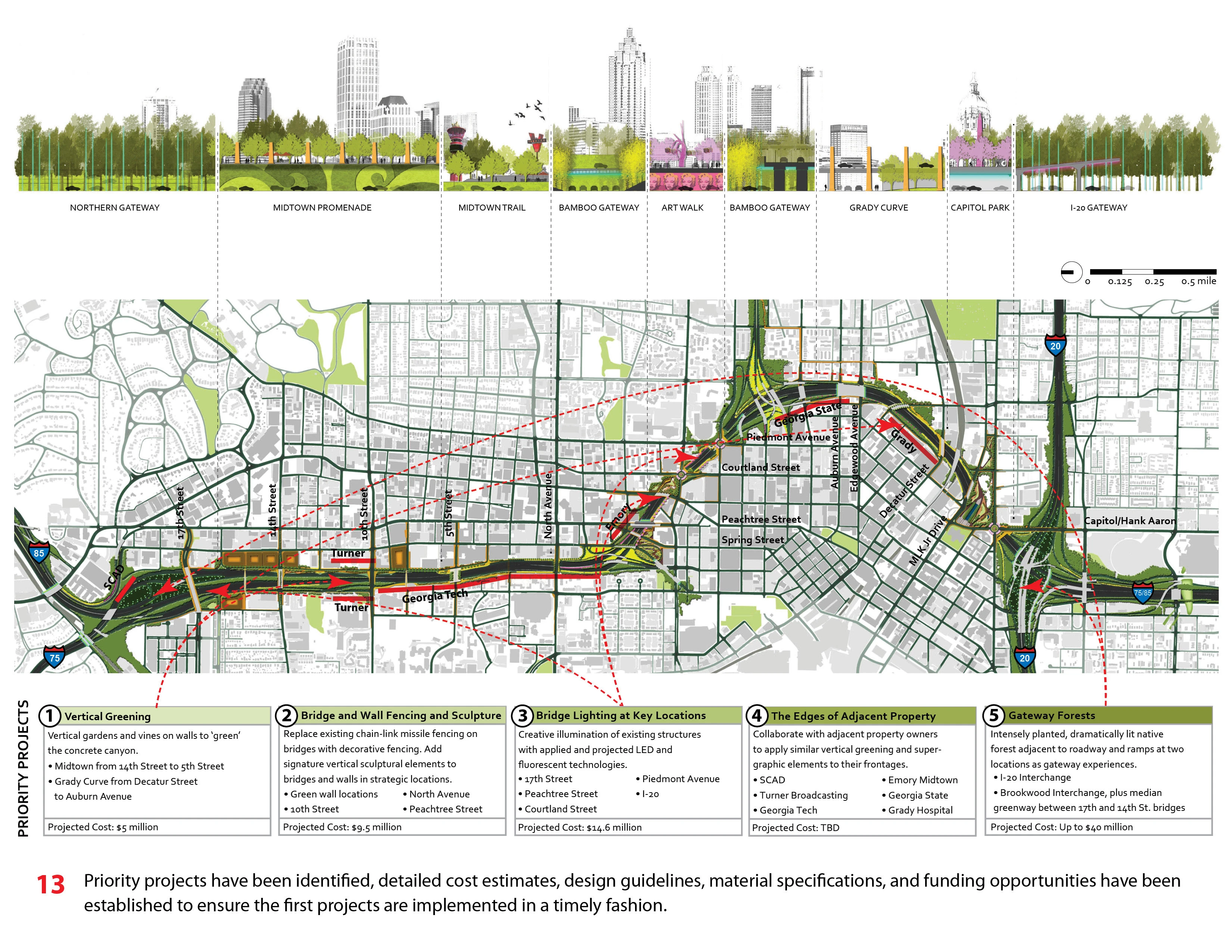
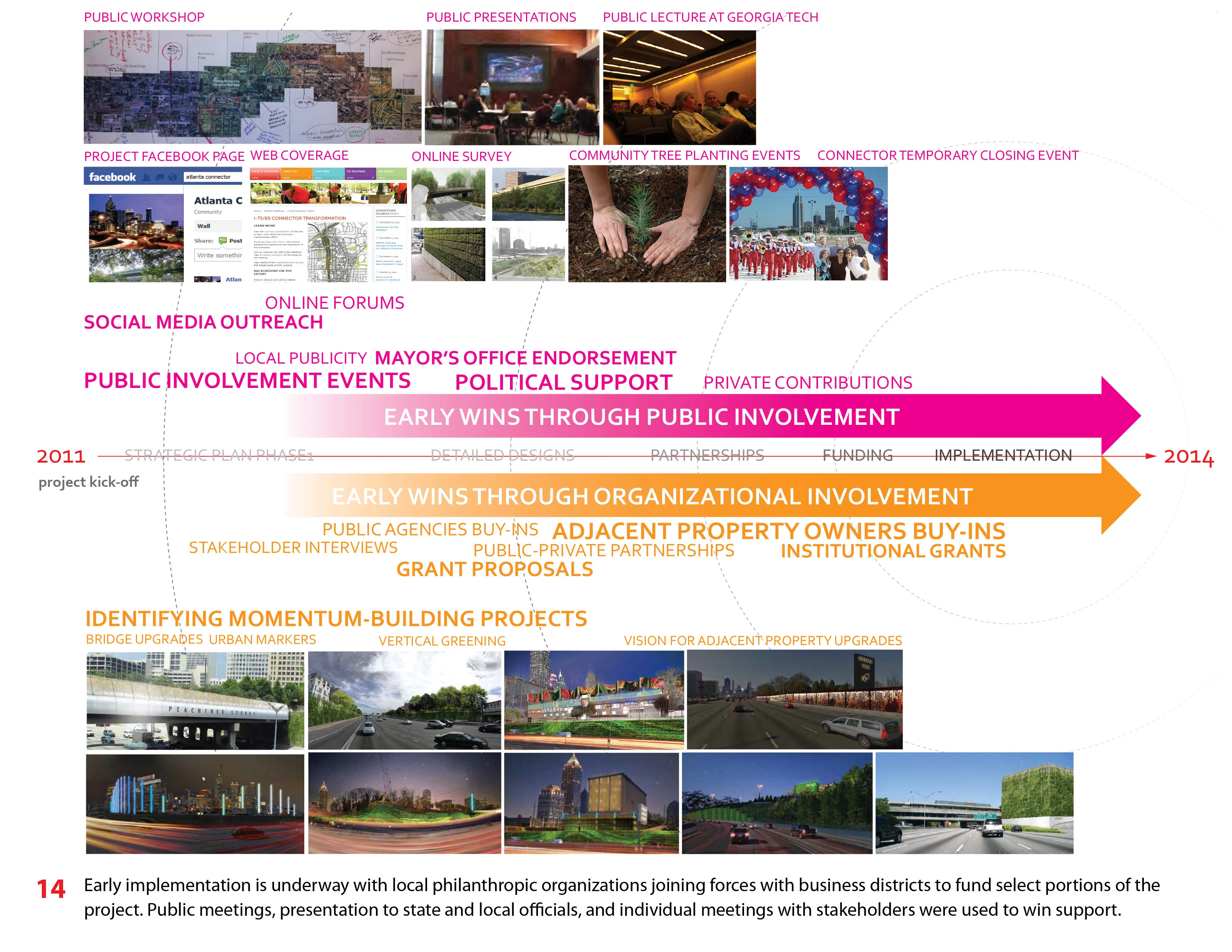
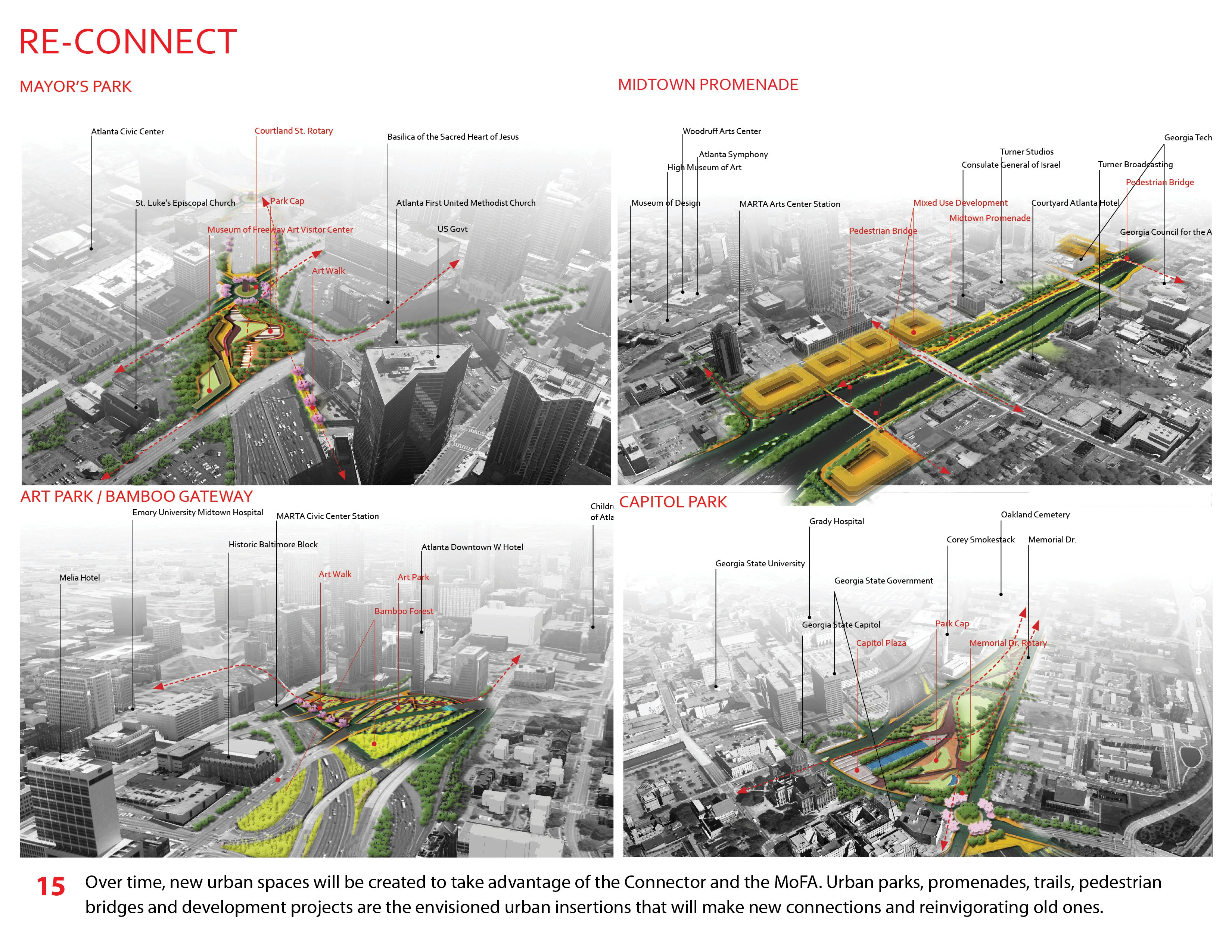
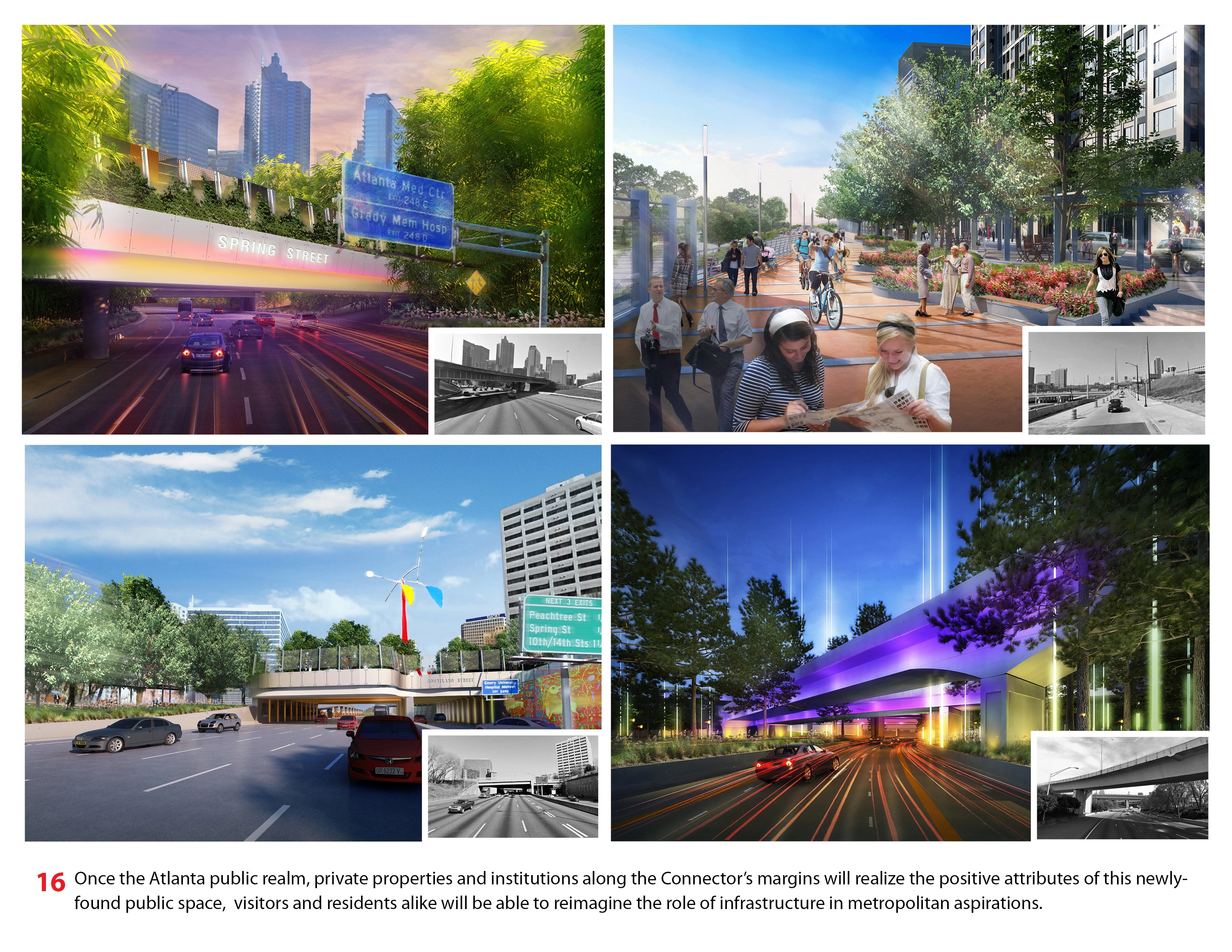
It's a combination of re-vegetating the freeway and providing some art. The art serves as landmarks that help people orient themselves. Also, this corridor is clogged all times of the day, and this would help people cope with having to sit there. And it’s very doable because Atlanta has a history of doing these kinds of projects.
Awards Jury
-
This project seeks to create a vision for repairing and reconnecting the core of Atlanta, while pressing the national discussion about the nature of highway infrastructure and its place in the city. By re-branding Atlanta's Interstate 75/85 Connector as a linear gallery, the "Museum of Freeway Art", the urban freeway is redefined as public space that becomes a catalyst for energizing its margins, the adjacent neighborhoods, and the city as a whole.
-
Background
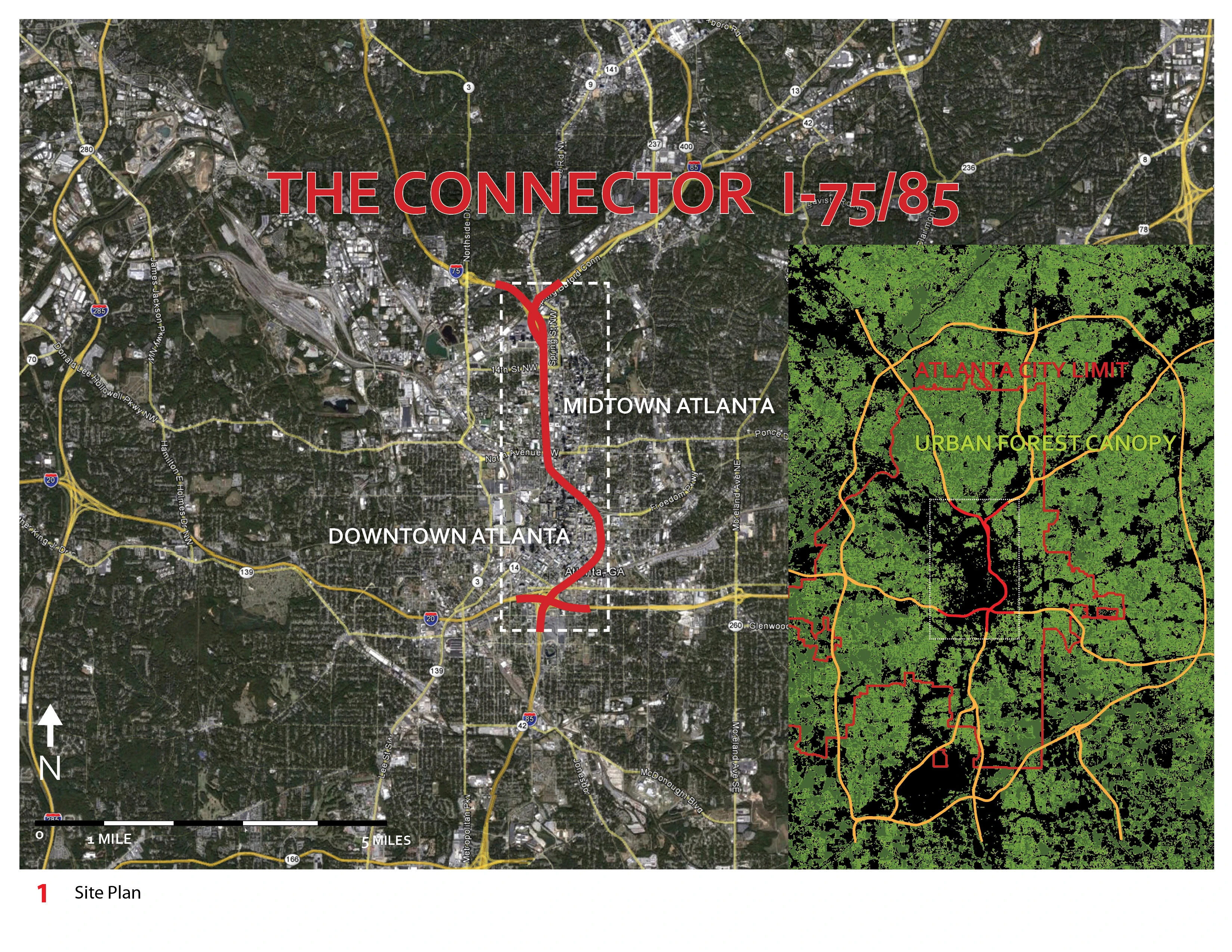
The project involved analysis and visioning for the five-mile stretch of freeway from the I-75/I-85 merge on the north end of Midtown Atlanta to the I-20 interchange near Turner Field south of Downtown Atlanta. This vast expanse of pavement carries 300,000 vehicles per day and is marked by aging infrastructure, concrete retaining walls, limited landscaping and maintenance and neglected properties along its margins. In its current state, the Connector creates a decidedly negative environment for the City of Atlanta that damages both the visitor's opinion of the City and its urban fabric. This in turn affects connectivity, transit ridership, tourism and, ultimately, tax revenues and jobs in the urban core. As the Connector was built and rebuilt over the last 60 years, it has slowly taken on a character that is divorced from the aspirations of the City of Atlanta. The well-tended streetscapes and parks of Downtown and Midtown Atlanta are absent from the Connector's visual fabric. Academic institutions that line the Connector (Georgia Tech, Georgia State, Emory, SCAD) have turned their backs on what could be Atlanta's front door. A DMZ-like zone of garages, vacant lands and service drives has emerged between the Connector and the City it intends to service.
Analysis
Because of the realities of transportation funding, the project will not seek to make the Connector disappear; rather it will use the Connector as a transformative piece of the City's open space network. The freeway becomes mixed-use infrastructure that is perceived and embraced as public space.
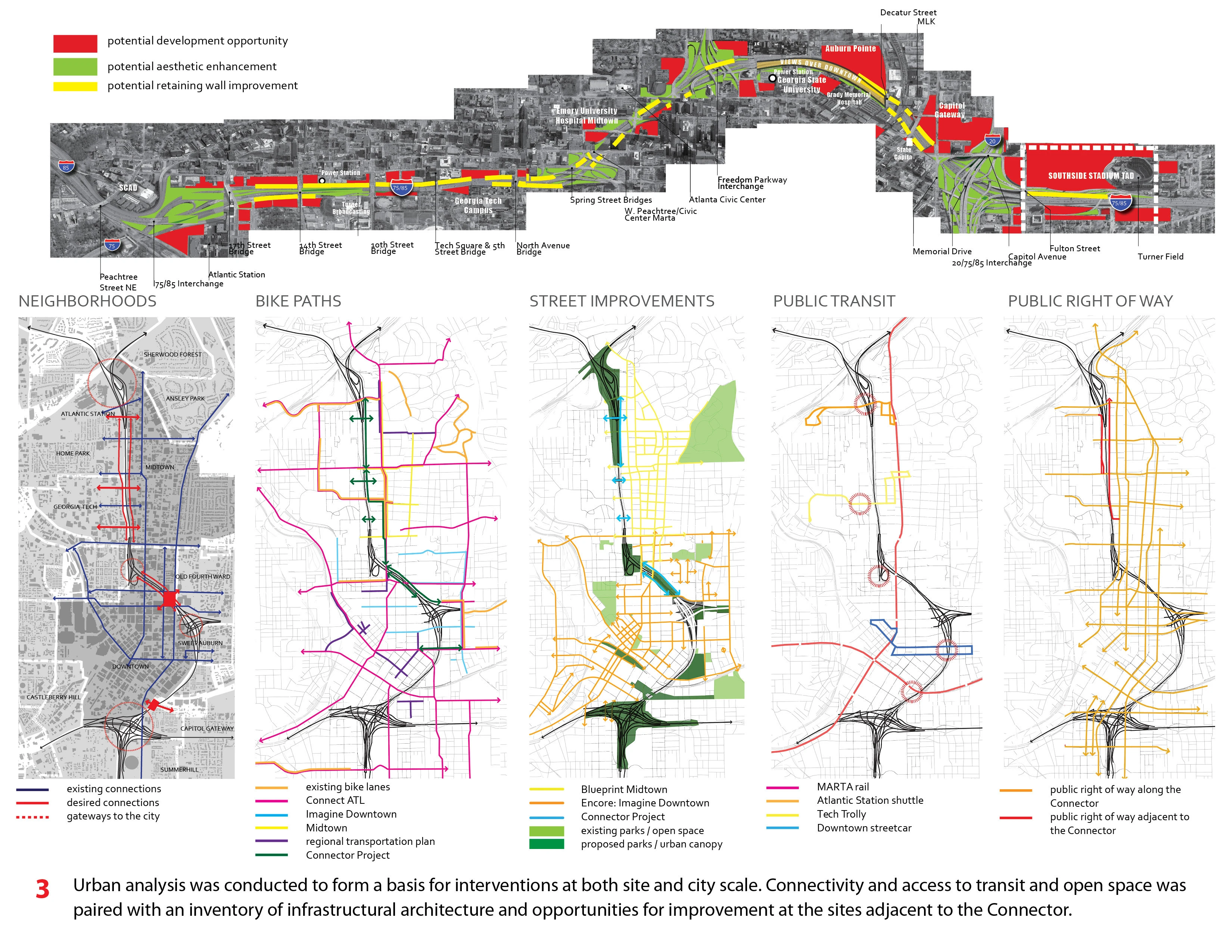
The design process began with an analysis of the environmental and ecological issues associated with the existing condition of the Connector. Environmental issues were assessed along with visual continuity, safety and connectivity. The results of these analyses were diagrammed and used to guide design solutions.
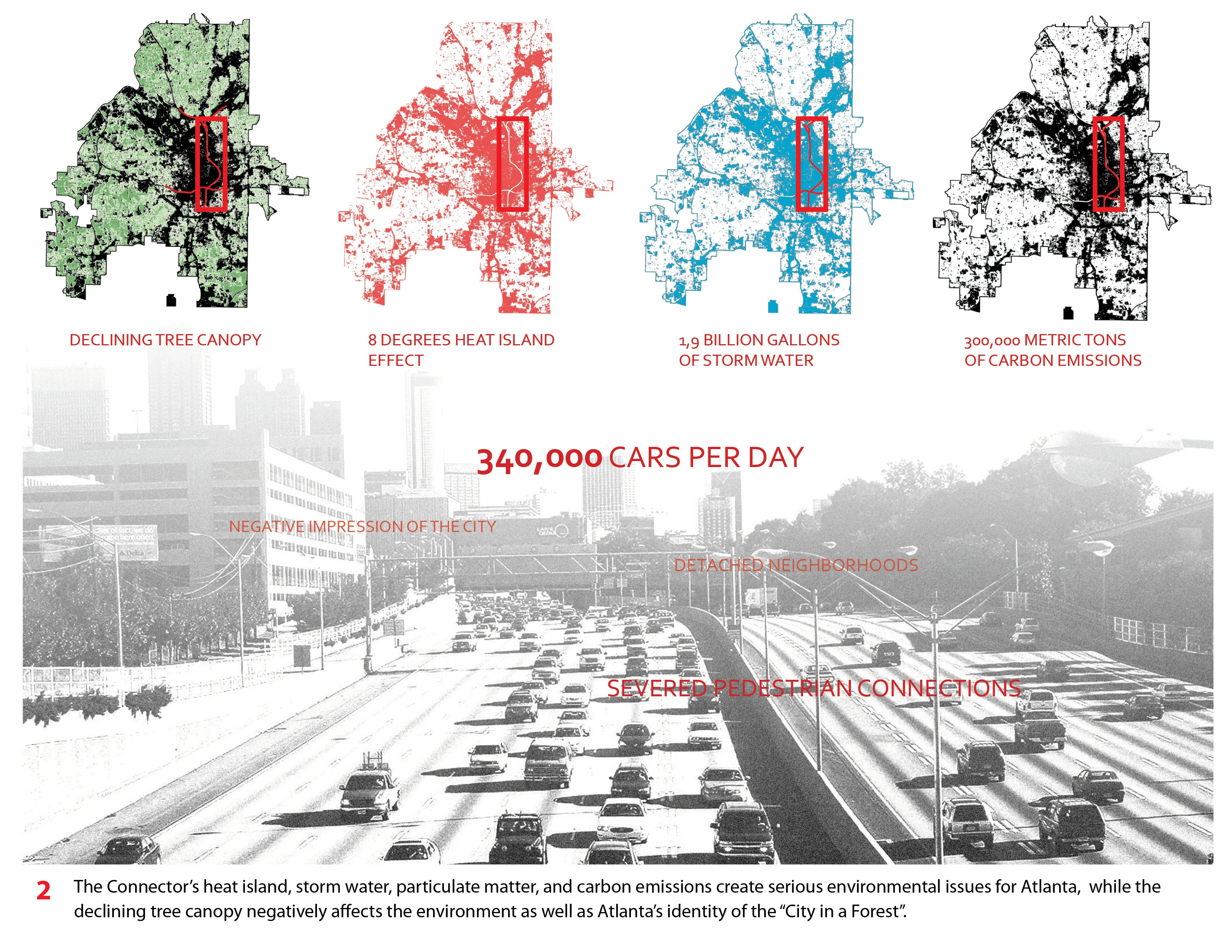
Atlanta suffers from an 8 degree heat island effect, the highest in the nation. Over 1.9 billion gallons of unfiltered storm water are created each year by the Connector's paved surfaces. Downpours routinely flood the Connector making it impassable. Three-hundred thousand metric tons of carbon are created by vehicles traversing it. Aside from these environmental impacts, the Connector has created serious connectivity, health, safety and urban design problems. Historic neighborhoods are isolated, pedestrian routes severed and access to MARTA detached.
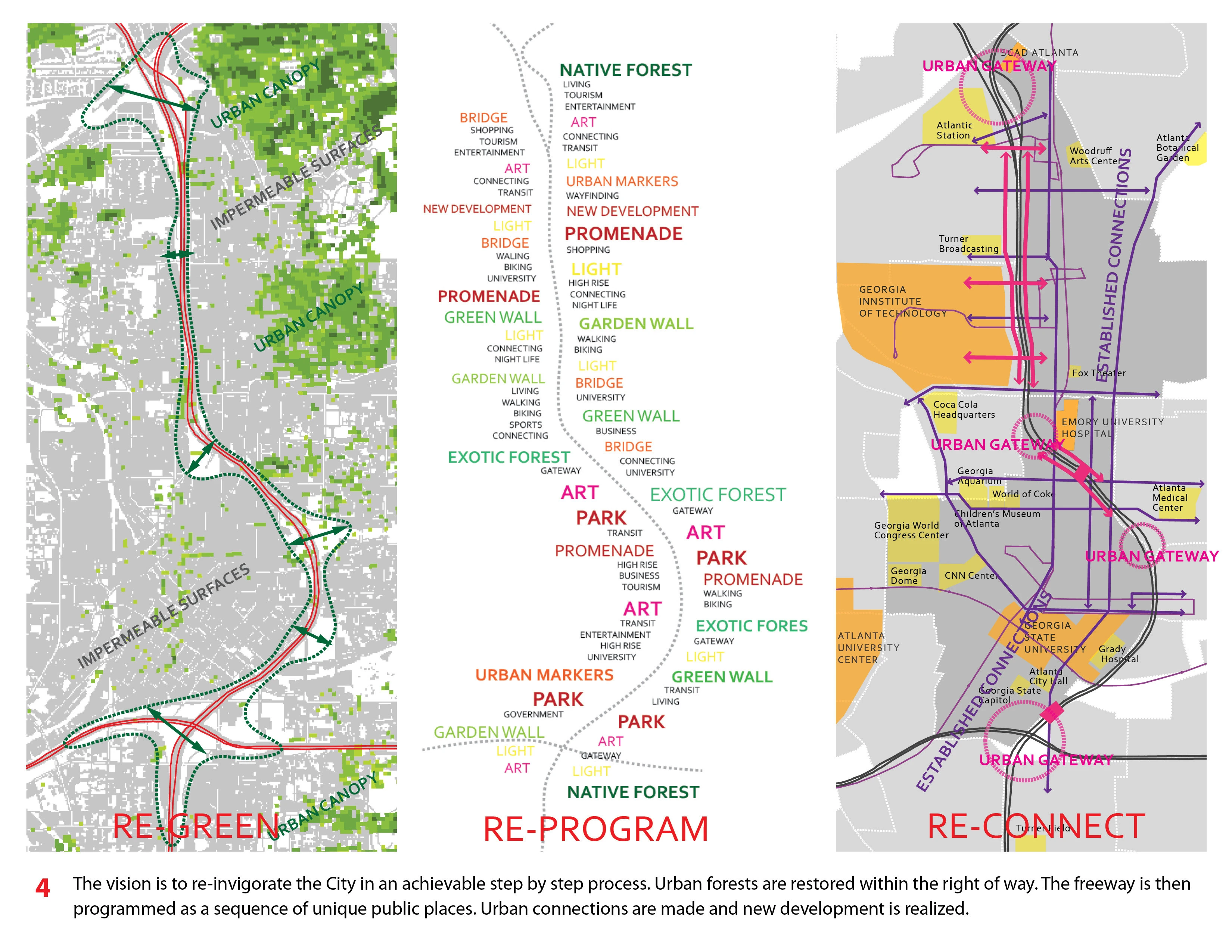
Goals were set by using analysis metrics as a point of departure for the ultimate design solution. Paving would be reduced to minimize heat gain and reduce storm water runoff. Newfound and existing permeable spaces would be used to rebuild Atlanta's dwindling urban forest. Bridges, promenades and parks would be built across and along the Connector to increase urban connectivity.
An ecologically meaningful project also had to fit into the specific context of the City of Atlanta, its rich history and aspirations. A cultural analysis and inventory was created to guide the design toward solutions and forms that would resonate with the population and build upon the Connector's nascent positive attributes. The result infused ecology with the striking and legible design forms of art and culture. Thus the Museum of Freeway Art (MOFA) was born.
Design Elements
The core strategies that will be employed along the length of the Connector involve greening, art, light and, ultimately, urban design interventions. These strategies are used to modulate and recalibrate the existing infrastructural surfaces of the freeway in a manner that adds depth and meaning to Connector experience, and by default, the visual—and physical—experience of the City.
Greening strategies form the foundation of the transformation. The permeable spaces along the Connector's margins and within its immense interchanges will hold a vibrant, robust and legible urban forest canopy. Urban forests will be crafted to create gateways at the north/south entries into Atlanta's urban core. The forests will follow threads of unused open space into the heart of the City, enhancing views, hiding vacant properties and forming a medium through which the City is viewed. Where space or safety considerations limit the inclusion of forests, vertical greening strategies will be employed to continue the thematic greening of the Connector and the City. While these greening strategies will have a nascent effect on regional sustainability and clean air initiatives, they are not seen as offsetting the intensely negative effects of the 300,000 vehicles using the Connector daily.
Selected art will transcend traditional labels with all elements, greening, lighting and art, working together to create the Museum of Freeway Art (MOFA) – a first-order art tourism destination whose mission is to transform the Atlanta Connector and the national appreciation of art in the public realm. The museum is created by co-opting the complex spatial character of the Connector as a museum space crafted with both the high-speed traveler and the neighborhood viewer in mind. Retaining walls, bridges, tunnels and the furnishings of the Connector become a framework of museum walls and spaces. Super-graphic murals, lighting effects, slow-motion video and sculpture will be used to highlight the natural and cultural history of Atlanta. Like its peer museums and cultural foundations in Atlanta, MOFA will have a permanent collection, membership, a board of directors, a national level curator and a museum shop. By refocusing the conversation about the Connector from that of freeway to a museum space, a much richer, intensive and transformative design solution can be achieved.
Over time, new urban spaces will be created above and along the Connector that seek to take advantage of the Connector and the MOFA. Urban parks, promenades, trails, pedestrian bridges and development projects are envisioned as a series of urban insertions that ripple through the City fabric, making new connections and reinvigorating old ones. An art walk is designed to hang above the Connector walls and connect the City to the museum while playing up the change in perspective of the museum between the car and the pedestrian.
The Process
During a six-month period between May and October 2011, the planning process involved monthly meetings with two advisory groups and a series of public involvement events and opportunities. A Leadership Team of high-level decision makers worked in tandem with a Creative Team of local design professionals to provide strategic advice on design and implementation. Additionally, outreach efforts employed social media and included frequent interviews and workshops with key stakeholders, public institutions, local government, landowners, business interests and the public. The process created significant “buzz” and resulted in an outpouring of public interest and support for the project. The project's final document included detailed inventory and analysis of the Connector and adjacent properties. The design work and recommendations were built upon this data and informed by the public and stakeholder involvement process. In addition to the grand vision outlined in the plan, the consultant also created detailed design guidelines and cost estimates aimed at early-win projects that could be quickly funded and implemented. Early implementation is underway with local philanthropic organizations joining forces with business and government entities to fund specific projects.
-
Design & Construction Team
Landscape Architect of Record
SWA GroupClient
Midtown Alliance and Central Atlanta Progress / Atlanta Downtown Improvement DistrictProject Team
Kinder Baumgardner, ASLA, Lead Designer
Natalia Beard, Affiliate ASLA
Jessica Bacorn, ASLA
Jessie Carvajal
Jenny Janis
Jiyoung Nam
Michael RobinsonSub-consultants
Urban Collage - Analysis and Inventory
Urban Design
Ian Cion - Art and museum consultant
Advertisement
Related Awards
Award of Excellence, ANALYSIS AND PLANNING
Rethinking Taj Heritage Corridor: A River as Historic Connection
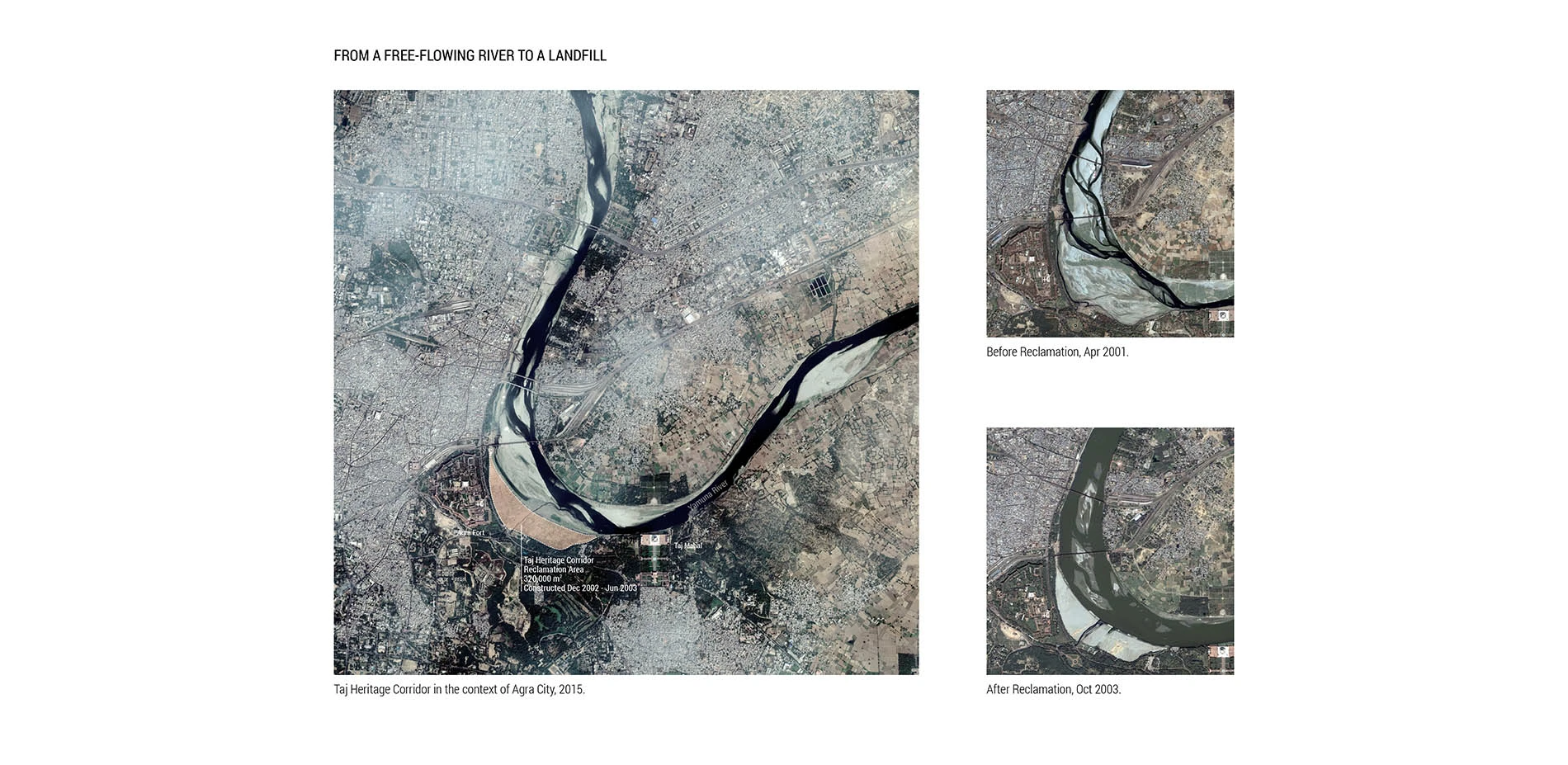
Locates between Taj Mahal and Agra Fort, this proposal on Taj Heritage Corridor aims to reestablish the image of riverfront that was destroyed during the problematic reclamation project in 2002-2003. By creating a recreational water treatment canal along the original river bank, a landscape urban infrastructure is proposed to visually connect the city's scattered historic riverfront monuments and create public space for both tourists and local community. With a full respect of the silently mi