
.webp?language=en-US)


Sunnylands Center & Gardens
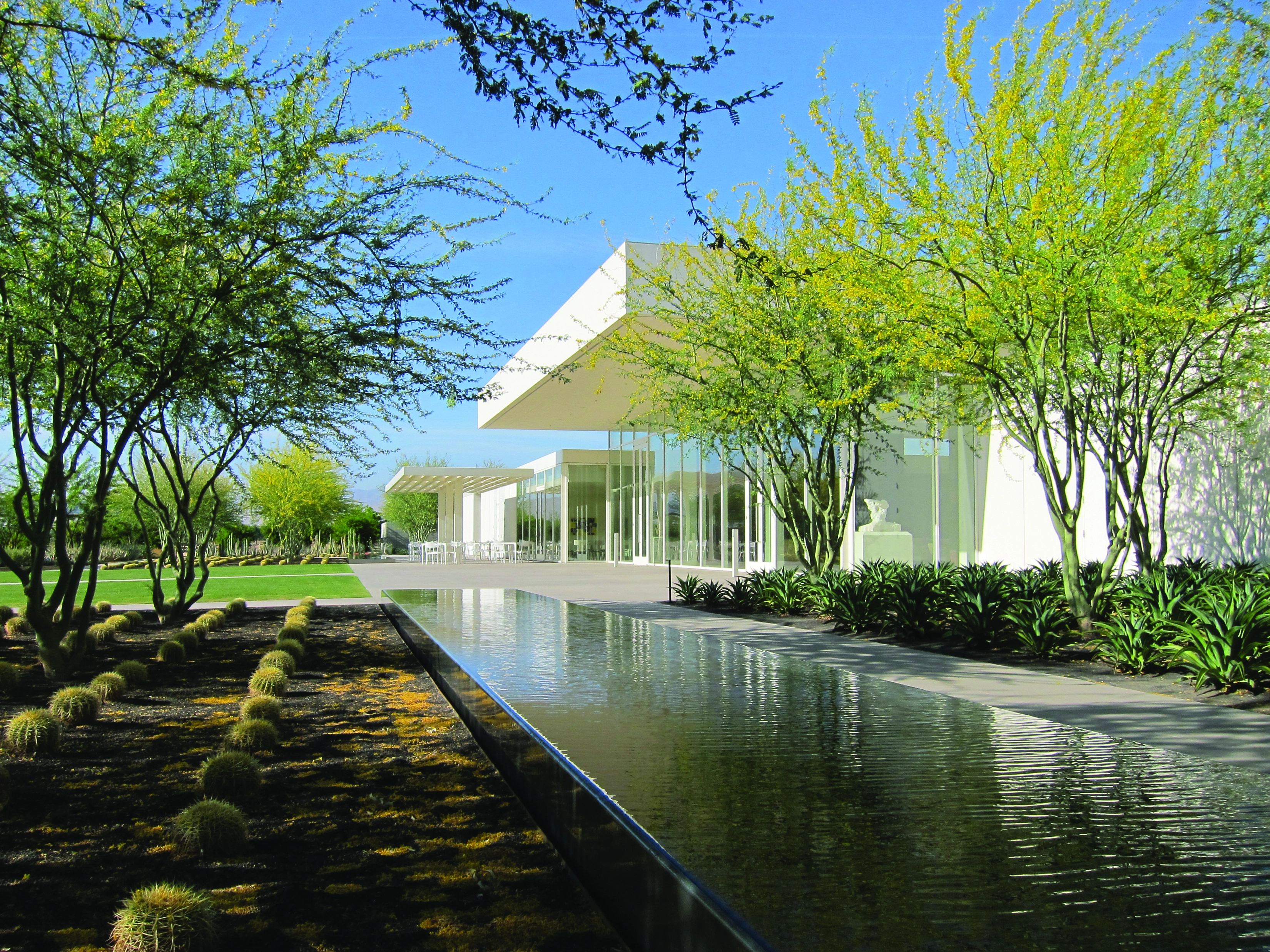
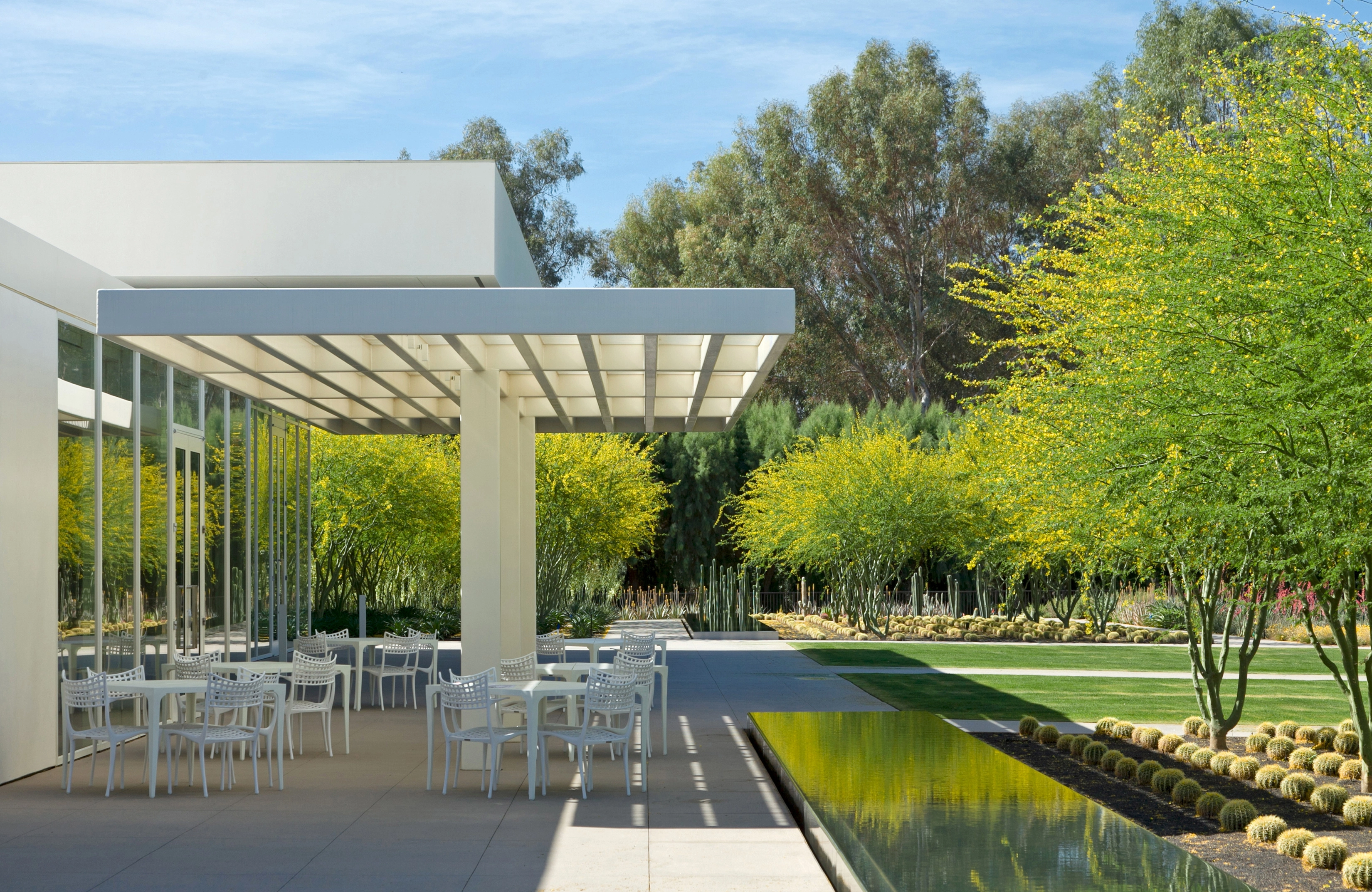
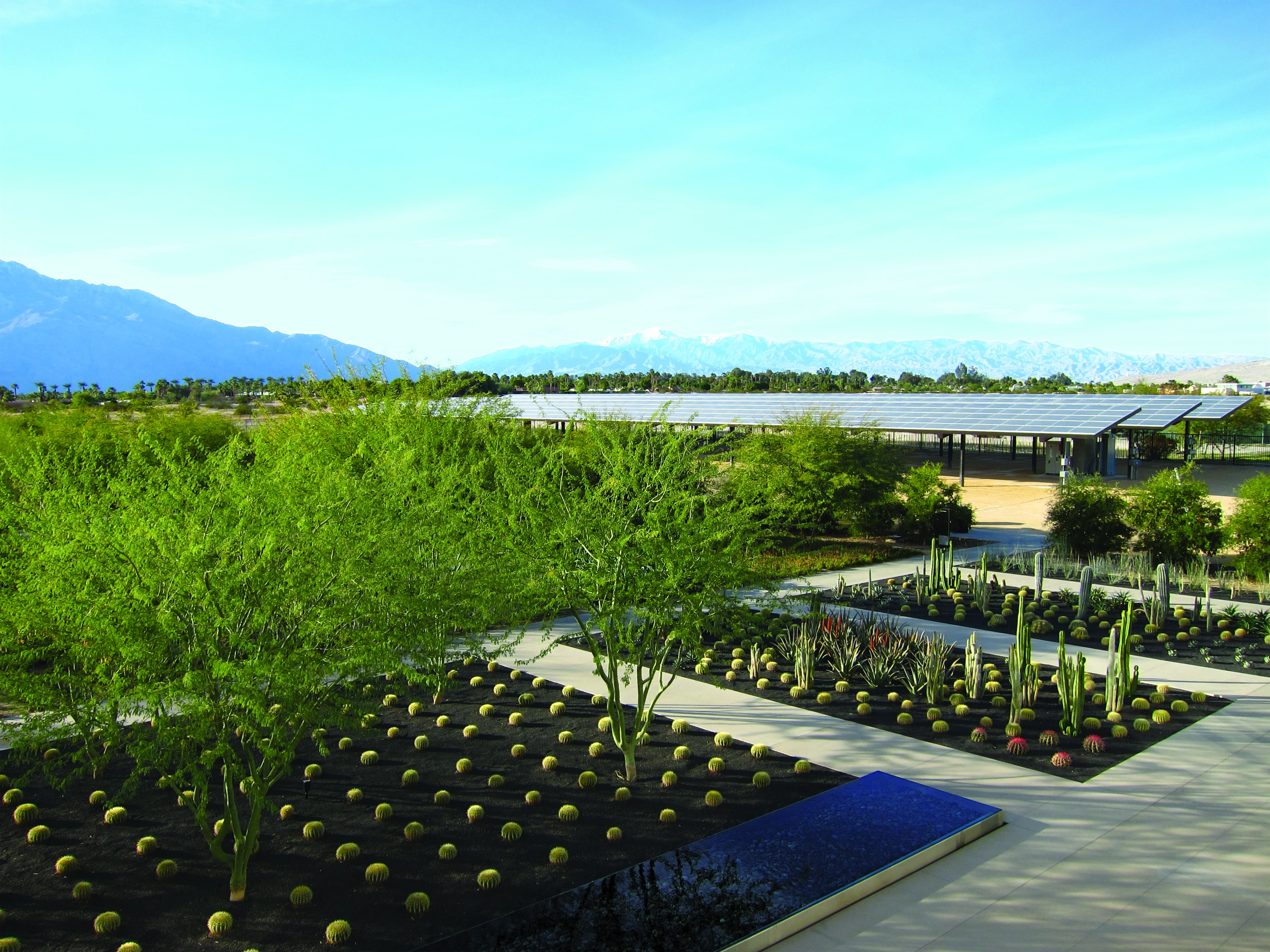
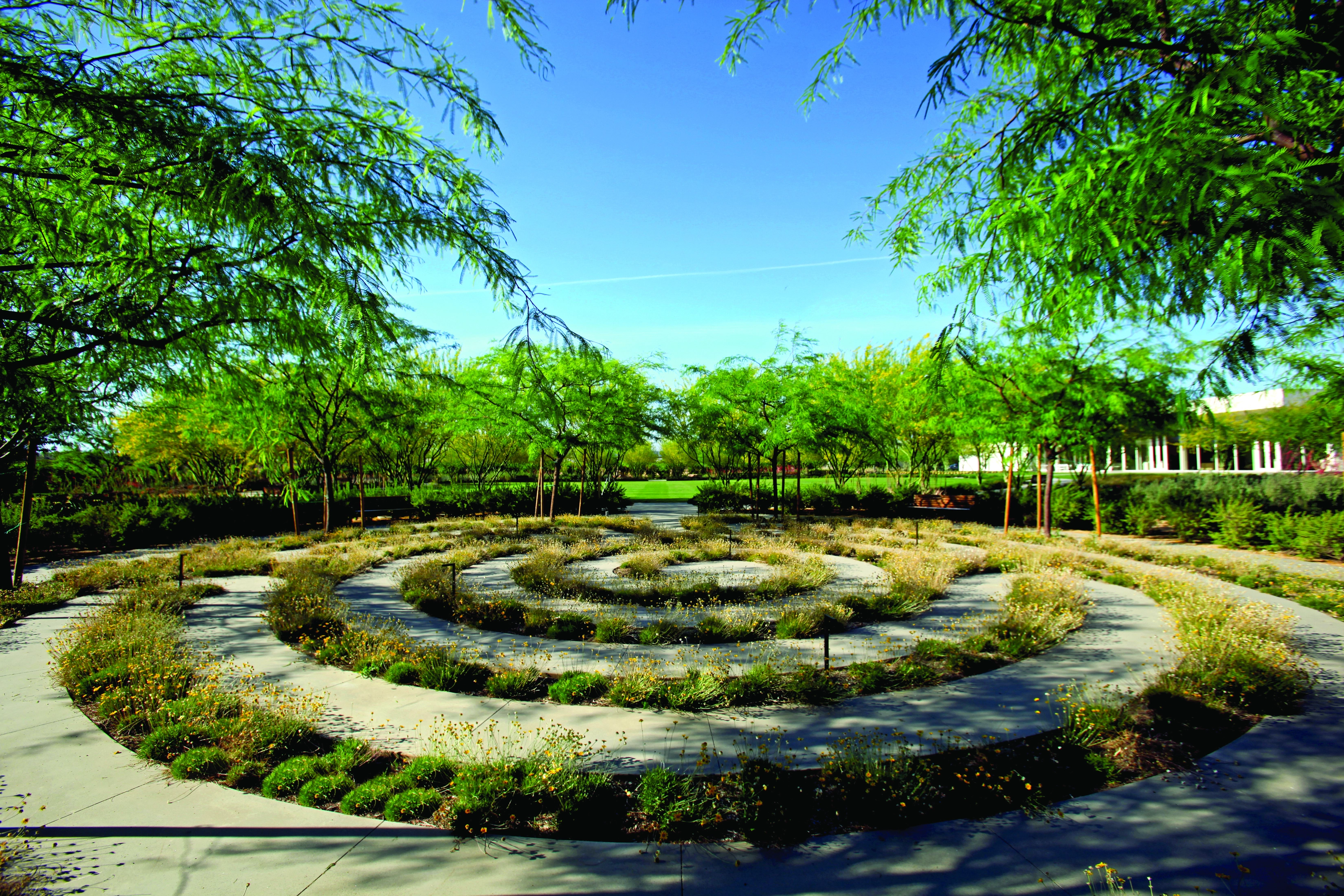
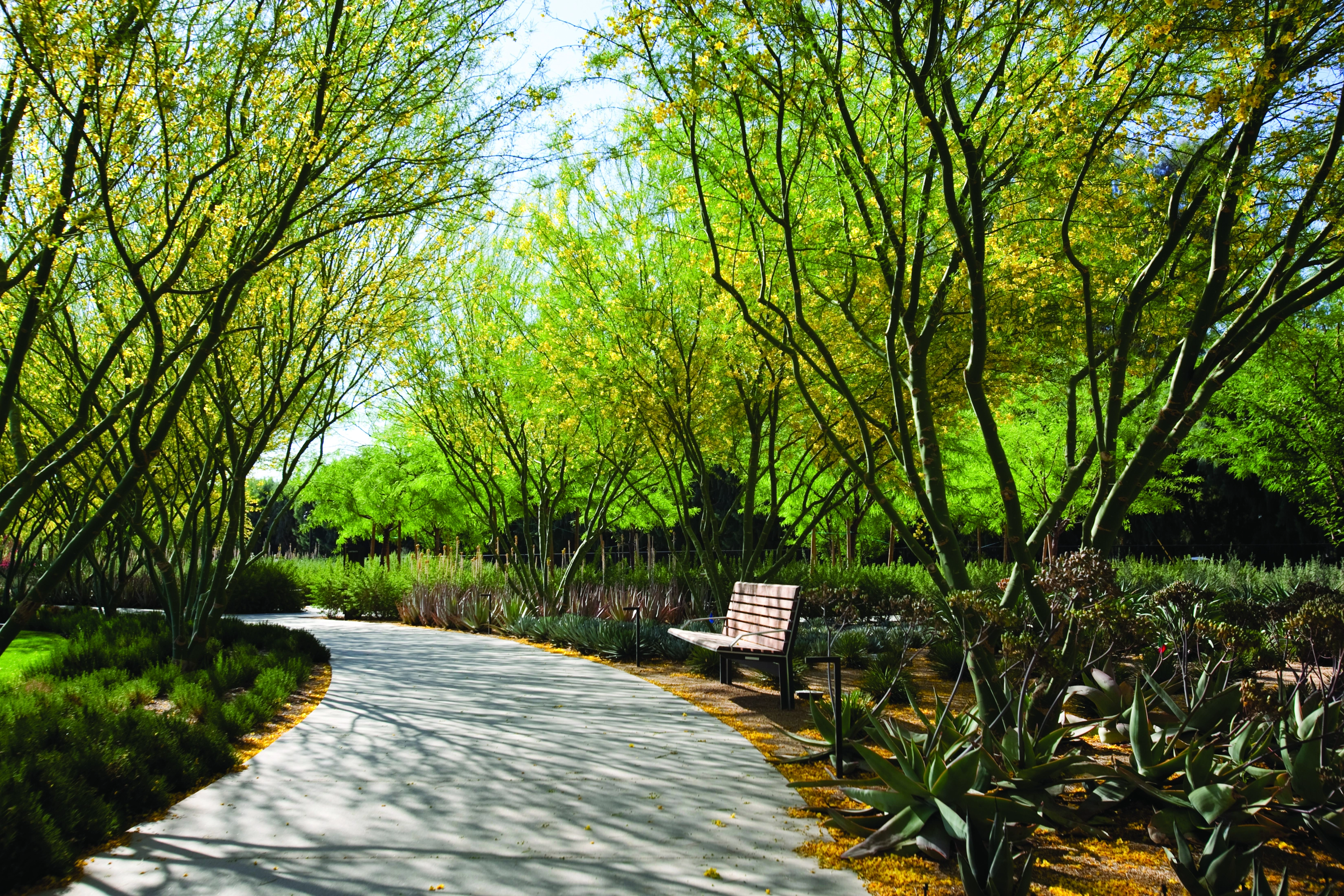
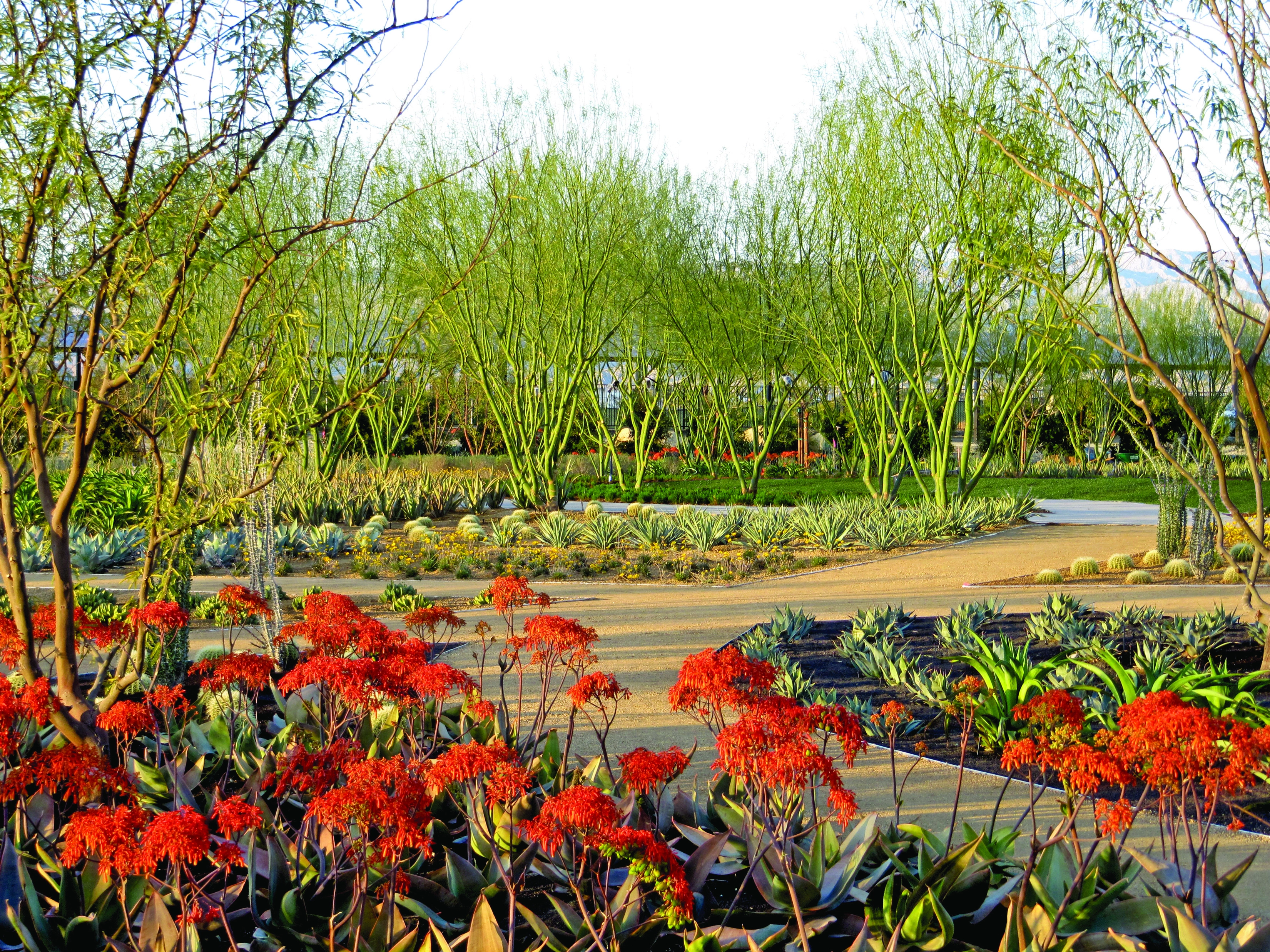
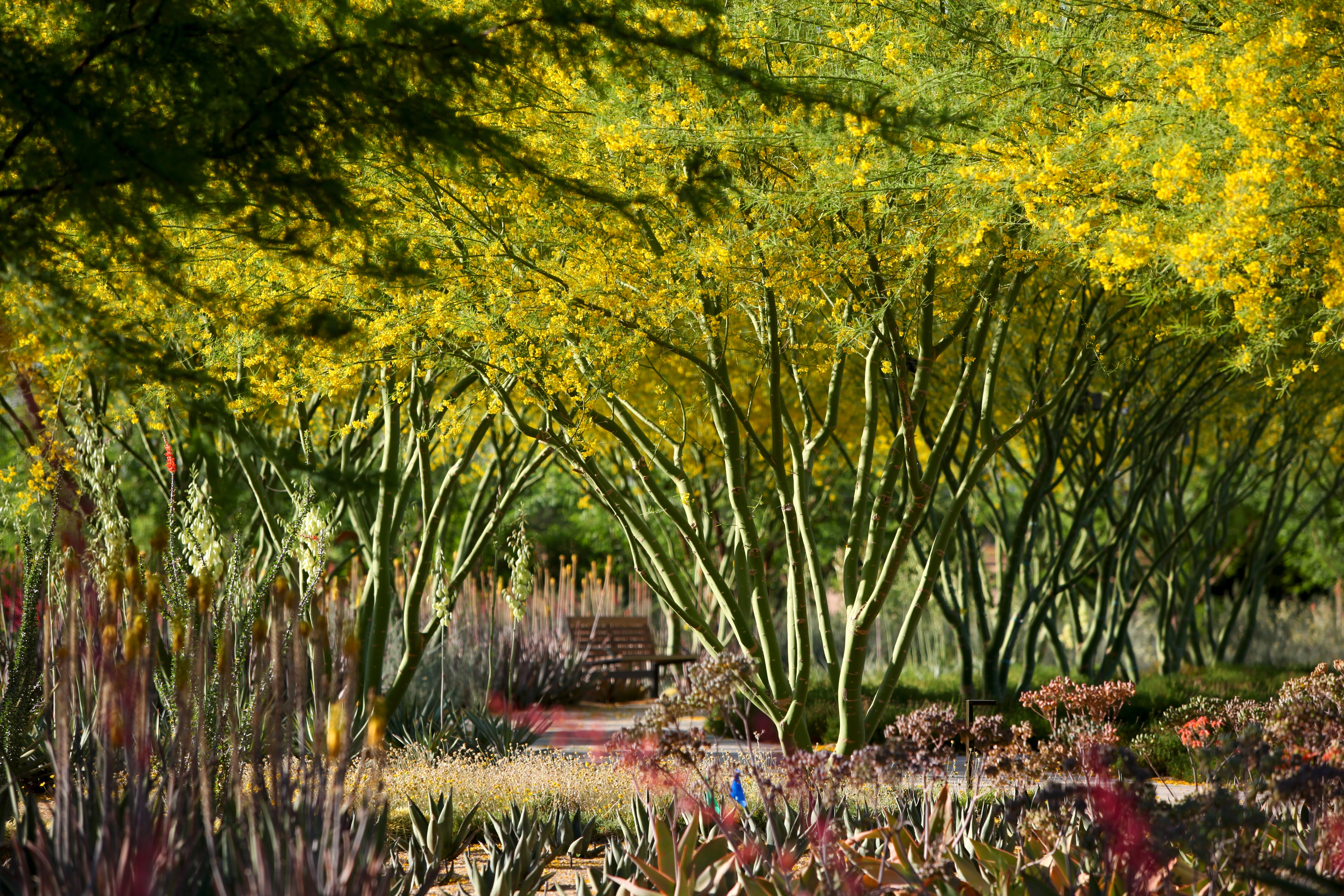
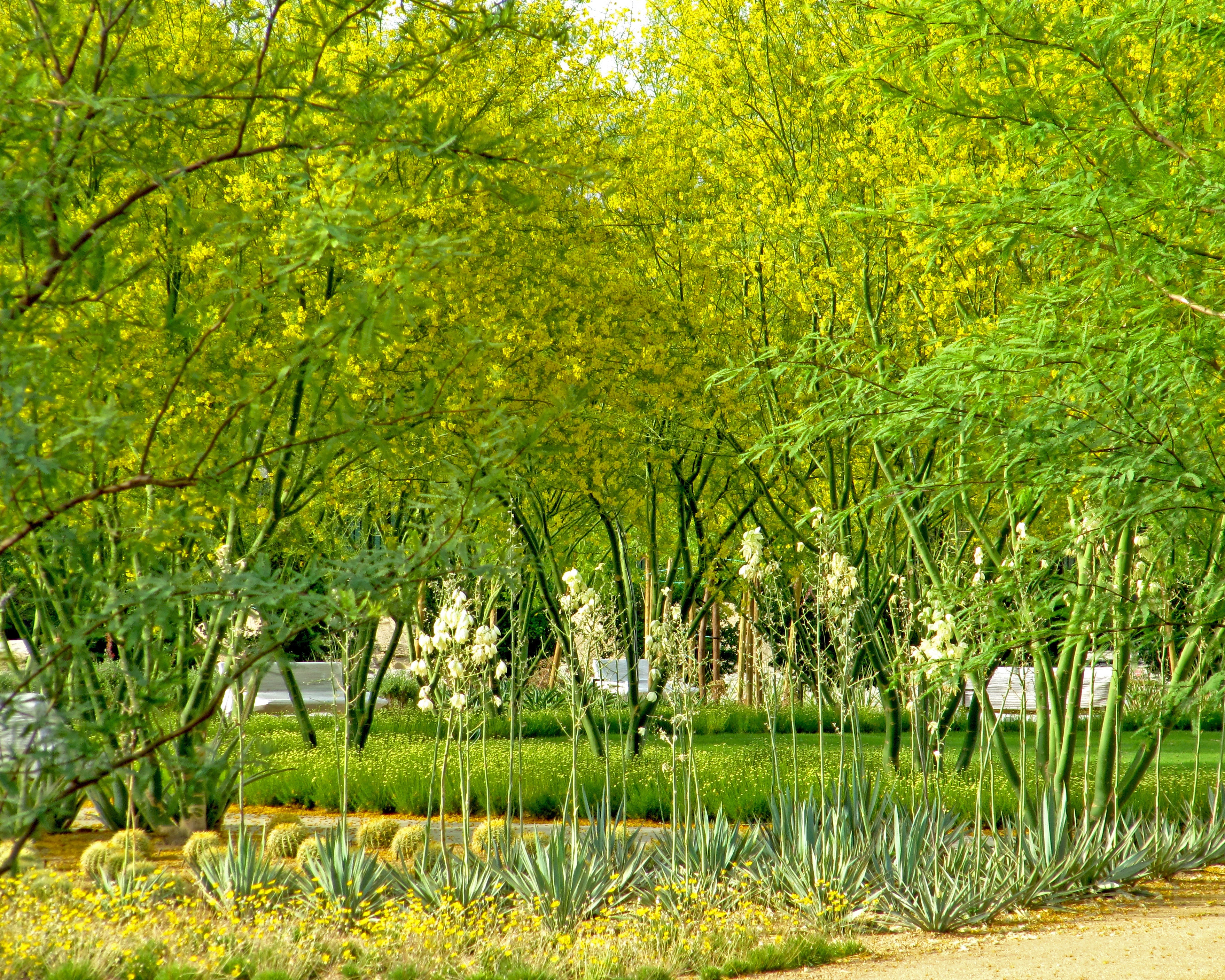
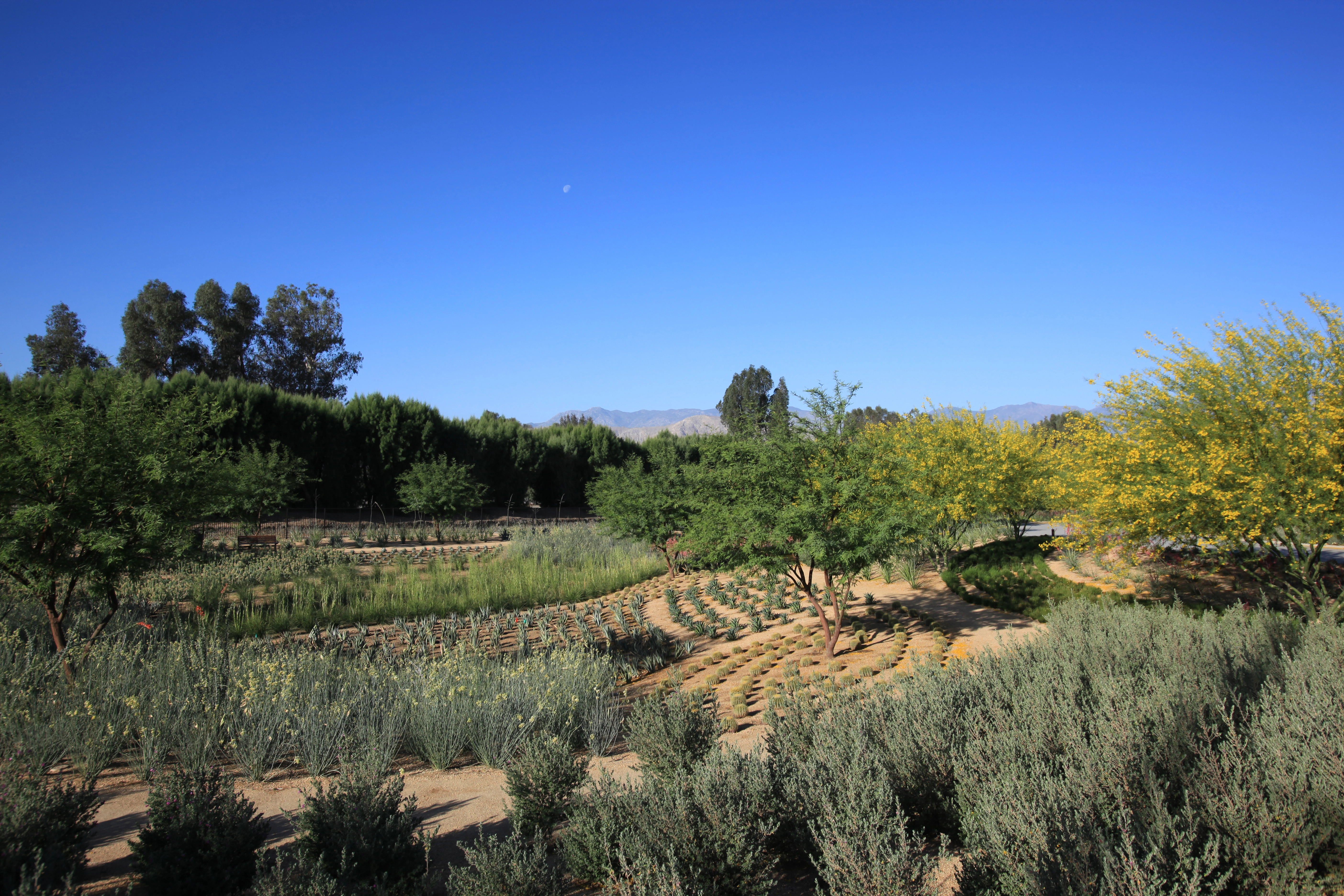
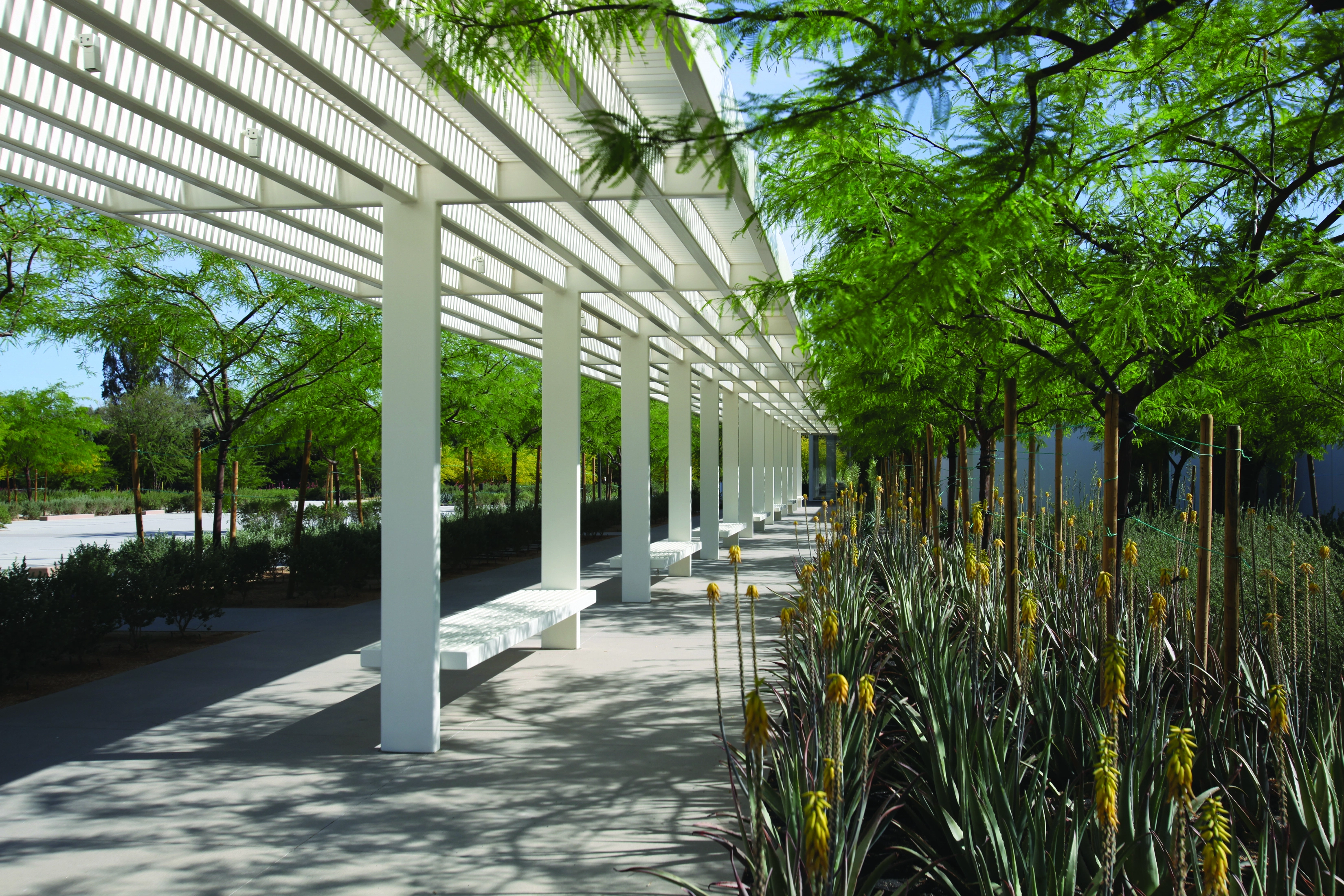
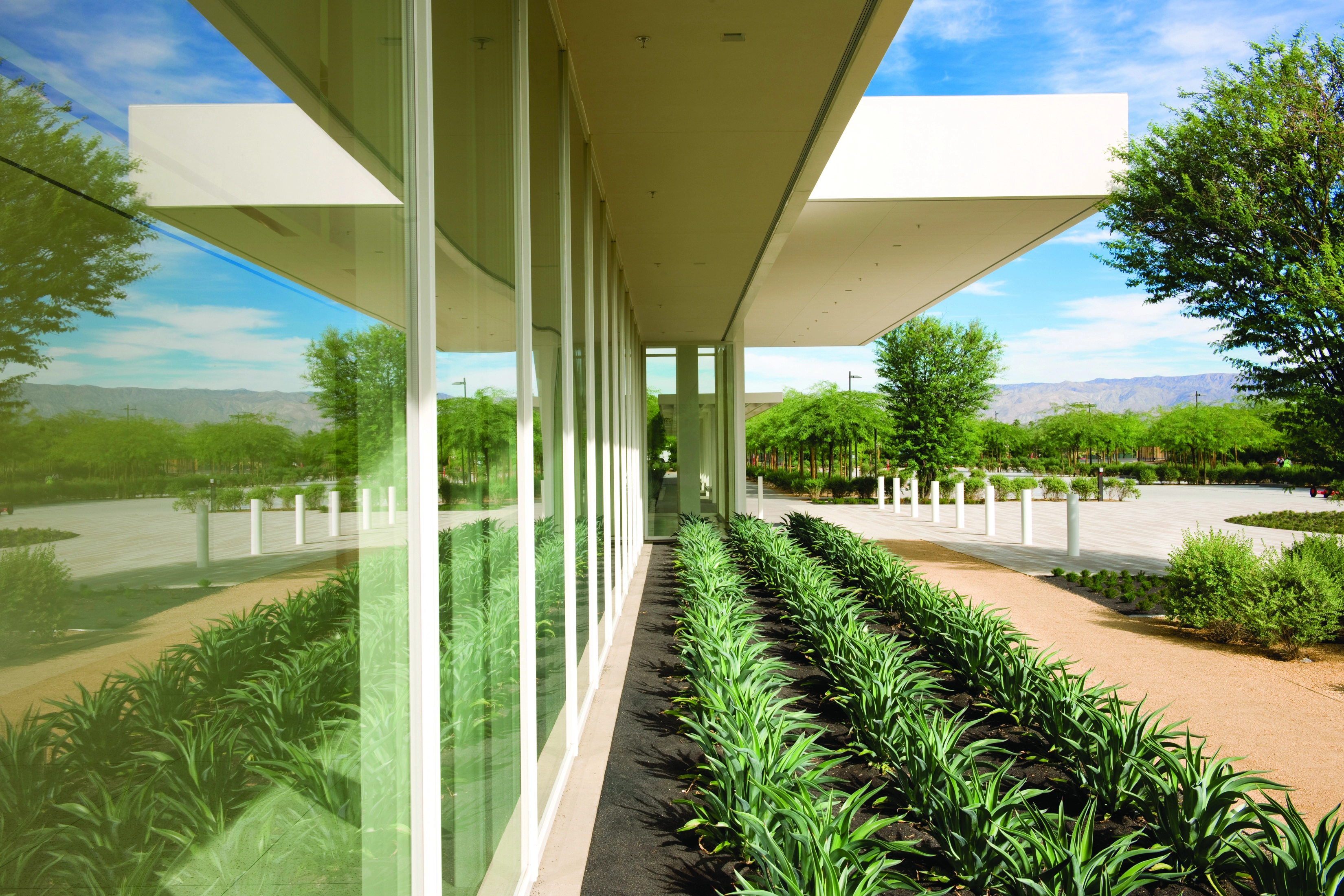
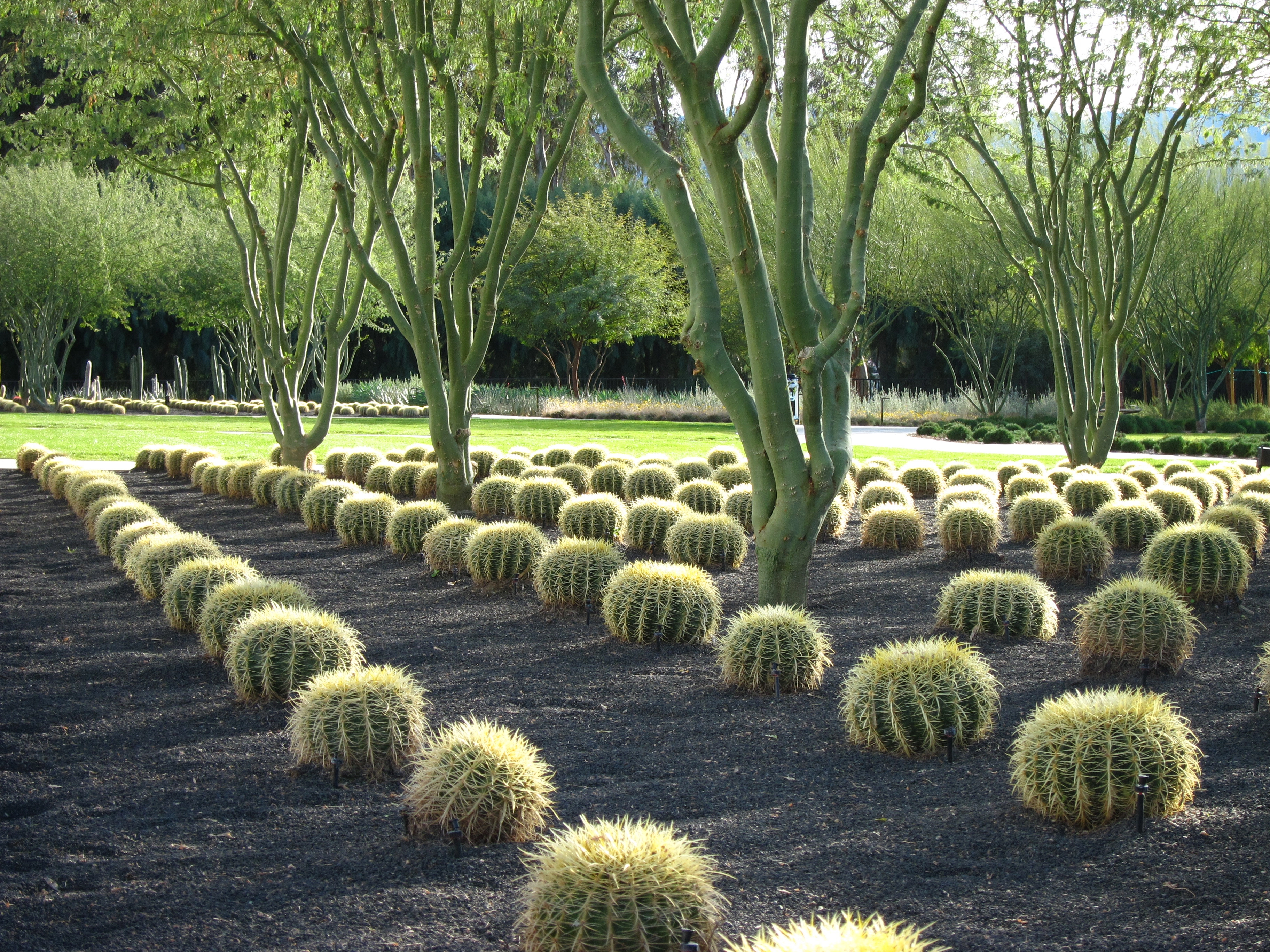
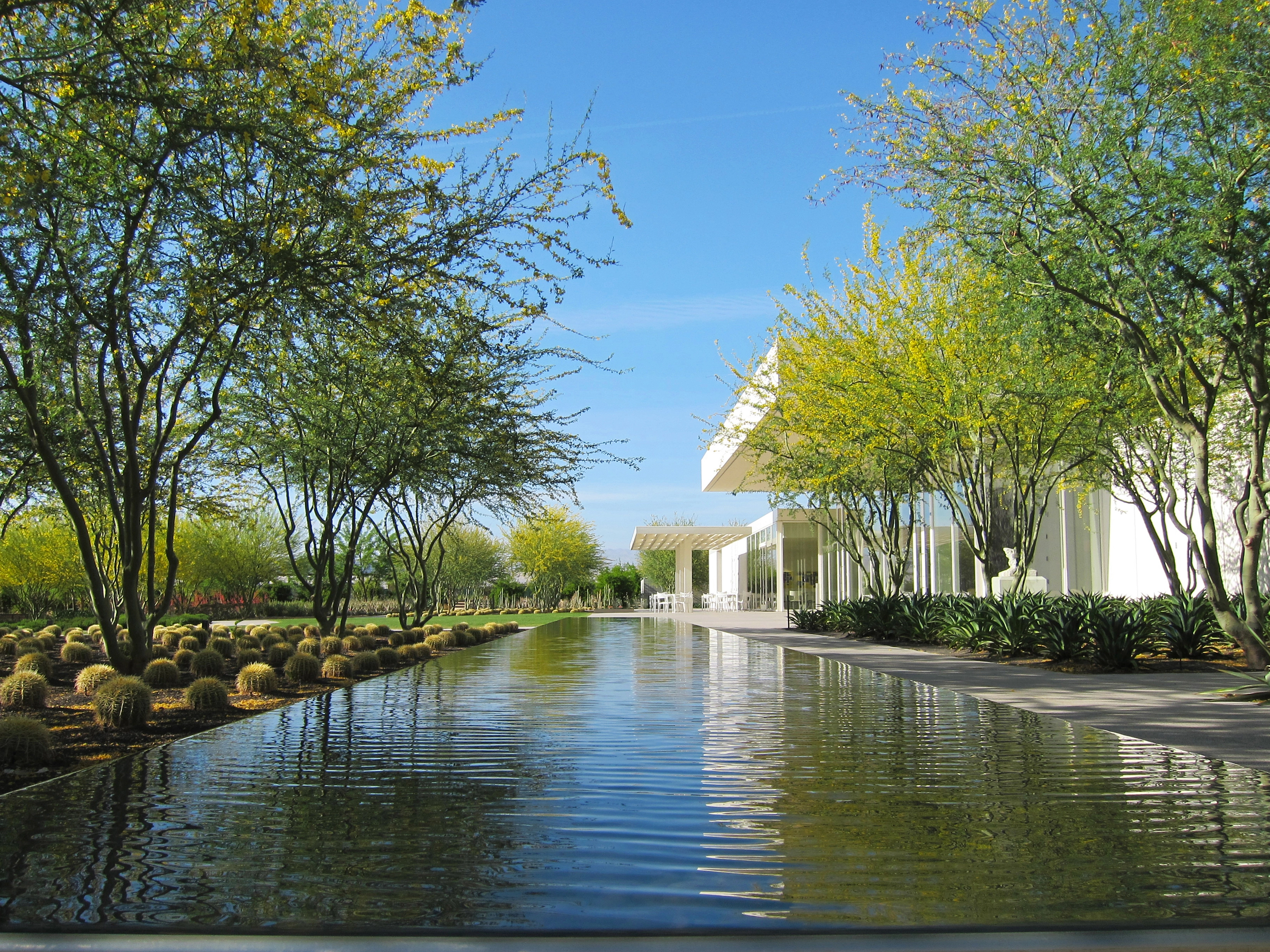
This is all about the plants and they are spectacular, adding texture and color to the desert and lawns. This shows a real knowledge of plants. The feeling is lush and the colors are fabulous.
Awards Jury
-
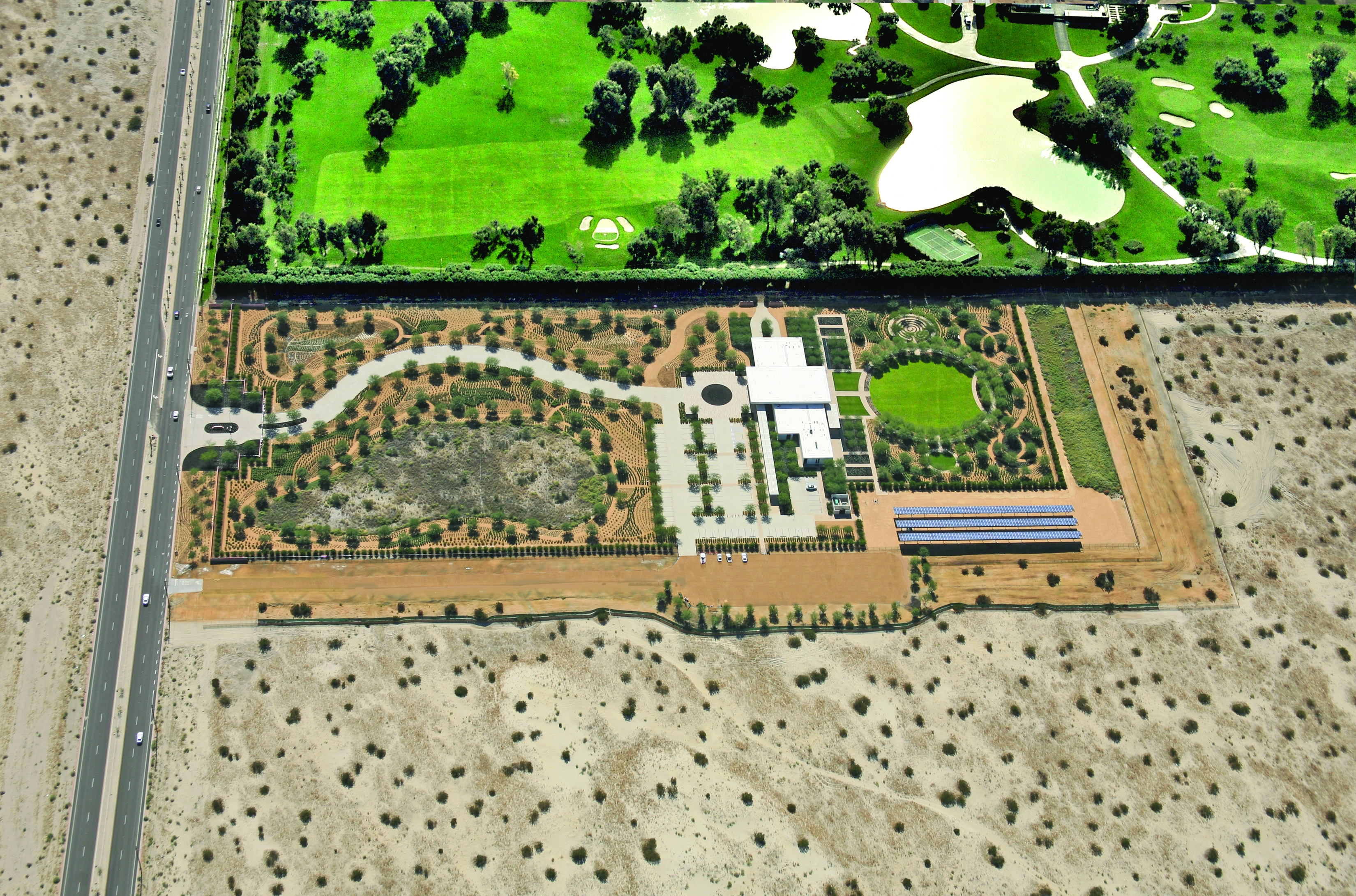
The Sunnylands Center and Gardens is an interpretive center that celebrates the cultural legacy of the historic estate through a new 15 acre desert botanical garden. The landscape architect created a living landscape that respects the character of the Sonoran Desert and demonstrates a new ecological aesthetic for landscapes in the arid southwest.
-
Sunnylands Center & Gardens in Rancho Mirage, California is an extension of the 200-acre desert retreat of Walter and Leonore Annenberg. The Annenbergs commissioned the California modernist architect A. Quincy Jones to design their estate in the desert in 1963. In 2006, the Annenberg Foundation commissioned the landscape architect to develop a garden for the interpretive center.
Because of its location in the desert, sustainability figured prominently into discussions about the nature of the project. Originally conceived as an extension of the landscape of the Estate, the design team and the client agreed that the Center and Gardens would reflect the next Century implement the most advanced efforts in sustainability.
In addition to the selection of regionally-appropriate plants, the project features restored desert habitat, high-efficiency capillary irrigation system, soil moisture monitoring, 100 percent on-site storm water retention, geothermal wells, a significant photovoltaic array and an on-site green waste recycling program. The project has received LEED Gold Certification and uses approximately 20 percent of its water allocation from the Coachella Valley Water District. The project also proactively meets the specifications and requirements for the use of reclaimed water five years ahead of the implementation of Rancho Mirage’s citywide initiative.
Working closely with owner, the landscape architect developed a scheme that begins as an orderly, geometric composition adjacent to the Center and becomes progressively more free flowing as it moves to the desert meadows. The landscape architect sculpted the earth and used plants in a painterly fashion across the 15 acre site. Trees were carefully positioned throughout the site to ensure that ample shade was provided and great care was given to the visual composition of understory plantings. Plantings were designed “in mass” much like one experiences a large nursery. Therefore, dozens of aloe, agave and barrel cactus were used to great large sweeps of color and texture.
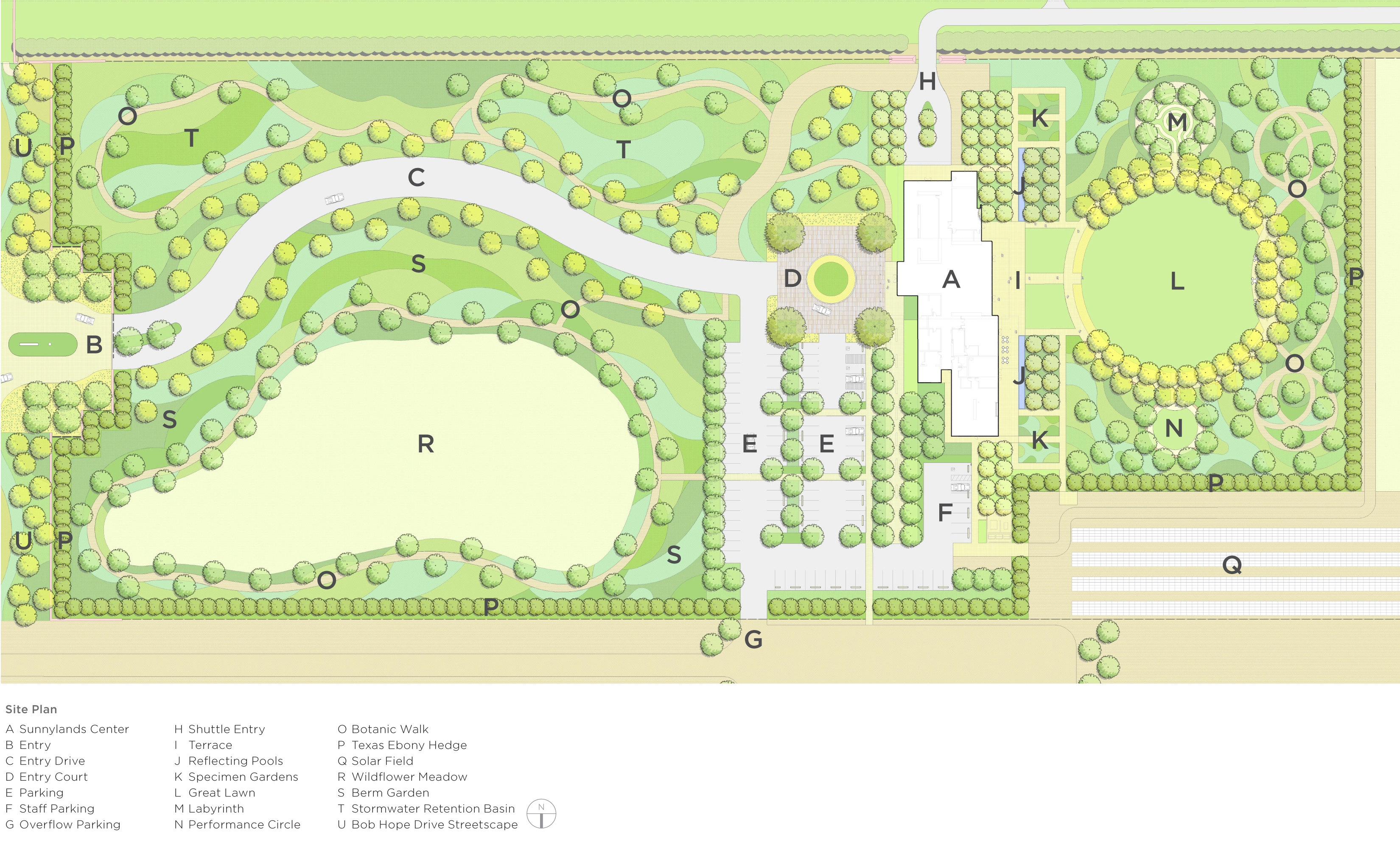
A generous entry drive meanders through a series of rich, undulating desert plantings before delivering visitors to a formal entry court anchored by specimen Sweet Acacia. After dropping of their passengers, guests park their vehicles in a carefully landscaped parking court created by a grove of Hybrid Mesquite trees.
In collaboration with the architect, the building was carefully sited to frame panoramic views of the mountains beyond from the Center’s main entry and lobby. Guests explore a variety of interactive exhibits including those that address the design and construction of the gardens developed as a collaboration between the Client, the landscape architect, the horticulturist and the exhibit designer.A continuous terrace across the west side of the building extends the Center’s café to the landscape and accommodates special events. Twin stainless steel fountains within the terraces complements the crisp architectural composition, mirror the expansive desert sky, lower the ambient temperature and create the soothing sound of moving water.
Sized specifically to support special events required for programming, a circular lawn is the central organizing feature of the rear garden. Framed by a double row of ‘Desert Museum’ Palo Verdes, its perimeter walk connects guests to a series of private gardens that feature quite seating nooks, rich desert plantings and a labyrinth for contemplation. Paths from the rear garden lead visitors through a rich and varied botanical collection of desert plants that passes through the front garden, along the perimeter of the restored habitat and back to the Center.
The landscape architect’s responsibilities included leading a one-year procurement process to select approximately 53,000 plants for the site. The team established exacting standards for contract grown material. The Foundation also implemented time-lapse cameras on the site to document the extensive efforts required to realize the landscape, which will be incorporated in the educational exhibits inside the Center.
Developed in close collaboration with the design team the landscape architect created a garden that celebrates the legacy of the Annenbergs while remaining sensitive to the delicate balance of life in the Sonoran desert. By creating an alternative to the traditional Palm Springs landscape that relies on heavy water use, chemical fertilizers and exotic plants, the landscape architect has created a garden that challenges the status quo and raises awareness of ecological issues in this imperiled ecosystem.
-
Management: Litwak Group
Design & Construction Team
Architect
Frederick Fisher + PartnersConcrete Contractor
T.B. Penick & SonsGeneral Contractor
Graphics
Reich + Petch
Featured Products
Bollards
Calpipe Security BollardsCalArc Narrow Modular Pavers
Stepstone, Inc.CleanLine Edging
Custom "Sunnylands Tan" and "Sunnylands White"
LithocreteDecomposed Granite Gravel: Black Scoria and Black Sand
Decomposed Granite Gravel: California Gold
J&L Building Materials Inc.Decomposed Granite Gravel: Pyrite Gold
Gail MaterialsDown lights ZX11-SQ and ZX16-SQ
HK Lighting GroupFence and Gates
Landmark Fence Co.Flagpole
Baartol Company Inc.Fountain Design
CMS CollaborativeHorticulturalist
Mary IrishHybrid Bermuda Solid Sod
West Coast TurfKnight Bench and Dispatch Litter & Recycling Receptacle
Forms + SurfacesLight pole 8141MH
Bega LightingLighting Design
Horton Lees Brogden Lighting DesignMidipoll Bollard Luminaire
ERCO Lighting Inc.Native Hydroseed Supplier
S&S SeedsOrnamental Plants
Arizona Wholesale Growers
Cactus Canyon Succulent Nursery
Mountain States Wholesale Nursery
Randy G. Myers Nursery
Pacific ParadisePathlyte GAL3
HadcoRotor Heads, Bubblers, and Drip Irrigation
Rain BirdSub-surface Capillary Irrigation
KISSS AmericaTrees
Desierto Verde
GroWestTrees and Ornamental Plants
Norman's NurseryUnderwater LED light BF-UW
BOCA Flasher
Advertisement
Related Awards
Award of Excellence, General Design
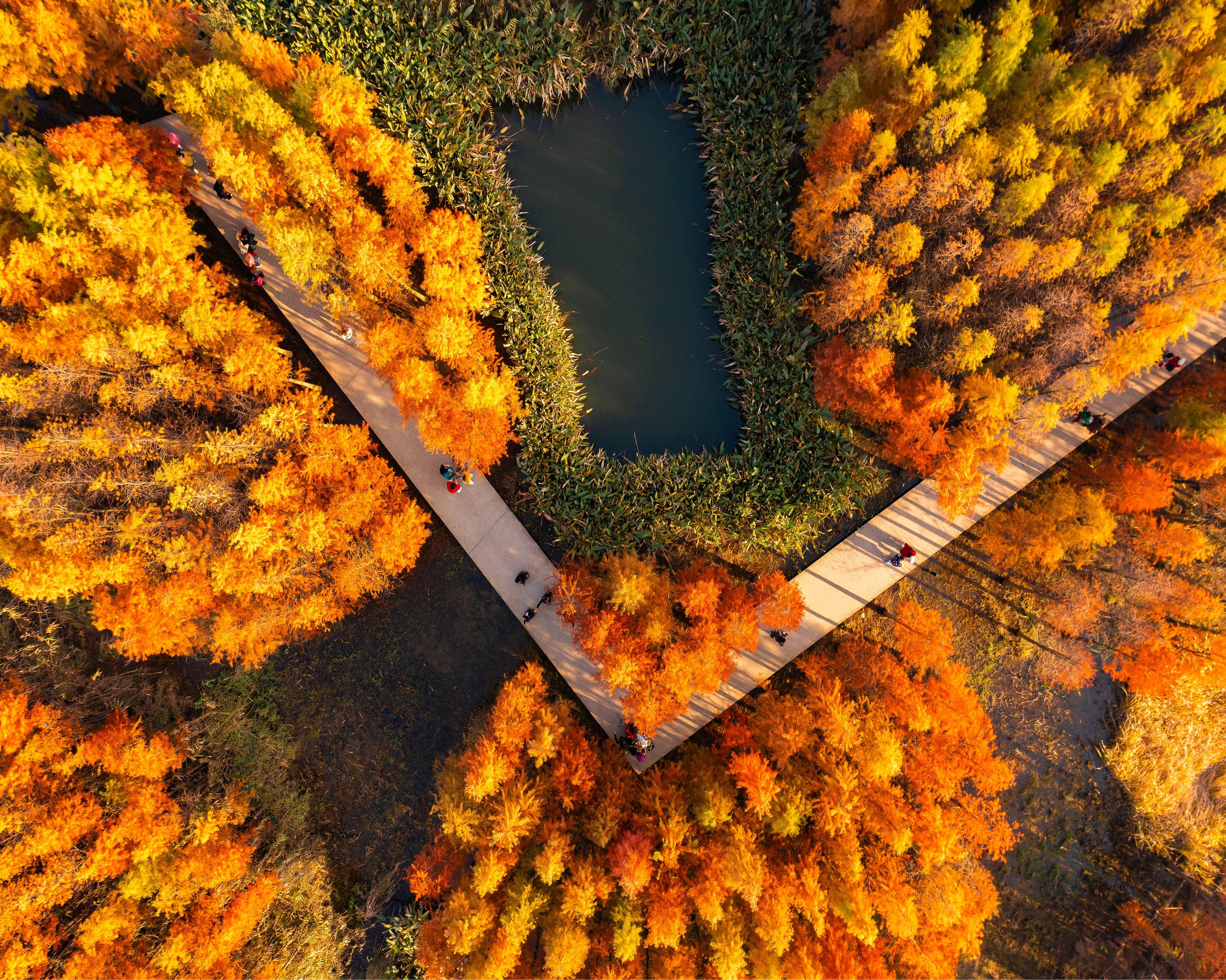
A Floating Forest: Fish Tail Park in Nanchang City
In Nanchang, within the Yangtze River floodplain, we revitalized a heavily degraded 126-acre landscape into a floating forest that manages stormwater, restores habitats, and provides diverse recreational spaces—all within a limited budget and a short timeline. This innovative urban nature model strengthens the district’s identity and spurs surrounding development. Fish Tail Park offers a scalable solution for flood-prone regions, seamlessly integrating flood resilience, ecological restoration