
.webp?language=en-US)

The One Ohio State Framework Plan
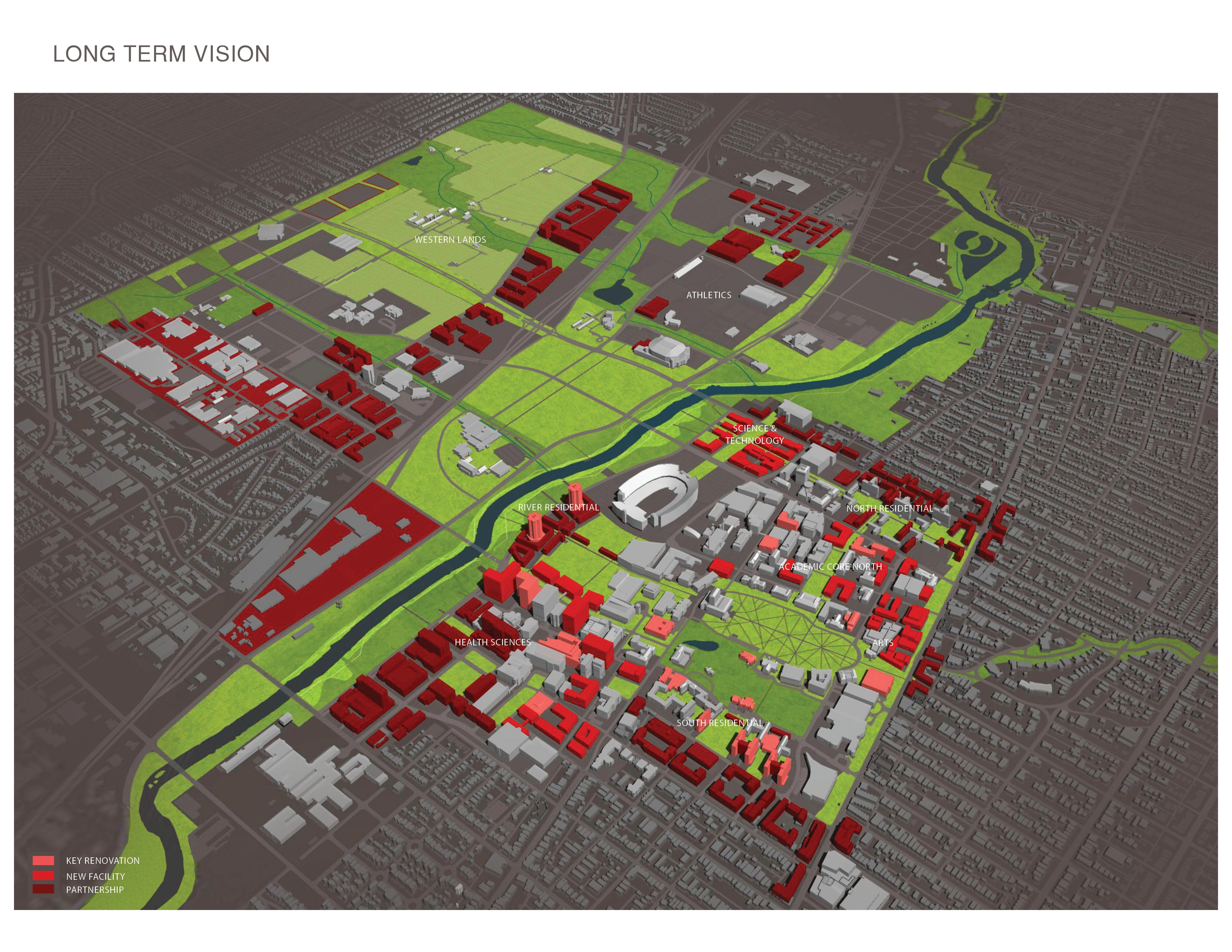
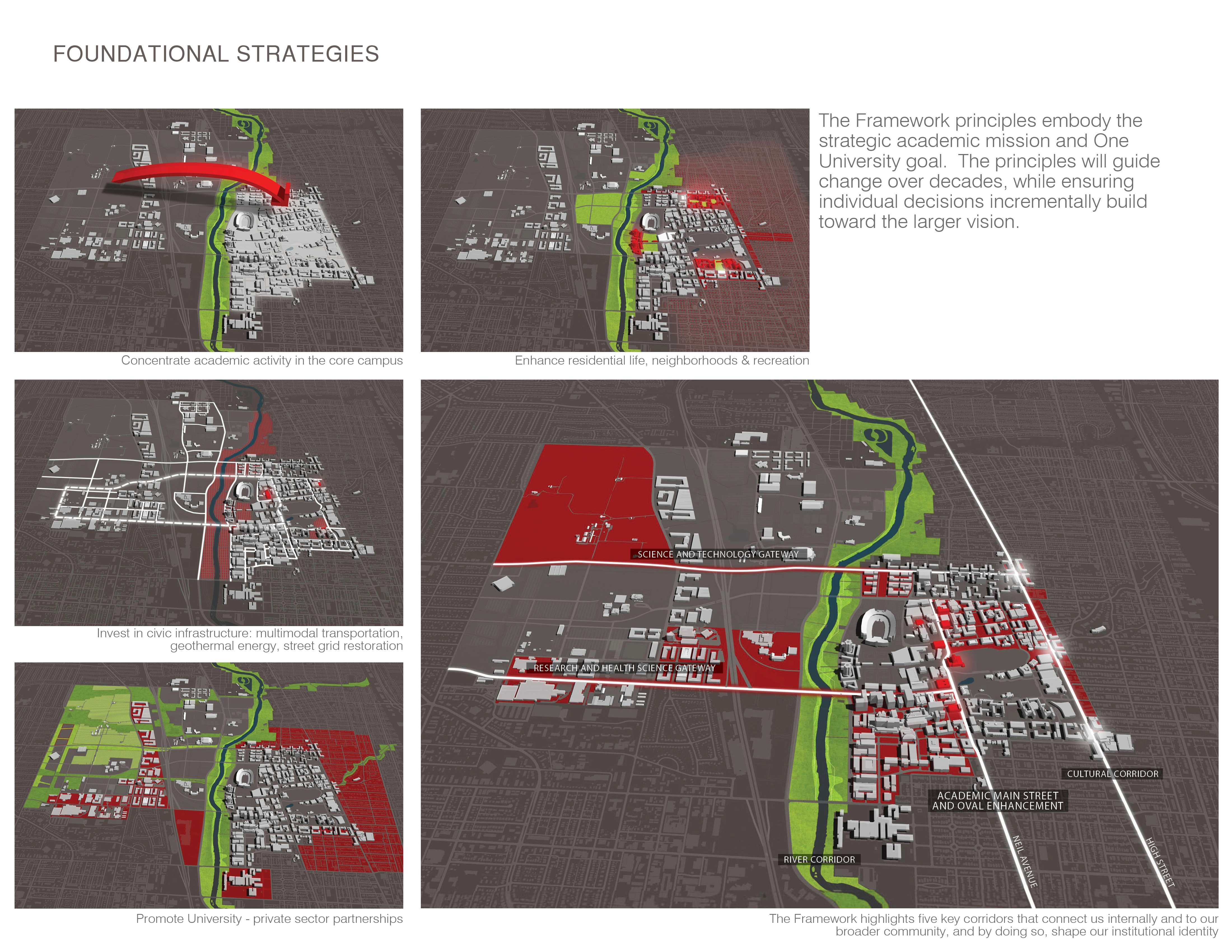
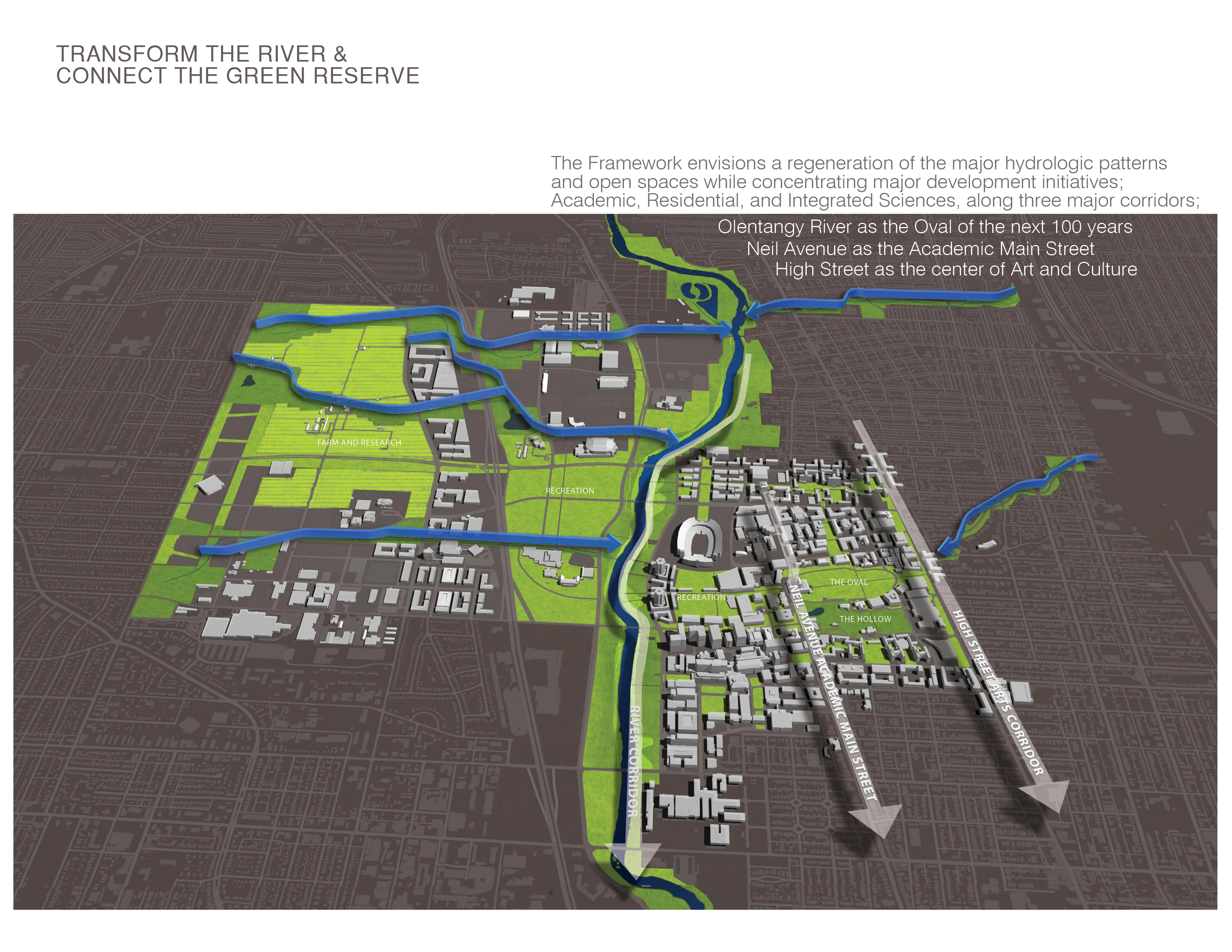
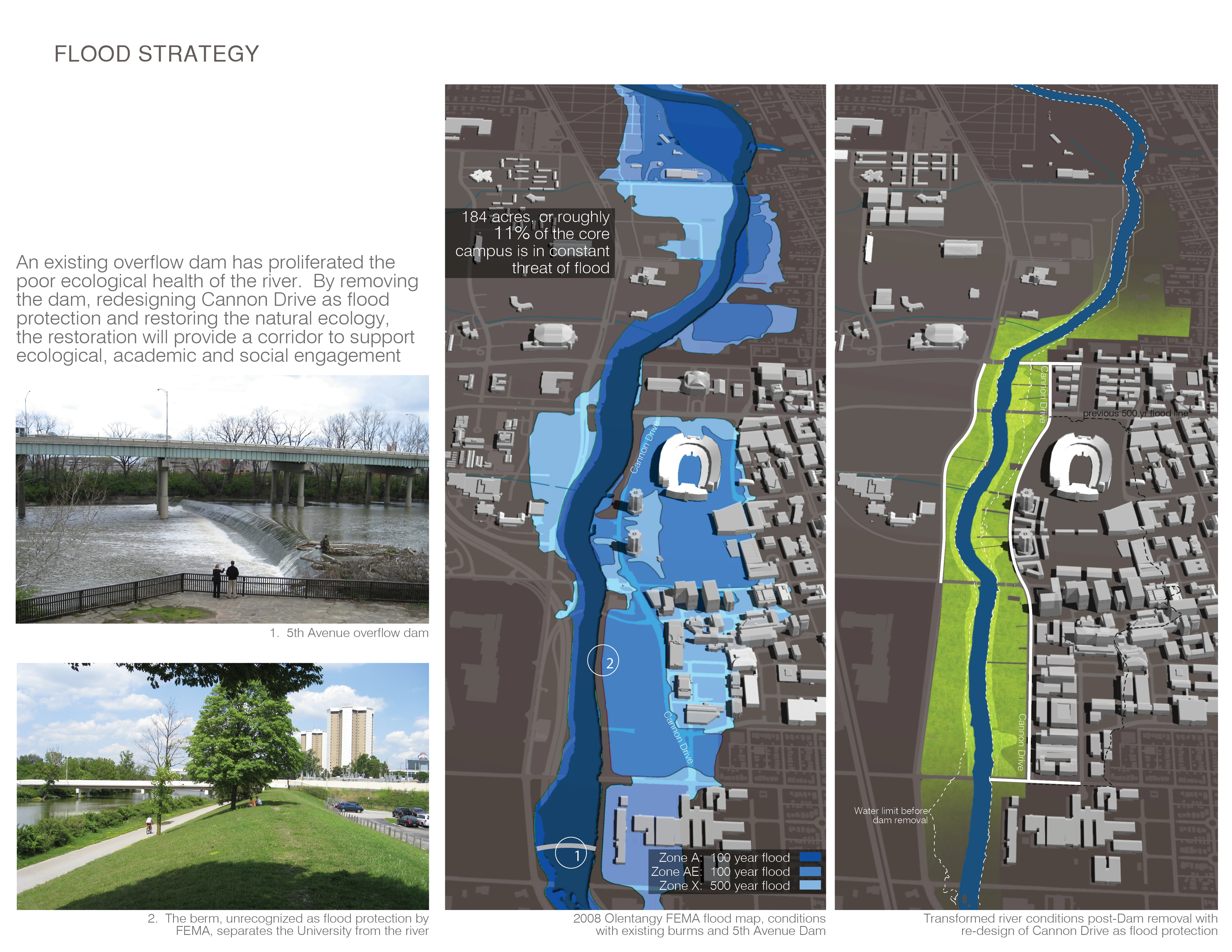
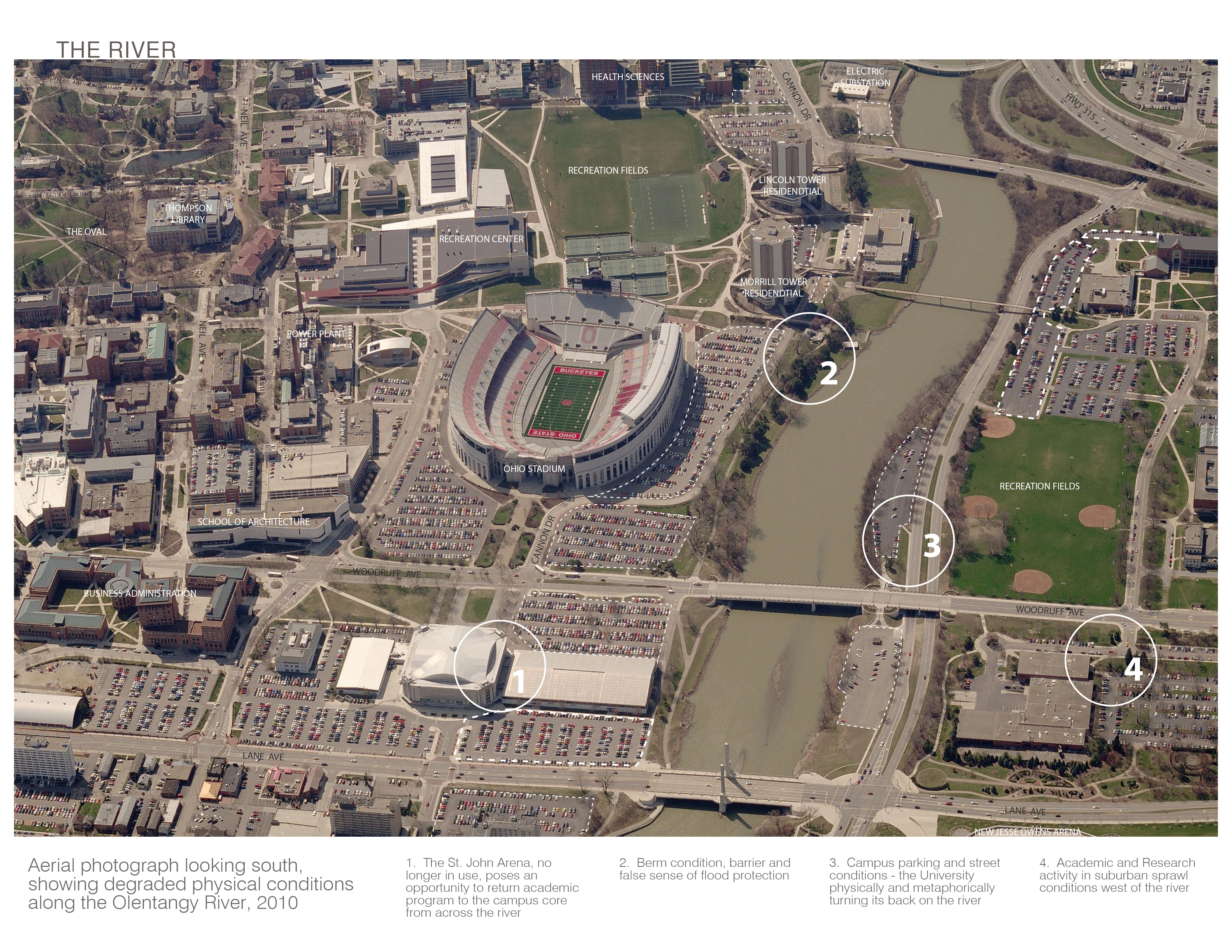
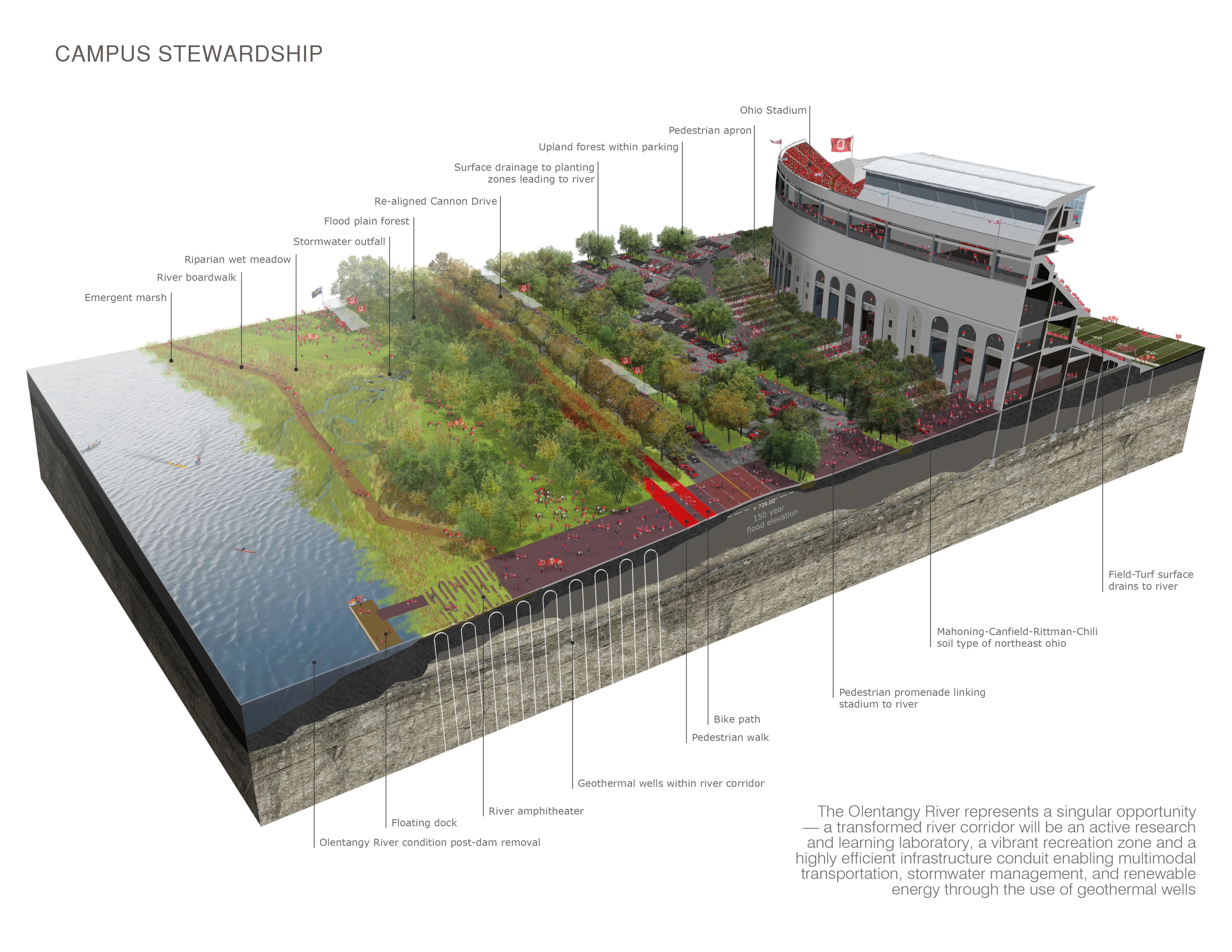
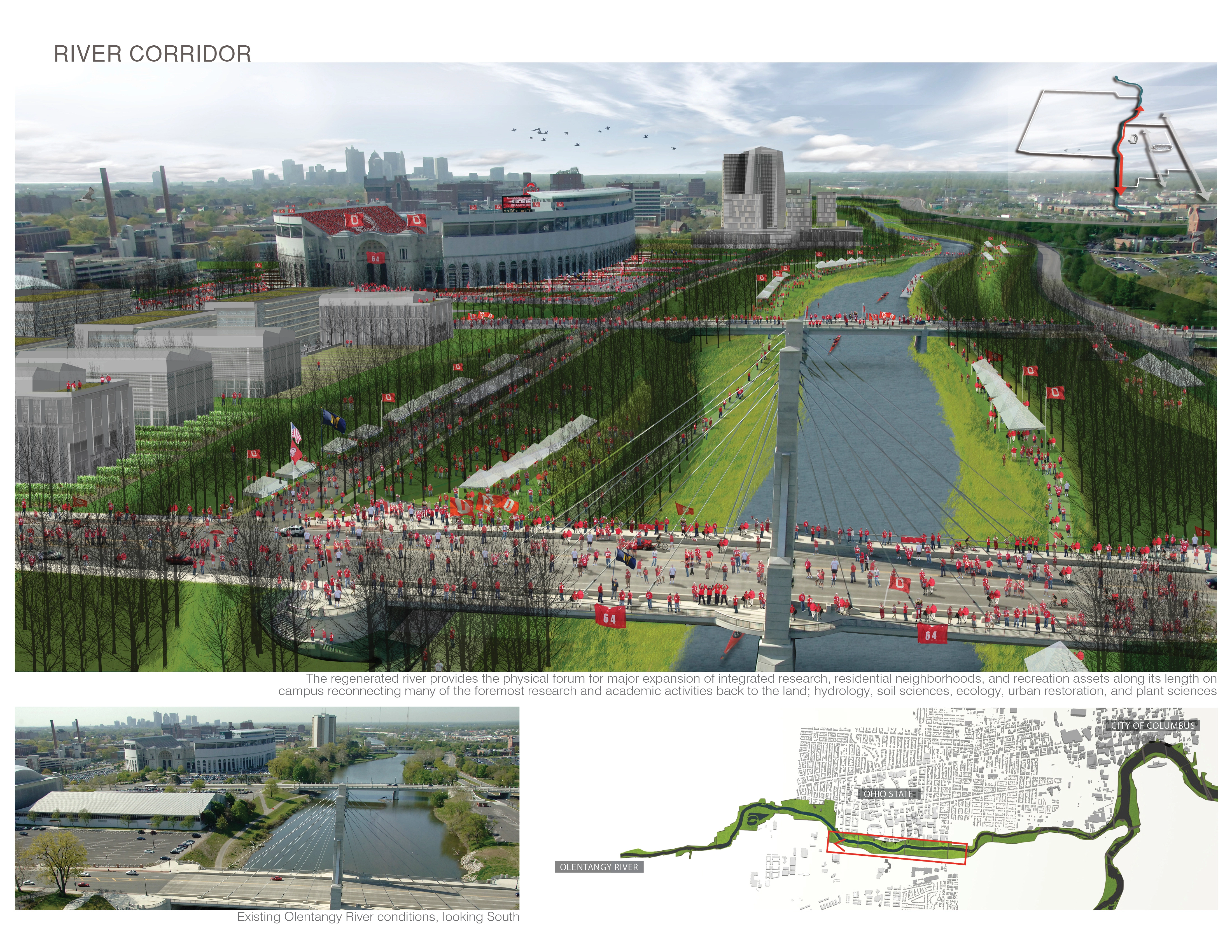
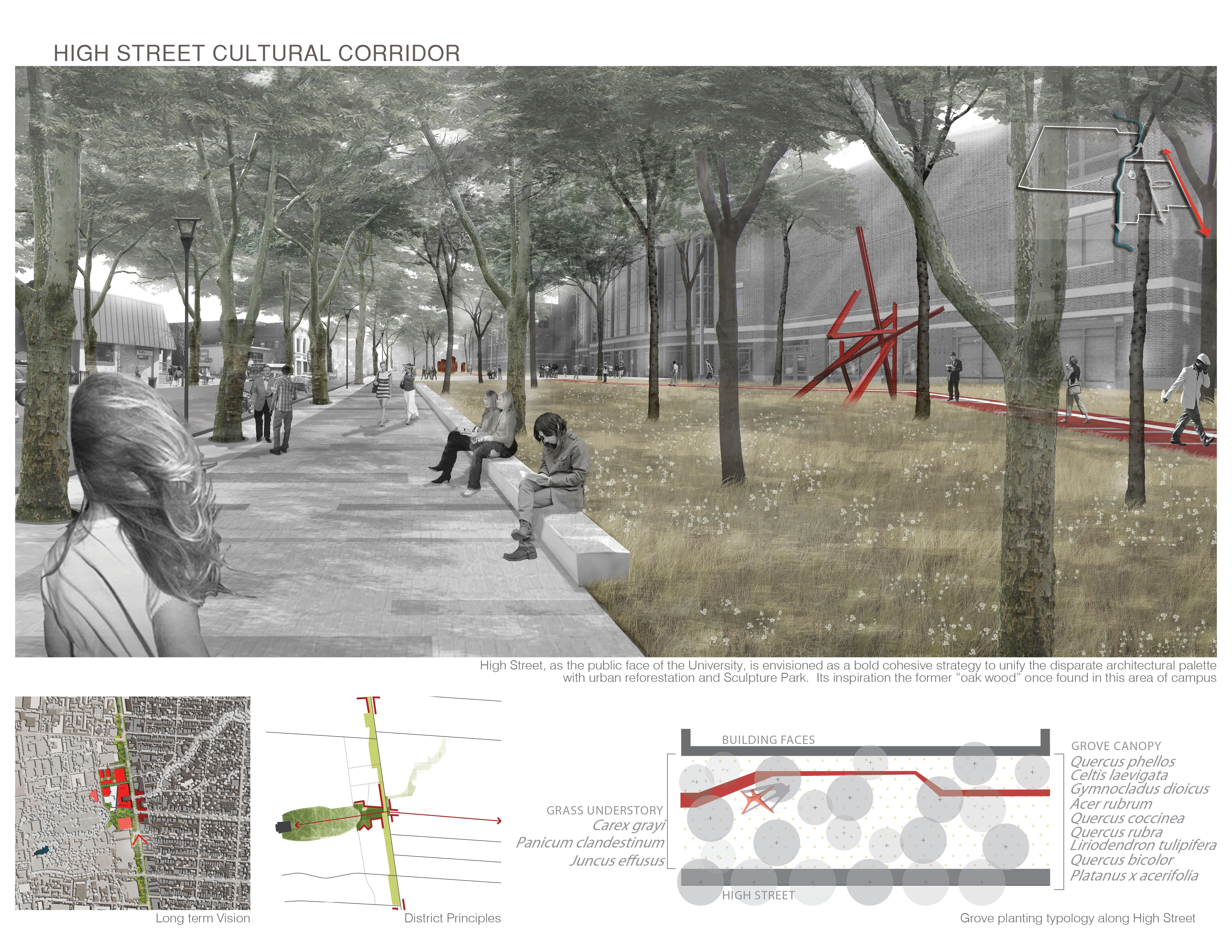
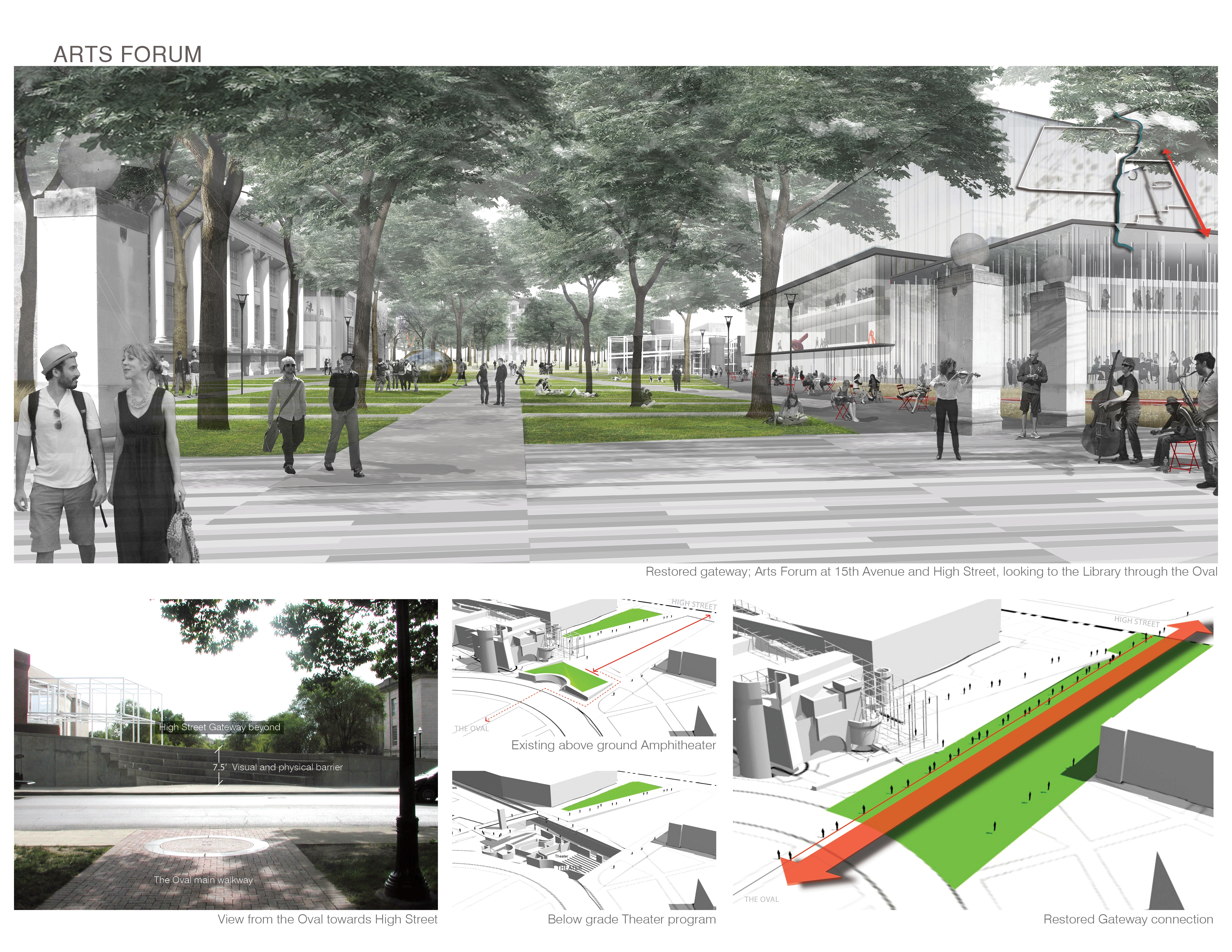
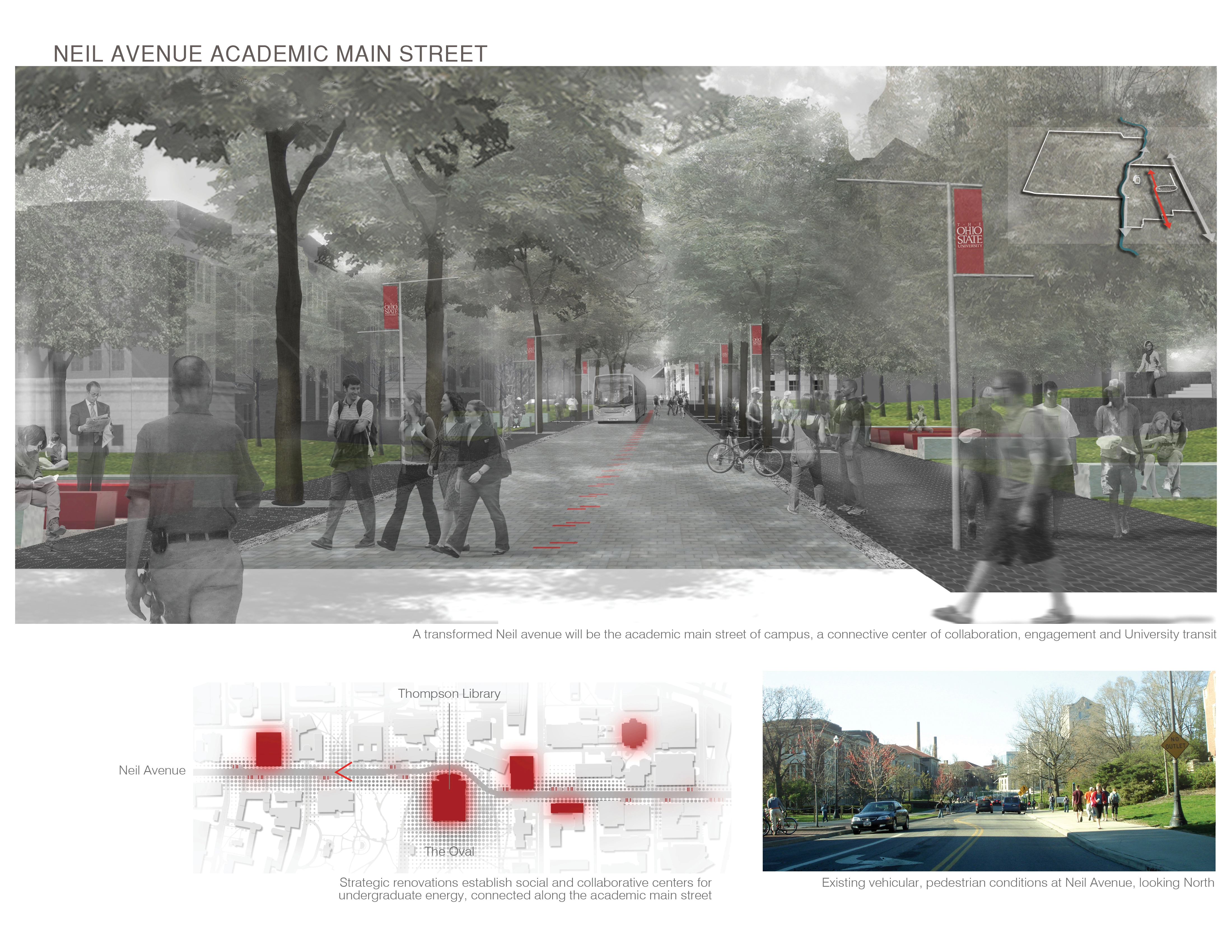
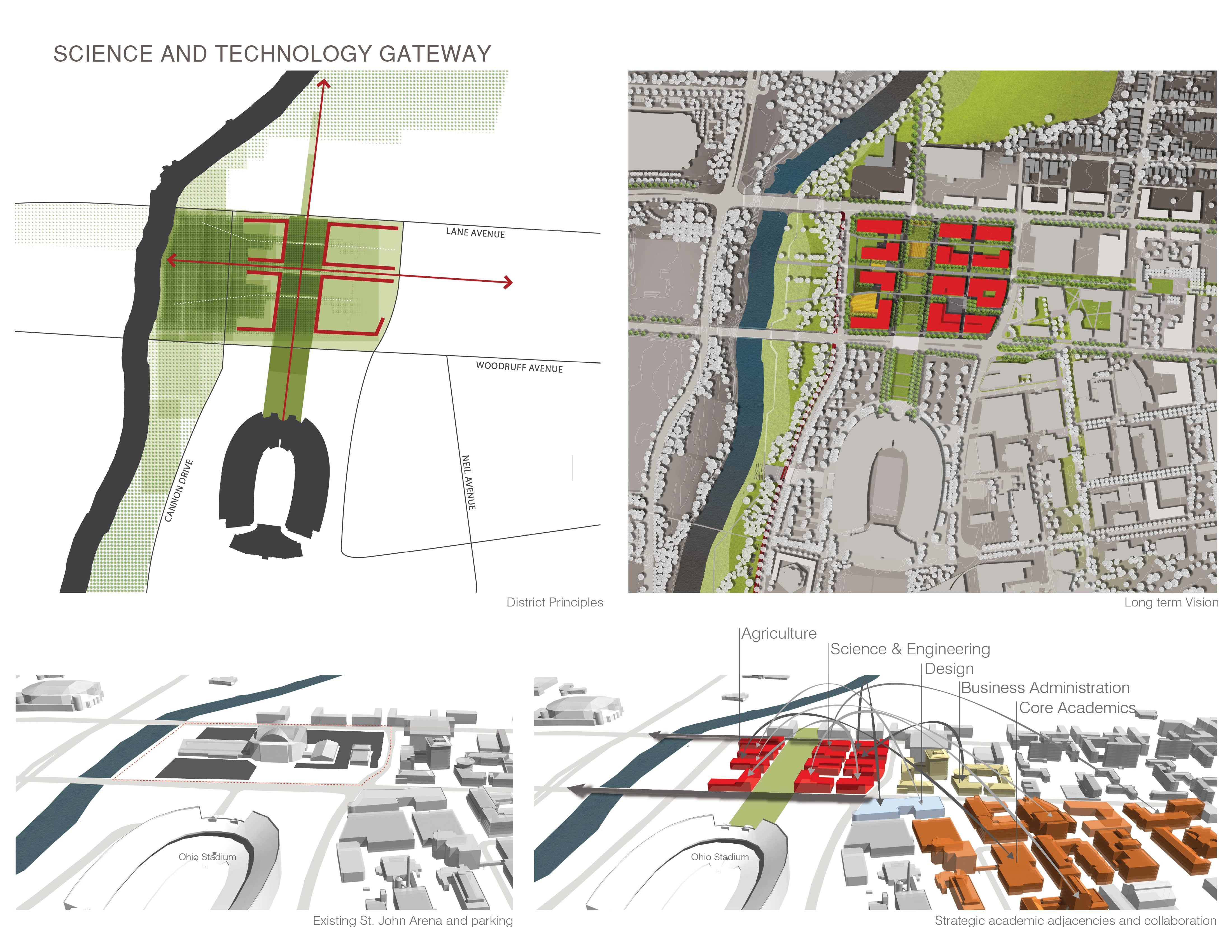
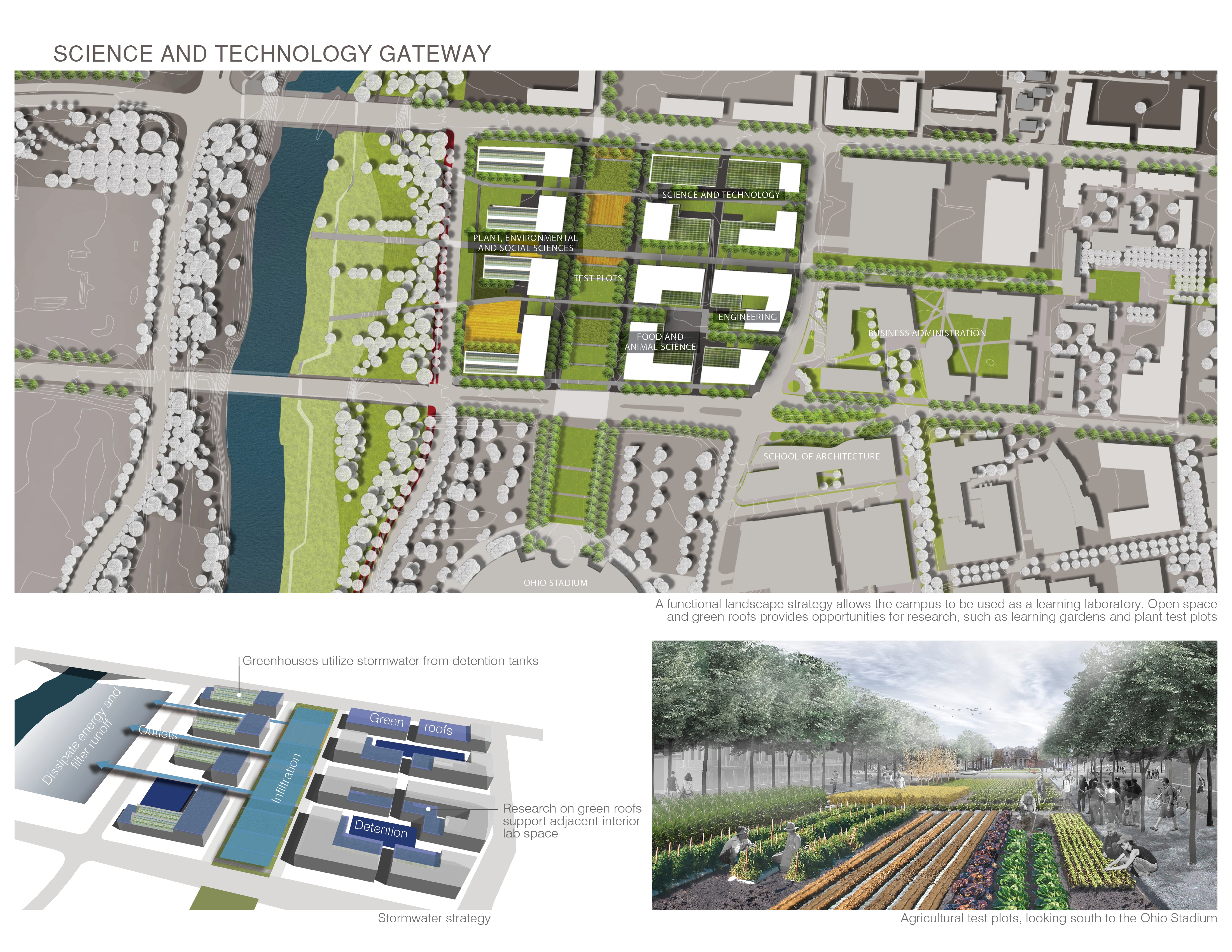
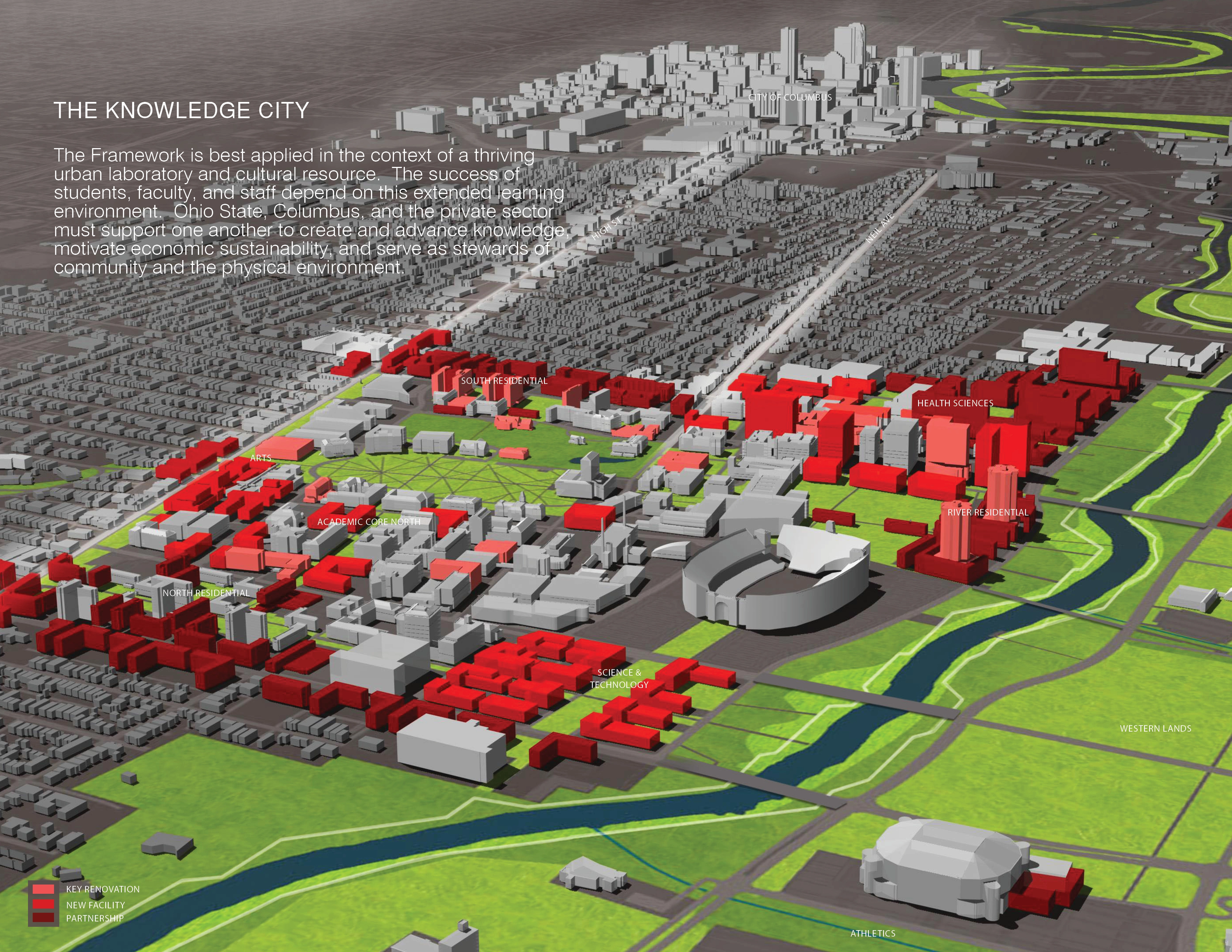
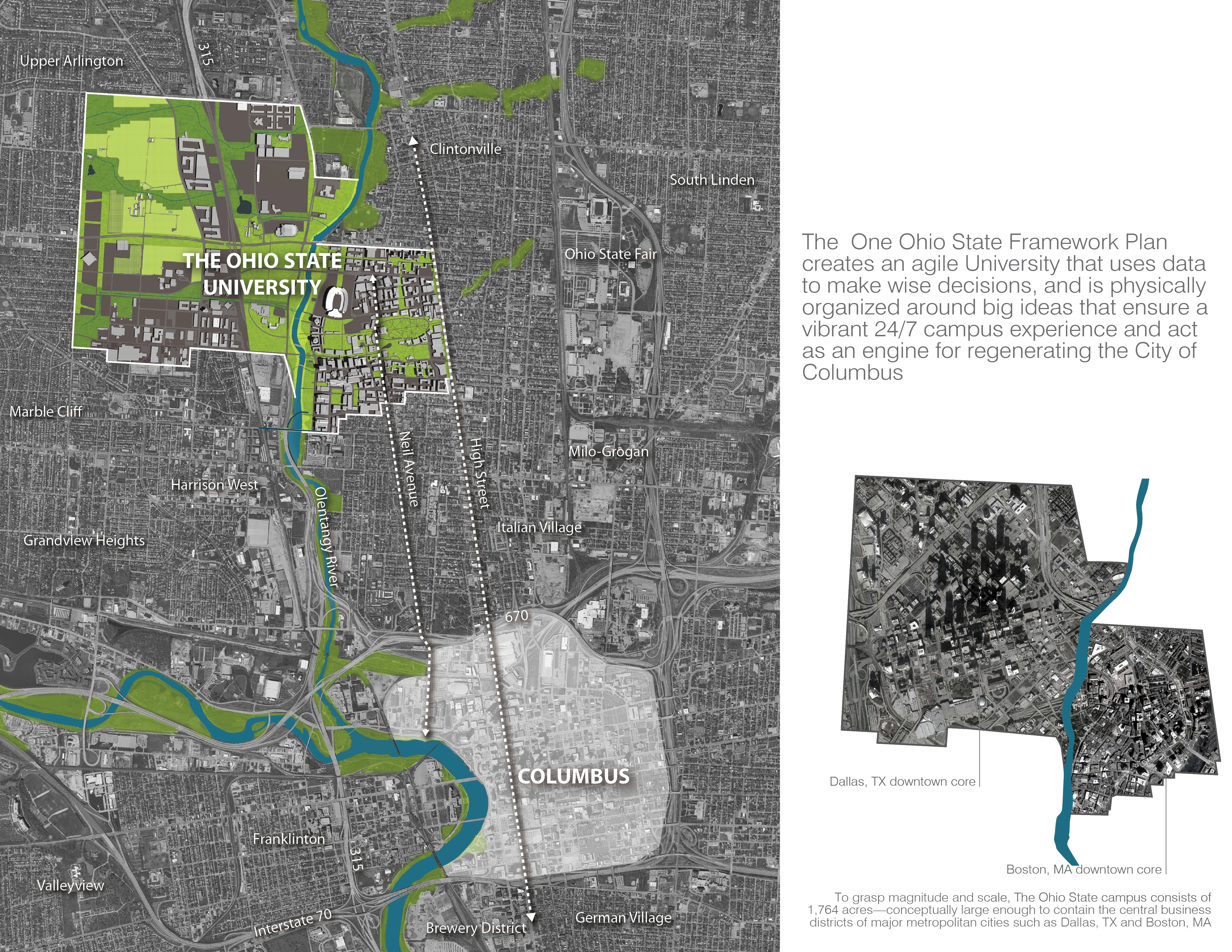
Ohio State has never embraced the river before and this is an ambitious, ongoing plan as the campus expands. It’s really solid, the way some of these stewardship ideas have come forward. The graphics are very beautiful.
Awards Jury
-
The One Ohio State Framework Plan redefines the role of planning at one of the largest universities in the country. In response to increasingly complex challenges — a sustainability imperative, reduced access to capital, and a driving vision centered on increased collaboration — it provides a unique combination of principles, scenarios and innovative software tools that allow the university to agilely adapt to changing circumstances while always moving towards a long-term vision of campus and community.
-
Purpose of the One Ohio State Framework Plan
The Ohio State University is among the largest in the nation. Proud inheritors of the land grant tradition, they aspire to become the premier public University in the country. The chief purpose of the One Ohio State Framework is to ensure mission drives the physical environment. The university’s president, E. Gordon Gee, defines that mission around a trans-institutional vision centered on “One University.” The goal is to move beyond traditional silos, to make decisions in the best interests of the institution as a whole, and to leverage the combined power of one of the largest universities in the country.
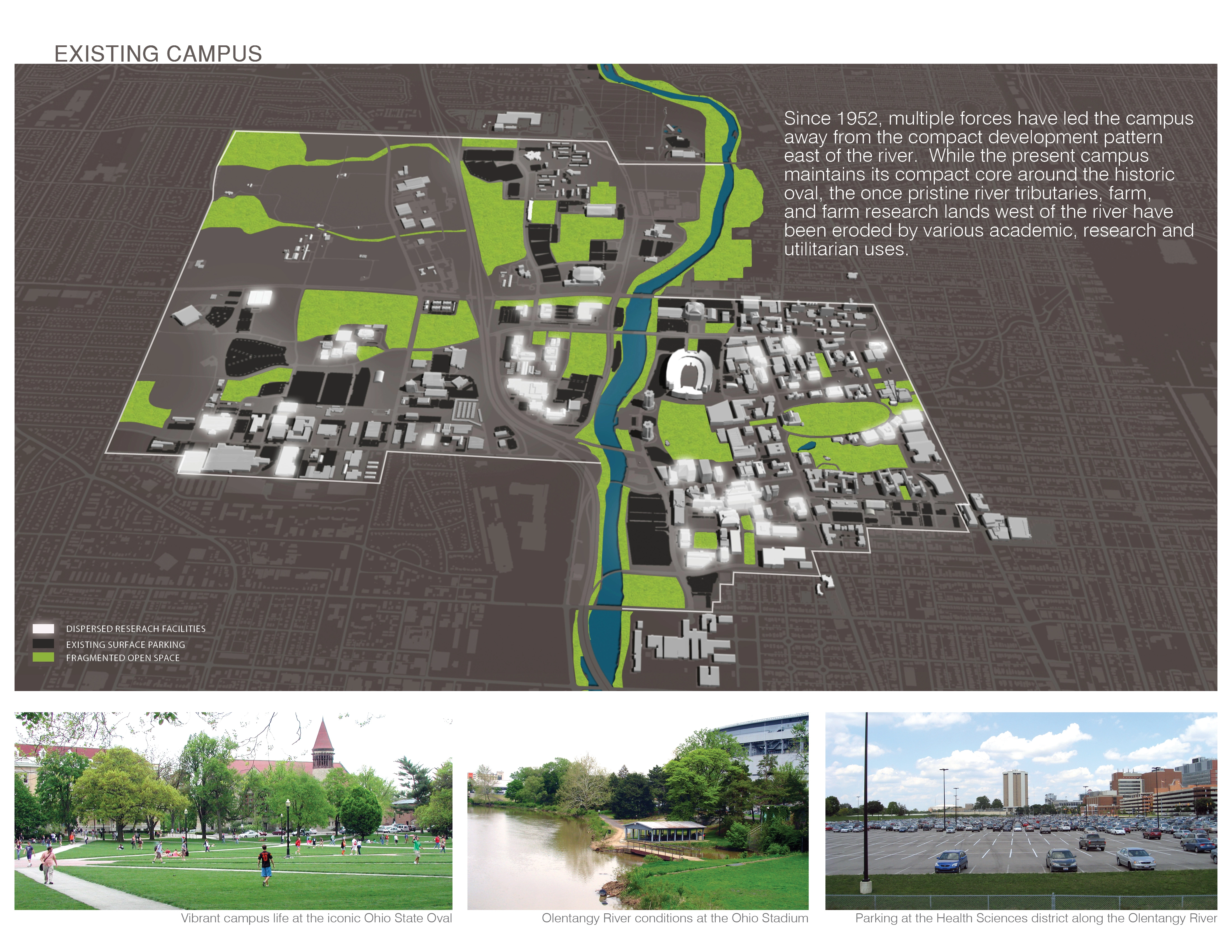
The Framework is a structure for guiding change over time. It consists of principles, plans, scenarios, tools, and methodologies which support a rational, data-driven decision making process. It spans the topics of academic and research facilities, the arts, athletics and recreation, the health sciences (including the medical center), residential life, the Olentangy River and open space, transportation and parking, energy and infrastructure, and sustainability.
Methodology
The Framework is a structure for guiding change over time, touching the full spectrum of University activity. Physical ideas cover multiple scales from big organizing concepts to district scale open space and conceptual building designs. The Framework’s key innovation is applying an integrated analysis function that synthesizes academic, financial, and physical information to planning and design challenges. This analysis touched almost every aspect of the university: academic plans, space use, building condition, energy use, parking, recreation, storm water, habitat, pedestrian patterns, infrastructure, etc.
The creation of guiding principles is a key mechanism for future flexibility. The principles operate on two scales. University-wide principles embody the strategic academic mission, focusing on One University, space, campus life, civic infrastructure, and planning practice. District-level principles — primarily key open space moves that define the public realm — create the foundation for future development and provide the engine for creating and evaluating future scenarios.
The scenarios focused on both topics and districts. The holistic trans-institutional approach unearthed remarkable opportunities within the district plans. For example, the consolidation of athletic facilities in a new Science and Technology village created an opportunity for the College of Food, Agriculture and Environmental Sciences to potentially migrate back across the river onto the critical St. John Arena parcel, which would become a new science and technology gateway for the university adjacent to the academic core. The district will showcase the potential for the entire campus to function as part of the learning environment, with research plots and the river itself acting as a giant laboratory directly engaging the broader university.
Support for Academic Plan, Research, and Learning
The Framework Plan promotes a concentrated academic core to enable community, interaction, synergy, and collaboration. Compact development promotes the creation of knowledge – many of the best new ideas are trans-institutional. A compact core is more efficient and sustainable with a smaller carbon footprint and minimized infrastructure needs. It’s a neighborhood, with a vibrant, active 24/7 pulse aimed at educating the whole student and promoting faculty and staff success. The goal is to make the entire campus part of the learning environment.
This compact core is internally connected by a “learning corridor” or academic main street. The Framework establishes other corridors that define “place” and “order.” These include: a revitalized river, a science and technology gateway that offers the opportunity to reintegrate the College of Food, Agriculture, and Environmental Sciences within the academic core; a research and health sciences gateway to provide critical frontage for research partnerships and easy access to the medical center; and a cultural corridor that connects a consolidated University arts district to downtown Columbus.
Open Space and Sustainability
The Framework treats sustainability not as an overlay, but as an organic component. By integrating social, economic, and physical considerations into scenario generation, the Framework delivers sustainable actions rather than sustainable promises. A key example is the transformation of the river corridor into an active research and learning corridor. The vision of the river corridor as it traverses the Ohio State campus is as a central open space equal in importance and quality to the campus' other iconic open spaces, the Oval and Mirror Lake Hollow. The re-imagined river corridor is the perfect symbol for One University; it could be our next Oval for the coming 100 years.
The river also represents one of three connective corridors to Columbus and adjacent neighborhoods. The regeneration and investment in infrastructure and landscape along these corridors will drive investment of aging facilities to meet institutional goals, while simultaneously enabling greater connections and strengthening identity.
Process
The Framework engaged many off-campus constituent groups including the Mayor of Columbus, the University Area Commission and other neighborhood groups, and the Governor’s office who support efforts of national and regional sustainable development and green infrastructure initiatives.
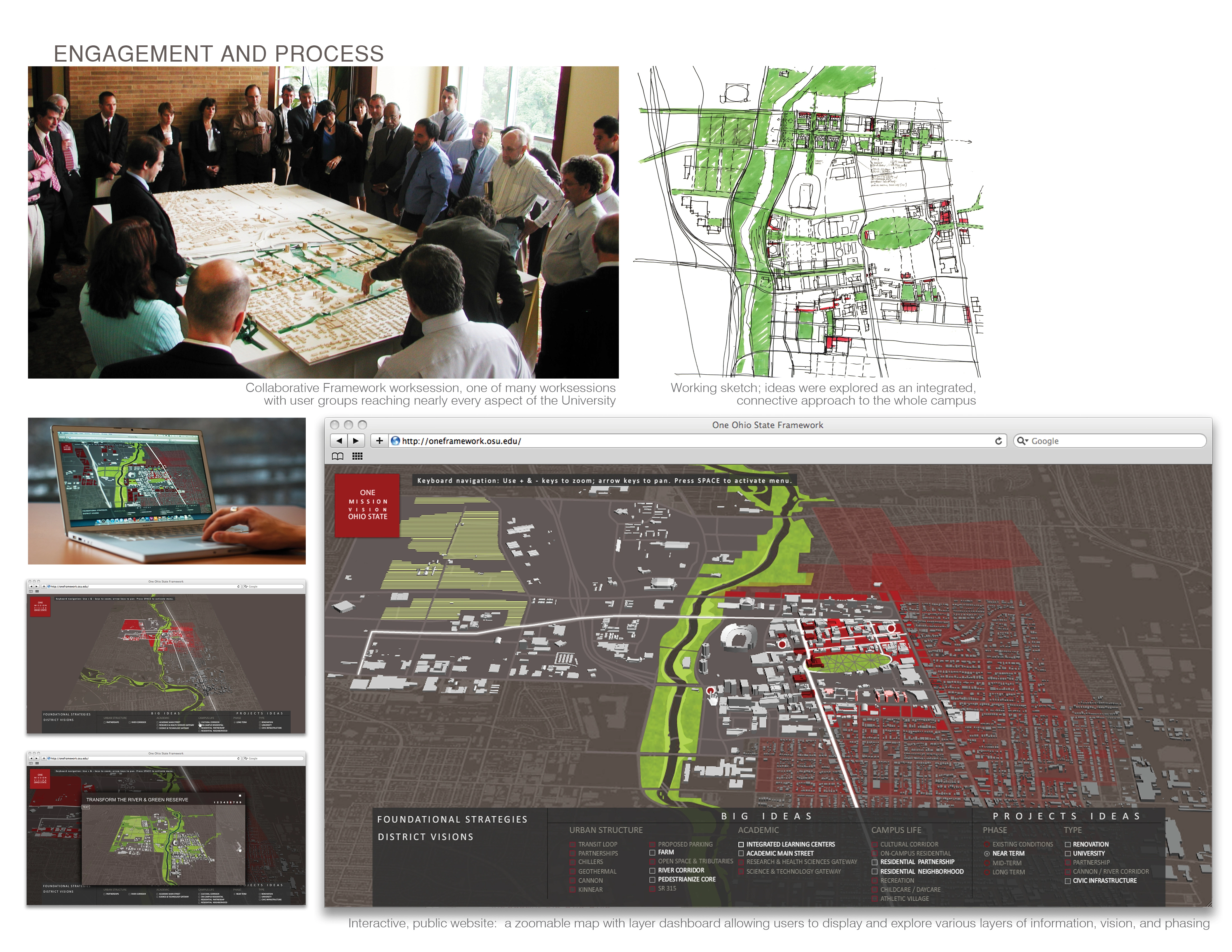
The master planning process was highly inclusive and transparent, designed to provide interactive engagement with The Ohio State University campus community, the broader Columbus community, and other local and state representatives. The process included on-campus worksessions over the course of three days every month throughout the year-long process. Meetings were held in a public, campus-adjacent space to enable the broad participation of the campus community. Engaging the broader community, the Interactive Map is a zoomable, dynamic website that enables users to explore multiple scales of data, information and vision of the Framework. The map also features specific information for the range of project ideas, including general timeline of projects shown dynamically with project type.
Ohio State is committed to academic excellence and learning in its broadest sense. The ultimate goal of the Framework Plan is to empower the Ohio State University, as the largest public institution in the country, to guide itself wisely towards a future as one of the world’s great universities.
-
Sasaki Associates, Inc.
Principals: Ricardo Dumont; Gregory Janks; Victor Vizgaitis; and Vinicius GorgatiTyler Patrick; Anthony Fox; Ian Scherling; Joel Smith; Willa Kuh; Ken Goulding; Andy McClurg; Katia Lucic; Karsten Solberg; Peter Brigham; Brie Hensold; and Neda Movaghar
Advertisement
Related Awards
Honor Award, Analysis & Planning
A Cultural Approach: The Fort Peck Tribes Hazard Mitigation Plan
In collaboration with the Fort Peck Assiniboine and Sioux Tribes, EPA, and FEMA, the Fort Peck Tribes Hazard Mitigation Plan (HMP) adopts a culturally responsive approach to hazard mitigation planning that features connection to place.