
.webp?language=en-US)


Core Area of Lotus Lake National Wetland Park Landscape Planning
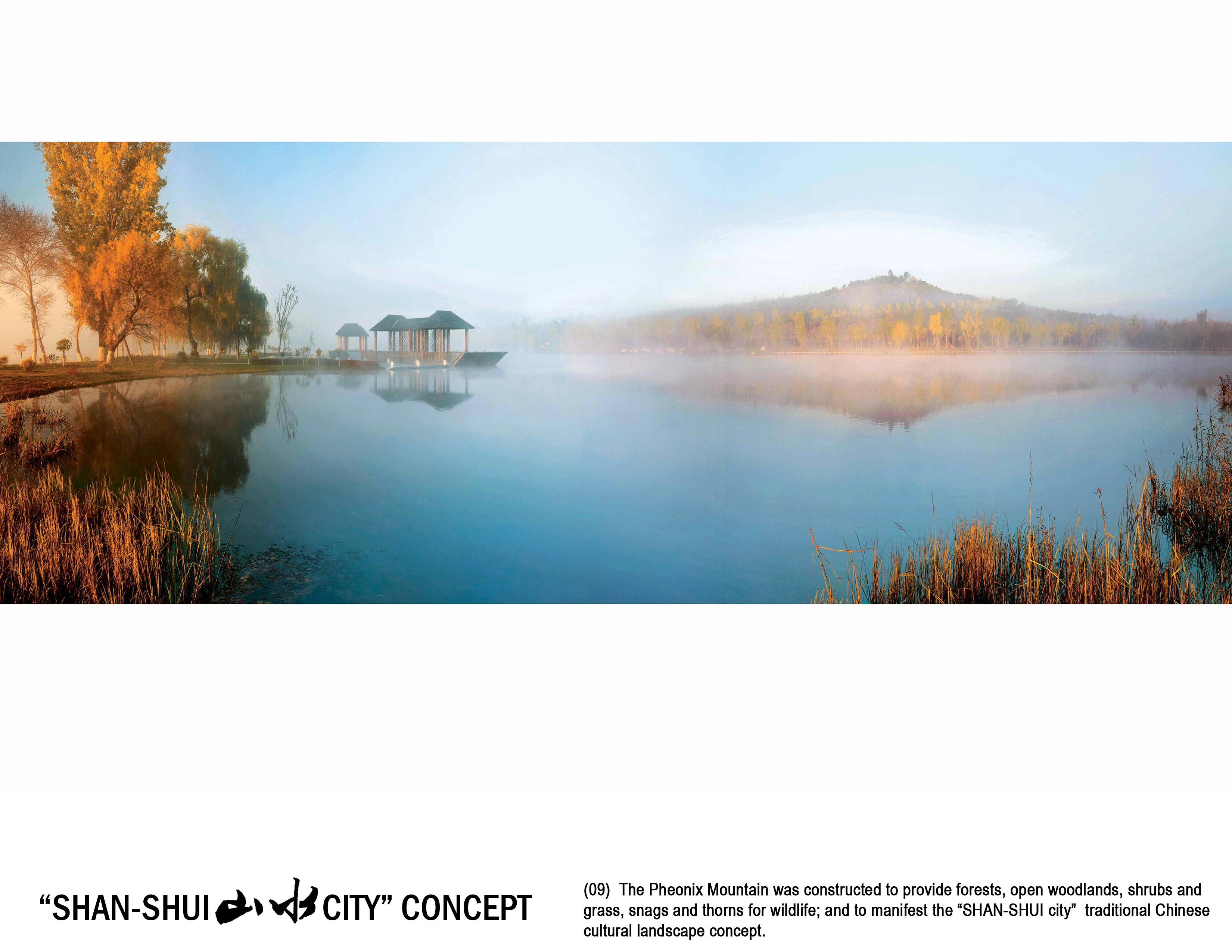
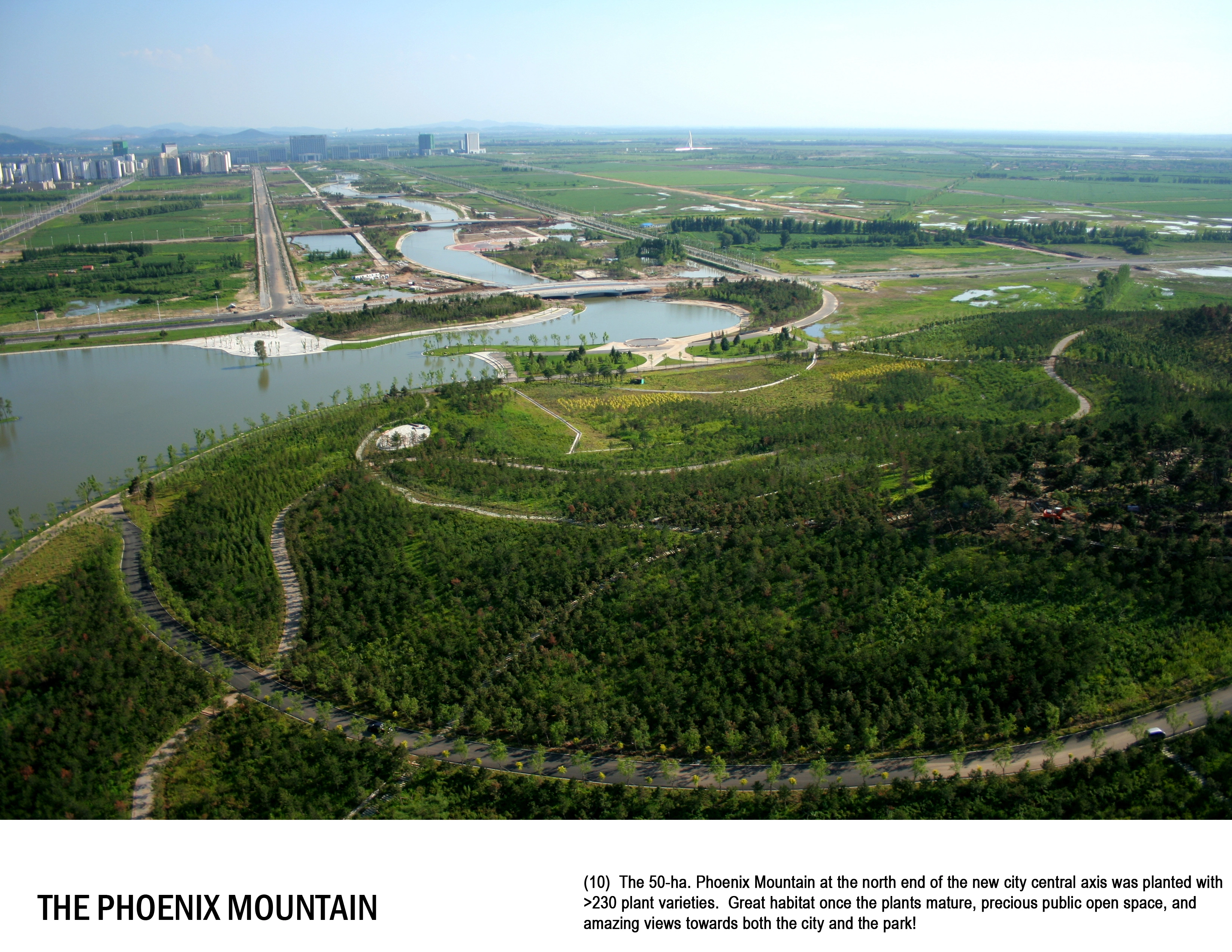
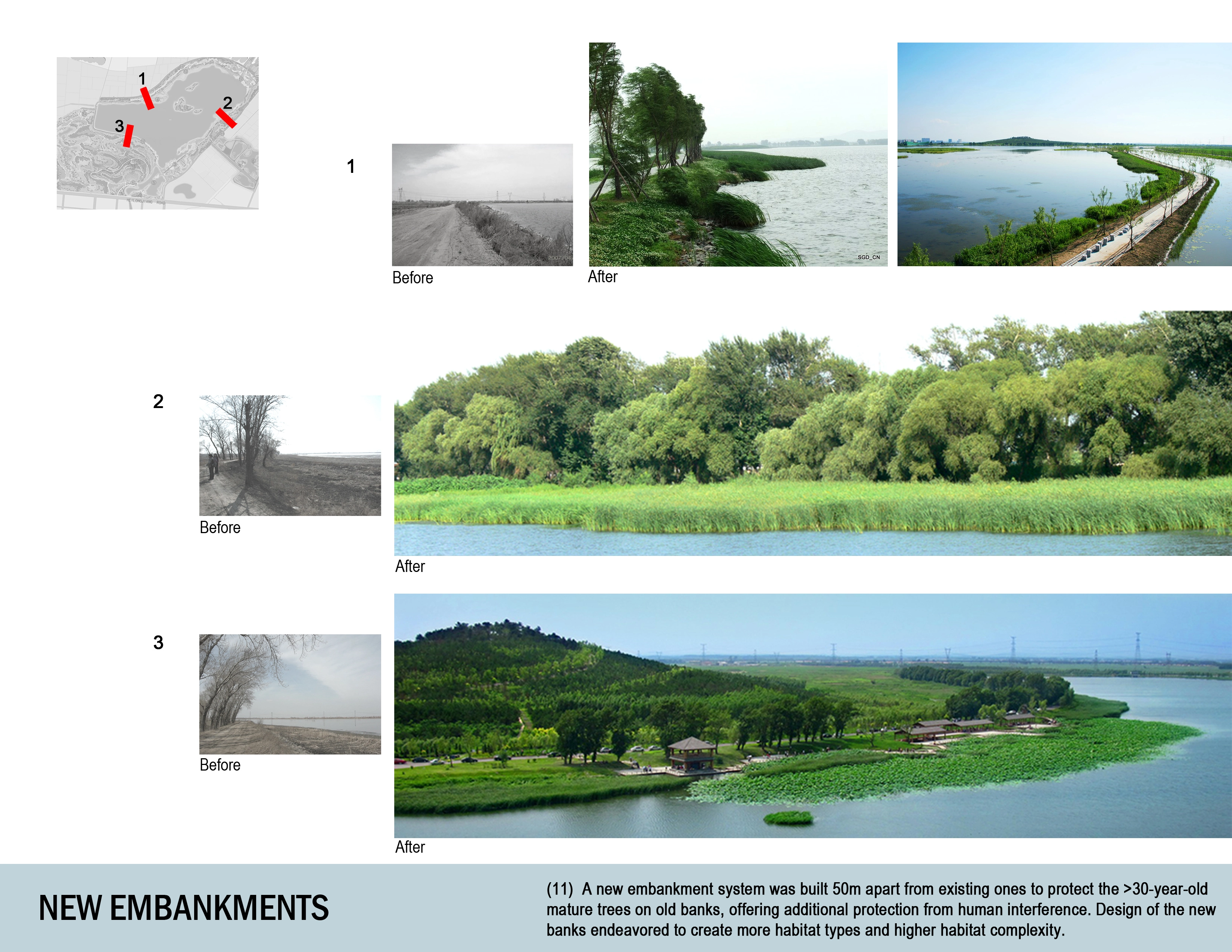
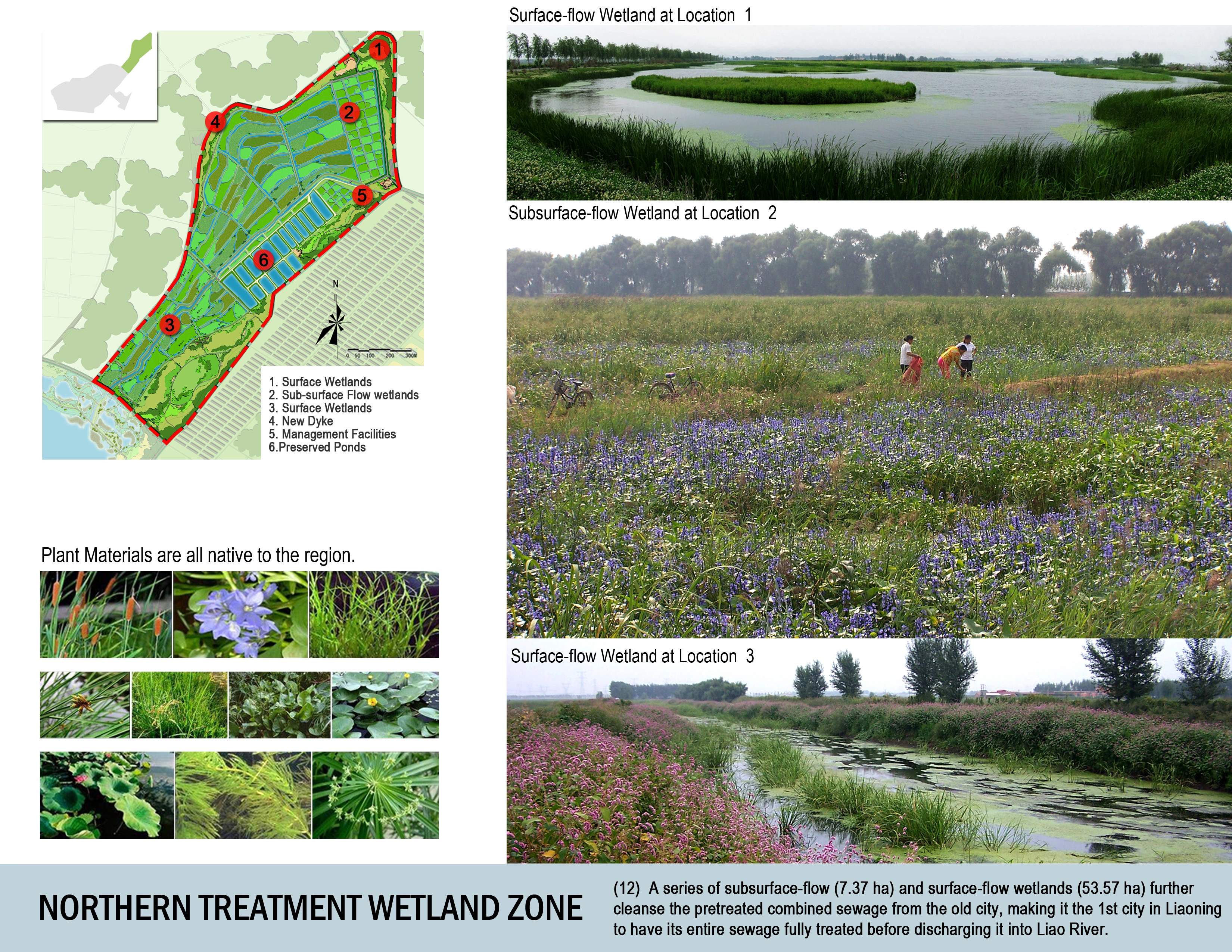
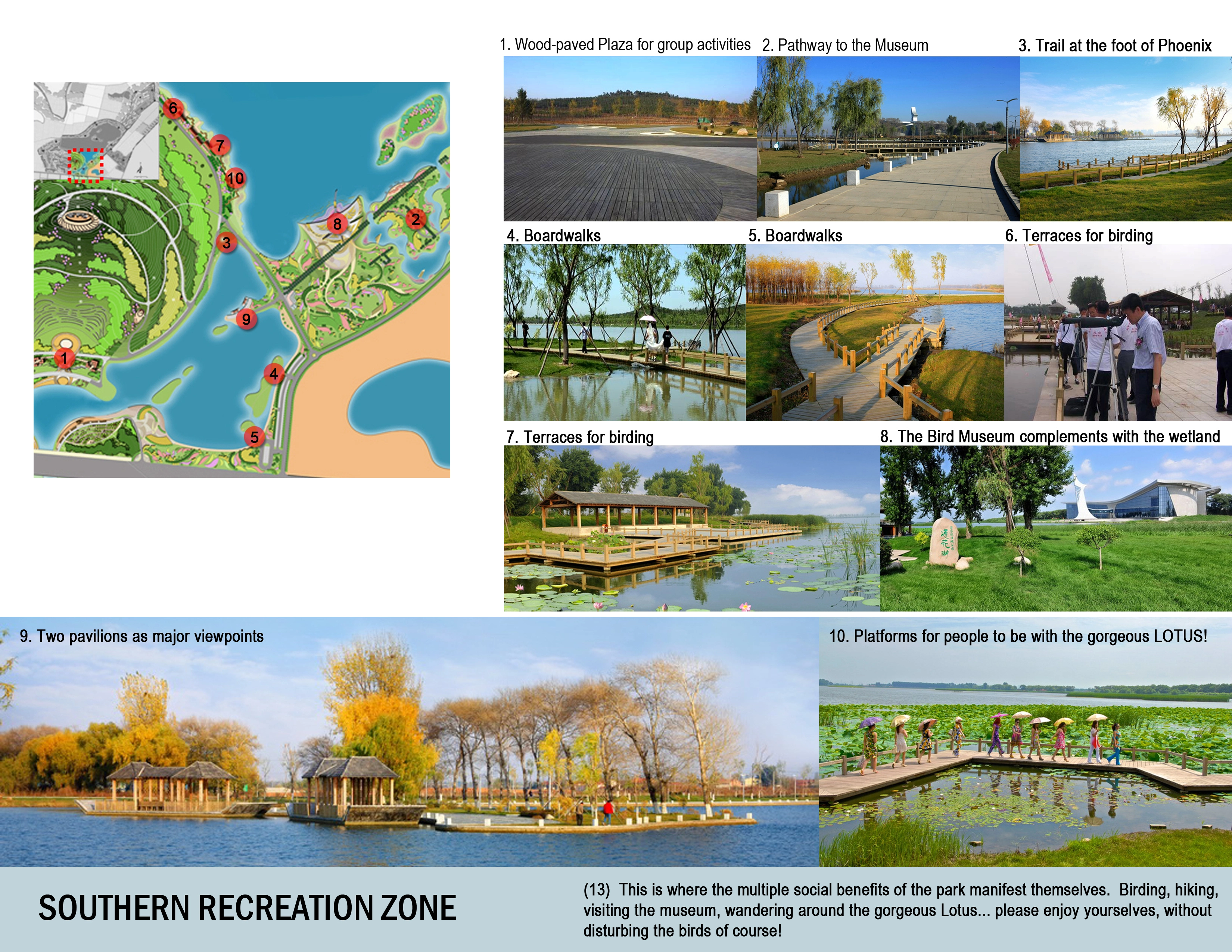
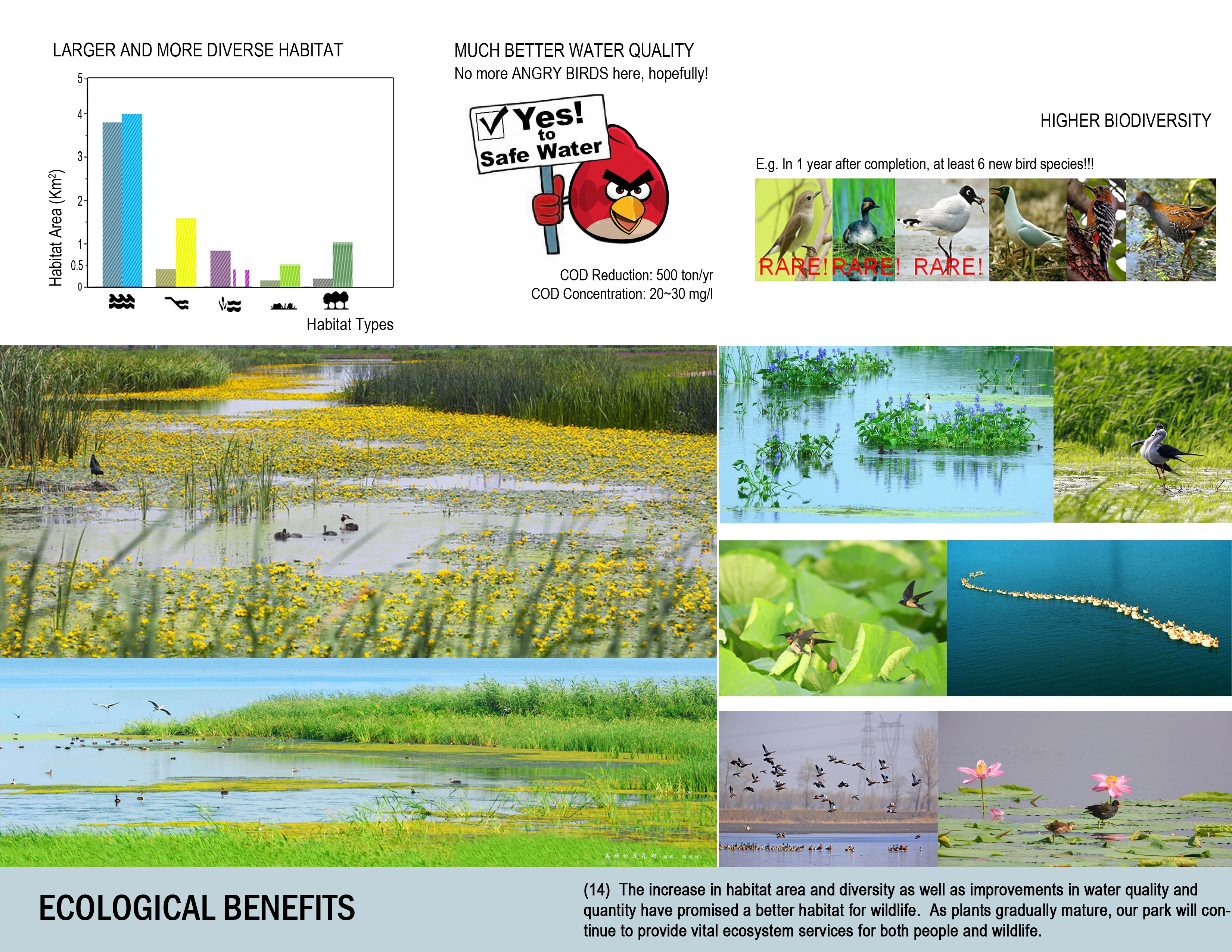
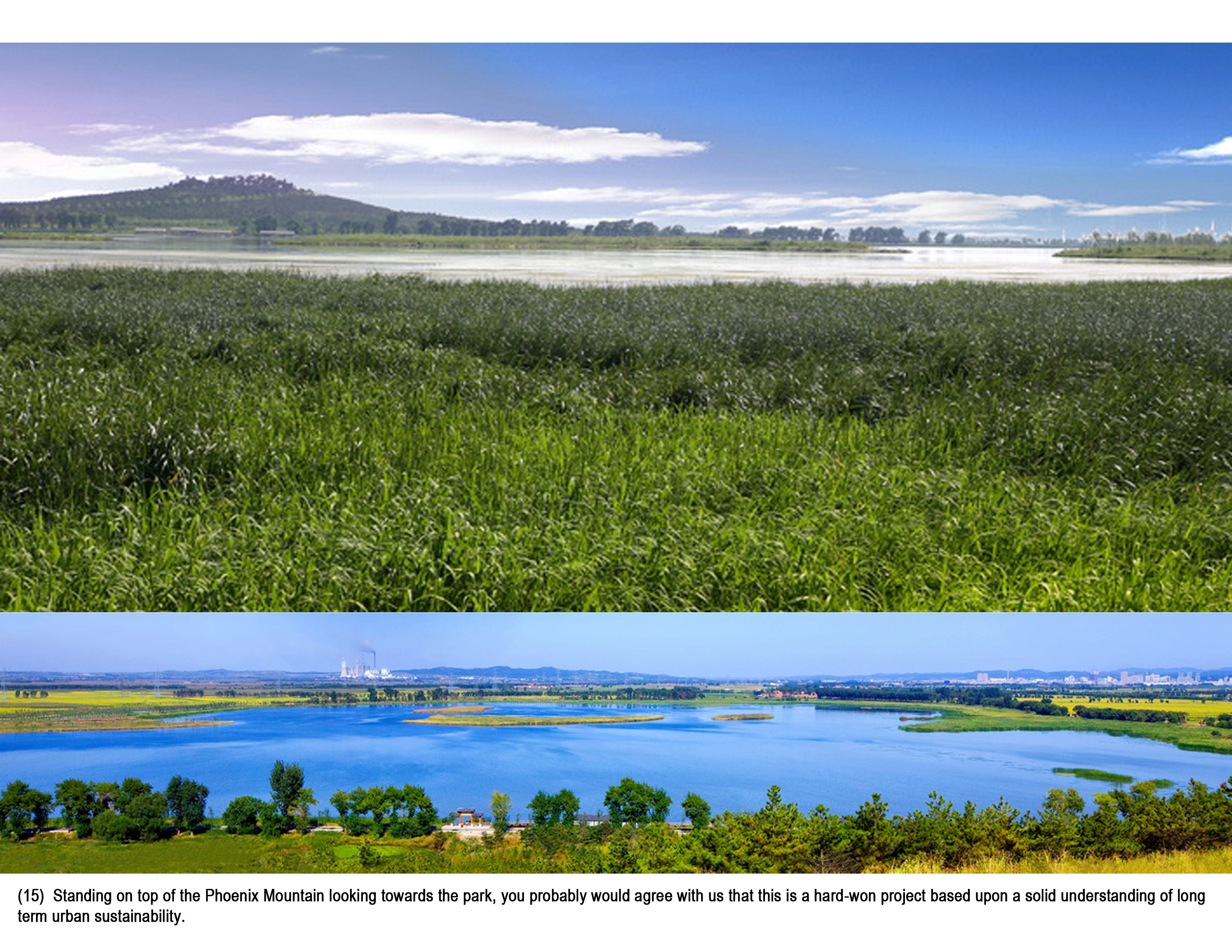
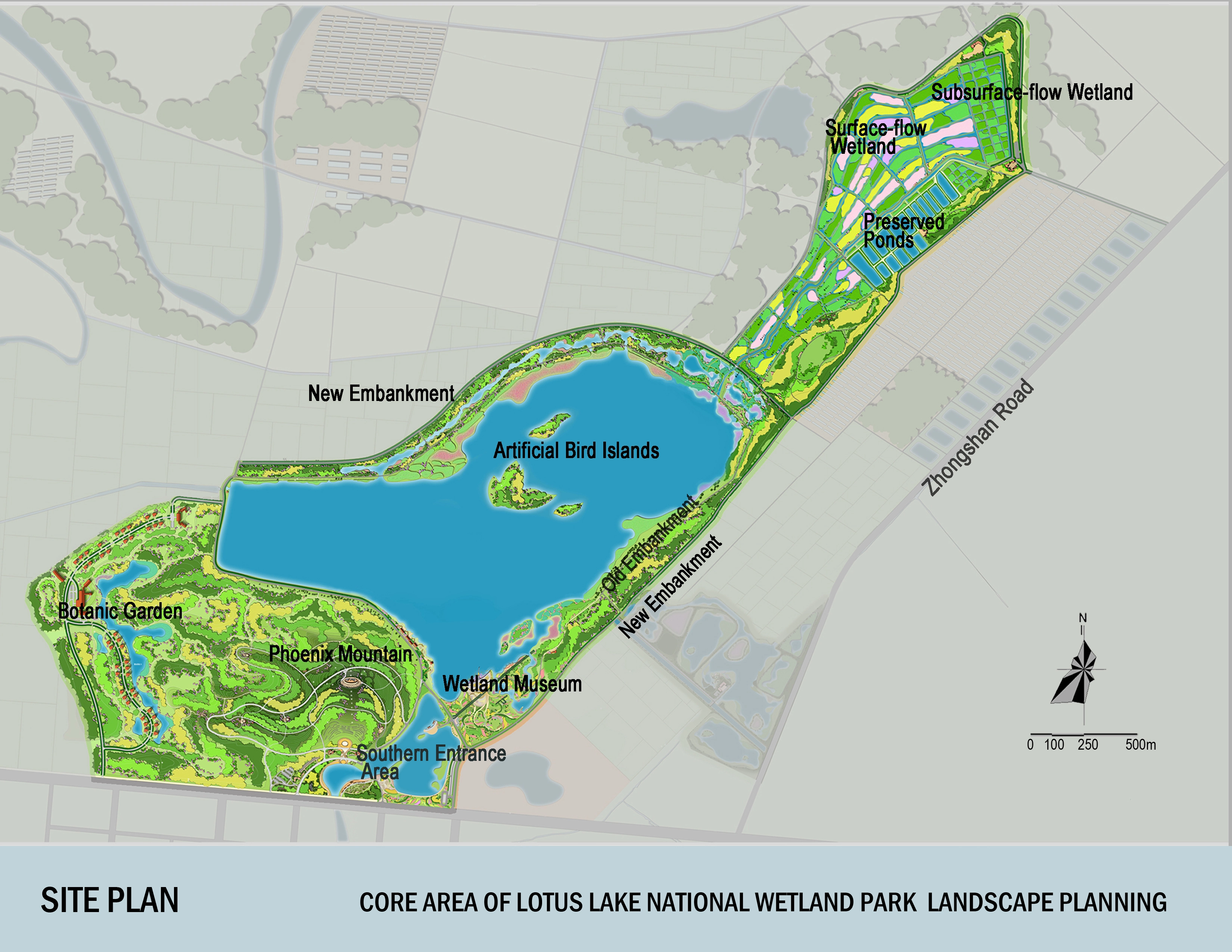
It feels very rich. This is really about the landscape rather than a framework. It’s amazing how this is clearly about the restoration of the plane and landscape.
Awards Jury
-
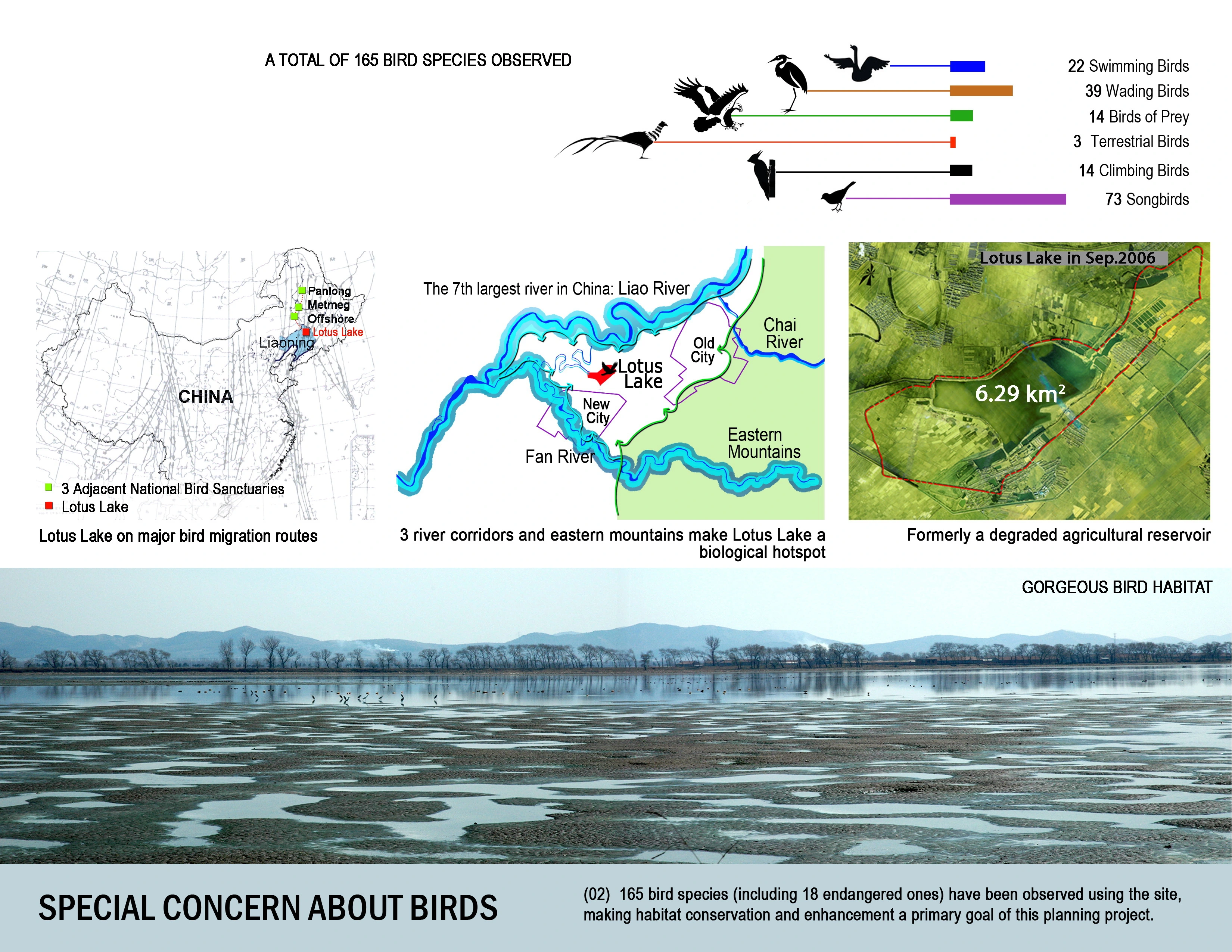
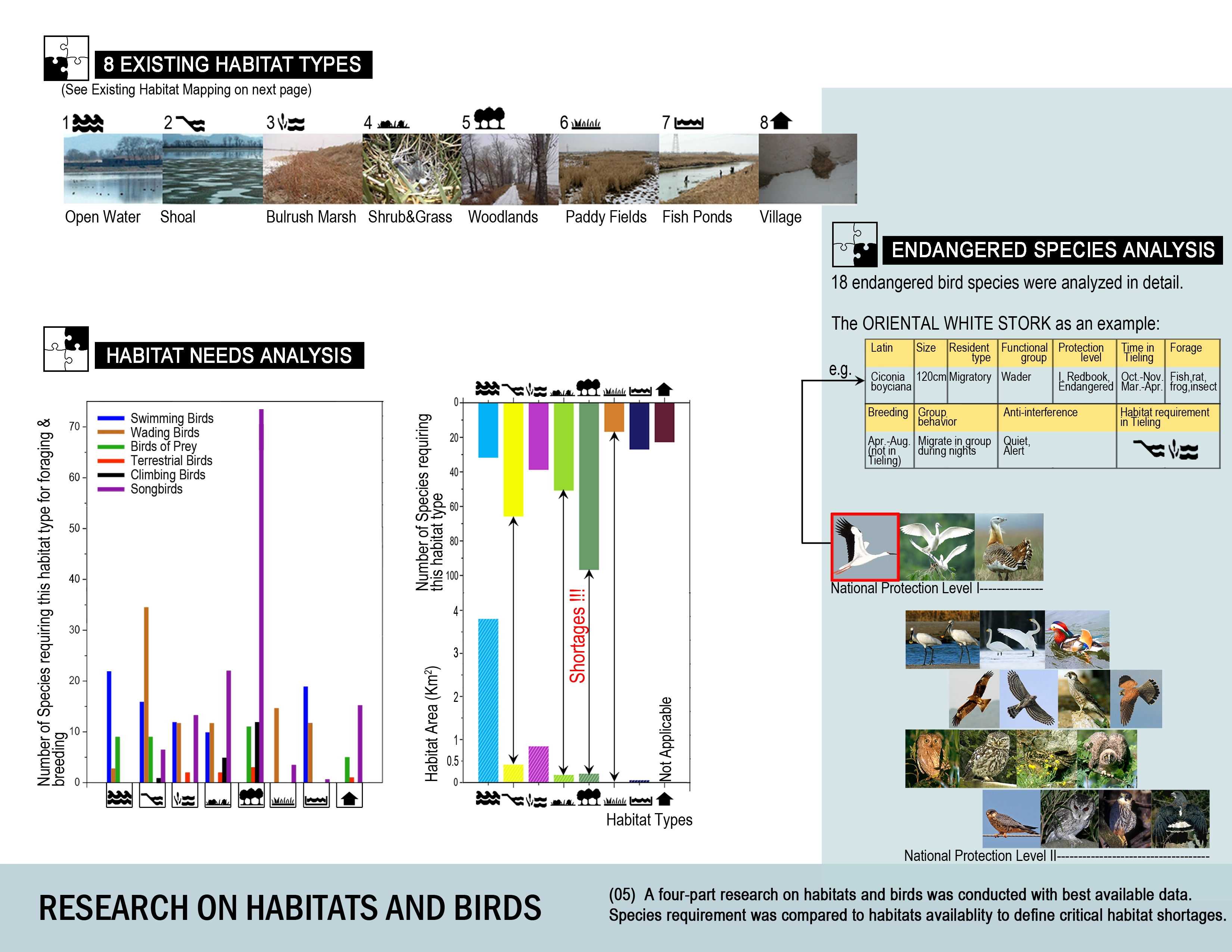
The Lotus Lake, a degraded riparian reservoir which had serious water quantity and quality problems but provided precious migration habitat for 165 observed bird species (including 18 internationally or nationally endangered species), has been ecologically enhanced and transformed into a 629 ha central protection area within a newly-established 4700 ha national wetland park, providing clean water, larger and more diverse habitat for wildlife, as well as social and economic benefits for people.
-
Background
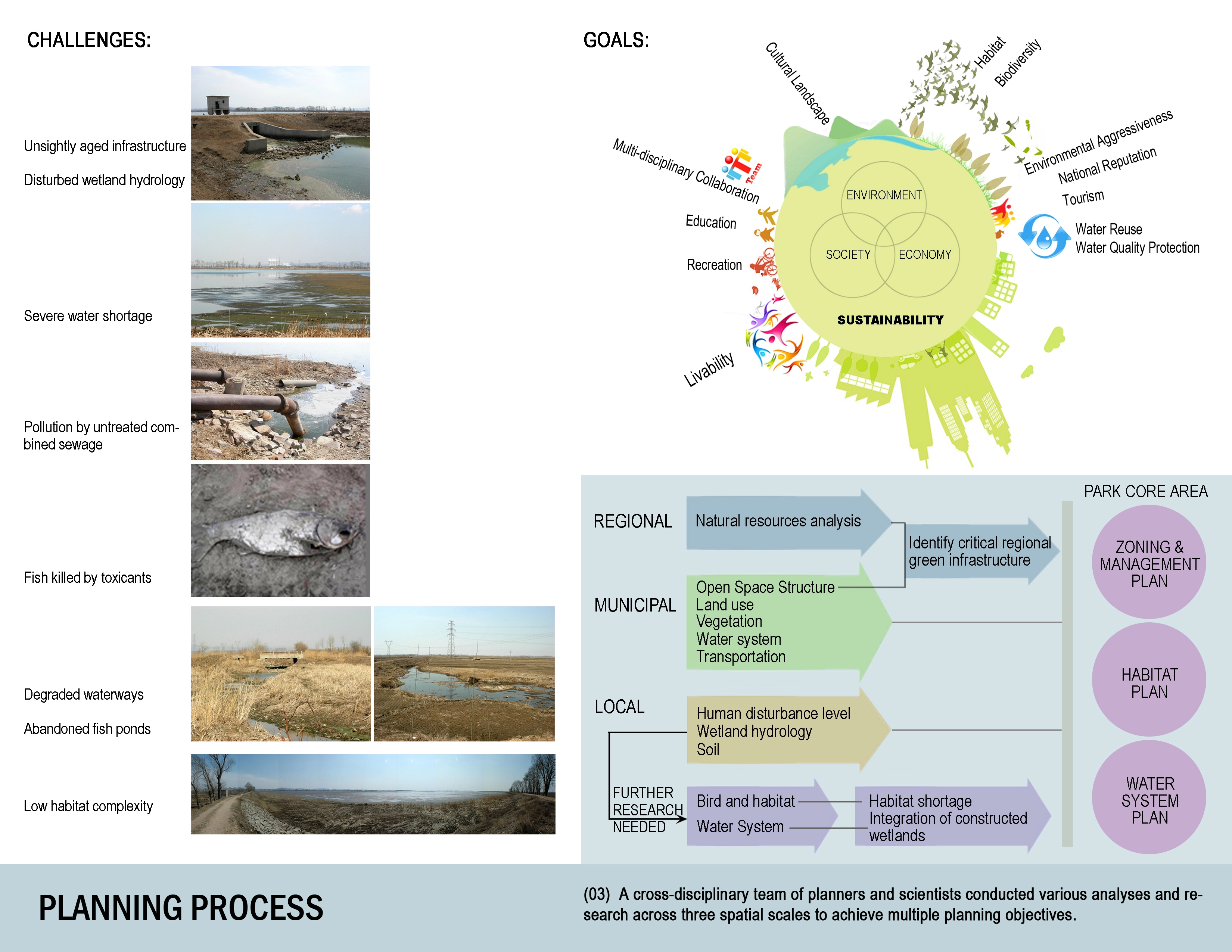
Located 15 km southwest to the Tieling old city, the Lotus Lake was originally a freshwater marsh scoured by the 7th largest river in China, and then an embanked reservoir for irrigation and flood storage since 1960s. Over the course of 50 years’ operation, the reservoir had suffered from problems including successional trajectory towards dry land, lack of water supply, lack of habitat complexity, and severe pollution by toxic sewage. Despite these problems, the reservoir has been an important habitat for migratory birds on the major bird migration routes of East Asia.
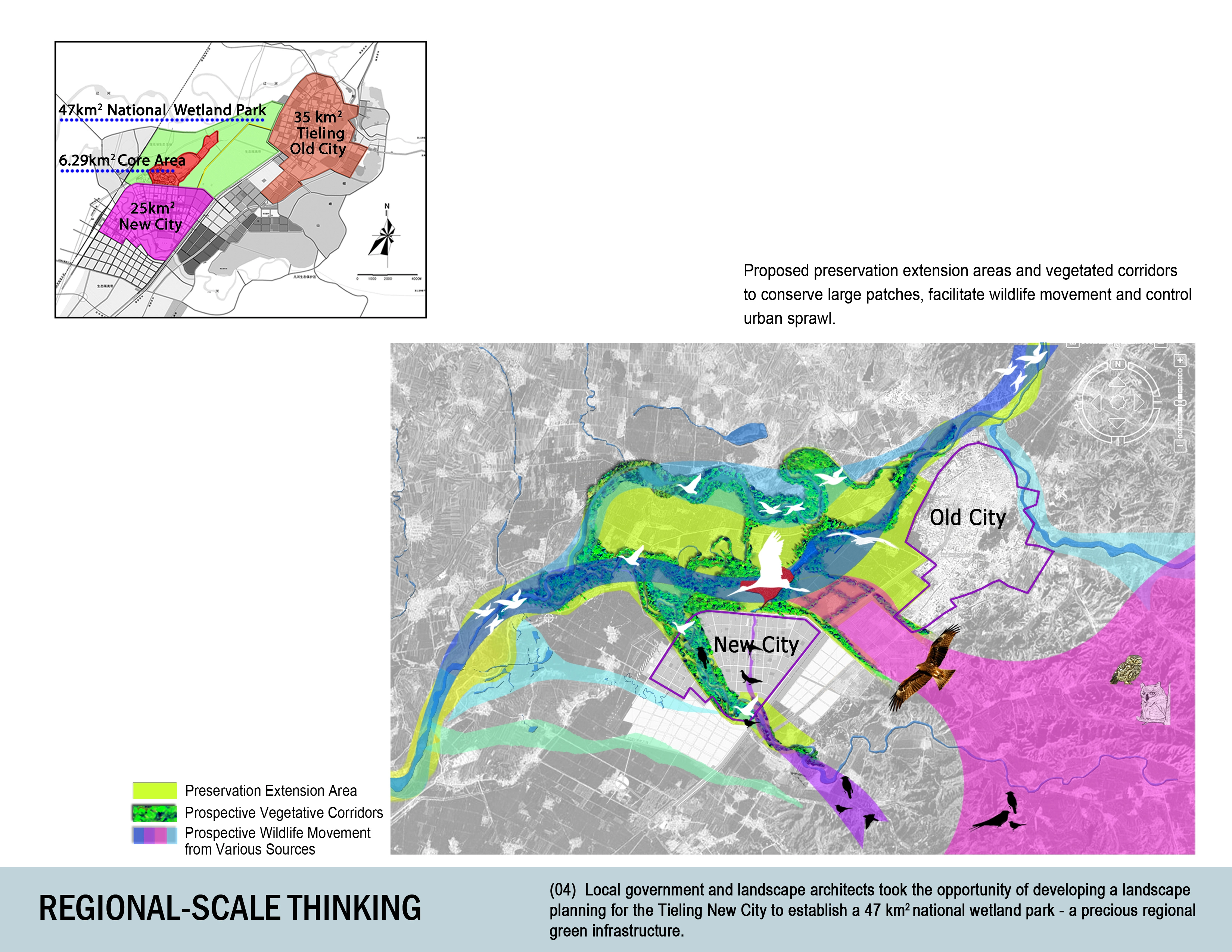
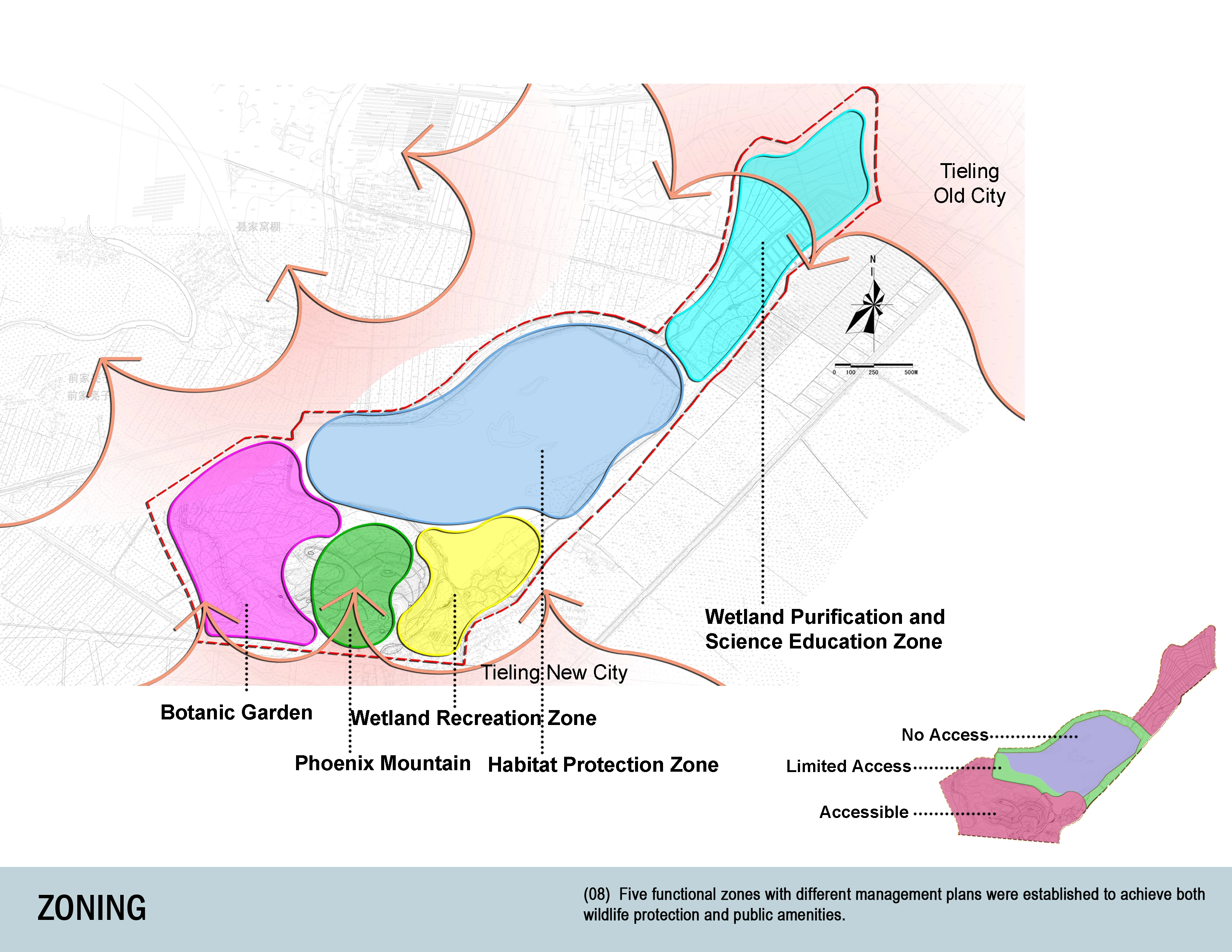
The development of the Tieling new City brought in brand-new opportunities for the reservoir. In order to promote the harmonious co-existence of human and nature, the local government and landscape planners worked together to establish a 4700 ha National Wetland Park. The 629 ha area around the lake became the core habitat protection area, which is also the scope of this project.
Major Planning Objectives
- to restore the ecological functions and ecosystem services of the degraded wetland, e.g., water quality protection, wildlife habitat, flood hazard reduction, water resource for irrigation, and etc.;
- to enhance the overall ecosystem health of the wetland with a long-term management regime;
- to create a graceful public open space with social amenities including recreation, environmental education, and etc.
Planning Process
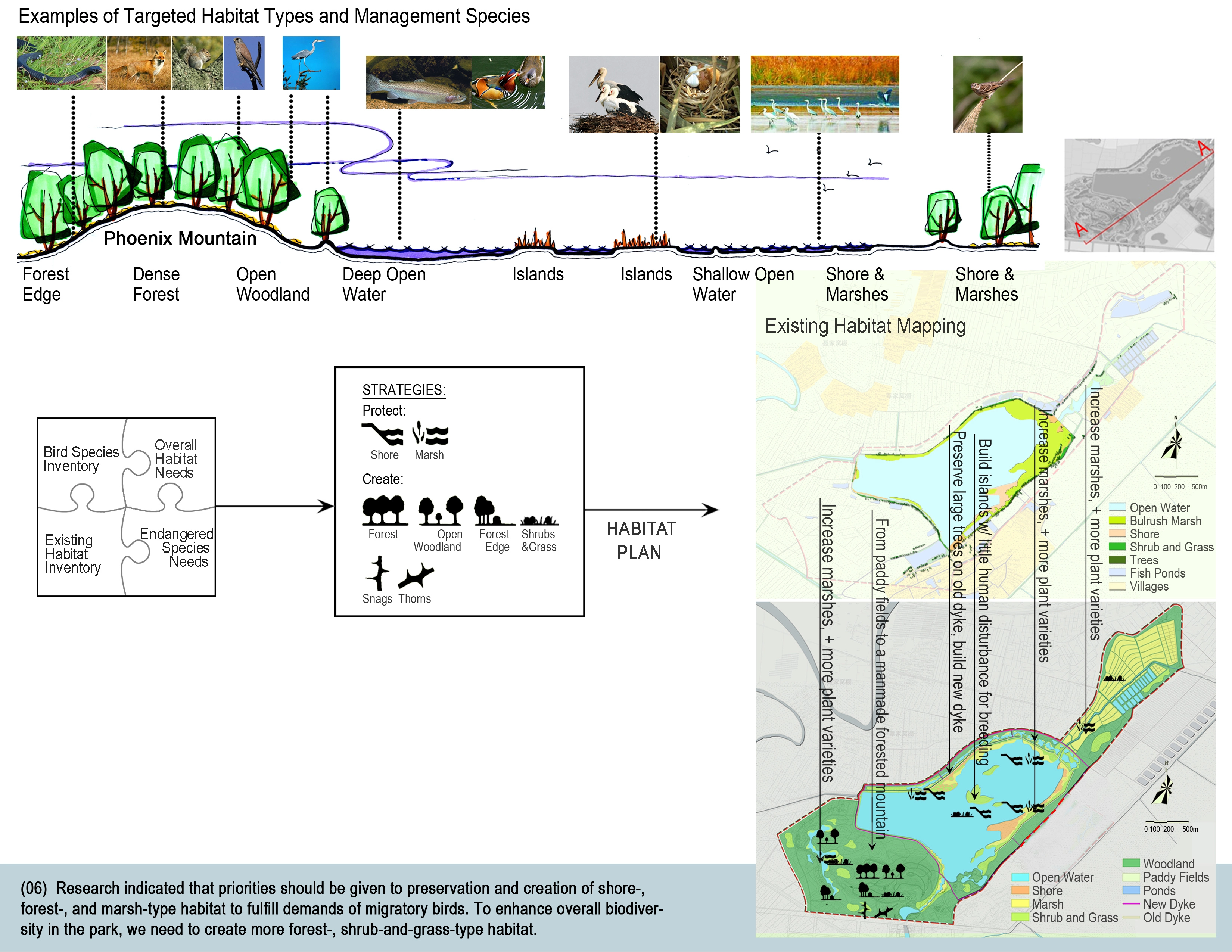
The planning and design concepts evolved from a detailed site analysis and intensive multi-disciplinary research.- Research on habitat needs indicated a lack of forest, woodland, forest edge, shrub-and-grass, and brush habitat types.
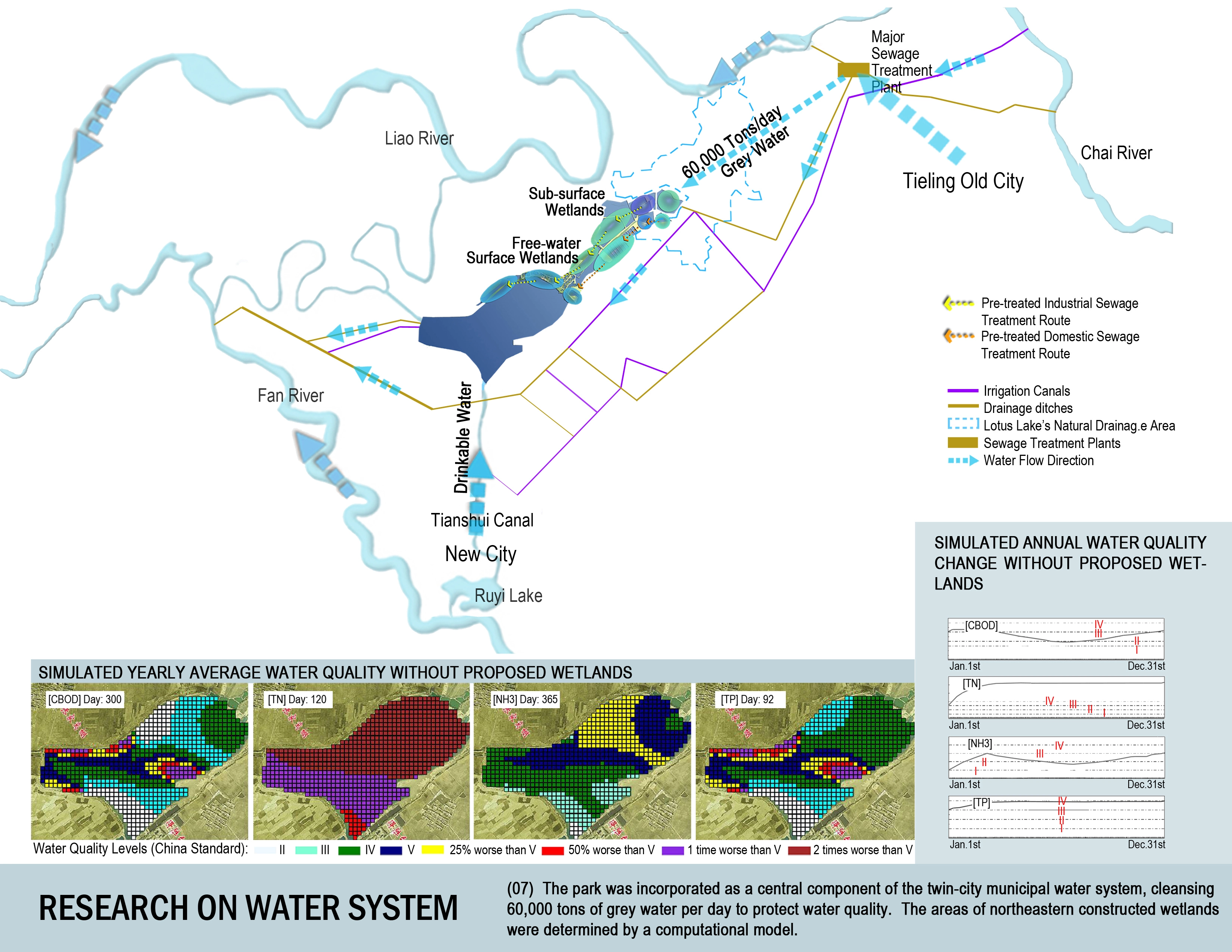
- An integrated water system planning approach was incorporated, in which the Lotus Lake became a central component of the twin-city municipal water system.
- A computer modeling of daily water quality determined the types and amount of wetlands to be constructed to fully treat grey water inflow.
Solutions
- Construction of Phoenix Mountain (50 ha) to provide forests, shrubs and grass.
- Construction of 3 artificial islands (30 ha) to create foraging and breeding habitat.
- Construction of a 67-ha Treatment Wetland Zone for grey water purification.
- Construction of a 10 km long new embankment system to protect mature trees on the old levee, creating additional wetland habitat between the two embankments.
Achievements
Ecological Benefits
- The project achieved measurable ecological improvements including enhanced habitat diversity, water quality, and biodiversity.
- All plant materials are native to the region. Over 230 species have been planted, expected to significantly enhance habitat diversity in the long run.
- Water has been systematically managed to treat and recycle grey water and storm water.
Social Benefits
- Public access to certain areas of the park creates precious opportunities for recreation, environmental education, and community outreach.
- Raise of environmental awareness among the public will enable more ecological planning and design projects of this kind to take place across the country.
Economic Benefits
Aggressive promotion of environmental stewardship raises Tieling’s national reputation while benefiting the economy.Professional Visibility
- Landscape Architects were the project leaders who incorporated and cooperated a multi-disciplinary approach to make this happen.
- Through the design process, landscape architects demonstrated the increasingly important role of ecosystem research on the planning and design of urban ecosystems.
-
Lead Designer: Beijing Tsinghua Urban Planning & Design Institute
Principal in Charge: Jie Hu, ASLADesign Team: Jie Hu; Lushan Lu, International ASLA; Yi Han; Qingyuan Tong; Lei Zhang; Furong Pan; Chunjiao Li; Mengcheng Zou; Juan Du; Yixia Wu; Hong Wu, Student Affiliate ASLA; and Hui Liu
Cooperator: Tieling City Urban Planning and Design Institute
Yujie SunClient: Tieling City Planning Bureau
Changsheng Wang and Yaquan Wu
Advertisement
Related Awards
Honor Award, Analysis & Planning
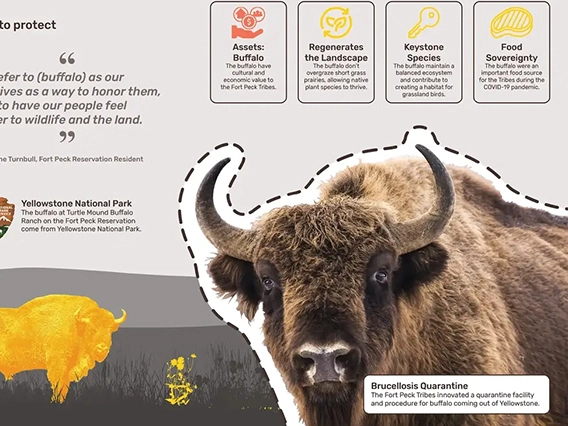
A Cultural Approach: The Fort Peck Tribes Hazard Mitigation Plan
In collaboration with the Fort Peck Assiniboine and Sioux Tribes, EPA, and FEMA, the Fort Peck Tribes Hazard Mitigation Plan (HMP) adopts a culturally responsive approach to hazard mitigation planning that features connection to place.