
.webp?language=en-US)


Canada’s Sugar Beach
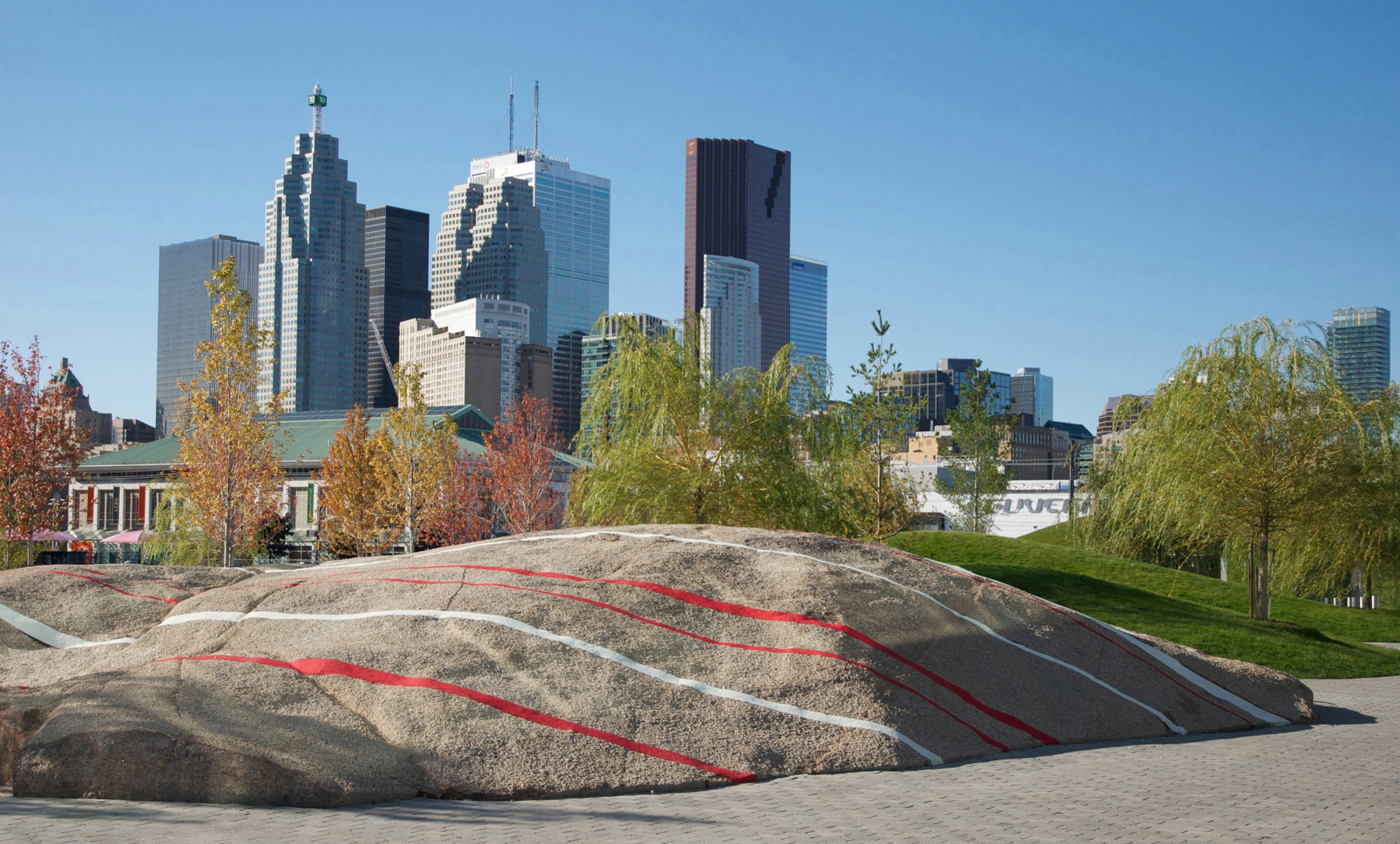
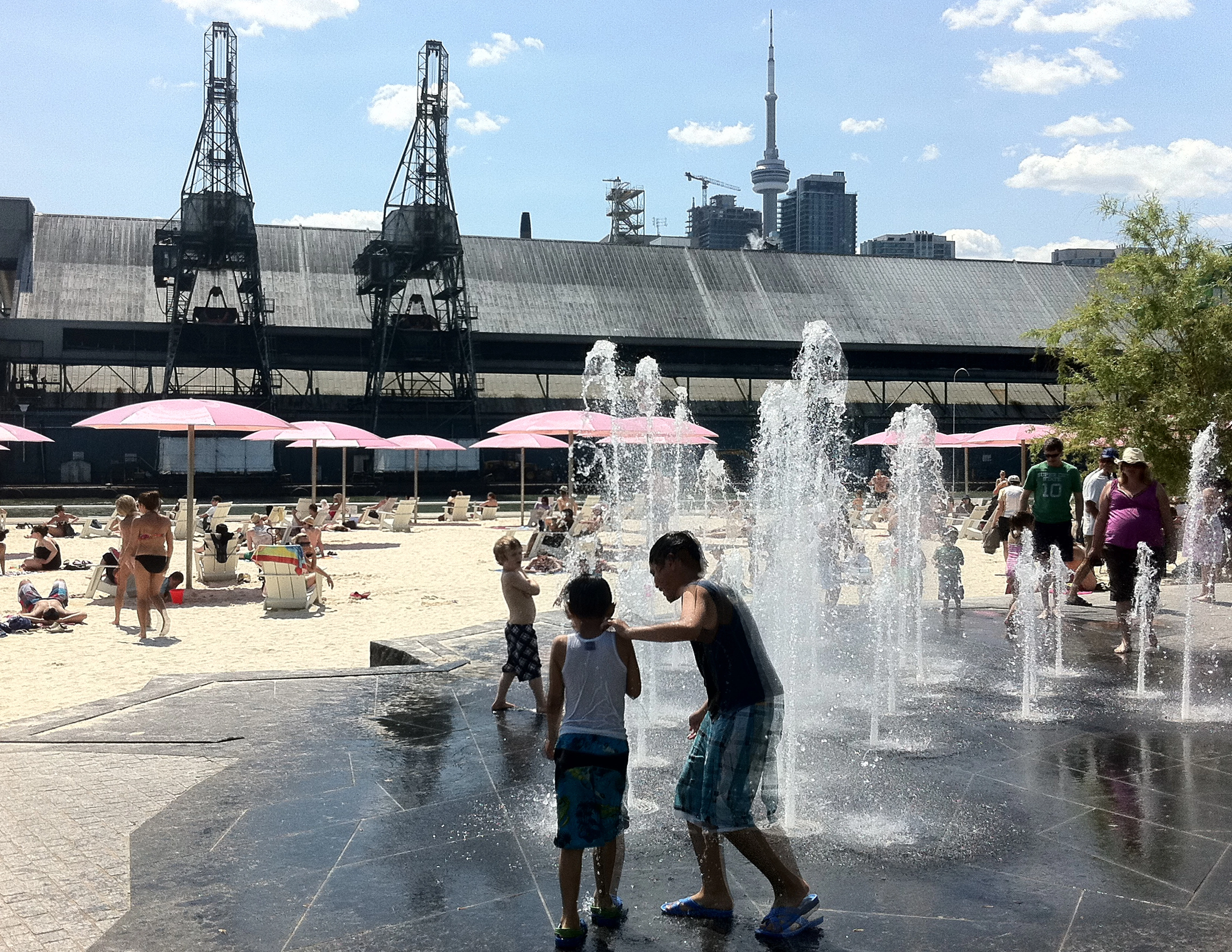
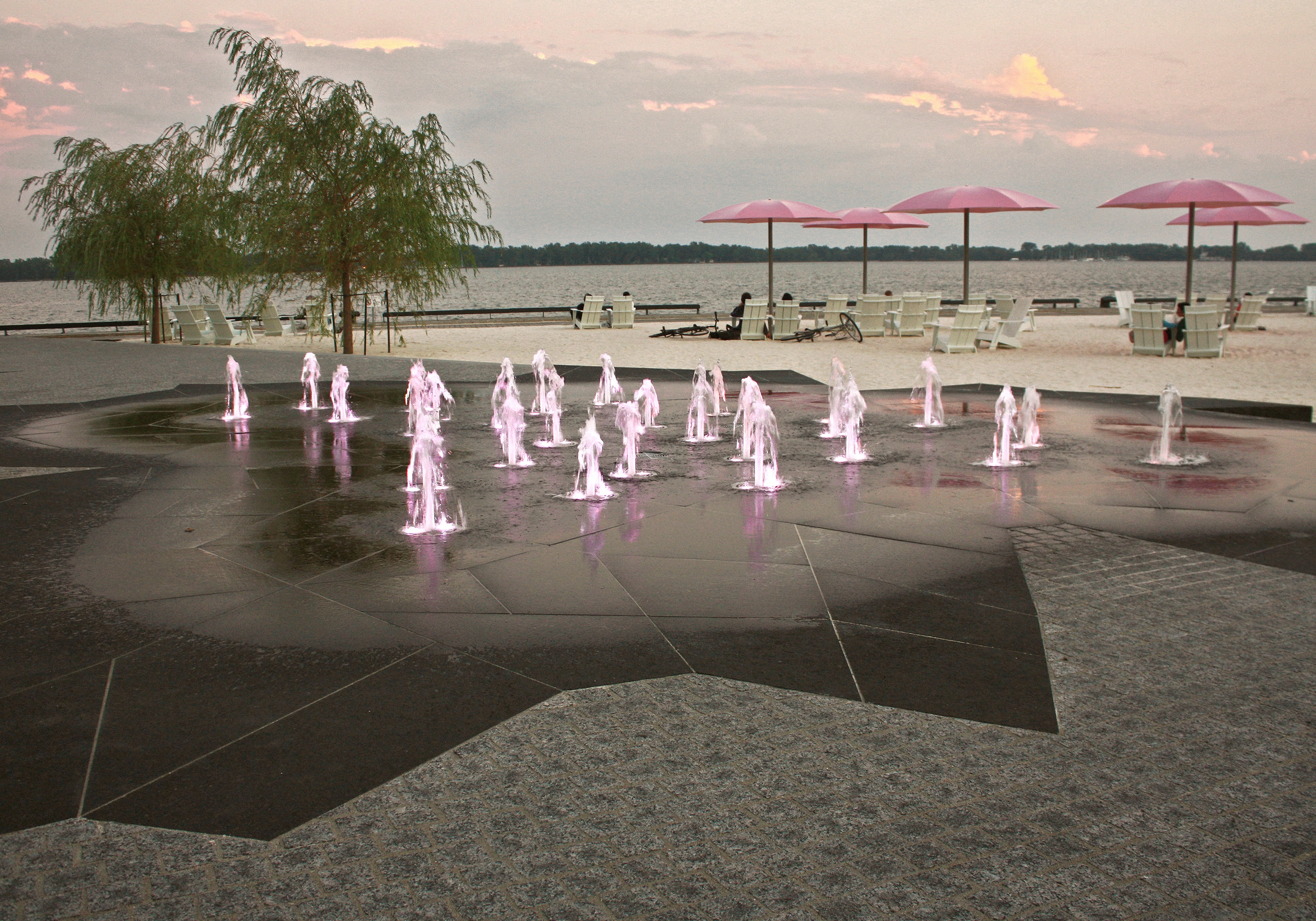
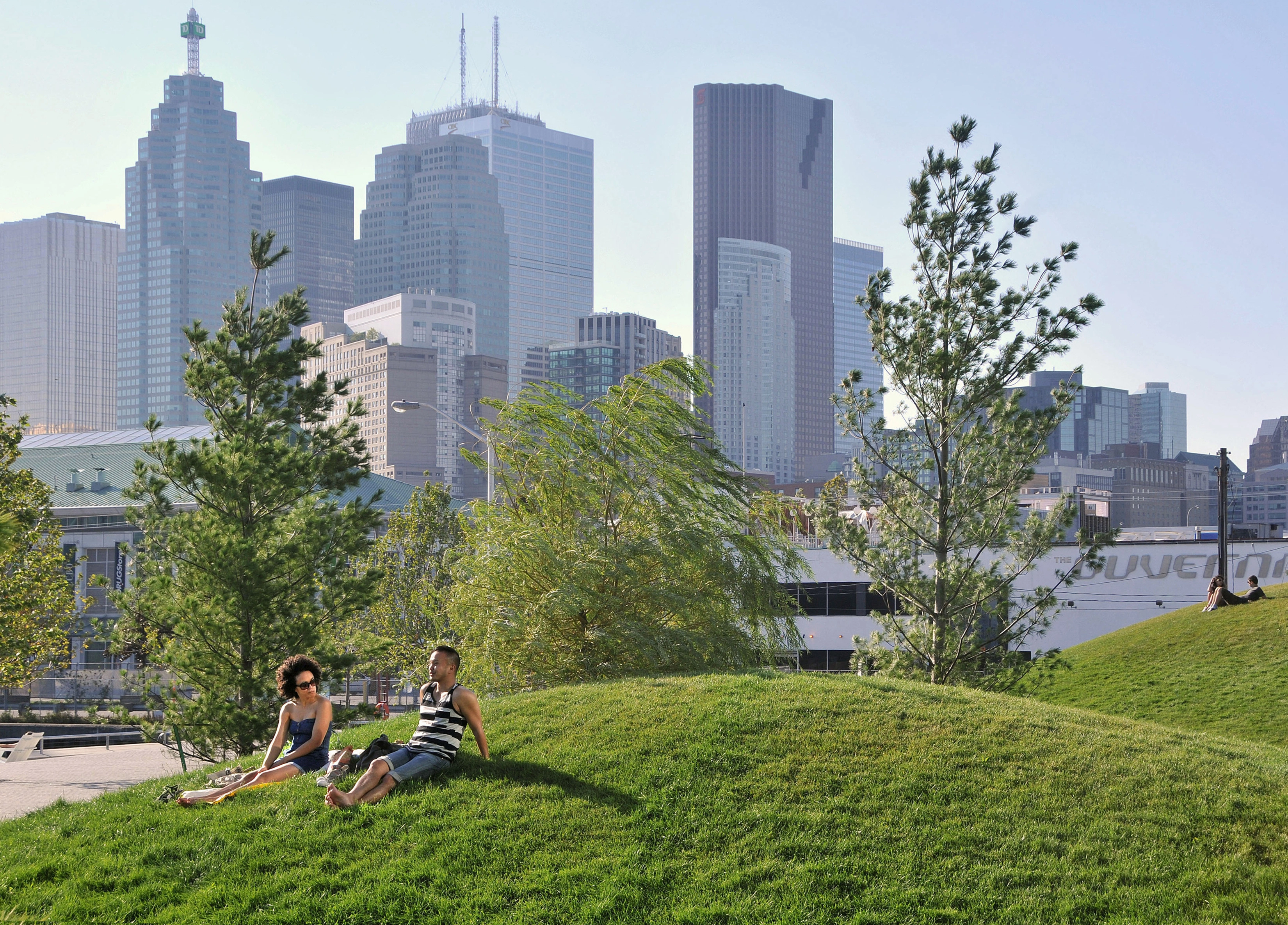
Playful and whimsical, this design transforms an industrial space into a real breath of fresh air along the waterfront. It’s a contrived landscape that people are craving. It’s fun to be a designer with a project like this.
Awards Jury
-
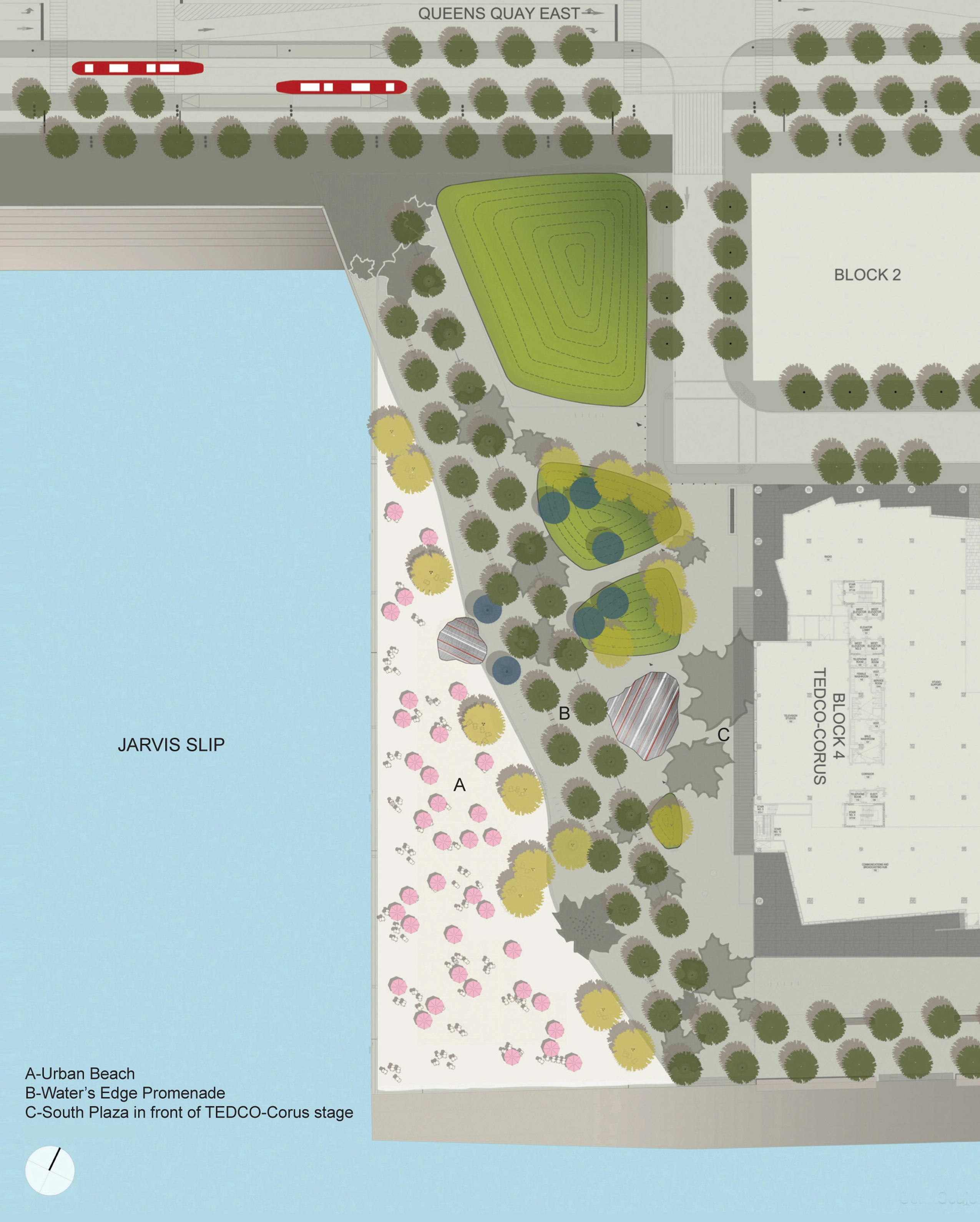
Canada’s Sugar Beach is three parks in one, united by a singular reference borrowed from the sugar refinery across the slip. Poised between the extreme verticality of the City skyline and the superlative horizontality of Lake Ontario, Sugar Beach is a space to experience the unique phenomena of the surrounding context. A deliberate effort of detail through nuance draws focus to the surroundings so the space becomes greater than the sum of its diverse parts.
-
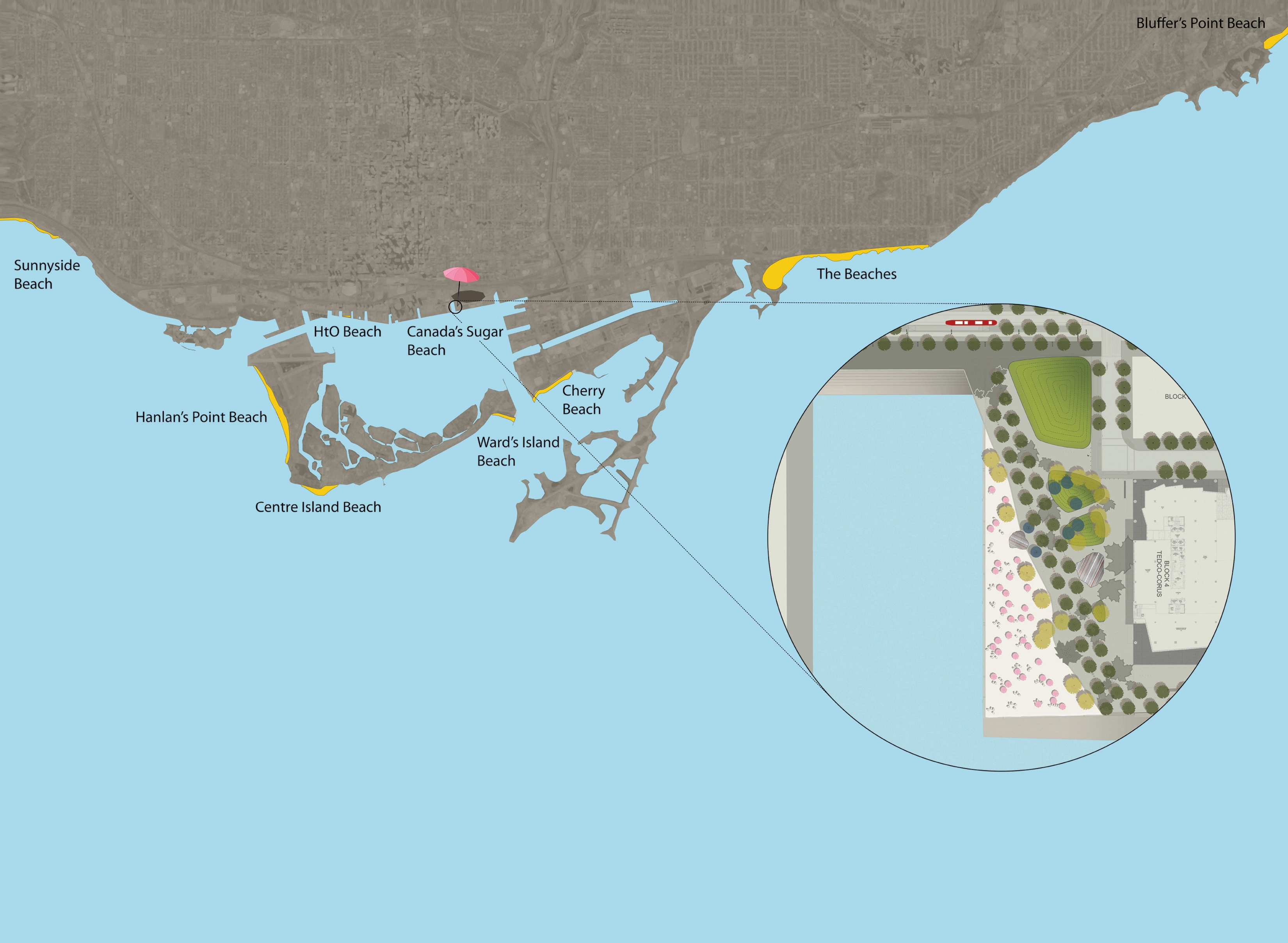
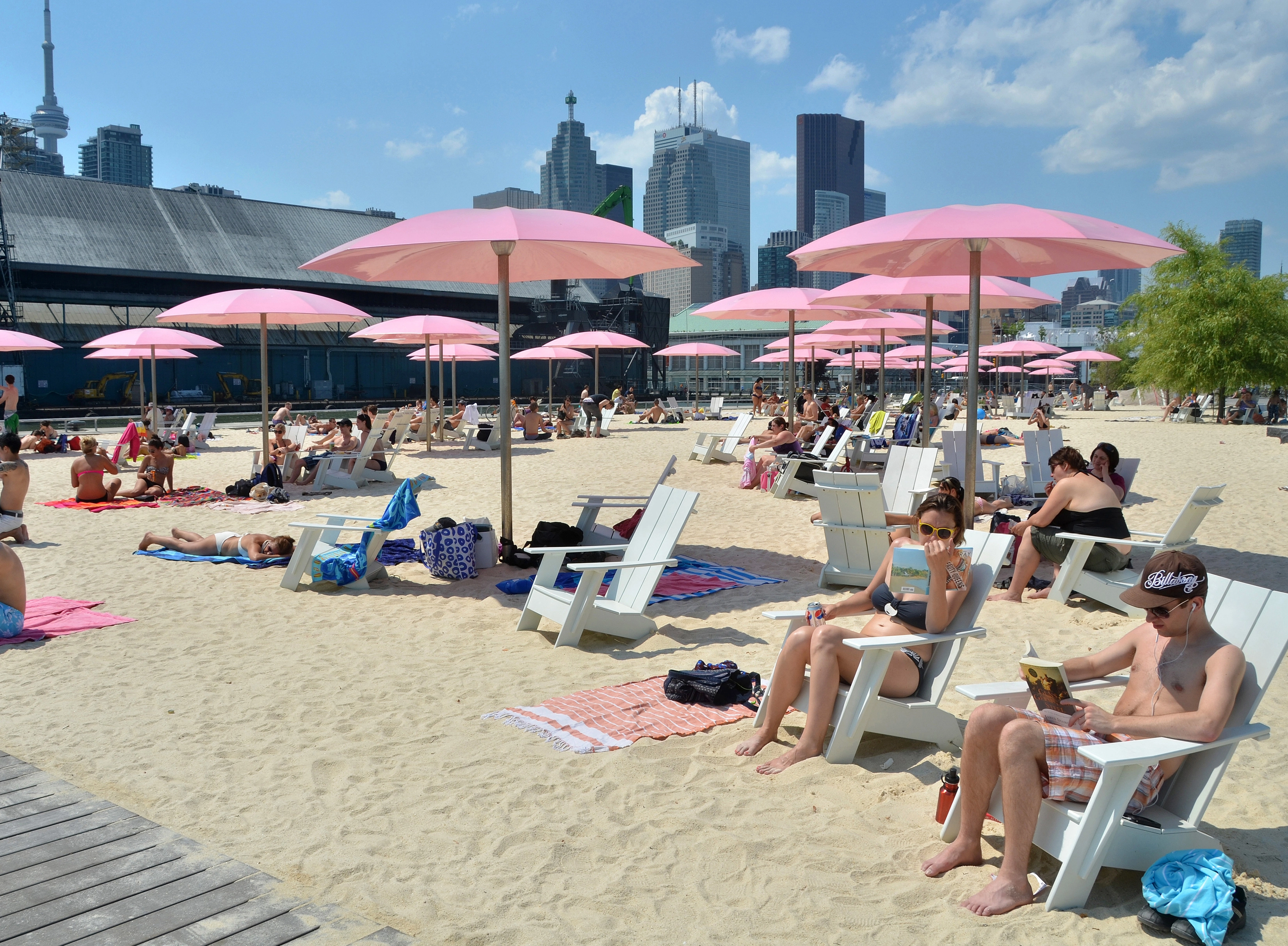
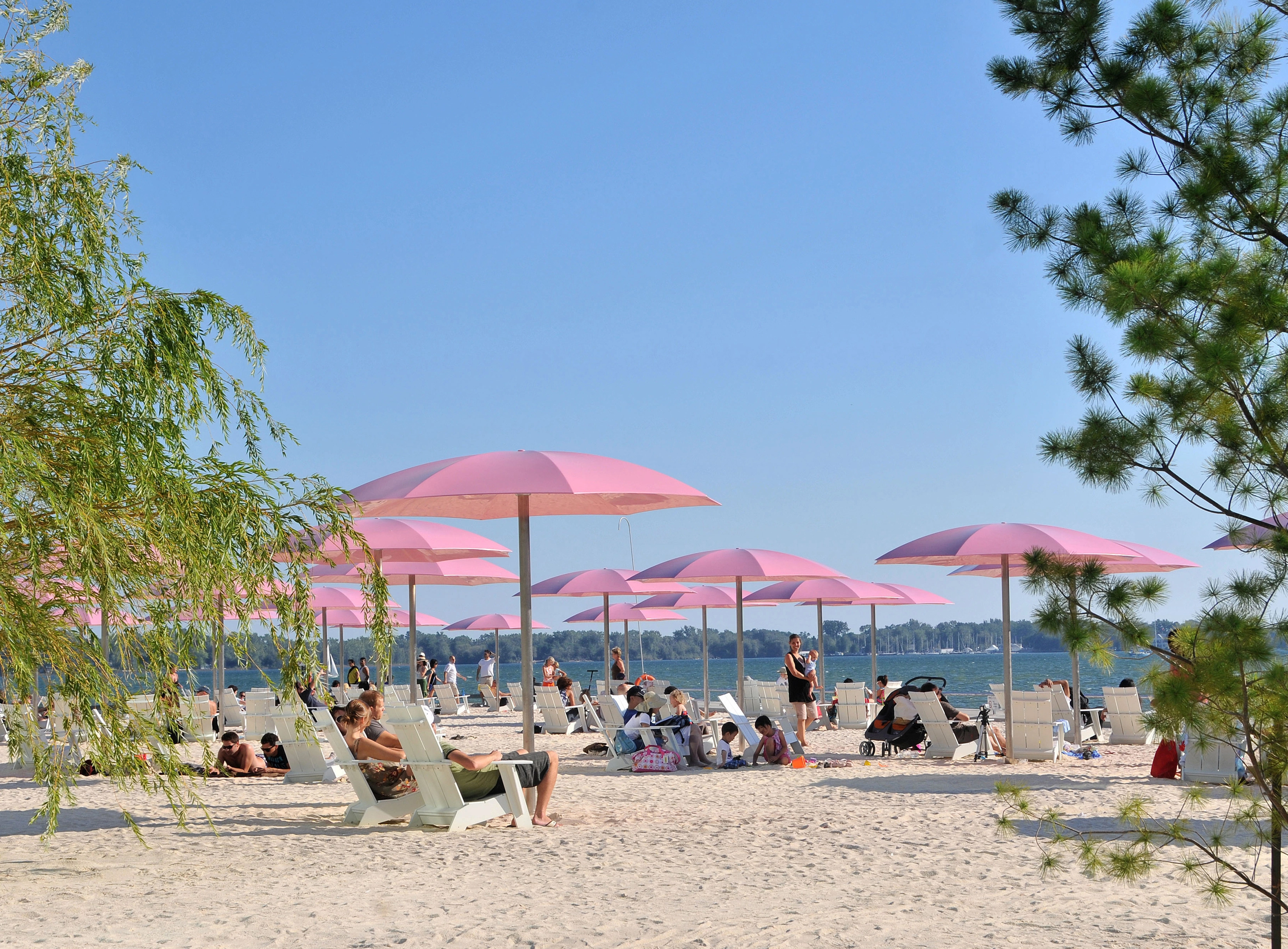
Formerly a surface parking lot in a faded industrial area, Canada’s Sugar Beach opened in August 2010 to become Toronto's second urban beach along the City's downtown shoreline. The park’s brightly colored pink beach umbrellas and iconic candy-striped bedrock welcome visitors to the new and emerging waterfront neighbourhood of East Bayfront.
The increasing rate of residential, commercial, and institutional intensification in downtown Toronto brings with it a real need for an urbanism that is generous in the public realm. A conceptual reference for Sugar Beach was the painting Bathers at Asnières by Georges Seurat, which depicts recreation of common citizens at the edge of the Seine in the late 1800s, with billowing smokestacks in the background, capturing Paris at a moment in its transition from an agricultural economy to an industrial one. Fast-forward to the present-day, and we see a similar transition, this time from an industrial to a knowledge and service-based economy that is creating similar impacts and demands on public space. But instead of offering a space for release and repose from labor as with the Paris antecedent, Canada’s Sugar Beach creates a space for a contemporary form of recreation — a kind of idle productivity that comes from a space that allows for personalization and an uncluttered horizon to refresh the imagination. Toronto parks have normally served as places for jogging and dog-walking. Sugar Beach creates a place that accommodates the emerging desire to recreate by engaging one’s mind, and one another, at a scale that is intimate yet public, easy yet challenging, where the body retreats and the mind is stimulated. As the traditional appeal of the cottage getaway succumbs to cost and automobile constraints, Sugar Beach offers a sustainable alternative and a curious twist to notions of ‘urban escape’.
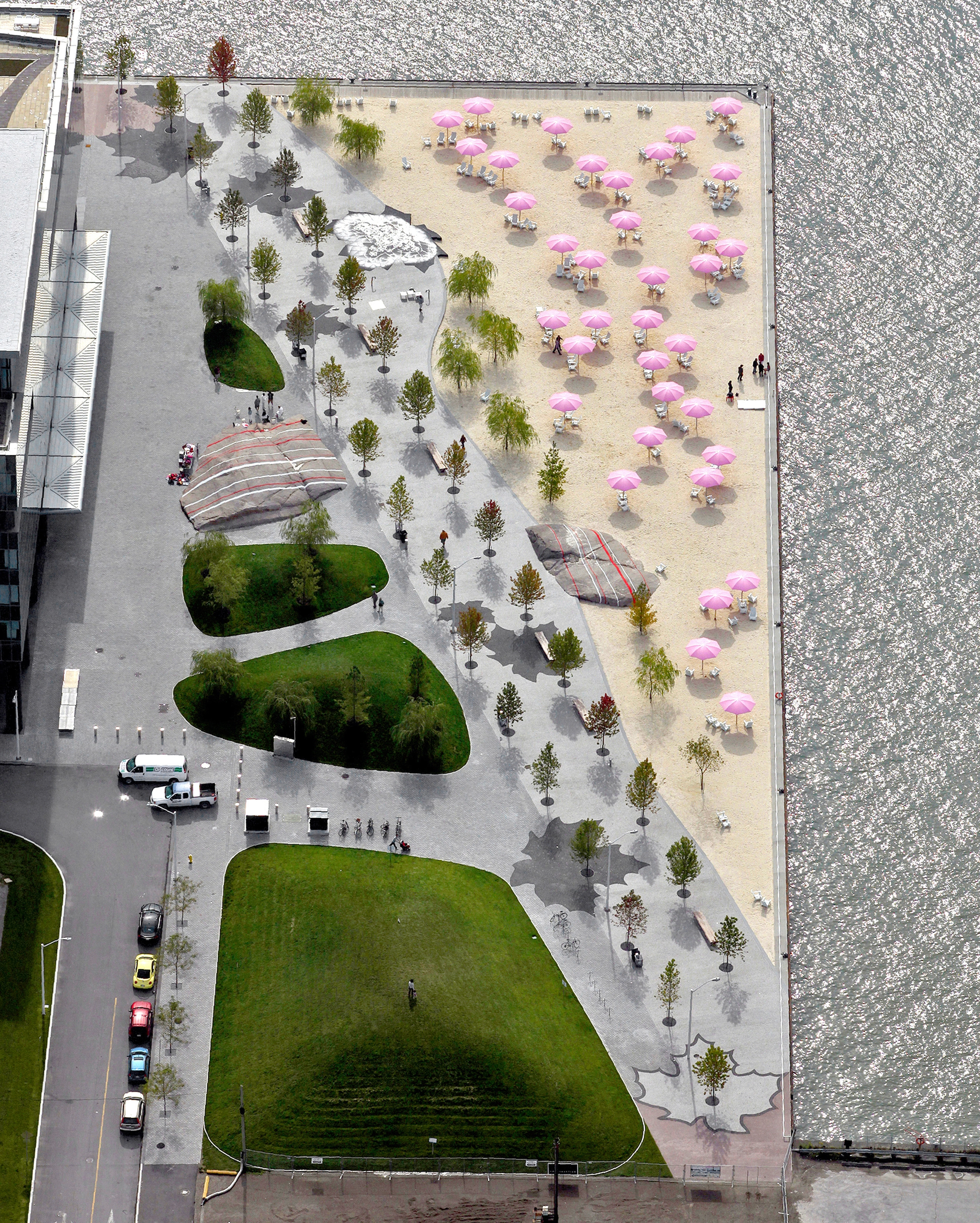
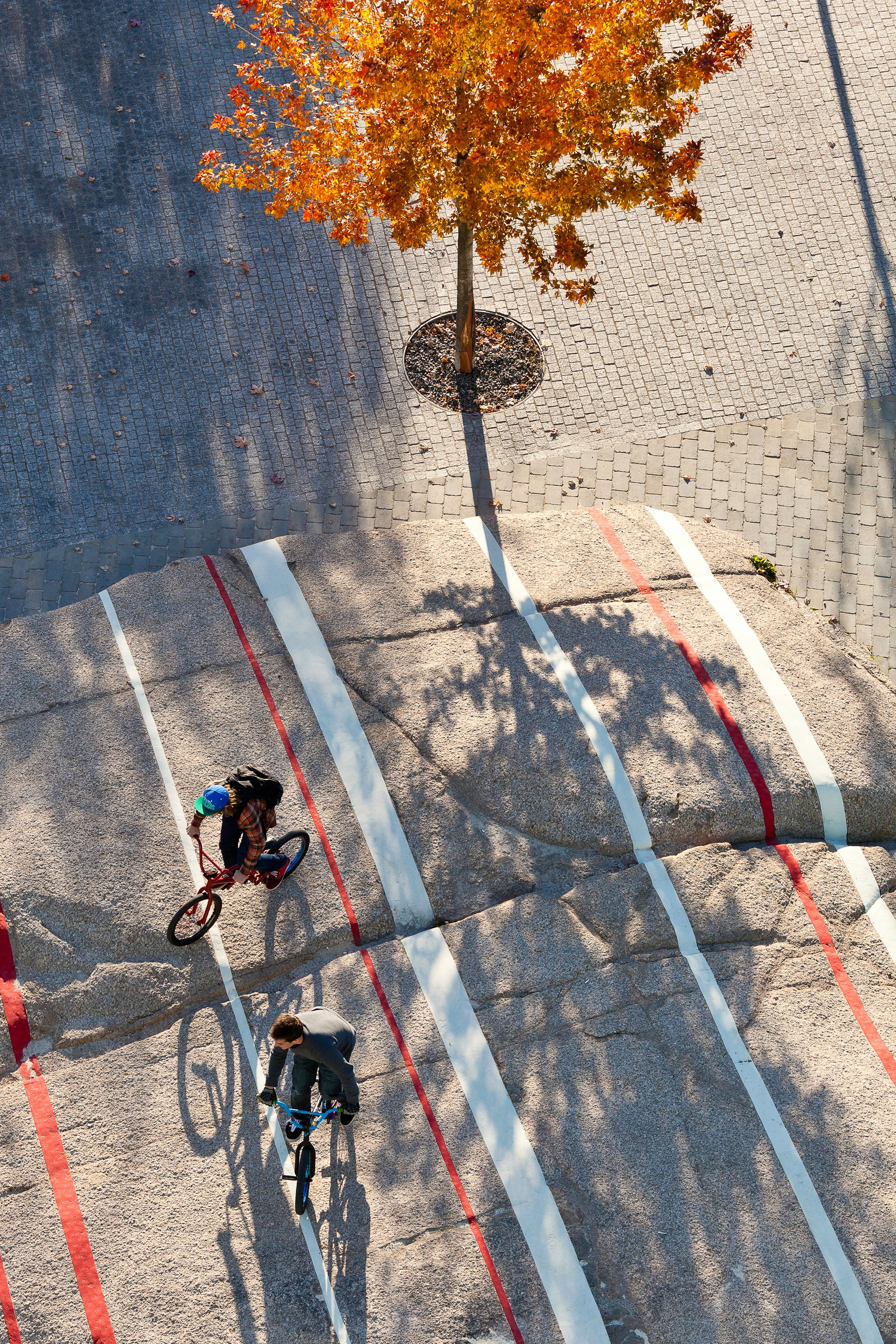
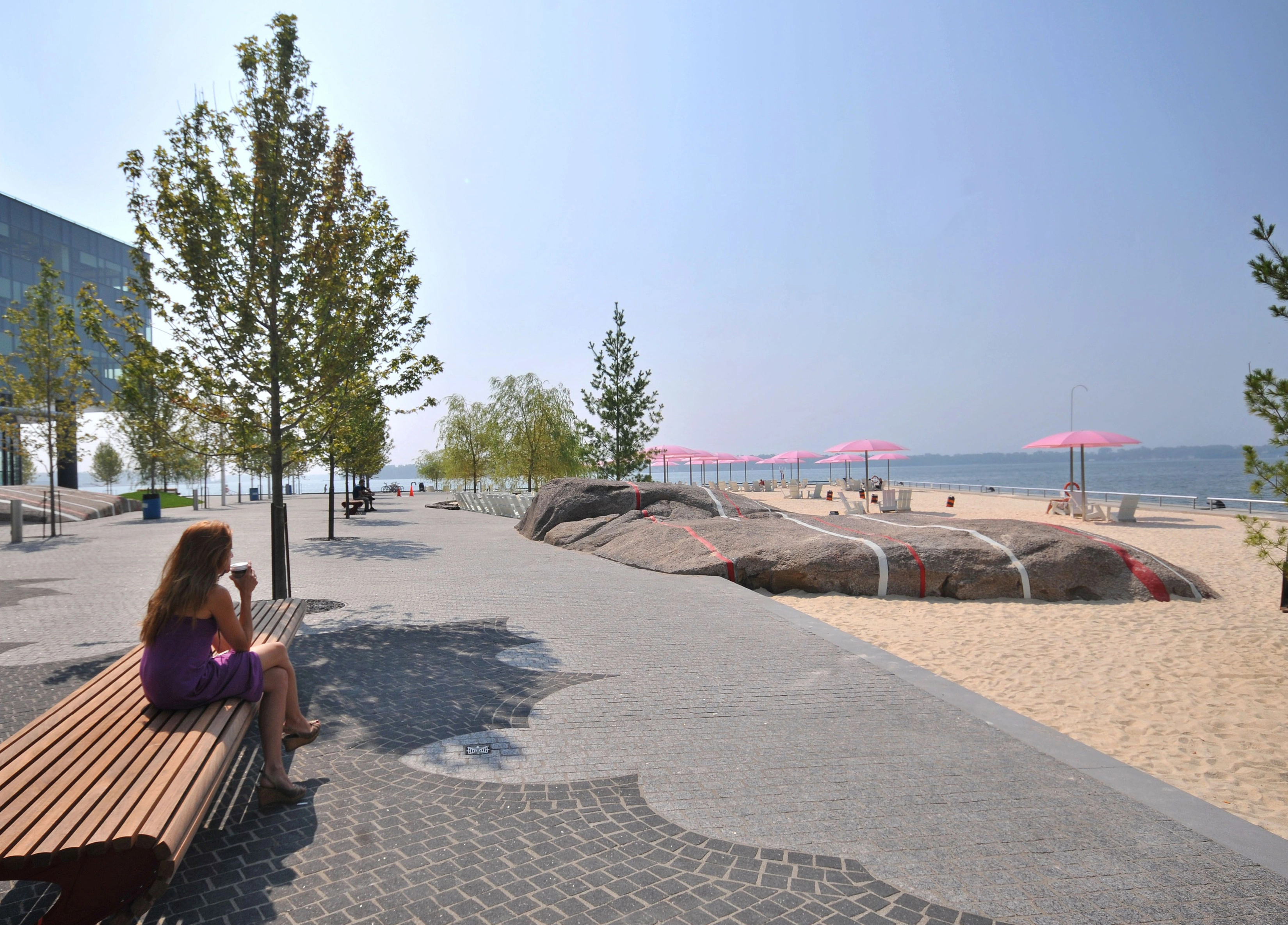
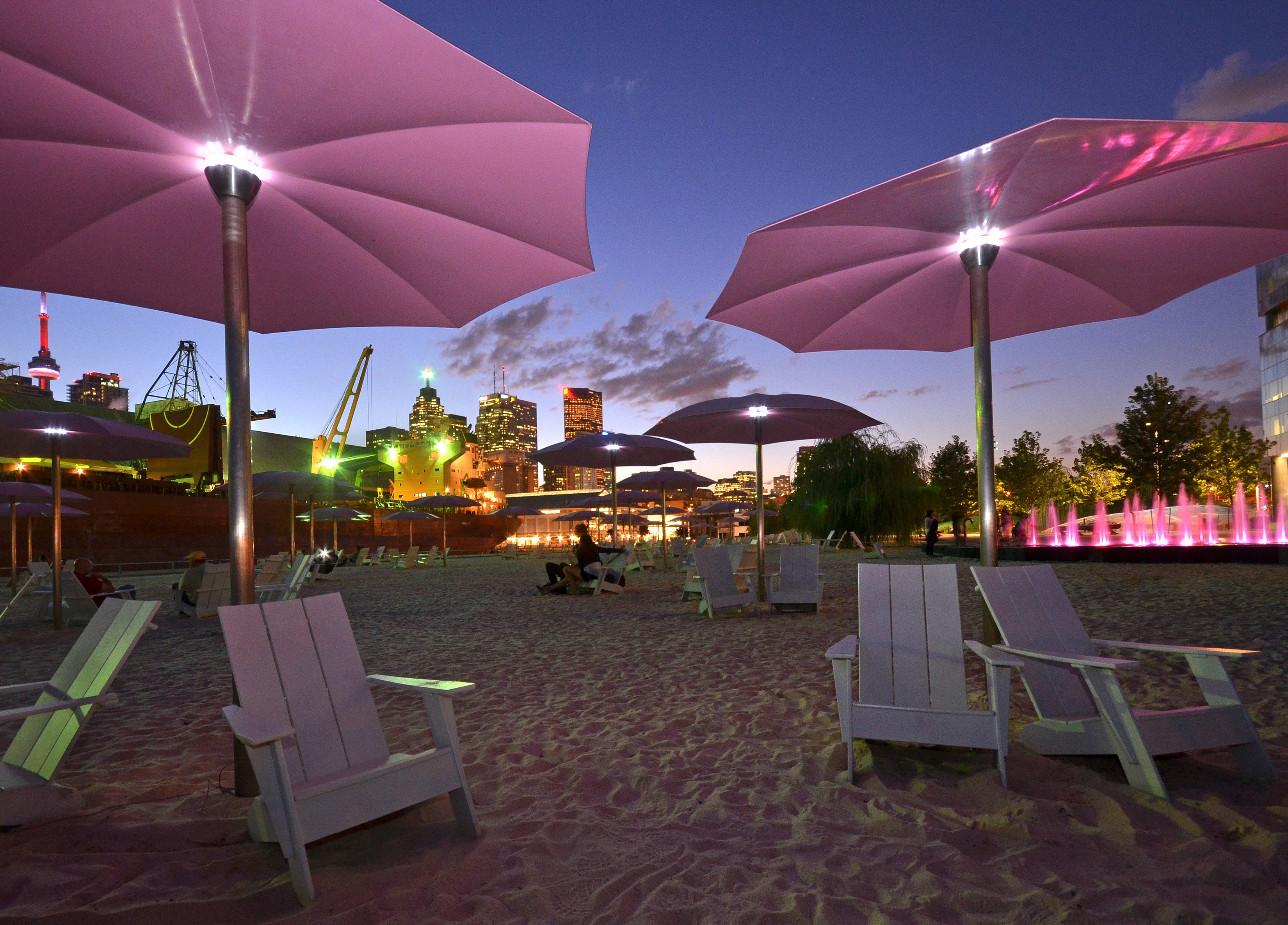
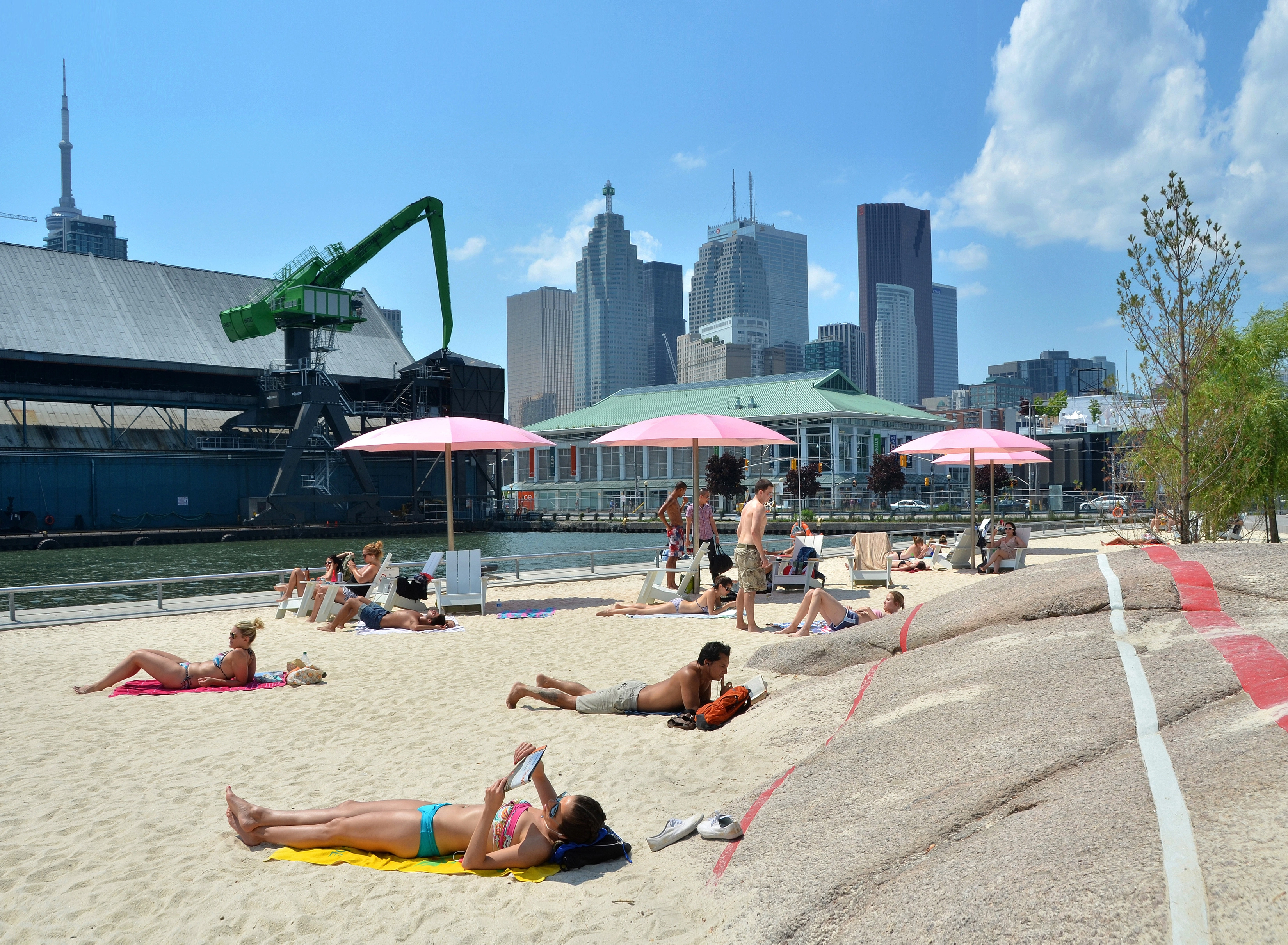
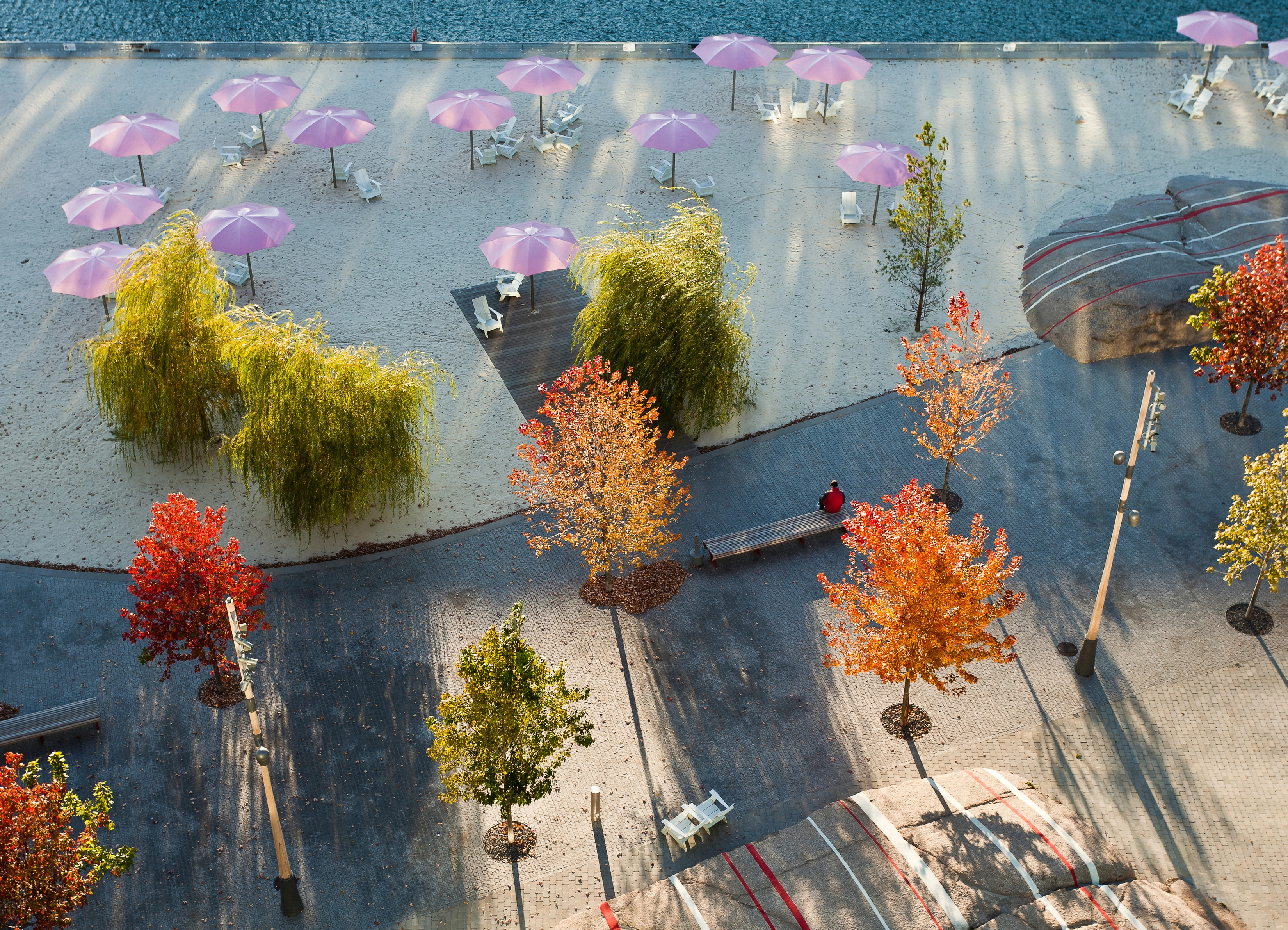
The design for Canada's Sugar Beach draws upon the industrial heritage of the area and its relationship to the neighboring Redpath Sugar factory. The 8500m2 (2 acre) park features three distinct components - an urban beach, a plaza space, and a tree-lined promenade running diagonally through the park. The sugar factory creates a surreal industrial backdrop, where gantry cranes offload mountains of sandy raw sugar from giant tankers moored in the slip. With the fragrance of sugar in the air, the park's conceptual reference is experienced in both sight and smell. Sugar as concept was used to establish a language for many of the elements throughout the park, from the red and white bedrock candy stripes on the park's two outcroppings, the soft confection-like pink of the umbrellas, and even the candy cane pattern on the stainless steel ventilation pipes for the fountain mechanical room buried under the promenade.
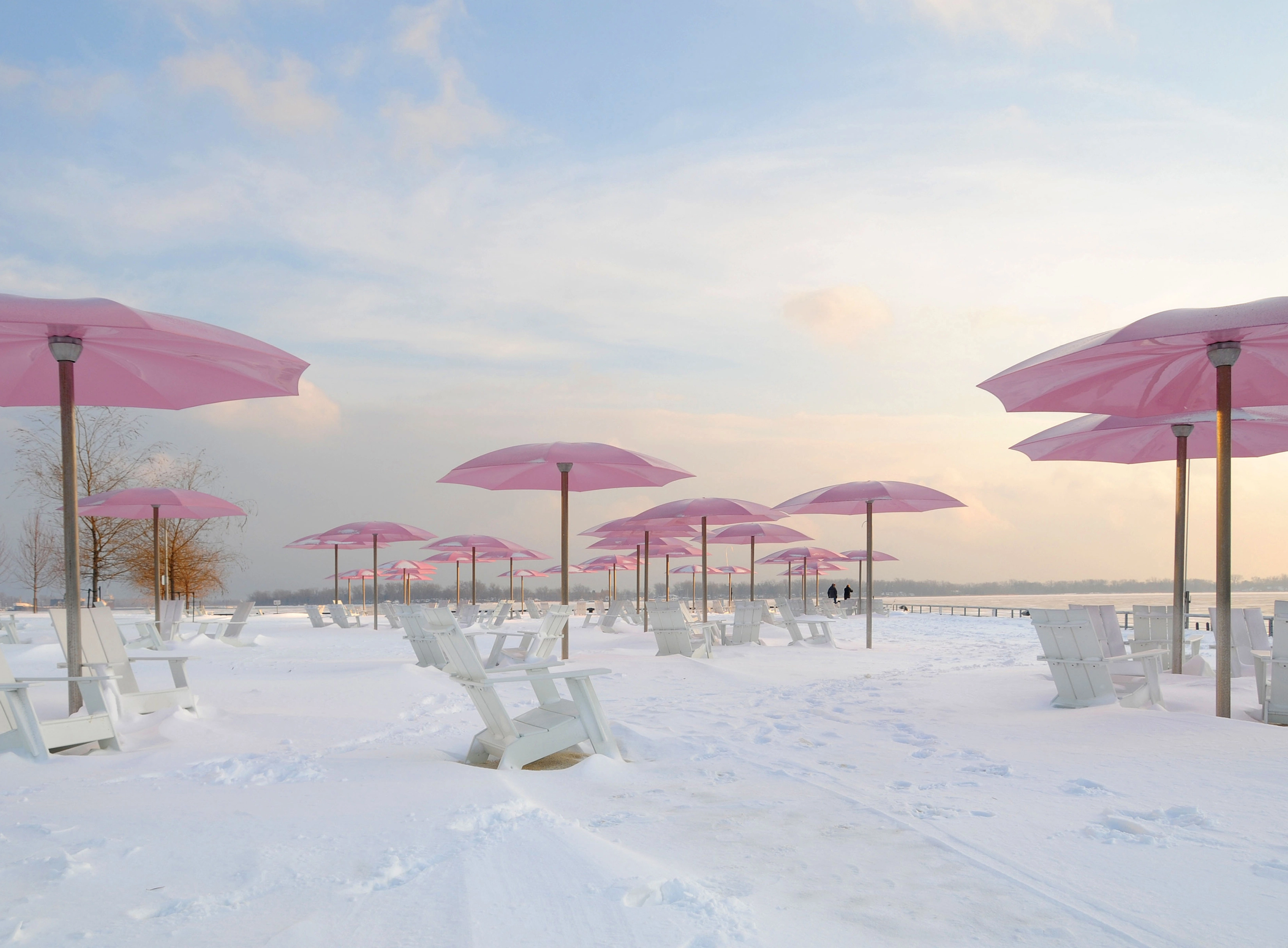
The beach is furnished with 150 recycled plastic contemporary Adirondak chairs, which are freely distributed and movable to allow park visitors the possibility to define their views to the lake, the city skyline, sugar tankers in the slip, or to each other. A dynamic water feature set into a granite maple leaf beside the beach makes cooling off fun for adults and children. It also becomes a spectacle of illuminated choreography at night.
The park's plaza offers a dynamic space for public events. One of the park's granite outcroppings along with three grass mounds give the public an amphitheatre for outdoor concerts on the stage of the adjacent entertainment studio, as well as unique vantage points in the spaces between the mounds for smaller events.
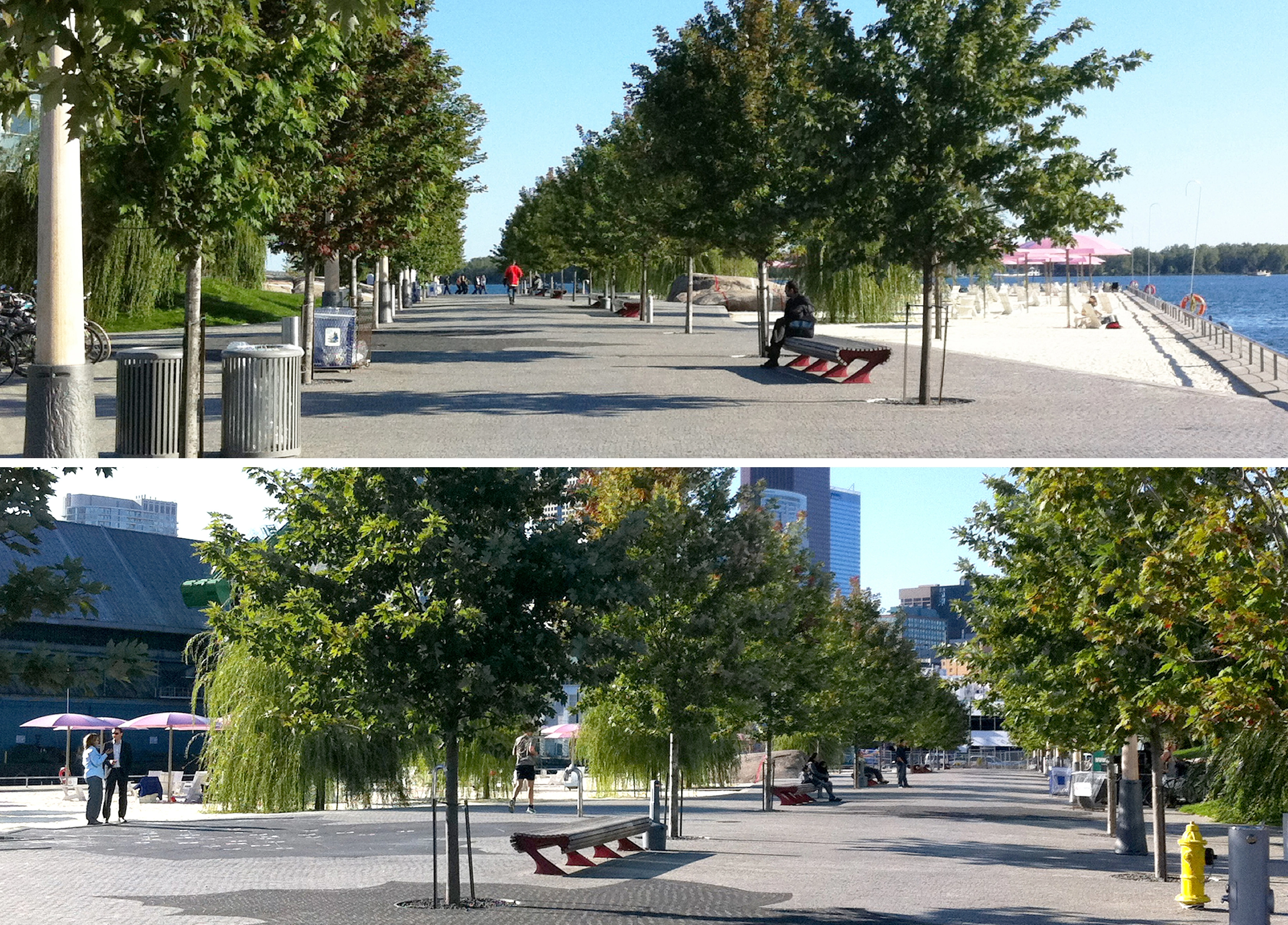
Between the plaza and the beach, people stroll through the park along a promenade that features granite cobblestones in a maple leaf mosaic pattern. Lined with maple trees, the promenade offers a shaded route to the water's edge providing the public with many opportunities along the way to sit and enjoy views to the lake, beach or plaza. This promenade is a continuation of the proposal by West 8 and DTAH for a continuous waterfront promenade across the entire Toronto waterfront. Elements of their masterplan, - such as the maple leaf granite mosaic paving pattern, custom benches, and wooden light poles – have been adapted to seamlessly integrate the promenade at Sugar Beach. Situated beneath the promenade is a system of silva cells that provide over 30m3 (1060 ft3) of uncompacted soil for each tree. This, along with the large soil volumes in the berms and under the sand, will ensure that the maples, weeping willows, and white pines at Sugar Beach will be able to grow to their full potential.
Canada’s Sugar Beach was created to have a strong identity to draw visitors ultimately for an experience of the park’s unique setting of lake and city. It is a space that unites opposites, without conflating them, to allow for an experience of both nature and culture, work and play, production and consumption — a microcosm of the urban phenomenon where participation relies on which direction you position your chaise and fix your gaze.
-
Landscape Architect of Record
The Planning PartnershipDesign & Construction Team
Demolition / Rough Grading
Greenspoon Specialty ConstructionElectrical
Net ElectricElectrical Engineering
Dillon Consulting LimitedGeneral Contractor
Aldershot Landscape Contractors Ltd.Industrial Design
Andrew Jones DesignIrrigation Design
Creative Irrigation SolutionsLighting Design
Éclairage PublicProject Manager
Eastern Construction Company Ltd.Site Civil Engineering
The Municipal Infrastructure GroupStructural Engineer
Halsall Associates LimitedFeatured Products
Drinking Fountains and Jug Fillers
Most Dependable FountainsFountain Jets, Choreoswitch, LED 120 Series
Crystal FountainsGranite Pavers, Cambrian Black, Caledonia
PolycorIrrigation
DJ RainRelocated Bedrock Outcrop, Taken from Autumn Brown Quarry, Quebec
GranicorSilva Cell
DeepRootUmbrella fabrication
Soheil Mosun Ltd.Urban Beach Chair, 3-Slat Adirondack, White
Loll DesignsWater feature
Soucy Aquatik
Advertisement
Related Awards
Award of Excellence, General Design
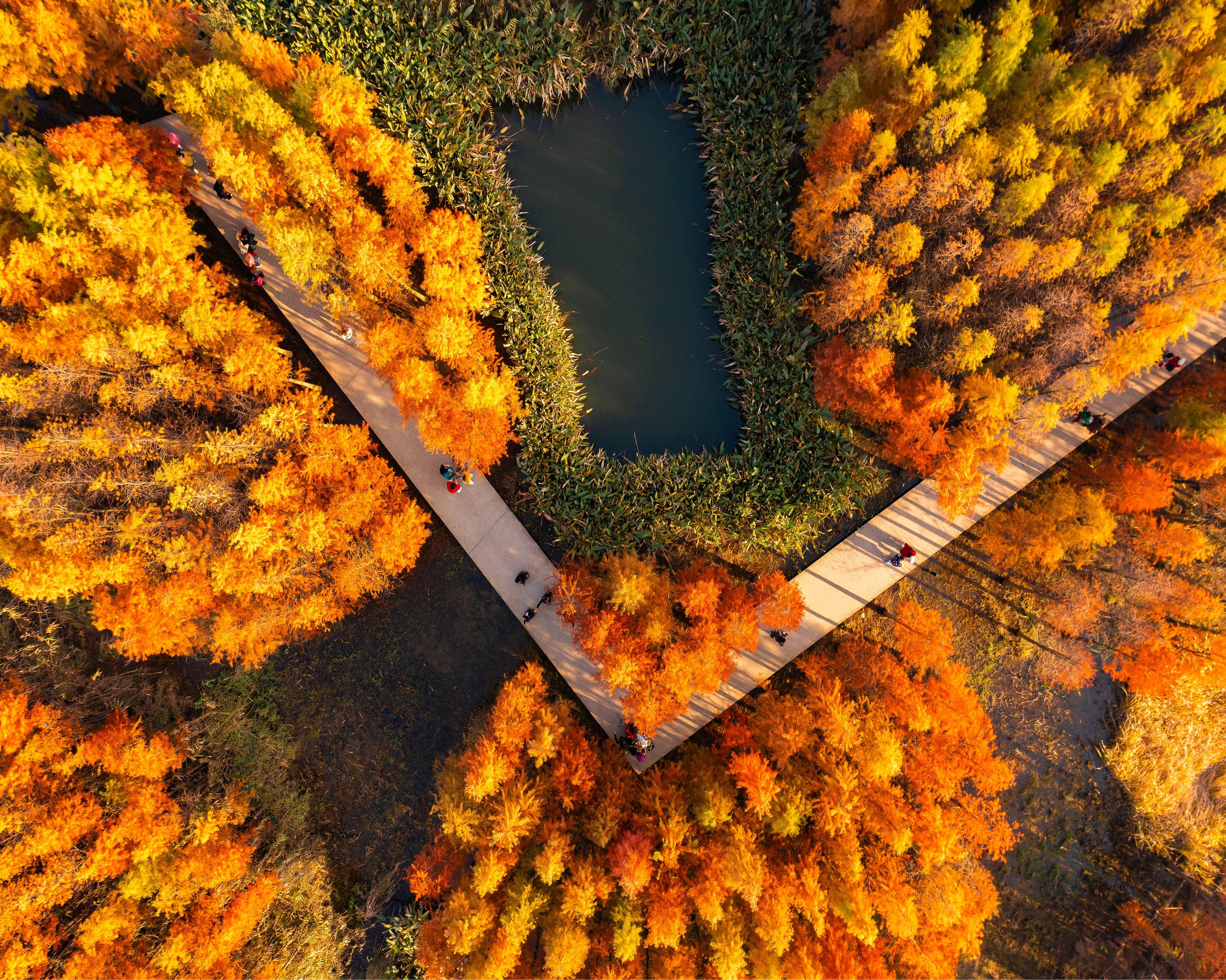
A Floating Forest: Fish Tail Park in Nanchang City
In Nanchang, within the Yangtze River floodplain, we revitalized a heavily degraded 126-acre landscape into a floating forest that manages stormwater, restores habitats, and provides diverse recreational spaces—all within a limited budget and a short timeline. This innovative urban nature model strengthens the district’s identity and spurs surrounding development. Fish Tail Park offers a scalable solution for flood-prone regions, seamlessly integrating flood resilience, ecological restoration