
.webp?language=en-US)

Urban Arboriculture
Dylan Salmons, Associate ASLA
A terrific way of dealing with this problem that could be adapted anywhere. Inventive, cost-effective, and easily achievable. Very innovative.
Awards Jury
-
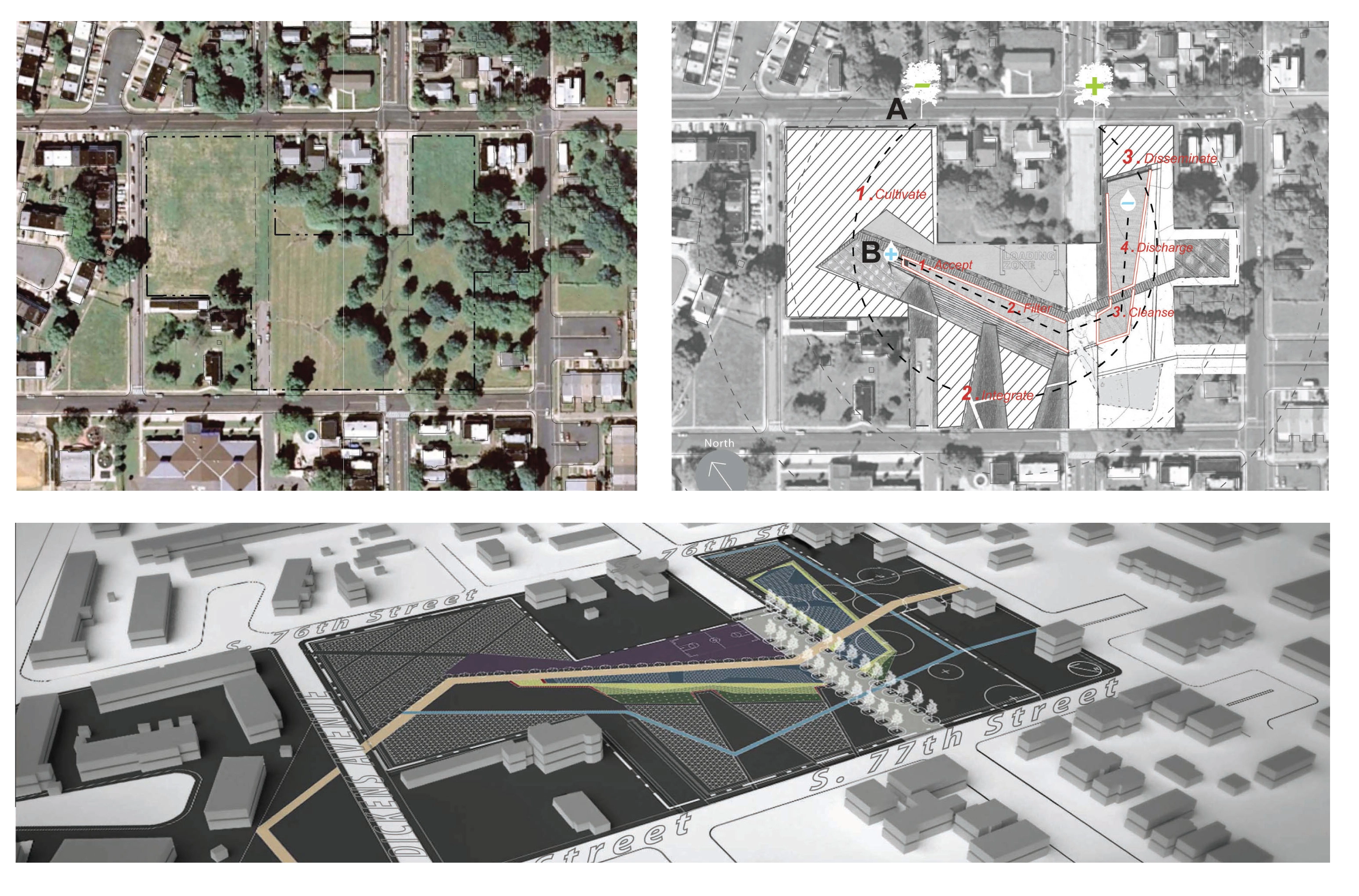
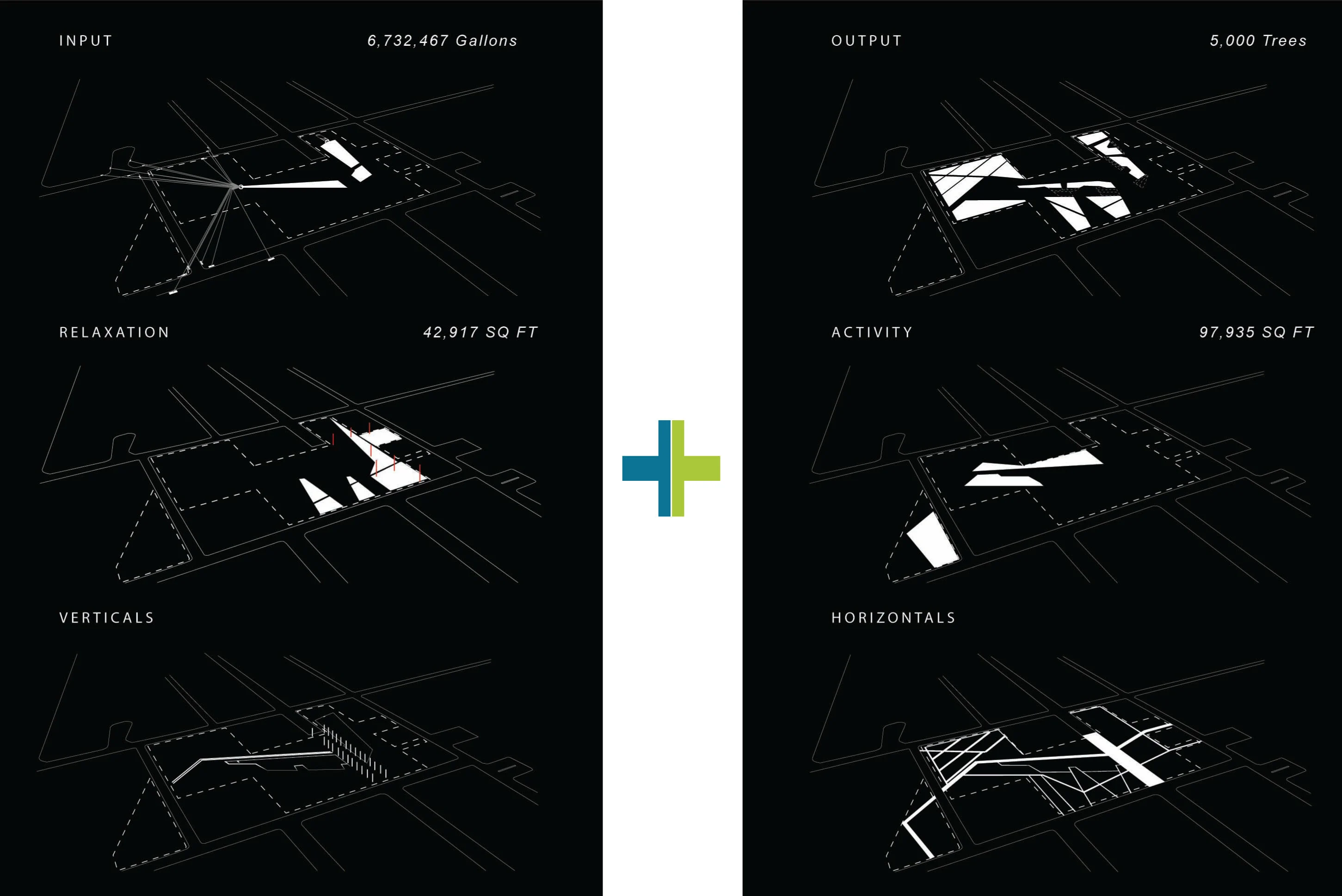
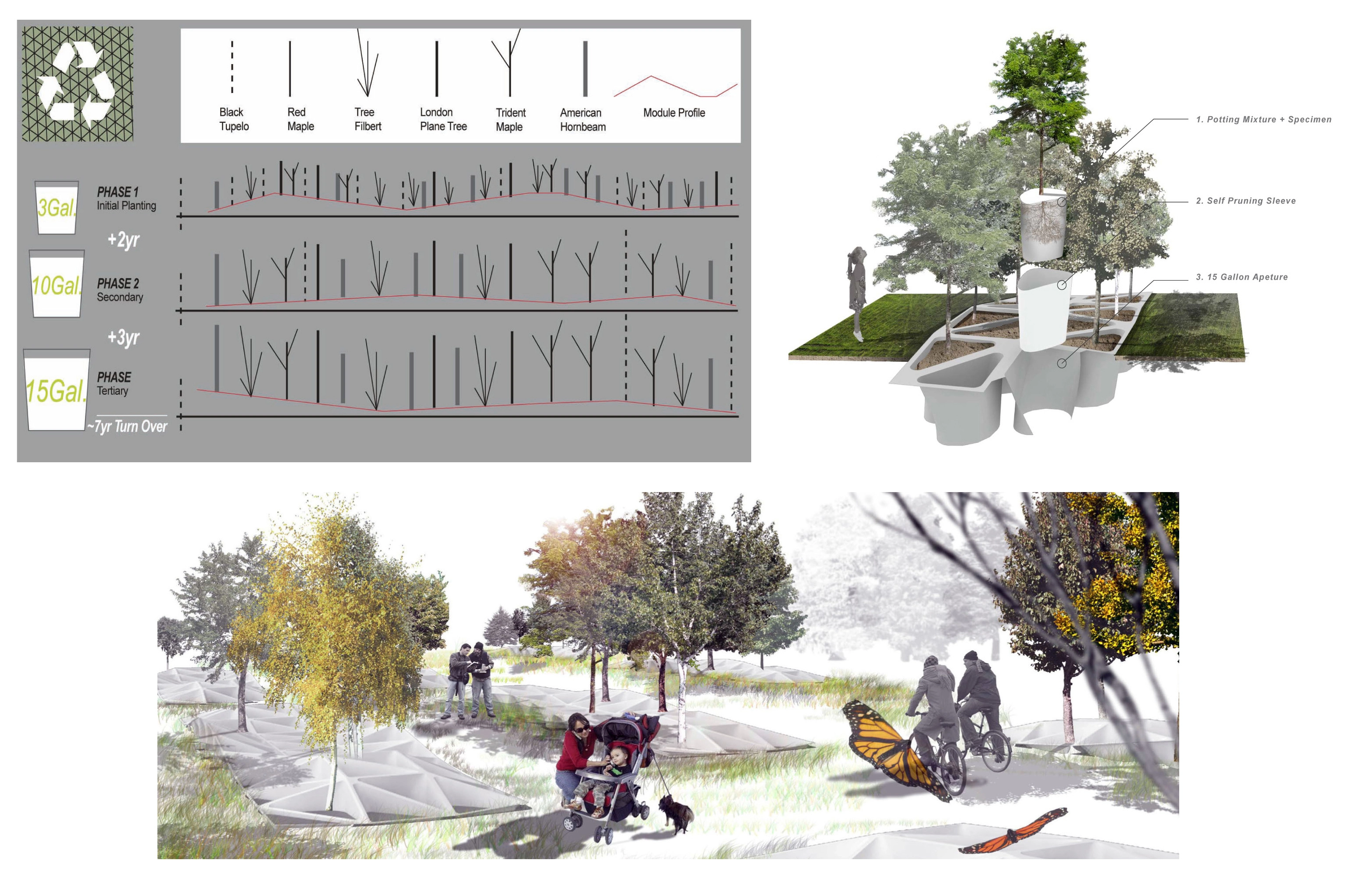
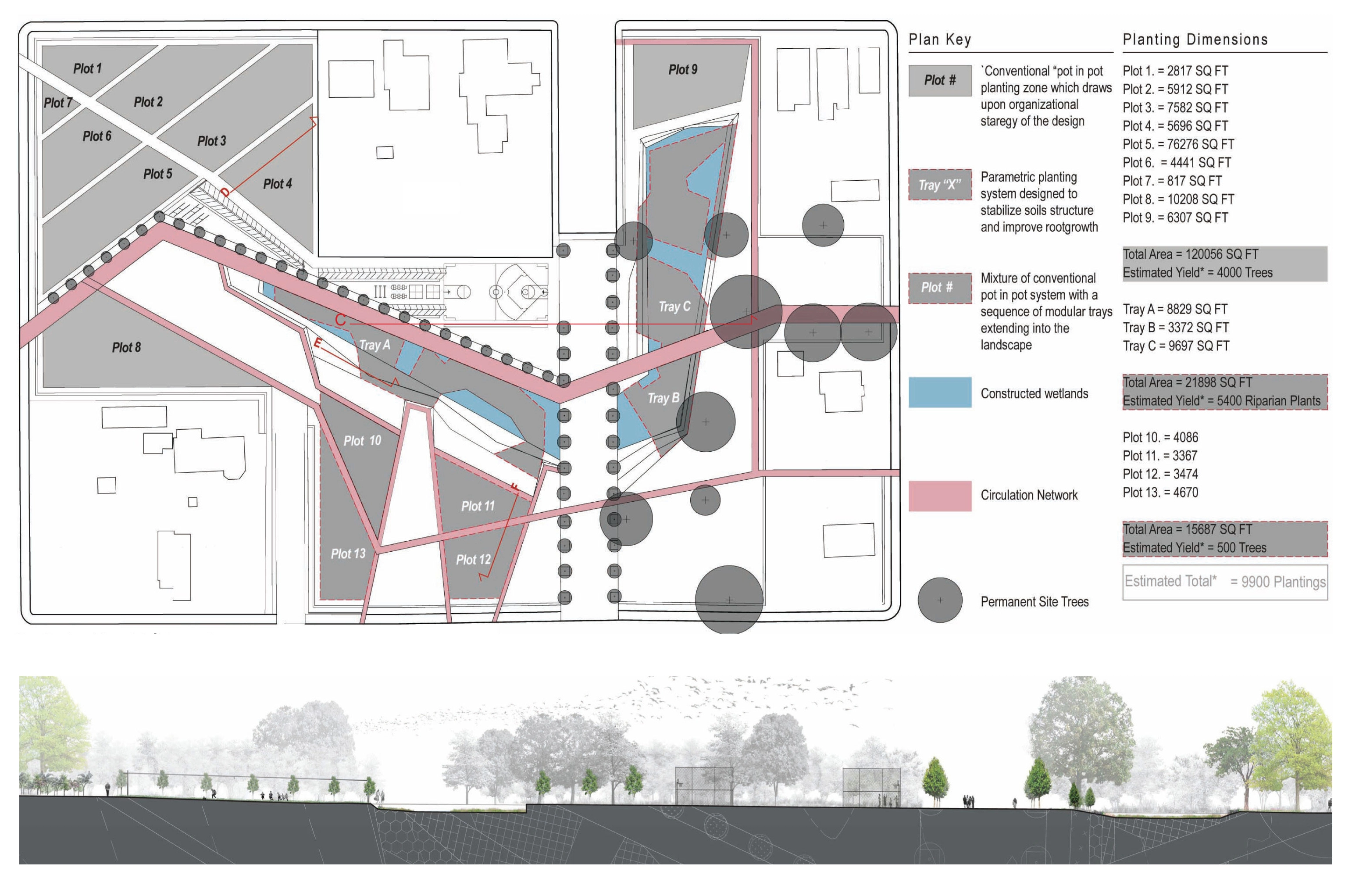
Urban Arboriculture functions as a hybrid set of spaces bridging the performance of productive landscapes with parkland program. The resultant parks aim to assist the city by cultivating nursery and wetland stock for greening projects, while serving as learning and recreation centers for adjacent neighborhoods.
-
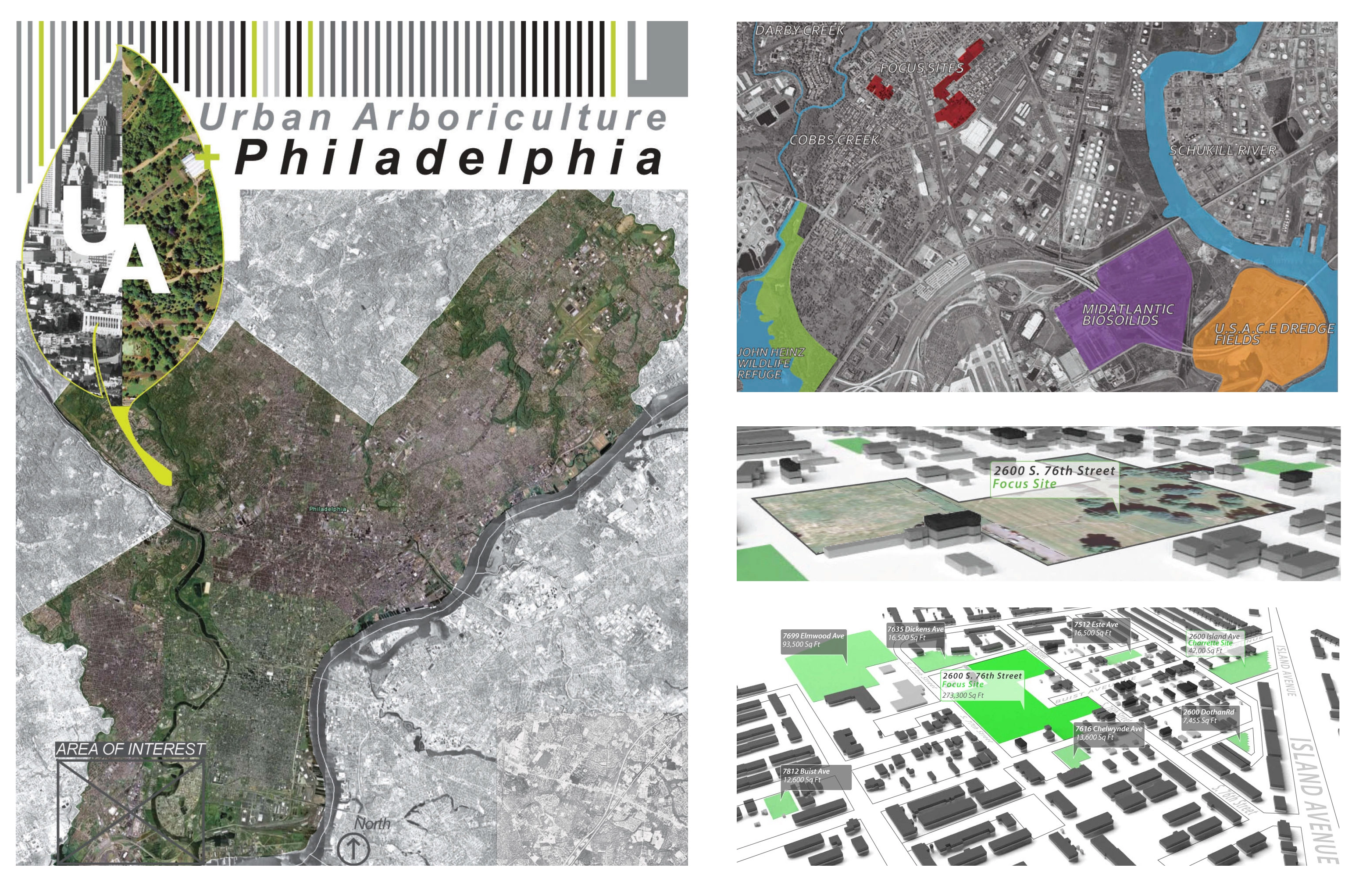
Over the past several years, the city of Philadelphia has worked to institute a series of "greening" programs. As a result of these plans, Fairmont Parks Authority has been granted $2.5 million to increase the canopy cover of the city to 30 percent by the year 2015. The Spring 2010 studio focused on the creation of supplemental urban nurseries to enable Fairmont Park's goal.
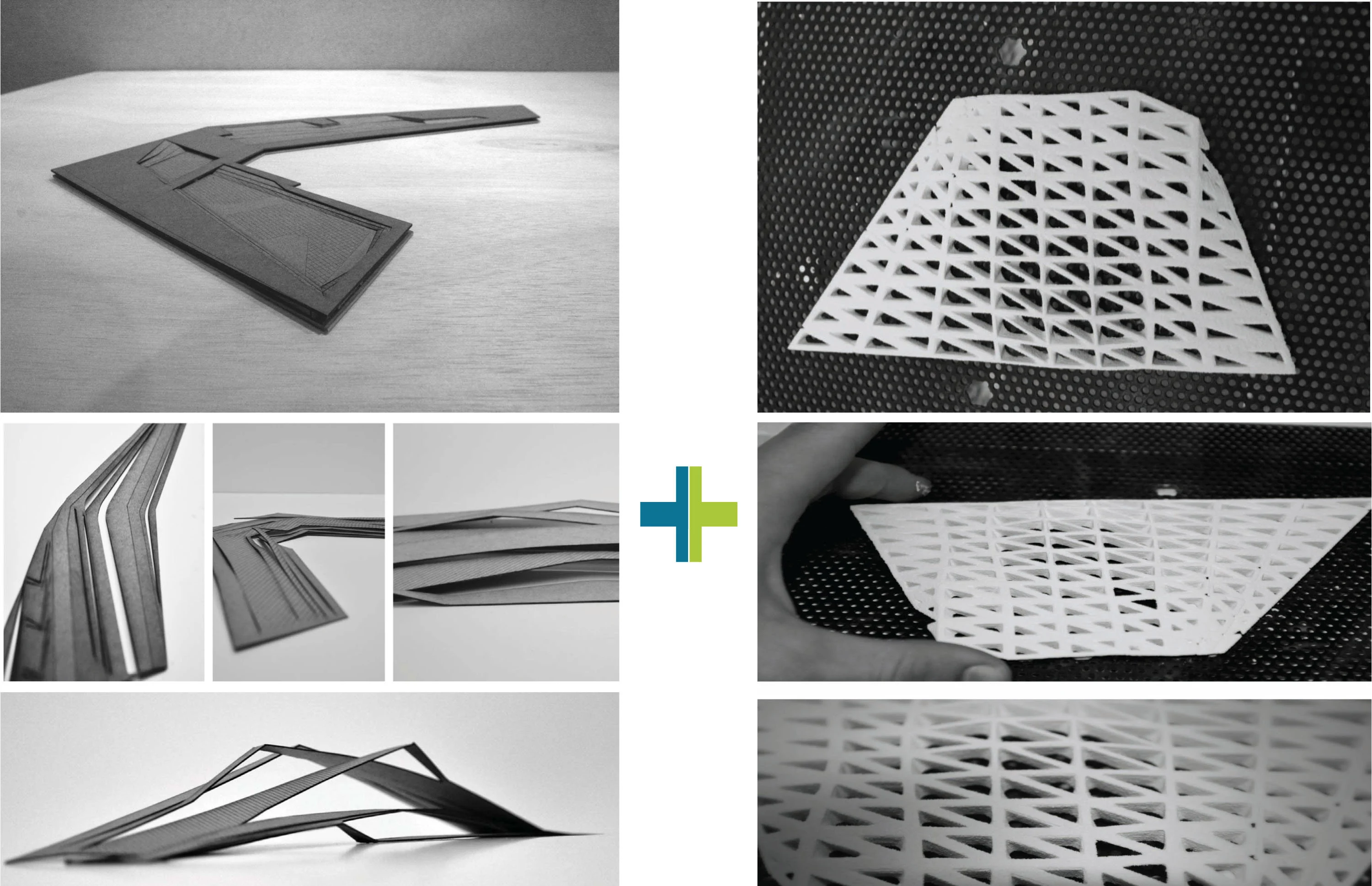
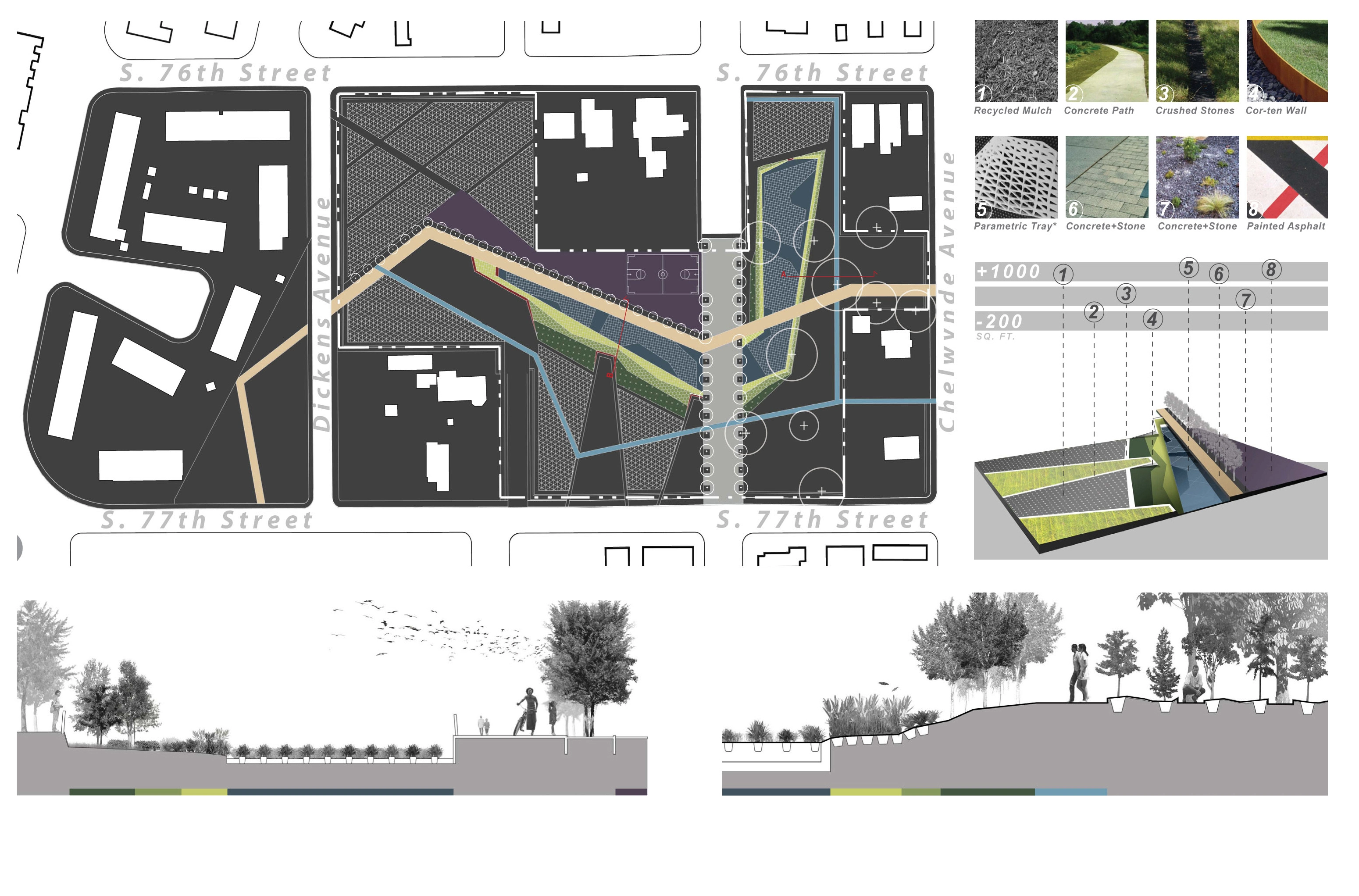
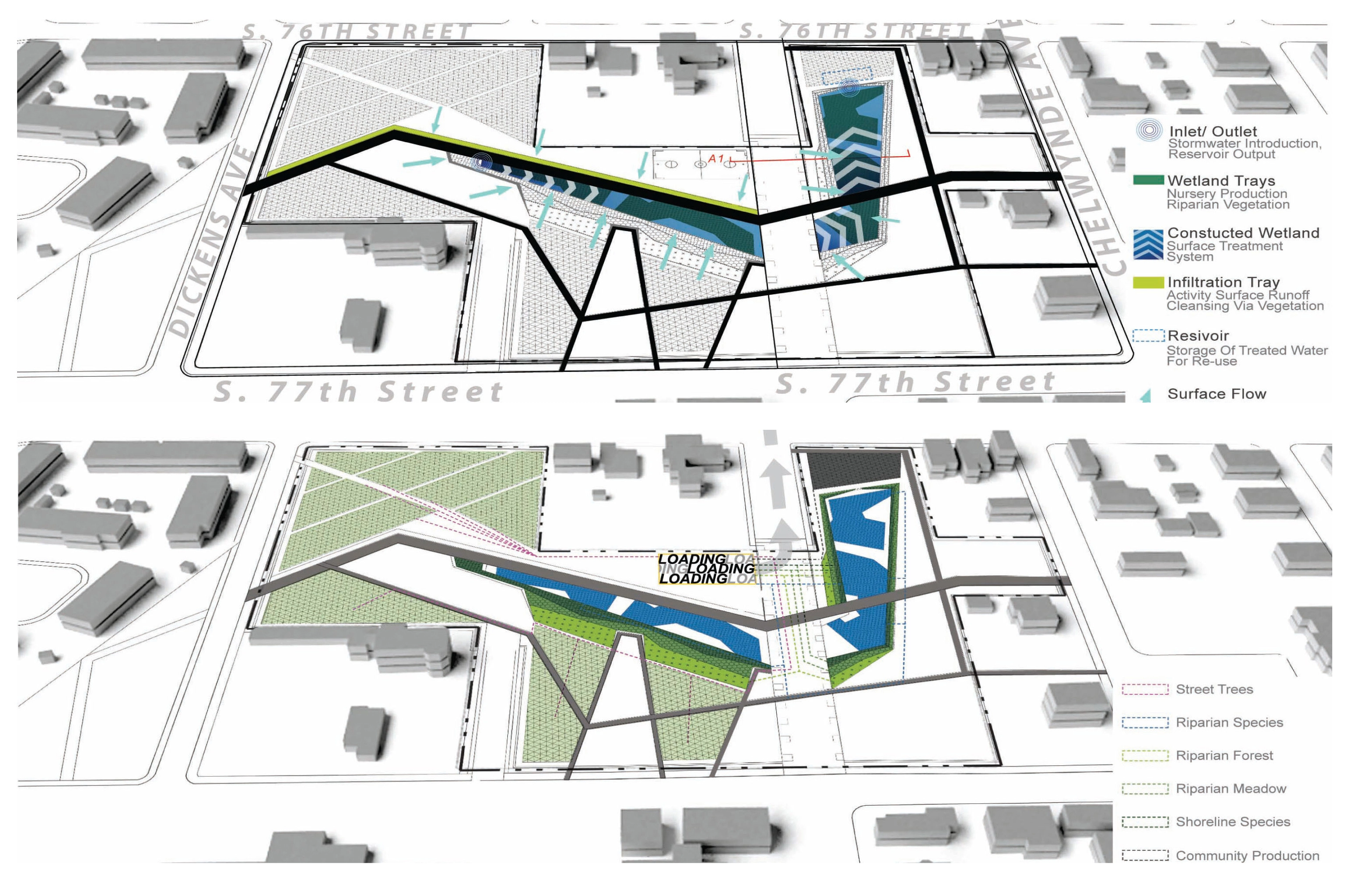
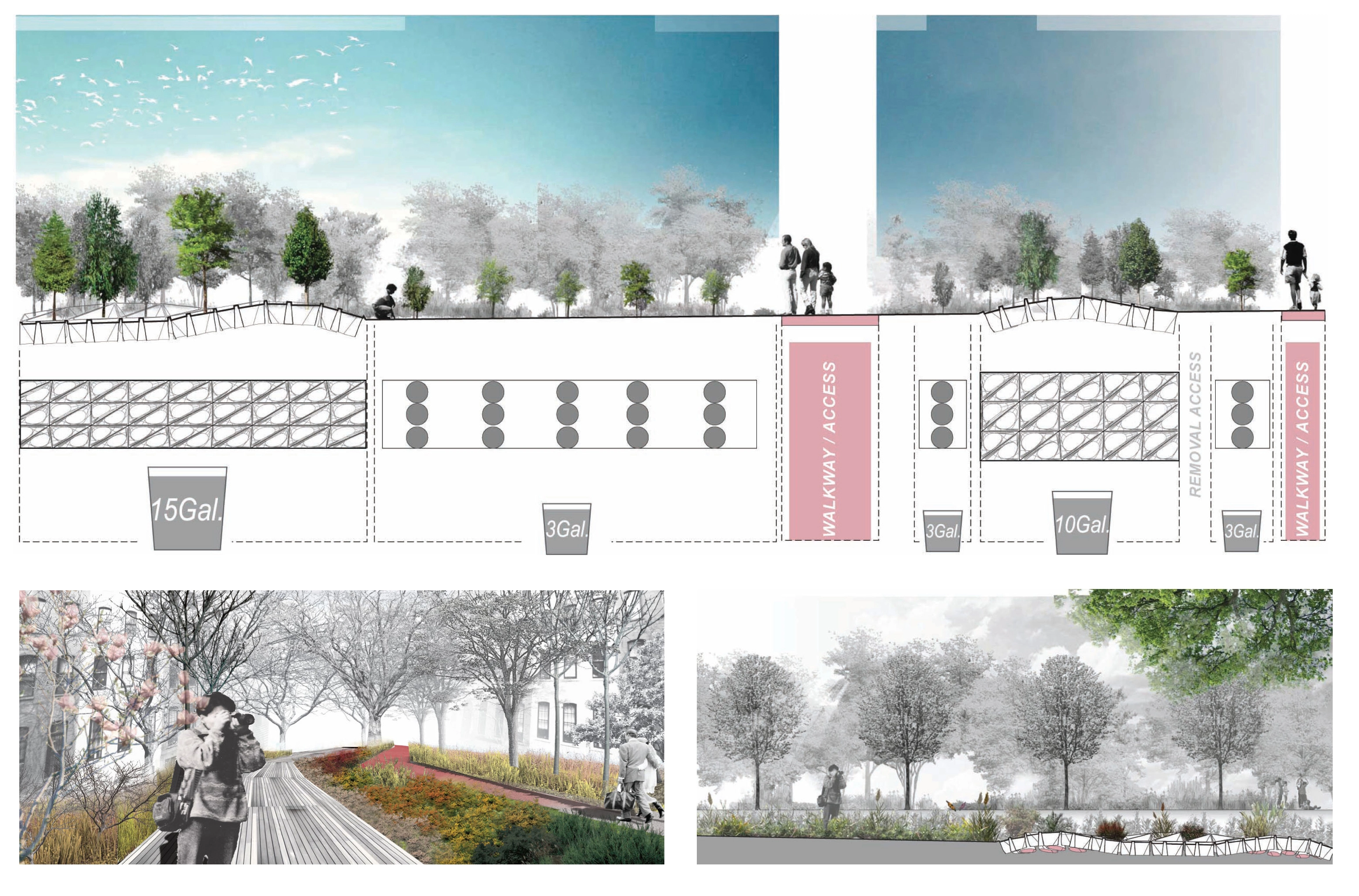
Urban Arboriculture surfaces as a response to the demand for green goods and place-making within the urban environment. Divided into two parts, charrette and intensive studio, the design focuses on tree production while retaining useful open space. The charrette space is designed as a terminus of the intensive production of the studio, as well as a laboratory for storm water remediation. The focus site utilizes a variety of contemporary design programs. All material from this site is contained in parametrically designed planting trays able to accommodate any specimen. In addition to tree growth, the core of the focus site is a constructed wetland, treating point source runoff from site context, as well as providing a growing medium for riparian species to be used throughout city "green" projects.
-
Advertisement
Related Awards
Award of Excellence, General Design
A Floating Forest: Fish Tail Park in Nanchang City
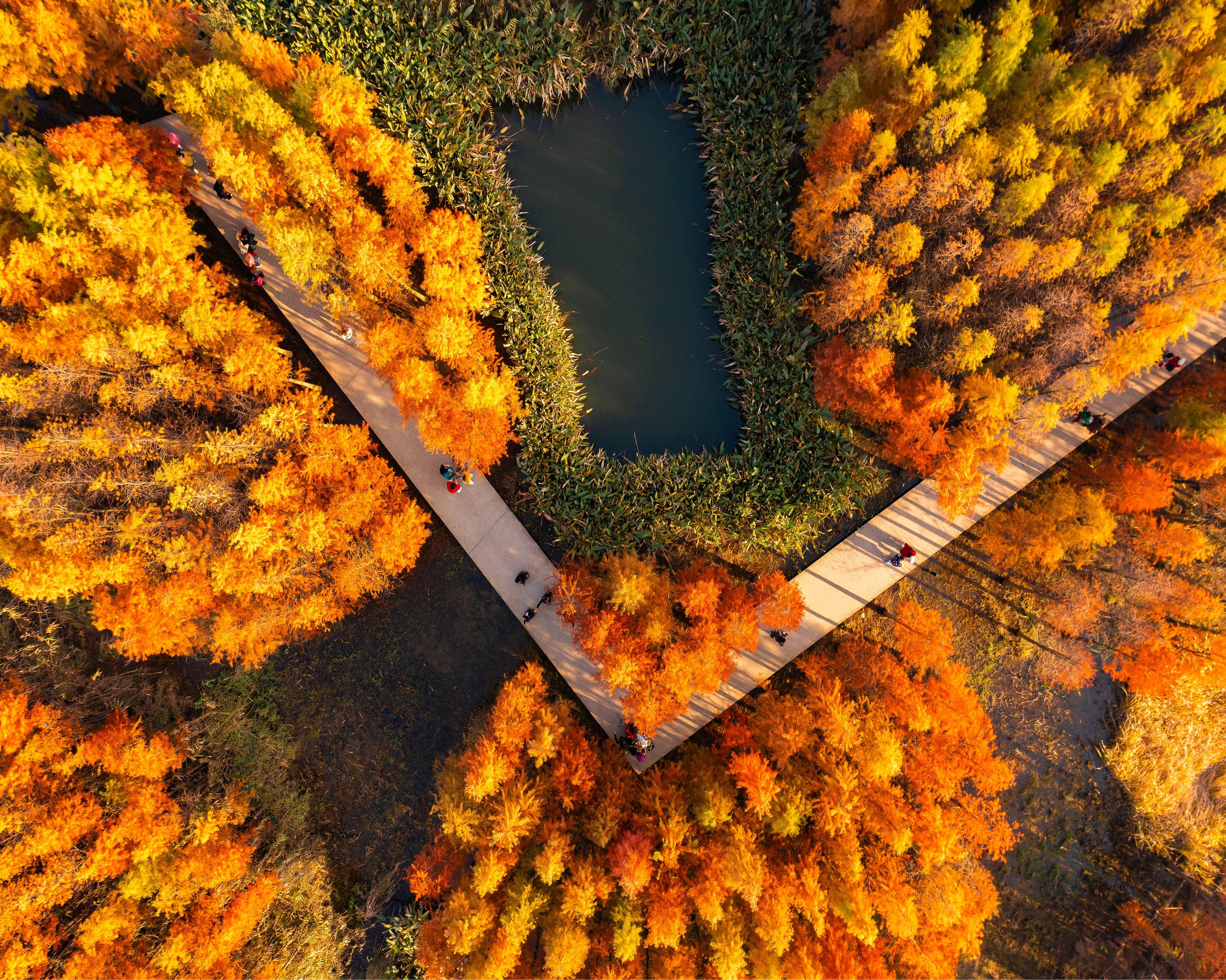
In Nanchang, within the Yangtze River floodplain, we revitalized a heavily degraded 126-acre landscape into a floating forest that manages stormwater, restores habitats, and provides diverse recreational spaces—all within a limited budget and a short timeline. This innovative urban nature model strengthens the district’s identity and spurs surrounding development. Fish Tail Park offers a scalable solution for flood-prone regions, seamlessly integrating flood resilience, ecological restoration