
.webp?language=en-US)

California Institute of Technology Landscape Master Plan
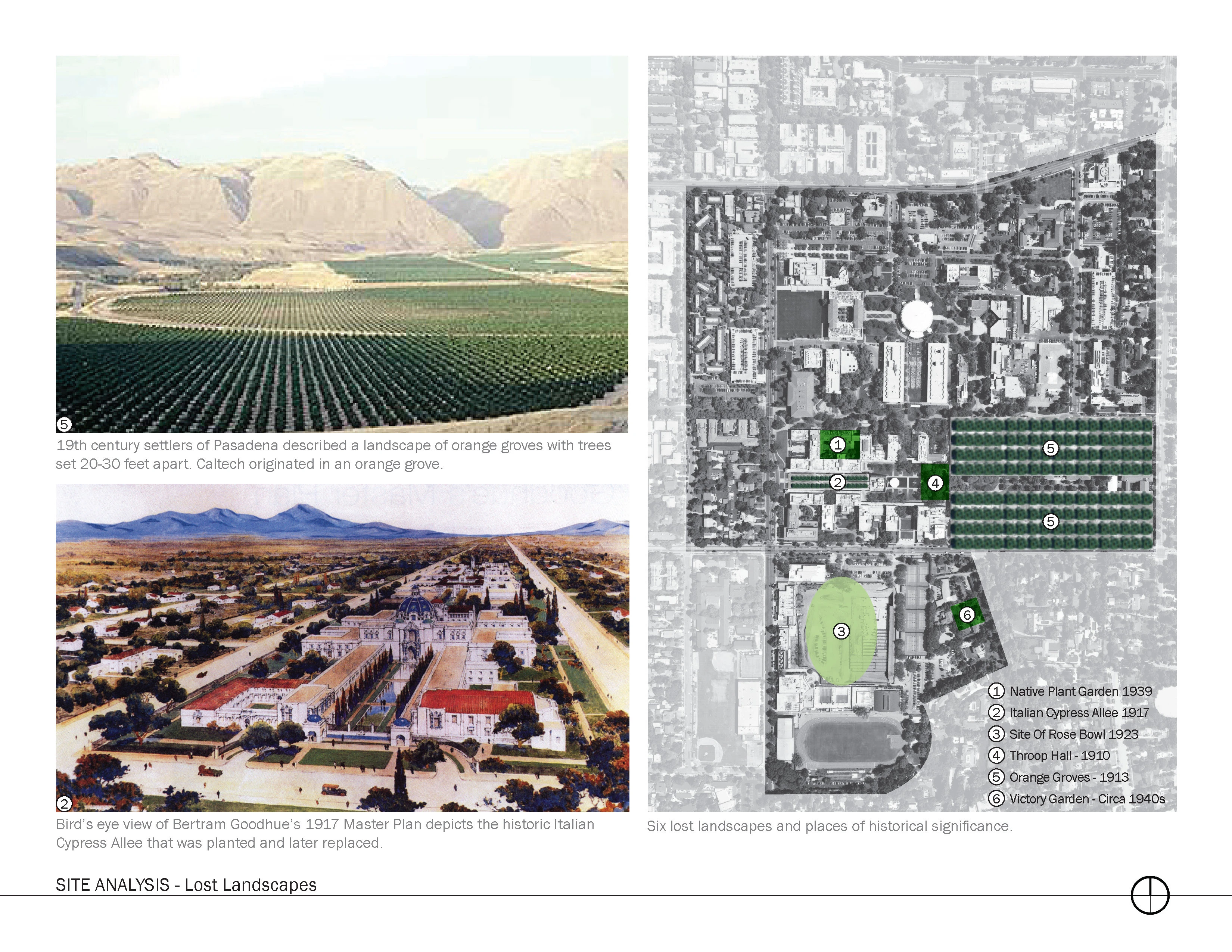
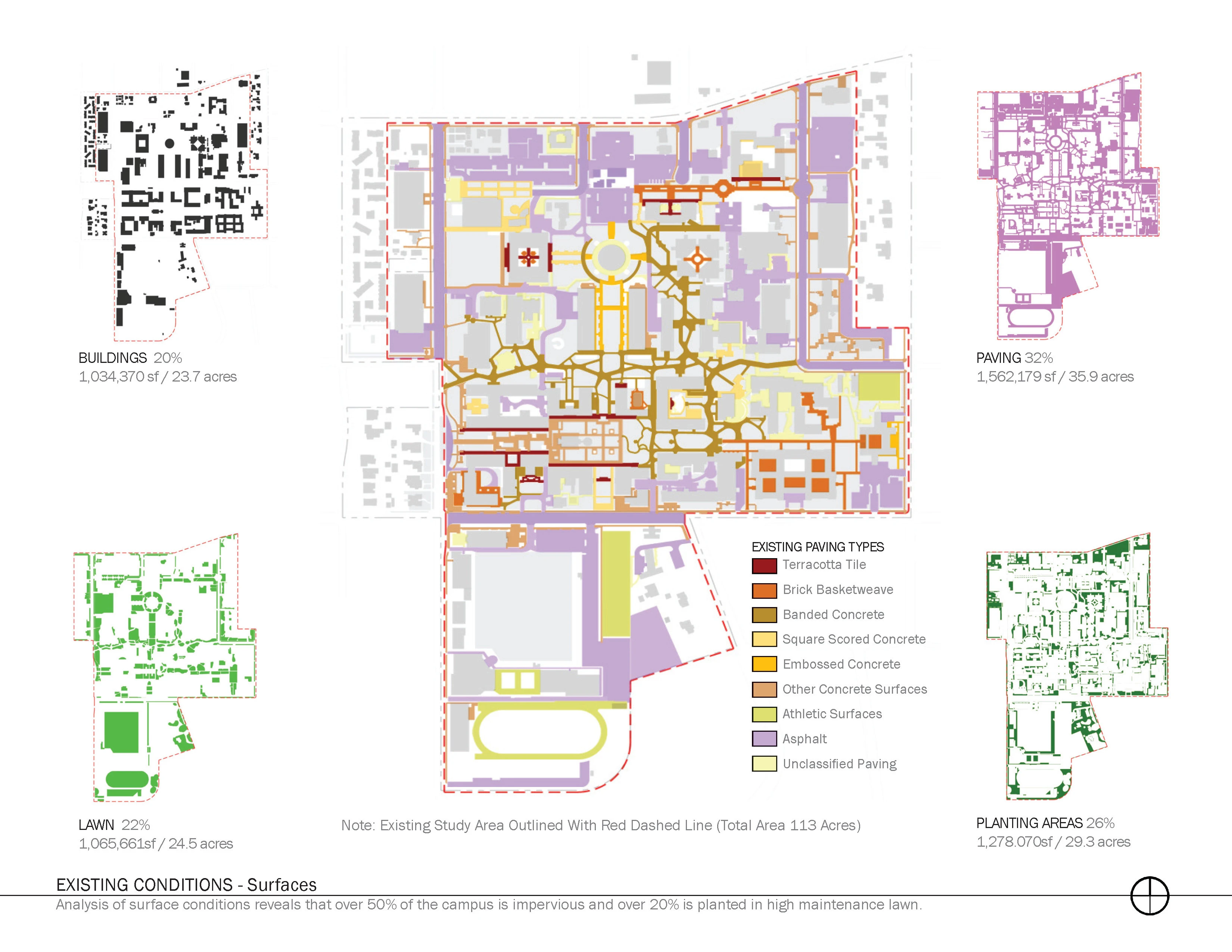
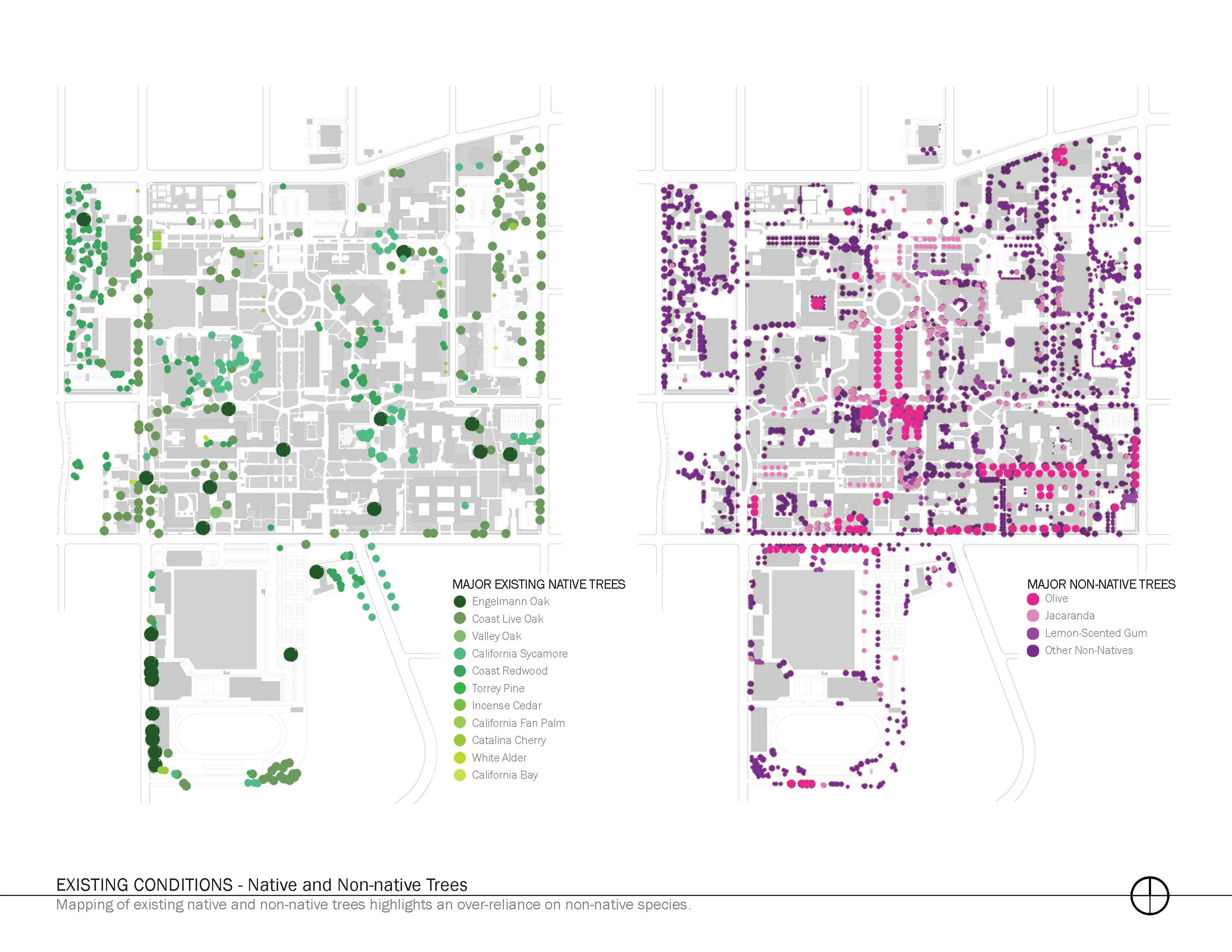
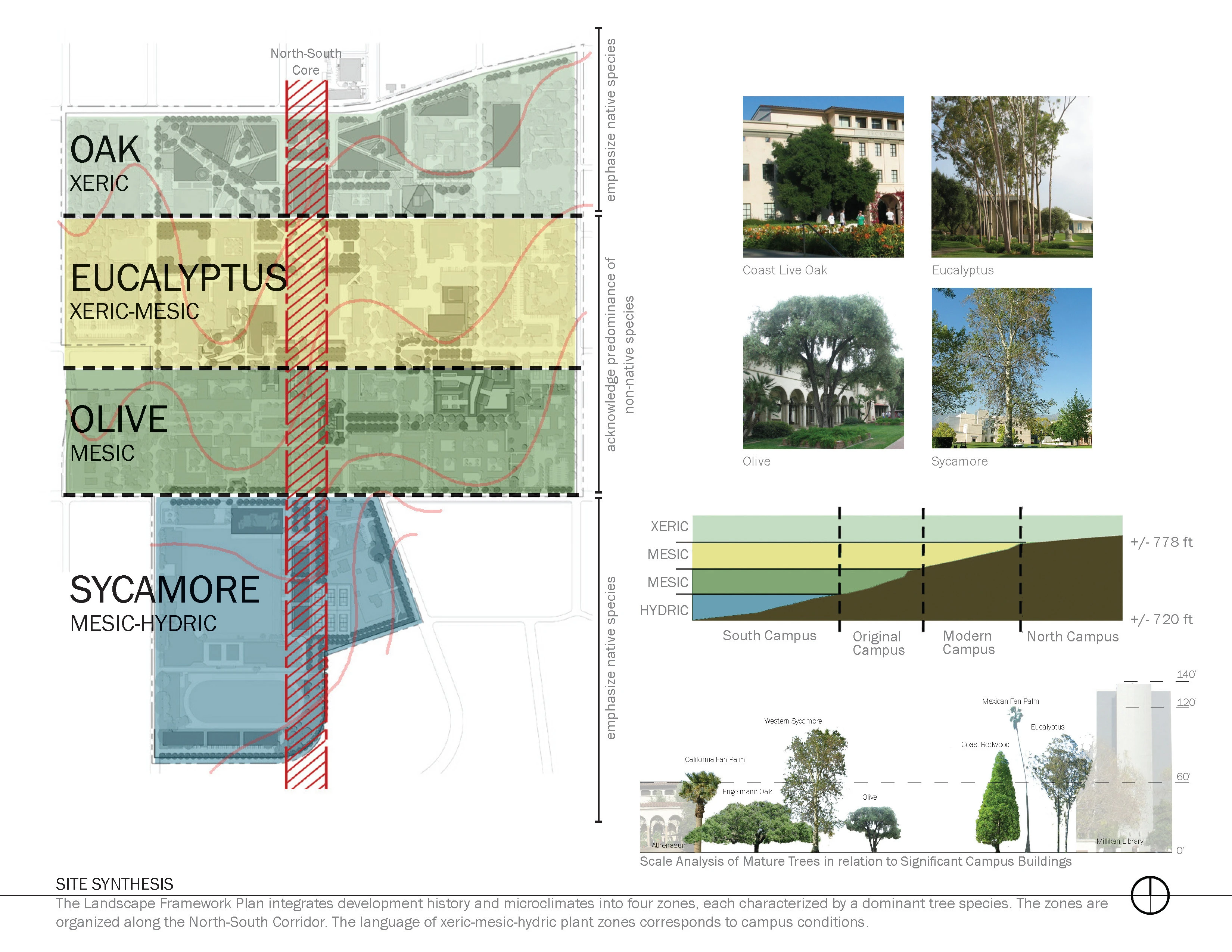
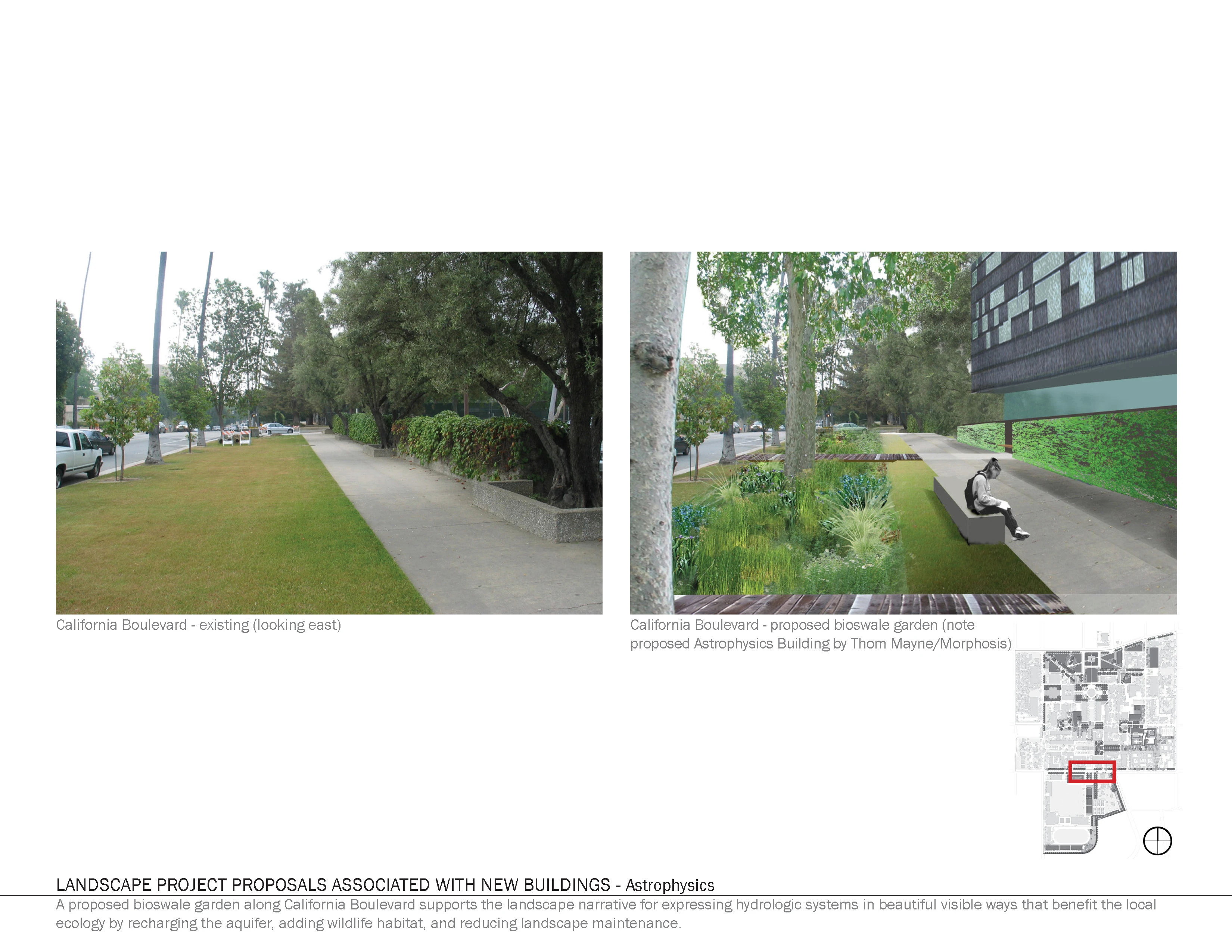
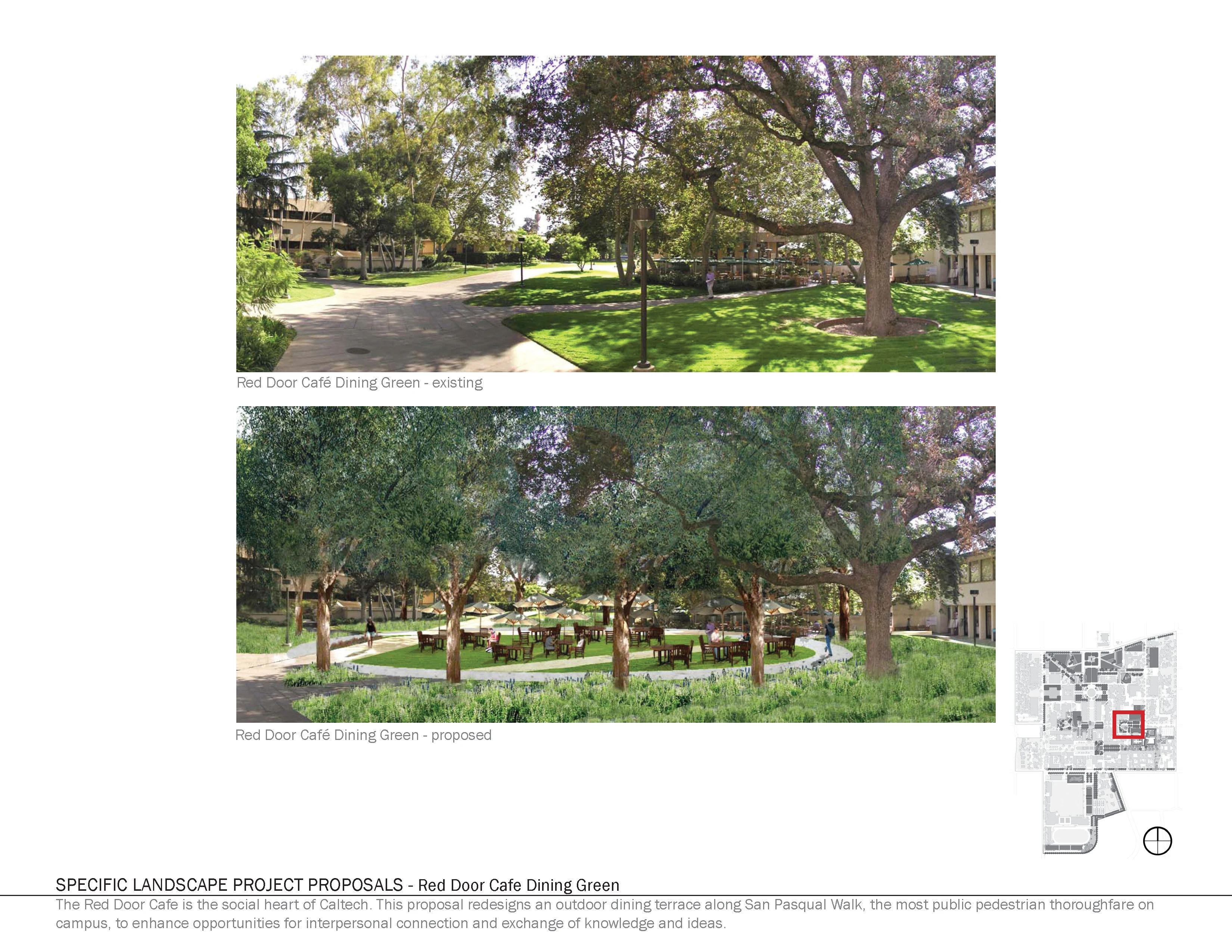
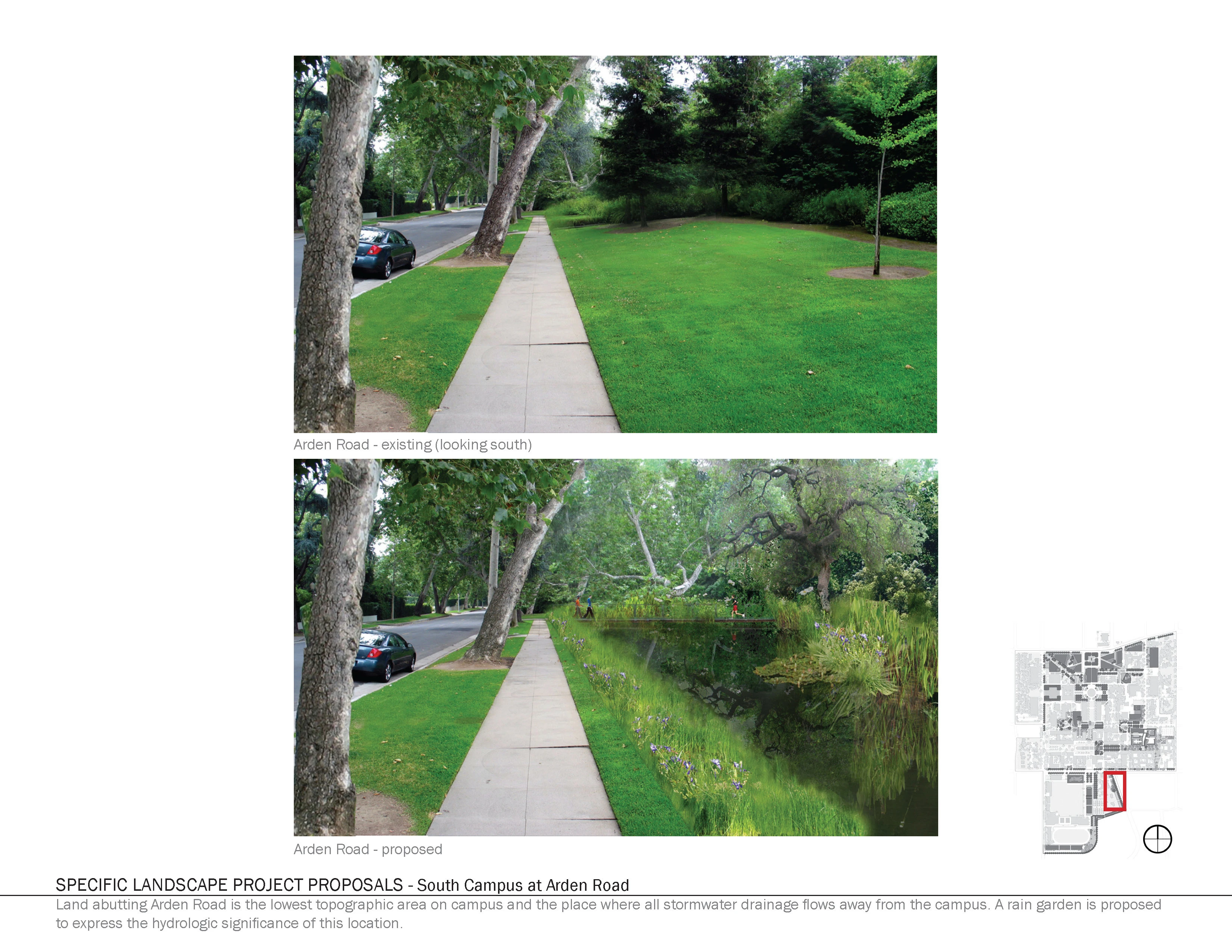
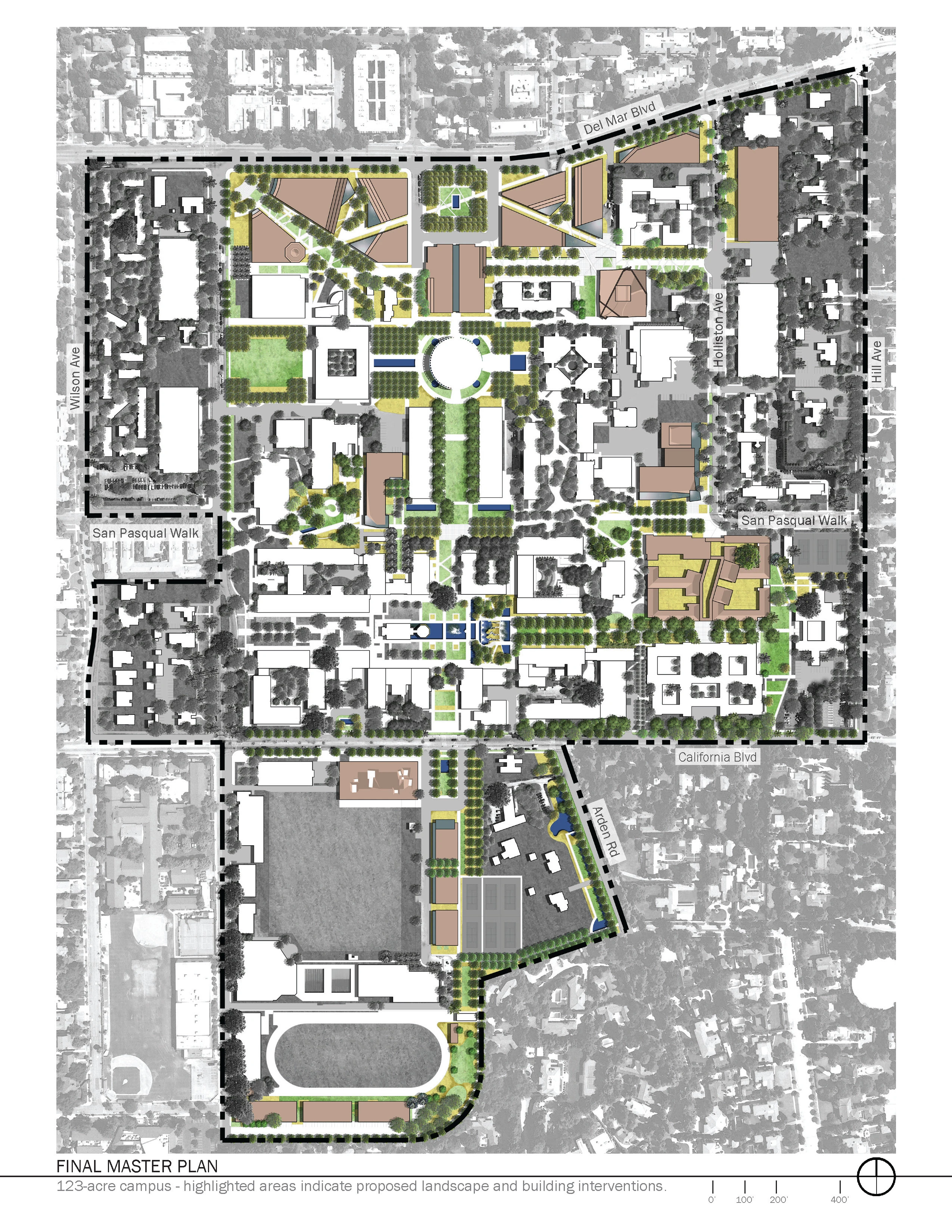
This is so well analyzed and follows through with visualization on what works. Rooting the planning work in cultural history is strong here.
Awards Jury
-
The landscape framework plan for Caltech embodies three interconnected values: serenity, serendipity, and sustainability. While the impending design and construction of six major capital building projects generated the need for an updated master plan, we expanded on this by proposing several sustainable site strategies. These landscape projects demonstrate Caltech's potential to reveal, preserve, and reuse scarce rainwater resources, to reclaim "lost landscapes," and to reinforce the special qualities of outdoor environments that promote faculty–student discourse.
-
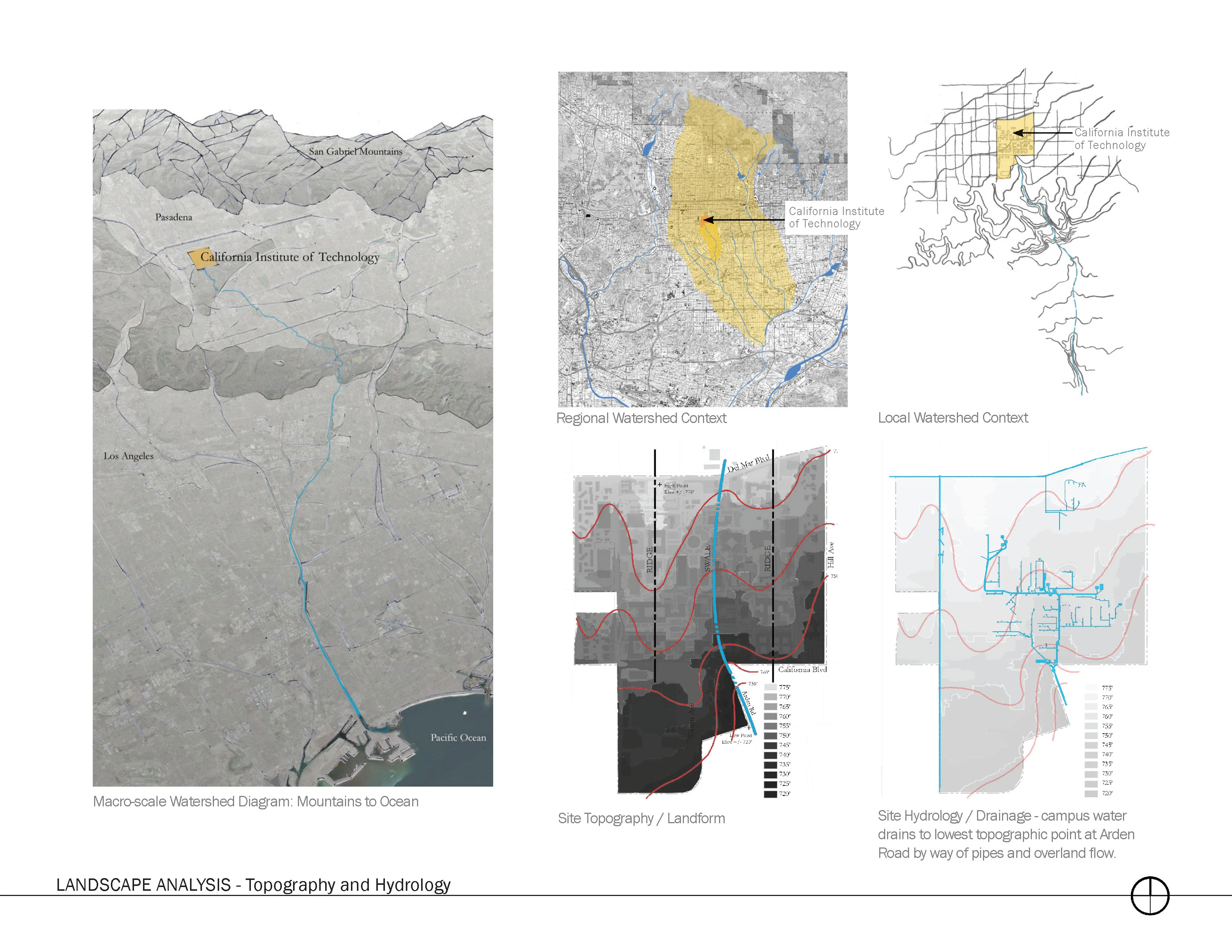
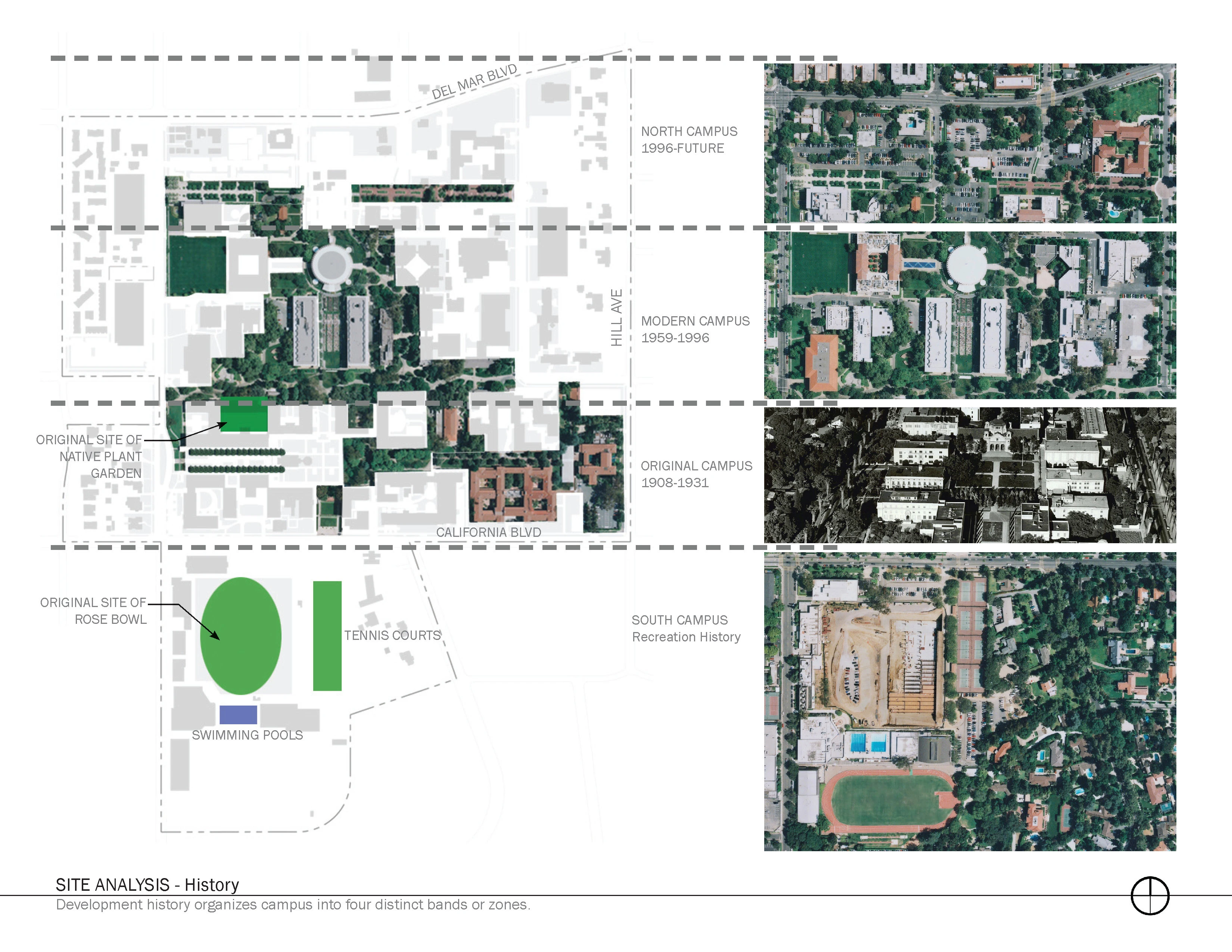
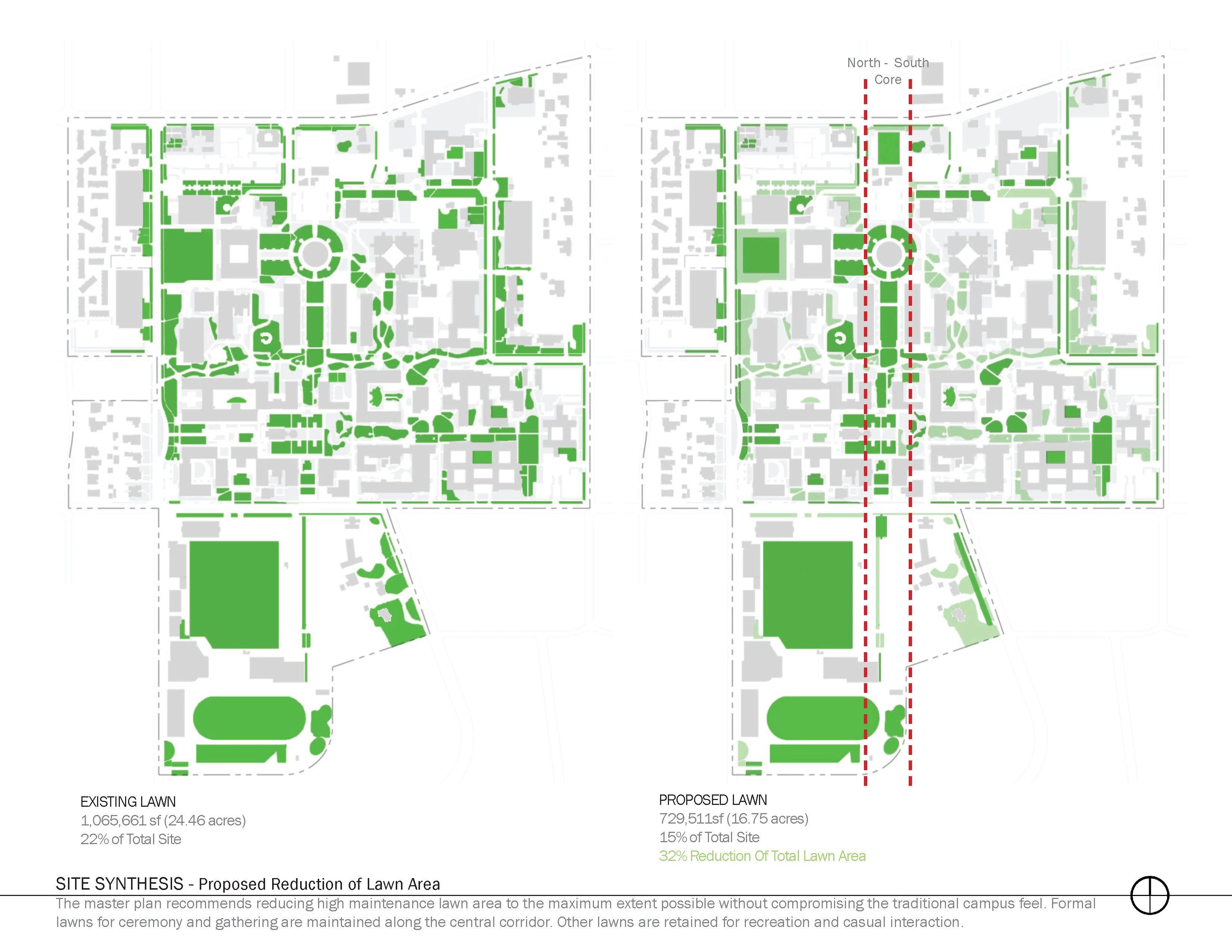
Caltech is one of the leading institutions in the scientific community. Yet this leadership is not necessarily translated into its physical environment. The scope of the project was fourfold: 1) analysis; 2) creation of a landscape framework plan; 3) written design principles; and 4) addressing of individual projects, both in conjunction with proposed buildings and as independent landscape works. Analysis of the existing campus, surrounding landscape, and region was done from historic, topographic, hydrologic, floristic, ecological, and existing built structures perspectives. From the analysis, we developed a landscape framework plan that defines four horizontal (east/west) bands in the campus, each identified with a particular historic (or future) period of development and a particular ecological community: hydric-native, mesic–mediterranean, mesic–global, xeric–native. By allowing each zone of the campus to retain its individual character, we avoid homogenizing the campus or marginalizing a particular period of development or style of built work. By grouping plant ecologies, the random dotting of the campus with individual species is avoided, but the region's incredible diversity of plants can still be showcased. The heart of the framework plan is water. The plan seeks to celebrate the use of water as a focal point of public spaces, while conserving it by reducing the area of water-thirsty turf that is not used or appreciated. Installing native, drought-tolerant plants celebrates the region and helps ensure the future of its resources.
From the landscape framework plan, design principles were developed to help guide future development, from multimillion-dollar building and landscape projects to small plantings and maintenance works implemented by the Caltech staff. The culmination of this work was to apply the landscape framework plan and design principles to a select group of prioritized site projects. These are not intended as rigid design solutions but, rather, as successful applications of the framework plan and principles. It is understood that more time is needed to explore and design the large-scale projects represented by our plans and montages.
The planning document's significance to the practice of landscape architecture resides in its translation of successful landscape analysis, and subsequent master plan, into guiding design principles and illustrated applications to real projects. It is a practical and accessible document, based on exhaustive research that can be readily applied to a large-scale, highly dynamic institute that has both a high profile and a resonating influence on the local and regional communities, as well as the global collegiate community.
Our role was to create the landscape development plan as a parallel document to an overall campus development plan written by an architecture firm to which we were subconsultants. A synopsis of our work appeared in a brief executive summary of the overall campus development plan, which included a section on architecture, lighting, traffic, and signage, as well as landscape. We worked with a Southern California landscape architect who is an expert in regional native plants and has experience working with this client.
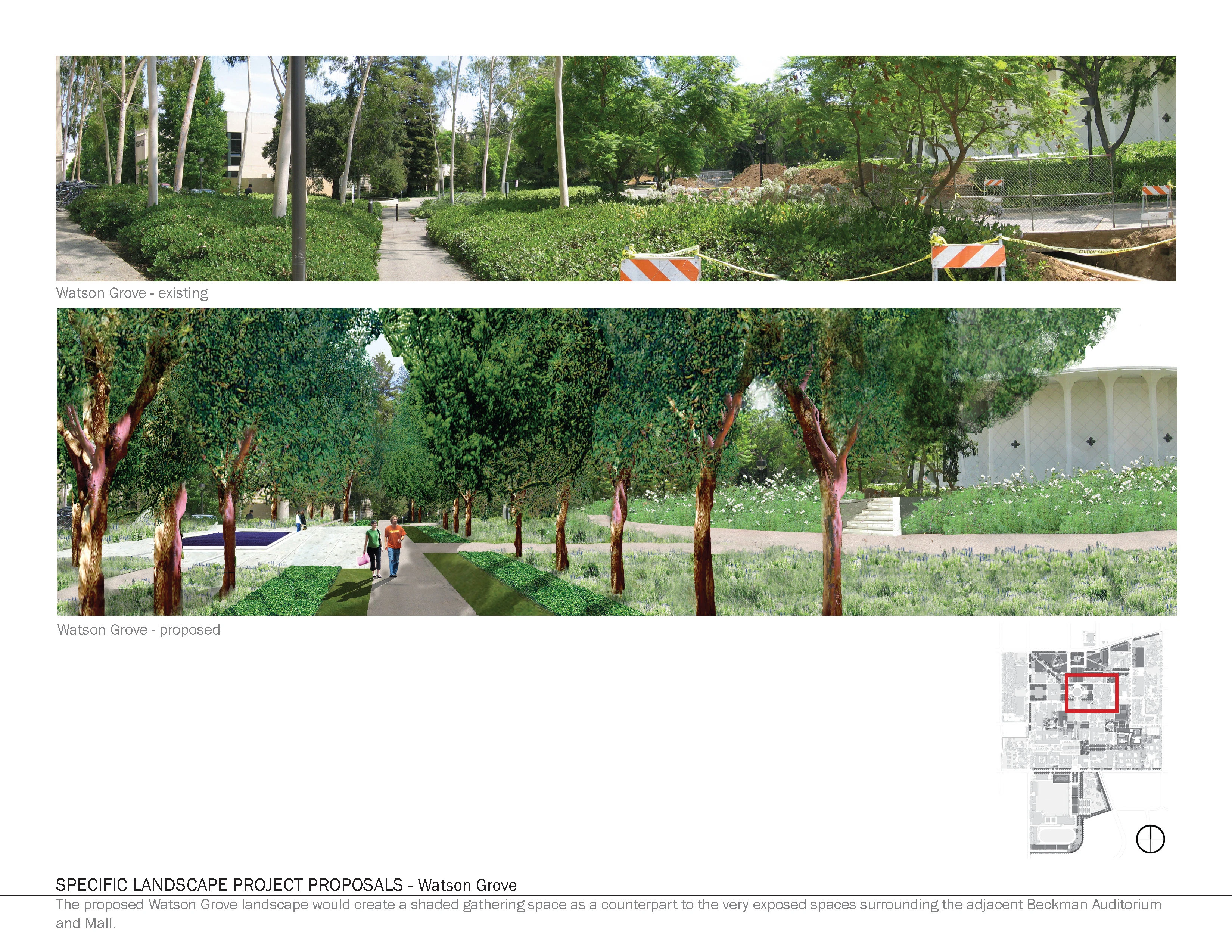
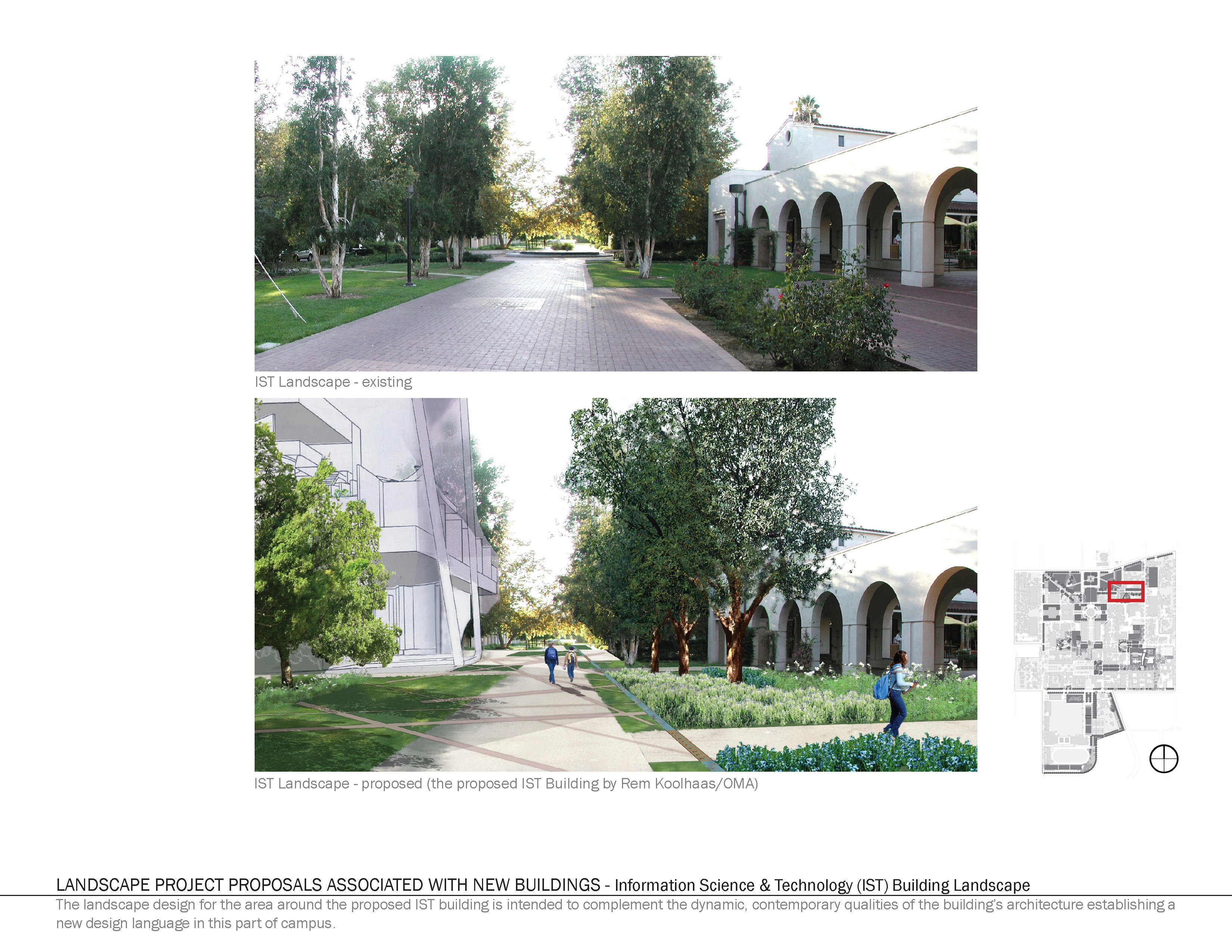
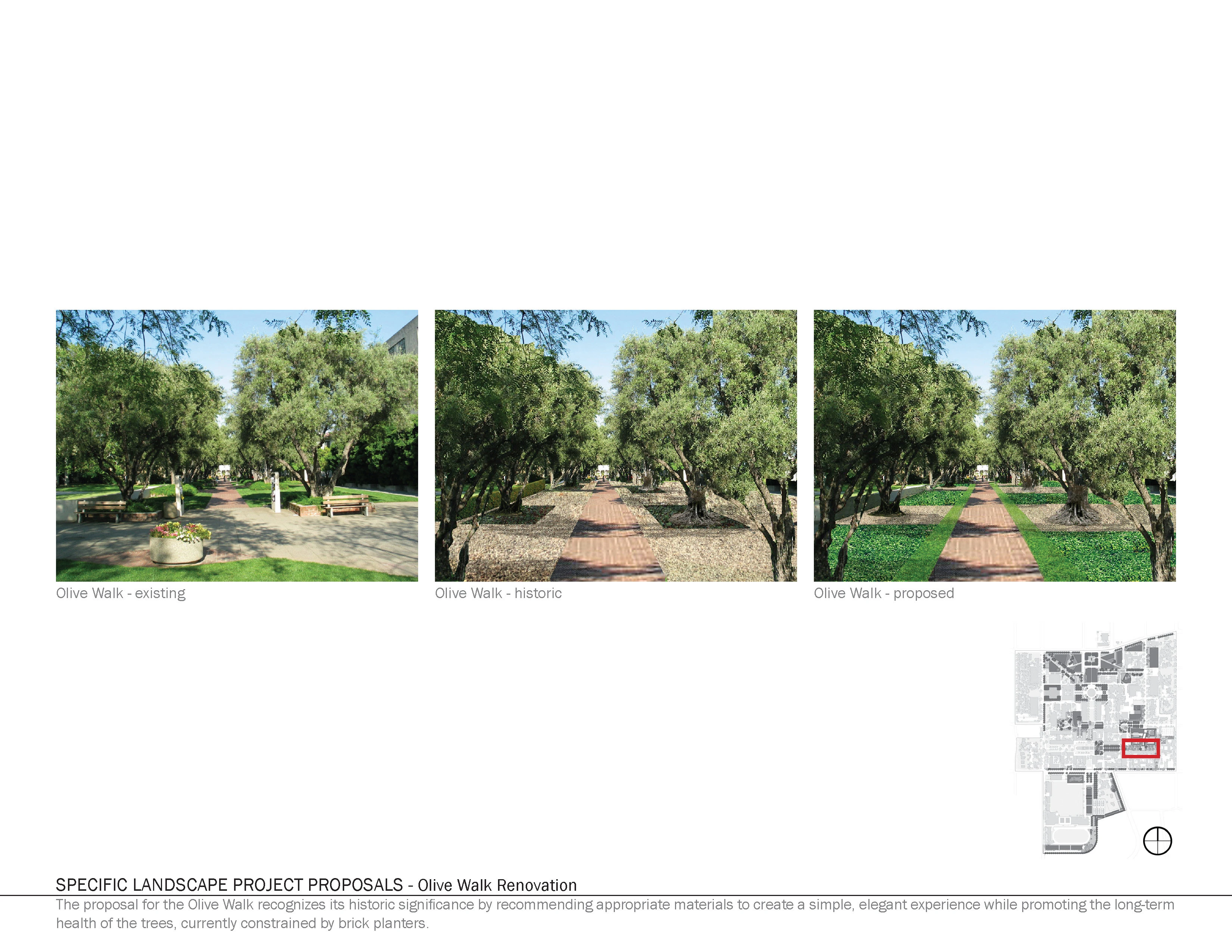
The local and regional significance of the project can be summed up in one word: water. Water is one of the most valued resources in Southern California. The core of the document's message is the importance and practicality of conserving this valued resource and honoring its inherent beauty. Many planning documents in California and the Southwest expound upon the importance of saving water, but we found that few projects fulfilled the ideal. We feel the main reason for this is the absence of practical—and beautiful—translations of principle into applicable design solutions. Our planning document helps bridge that gap by providing a specific plant palette, specific planting and lawn diagrams, and before-and-after photo montages of design projects taken from real places on campus. The document provides Caltech with the means to become a leader in water conservation and an example to the community.
The landscape development plan for Caltech analyzes some of the most basic elements of landscape architecture—water, plants, topography, and surfaces—as they relate to the culture and history of the campus. It then uses the analysis to create a framework, design principles, and illustrative examples of the proper use of these elements to create a functional, beautiful campus of interesting spaces and meaningful designs. One of the underlying goals of this project is to translate Caltech's leadership in the scientific community into a manifestation of that leadership in the physical campus by promoting sustainable design principles such as conserving water, reducing energy consumption in highly maintained landscapes, and proposing a native plant palette that can thrive without extensive maintenance. Caltech has adopted this framework plan and its principles and is currently soliciting donors to assist in the implementation of several of the proposed projects.
-
Landscape Architects
Nelson Byrd Woltz Landscape Architects, Charlottesville, VA USA
Warren T. Byrd, Jr., FASLA, Principal in Charge
Sara Coates Myhre, Senior Project Manager
Jeffery Aten, Staff Designer
Jocelyn Kelley, Staff Landscape Architect
Other staff contributors: Shanti Levy, Theresa StewardLocal Landscape Architect
Katherine Spitz and Associates, Inc., Los Angeles USAArchitect
Cooper, Robertson & Partners, New York USA
Advertisement
Related Awards
Honor Award, Analysis & Planning
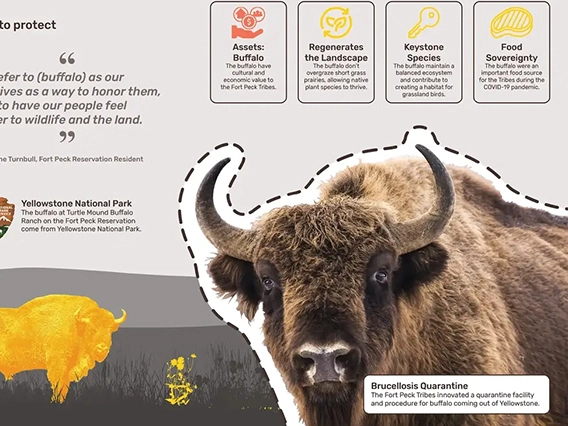
A Cultural Approach: The Fort Peck Tribes Hazard Mitigation Plan
In collaboration with the Fort Peck Assiniboine and Sioux Tribes, EPA, and FEMA, the Fort Peck Tribes Hazard Mitigation Plan (HMP) adopts a culturally responsive approach to hazard mitigation planning that features connection to place.