
.webp?language=en-US)


Connecticut Water Treatment Facility
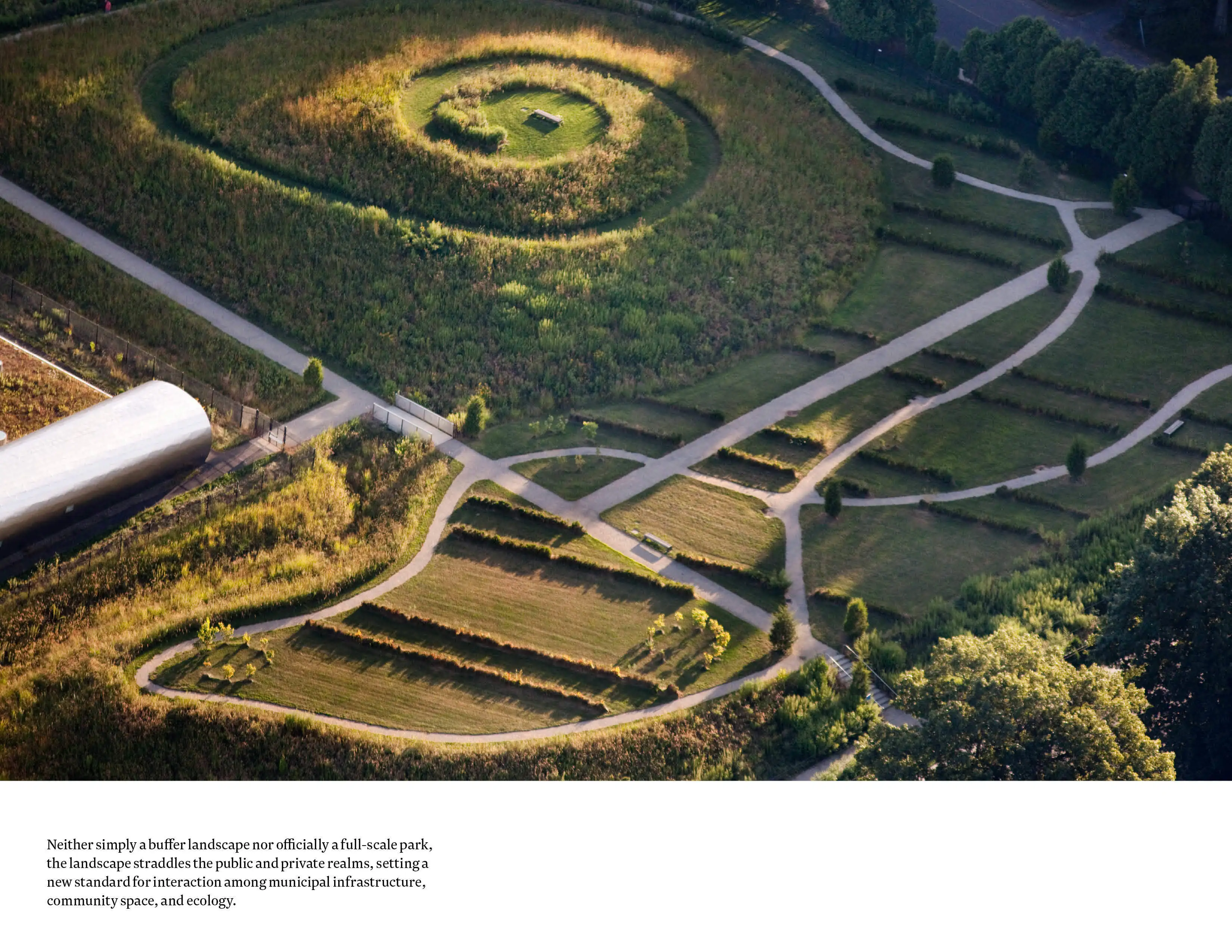
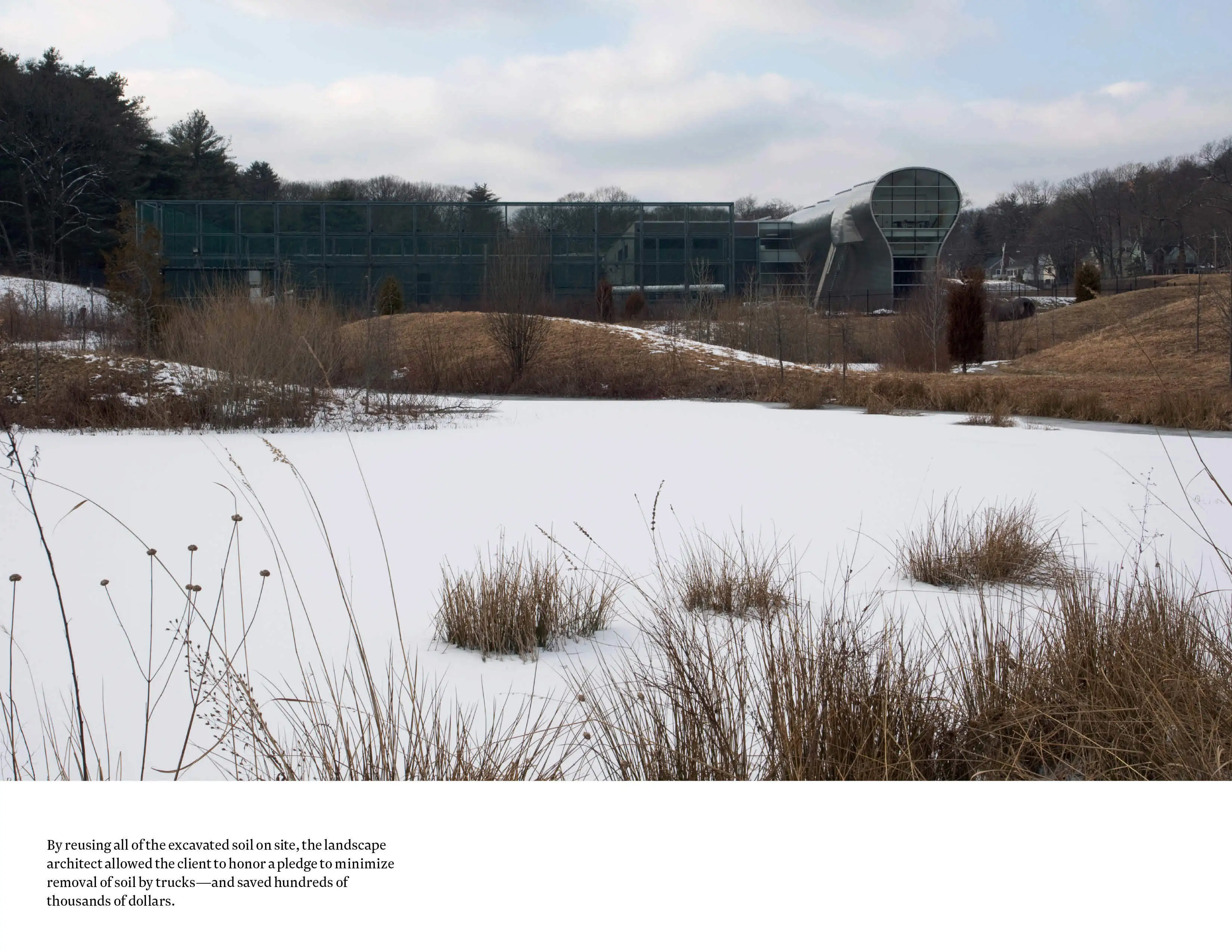
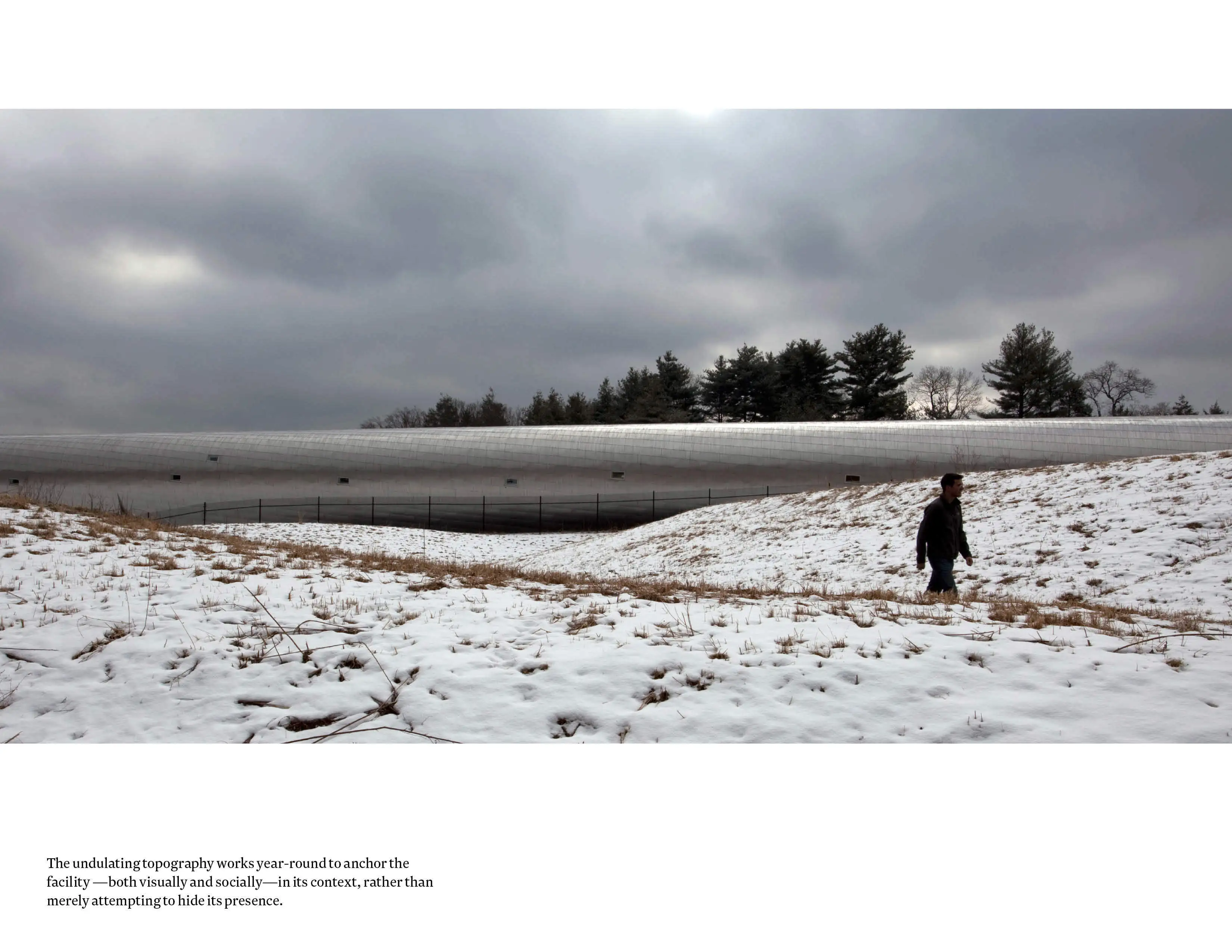
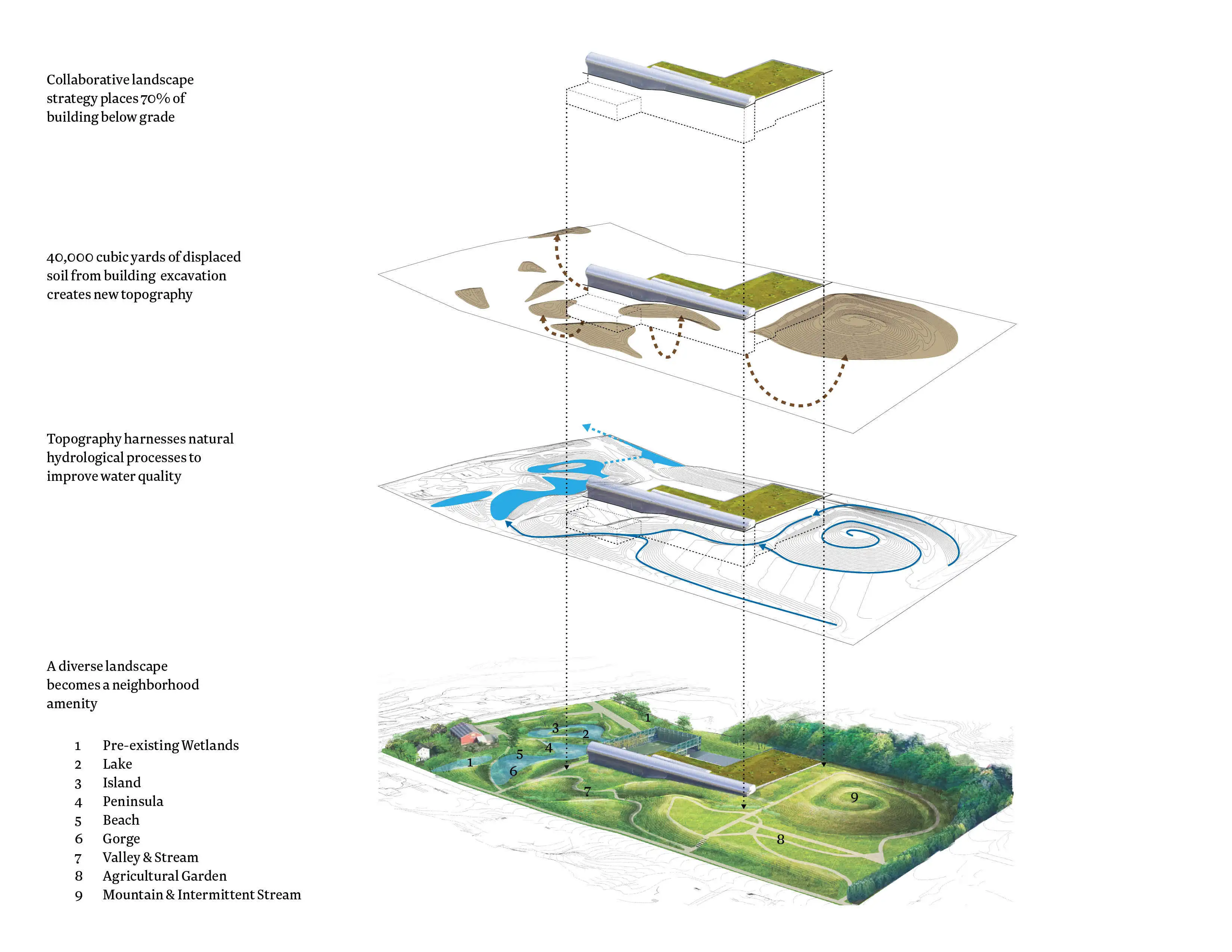
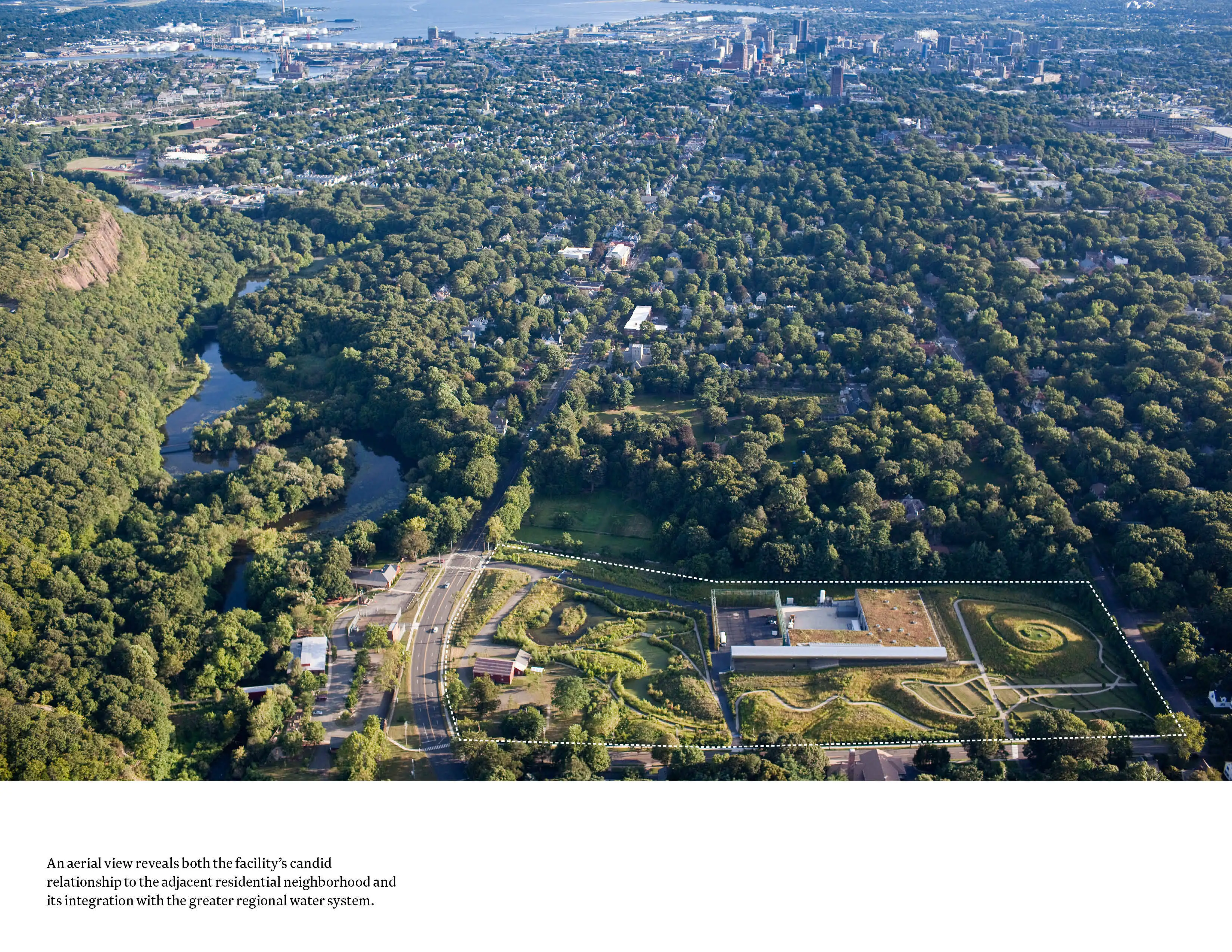
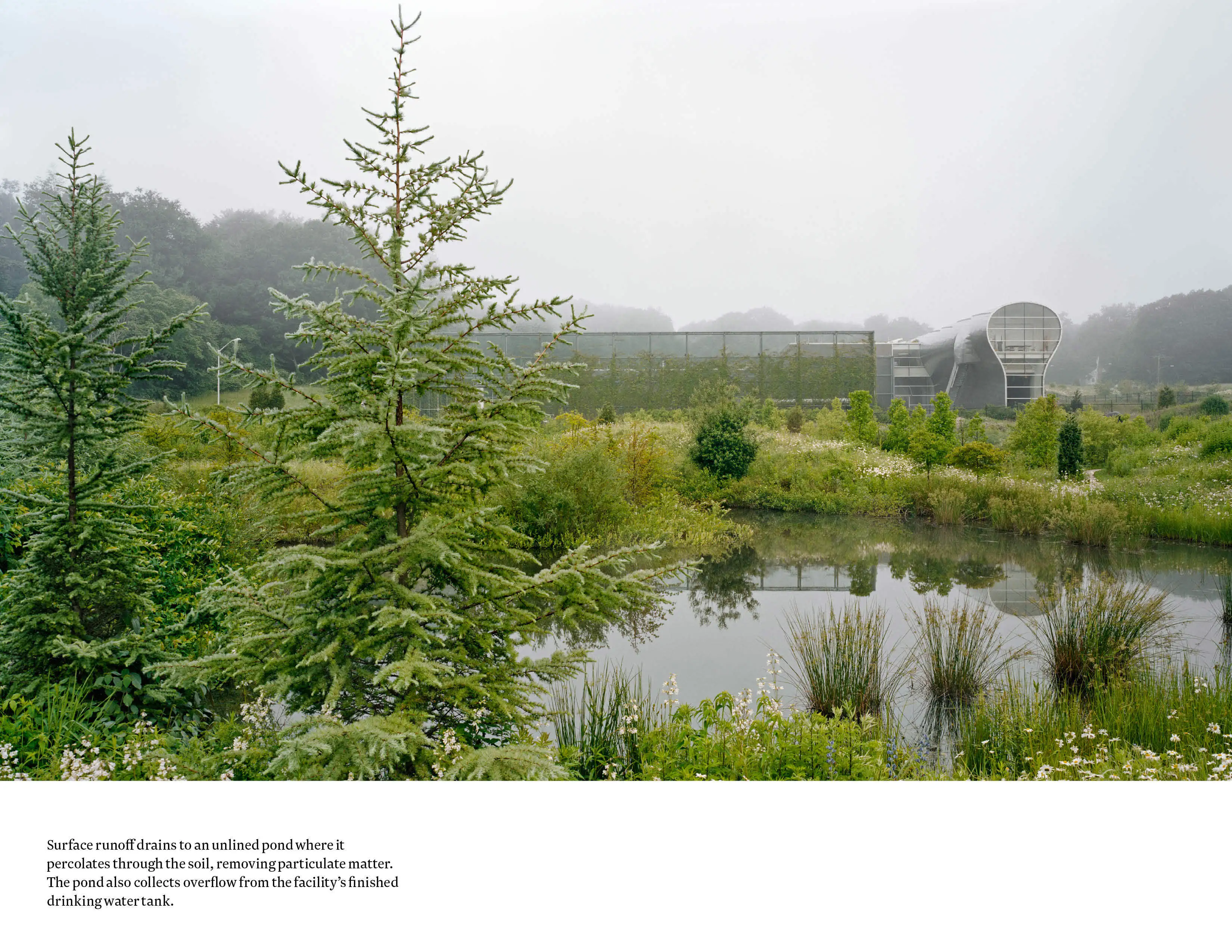
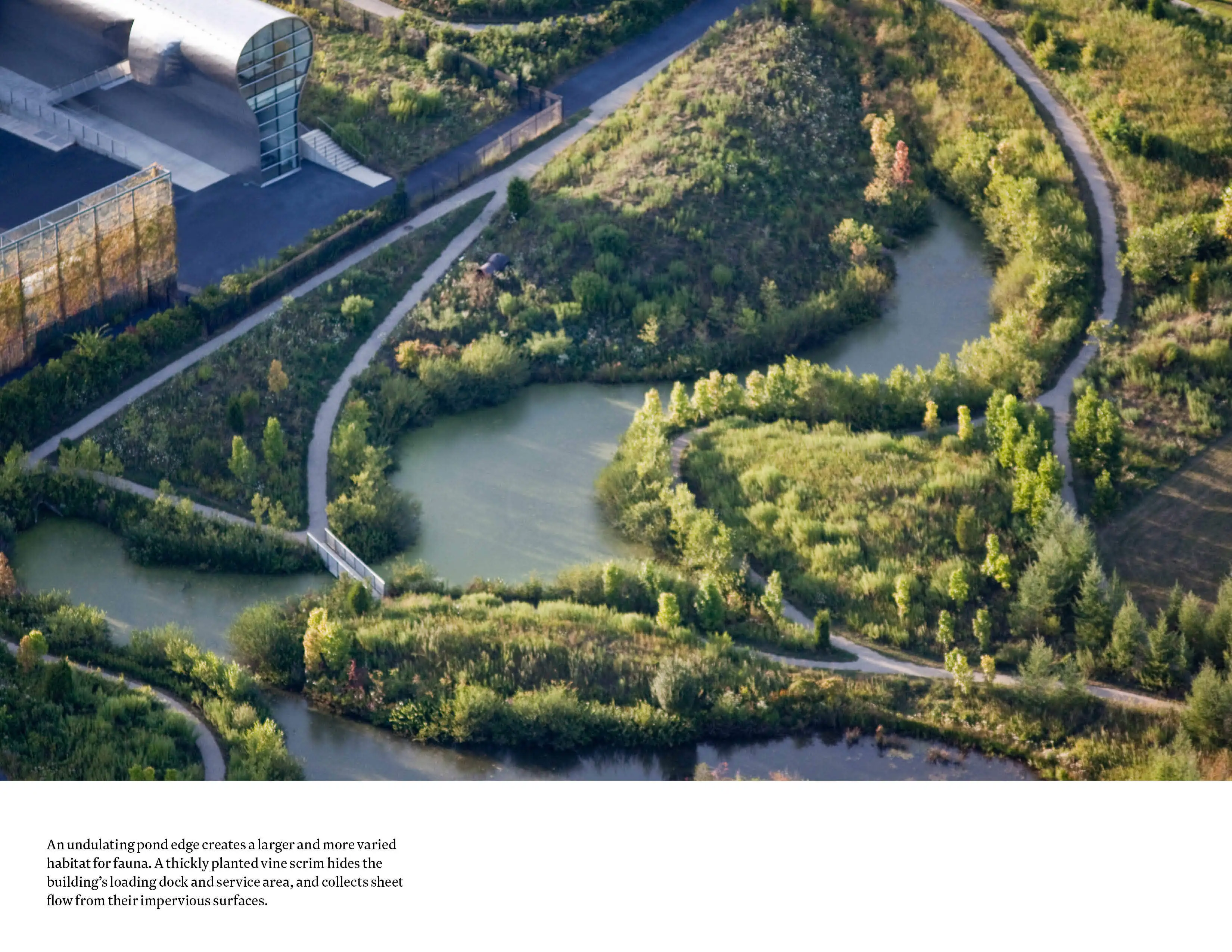
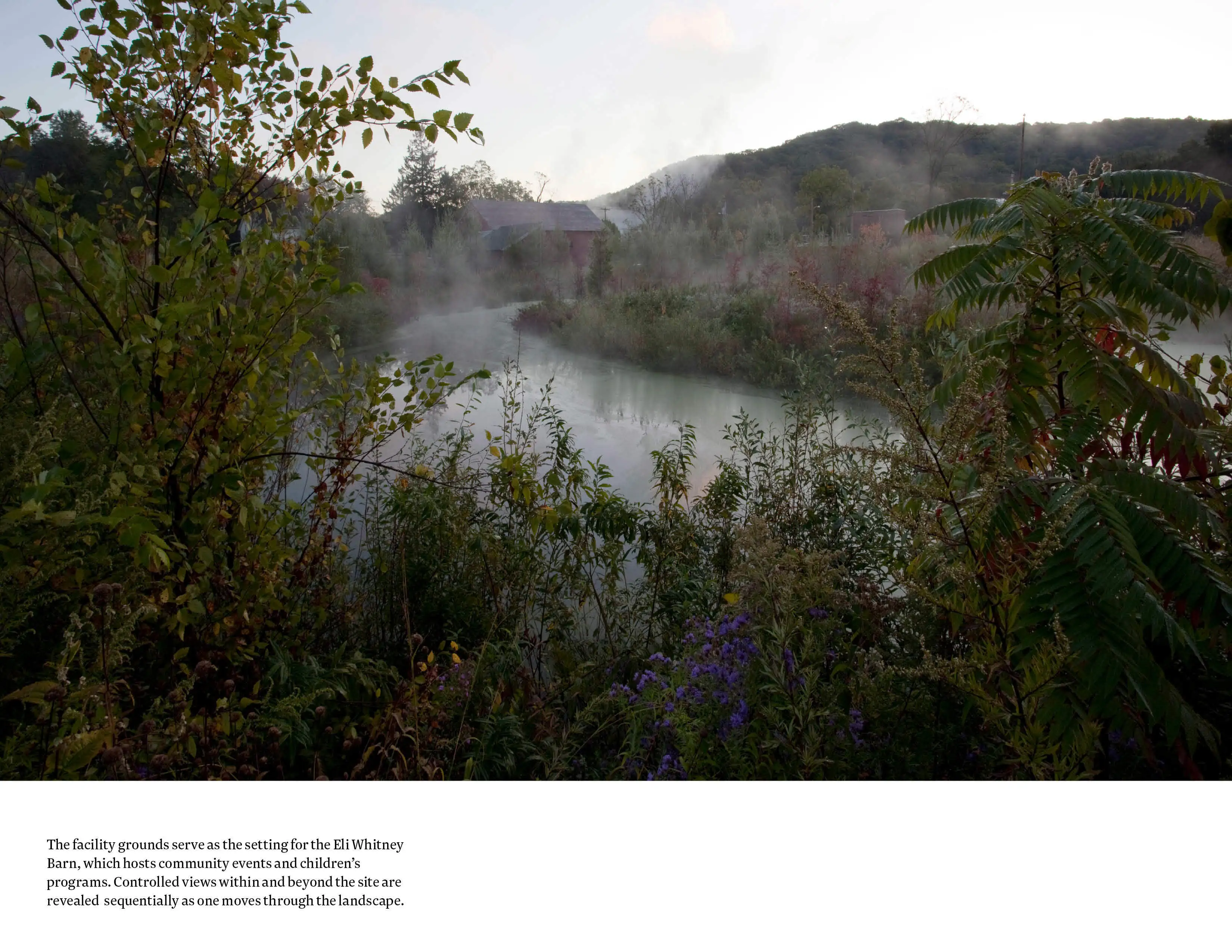
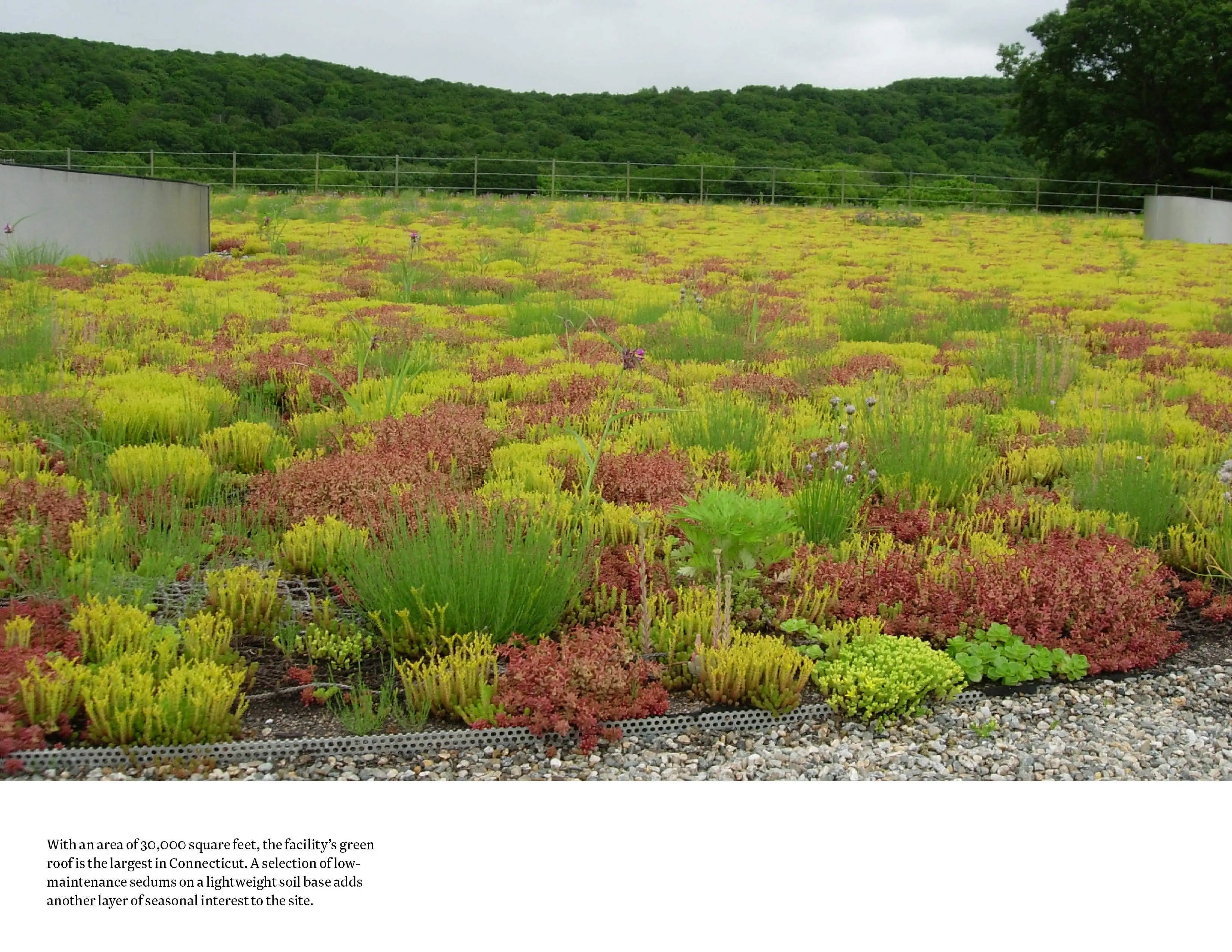
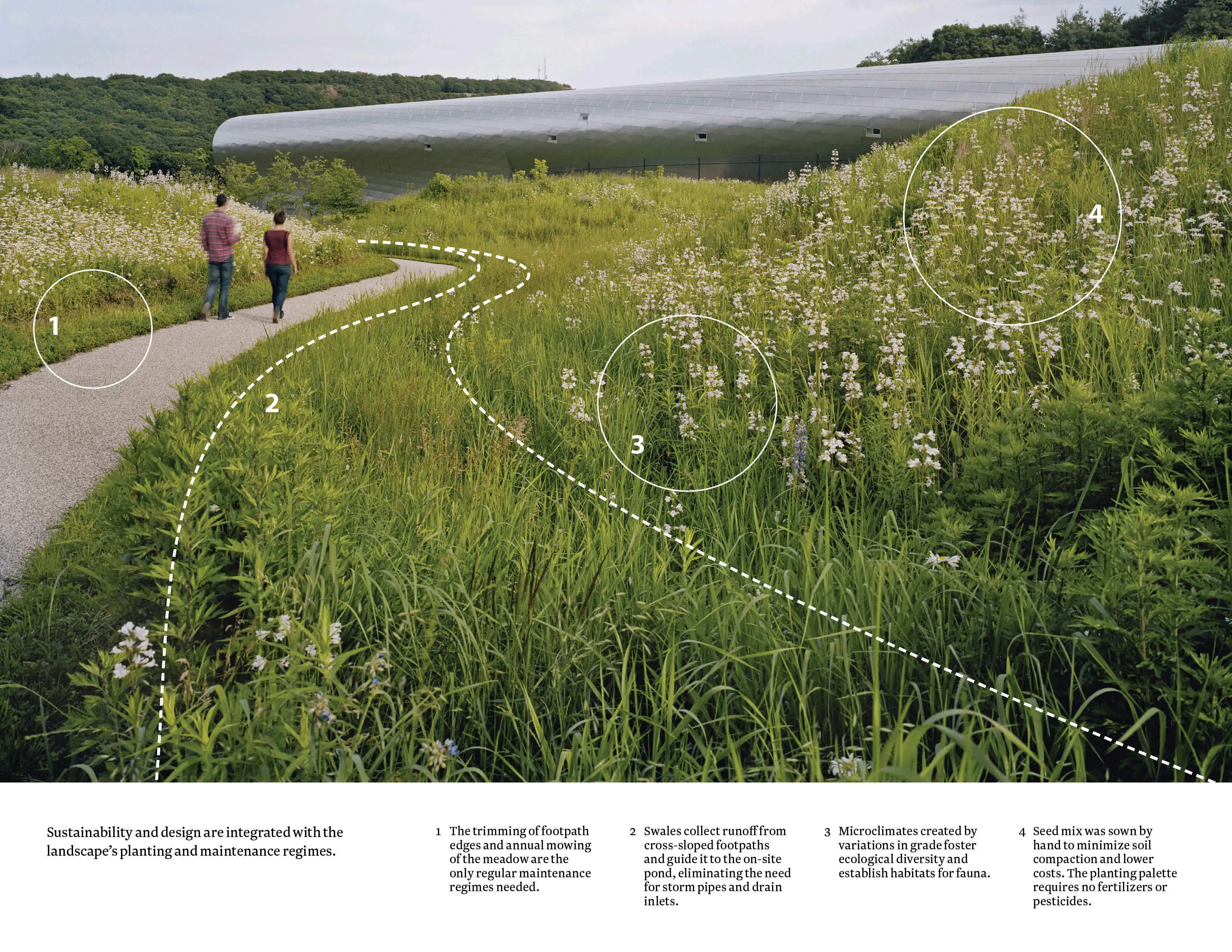
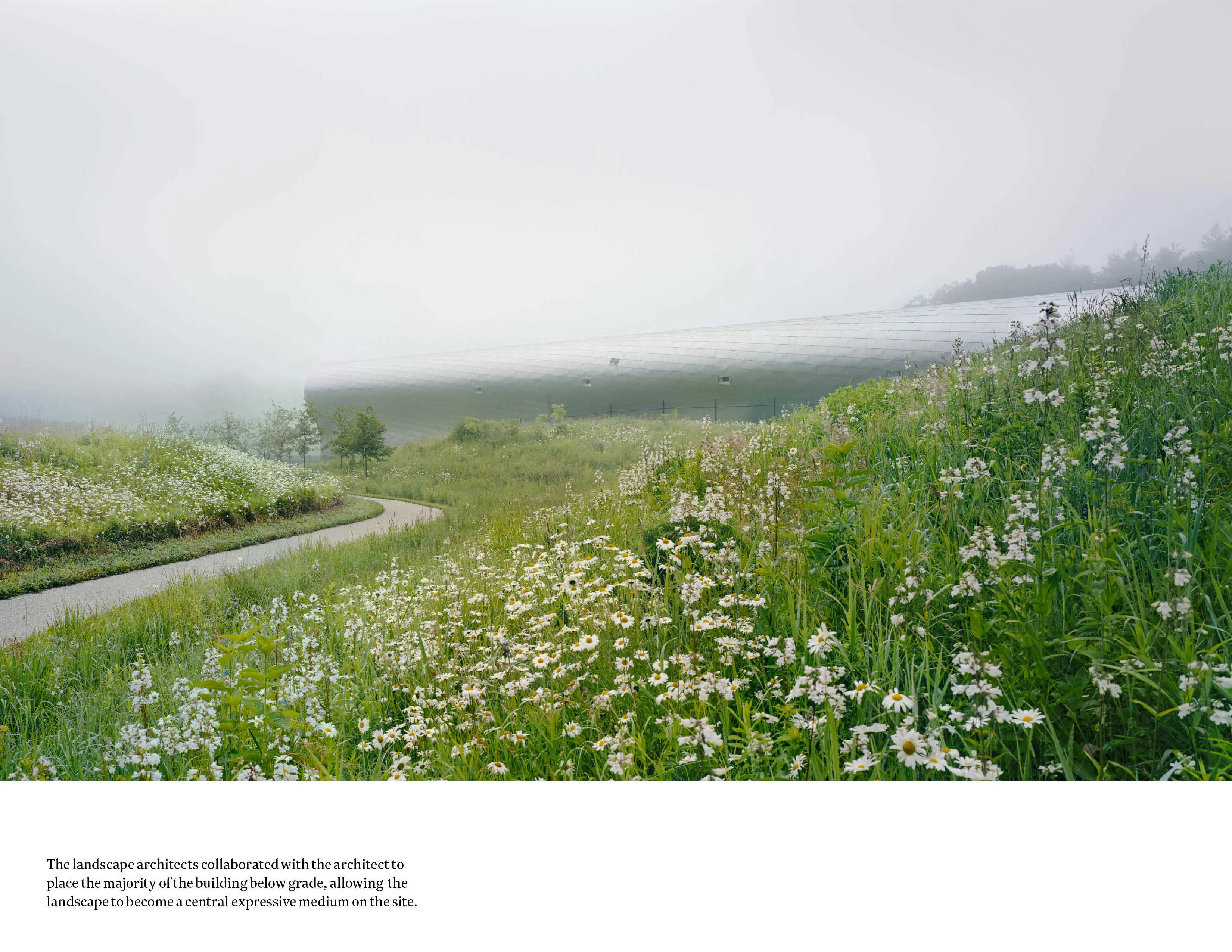
Exquisitely executed. Drawing the public into a treatment site and understanding the workings is strong. It is a great project concerning interaction of the architecture and landscape architecture, including the aesthetic. You can read the story of cleansing. The formal landscape design resolution is more compelling. It has a model railway quality for me. It is very sculptural in a highly urban area. I didn’t think of the educational element because the quality is so beautiful.
Awards Jury
-
On a limited budget of around $5 per square foot, this project raises the bar for municipal infrastructure design. Using techniques adapted from restoration ecology and bioengineering, the landscape creates a microcosm of the surrounding regional watershed, from mountain source to reservoir. The result is a rich, humanely scaled terrain that invites neighbors to engage with the land from the perspective of the water that flows through it.
-
Context
Located on the suburban outskirts of New Haven, the facility is a reserve water source for the South Central Connecticut Regional Water Authority. It draws water from nearby Lake Whitney, at the base of the Mill River Watershed. The site is adjacent to the Eli Whitney Museum, which commemorates the famous inventor and his son, who first dammed the adjacent Mill River for use as a water supply in 1806.
Frugal Elegance
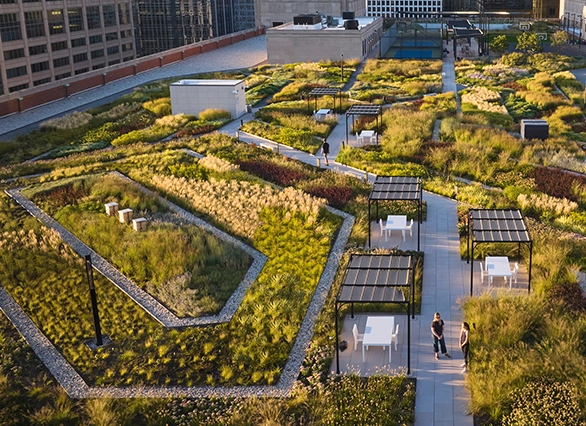
The use of the most elemental of landscape architectural tools—soil, water, and plants—offsets the sleek form of the facility building. The design creates topographical variety and interest through sustainable reuse of excavated soil. Swales replace a traditional engineered drainage system. The planting program, inspired by restoration ecology, is at once primal and sophisticated in its extent and complexity.
Ecological Integrity
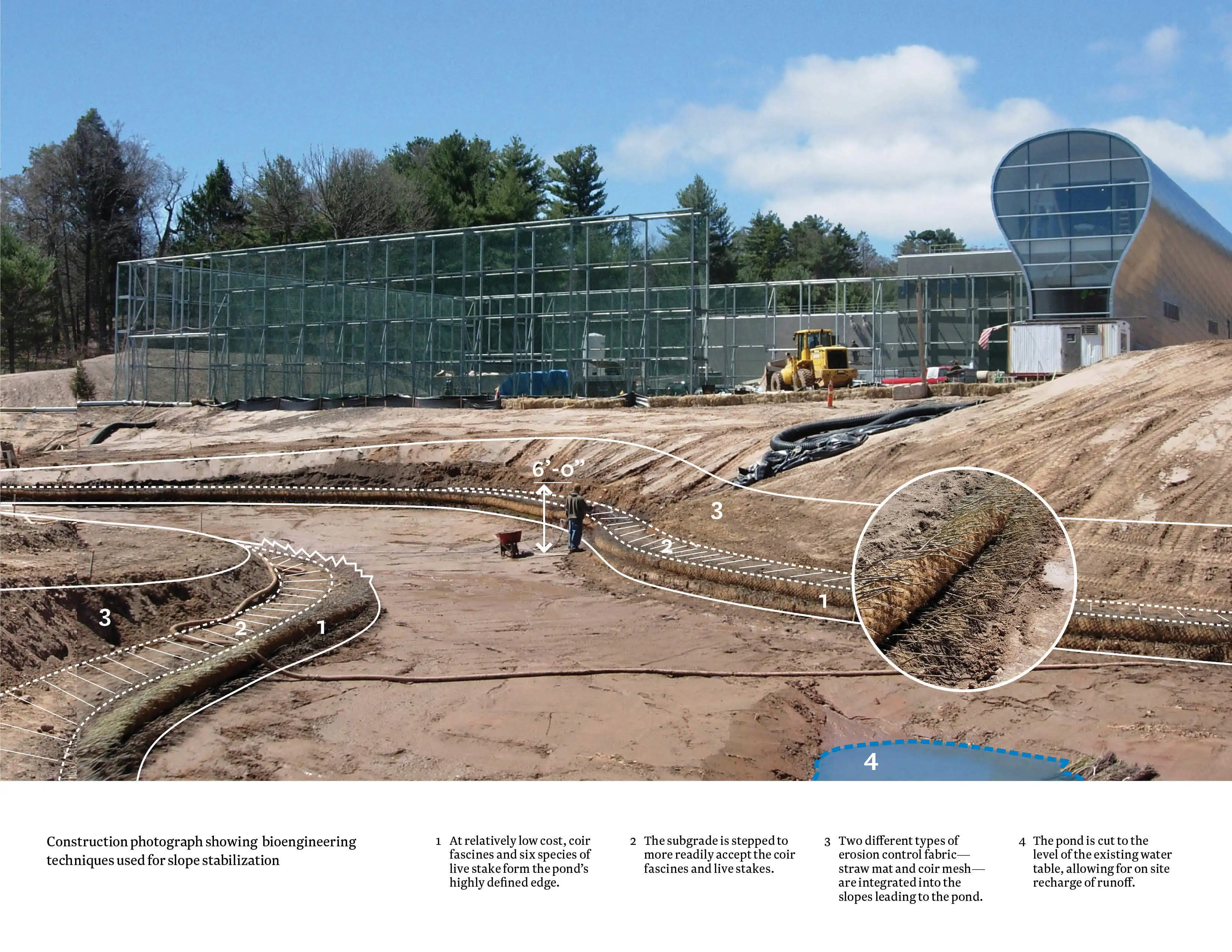
The new topography is stabilized using bioengineering methods. Site stormwater and runoff from the building's green roof are filtered as they move through the landscape. The planting scheme uses native species that require no fertilizers or pesticides, reducing the facility's impact downstream. The plant palette is also calibrated for seasonal variation in color and texture, and anticipates the natural evolution of plant communities over time.
A Watershed in Microcosm
The landscape is designed to be a didactic microcosm of the entire regional watershed. The swales guide site runoff through a series of discrete landscapes—including farmland, meadow, and valley strea—before collecting it in a new pond that recharges the groundwater table. Meandering footpaths allow visitors to move through this narrative and consider how water interacts with the land.
Community Use
While the utility is privately owned, the landscape architecture and building work to engage, rather than ignore, the adjacent residential neighborhood. The site also hosts the historic Eli Whitney Barn, a space for community events and programming. By transforming a formerly flat lawn into a dynamic, ecologically diverse public space, the design improves long-standing community use of the grounds and integrates the site with its suburban surroundings.
-
Landscape Architect
Michael Van Valkenburgh Associates, Inc.
Michael Van Valkenburgh, FASLA, Principal
Matthew Urbanski, Design Principal
A. Paul Seck, Robert Rock, J.P. WeesnerArchitect
Steven Holl Architects, New York USACivil Engineer
Tighe and Bond Consulting Engineers, Westfield, MA USAStructural Engineer
CH2M, Boston USAConstruction Manager
C.H. Nickerson & Company, Inc.,
Torrington, CT USALandscape Contractor
Emanouil Brothers, Inc., Chelmsford, MA USABioengineering Consultant
The Bioengineering Group, Inc., Salem, MA USA
Advertisement
Related Awards
Honor Award, General Design
Houston Arboretum & Nature Center
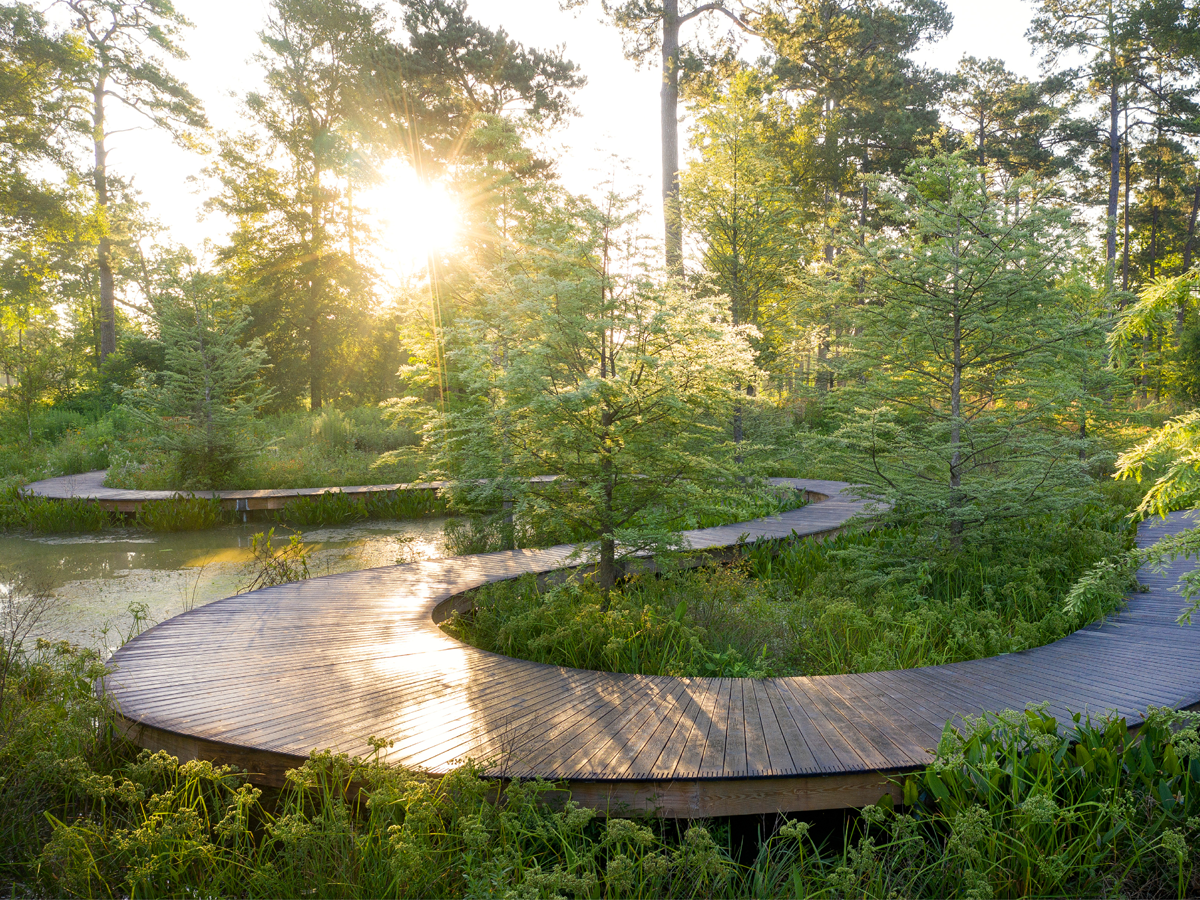
The Houston Arboretum & Nature Center sits within Memorial Park, one of the largest urban parks in the United States, in one of the nation's fastest growing and most climate-challenged cities. The site's story is one of repeated loss and deliberate reinvention. Hurricane Ike in 2008 and a severe drought in 2011 destroyed much of the Arboretum's tree canopy, exposing the limits of conventional reforestation in a city defined by flooding, heat, and ecological volatility.