

.webp?language=en-US)

.webp?language=en-US)
Landscape Architects Will Push for Nature-based Solutions at COP28

Delegates will highlight the key role of landscape architecture in maximizing the benefits of nature for people and communities
By Jared Green
ASLA is sending two delegates to COP28 in Dubai, UAE, and eight virtual delegates will join online. This is the second year ASLA has been an NGO observer to the UN Framework Convention on Climate Change (UNFCCC) Conference of Parties (COP) process.
At COP28, ASLA delegates will argue:
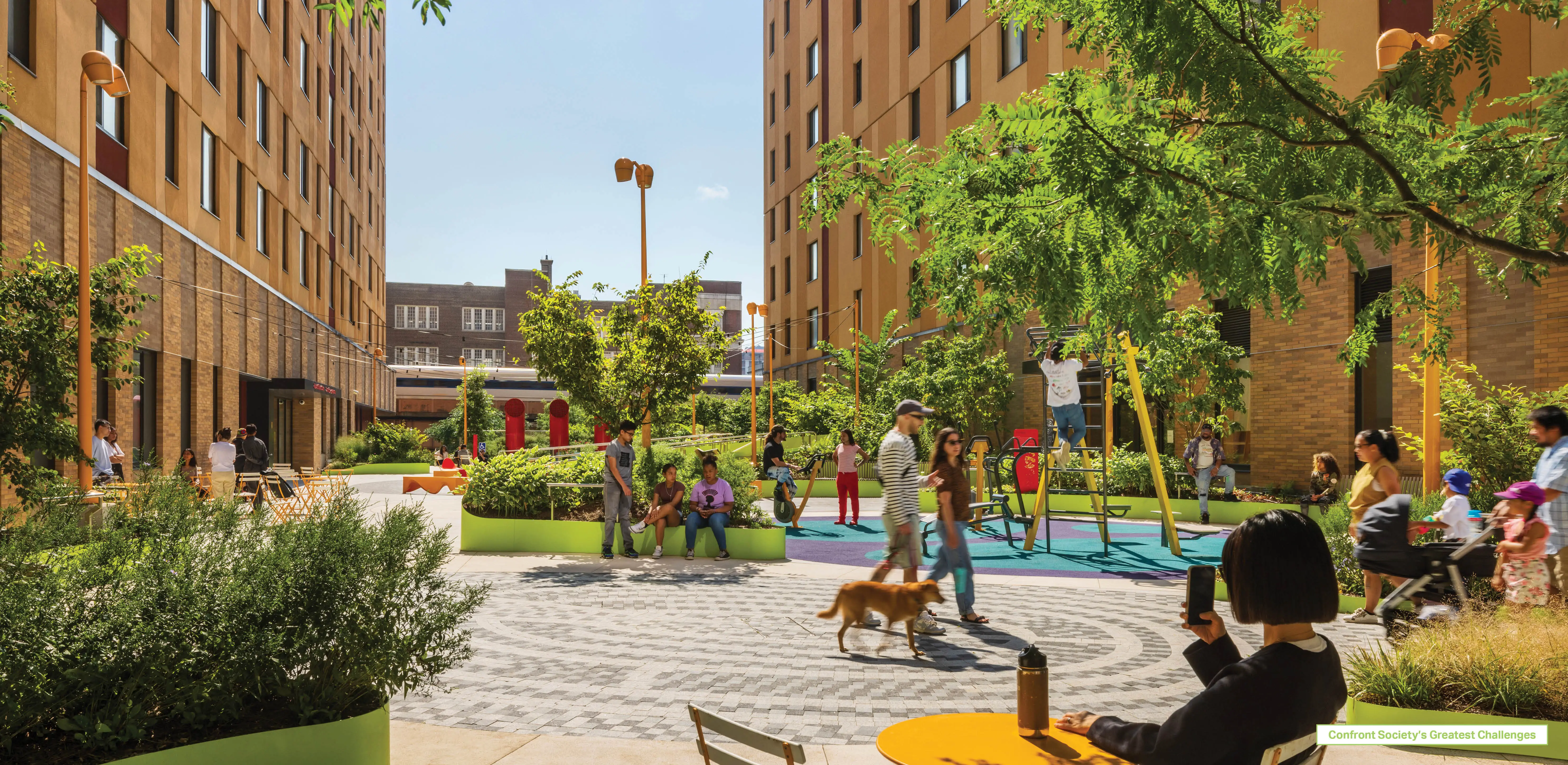
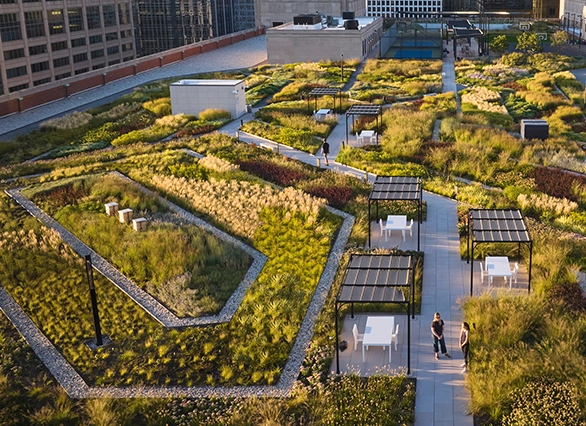
Nature-based solutions to climate change and biodiversity loss are more than mangroves, forests, and grasslands. Using landscape architecture strategies, they can be woven into places where people live. They can take the form of parks, recreation areas, streets, coastal infrastructure, and more. Through inclusive design, they can provide even greater benefits to people and support the healthy urban ecosystems people rely on.
While more communities are integrating nature-based solutions, those advances are not widespread. All communities need equitable access to best practices, project financing, and the landscape architecture, planning, ecology, and engineering professionals who make these projects a reality.
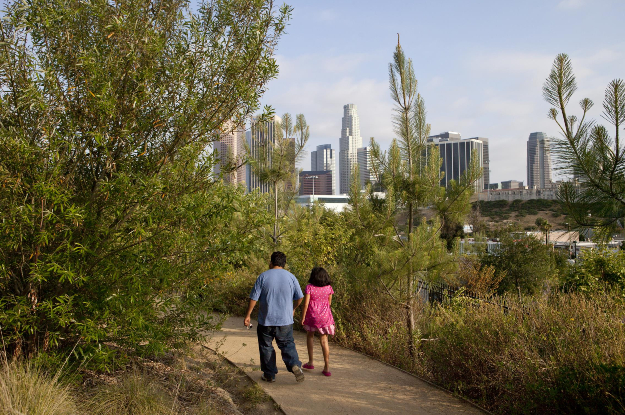
Landscape architects design nature-based solutions to create real benefits for people and communities:
1) Increased Biodiversity Nature-positive landscapes are the foundation of terrestrial ecosystems and efforts to achieve 30 x 2030 and 10% net biodiversity goals, restore global ecosystems, and increase and protect biodiversity.
2) Improved Human Health and Livability Accessible public landscapes, such as parks and recreation areas, provide proven physical and mental health benefits that reduce healthcare costs and increase community cohesion. 3) Going Beyond Net-Zero Landscapes are the most efficient way to store carbon and achieve zero embodied and operational emissions and double carbon sequestration by 2040. 4) Strengthened Resilience Healthy, biodiverse landscapes that store carbon in trees, plants, and soils also increase people’s resilience to climate impacts, such as extreme heat, flooding, drought, and sea level rise. 5) Expanded Investment and Sustainable Livelihoods When woven into communities, nature-based solutions become resilient assets that lead to increased investment in housing, infrastructure, and public amenities, and create sustainable local livelihoods.
In-person delegates include:
- Torey Carter-Conneen, CEO, American Society of Landscape Architects
- Pamela Conrad, ASLA, LEED AP, Founder, Climate Positive Design; Senior Fellow, Architecture 2030; Faculty Lecturer, Harvard Graduate School of Design; Vice Chair, Climate and Biodiversity Group Working Group, International Federation of Landscape Architects (IFLA)
Additional in-person landscape architect delegate of the Government of Thailand:
- Kotchakorn Voraakhom, International ASLA, Founder, Landprocess; Chair, Climate and Biodiversity Group Working Group, IFLA; Faculty Design Critic, Harvard Graduate School of Design; Visiting Fellow, University of Pennsylvania.
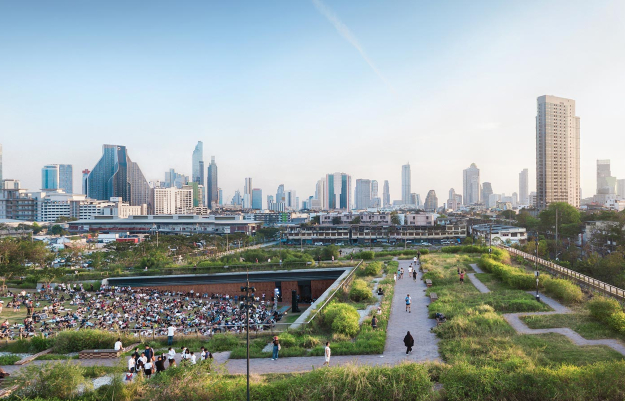
Honor Award. Bangkok, Thailand. LANDPROCESS
All three speakers will be presenting in these blue zone sessions:
Scaling Up Nature-Based Solutions in Urban Environments Wednesday, December 6, 4.15 AM - 5.15 AM EST / 1:15 PM - 2:15 PM GST International Union for Conservation of Nature (IUCN) Pavilion
Nature-based Solutions & the Built Environment: Designing for Resilience, Drawdown & Biodiversity Friday, December 8, 7.45 AM - 9.15 AM EST / 4.45 PM - 6.15 PM GST Official COP28 Blue Zone Side Event, SE Room 9
ASLA virtual delegates joining online include:
- Diane Jones Allen, FASLA, Director, Program in Landscape Architecture, University of Texas at Arlington (UTA), Principal Landscape Architect, DesignJones, LLC, and Member, ASLA Climate Action Plan Task Force
- Scott Bishop, ASLA, Founding Principal, Bishop Land Design; Member, ASLA Climate Action Plan Advisory Group; and Past Chair, ASLA Biodiversity and Climate Action Committee
- Aida Curtis, FASLA, Founding Principal, Curtis + Rogers Design Studio; and Co-Chair ASLA Biodiversity and Climate Action Committee Subcommittee on Climate Leadership and Communications
- Sarah Fitzgerald, ASLA, Associate, SWA, and Member, ASLA Climate Action Plan Task Force
- SuLin Kotowicz, FASLA, ASLA President
- Mia Lehrer, FASLA, Founder, Studio-MLA, and Member, ASLA Climate Action Plan Advisory Group
- April Phillips, FASLA, Founder, April Phillips Design Works, and Chair, ASLA National Biodiversity and Climate Action Committee
- Kongjian Yu, FASLA, Founder, Turenscape, and Professor and Dean, College of Architecture and Landscape Architecture, Peking University, and winner of the 2023 Cornelia Hahn Oberlander International Landscape Architecture Prize.