
.webp?language=en-US)
.webp?language=en-US)
Words of Wisdom for Our 2026 Landscape Architecture Graduates
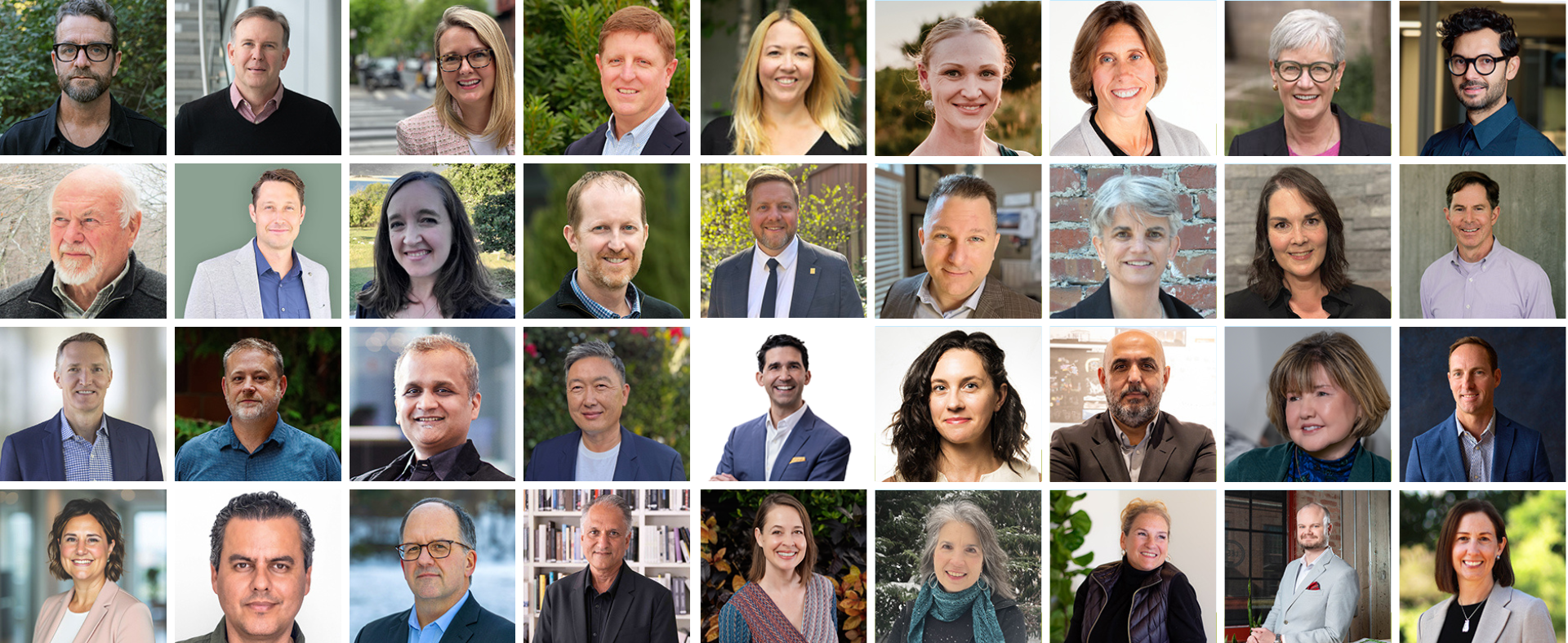
by Chloe Gillespie, Associate ASLA, Adam Greenspan, FASLA, Madison Dierks, ASLA, PLA, Keith VanDerSys, Wanjing Ji, ASLA, Nate Cormier, ASLA, PLA, LEED AP, Joy Kuebler, FASLA, PLA, Jessica Canfield, ASLA, PLA, Patrick Burns, Associate ASLA, Michele Palmer, ASLA, PLA, LEED GA, Jodi House, ASLA, PLA, LEED AP, Mark Meyer, ASLA, Will Jones, ASLA, PLA
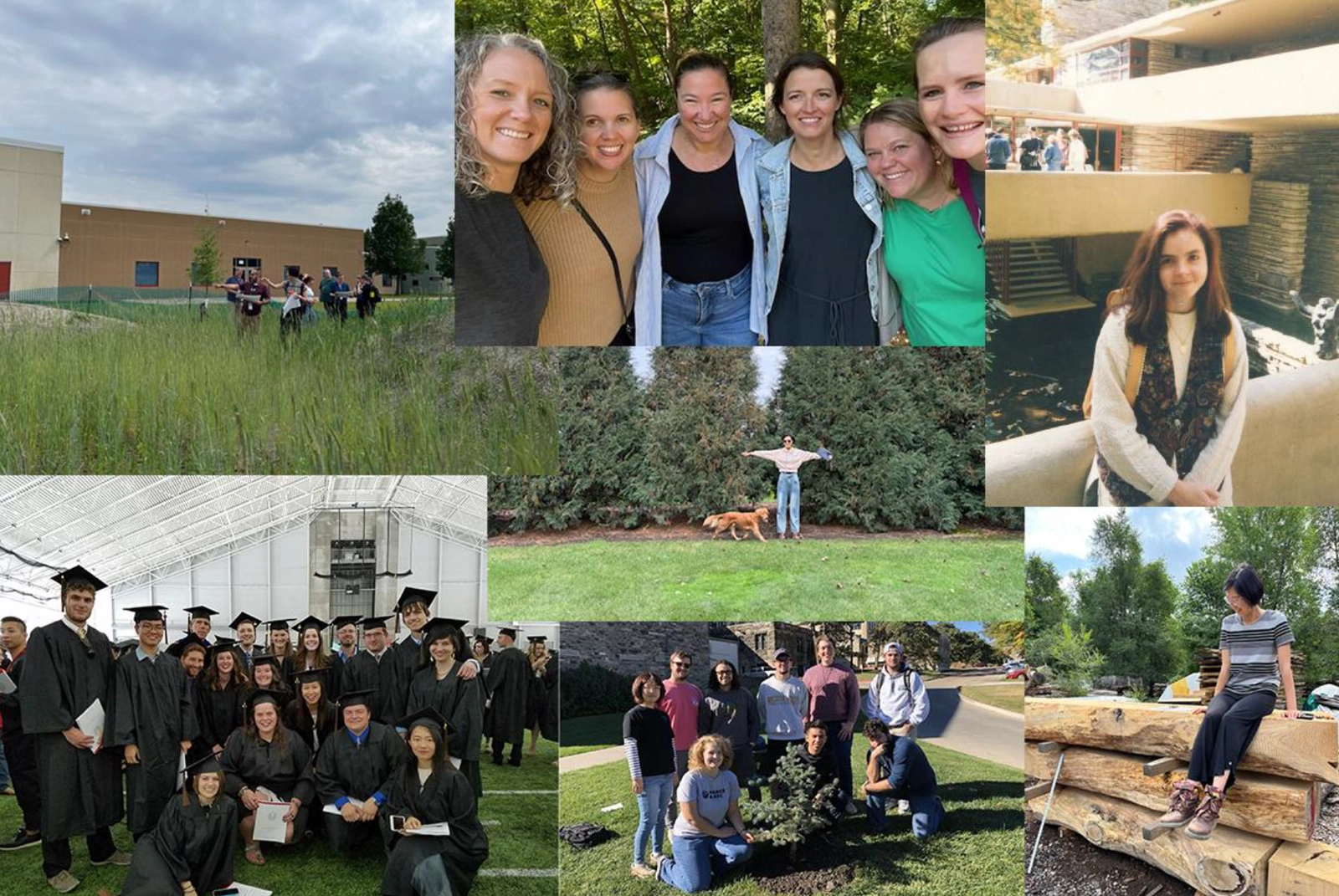
Congratulations, Class of 2026!
You are doing it! We are all so proud of you and all your hard work! Graduating with your degree in landscape architecture, ready to take on the world! Going out into this world may be leaving a lot of you filled with uncertainty about how to move forward. And we can’t say what world is going to look like in five, ten, or fifteen years, but we do know it is going to take a lot of adaptability and resilience.
But know you are not going at this alone. The ASLA Student Support and Engagement Committee has collected some words of wisdom to share with you from recent graduates and seasoned professionals. We hope these words of wisdom inspire you to become strong, resilient, and continue to seek greatness as you emerge into young professionals.
Congratulations again, Class of 2026! Keep going strong!
Congratulations, Class of 2026!
Graduating is an accomplishment and landscape architecture graduates are by definition resilient! You have been through many challenges along the way and made it out the other side!
One thing that I realized slowly after school was that it was not the lessons nor the methods, or even the bigger picture thinking that I engaged in, that was most handy to me professionally. What helped me most from school was the stressful experiences of working through the mix of ideas, discovery, and personal accountability required in a very difficult program. The perseverance I developed in school has been applicable to all my continued work and has helped me find success in my changing life since graduation. The most important part of school was the struggle that it provoked and the sometimes-extreme sport of balancing challenges and requirements with my own goals and interests.
As a student, I was excited and focused but sometimes overwhelmed. Coming up with design proposals could be difficult and developing them for clarity and presentation was often a chaotic but always committed process...and it has continued like that to this day. The challenges that you have already faced are different than what is yet to come, but they are analogous—what you have gotten through will help you learn from, and achieve things, in what comes next.
Your thoughts and feelings are important, not just what you have been taught or what you think practice in landscape architecture is about. The greatest discoveries and accomplishments in working together and in design come from each person’s unique perspective and abilities. The key is how those specifics can be part of the group effort required to realize a better world. By understanding and nurturing your own interests and connecting with others and their abilities, special new realities can be created. I have seen this to be true both for myself—as a practitioner, design partner, and community member—and for many employees, interns, and collaborators that I have worked with over the years.
I believe in the power of land and wonder of the earth more than ever. In landscape architecture, life matters more than school. Landscape architecture is about life and living—animate and inanimate, art and science, place and placement, hard and soft, ideas and materials—and how all of it comes together. Being an active part of life will feed your work; your experience and interests up to this point are all potentially applicable to your work, anything in life that you commit to now can inform the way that you work with landscape architecture. There are so many places for landscape architects in business and society today. There are so many kinds of landscape architects to be and so many facets of the discipline to gain experience.
Being trained to think through the way that things work and the relationship between things means that you can find (and design) pathways through difficult terrain. My experiences as an artist, a California Certified Nursery Professional, a gardener, an insurance office worker, and as a teenage usher at the Hollywood Bowl have each offered insight into my professional work. Don’t forget who you are and what you have experienced. It can all help you.
Adam Greenspan, FASLA
University of Pennsylvania School of Design, Class of 2001
Design Director at PWP
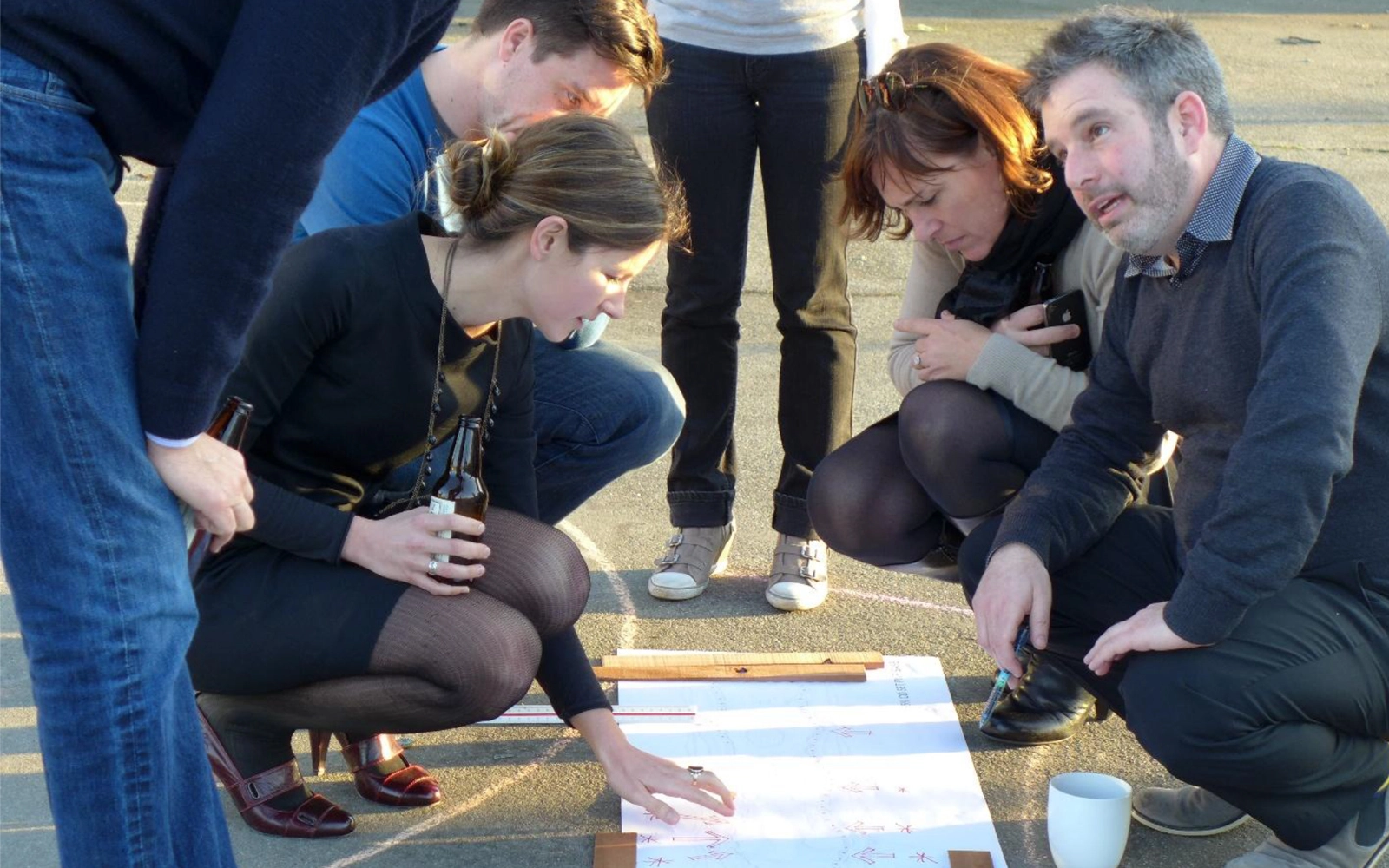
The first thing you do after graduation may be the thing you do for the rest of your life, but it likely won’t be and it certainly doesn’t have to be. Something I didn’t anticipate in 2016 was the ways in which my goals and dreams would evolve. Your interests will expand and your goals could change as you experience new things, learn new skills, and meet new people. This is completely normal. It is ok to change your mind, it is ok to adapt to your environment, it is ok to admit when you are wrong, and it is certainly ok to learn from mistakes. Take time to make decisions that help you get where you want to go, even when it’s difficult and you’re not entirely sure where you want to go.
My advice to you as you graduate is to get comfortable making decisions, regardless of the outcome. Try not to get stuck in the analysis paralysis of making the wrong decision or missing out on an opportunity because not making a decision is a decision—it just takes away any say in the outcome for you. Jobs, hobbies, and relationships change but if you are consistently changing your mind, not making up your mind at all, or not committing to any of your choices, you may start to feel lost and unfulfilled. In a world where there is so much we don’t get to control, take action where you can. Make decisions—when they’re easy, when they’re hard, when they scare you, when all the options suck, when you don’t like the outcome, when it feels like the end all be all. Remember you aren’t alone in this; people genuinely want to help. Ask questions and please don’t be afraid to mess up because mistakes are inevitable. We’ve all made them and will continue to make them no matter how much time we spend worrying about if we will. The important thing is that we learn from our experiences and keep going.
As you decide what to do after graduation, remember that the first thing you do after graduation will not make or break your life. Choose something that works for you now, learn something from it, and if something needs to change, make another decision. Decisions don’t have to be forever; they can just be one step forward in your life. If you don’t like the first step/job/decision after your degree, you can always make another decision.
Madison Dierks, ASLA, PLA
Iowa State University, BLA and Environmental Studies, Class of 2016
Landscape Architect at Confluence
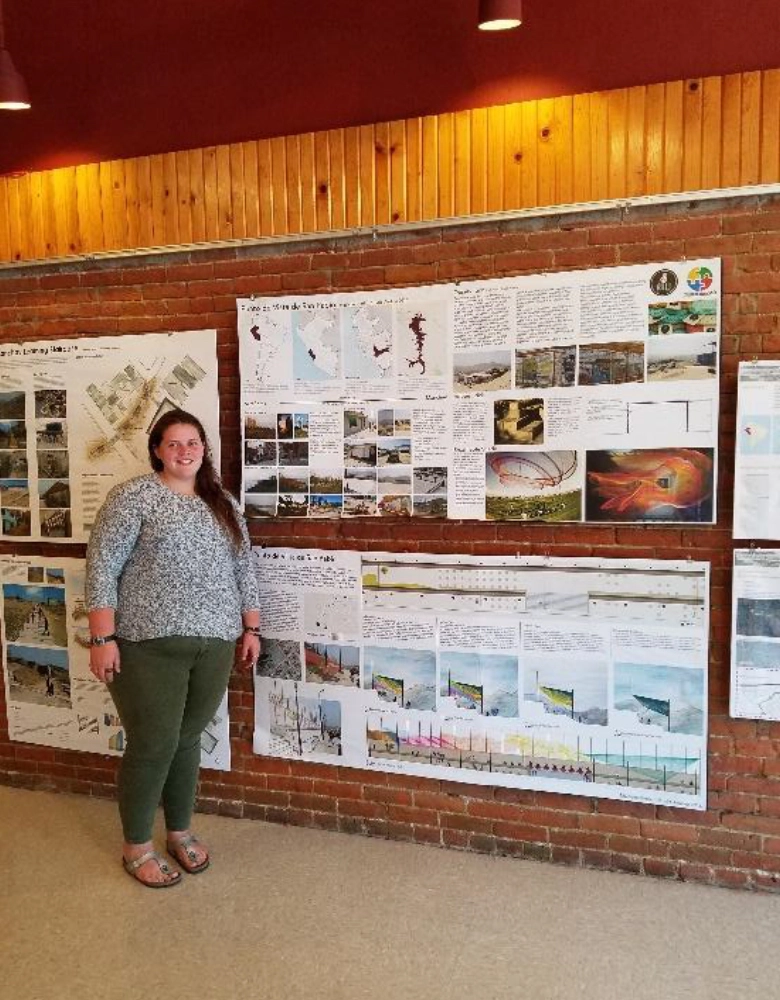
This is not my beautiful life. Well, how did I get here?
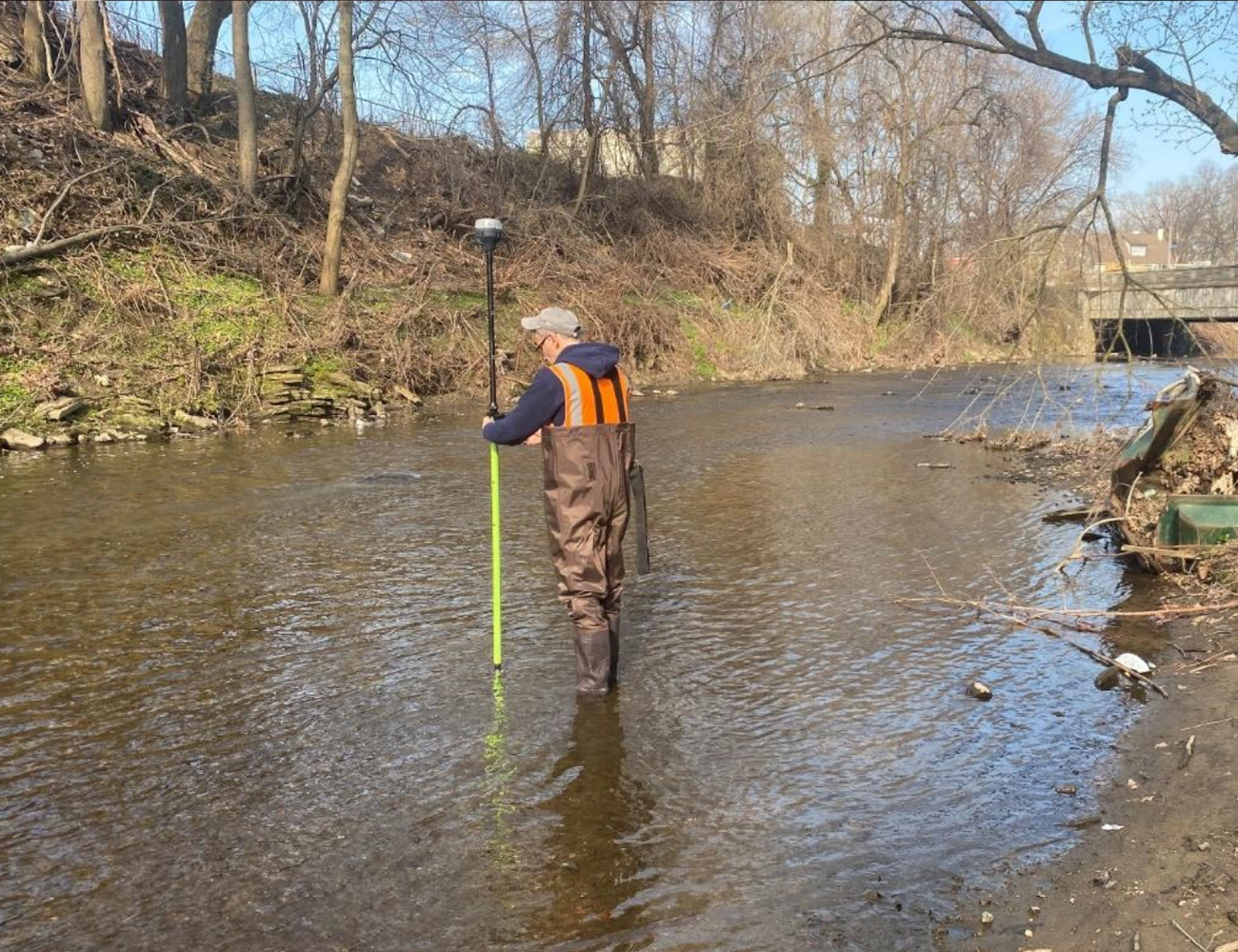
I’m standing thigh-deep in Darby Creek in early spring, collecting stream bathymetric data. It’s a pleasantly cool day, with the promise of steadily improving weather teasing spring’s abundance. And I find myself wondering: How did I get here? If you’d asked my 20-year-old self to describe their beautiful life, being a landscape researcher and remote sensing specialist wouldn’t have entered the picture. I wanted to be an architect—an architect with a capital “A.” Designing buildings. Working in architectural practice.
Three decades later, I’ve lived little of that imagined life. It may sound like a platitude, but whatever “wisdom” can be drawn from this is simple: don’t fixate on a perfect vision of an imagined role. Instead, cultivate knowledge in the areas you enjoy and excel in, and work hard at it. Be curious. Stay persistent. You’ll fail far more often than you succeed. Find collaborators to share both the wins and the losses—it’s far more meaningful when experienced together. Regardless of the many unexpected detours, I find myself in this unimagined beautiful life, nonetheless.
Keith VanDerSys
University of California, Los Angeles, Class of 2004
Founding Partner of PEG office of landscape + architecture, Senior Lecturer at the University of Pennsylvania’s Weitzman School of Design, and Environmental Modeling Lab (EMLab) Co-Director
Congratulations on your graduation!
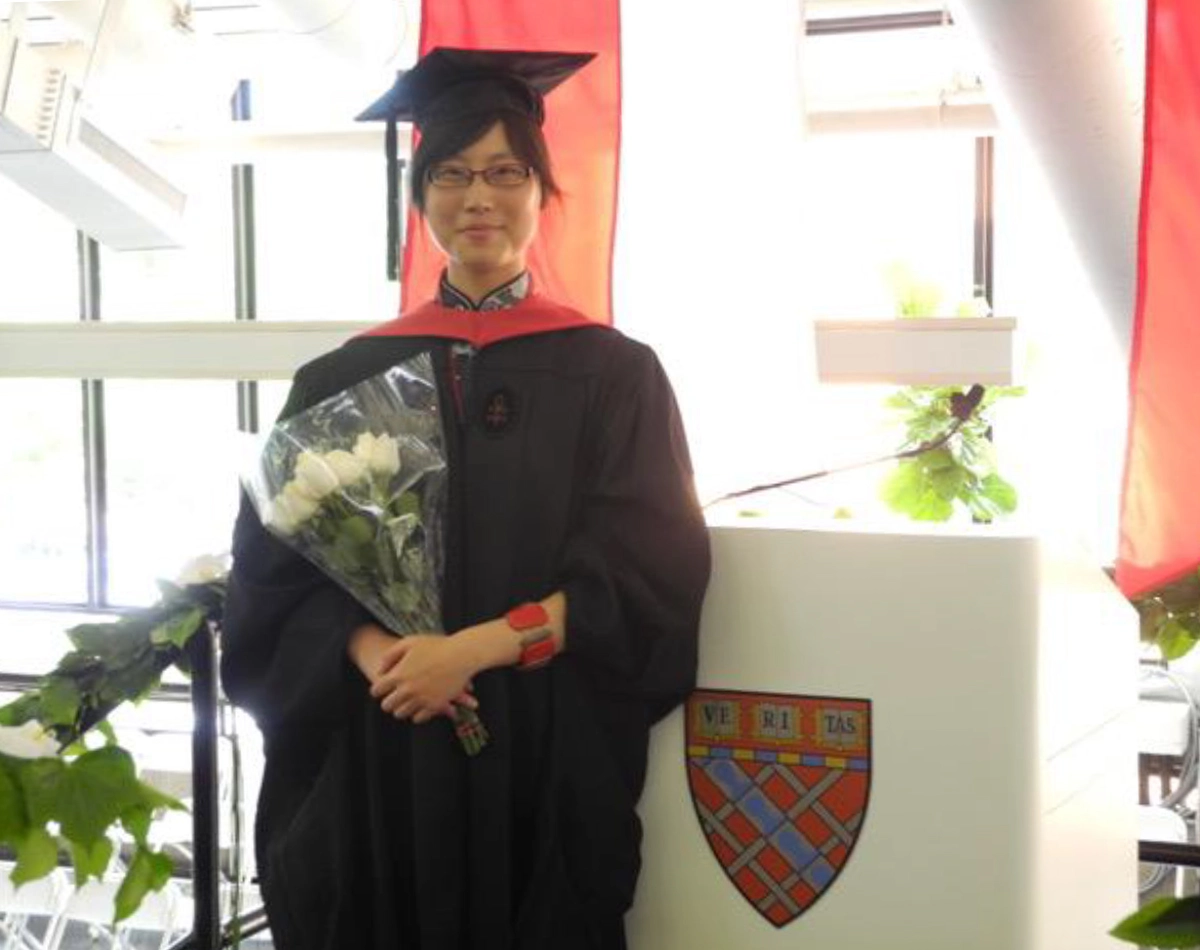
When I graduated in 2012, I followed my studio instructor, Shane Coen, to Minneapolis—a city many of my classmates didn’t see as a destination for high-end design. I didn’t know anyone, and families were thousands of miles away. Looking back, it was one of the best decisions I’ve made. I stayed with the firm for 12 years before launching my own practice, Ping Design. My first piece of advice is this: don’t default to the easiest or most obvious path. Be willing to step outside your comfort zone and pursue opportunities that provide you with more growth, even if they aren’t widely recognized.
Early in my career, my biggest challenge was communication. As a non-native English speaker, I often felt invisible in meetings—unsure when or how to contribute. By the time I formed my thoughts, the conversation had already moved on. That sense of invisibility stayed with me for several years. What helped was time, observation, and consistent practice with people I trusted, along with support from my workplace and even a voice coach.
A follow-up challenge emerged as I began managing projects. I often found myself in rooms or construction sites where I looked and sounded different from everyone else. Building relationships felt difficult, and questions were often directed to my supervisor instead of me. Over time, through leading meetings, constantly taking presentation roles, especially after starting my own practice, and intentionally reaching out to build connections, I grew more comfortable in my own presence. I learned to lean into sincerity, clarity, and a strong work ethic to build trust. It’s okay to be different. In fact, it can become a strength. People remember you.
If I were to start over again, I would recognize all of this is not a language or cultural barrier. It was a matter of confidence. Don’t let your own doubts define you. Confidence is built over time, through showing up, doing the work, and trusting that your voice matters.
Wanjing Ji, ASLA
Harvard Graduate School of Design, MLA Class of 2012
Owner and Principal Landscape Architect at Ping Design LLC
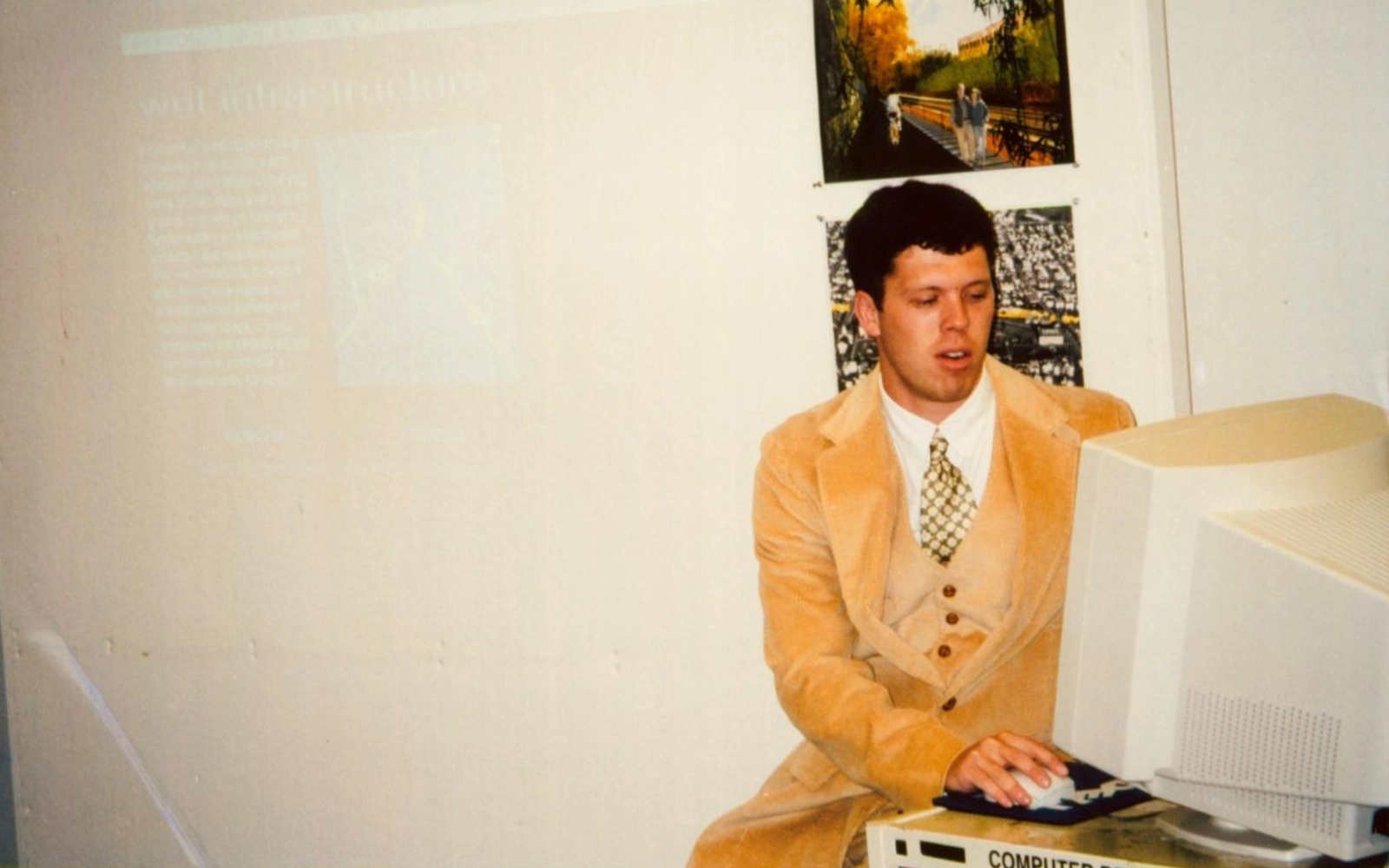
My first job after graduating from Harvard’s Graduate School of Design in 1999 was with Grant and Ilze Jones in Seattle. I was drawn to the organization's focus on the natural world and indigenous cultures, but the Pacific Northwest felt off the beaten path for graduates of my generation. I sometimes felt jealous of the high-profile opportunities of my classmates in San Francisco or New York firms. As I matured through a series of modest community-based projects, I came to realize that this time in the professional wilderness was incredibly valuable. I learned to trust my own intuition, to be entrepreneurial within an organization, and to recognize that design leadership goes far beyond form-making to the diverse ways that we understand a place and engage stakeholders.
That instinct to ignore convention has stayed with me as my roles and projects have grown in complexity and ambition. My advice for graduating students entering the discipline in this era of uncertainty is to immerse yourself in settings that help you cultivate an authentic point of view. This might mean a less conventional role, or a new geography, or even side-quests beyond the profession along the way. It is highly likely that most technical competencies will be automated in the years ahead, but our greatest value as professionals will endure. That is our capacity to perceive the environment deeply and then to imagine and champion a future that inspires wonder.
Nate Cormier, ASLA, PLA, LEEP AP
Harvard Graduate School of Design, MLA Class of 1999
Managing Studio Director at RIOS
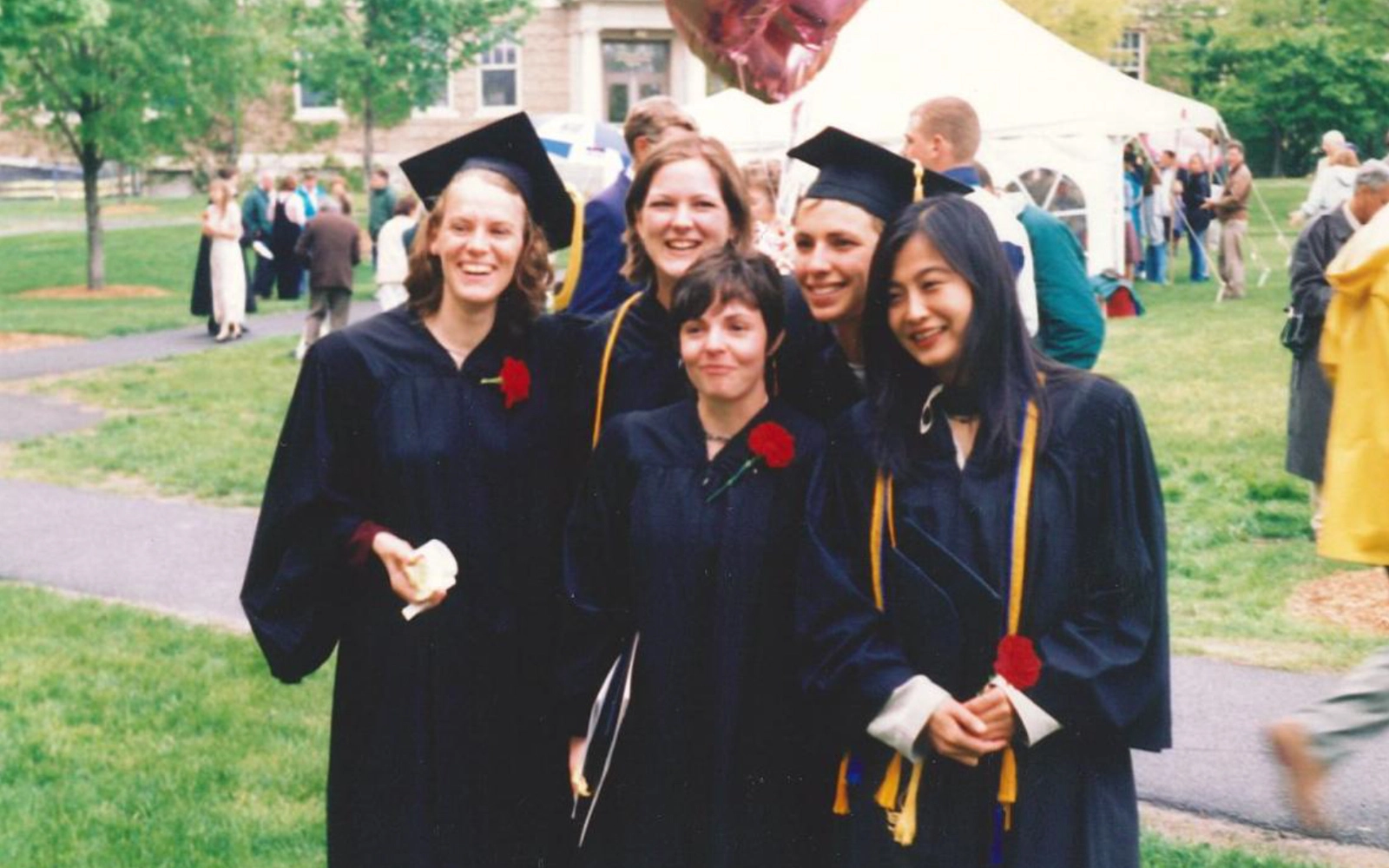
My career, especially in the early years, was shaped by constant uncertainty, the need to adapt, and ultimately building the resilience to thrive.
I returned to Buffalo in 1998 and joined a large, nationally growing firm. When I started, I was one of four team members. Within three months, I was the only one left. At 25, I was suddenly “running” a landscape architecture department inside a national firm, before I was even licensed. I could have walked away. No one would have questioned it. Instead, I remember thinking, “I can either sink or swim, so I better start swimming.” That decision shaped everything that followed.
I learned by reaching out to everyone around me—structural, electrical, and plumbing engineers, specification writers, and project managers. I asked questions, built relationships, and figured things out as I went, not because I was ready, but because I chose to stay. With no other landscape architects in the organization, I adapted, learning from everyone while contributing wherever I could. That pattern continued. In my next role, a corporate merger shifted how I was perceived, from senior leader to junior staff overnight. Instead of accepting that, I created opportunities to demonstrate my value, adapting my role and stepping into leadership in ways that aligned with what I knew I could contribute.
When I eventually started my own firm, with a baby on one hip, a computer, and $1,000 in the bank, it felt like the biggest leap of all. But by then, uncertainty was no longer something to fear. It had already taught me how to navigate, adapt, and lead. Those experiences carried me through nearly 25 years as an owner, employer, and mentor, and continue to shape how I show up in this profession today.
My words of wisdom are simple. Uncertainty may offer the greatest opportunities of your life. Don’t run from them, seek them. Grow and adapt because of them. Then share what you’ve learned and thrive in all you do.
Joy Kuebler, FASLA, PLA
Cornell University, Class of 1997
President and CEO, Joy Kuebler Landscape Architect, PC
President and Founder, PLAYCE Studio, Ltd.
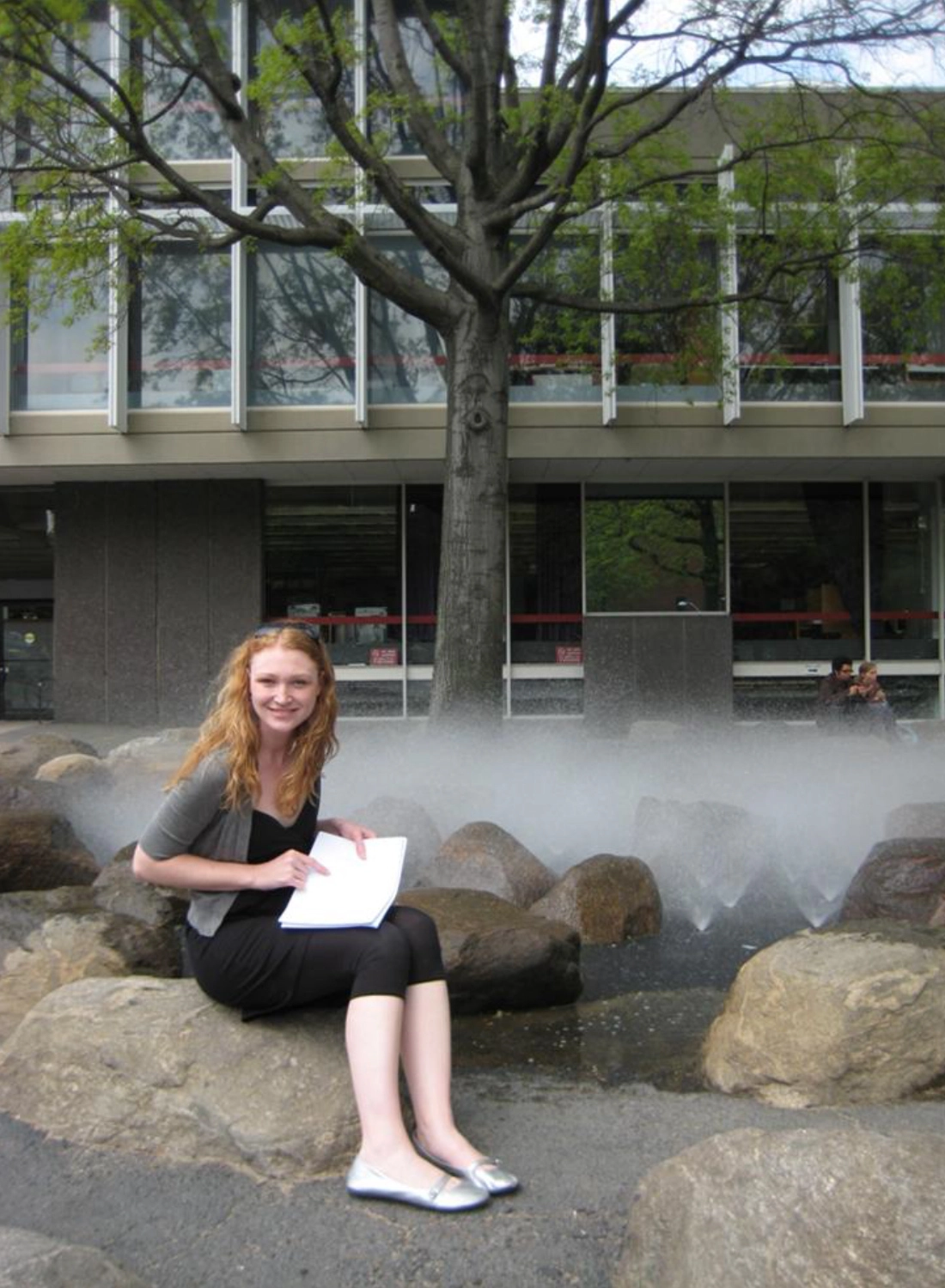
In my first job after undergrad, I vividly remember sitting at my desk and thinking, "Oh no, I haven't learned anything!" Clearly, that wasn’t true, but being in a firm, working on real projects for real clients, highlighted the vastness of the profession to me. In landscape architecture, the learning opportunities are endless, and that's what I love about it. Always be kind, stay curious, believe in yourself, and work hard.
Surround yourself with good people. When I first graduated from school, I believed that a successful career was predicated on high-profile projects in prestigious locations. I was wrong. I discovered that for me, having great colleagues was more important than great work. Working with kind, passionate, talented, patient, hardworking, and collaborative individuals was most rewarding. Even though I'm no longer in professional practice, this still applies to my role as a professor. My best work comes from collaborating with others. The ability to connect with people, work together, and contribute positively to a team is essential for building resilience in your career. A sense of humor and wit also go a long way.
Making significant life choices is hard. One of the biggest uncertainties I faced in my career was whether I was on the right path. Early on, I questioned where to work, where to live, whether to remain in professional practice, pursue graduate school, or eventually switch into academia. Each transition felt risky, especially without a clear roadmap. What helped me navigate my uncertainty was staying curious, identifying my strengths, knowing my values, and prioritizing my passions. I learned that saying yes to opportunities, even if they scare you, can be very rewarding. Uncertainty can be a sign of growth. Seek mentors you trust, remain open to change, and remember that careers evolve. The decisions you make now aren’t permanent, but committing to learning and collaboration will benefit you no matter where you go. Dream big—push yourself.
Jessica Canfield, ASLA, PLA
Harvard Graduate School of Design, MLA Class of 2009
Associate Professor at Kansas State University
One of the most challenging things to adapt to was time management. I constantly was asking myself, “Am I taking too long?” This is a valid question, but at the same time it created unnecessary stress that prevented me from absorbing and learning on the job. Ask clear and direct questions when you do not understand a task. It will help yourself and your team in the long run.
Be proactive and learn from your mistakes. Think about what you learned in your last projects and assess what worked and what didn't. Make a plan for yourself, even if only in your head, on how to execute your given task.
Additionally, be a resource for others. This can be difficult when busy and deadlines are near but try to offer a lending hand when possible. Whether it's offering your experience, your knowledge, or skills, being helpful to others ultimately helps you. You'll not only gain confidence in your skills but also strengthen your role as a valuable team member.
Early in your career there is a lot of uncertainty. You'll ask yourself, "Have I accepted the right job?”, "Am I doing okay?", or "Will this get any easier?" The first question is personal and situational but I think it’s generally always worth a shot. Learning that a particular job or office was not right for you is good experience and insight as you navigate your career. Other ways to manage uncertainty is to build strong relationships and communication with your teams. Asking questions and having honest conversations with your team or managers builds confidence which is something that develops over time with consistent effort.
Patrick Burns, Associate ASLA
University of Massachusetts Amherst, MLA & MRP Class of 2022
Designer I at LandDesign
If there is one thing I can say for certain about your landscape architecture journey ahead, it’s that whatever you think your career path will be, if you stay in the profession, in 30 years, you will be doing something different. That’s not a bad thing! One of the wonderful aspects of a career in our profession is that there is always something new and enlivening to learn. No one was talking about nature-based design and climate change when I graduated in 1997, and today, they are at the forefront of our work, among its most challenging and exciting aspects.
Be humble. Hubris is the enemy of great design, especially community-based design. You know a lot, perhaps more than the senior members of design teams you will join, about software, systems thinking, ecological thinking, and social justice. But you (and I) still have a lot to learn. Your new colleagues will spend a great deal of time educating you. In adapting to your new work environment, be open to learning from those with experience in the profession and accept criticism humbly while calmly sharing your own valuable knowledge and experience.
To be resilient, know that you will likely weather difficult times, especially economic downturns that affect our workload. We are going through a very challenging time with funding cuts to programs that provide meaningful and important work for the public. While this causes tremendous anxiety, over a lengthy career, this is cyclical, and it will get better. Be creative in how you apply your education, and meaningful work might be found in places you haven’t predicted. Perseverance is everything in difficult times, for ours is a small-in-numbers but mighty-in-impact profession, and we need you in its future.
Michele A. Palmer, ASLA, PLA, LEED GA
Cornell University, MLA 1997
Owner of Templeton Landscape Architecture & Planning

The Challenge of Adaptation: Running Toward the Problem
Early in my career, I operated under the belief that mistakes on projects were a direct reflection of my own incompetence. Perfection was the goal; if anything came back less than perfect, my instinct was to hide and hope the issue would be forgotten. I remember a project where we were transplanting large live oak trees to frame an entry sign. While on site, I directed the contractor to locate the trees based on the best views, but I neglected to verify the property lines. The next morning, a frantic owner called…the trees were on another property!
Instead of hiding, I returned to the site with my principal-in-charge and corrected the layout. I acknowledged my mistake, apologized, and worked with the owner and contractor to solve the problem. Surprisingly, the client was appreciative and began sharing with others how we 'own our issues.' Further, they began looking at us to help anticipate problems even when they weren’t on our drawing set.
Looking back, I wish I had known that the 'mistake' wasn't the failure; the failure would have been avoiding accountability. My advice is: don't run from the problem; run to it! Facing an error head-on is the only way to a resolution, and more importantly, the fastest way to earn the long-term trust from your mentors and clients.
Tools for Resilience: Choosing Evolution Over Stagnation
Resilience in landscape architecture comes from accepting that change is the only constant. Office structure, project scope, and technology are ever evolving. Early on, I met a seasoned architect who told me, "I’ve been doing it this way for 30-some years, so I’m not going to change now." That moment stuck with me because I realized that stagnation is the true enemy of a long career. While he felt safe in his routine, he was becoming less relevant to the evolving needs of our clients.
My 'trick' for building resilience is simpler than any software: take a deep breath, ask for help, and choose to evolve. At that moment, I decided the person I would become over the next twenty years would be a better version of who I was that day—equipped with more knowledge, more grace, and willingness to stay curious, grow, and adapt. When you view change as a tool for growth rather than a hurdle, the daily 'fires' of the job become much easier to manage. You are not simply surviving the day; you are building a better version of your professional self for tomorrow.
Overcoming Uncertainty: The Power of Being Uncomfortable
The greatest uncertainty I faced was the pressure to have all the right technical answers at all the right times. I thought 'fake it till you make it' was the standard, which left me feeling like an imposter when I had to answer a client or contractor question. I eventually learned that the most professional response is, 'That is a good question, I will look into it.' Once I accepted that I will not have an answer for everything, my technical growth skyrocketed because I was engaging with the reality of the project instead of pretending to understand it.
This lesson extends to the social uncertainty of our industry, as well. I am not a 'big room' person; networking events still scare the life out of me. I have overcome this by accepting there will be discomfort and preparing ahead of time—identifying who I know and letting them know I look forward to seeing them there. To the graduating student: get comfortable with being uncomfortable. Whether it’s a difficult technical question or a high-pressure social event, your greatest growth happens the moment you stop faking certainty, start leaning into the discomfort of learning, and enlisting the support of others to grow.
Jodi House, ASLA, PLA, LEED AP
Kansas State University, Class of 2001
Principal at TBG
Life is too short to be average. Across my career—and in running, biking, gardening, and parenting—I’ve felt a constant pull to do better, to push beyond what’s comfortable. While we’re here, the real challenge is to find something that excites you, something you care about deeply enough to pursue with everything you have. That passion is what sustains you when things get hard. I didn’t find mine right away—I struggled through my first two jobs, searching for direction. It was in my third that I began to understand myself, discover my passion, and learn how to channel it into a meaningful career.
Mark Meyer, ASLA
Texas A&M, BLA Class of 1996
Senior Vice President and Director of Planning and Innovation at Hillwood Communities
Graduates of the Class of 2026 in Landscape Architecture—congratulations! This important milestone marks many years of long studio nights, pin-up critiques, and the quiet persistence it takes to shape ideas into places that matter.
As you step into your careers, I want to leave you with three pieces of advice—simple on the surface, but powerful if you actually live them.
First: say yes—and take the risk.
You’ve been trained to solve problems, but the real world will hand you messy, undefined challenges. Opportunities won’t always arrive neatly packaged or perfectly aligned with your comfort zone. Say yes to the project you don’t feel fully ready for. Say yes to the job in a city you’ve never lived in. Growth in this field doesn’t come from playing it safe—it comes from stepping into uncertainty and asking questions that will result in a positive outcome. Some risks won’t work out. That’s fine. What matters is that you build a habit of moving toward opportunity, not away from it.
Second: travel—and stay open-minded.
Landscape architecture is rooted in context—culture, climate, history, and people. The more you see, the more you understand how differently the world can be shaped and experienced. Travel when you can, even if it’s close to home. Pay attention to how people gather, how spaces feel at different times of the day and night, and how nature combined with design intersect in ways you didn’t expect. But just as important as traveling is staying open-minded. Don’t assume your way of seeing and approaching design is the only way. Be patient and be willing to learn from others. Curiosity will make you a better designer. And humility will make you a better collaborator.
Third: be kind to yourself when the work gets stressful.
This profession can demand a lot—deadlines, revisions, competing priorities, and the pressure to get it right. You will have moments where the work feels overwhelming or where your ideas don’t land the way you had hoped. In those moments, don’t turn on yourself. The same patience and care you bring to shaping places and landscapes—bring that to your own process. Rest when you need to. Step back when you’re stuck. Progress in this field is not linear, and neither is creativity. Treat yourself like someone worth supporting, not someone you have to constantly push to the edge.
You are entering a profession that has the power to shape how people live, connect, and experience the world around them. That’s not small work—it’s meaningful work.
So take the risk. Stay curious. And take care of yourself along the way.
Congratulations, Class of 2026.
Will Jones, ASLA, PLA
Louisiana State University, Class of 2004
Principal and Co-Founder at Garrison/Jones Landscape Architects
Congratulations again on your graduation! As you transition from being a student to an emerging professional landscape architect, we want to make sure you continue to enjoy ASLA membership benefits. The next membership level: ASLA Associate Membership! As you embark on your journey to become a licensed landscape architect, please know that as an Associate Member you will receive a variety of discounts on the LARE prep resources, and you will also receive a discount to attend the ASLA 2026 Conference on Landscape Architecture in Los Angeles.
Register for ASLA Associate Membership >
As a member of the next generation of landscape architects, you should also know about two other ASLA membership aspects. First, if you will be joining a firm, we strongly encourage you to inquire about having your firm cover your ASLA membership fee. Many large and small firms provide this benefit to their employees. Second, we know from member testimonials that they can enhance their ASLA membership experience by actively participating in their local chapter. So, please remember to select the most appropriate chapter based on your place of work or residence.
As you embark on your next adventure into the professional realm, please know we are all rooting for you and are always willing to help you out in your times of need! You’ve got this! Go take the world by storm!
All the best,
Chloe Gillespie, Associate ASLA
Kansas State University, Class of 2023
Landscape Designer at RDG Planning & Design
And the rest of the ASLA Student Support and Engagement Committee:
- Chloe Gillespie, Associate ASLA – Committee Chair
- April Beal, Student ASLA
- Pamela Blough, FASLA
- Chris Boyette, Student ASLA
- Pamela Brief, ASLA
- Adam De Foor-White, ASLA
- Geoffery Evans, ASLA
- Ivy Farhadi, ASLA
- David Gjertson, ASLA
- Kenneth Kokroko, ASLA
- Joy Kuebler, FASLA
- Emma Maass, Student ASLA
- Madison Merritt, Student ASLA
- Anamul Mojumder, Student ASLA
- Rutusha Nagaraj, ASLA
- Ruth Nervig, ASLA
- Ebru Özer, FASLA
- Benji Palmer, Student ASLA
- Michele Palmer, ASLA
- Adrian Smith, FASLA
- Alexa Warren, Student ASLA
- Kayla Wilen, Student ASLA
- Sophia Wright, Student ASLA
- Ethan Wu, ASLA
- Ann Zhou, Student ASLA
- Ashley Steffens, ASLA, FCELA, ASLA Vice President of Education
- Kris Pritchard, Hon. ASLA, Director, Accreditation and Education
More Words of Wisdom
Look back on past years' advice for landscape architecture graduates from the ASLA Student Support and Engagement Committee.