

.webp?language=en-US)

.webp?language=en-US)
Why Landscape Architects Should Binge-Watch ASLA’s Climate Action Webinar Series
by Jennifer Montgomery, ASLA, PLA, SITES AP, LEED AP
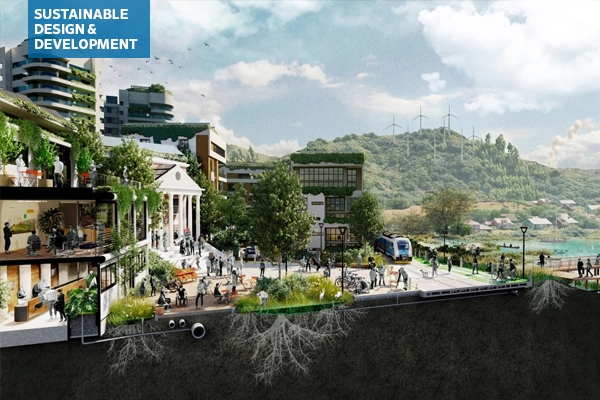
Let’s face it, carbon calculations don’t scream binge-worthy. But here’s the thing—the topics are directly relevant to our work and addressing pressing challenges of climate change and biodiversity loss. Each talk in the Biodiversity & Climate Action 101 for Landscape Architects Webinar Series is curated with current research, beautiful graphics, and inspirational ideas on how we can advance the work of landscape architects and meet the challenge set forth by the American Society of Landscape Architects (ASLA): achieve zero carbon by 2040.
My main takeaway is that we finally have enough data specific to our industry that we can draw rules of thumb so if you don’t want to crunch numbers, you can still confidently know what design decisions will have the biggest impact. If you're not into the technical details but still want to create impactful designs, this series is a must-watch. And for those who enjoy the science, there’s plenty of that, too!
Read on for three key highlights and the link to the full webinar series below.
1. Introduction to Carbon and the Built Environment
The first webinar, Introduction to Carbon and the Built Environment, includes a specific focus on our profession’s impact on carbon emissions. Understanding carbon is the first step in addressing its impact. The session explains how nearly 75% of greenhouse gas emissions come from the urban built environment, with 35% of that originating outside of buildings—directly impacted by our designs and materials we specify.
The session defines the difference between embodied carbon and operational carbon (an important concept in the SITES v2 Pilot Credit 3: Assess and Improve Carbon Performance), and how leaders in the field are using Environmental Product Declarations (EPDs) and Life-Cycle Analysis (LCA) to assess the environmental impact of common materials specified in landscape architecture projects.
Speaker Stephanie Carlisle from the Carbon Leadership Forum distills the research into actionable rules of thumb for reducing carbon impacts:
- Build less, reuse more.
- Design smarter and lighter.
- Use low-carbon alternatives.
- Procure lower-carbon products.
2. Pave Less: Right-Size Your Designs
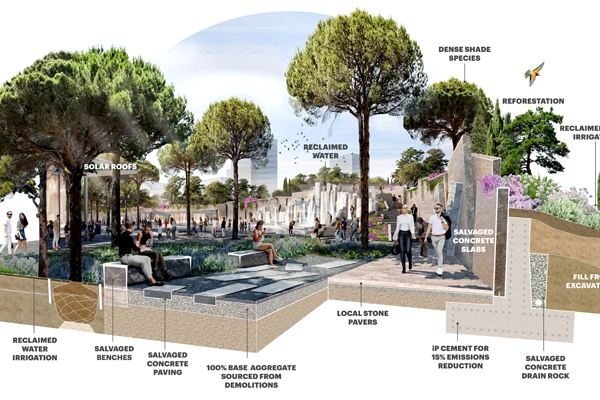
One of my favorite sessions in the series, Material Selection for Low Carbon Design, examines how the materials we choose—and how much of them we use—can make a significant difference in reducing carbon emissions. A simple yet impactful takeaway is to pave less and right-size your designs.
For instance, when designing a landscape wall, could the seatwall be 12” wide instead of 18”? Could the footing size be reduced? These seemingly small changes can have a big impact on carbon emissions. Experts like Meg Calkins, FASLA, dive into how Supplementary Cementitious Materials (SCMs) can reduce the carbon footprint of concrete, and how to specify concrete to minimize its environmental impact. Research by Chris Ng-Hardy, ASLA, PLA, demonstrates how specifying metals that develop a superficial patina can reduce the need for replacements, ultimately lowering carbon footprints.
3. Plant More: Enhancing Biodiversity
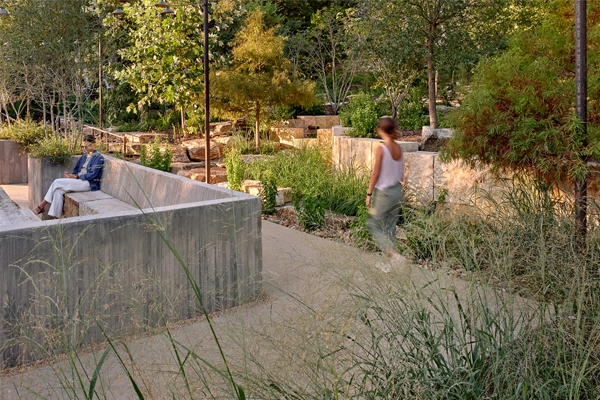
Another key message from the series is to plant more—and not just for aesthetic purposes. An entire webinar is dedicated to addressing the role of biodiversity in the era of climate change. We need to go beyond simply planting for beauty and focus on creating experiences for people to connect with nature and also create meaningful habitat.
The Sustainable SITES Initiative guidelines include a biomass calculator provide tools to assess the impact of plant selection and placement. Additionally, the webinar covers topics like: the importance of keystone species, the role of plants in mitigating urban heat islands, and how plants contribute to the water cycle.
When selecting plants for your projects, the rule of thumb is to use site-specific, native species whenever possible.
What’s Next for Landscape Architects in 2025
As we move into 2025, here are the topics I hope will be next on the webinar list: walkable neighborhoods, more science-based insights on reducing water use and irrigation, and successful case studies showcasing biodiversity in design.
More on the Series
The Biodiversity & Climate Action 101 for Landscape Architects Webinar Series, underwritten by Landscape Forms, covers current topics that align with the Climate Action Plan Vision for 2040, including achieving zero emissions, restoring ecosystems, and protecting biodiversity. Check out the series and head into 2025 empowered with knowledge that allows you to make better, more informed decisions in your practice.
Learn more and watch the webinar series here >
Jennifer Montgomery, ASLA, RLA, SITES AP, LEED AP, a principal at Schmidt Design Group, Inc., is an advocate for sustainable design with 17 years of experience in California. Leading the firm’s sustainable initiatives, she has managed key projects like Civita Park Phases 2 & 3, PHR Community Park, and Tecolote Shores playgrounds—award-winning designs that have positively impacted their communities and transformed public spaces in San Diego. Outside the office, you can find Jenn exploring San Diego with her husband and two daughters.