

.webp?language=en-US)

.webp?language=en-US)
Urban Design in the Public Sector
by Kal Almo, ASLA, AIA, SITES AP, Lauren Patterson ASLA AICP, Daniel Straub ASLA, APA, LEED, and Jenny Zhang, ASLA, AICP, ENV SP
This article is a follow-up description of an Urban Design Professional Practice Network (PPN) Zoom coffee chat conducted in early 2025 that addressed some of the issues associated with practice in the public sector. It describes the perspectives and shared insights of the practitioners who gathered for that conversation. Since then, we have witnessed many other significant shifts in how planning and urban design is changing, and is being reflected, in the public sector. We plan to follow up this article with a subsequent one exploring some of the changes and the resulting challenges for those practicing in the public sector.
Public sector urban design has come under increased scrutiny recently. Marked by a reorientation of federal priorities and funding mechanisms, local planning efforts have been significantly influenced, adjusted, and in some cases, removed. Urban planning and much of urban design are developed at the regional and often local scales and, while many of the changes have occurred at the federal level (opening federal lands for development, proposed interest rate reductions, and the reorganizing of federal activities), these shifts have a cascading effect on urban design and policy efforts. They are the subjects of discussions amongst landscape architects, urban designers, planners, and officials involved in urban design, particularly regarding their implications for equity, sustainability, and community in American cities.
These discussion topics are not new for urban design in the public sector; these practitioners have often had to ride the waves of the political ocean. Having to navigate the currents and intersections of ecology, environment, economy, society, and politics, urban designers have had to develop practice models that accept limited budgets, multiple stakeholders, and bureaucracy as constants. They are charged, however, with fundamental tasks:
- to shape our cities
- to protect and provide for the ecology, the economy, and citizens.
The public sector shapes the urban landscape by setting policies, providing funding, guiding development, and ensuring that the design of public spaces meets the needs of the community and the environment. Additionally, landscape architects, when they are not serving as urban designers, play a key role in translating these goals into functional, beautiful, and sustainable spaces.
With this as a backdrop, the ASLA Urban Design Professional Practice Network (PPN) held a Zoom coffee chat to check in with landscape architects focusing on public sector urban design with guest speakers representing public sectors and non-profit organizations across many regions in the US:
- Beth Carson, ASLA, PLA, AICP
Director of Planning and Zoning, Clay County Board of County Commissioners (Clay County, FL) - Rachel Stark
Smart Cities Program Manager, City of Charlotte (Charlotte, NC) - Andrew White, ASLA, PLA
Director of Grantmaking & Implementation, Park Pride (Atlanta, GA) - Anne Wallace, ASLA, AICP
Program Manager at Pro2Serve (Knoxville, TN) - Katie Kovalchik, PLA
Trail Development Project Manager, Friends of the Riverfront (Pittsburgh, PA)
The coffee chat was an open and engaging conversation, guided by several topics that explored the differences between practicing urban design in the public, non-profit, and private sectors. Guest speakers discuss the challenges in implementing urban design projects, highlighting the important roles of communication, public participation, and stakeholder engagement in the planning process. They shared advice and experiences, not only with young and emerging landscape architecture professionals, but those who were more seasoned as well. The PPN appreciated all the guest speakers for their contributions in making this event successful and insightful. Following the coffee chat, Anne and Katie kindly shared their reflections on the event and further elaborated on several key themes explored during the discussion.
Katie Kovalchik, PLA
Trail Development Project Manager
Friends of the Riverfront
Pittsburgh, PA
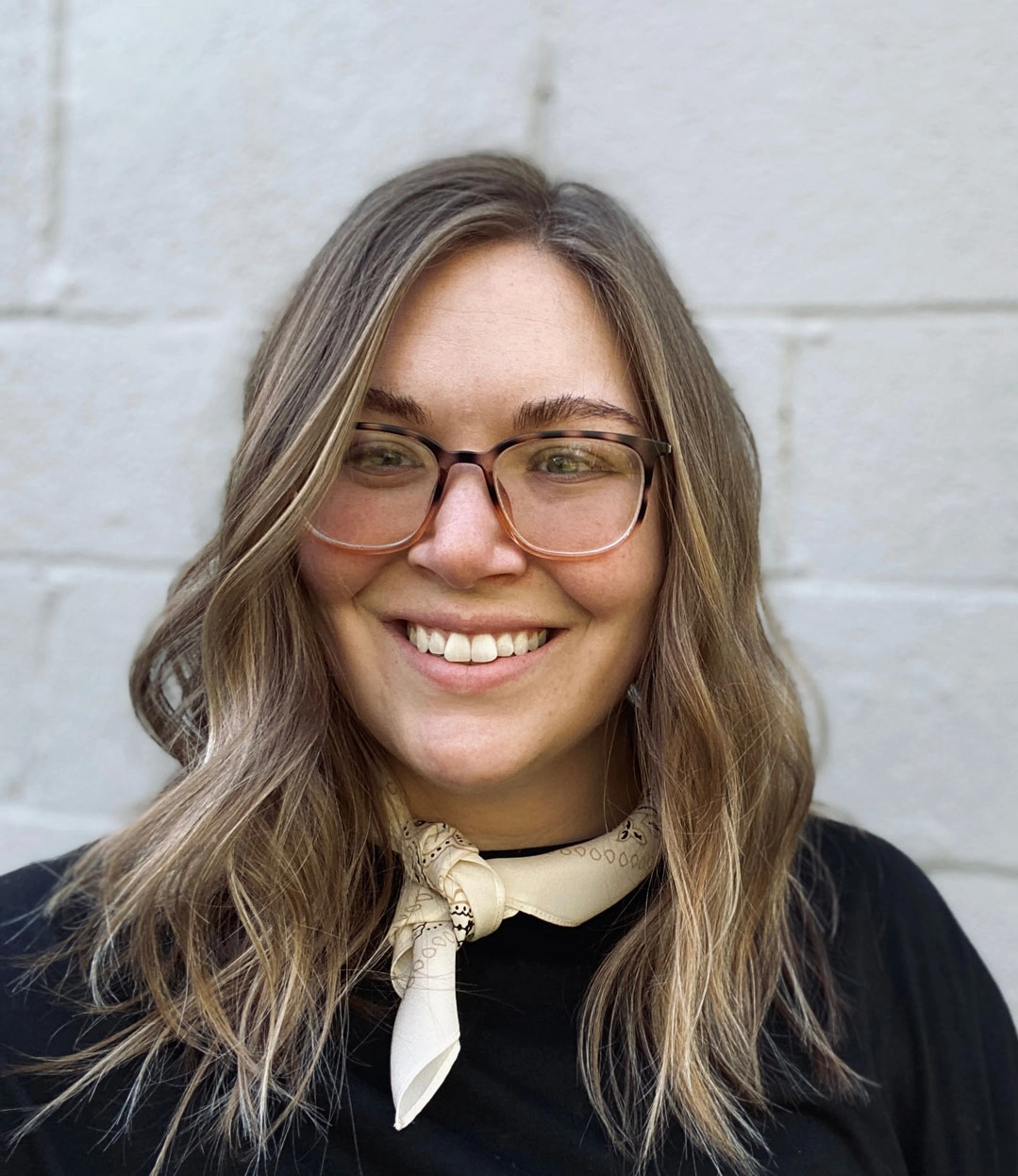
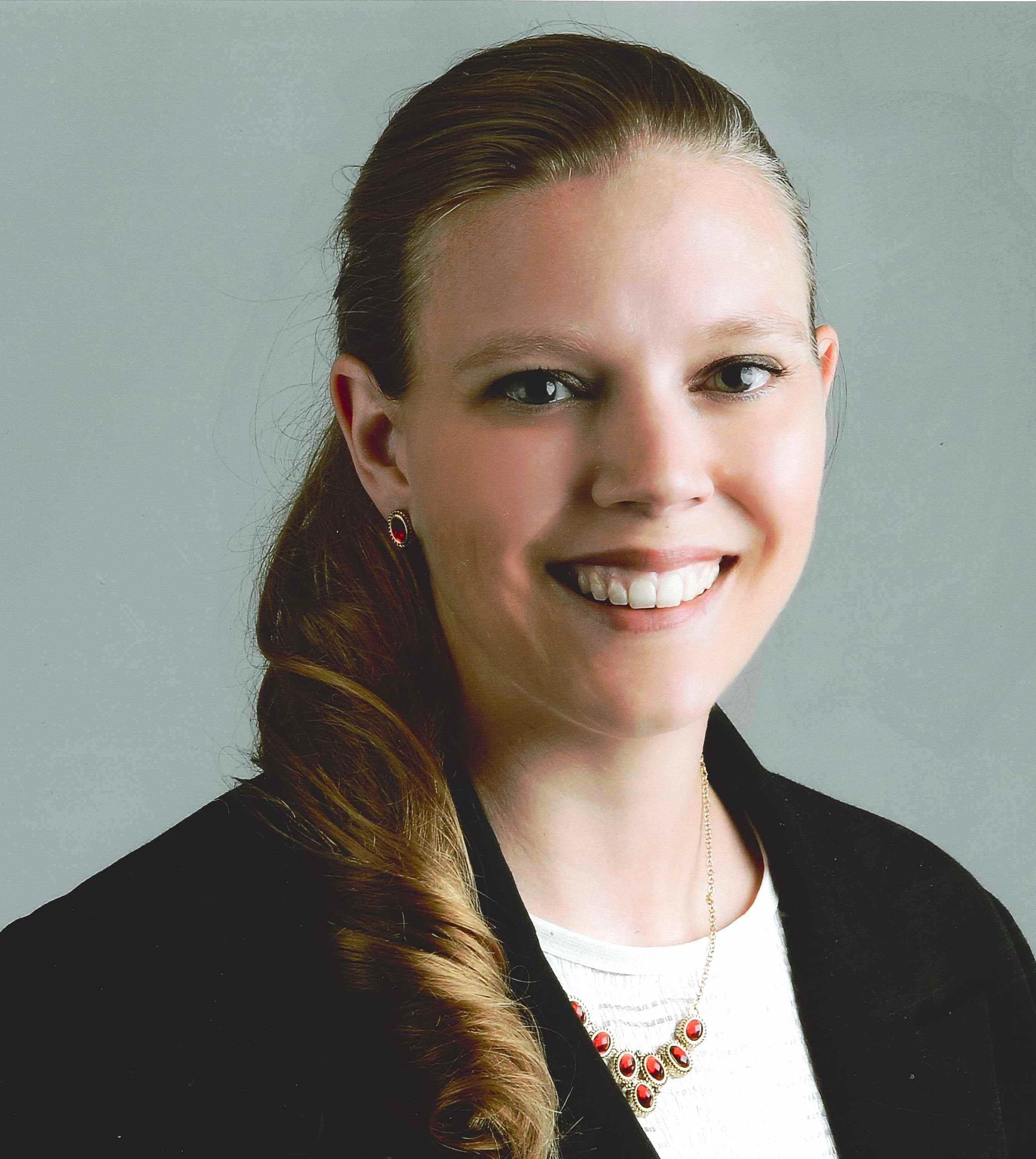
Anne Wallace, ASLA, AICP
Program Manager
Pro2Serve
Knoxville, TN
Experience Working in the Non-Profit Sector
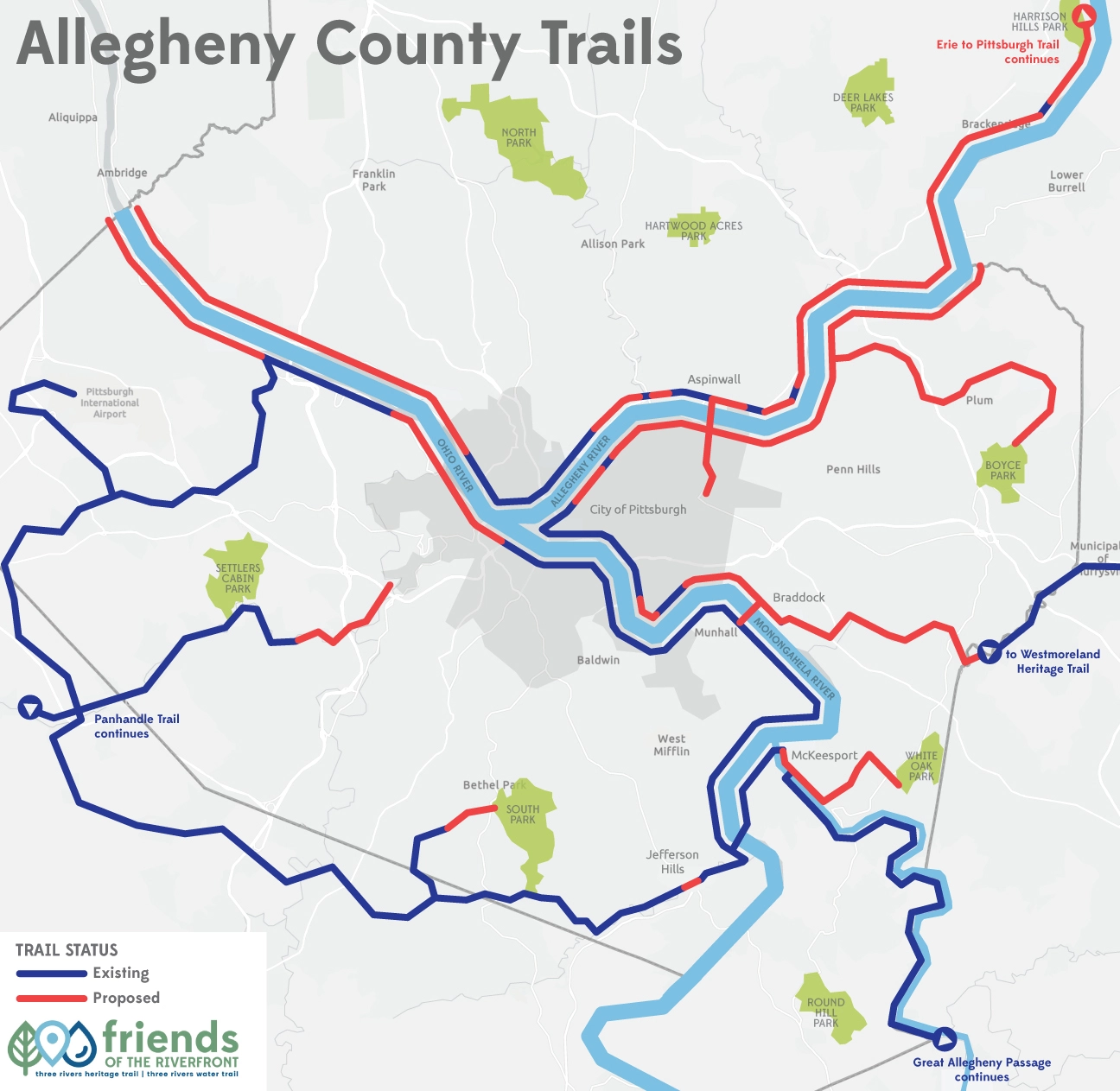
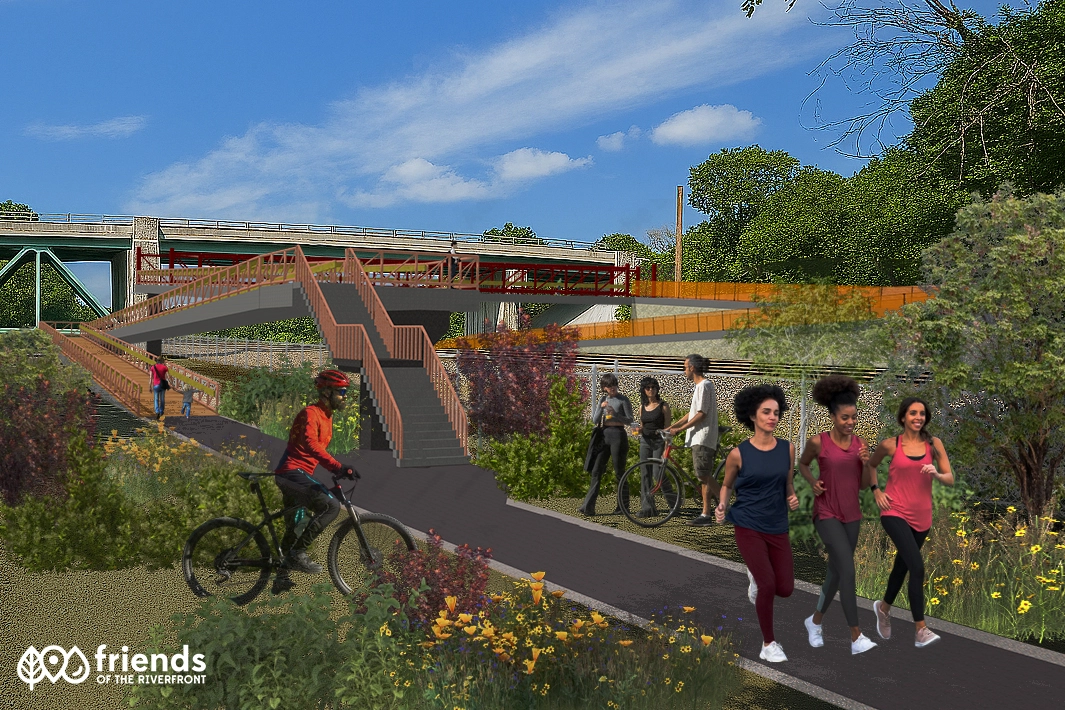
Katie: My experience working in the non-profit sector has been fun and fulfilling. Oftentimes, I am the only landscape architect in the room, which allows me to contribute valuable insights to design projects or planning efforts, focusing on important design details, enhancing the human experience along a trail, or championing community involvement in the design process. In my role, I appreciate the opportunity to collaborate with various disciplines and professionals across a broad spectrum of projects which keeps my work interesting and engaging. These projects range from analyzing network gaps in Allegheny County, feasibility studies for multimodal connections, and construction of new segments connecting communities to each other, their parks, rivers, and regional trail networks.
In terms of the culture of working within a non-profit organization, I am continuously inspired by my colleagues every day. Beyond their career, non-profit professionals often hold a personal passion for their focus area, be it parks, trails, or sustainability, and this shared dedication creates a motivating and joyful workplace for all of us.
Differences in Practicing in the Public Sector and the Private Sector
Anne: I think the biggest difference between public sector and private sector urban design is the private sector’s focus on profitability, which includes deadlines and fees, versus the public sector of meeting goals and objectives typically of elected officials, administrations, the general public, or non-profit boards. This can often be summed up in the pace of the private sector being faster than the public sector. There is some truth to the saying, “moving at the speed of government.” Government projects (especially) have checks and balances and public processes that do not always impact private sector projects. This is as it should be, since the government is collecting taxes to provide benefits to the citizenry, whereas private firms are hired to perform a job and meet deadlines.
I think urban design as practiced in the public and/or non-profit sector really depends on the mission and goal of the organization and can be either policy and project review, project design and implementation, or both, depending on the situation. I will say that I have been blessed to work in both public sector and private sector urban design roles and I feel my training in landscape architecture has allowed me to be someone who is able to understand the impact on a city or community (the 30,000 foot view) while also understanding where the bench needs to be placed to maximize pedestrian comfort (the 5 foot view). I believe I am an effective communicator and a creative problem solver for the benefit of the communities I have served.
Challenges When Implementing Urban Design Projects
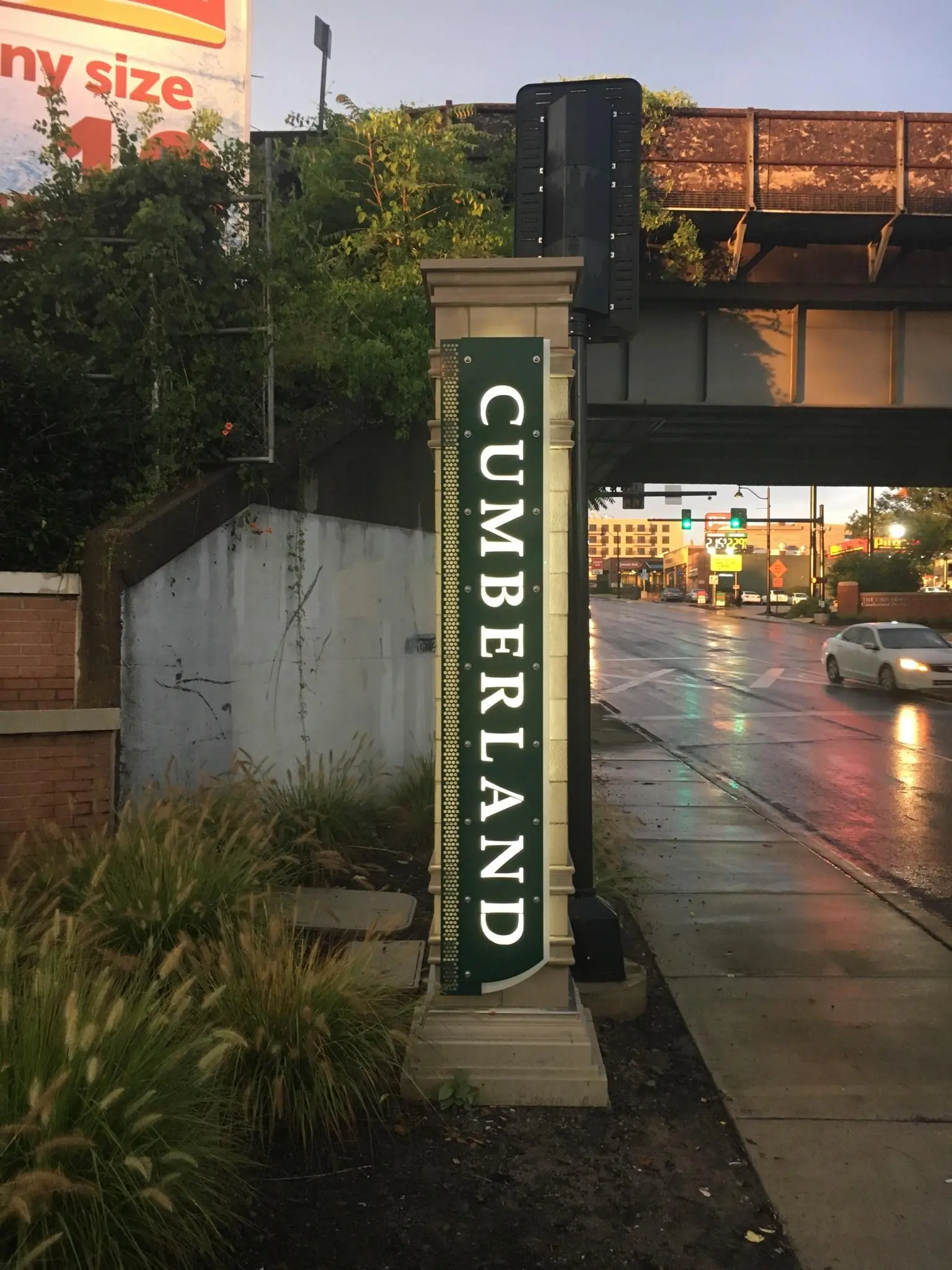
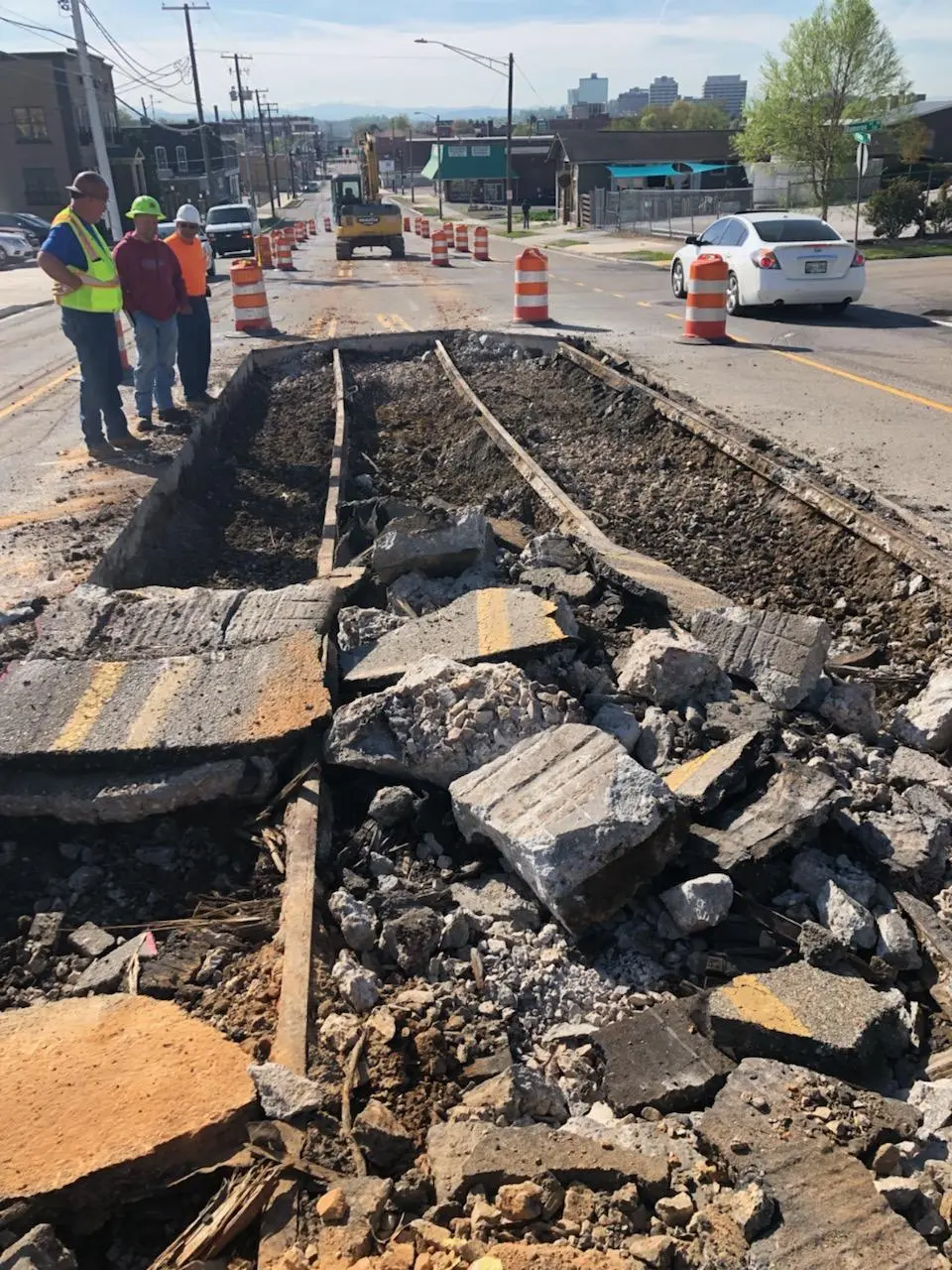
Anne: Some of the biggest challenges public sector agencies or non-profit organizations face when implementing urban design projects are funding mechanisms that often require votes of elected boards or boards of directors and being able to maintain continuity over changes in those organizations. In local, state, and federal government, the change of leadership, typically every four years, tends to be disruptive to projects that with public funding often take twice that long to implement.
Public and Stakeholder Participation
Anne: Public and stakeholder participation is critical for the success of public sector urban design projects. Not only is it an opportunity to educate and engage members of the public, it is an opportunity to learn from people who use those spaces on a daily basis in a variety of ways (both positively and negatively) that may not be self-evident from site visits or background data (demographics, maps, aerial photos, etc.).
Considering Placemaking and Urban Design Decision Making for Communities
Anne: I think considering place-making and urban design decision-making can be applicable to all sizes and scales of communities; however, in my experience, many smaller communities have other priorities that take precedence over expenditure on design. For example, a small community that struggles to have enough budget to employ teachers, firefighters, and police officers may not be willing to spend money on park designs. In my experience, community design centers that provide pro bono design services to entities that may not otherwise be able to afford them are a real asset, especially if these communities are trying to compete for grant funding.
Advice for Emerging Landscape Architects
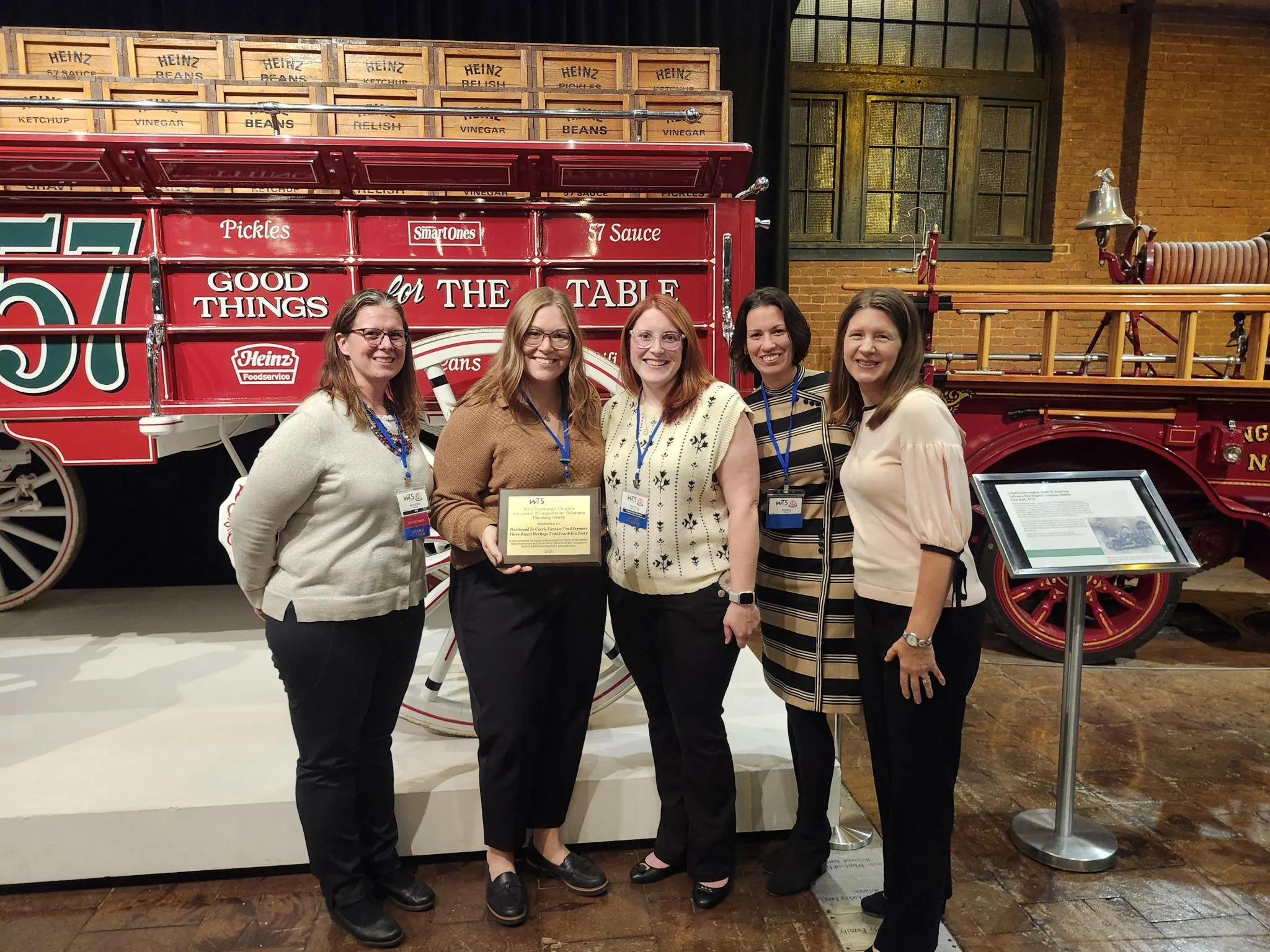
Katie: Consider your personal and professional interests and see if there are non-profit organizations who support that work—could you join their team and help advance their mission? When I was graduating, non-profit organizations (or public sector work for that matter) were not really advertised to the students as possible avenues for employment. I am so grateful to help spread the word on these possibilities to students or professionals who are looking for a bit of a different experience than a traditional consulting firm.
Anne: The public sector can provide some great opportunities for emerging landscape architects. Some key items to consider when making the decision to pursue public sector work include:
- Are you considering licensure?
- Will the public sector role you are considering provide you with both the experience and the mentorship needed for licensure?
There are differences between the public sector and the private sector. Both based on my personal experience and the coffee chat hosted by the PPN, the public sector tends to have more security in economic challenges and the benefits provided tend to be better than private sector (especially small firms); however, pay tends to be less. The private sector tends to have more monetary compensation and possible diversity in projects/clients; however, benefits may not be as competitive.
Be willing to explore opportunities as they come your way! I could never have written the script for my career, but I have really enjoyed utilizing the tools I learned in landscape architecture school (scales of understanding and response, problem solving, good communication through multiple media, etc.) and applying them to different opportunities. I’ve had the privilege of writing plans and codes, managing rezonings, facilitating multi-million-dollar streetscape renovations, developing downtown wayfinding, finding funding for and executing brownfield redevelopment, participating in the transfer of former government property for reindustrialization, and helping with the nuclear renaissance in our country. That all happened because I was willing to use my creative thinking and said “yes” to an opportunity. I’ve heard it said that “the opportunity of a lifetime has to be seized within the lifetime of the opportunity.”
Conclusion
The ASLA Urban Design Professional Practice Network (PPN) team would like to once again thank all guest speakers for their time and insightful contributions to this important topic. We look forward to continuing these discussions and exploring a broader range of perspectives from more landscape architect professionals across public, private, and non-profit sectors as we all share the same vision to shape our communities, of which we are proud, into more vibrant, inclusive, and resilient places.
Kal Almo, ASLA, AIA, SITES AP, is an Architect and Landscape Architect with AECOM.
Lauren Patterson, ASLA, PLA, is a Landscape Architect and Planner with Pond in Charlotte, NC.
Daniel Straub, ASLA, PLA, APA, APT, LEED is a Landscape Architect and Urban Designer practicing in Alexandria, VA.
Jenny Zhang, ASLA, AICP, ENV SP, is an Urban Designer with WSP.
Kal And Jenny were the co-chairs of the Urban Design PPN at the time this article was written.