

.webp?language=en-US)

.webp?language=en-US)
ASLA Responds to EPA Repeal of the Endangerment Finding
ASLA opposes EPA repeal of Endangerment Finding; landscape architects use science to protect health and climate resilience.
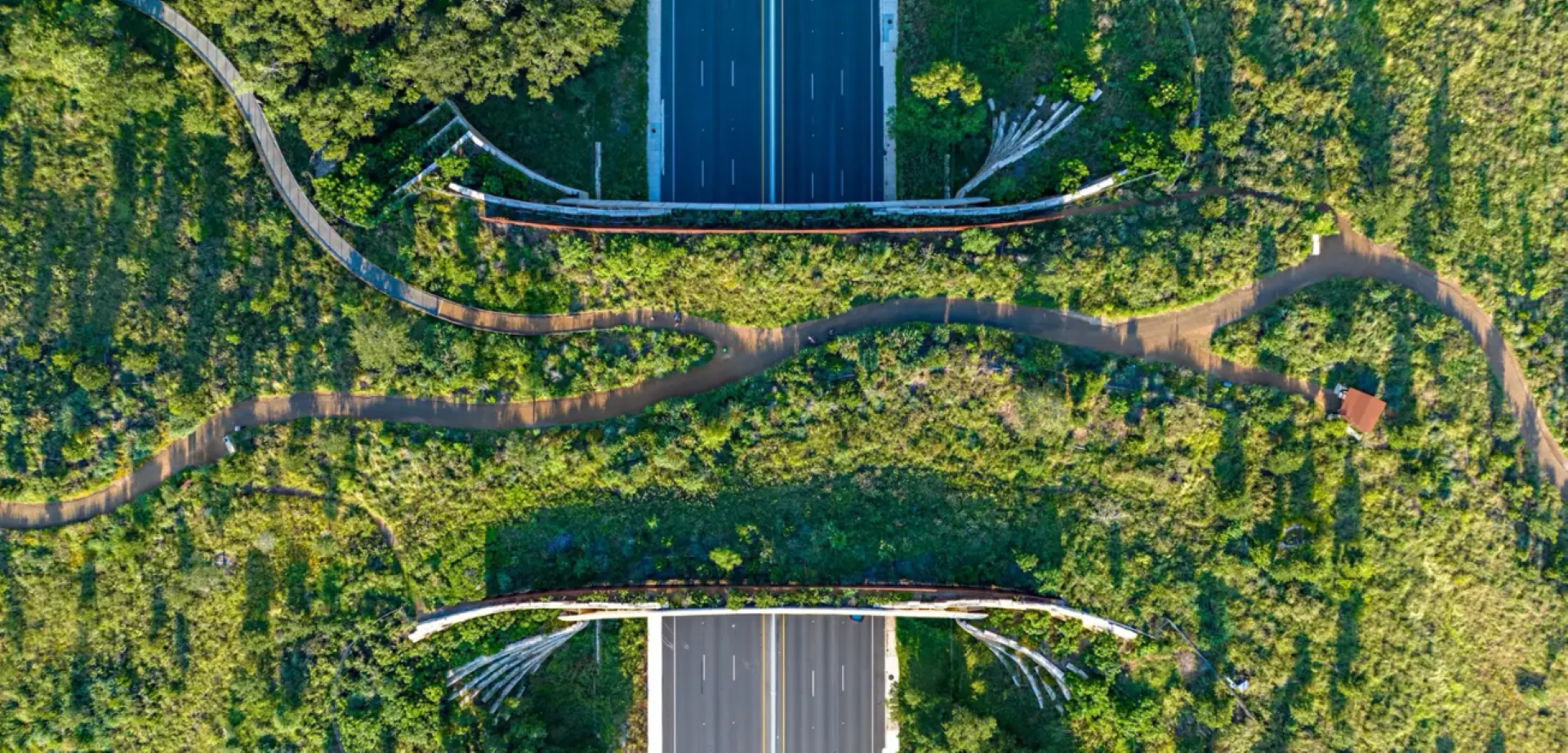
The U.S. Environmental Protection Agency has repealed the Endangerment Finding, removing the longstanding scientific and legal basis for regulating greenhouse gas emissions under the Clean Air Act. This action ends federal regulation of emissions from major sources such as vehicles, power plants, and industrial facilities.
ASLA strongly objects to this decision. As licensed design professionals, landscape architects are legally and ethically bound to protect public health, safety, and welfare. This obligation depends on policy grounded in rigorous, evidence-based science. Eliminating federal climate safeguards does not remove risk. It shifts escalating burdens from climate impacts such as heat, flooding, and wildfire onto communities and design professionals.
For more than 15 years, federal climate regulations have been built on the determination that greenhouse gases threaten public health and welfare. Their removal introduces regulatory uncertainty while climate-related hazards intensify across the country. During the EPA’s rulemaking process in 2025, ASLA submitted official comments urging the agency to follow the science, which clearly concludes that greenhouse gas emissions endanger human health, safety, and economic well-being, and to maintain the 2009 Endangerment Finding.
Notwithstanding EPA’s recent announcement, ASLA remains firmly committed to Landscape Architecture 2040: Climate & Biodiversity Action Plan. This initiative equips landscape architects with research, technical guidance, and performance standards to advance zero-emissions design and nature-based resilience. While federal policy may shift, Landscape Architecture 2040 remains the profession’s enduring roadmap for protecting communities and strengthening environmental systems. ASLA and the profession will continue advancing resilient design solutions that safeguard public health and community investment in every landscape we shape.