
.webp?language=en-US)

.webp?language=en-US)
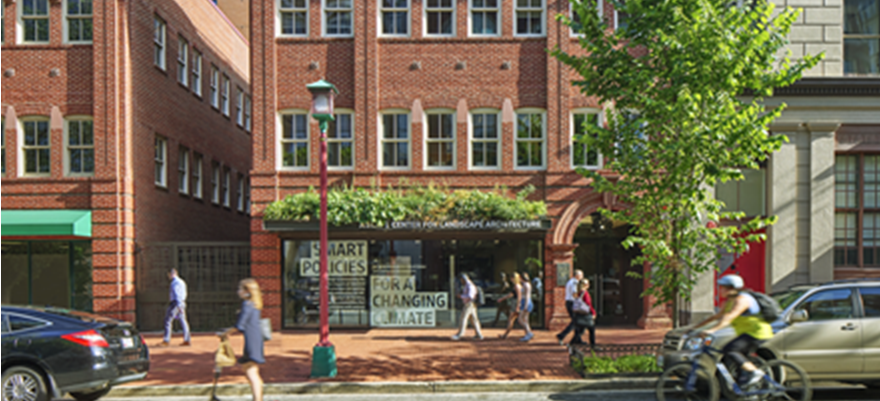
ASLA and LAF Hosted Roundtable on the Economic Benefits of Nature-based Solutions
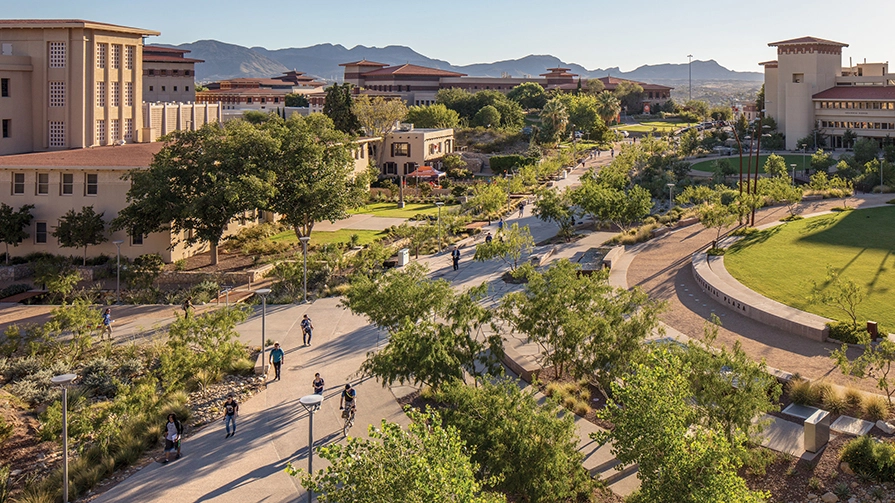
Experts from the landscape architecture, economics, health, water, insurance, and development fields and local government, non-profit, and international organization leaders participated.
By Jared Green
ASLA and the Landscape Architecture Foundation organized a half-day online roundtable with leaders from multiple sectors to discuss how to make a stronger economic case for nature-based solutions. Roundtable participants identified the common challenges in quantifying and monetizing benefits and new opportunities for cross-sector research and program collaboration.
The roundtable will result in a set of strategic ideas outlining priority cross-sector research, partnerships, and programs to advance work on the economic case for these solutions. The ideas will be developed with the University of Maryland Environmental Finance Center (EFC) and released at the ASLA 2026 Conference on Landscape Architecture in Los Angeles, September 16-18. They will also build on an analysis of the economic benefits of landscape architecture conducted by the EFC and findings from a recent webinar series.
“We brought together a diverse set of leaders to focus on how we can collectively make the best economic case for nature-based solutions,” said ASLA CEO Torey Carter-Conneen, Hon. ASLA. “We know we face a climate crisis and a biodiversity crisis and nature-based solutions are an effective approach to these challenges. These solutions can be more cost-effective, with lower emissions than grey solutions. But they are underfunded globally because they are undervalued — there are still challenges quantifying and monetizing all the co-benefits these projects provide.”
“Nature-based solutions are infrastructure that use, restore, or emulate natural ecological processes and can be created through a design process,” explained Barbara Deutsch, FASLA, CEO of the Landscape Architecture Foundation. “Landscape architects are leaders in advocating for these solutions and partnering with communities to plan and design them. But we need to work across sectors to strengthen the economic case for them. We still too often see single-purpose concrete and steel infrastructure to address climate challenges. We need to make nature-based solutions part of — if not all of — the solutions to multiple problems, so communities can achieve multiple benefits.”
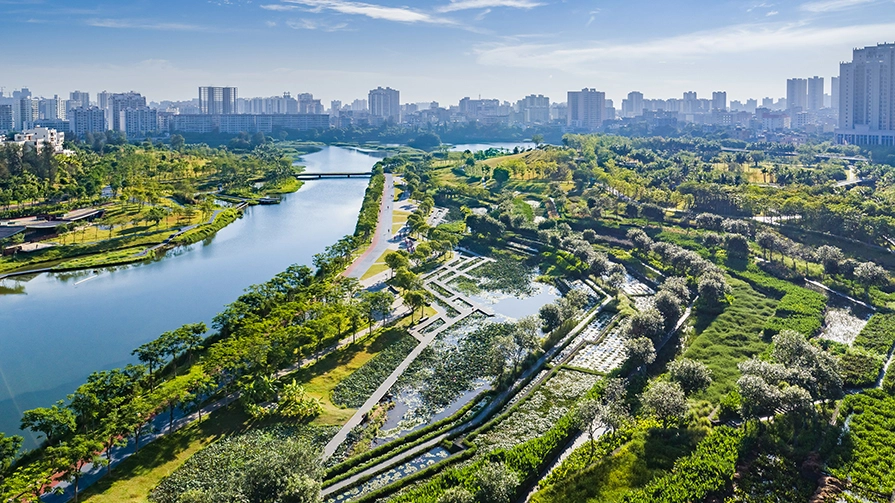
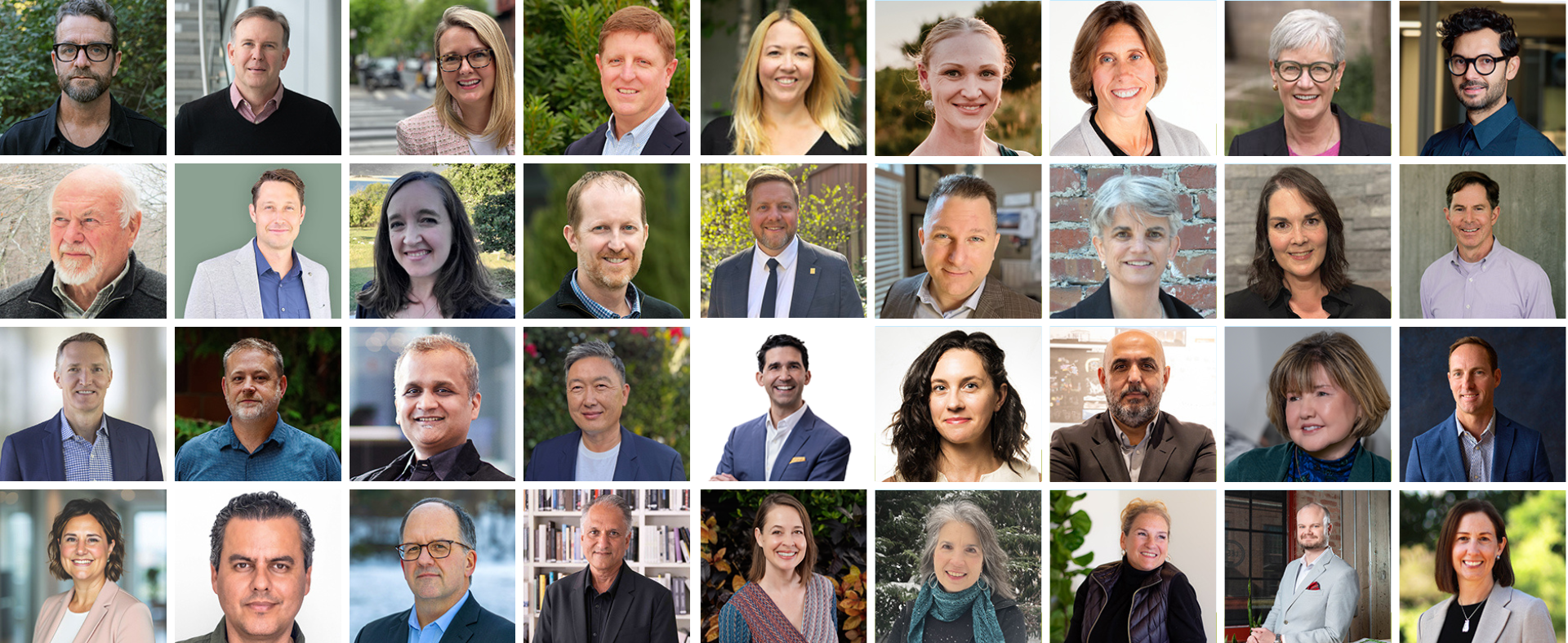
The roundtable included 21 participants from 11 states and 3 countries, representing a range of sectors and expertise:
- Landscape architects
- Landscape architecture educators
- Water leaders
- Health and healthcare leaders
- Insurance experts
- Economic analysis and real estate experts
- Non-profit and international organization leaders
- Developers
- Environmental economists
- Local government leaders
Full list of participants:
Catherine de Almeida
Associate Professor, Landscape Architecture, University of Washington
Ronja Bechauf
Policy Advisor, Economic Law and Policy Program, International Institute for Sustainable Development
Talley Burley
Senior Manager, Climate Risk & Insurance, Environmental Defense Fund
Jim Burnett, FASLA, PLA
President, OJB Landscape Architecture
Jennifer Clinton
Senior Parks and Conservation Economist
Trust for Public Land
Dr. Deborah Cohen, MD, MPH
Research Scientist, Kaiser Permanente Department of Research & Evaluation
Aida M. Curtis, FASLA, ISA Certified Arborist®, WEDG
Founding Principal, Curtis + Rogers Design Studio and Chair, ASLA Biodiversity and Climate Action Committee
Erman Eruz
Director, HR&A
Diana Fernandez-Bibeau, ASLA
Deputy Chief of Urban Design, Boston Planning Department
City of Boston
Mami Hara
CEO, U.S. Water Alliance
Katrina Kelly-Pitou
Vice President, Director of Climate Adaptation and Economics, SmithGroup
Anna McCorvey
Senior Equitable Development Manager, 11th Street Bridge Park, Building Bridges Across the River
Catherine Nagel
Executive Director, City Parks Alliance
Steven Nygren
Managing Partner, Serenbe and Nygren Placemaking
Taner R. Özdil, ASLA, PhD
Associate Professor, Landscape Architecture, The University of Texas at Arlington and President, Council of Educators in Landscape Architecture (CELA)
Lucinda Sanders, FASLA
CEO and Partner, OLIN
Pallavi Sengupta
Urban Development Specialist, World Bank
Steven Spears, FASLA, PLA
Project Principal, Momark Development
William C. Sullivan, FASLA, PhD
Professor, Department of Landscape Architecture, and Director, Smart, Healthy Communities Initiative, University of Illinois at Urbana-Champaign
Yujia Wang, ASLA
Associate Professor of Practice, Landscape Architecture, University of Nebraska-Lincoln
Jane Welsh
Project Manager, Environmental Planning Unit, Toronto City Planning, City of Toronto; Co-Director, Climate Action Group, International Federation of Landscape Architects; and Former Chair, Committee on Climate Adaptation, Canadian Society of Landscape Architects (CSLA)