

.webp?language=en-US)

True Maintenance Stories with Hoerr Schaudt's Continued Landscape Management Team
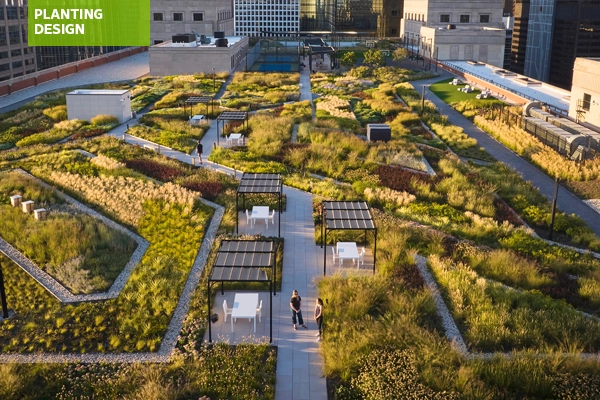
On July 11, Austin Travers and Zara Wirkus, Affil. ASLA, from Hoerr Schaudt's Continued Landscape Management Team joined the Planting Design Professional Practice Network (PPN) for their latest Plants and Design Chat. The focus was maintenance, both what has worked and what hasn’t, with an emphasis on successes and how you got there. What's your protocol for talking about maintenance with clients? Do you have a plan for maintenance? When and how do you communicate this information to the client? How do you maintain design intent? Maintenance is an evergreen hot topic.
Austin and Zara kicked things off by defining continued landscape management. The goal is to stay involved with the client and make sure the vision created with the client comes to fruition three, four, or five years down the road after installation.
Hoerr Schaudt's Continued Landscape Management Team is a group of seven that brings together several different skillsets, including a master arborist, two licensed landscape architects, and seasonal color specialist.
For each project that engages the team, they average three site visits per year in the spring, summer, and fall. These visits entail a meeting with the client and contractor to talk about what's working and what's not working at each point in the year. It’s important not to focus exclusively on what isn’t working. Make a point to let the contractor know the good things that are happening are noticed and appreciated.
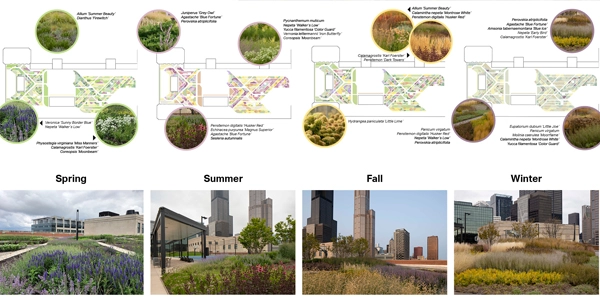
The team uses a map to identify key areas. The site visits focus on general maintenance and on enhancement opportunities; tree and shrub care is another key topic. While the Continued Landscape Management Team does not spray or treat trees and shrubs themselves, they evaluate the plants on the property, making observations and recommendations for different treatments. By maintaining relationships with local arborists and experienced landscape contractors, the team can refer clients to specialists to take action on the recommendations. One example is how boxwood shrubs all need to be pruned and shaped differently based on design intent. The team’s recommendations are provided to the landscape contractor, and the team can later check in that their recommendations are being followed.
Some projects also entail an additional site visit in the winter to supervise dormant pruning; wintertime is a great opportunity to prune. Without oversight, pruning can result in a meatball or lollypop-like appearance that can take years to fully recover and return to its original shape. To maintain design intent, the team applies expertise not just in design but also in plant health, and the original designer on a project may also do a walk-through of a property later on.
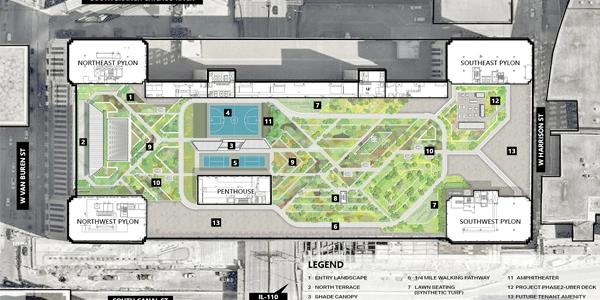
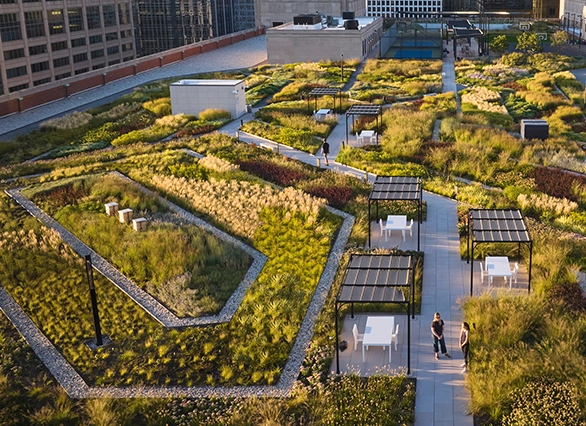
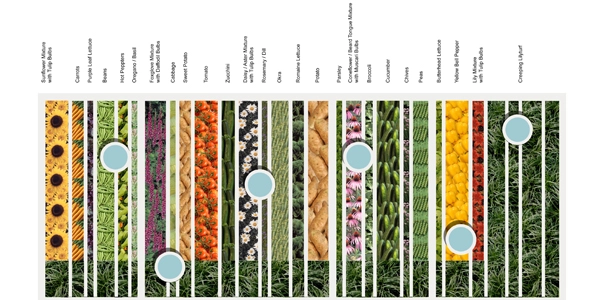
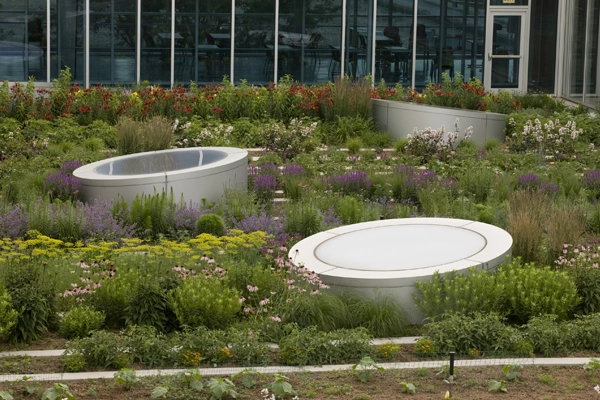
One project used as an example was the Meadow at the Old Chicago Post Office, a 2023 ASLA Honor Award winner. The planting plan was color coded, with clear blocks to help with maintenance; it is obvious what belongs where.
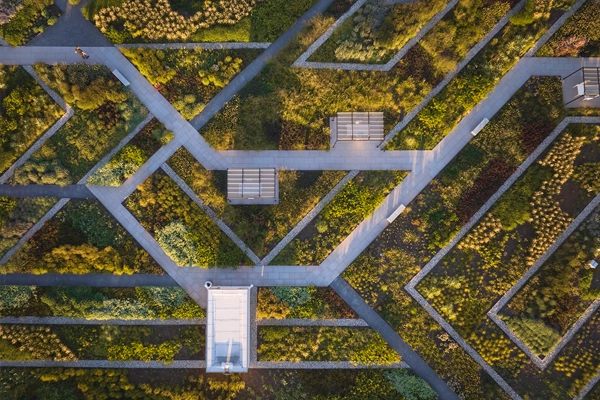
When Calamintha 'Blue Cloud' started to take over in different zones where it did not belong, maintenance changes were made after the problem was identified on a walk-through. Originally, the design intent was to keep the seedheads on. This was changed so that the seedheads were removed sooner in the season to stop the spread to other areas.
This is just one example of the kind of “garden edits” that may be needed over time.
The team also works with various local universities and their maintenance teams to help curate the gardens and open spaces on campus.
Another tactic for Hoerr Schaudt to stay in touch with clients and projects is to offer seasonal rotations. This could entail updating container plantings to bring in more colors and textures, even if the planting plan is relatively simple. Containers are also a good way to add more color and creativity, in addition to the landscape, especially when you have a client who trusts you.
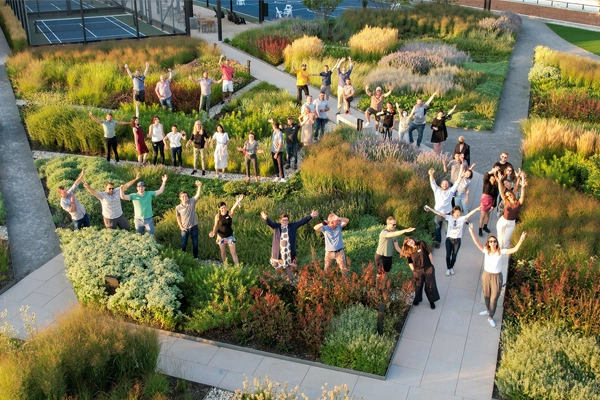
After their presentation, Austin and Zara took questions from the PPN members in attendance.
Are these walk-throughs part of the original design contract or a separate contract?
It is a separate proposal that comes after the initial design. The Continued Landscape Management Team gets involved during the perennial landscape phase of the project (at the beginning of completion); the conversation about this offering begins there. For a new client, the team goes out with the client and puts together a package report about maintenance offerings.
What can designers learn and do differently to improve maintenance success? Any tips to share?
Realize what the limitations are, what can be done efficiently, and make sure the design is able to accommodate what’s needed. For example, one rooftop project had a big lawn, but you could only get a 20-inch mower up the elevator.
For ensuring tree health, we have a few tips. When trees are installed, a total transplant fertilizer is used so there is less transplant shock. After completing enhancements, trees will decline or look less than great the first year due to shock. Mitigate that shock with different fertilizers.
Different plants have different needs at different times in their lives. If you're adding a new tree here and there, stay on the maintenance team or property manager to ensure these new trees are watered adequately (may need more than the usual sprinkler system that works for established trees).
Be cognizant of how every client has different wants and needs. Some want an irrigation plan that never changes, while others are more involved and able to adapt to changes over time.
Do you create maintenance manuals for your clients?
We have created some manuals for clients and we are trying to create a template for this to ensure standard instructions are given for different regions. Each property is very custom, so quite a bit of time can go into a maintenance manual. If it's something a client wants and is going to enforce, then we are glad to do it. For clients who use Hoerr Schaudt for Continued Landscape Management, no manual is needed. In other cases, the returns on taking the time to create a manual aren’t great; it’s not always as helpful as you'd think. Sometimes, the manual isn't followed, or it’s not followed after maintenance changes hands.
Do you help to guide clients with the staffing and/or contractors and contracts they may need to manage their landscapes?
We do offer our preferred maintenance contractors (those we trust most, who understand the services needed and how we work as a team and as a company). A client may prefer a different contractor. We provide several estimates for client selection.
I appreciate how you visually communicate the areas that require edits. Do you tailor the way you communicate these changes based on individual maintenance contractor relationships? Any tips for client relations?
With the walk-through reports and seasonal rotations, we use those times to call out things that could be improved. Continued Landscape Management got started as a studio within Hoerr Schaudt because we wanted to be more proactive than reactive. There was a big push to see things before the clients do and before even the maintenance contractors do—we want to see what could be made better as early as possible.
Another tip for client relations: do little, unexpected things for the client. One client had a rooftop garden, and we picked the vegetables and left a bowl full of veggies for them.
Be on top of things and do everything you can to make sure the landscape looks pristine. Have eyes on the landscape more than once or twice a year.
How do you invest your time in building long-term relationships both with clients and with your contractors? Any advice on how to cultivate those networks?
Maintaining supplier relationships is very important. A competent stonemason, for instance, is in high demand. To keep them happy, keep them busy. If a contractor works on the construction, we try to make sure they get the maintenance work as well.
Can you speak to how you tailor your approach to continued maintenance on public/commercial vs. residential projects?
Overall, with public/commercial projects, things are more simple and laid out clearly. We start with small enhancements, and give them a little bit at a time. We have to be more skillful in how things are presented.
Public sector clients may not be as open to maintenance conversations or have a budget for replanting. We need to normalize the fact that some plants may die or underperform—this should be more of an upfront conversation. It needs to be said and reiterated to the client.
Eager for even more on maintenance?
From Landscape Architecture Magazine:
- "Working Over Time," November 2024
Hoerr Schaudt’s Continued Landscape Maintenance program is an attempt to solve an age-old problem.
- "As Sustainable Landscapes Become the Norm, Maintenance Isn’t Keeping Up," February 2025
Finding solutions for landscape care in a warming world.
From ASLA’s Online Learning library:
- Planting for the Next 125 Years: Landscape Architecture’s Role in Combating Invasives
1.25 PDH (LA CES/HSW) ASLA 2024 Conference Session Recording
- Sustaining Green: Innovative Partners and Funding in Systems-Based Design, Construction, and Maintenance
1.25 PDH (LA CES/HSW) ASLA 2024 Conference Session Recording
- The After Party: Landscape Architect's Role in Establishing, Curating, and Maintaining Landscapes
1.25 PDH (LA CES/HSW) ASLA 2023 Conference Session Recording
- Rolling Back the Lawn: Reinvigorating Ecological and Social Function at Georgia Tech's EcoCommons
1.0 PDH (LA CES/HSW) / 1.0 GBCI SITES-Specific CE ASLA 2023 Conference Session Recording
- Design, Construction, Occupancy, Repeat: The High Line's Fifteen Years of Development
1.25 PDH (LA CES/HSW) ASLA 2023 Conference Session Recording
- Getting into the Weeds: Design, Planting, and Maintenance of Glenstone’s Ecological Landscape
1.5 PDH (LA CES/HSW) / 1.0 GBCI SITES-Specific CE ASLA 2022 Conference Session Recording
- Public Space and Maintenance - On the Vocation of Care
1.0 PDH (LA CES/HSW) ASLA 2021 Conference Session Recording
- 175 Years: Soil Trends & Maintenance at the Smithsonian Gardens
1.25 PDH (LA CES/HSW) ASLA 2021 Conference Session Recording