
Membership Matters

Landscape architecture is gaining ground. ASLA is the engine behind that progress—protecting your license, proving your value to clients, and making sure your voice is heard where it counts.

This is the real-world list of the results that your membership makes possible.

How the profession’s latest wins are creating more leverage, visibility, and opportunity for your work.
Latest Gains

Your license is protected — and the standards behind it just got stronger

Licensure is the foundation of your professional credibility — the line that defines who is qualified to design the public realm. In Illinois, that line was at risk: the state's Landscape Architecture Registration Act was set to expire, which would have ended professional oversight entirely. In Colorado, an outdated framework left qualified candidates on an inconsistent path to entry.

The Illinois and Colorado Chapters, working alongside National ASLA, engaged state leadership and regulatory boards directly. Governor Pritzker signed SB 3897 on July 31, extending Illinois's Registration Act through 2032. Colorado's State Board adopted CLARB's Uniform Licensure Standard on July 17, establishing a rigorous, nationally consistent process for evaluating education and experience — effective September 14, 2026.

The Result

Your license isn't just a credential — it's a public protection. These victories keep that standard intact and the pathway open for the professionals who come next.
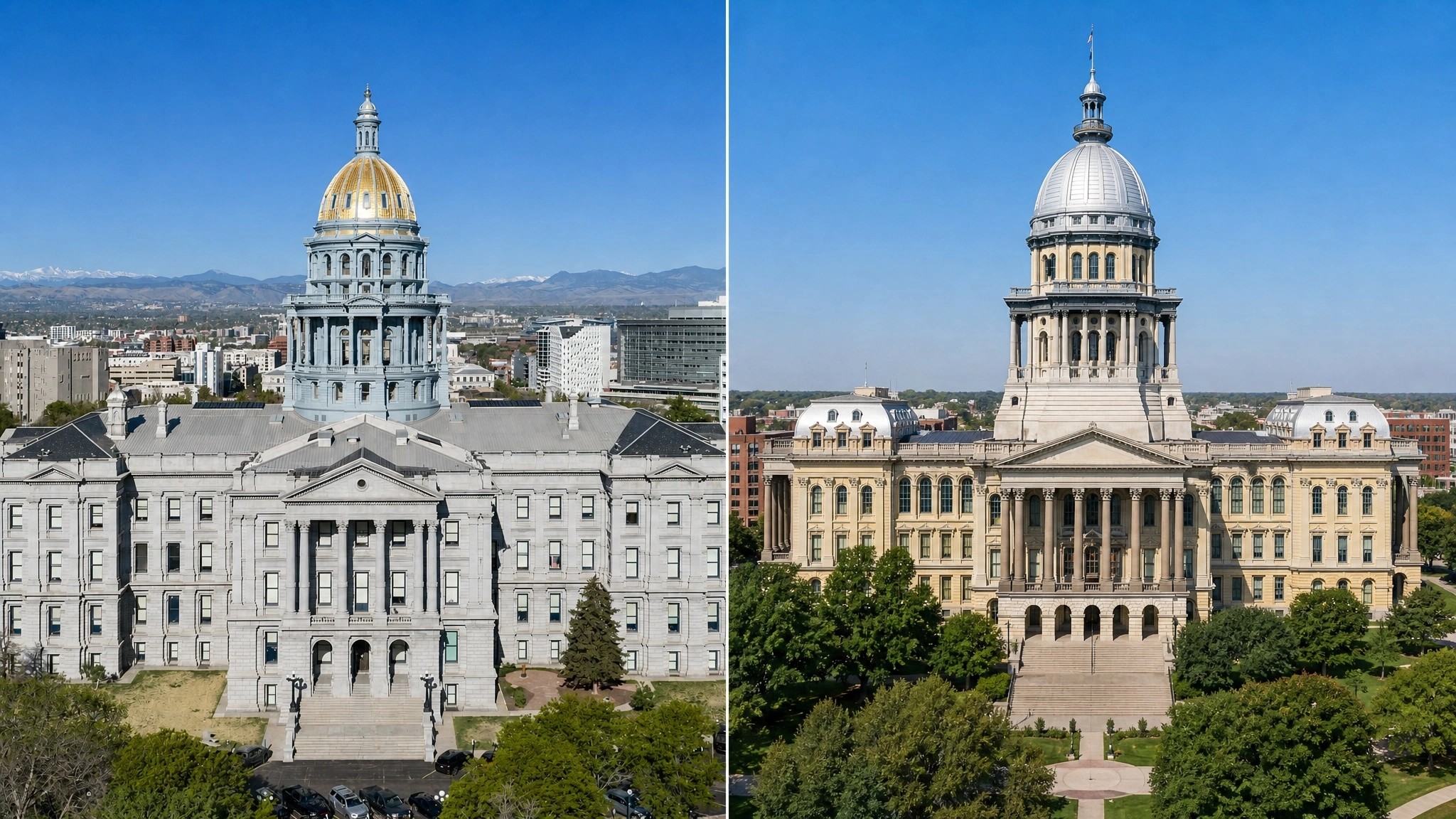
Licensure victories in Illinois and Colorado

Latest Gains

Your license is your most powerful asset—and advocacy keeps it that way

Most landscape architects don't spend much time thinking about licensing laws until they are under threat. But the legal right to practice is a boundary that requires constant maintenance. This year, that boundary was tested and held in two very different states through coordinated advocacy.

In Alaska, the state licensing board—the very foundation for your credentials and reciprocity—faced a scheduled "sunset" that could have disrupted your ability to practice. In Hawaiʻi, outdated statutes had fallen out of step with the technical and cultural complexities of the islands. To protect the profession, the Alaska and Hawaiʻi Chapters joined forces with ASLA National to engage lawmakers and make the case for professional standards.

The results were decisive. Alaska reauthorized its licensing board, securing professional continuity for years to come. Hawaiʻi signed into law a modernized framework that validates specialized local expertise through a state-specific exam. In both cases, the risk of a regulatory gap was replaced by the security of a stronger, more resilient license.

The result

Your license is backed by the constant vigilance of ASLA advocates—ensuring that the legal right to do your work is never eroded and always moving forward.

Images: Adobe Stock

Latest Gains

Your voice shapes even the most high-profile projects

The John F. Kennedy Center for the Performing Arts isn’t just an iconic landmark—it is a public space that reflects the full value of landscape architecture at its highest level. So, when sweeping changes were proposed without public review or expert input, it raised a bigger concern: what happens when decisions about the public realm move forward without the people trained to shape it?

In response, a broad coalition, including ASLA, stepped in to challenge the process—drawing a clear line that even the most high-profile projects must include transparency, public input, and professional expertise.

The result: your role isn’t sidelined when the stakes get higher. It’s reinforced—protecting your influence, your credibility, and the standard of the public realm you help create.
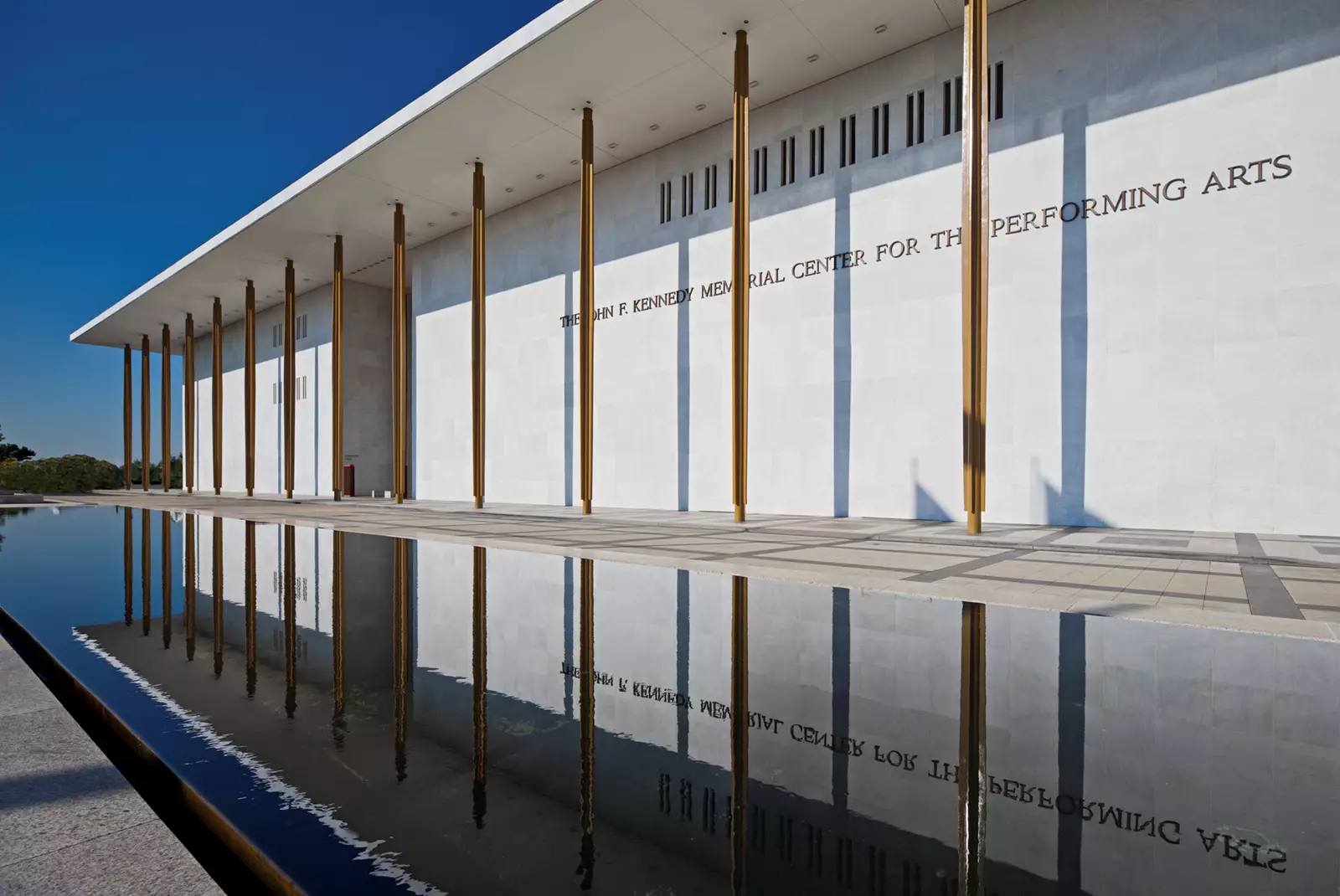
The John F. Kennedy Center for the Performing Arts

Image credit: The John F. Kennedy Center for the Performing Arts


Latest Gains
Your expertise is being written into federal funding

Securing the budget for nature-based solutions shouldn't be an uphill battle. With the introduction of the WISE Act by U.S. Reps. Nikema Williams (D-GA) and Emilia Strong Sykes (D-OH), a permanent 20% set-aside within the Clean Water State Revolving Fund would be established specifically for environmentally friendly water infrastructure.

ASLA joined as a key supporter of this legislation to ensure that resilient, green infrastructure is a funded national priority rather than an optional add-on.
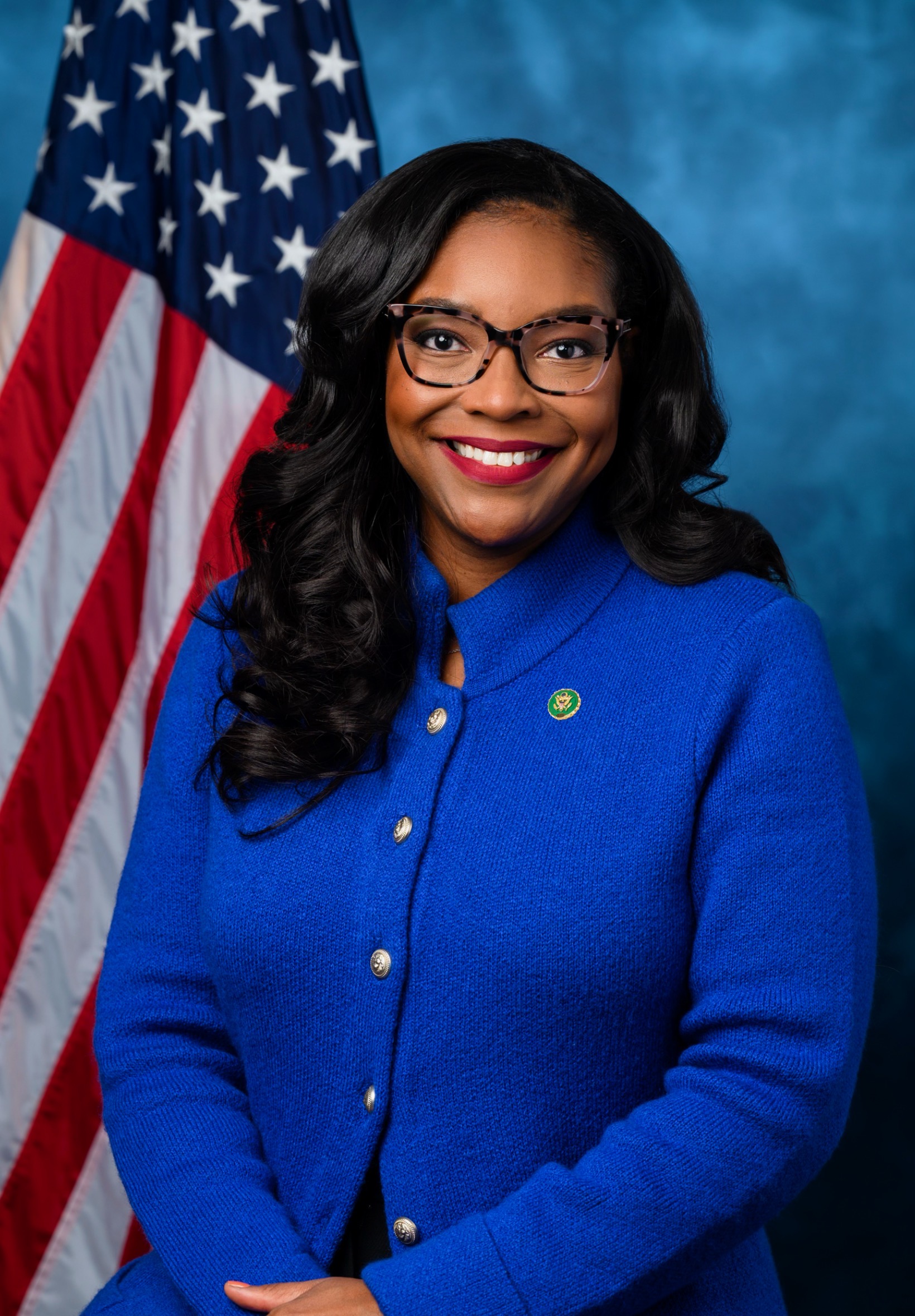
Rep. Emilia Strong Sykes

Rep. Emilia Strong Sykes (D-OH)

Rep. Nikema Williams

Rep. Nikema Williams (D-GA)

The gain: a more reliable pipeline of projects where your skills in water quality and resilience are codified into the nation's largest source of federal water financing.

Your feedback, turned into real changes that strengthen your work and the profession.
Countries Bound by the Global Biodiversity Framework

196

Your Voice in Action

You now have standing where the world's biodiversity commitments are made

Landscape architects now have a formal seat at the table where 196 governments negotiate global biodiversity commitments. This October, a delegation will attend Biodiversity COP17 in Yerevan, Armenia — the UN Convention on Biological Diversity Conference of Parties, where the Kunming-Montreal Framework targets that already shape your work were set and will be advanced.

ASLA secured that access through official observer status — ensuring the people who design ecological corridors, restore native habitats, and deliver 30×30 outcomes on the ground are recognized at the level where those goals are made.

The advantage: landscape architects are no longer only executing the world's biodiversity goals — they are present, credible, and heard where those goals are decided.

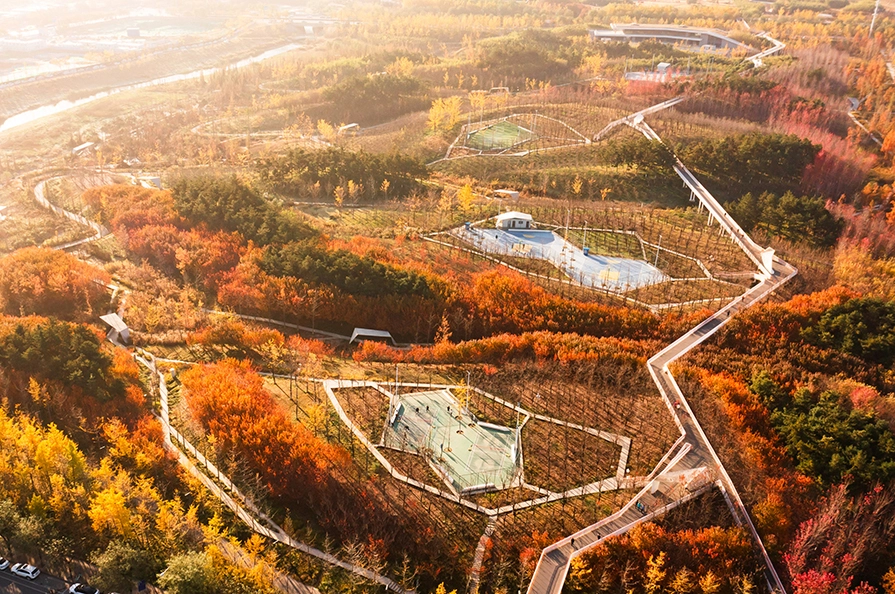
Urban Balcony Embracing Rewilded Nature, Xi'an, China. Turenscape

ASLA 2024 Professional Urban Design Honor Award. Urban Balcony Embracing Rewilded Nature. Xi'an, Shaanxi Province, China. Turenscape

Read the Full Story →
Arlington VIA
Your Voice in Action
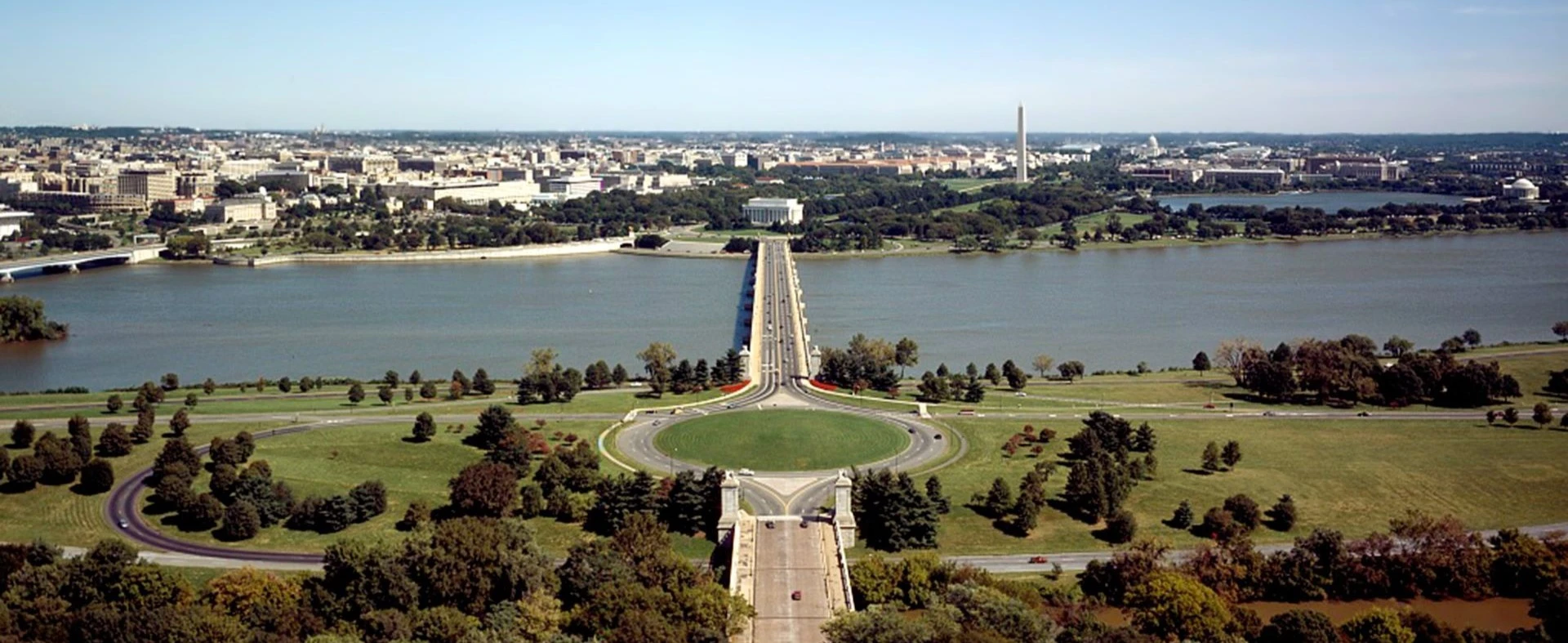
Arlington Memorial Bridge and National Cemetery viewshed

The views at Arlington were designed to last. You're making sure they do.

The visual axis connecting Arlington National Cemetery, Arlington Memorial Bridge, and the Lincoln Memorial represents more than a century of deliberate landscape thinking — sight lines calculated, spatial relationships composed, meaning built into every approach and prospect. Viewsheds aren't scenic amenities. They're structural elements of a cultural landscape, as integral to the design intent as any monument within it.

When a proposal threatened those relationships, ASLA stepped in. ASLA endorsed H.R. 9047, the Arlington National Cemetery Viewshed Protection Act, and submitted formal Section 106 comments to the National Park Service documenting potential adverse effects on the Memorial Avenue Corridor, Arlington House, the Lincoln Memorial Cultural Landscape, and the National Mall Historic District. Members can add their voice through the iAdvocate Network.

The Advantage

Landscape architects defend good design all the way to Capitol Hill.

Your Voice in Action

With AI shifting how you practice, your judgment stays at the center

Groundwork AI Registrants

839

largest Groundwork session to date

AI is already showing up in landscape architecture practice—in proposals, visualization, research, plant lists, and client conversations. But for many practitioners, the real issue isn't speed. It's responsibility: What can you trust? What should never be handed over? And how do you protect professional judgment, environmental ethics, and client confidence while the tools keep changing?

That tension drove ASLA's Groundwork conversation on artificial intelligence. Practitioners, educators, and skeptics compared how AI is actually being used, where it creates risk, and where landscape architects need to stay firmly in the room—from site analysis to client communication to the growing impact of data centers on land, water, and communities. The response was immediate: the largest Groundwork session to date.

What this means: You now have stronger footing to question, test, and use AI on professional terms—with your judgment, not the tool, defining the work.

ASLA Groundwork AI conversation

2026 Student Award Submissions

515

Your Voice in Action

When the next generation speaks up, the profession responds

For students, the ASLA Student Awards are a defining moment—a chance to be recognized nationally and launch into the profession with momentum. But when the 2026 deadlines were initially aligned with the Professional Awards, they fell at the start of the spring semester. Students were rushing incomplete work over winter break, missing the opportunity to submit fully realized projects that reflect their true abilities. Faculty warned it was impacting not just submissions, but morale—and the strength of the talent pipeline itself.

That feedback drove action. ASLA's Honors & Awards Committee adjusted the process, moving deadlines back to May—when final projects are complete and students can present their strongest work.

What this means: more students able to participate, stronger portfolios on display, and a higher standard for the next generation entering the profession.

Proof that your expertise and impact are being recognized by the voices that shape our culture.

Heard in the Field

I want to highlight the work of landscape architects around the world. Landscape architects design and steward public spaces to bring people together and improve our quality of life. Their work is seen in parks, streetscapes, and civic spaces that support public health, strengthen local economies, and respond to environmental challenges.…

Let’s recognize these professionals, including the American Society of Landscape Architects, who are shaping healthier, more sustainable, and better-connected communities nationwide.

U.S. Rep. Dina Titus (D-Nev.)

in celebration of World Landscape Architecture Month 2026 via X

U.S. Rep. Dina Titus

Image courtesy of Dina Titus

Sharpening your practice with the high-level insights and industry intelligence that set you apart.

Competitive Edge

Your specifications are how the profession leads on climate

Every specification you write is a climate decision. But without clear guidance on which materials, surfaces, and systems actually reduce emissions, that decision often defaults to the familiar. Getting there means changing what gets specified, job by job.

ASLA's updated Decarbonizing Specifications guide — now in its second version — gives you exactly that playbook. Developed by practitioners at Sasaki, LPA Design Studios, and Hunter Industries, it covers 24 specification areas across seven design principles, with ten new and revised sections added in 2026: from playground equipment and synthetic surfacing to site furnishings and vegetated roof systems. A companion email template helps you open the conversation with suppliers about low-carbon concrete.

The Advantage: You don't have to reinvent the wheel on every project — you have a peer-tested, field-ready guide that makes low-carbon decisions the path of least resistance.

Decarbonizing Specifications v2 Guide Cover
Competitive Edge

ASLA 2025 Professional Urban Design Honor Award. Generosity of Place: Water Street Tampa’s Continuous Canopy, Tampa, Florida, Reed Hilderbrand | Sahar Coston-Hardy

When you speak the business case, your work moves forward

When developers see the numbers, landscape architecture gains ground. Walkable communities can command 20% to 35% higher home values, greener retail streets can drive 15% to 20% higher sales, and park-adjacent development can grow dramatically faster than surrounding areas. In the two-part series, "How Developers Value Landscape Architecture," those returns came into focus.

The advantage: You gain more than talking points—you gain the hard evidence needed to prove your market value to clients, helping you get brought in earlier and move your best ideas further.