

.webp?language=en-US)

.webp?language=en-US)
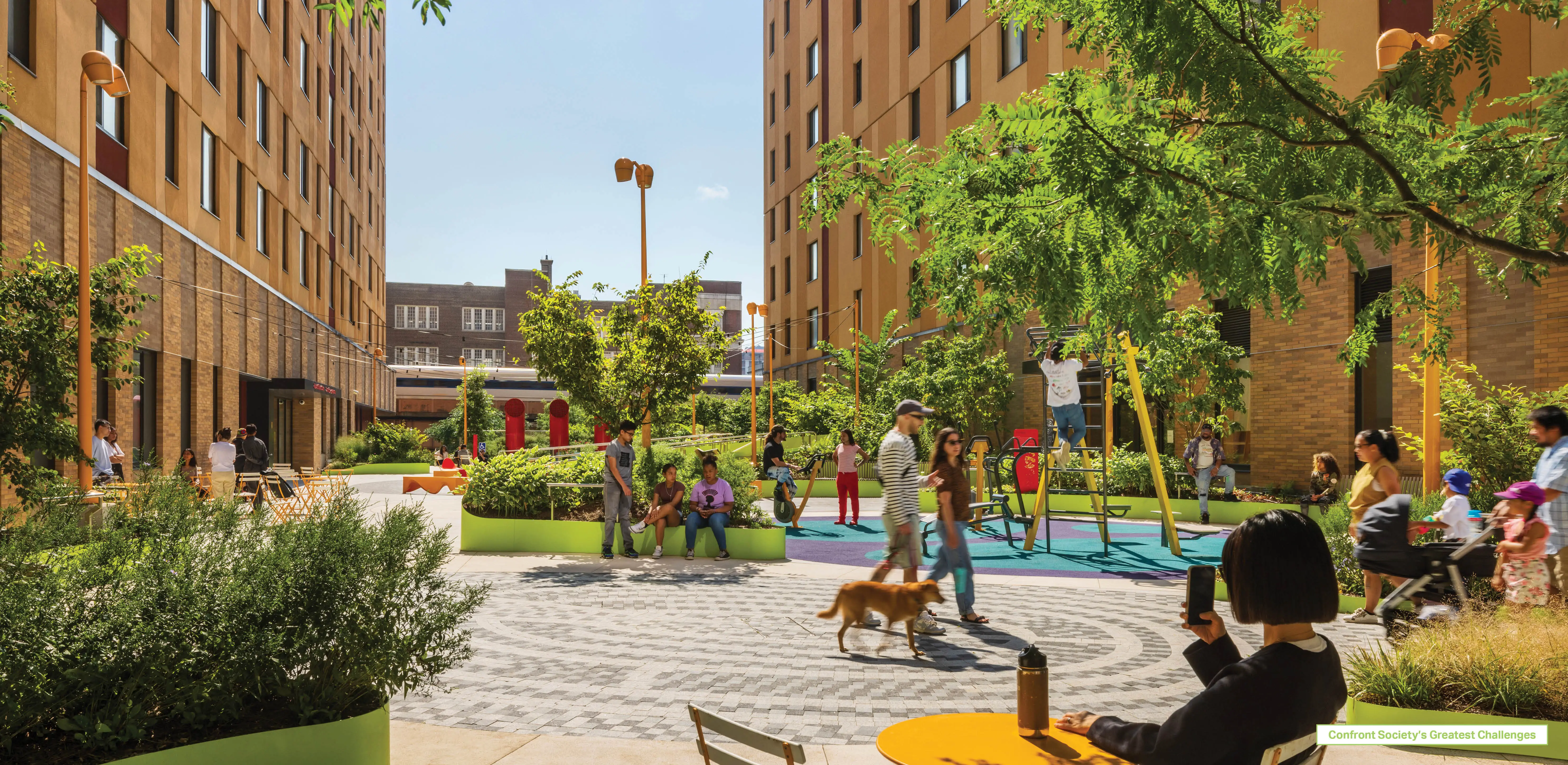
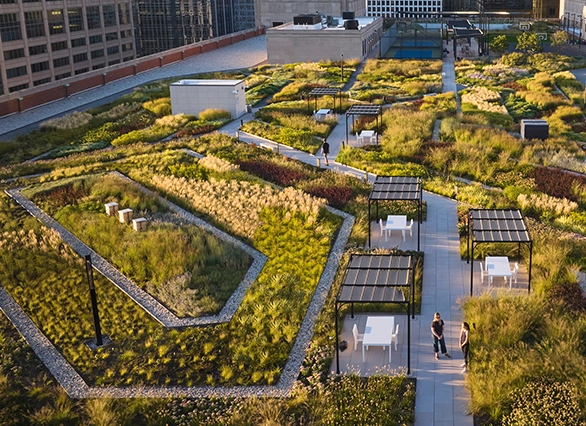
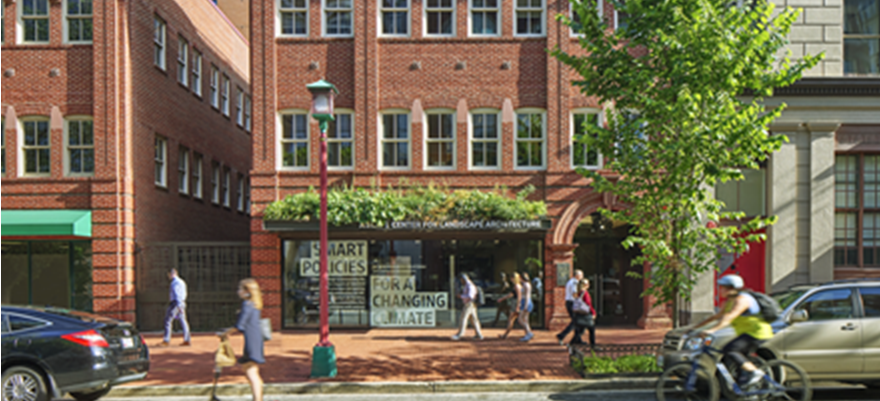
Research Focus
What landscape architecture- and nature-based solutions effectively reduce inland flooding? What solutions at the urban and suburban, neighborhood, and site scales work best? What are planning and design project examples at various scales that have demonstrated proven flood reduction benefits while also reducing heat, sequestering carbon, improving stormwater quality and management, and increasing biodiversity?
Scope of research analysis:
- Sponge city approaches
- Blue-green systems
- Cloudburst systems
- Green infrastructure
- Nature-based stormwater management systems
- Low-impact development
- Environmentally-sensitive water management systems
- Daylighting stream and river systems
- Green-grey hybrid solutions
- Rain gardens
- Green streets
- Tree canopies
- Rainways
- Green roofs
- Constructed wetlands and other constructed water management systems
- Restored natural systems (wetlands, ponds, etc)
- Preserved natural systems (wetlands, ponds, etc)
Implemented project types that can be evaluated:
- Regional, urban, community, and site designs
- Conservation areas
- Recreational areas
- Parks and plazas
- Transportation systems
- Educational and corporate campuses
- Mixed-used and commercial developments
- Residential communities
- Botanical gardens and arboreta
- Riparian corridors
- Remnant parcels
- Individual homes
For project types: pre- or comparable baseline and post-project data should be included for comparison where available. According to the Landscape Architecture Foundation (LAF), optimal timing for an initial performance assessment is 1-5 years after construction is complete, depending on project type.