

.webp?language=en-US)


-
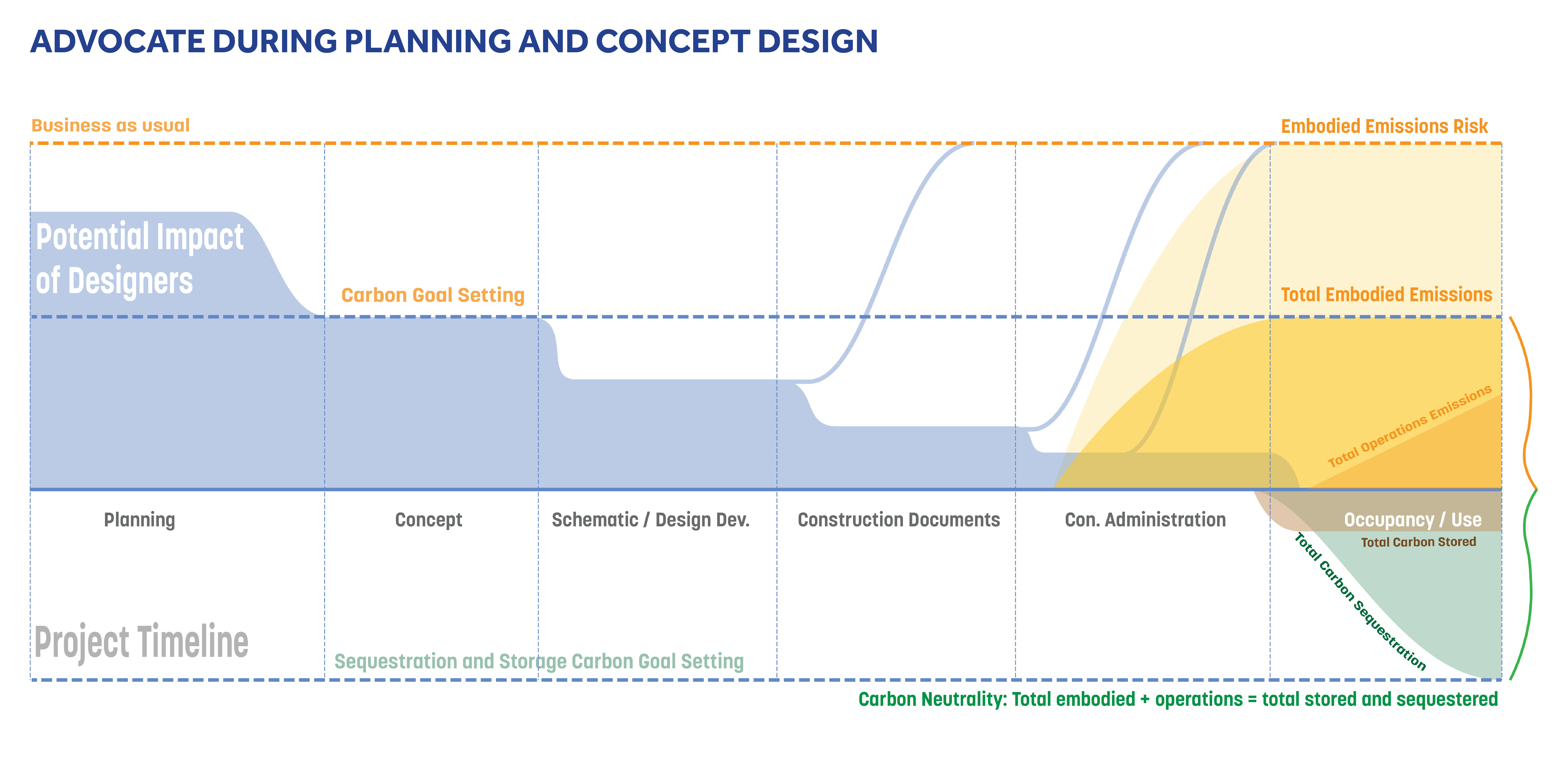
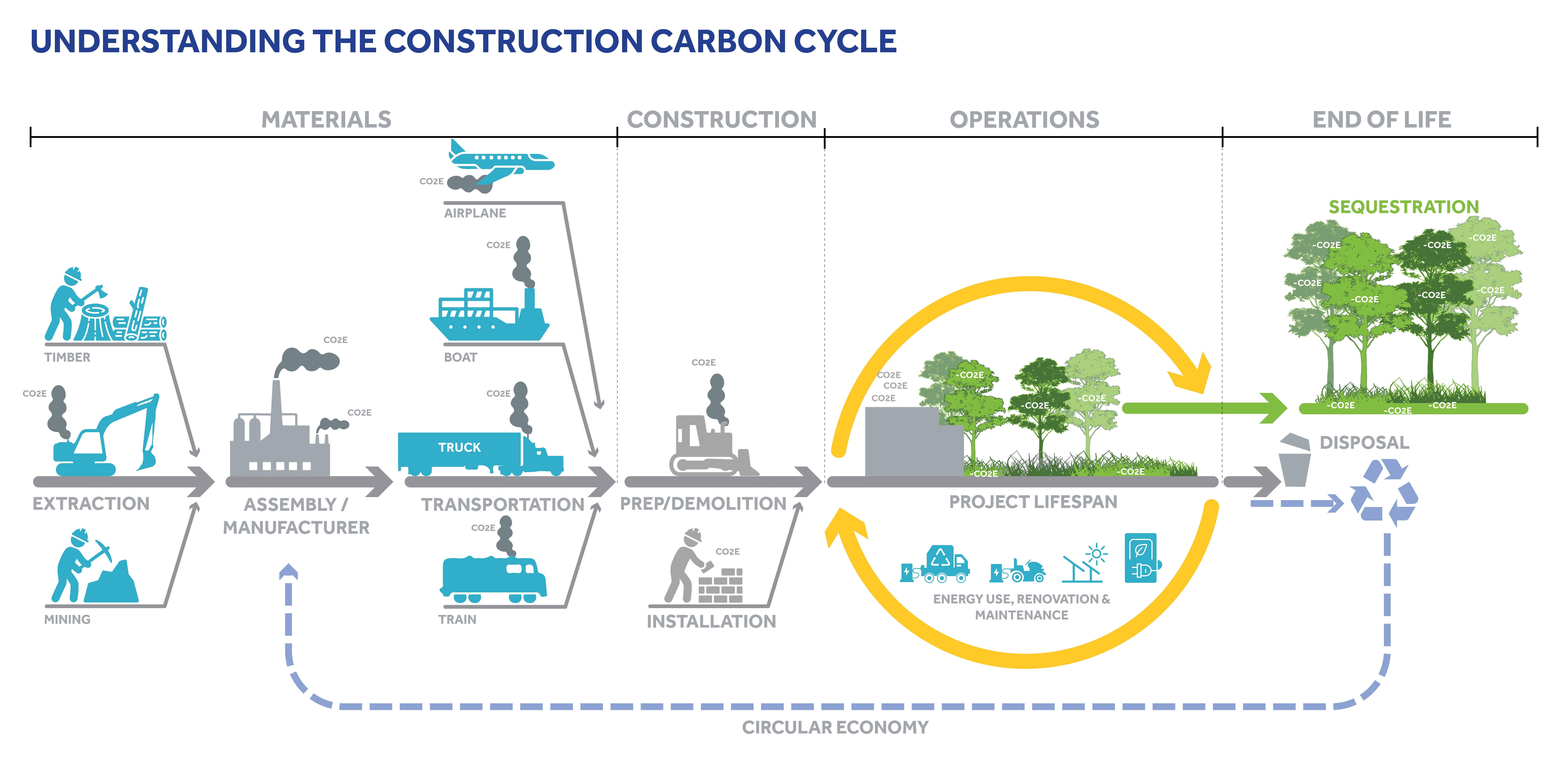
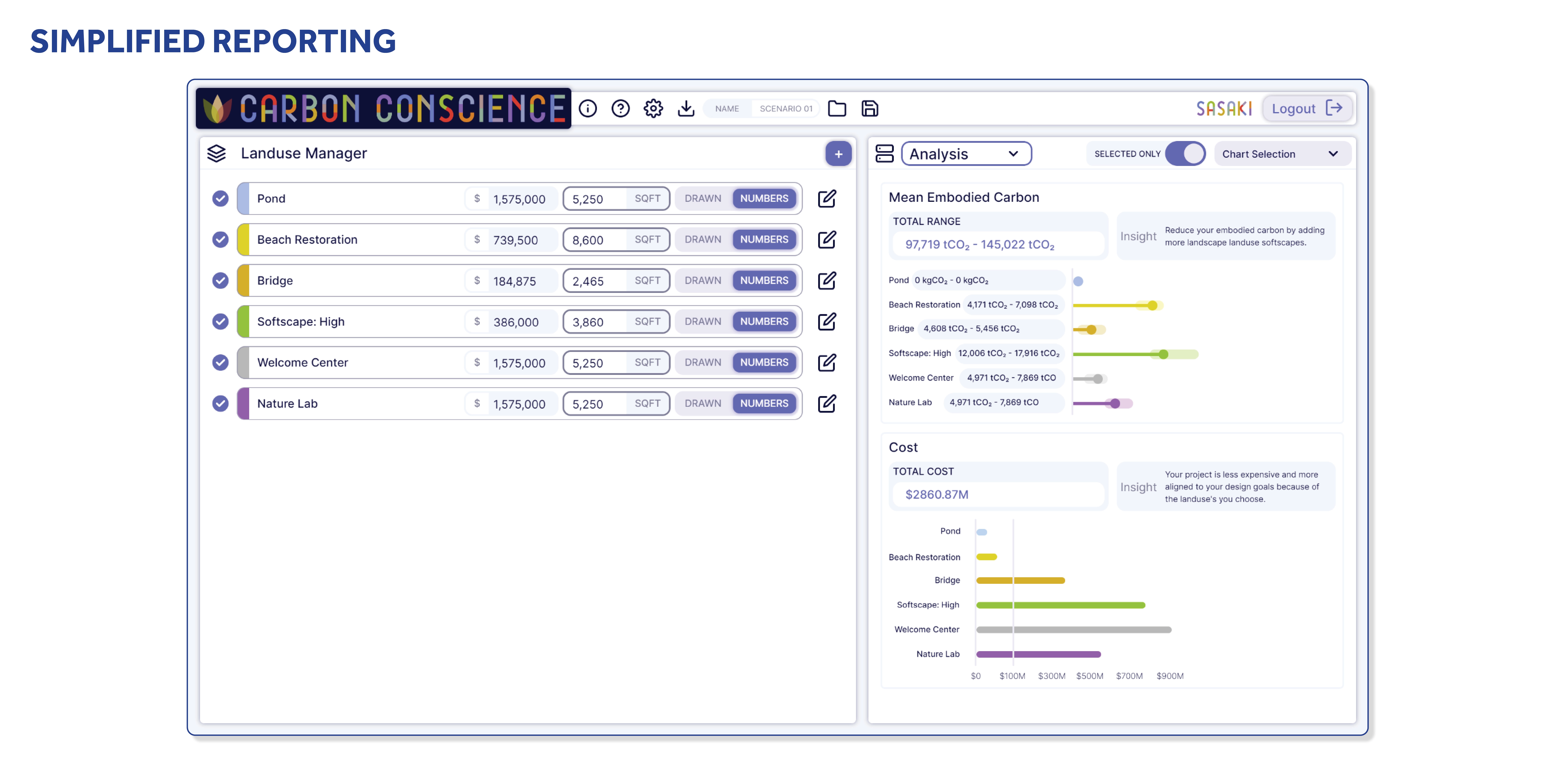
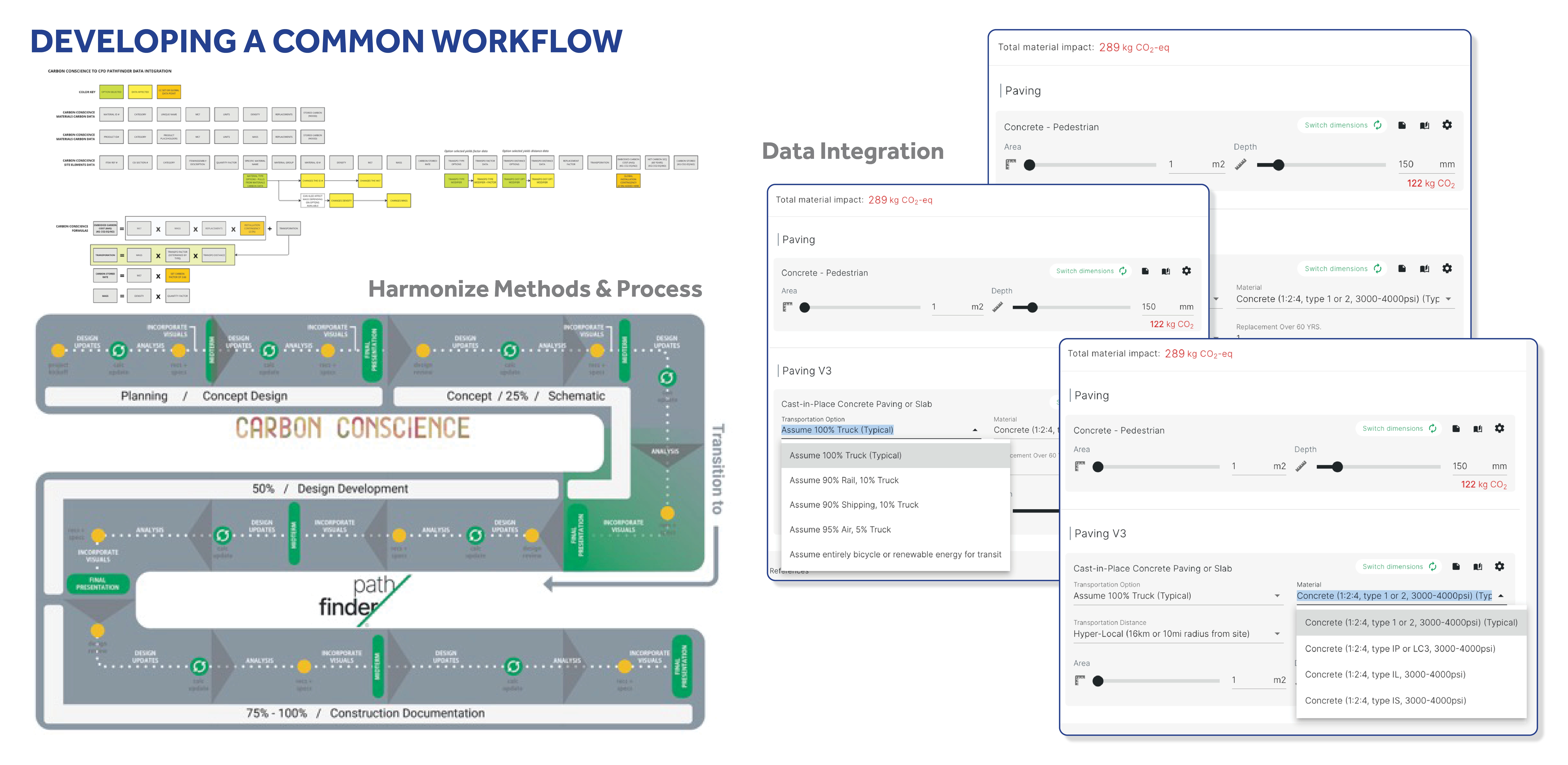
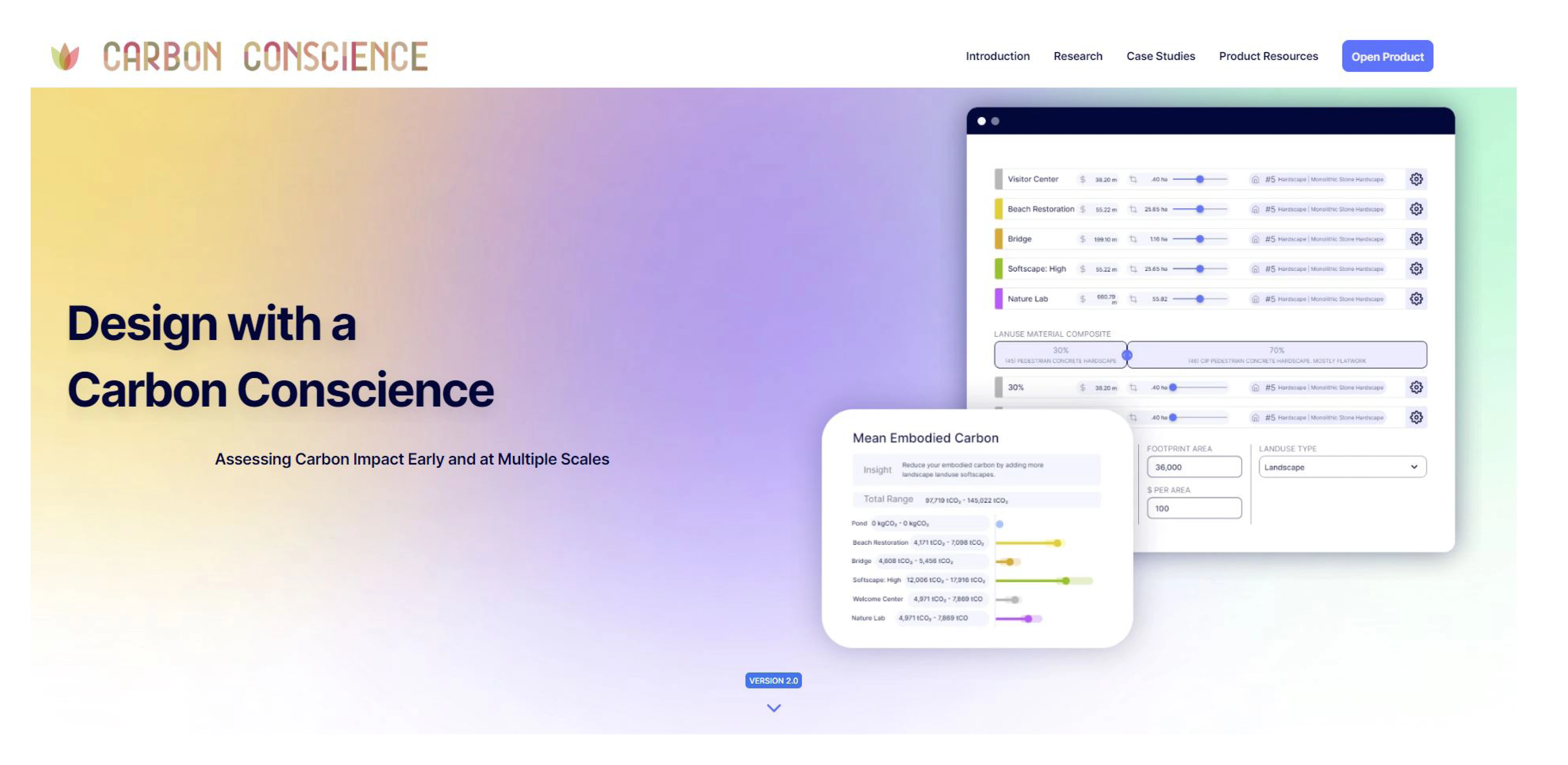
Carbon Conscience results from a multi-year investigation into how designers can make informed planning decisions related to climate impacts. This work included a literature review of over 400 sources, including architectural, industrial, ecological, and landscape white papers. Carbon Conscience is the only peer-reviewed dataset and application that brings landscape and architectural land uses together to study planning decisions from a whole project life cycle assessment perspective. It is now being integrated into the next generation of Pathfinder, Landkit, and EPIC tools. Carbon Conscience supports advocacy for investing in living systems for carbon drawdown and reducing embodied carbon in the built environment.
-
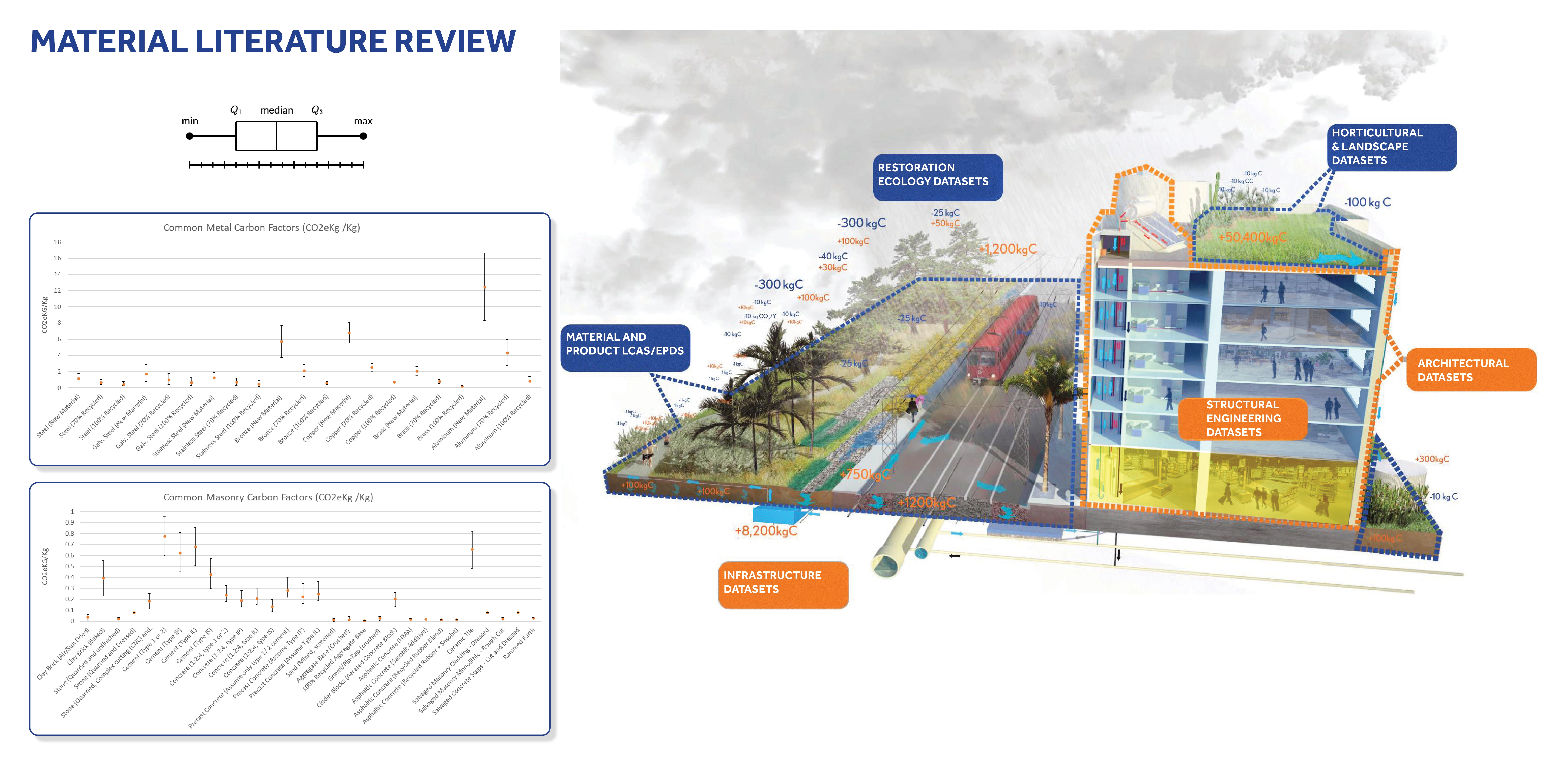
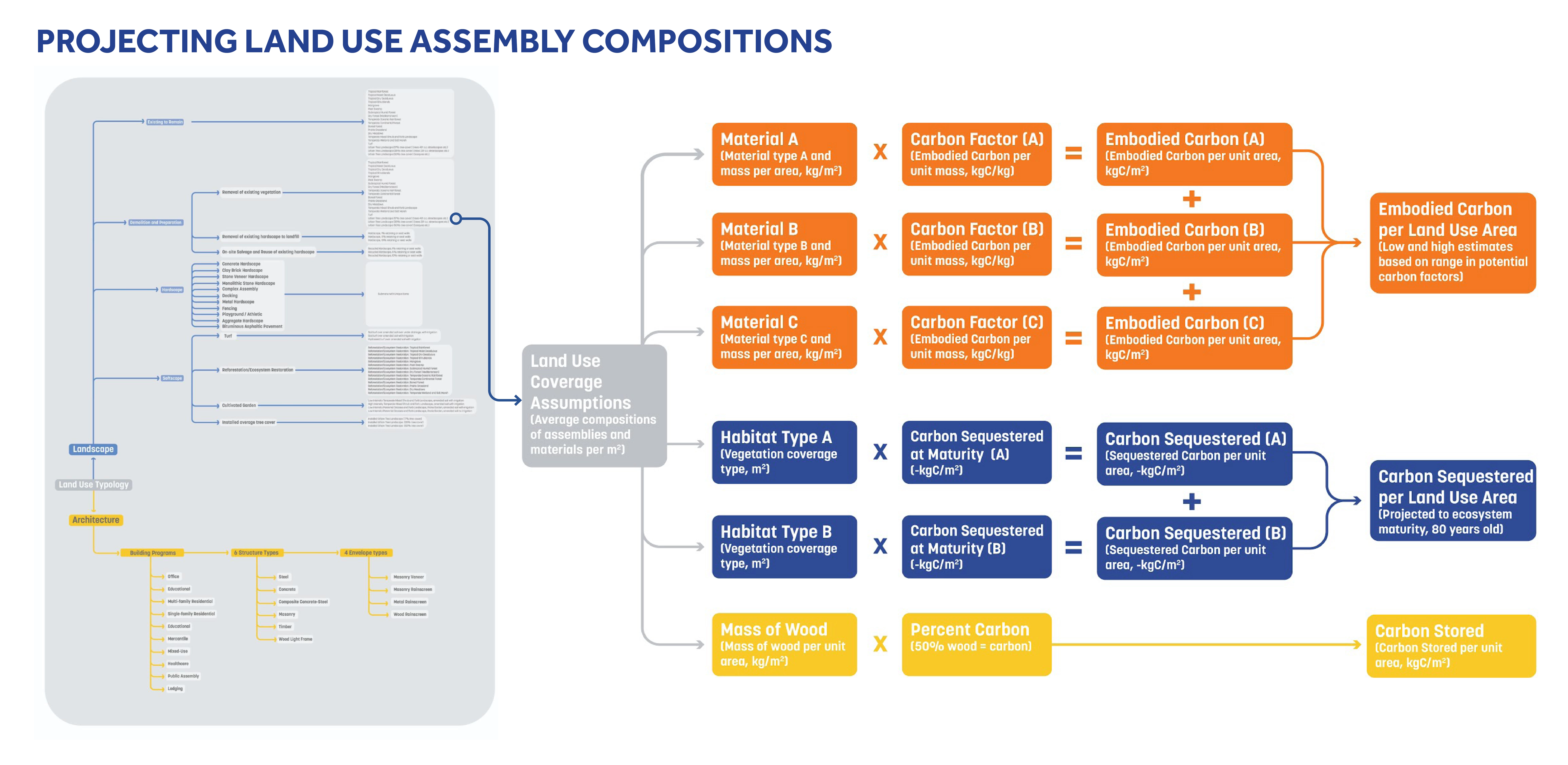
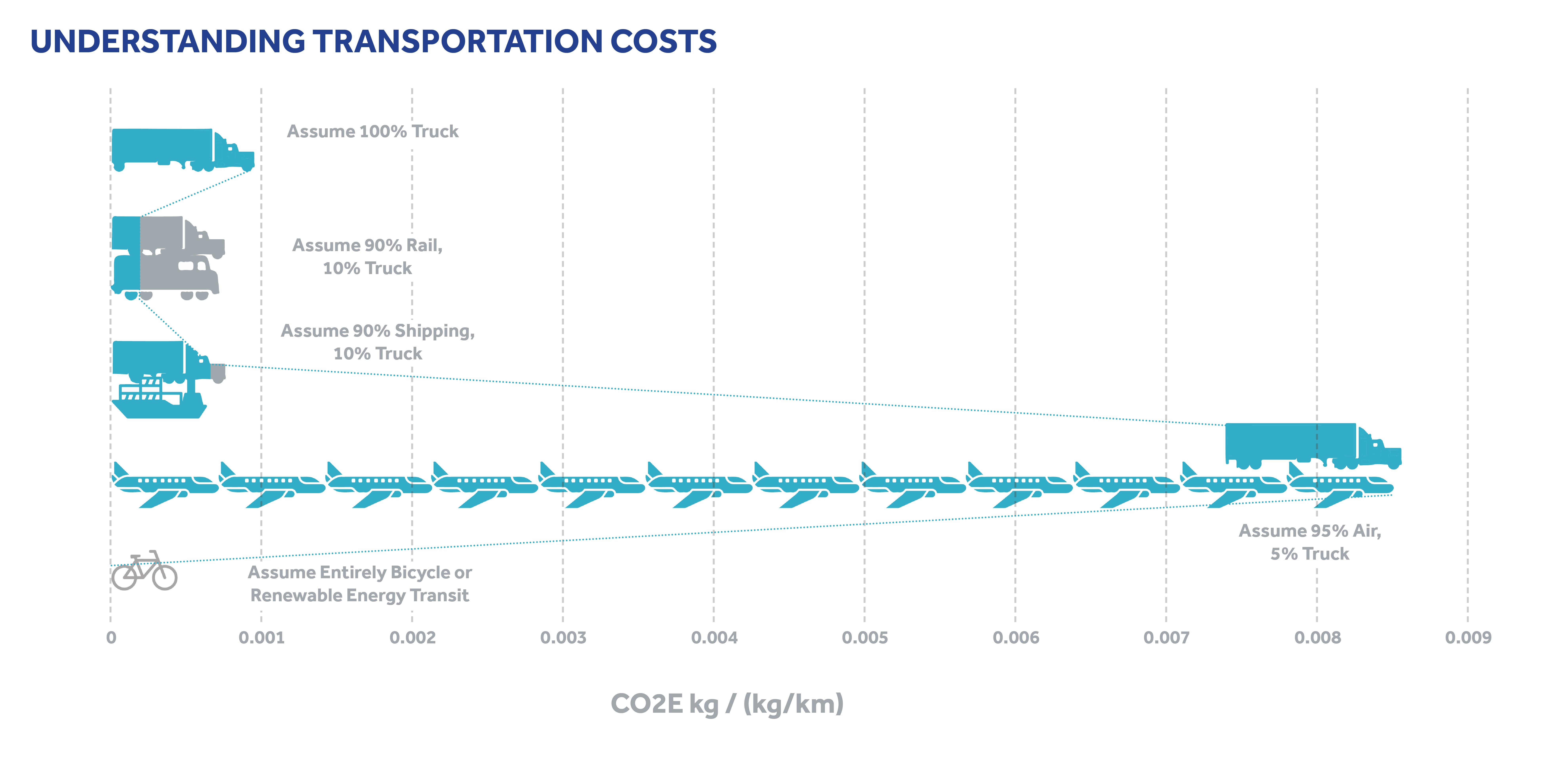
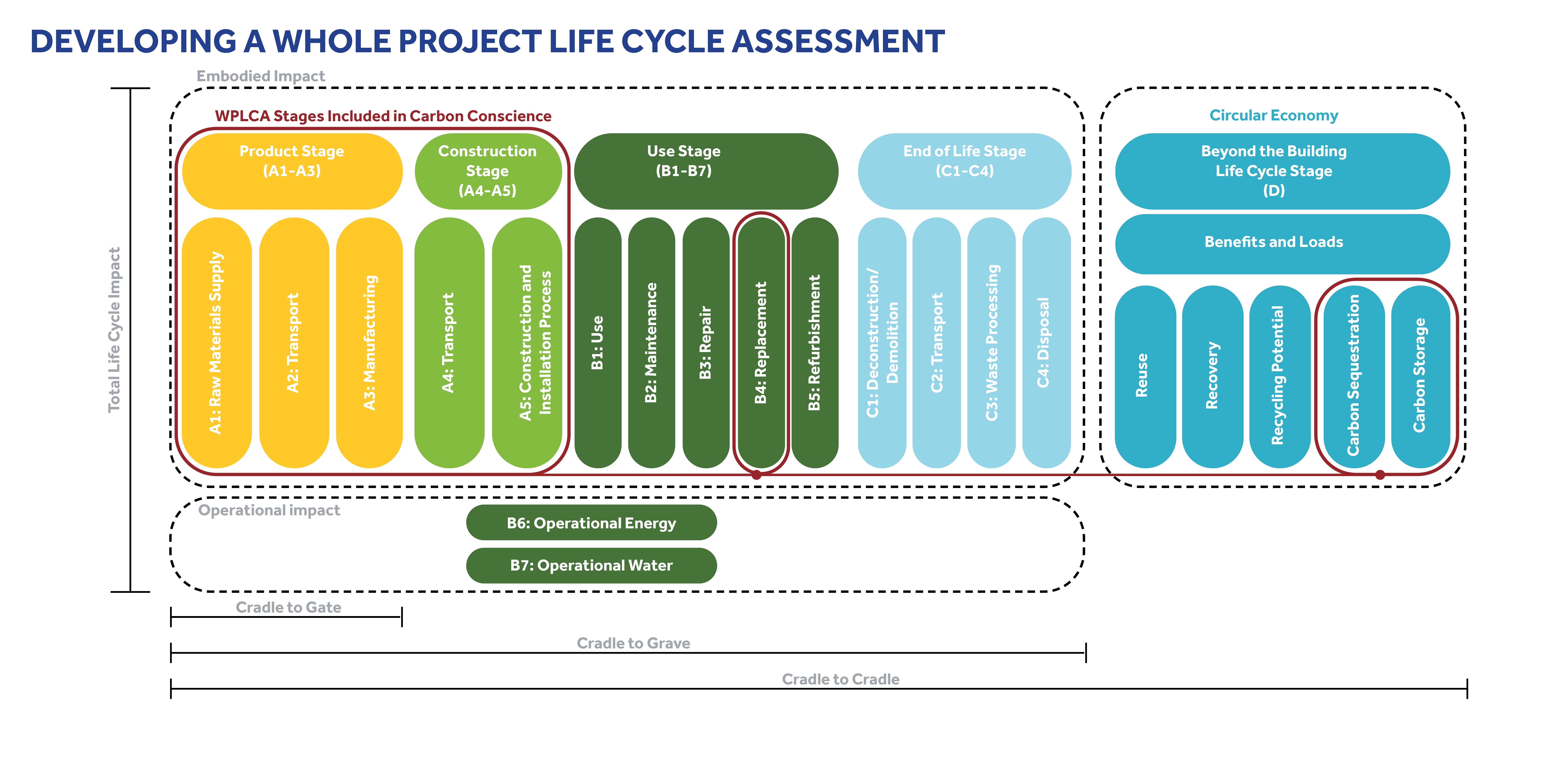
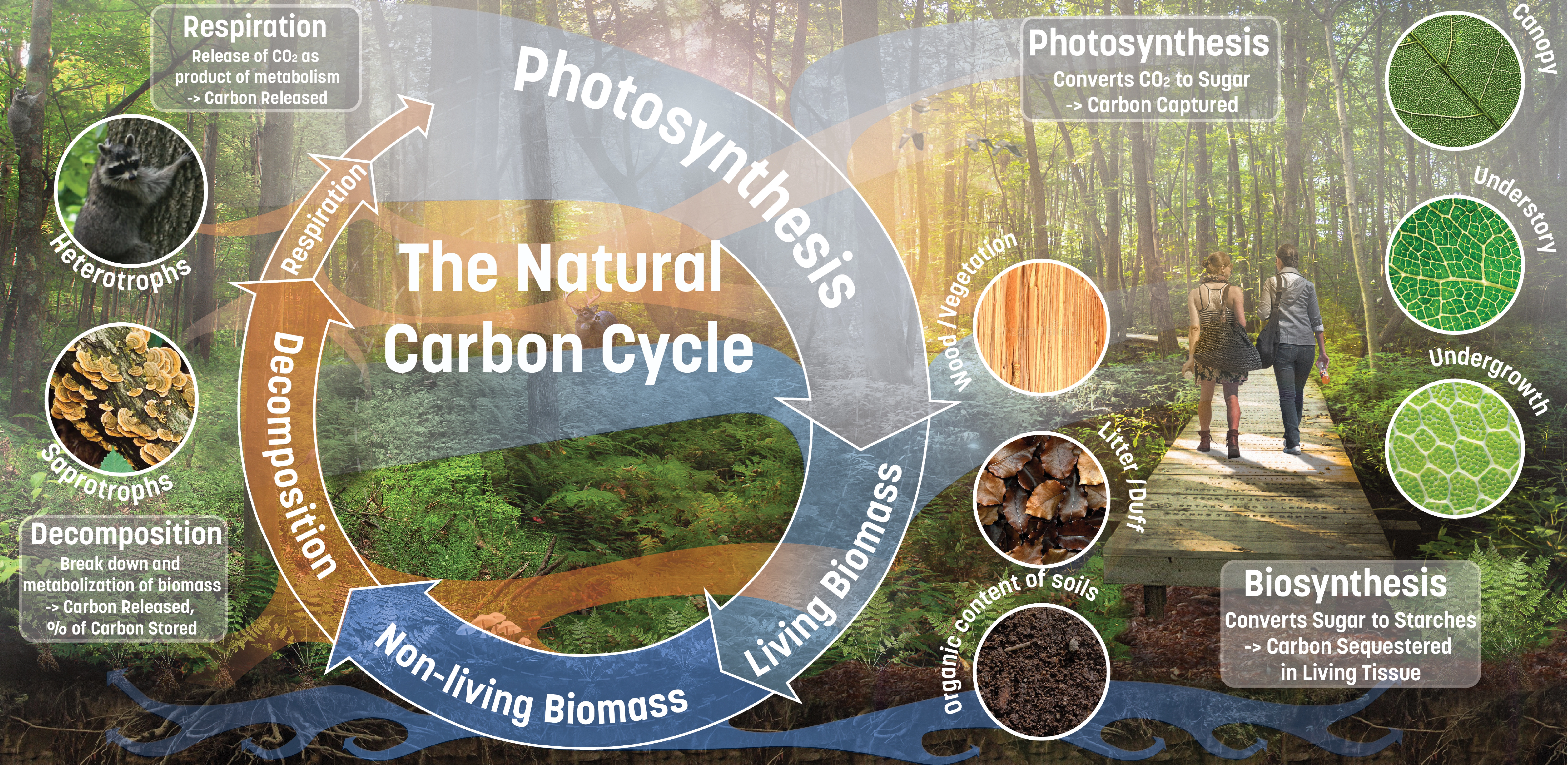
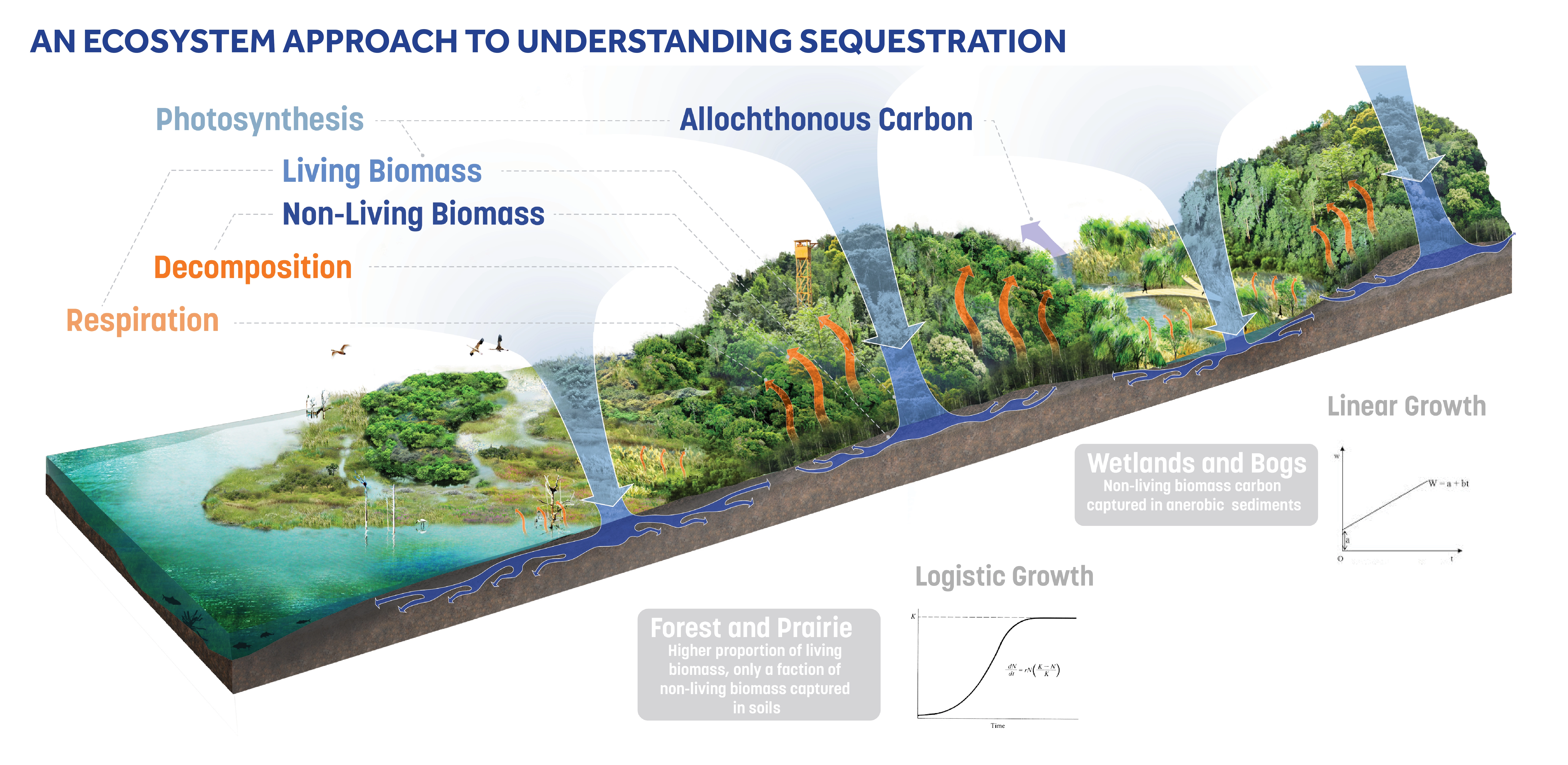
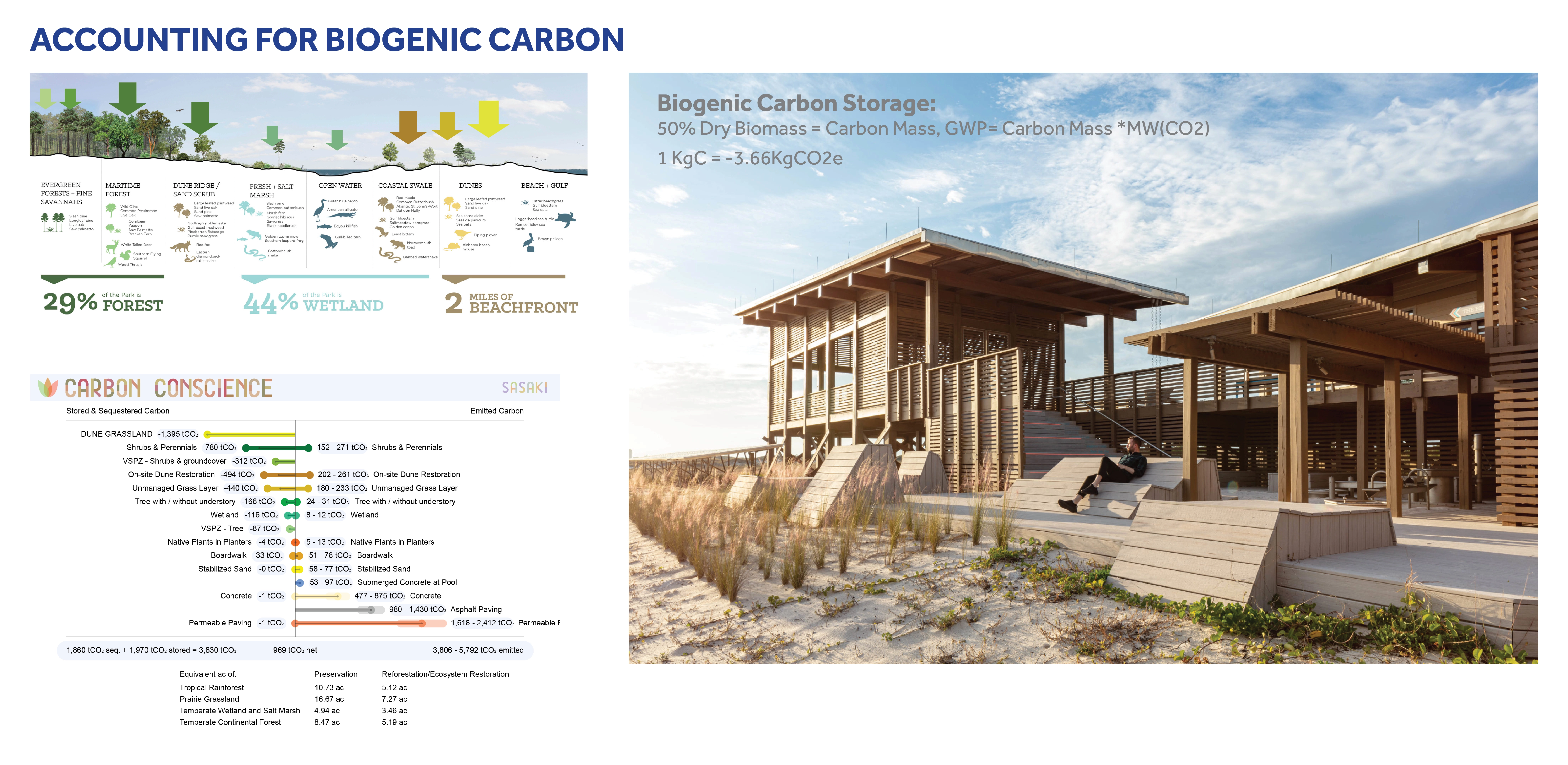
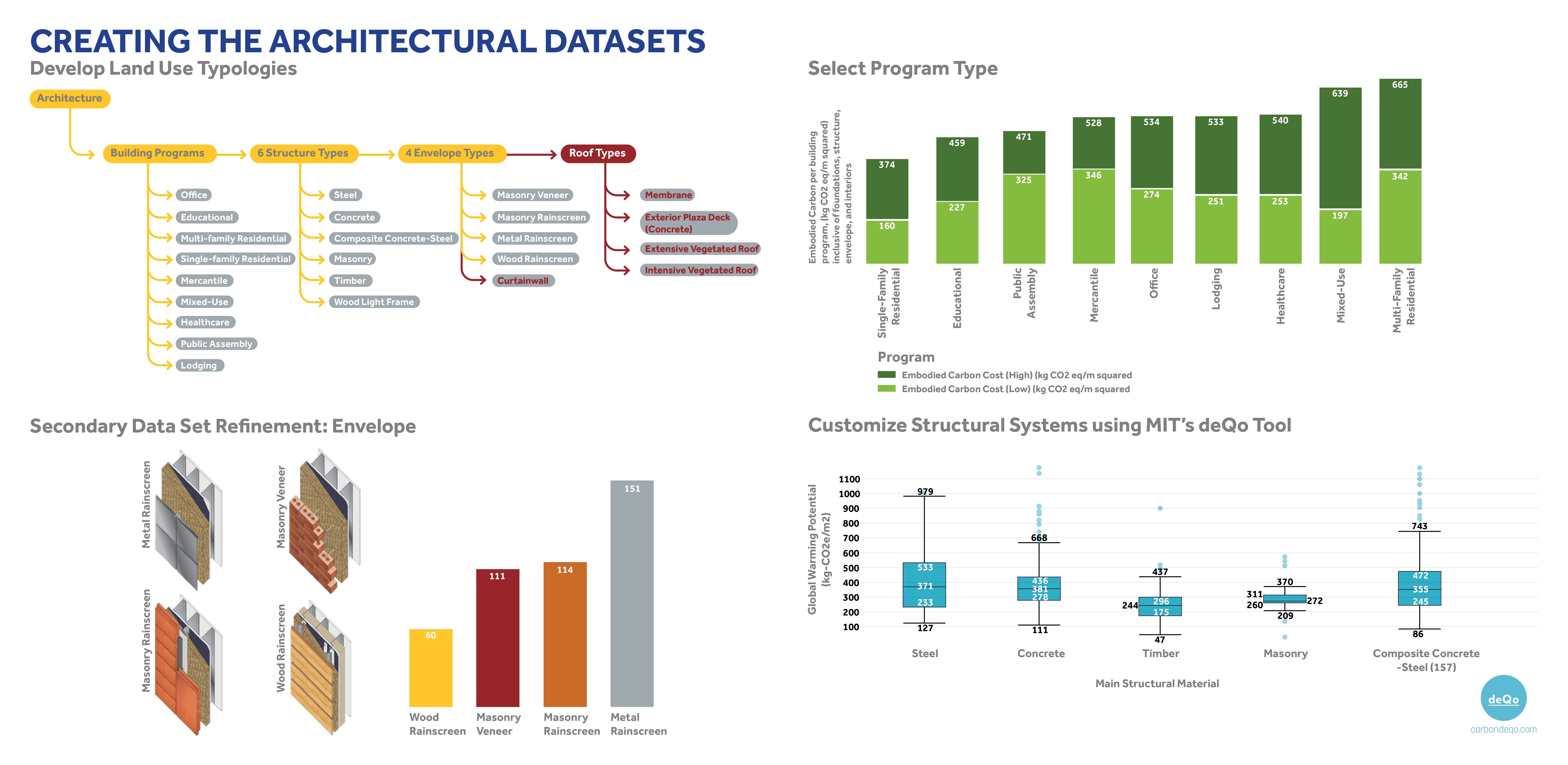
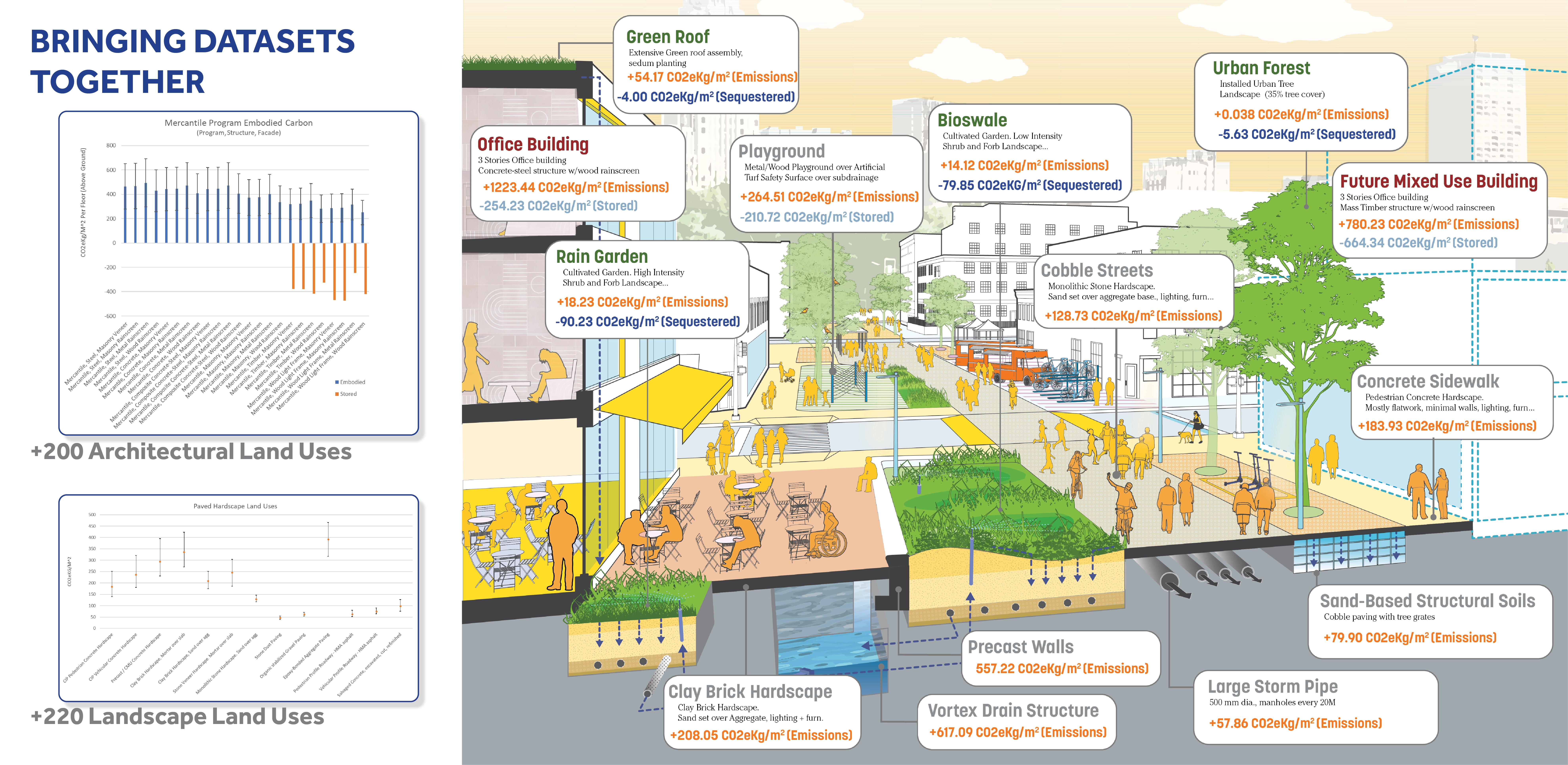
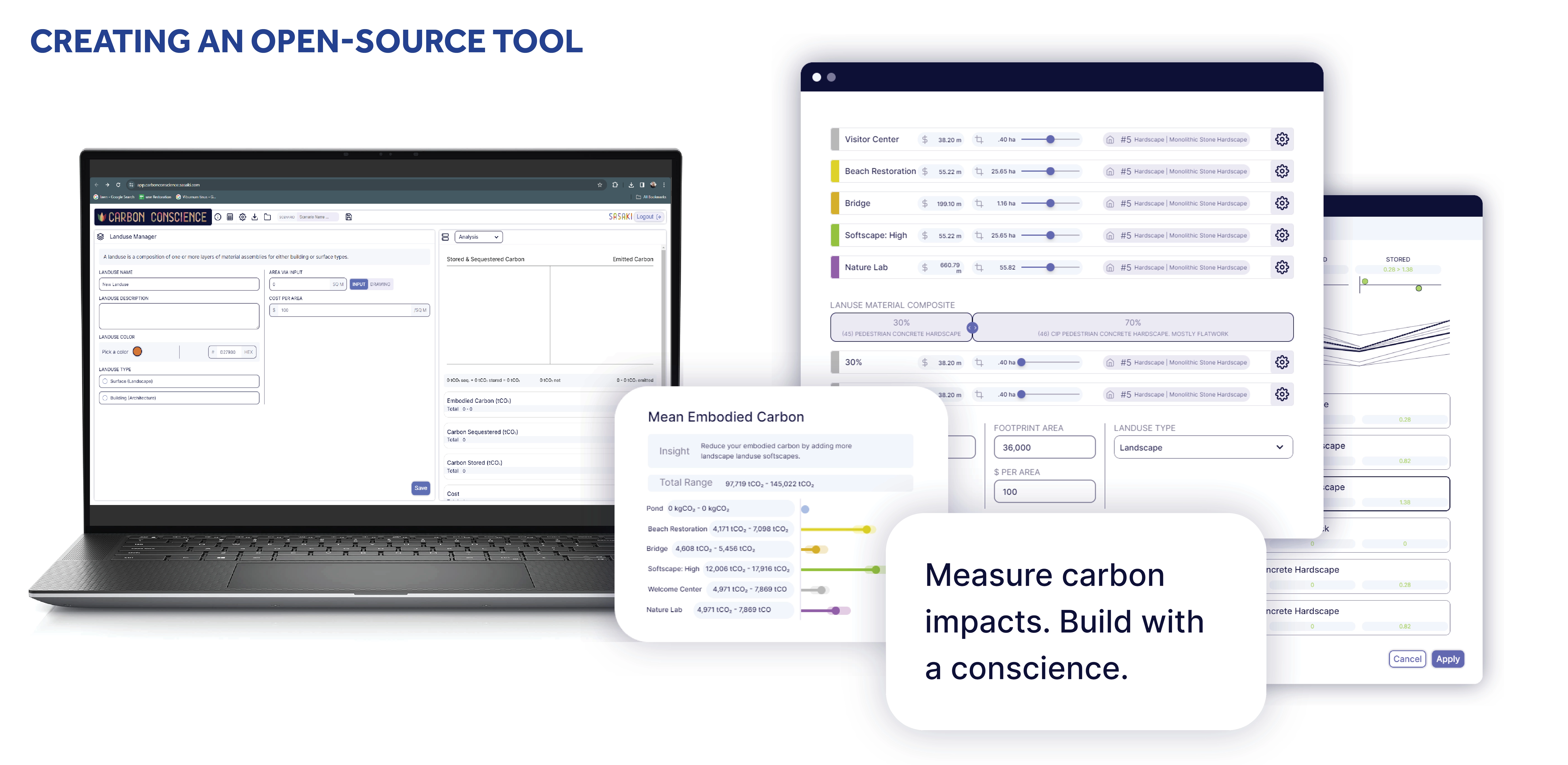
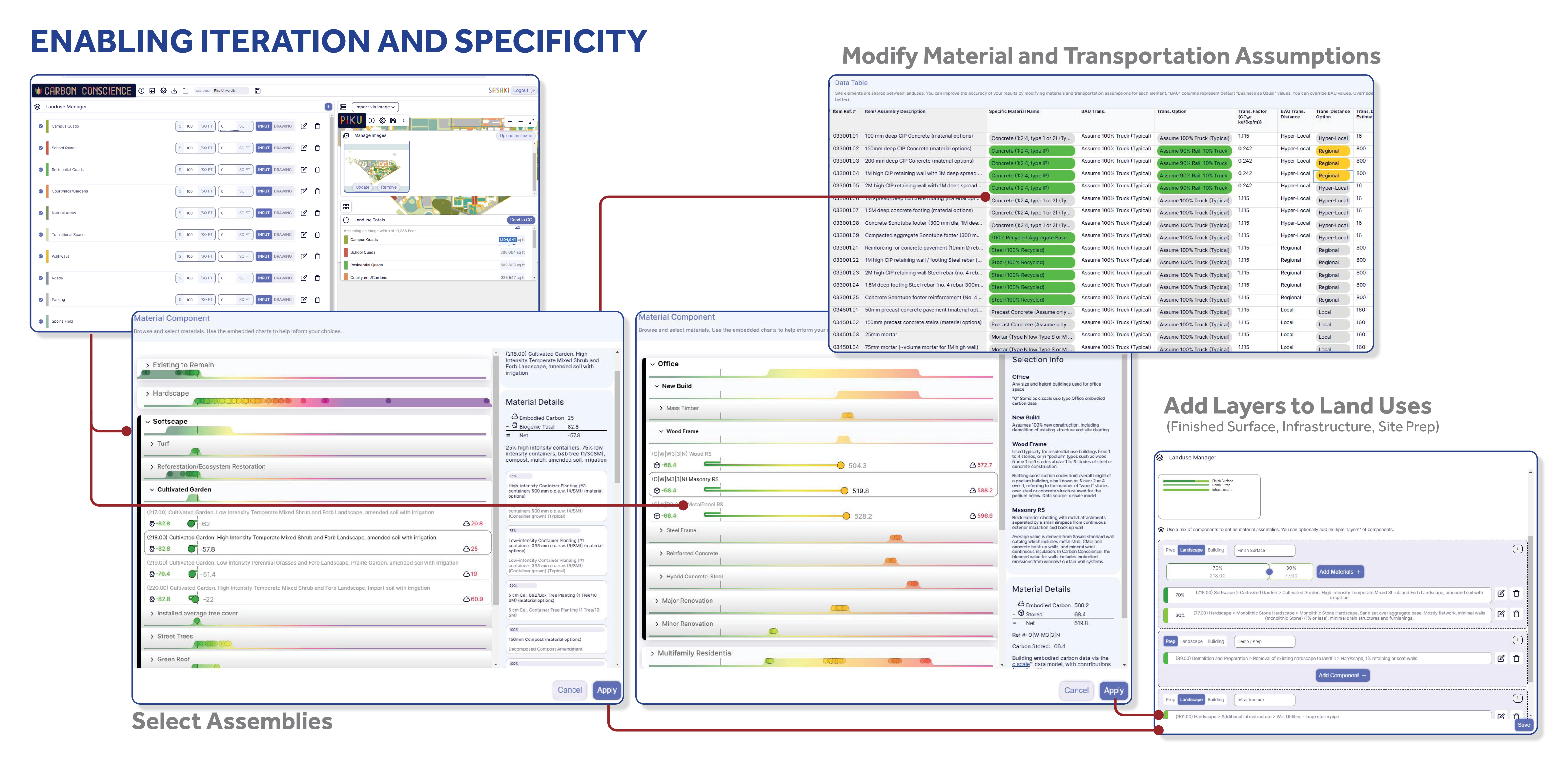
Carbon Conscience brings together landscape, architectural, and ecological literature into a common platform to make the potential global warming impacts of the built environment easy to understand and address in the early design phases—when design project teams can change course, adjust frameworks, and most effectively advocate for low-carbon design. The research started with a literature review to understand global warming impacts of land use decisions—since land use is the most fundamental decision-making unit for planning and urban design work. Early in the study, the landscape architect researcher learned that there were no clear baseline datasets for landscape materials. The investigation expanded to include over 170 unique materials and product typologies specified in landscape design projects. The team aggregated life cycle assessments (LCAs) and used box-plot statistics to report carbon factor ranges per typology. The research team then developed an inventory of land use assembly assumptions based on representative projects, resulting in over 220 unique landscape (and 200 architectural) land uses. Applying these assumptions based on unit area coverage, the researcher was able to estimate the mass of the various materials required to build that land use and then multiplied those quantities by their carbon factors and transportation costs to provide projected low-, mean-, and high-embodied carbon per land use. The team used a whole ecosystem approach to understand carbon sequestration capacity, studying the average carbon sequestration rates and storage capacity for macro ecosystems which could be translated to land use projections. The wide range of consulted white papers inevitably used different methods. To harmonize these citations into a common format, the team developed a matrix that correlated the projected biomass, average annual sequestration rates, decomposition rates, and allochthonous carbon assumptions. This step uncovered a huge range of sequestration potential—from low-carbon dry chaparral to extremely high-carbon mangroves. The team discovered the need to differentiate its models to include logistic curves for forests and linear regressions for wetlands—and the need to account for variable decomposition rates based on climatic assumptions and capacity for accumulation of soil organic carbon over time. The team was now able to compare land uses, such as estimating how many acres of restored temperate forest could offset a new building, or understanding the sequestration potential of a mangrove swamp at risk of demolition. A unique innovation was representing the living systems of the constructed environment in the same manner and rigor as buildings and infrastructure. The immediate products of this work included a white paper and dataset with a full, replicable methodology. This database is translated into the free and open-source Carbon Conscience platform for any designer, agency, or activist to test their ideas. The dataset is being integrated into the source data for the next version of the Pathfinder, EPIC, and Landkit, and is referenced in North Carolina State University Professor Meg Caulkins's upcoming book on low-carbon construction materials and design. This research revealed many questions and gaps in the literature, but it significantly boosts how landscape architects can tackle the challenge of decarbonizing the built environment through a collective effort—one design at a time.
-
- Michael Grove, FASLA - Sponsoring Principal
- Chris Hardy - Lead Researcher
- Michael Frechette - Research Team
- Danielle DeCarlo - Research Team
- Shuai Hao - Research Team
- Alison Nash - Research Team
- Ekaterina Trosman - Research Team
- Tamar Warburg - Research Team
- Chris Winkler - Research Team
- Sydney Bittinger - Research Team
- Ken Goulding (PIC) - Product Team
- Armin Akhavan - Product Team
- Timothy Gale - Product Team
- Patrick Murray - Product Team
- Thiyagarajan Adi Raman - Product Team
- Eric Youngberg - Product Team
- Kelly Farrell - Editor
- Anna Scherling - Editor
Related Awards
Honor Award, Research
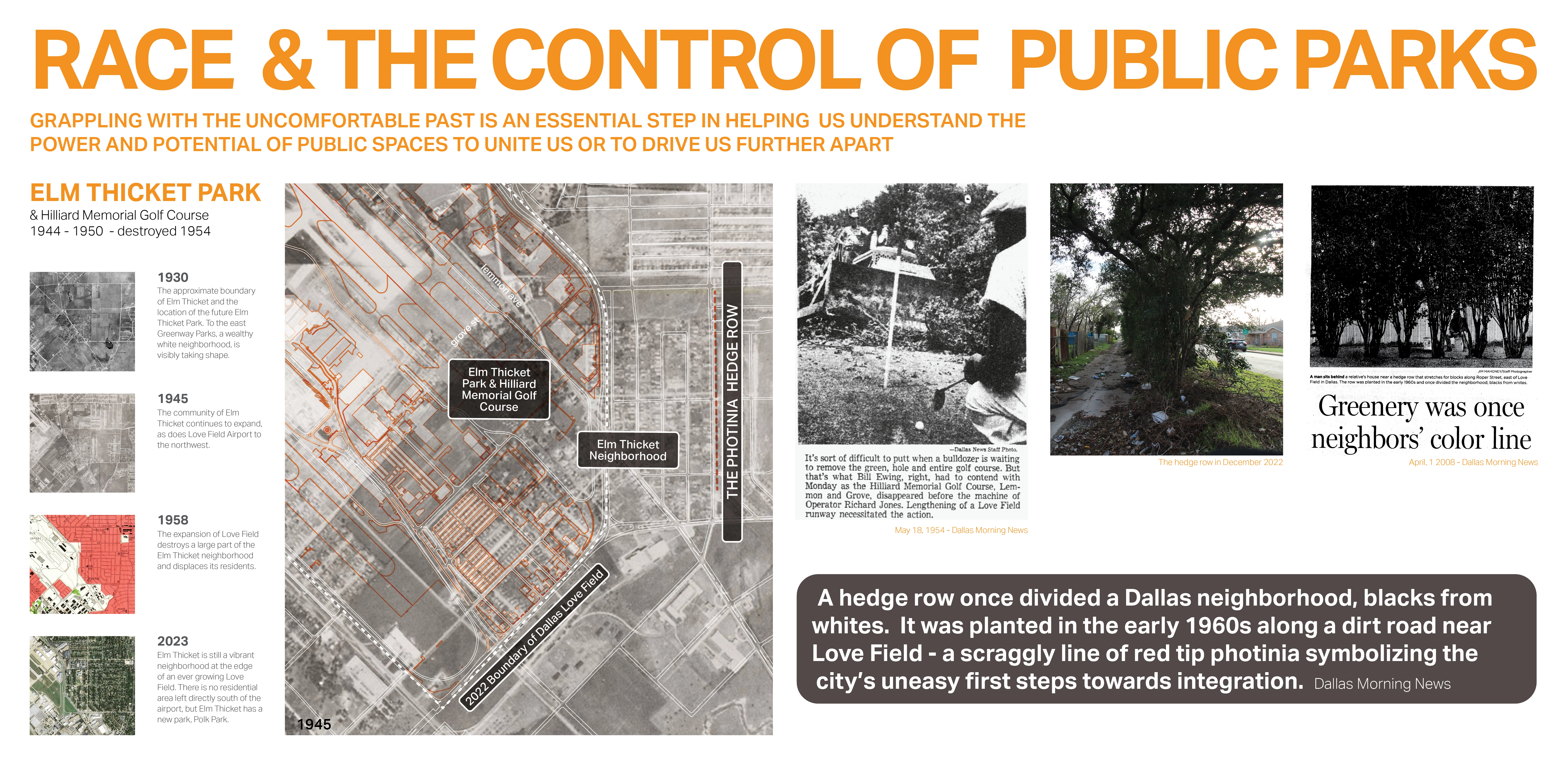
Race and the Control of Public Parks
This research uses a century long historical analysis of the public park system in Dallas, Texas, USA to uncover the physical and psychological ways in which public landscapes and the works of landscape architects have segregated urban spaces and how we might fight against these design practices. Through reframing past practice this work seeks to create a method for informing design thought and practices that seek to create a more just built environment.

Related Articles

Awards
ASLA 2026 Professional Awards: Early Bird Deadline Approaching January 9
Submit your best work by the January 9 Early Bird deadline to save. Get insider tips at the January 7 Professional Awards Webinar. Student and other professional deadlines follow in February.
Dec 16 2025