
.webp?language=en-US)

Rooted in Resiliency
Jordyn Kloss, Associate ASLA
Daniela Paez
Josh Pollastrini
Elijah Williams
Hailey Holder
Cheyenne Gebhart
Tara Tilstra
Johanna Roszhart
Grace Pollack
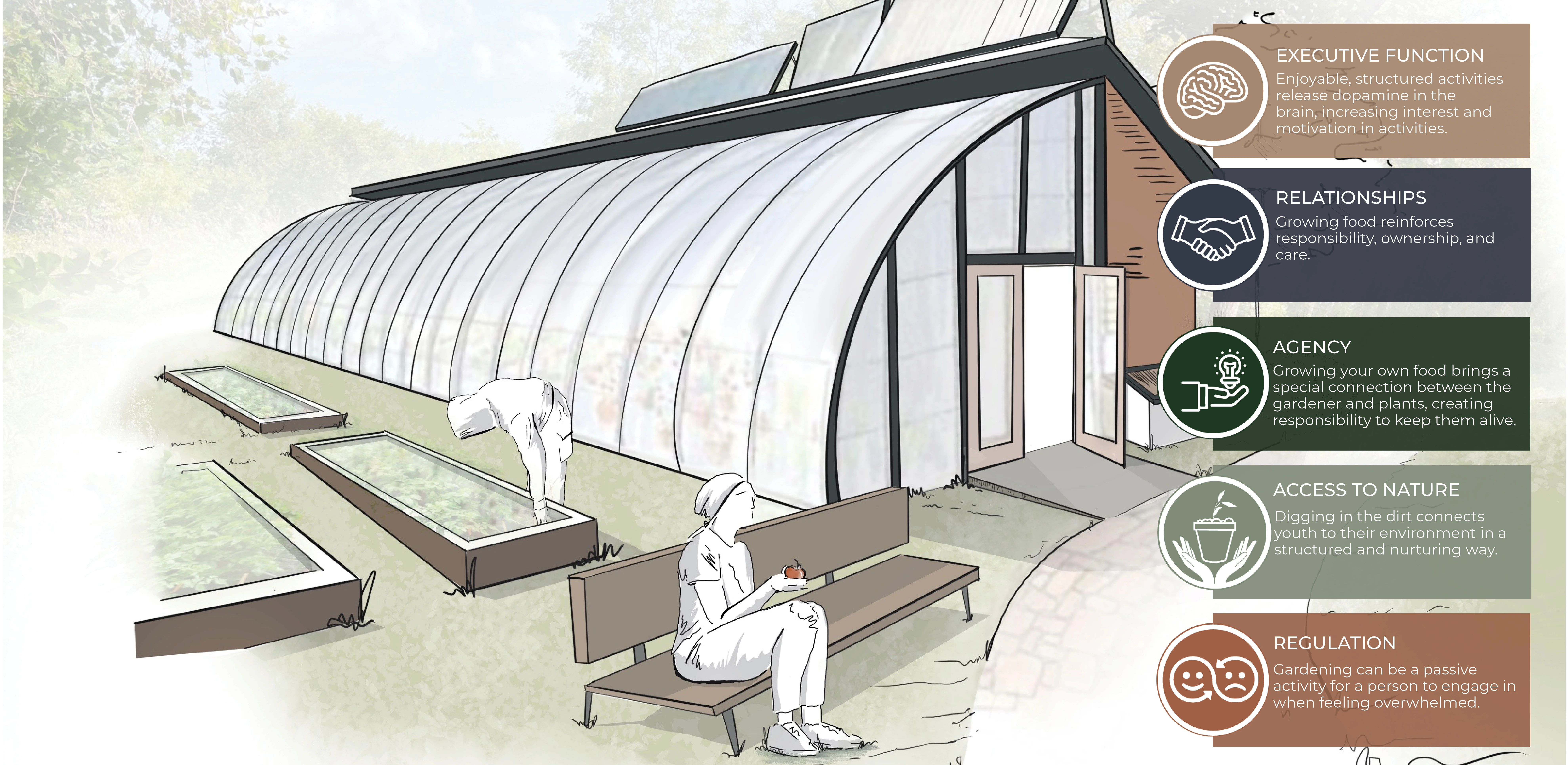
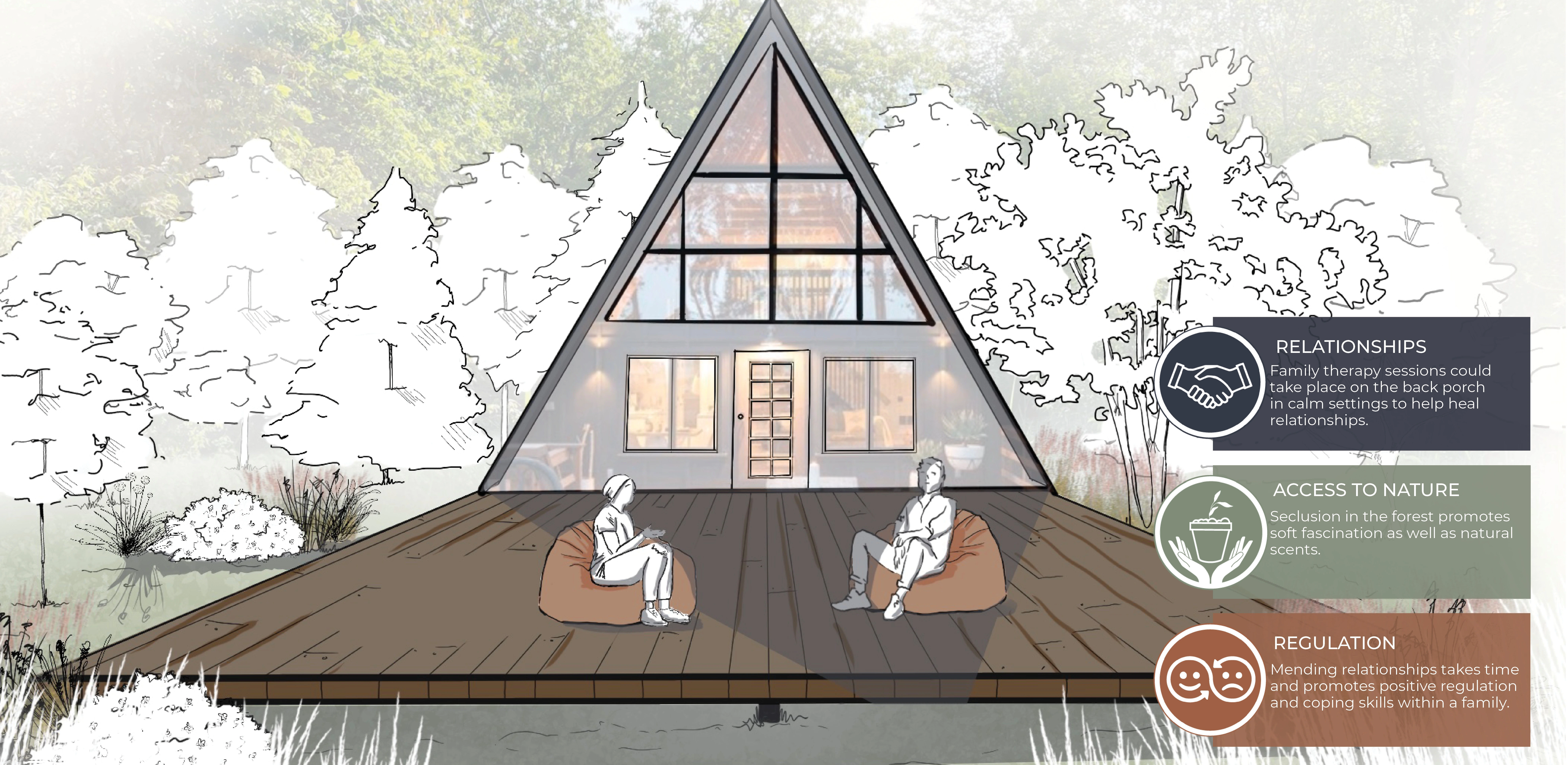
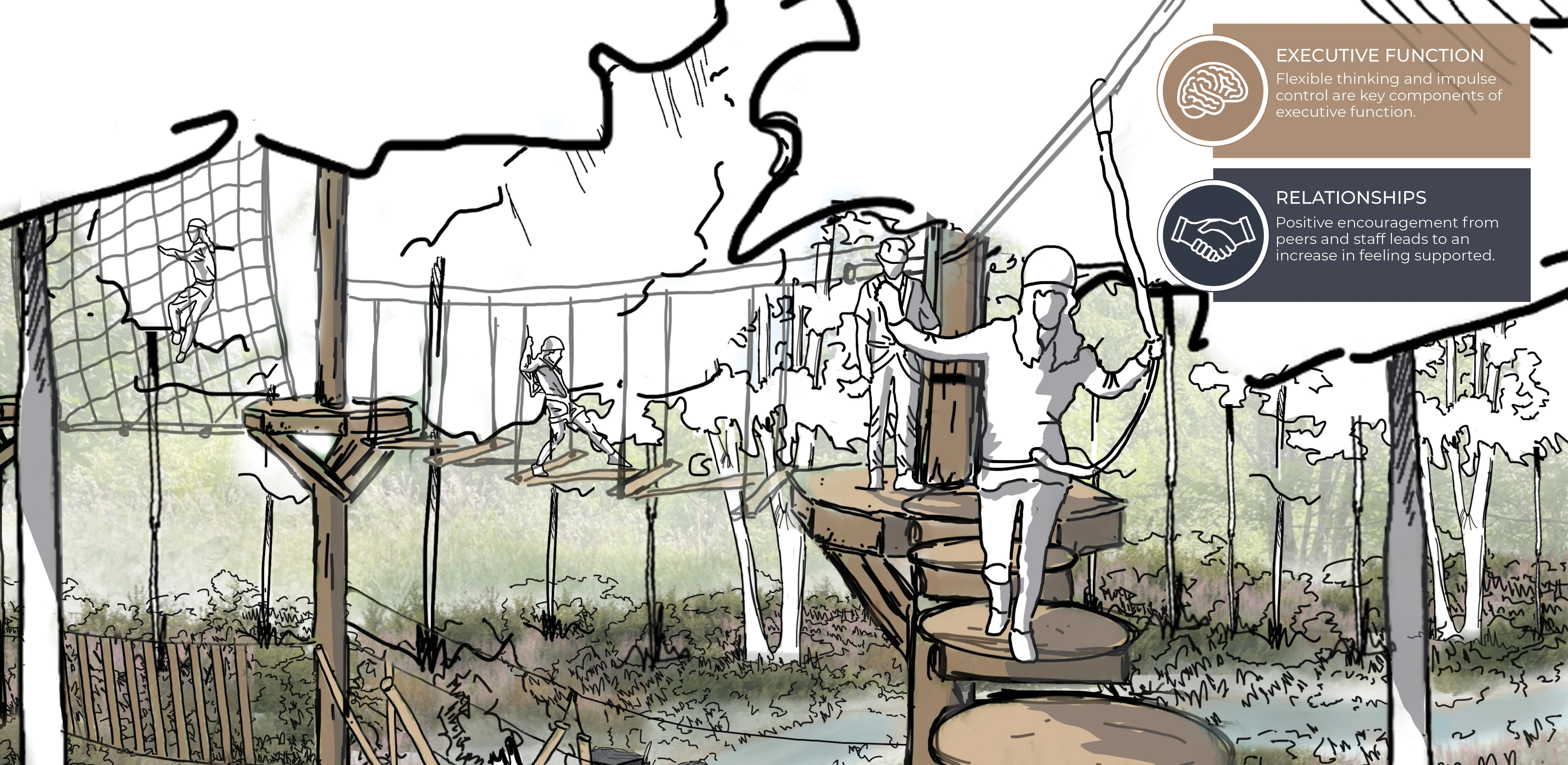
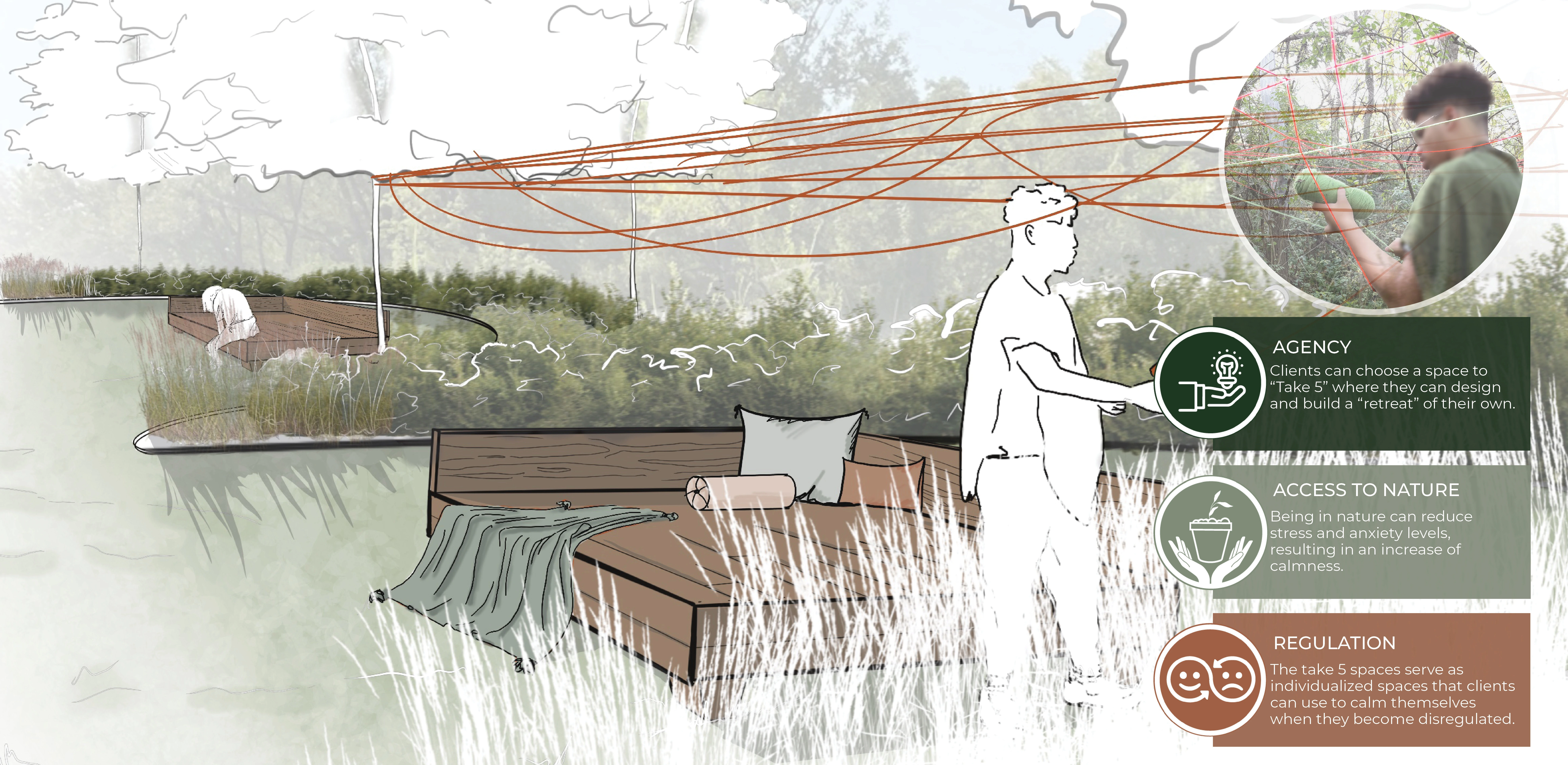
Using landscape architecture to help people heal from trauma is an exceptional ability we have the ability to do. A well-researched, communicated, thoughtful, compassionate and understanding project. This project daylights the often-overlooked issue of youth homelessness and uses the power of the landscape to create emotional connections, provide a sense of safety and security, and build community. The student team immersed themselves fully, which lent a feeling of authenticity and genuine care to the design approach.
Awards Jury
-
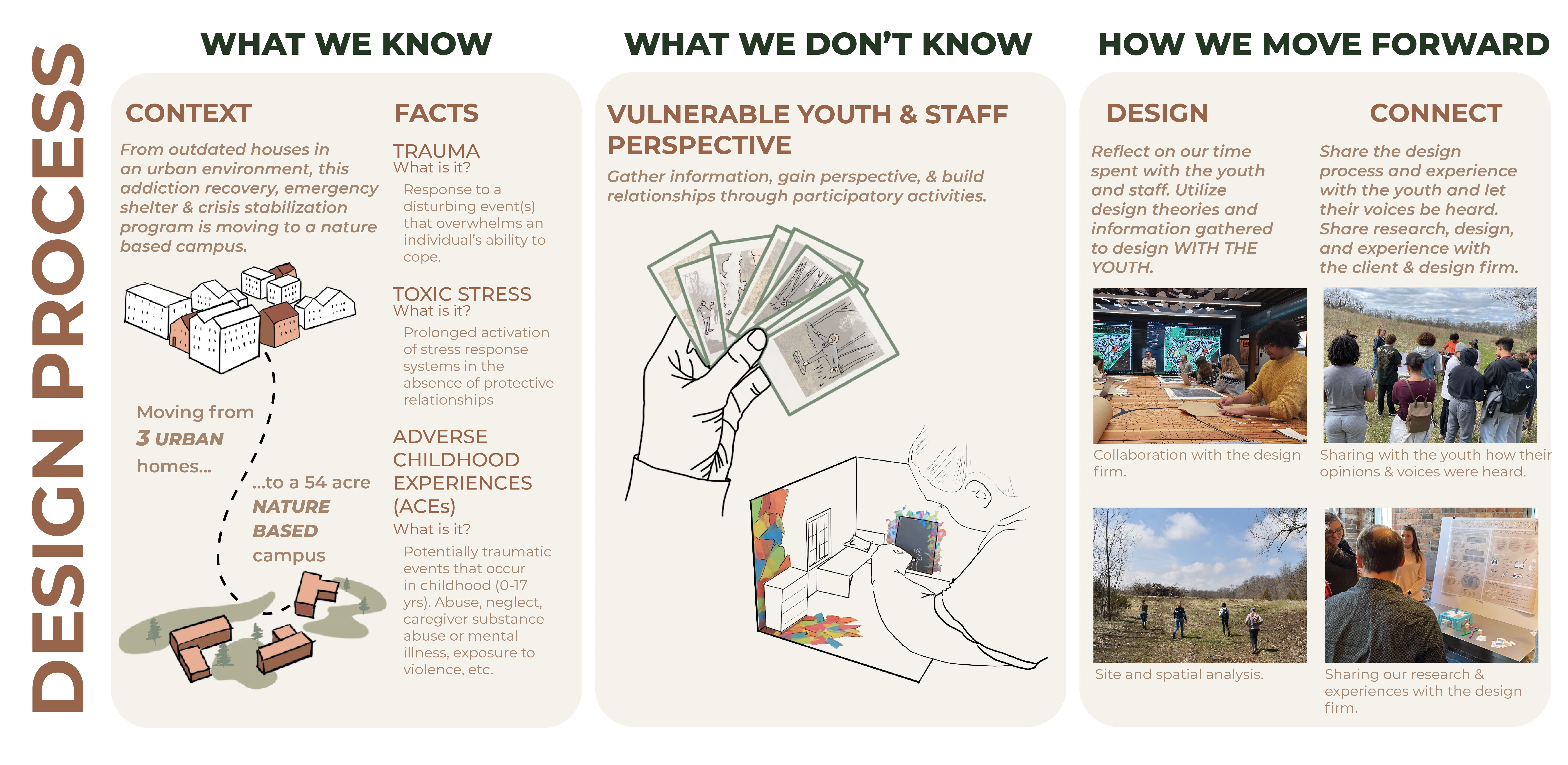
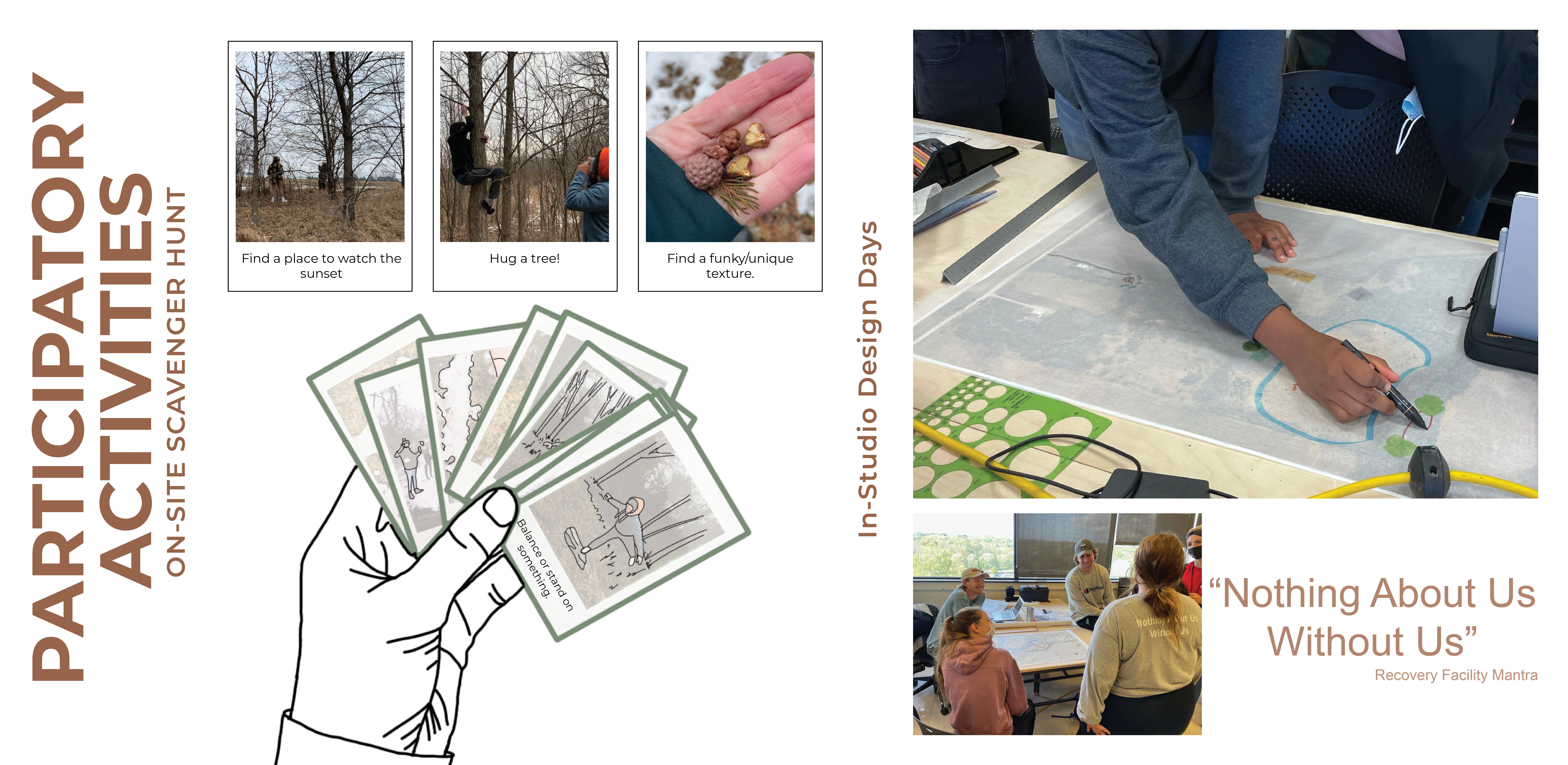
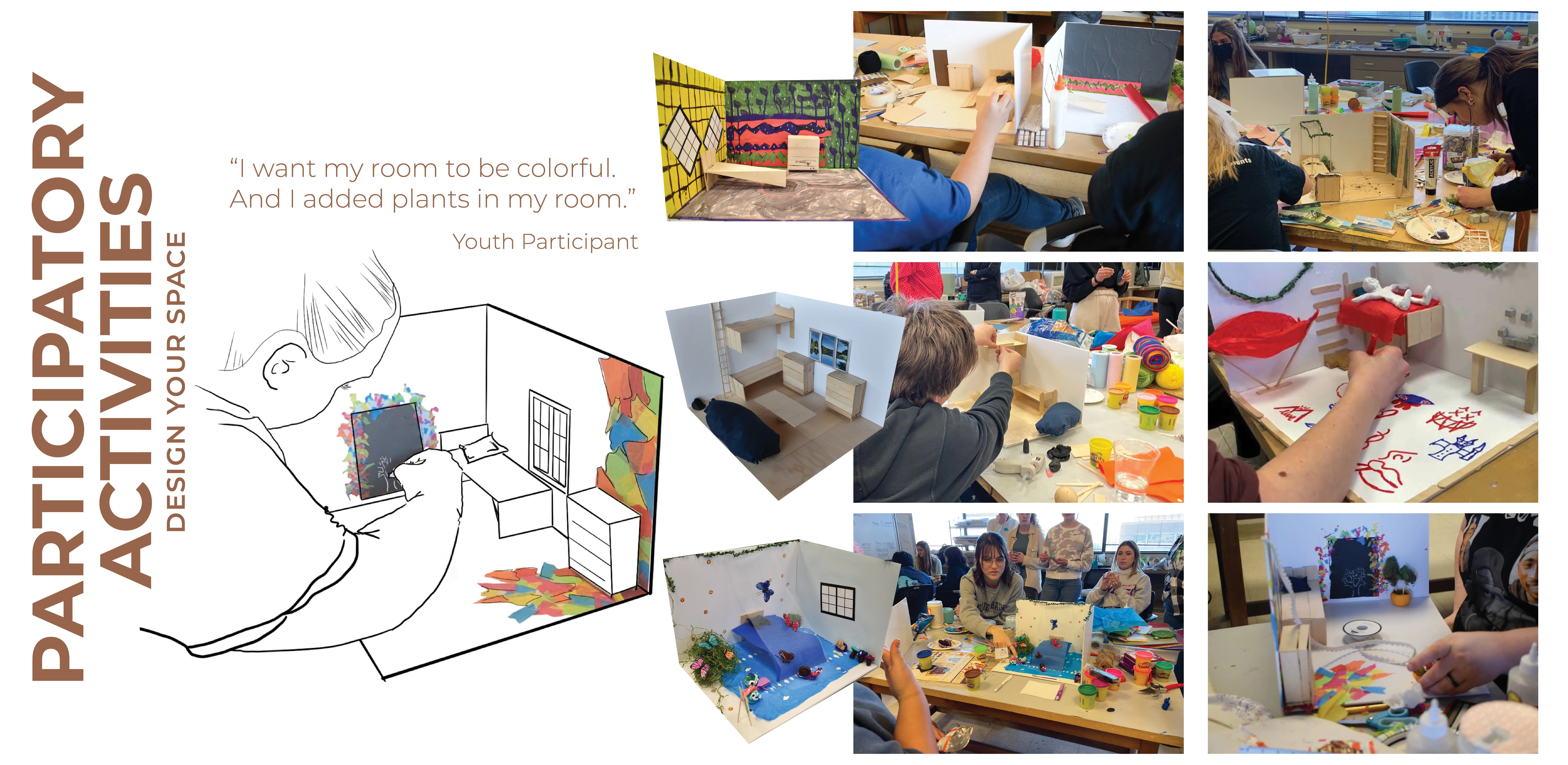
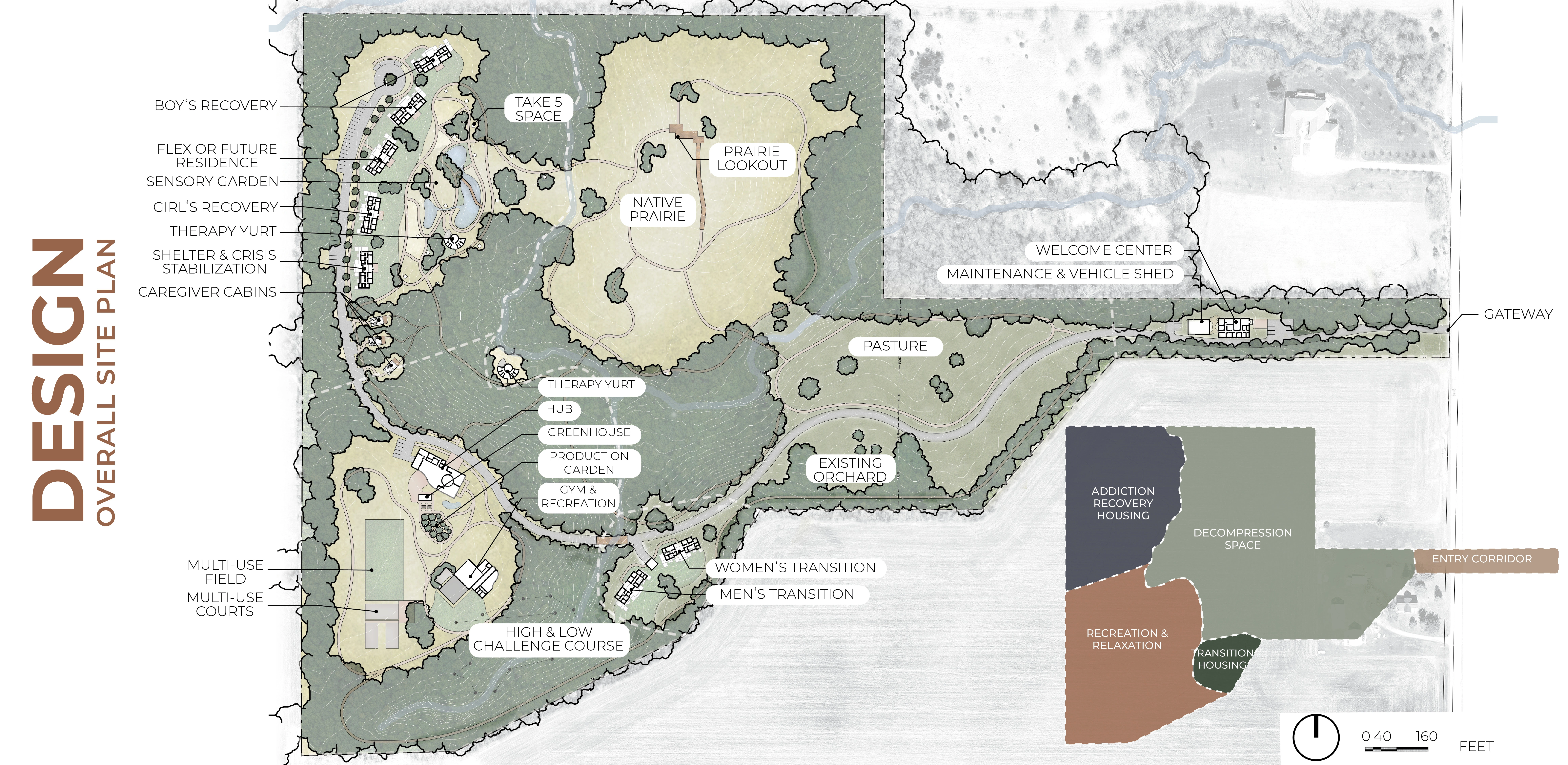
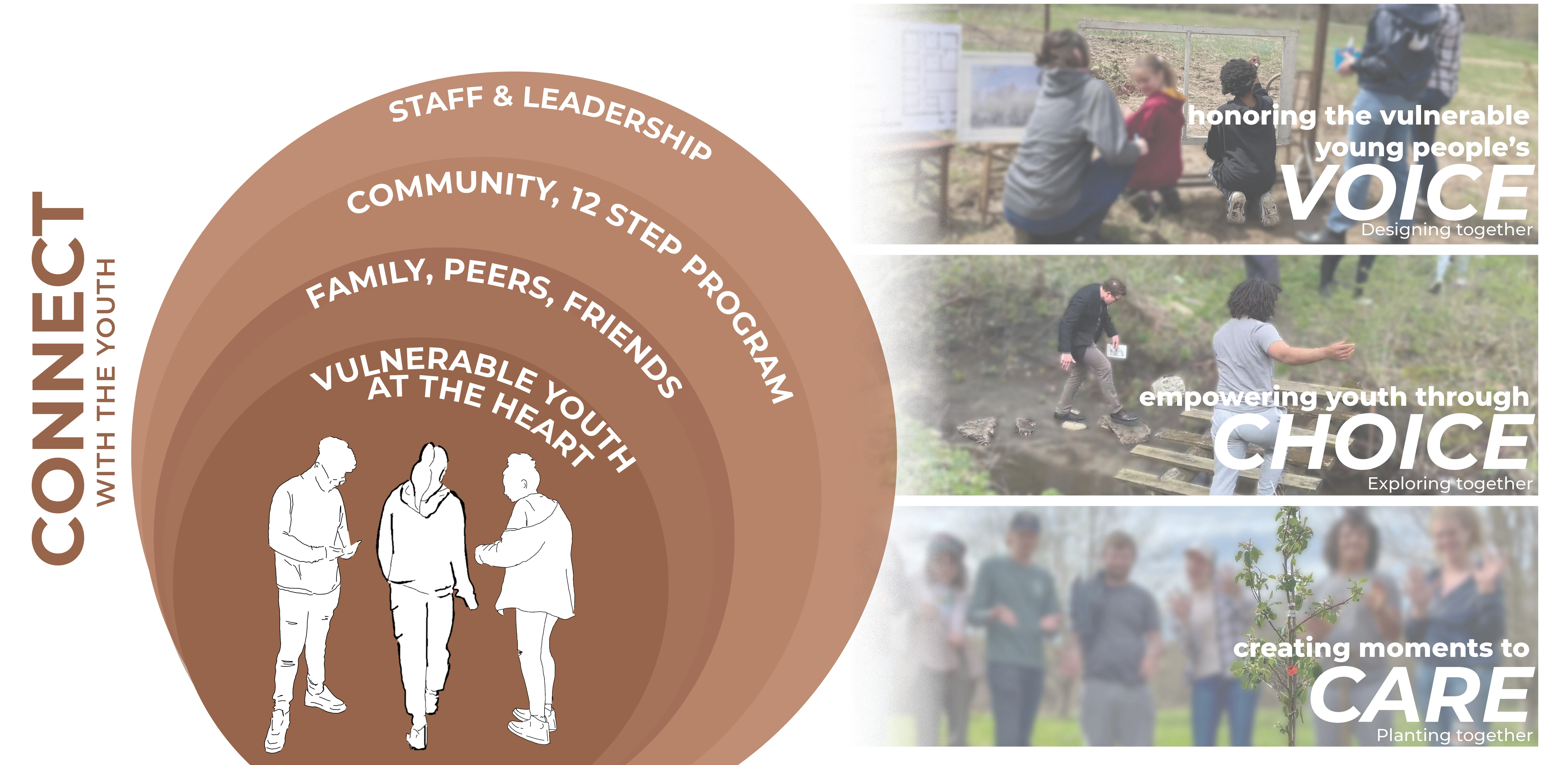
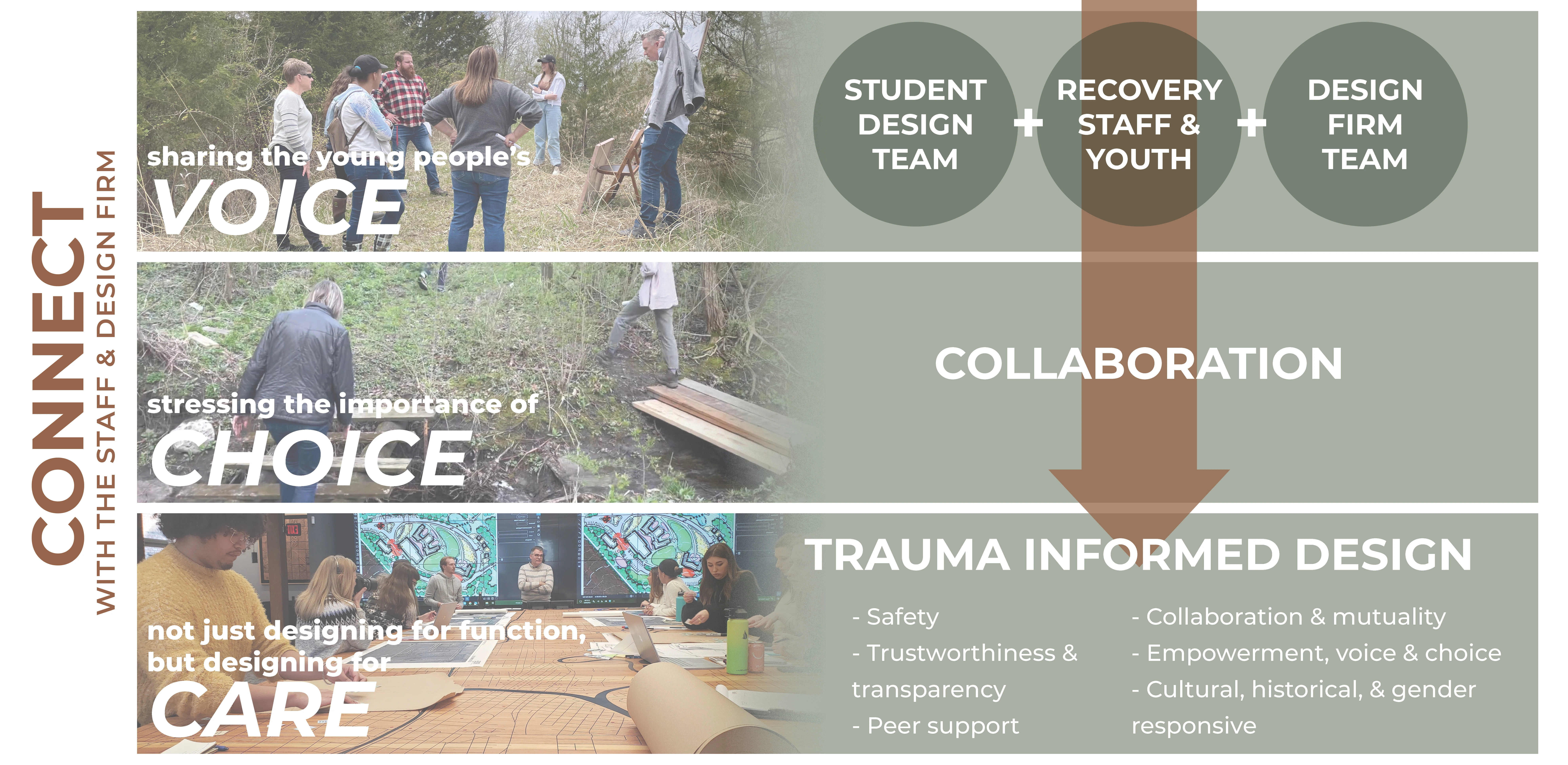
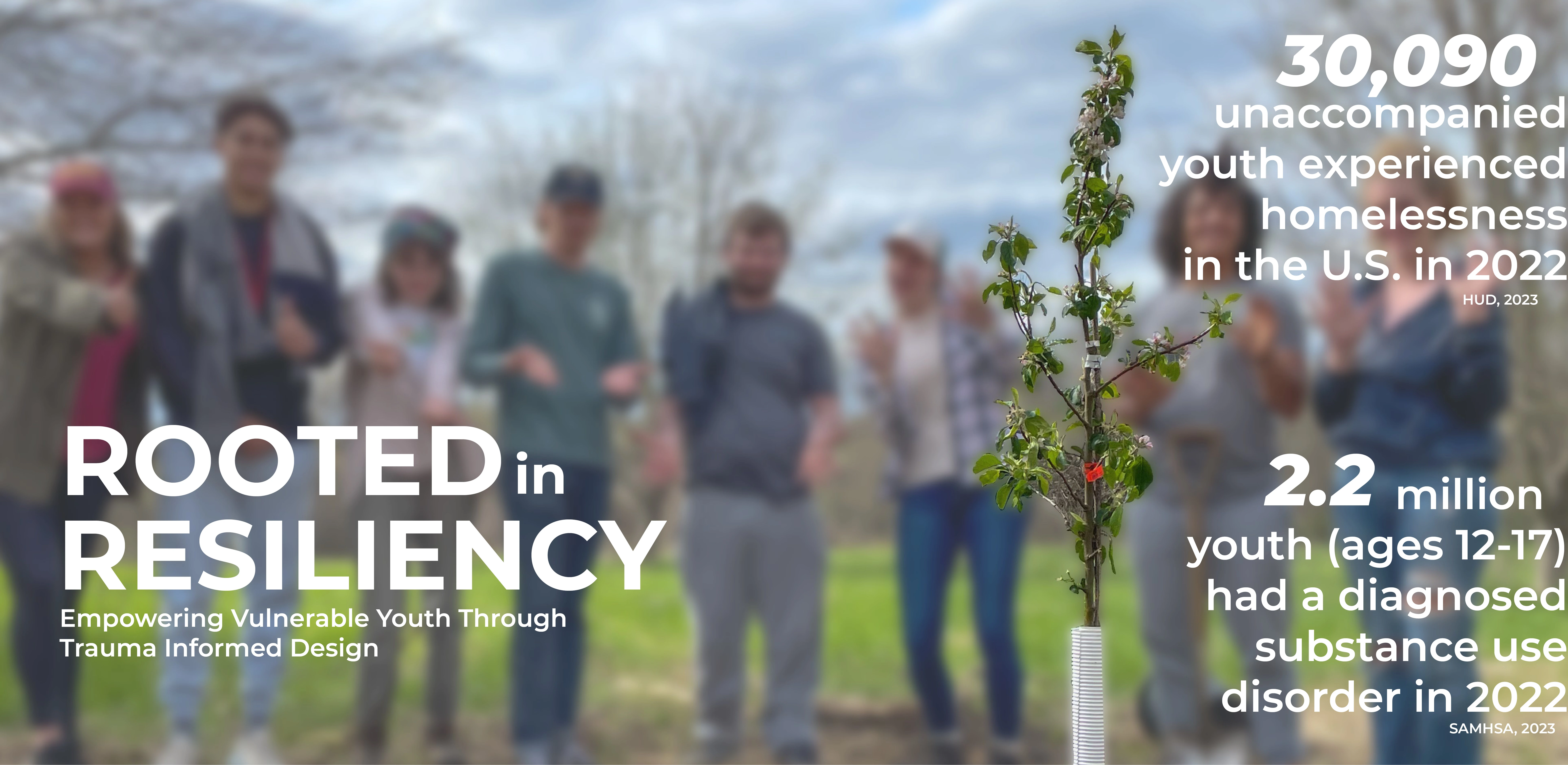
Relationships are the heart of this collaborative project. Relationships built between our team of interdisciplinary design students and a group of youth residing at a treatment services agency, most of whom have been dealt an unfair hand of risk factors leading to trauma, addiction, and/or homelessness. Our challenge was to design a new trauma-informed 54-acre recovery campus. Design solutions were created through a robust process involving evidence-based research, participatory design, and transformational design with, not for, youth. This experience was at once challenging and meaningful, and at times uncomfortable.
-
Much of our semester was dedicated to the evidence-based research and participatory design phases. As upper-level design students, we had acquired a toolbox of skills and knowledge but most of us had never worked with a real client or community, much less a group of vulnerable youth. Our process was broken up into three main components: evidence-based research, participatory design, and transformational design with youth.
Evidence-Based Research required gathering knowledge from disciplines outside of design such as human development and psychology. We needed to understand the causes and effects of trauma. Trauma is the emotional and physical response to negative events. Adverse Childhood Experiences (ACEs) are traumatic events that happen between 0-17 years of age. Adverse Community Environments builds upon the original ACE’s study to address adversity within six different community and systemic areas including exposure to poverty, discrimination, and exposure to violence. Given the number of youth who suffer with mental health, substance use, or homelessness, and who may reside in shelters or recovery, it is important to develop trauma-informed design.
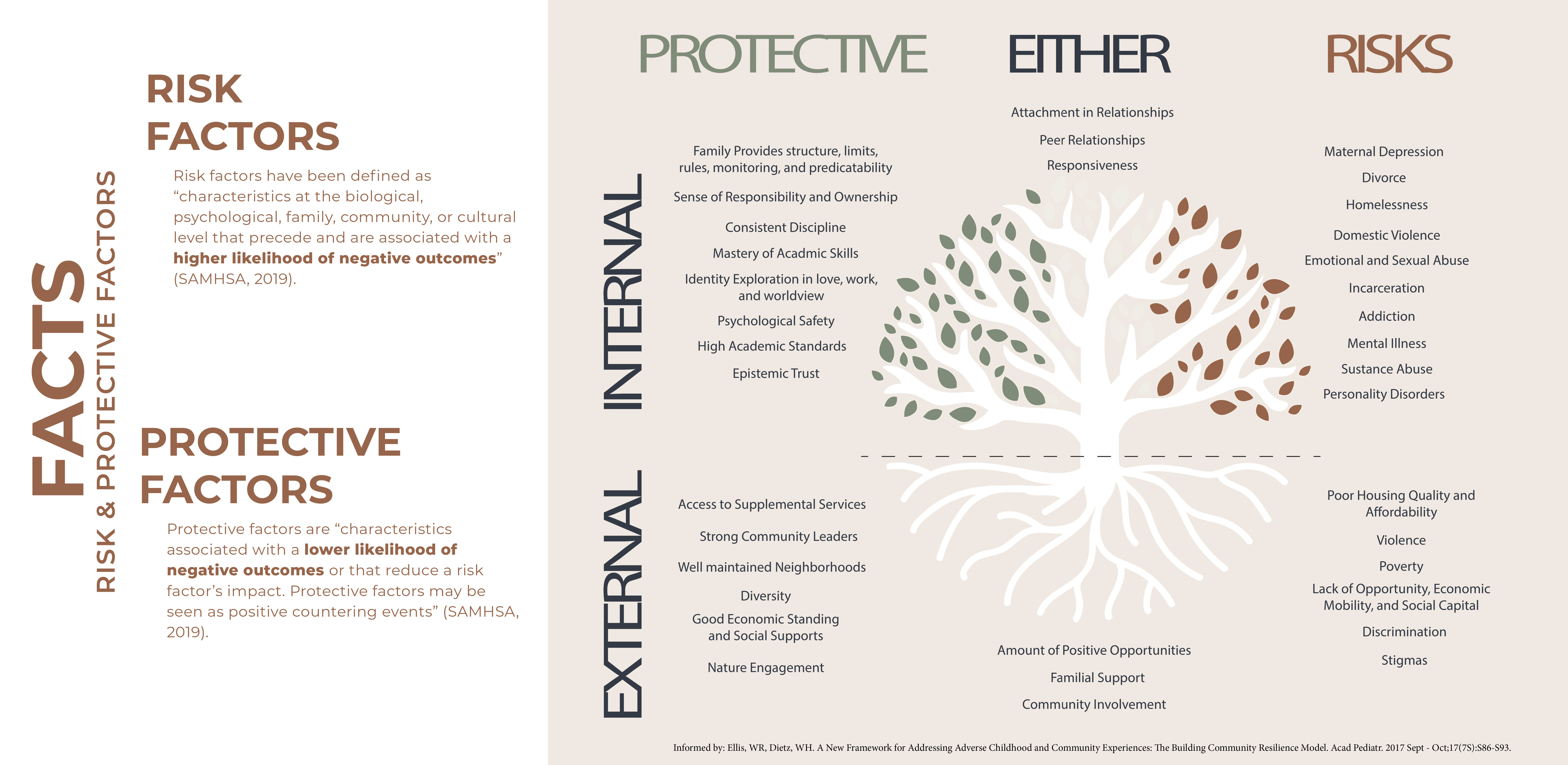
We studied trauma, toxic stress, and risk and protective factor research. Protective factors are characteristics associated with a lower likelihood of negative outcomes or that reduce a risk factor’s impact. Protective factors may be seen as positive countering events. Some protective factors are important at every stage of life. For example, base protective factors are what every human needs to maintain optimal health. These include sleep, exercise, good nutrition, mindfulness, mental/emotional health, healthy relationships, fair/appropriate income, safe/stable housing, and access to education. Other protective factors are important for greater health and healing such as following (and during) trauma, and recovery.
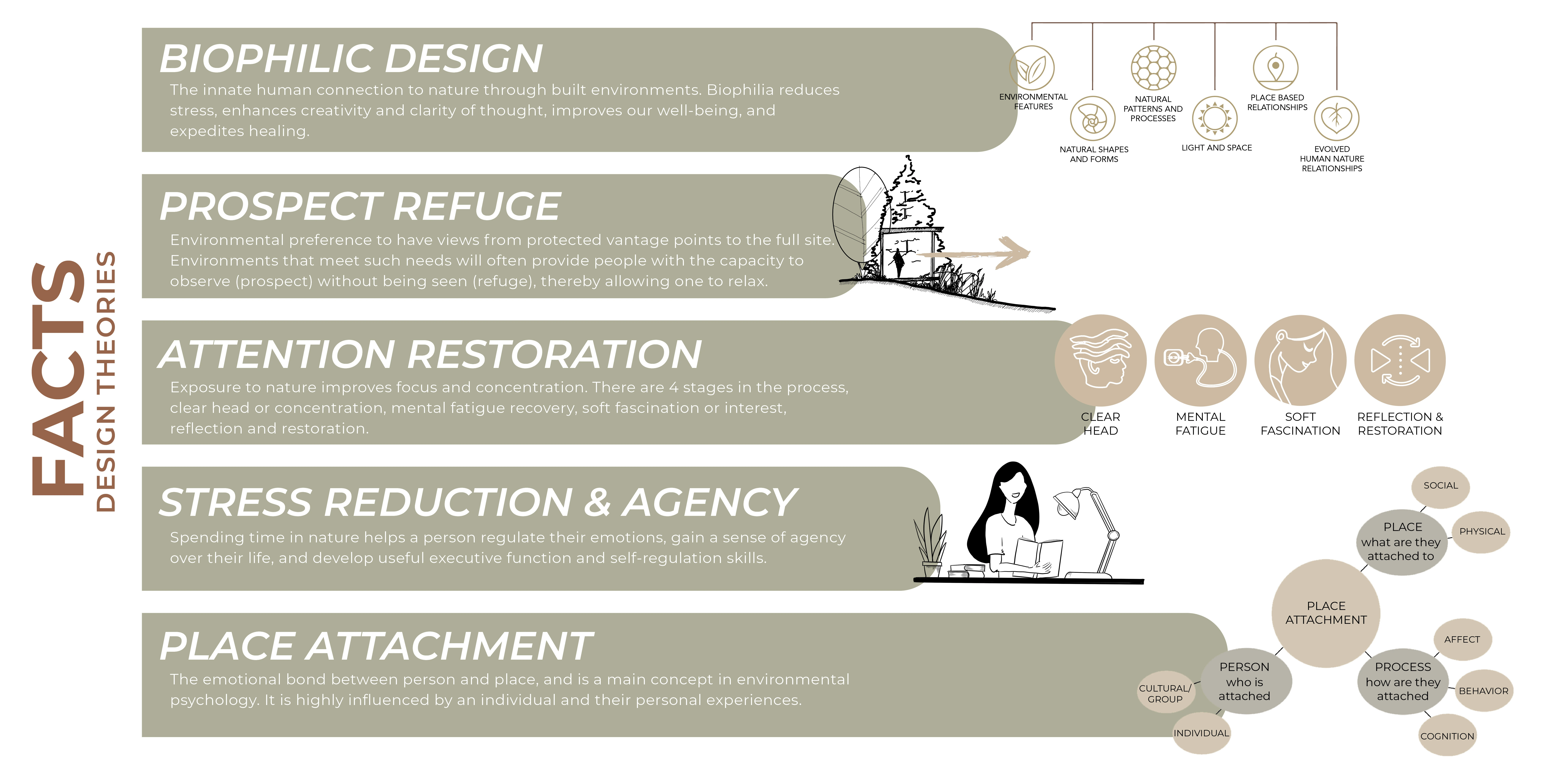
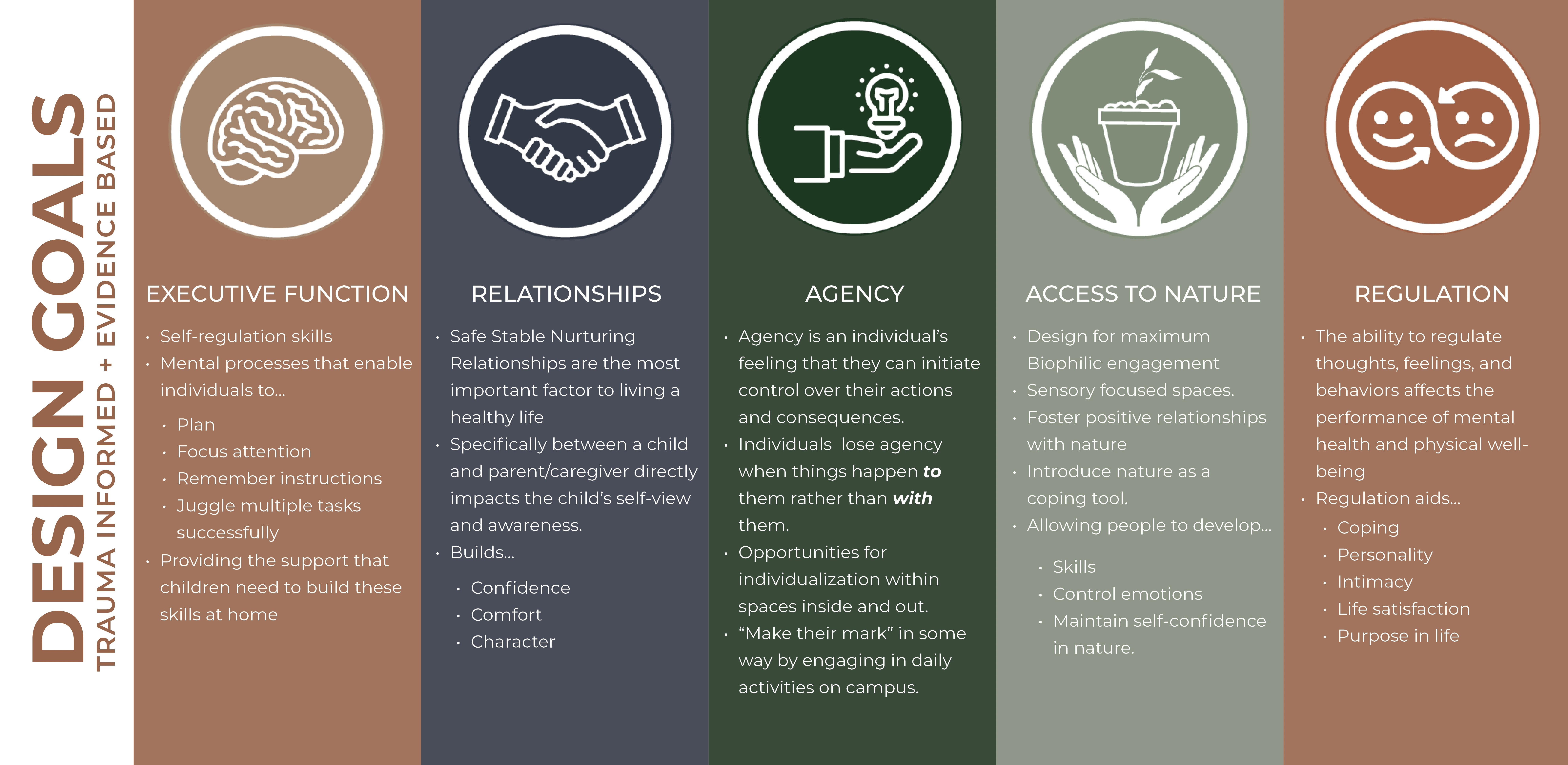
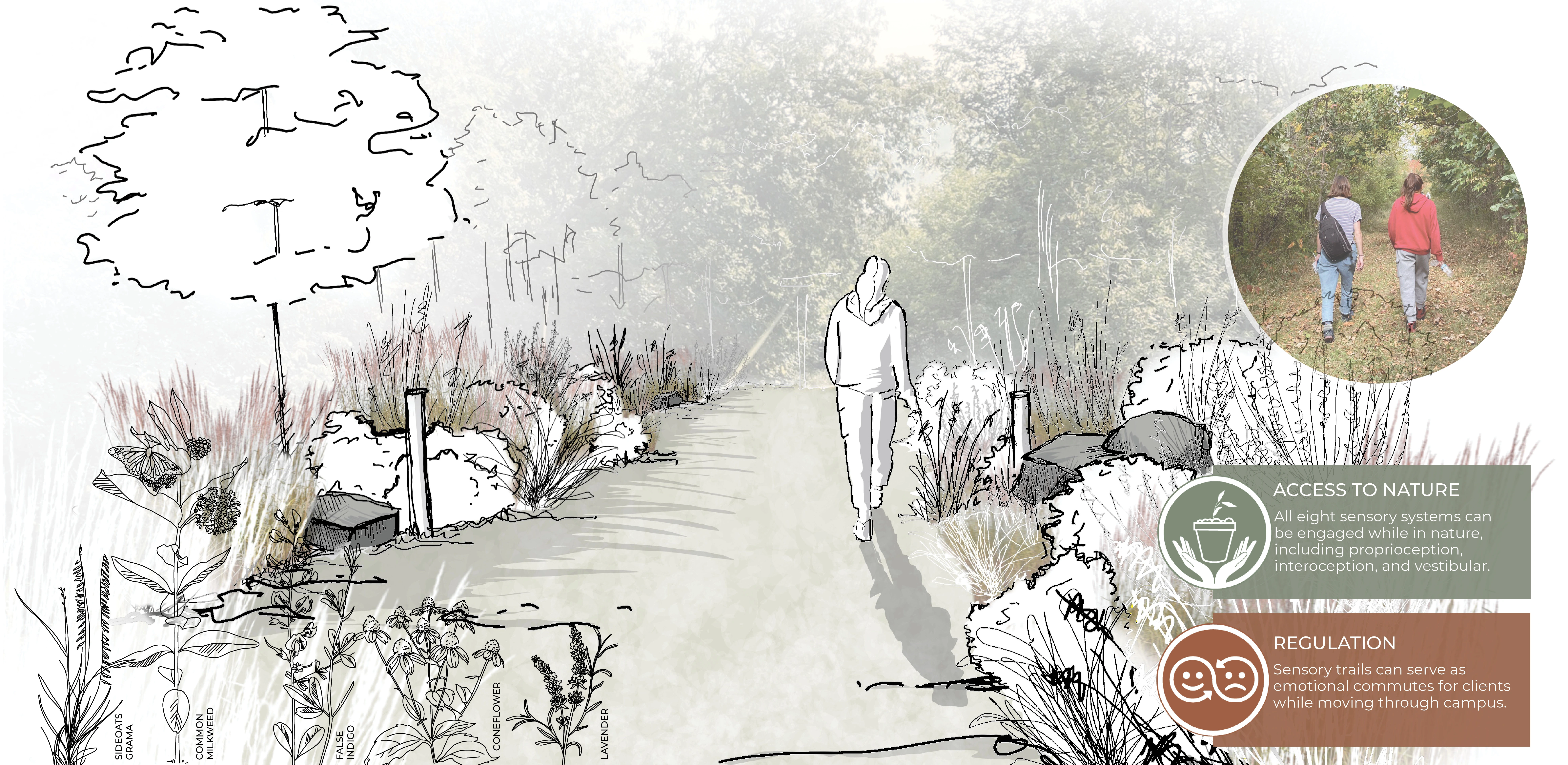
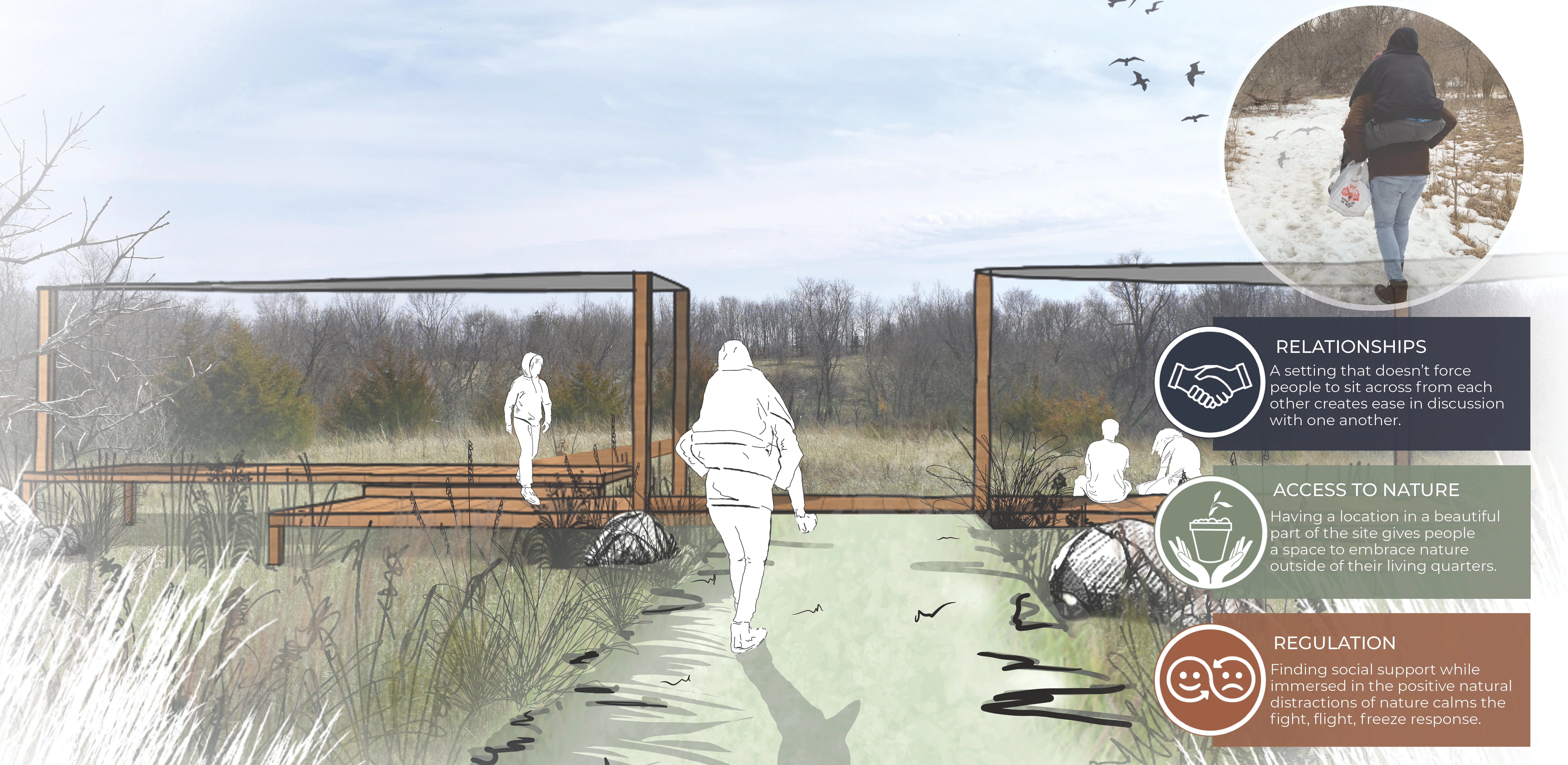
Utilizing our trauma informed design process as well as our evidence-based research and most importantly from getting to know youth throughout the project, clearly relationships, community, and a sense of belonging were key to their success. With this we landed on five critical protective factors, which will foster the environment for youth to truly succeed. They include: Executive Function seeks the continued growth of the mind and functioning which can be hampered or changed by traumatic events. Agency speaks to the ability to make decisions and understand the consequences. Access to Nature is grounded in the biophilia principle, or the love of life and living things, among others. Regulations is centered around the ways in which we regulate our mood or state of being, often going through traumatic events can result in dysregulation. This understanding of the impact of trauma on the mind and body, inspired the design solutions as seen in the graphics. For example, family visits are often a stressful time for youth therefore, we designed the family cabins where they can stay on site for a night or longer to build and strengthen relations.
Designers have an important role in this effort to eliminate ACEs and increase resiliency which starts with understanding that trauma is rooted in systemic issues that lead to intergenerational adversities. The next step is to commit to designing and planning safe, healthy, well-resourced environments so that individuals, families, and communities have the capacity to overcome trauma and build resiliency together.
-
- Indian Grass
- False Indigo
- Feather Reed Grass
- Rattlesnake Master
- Pigsqueak
- Burning Bush
- Hardy Pampas Grass
- Hibiscus
- Zebra Grass
- Black Eyed Susan
- Moss Phlox
- Fountain Grass
- Northern Sea Oats
- Coneflower
- Lambs Ear
- Milkweed
- Side Oats Grama
- Common Lilac
- Black Snakeroot
- Dwarf Korean Lilac
- Bee Balm
- Lavender
- Korean Spice Viburnum
- Russian Sage
- Katsura Tree
- Maiden Grass
- Paperbark Maple
- Quaking Aspen
Related Awards
Award of Excellence, Student Community Service
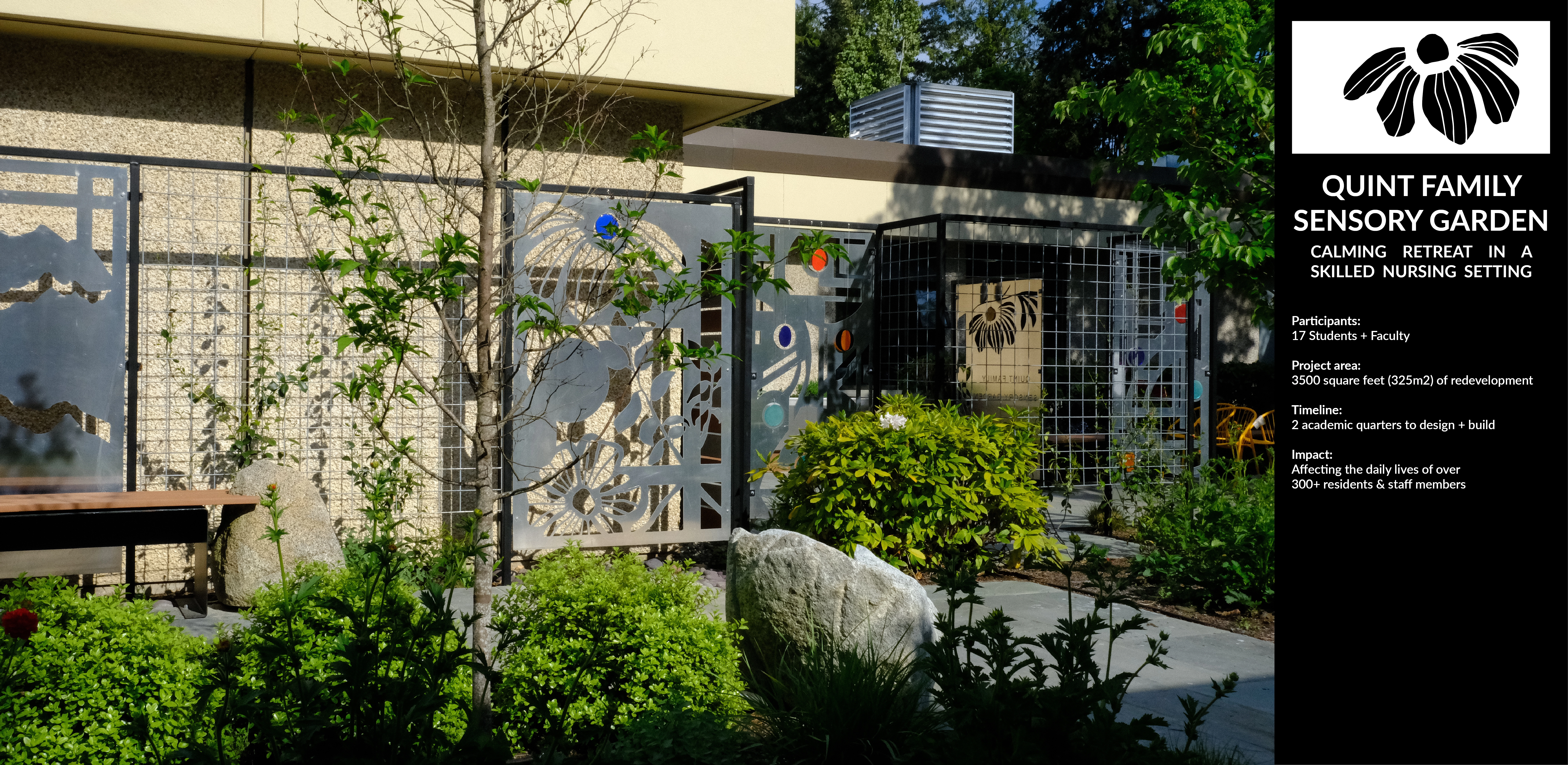
Stimulating the Senses, A calming Retreat in a Skilled Nursing Setting
Those living in skilled nursing facilities run the risk of becoming isolated, depressed, loosing self-esteem and in some cases identity. In addition, this is often the winding down of life for the residents and a challenging and complicated experience for many. Despite these common attributes the experience does not have to be this way but can instead be a celebration of life. When designed properly the garden can be a place of appropriate stimulation, participation, community building, and reconnection to the sacredness and benefits of nature. This responsive garden was informed through a participatory process involving staff and residents and offers two “rooms” for each group and places of shared experience and mutual support.