

.webp?language=en-US)
.webp?language=en-US)
Advertisement
2021 ASLA Professional Awards
Explore:
General Design Category
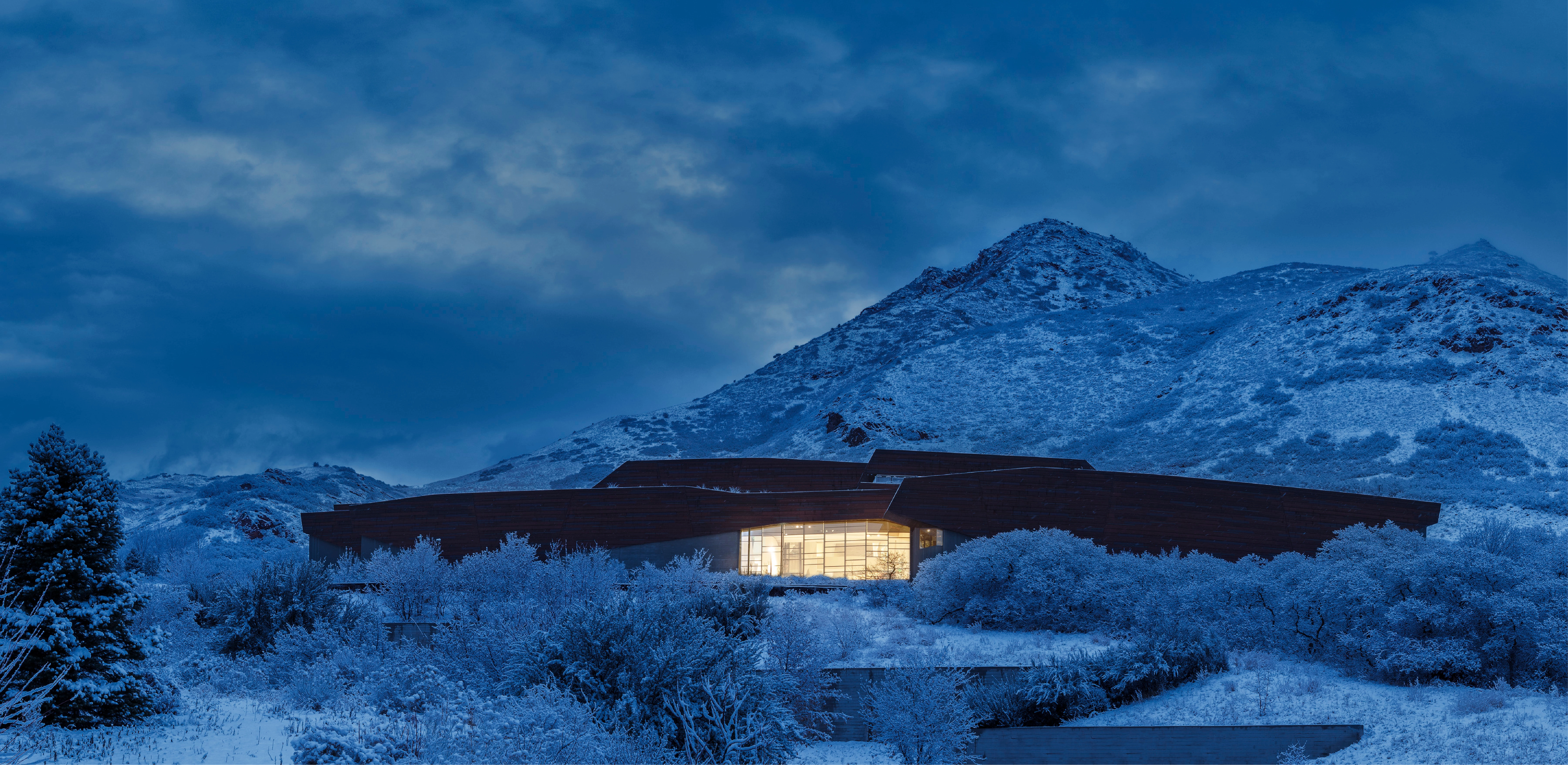
Natural History Museum of Utah: A Museum without Walls
The Natural History Museum of Utah provides an introduction to a remarkable landscape, and celebrates unique paleontological discoveries, unusual gems and minerals, preserved prehistoric artifacts, and stories told by contemporary native people. Bridging of divide of nature and culture, the Museum offers an abstract extension and transformation of the land: its campus an expression of a landscape defined by rock, minerals, and vegetation.
Prompted by increased collections and research initiatives, the museum embarked upon a campaign to build a landmark of contemporary architecture, land stewardship, and exhibit communication that would resonate with 21st-century visitors. In collaboration with the architect, the Landscape Architect designed a campus that embodies the museum’s mission to highlight the natural world through scientific inquiry, educational outreach, multi-cultural experience, and human engagement. Digital terrain modeling, utilized to make the steep terrain accessible for all users, blurs the line between intervention and conservation. Sustainable design elements including rainwater recapture, permeable surfaces, and native plantings resulted in a landscape that mimics and restores the natural conditions of the environment and the site.
General Design
Honor Awards
Atlanta Dairies
Auckland International Airport
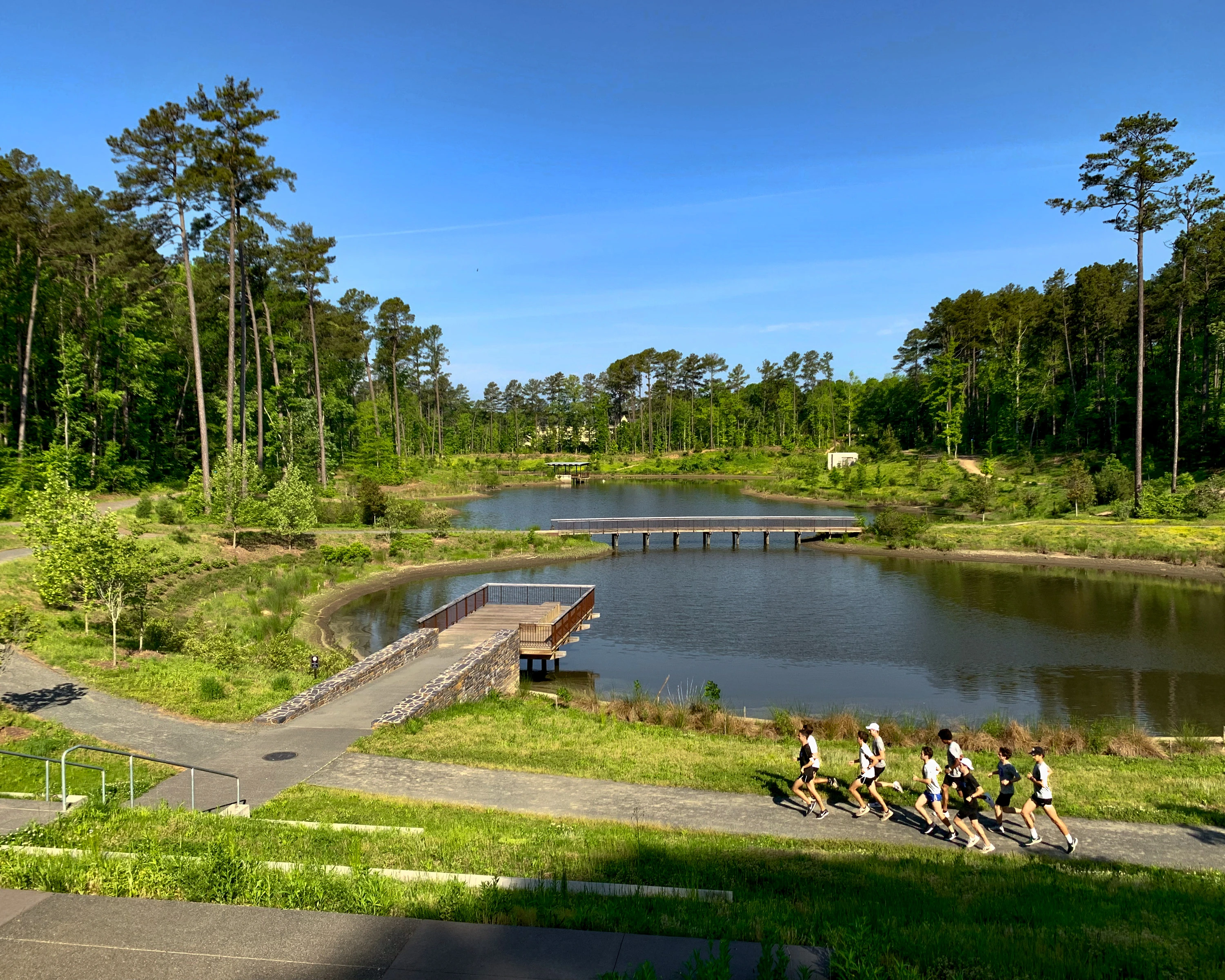
Duke University Water Reclamation Pond
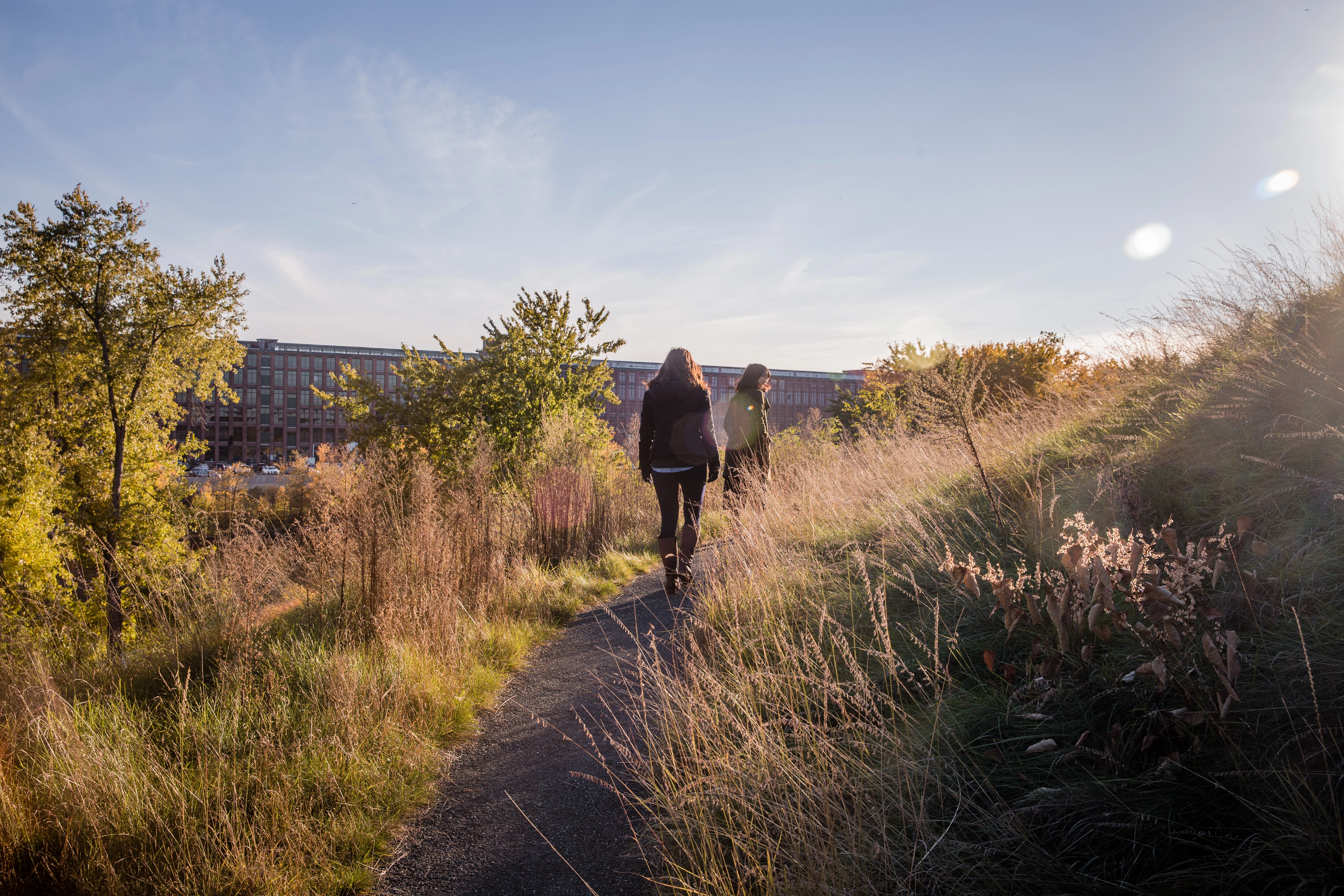
Ferrous Foundry Park
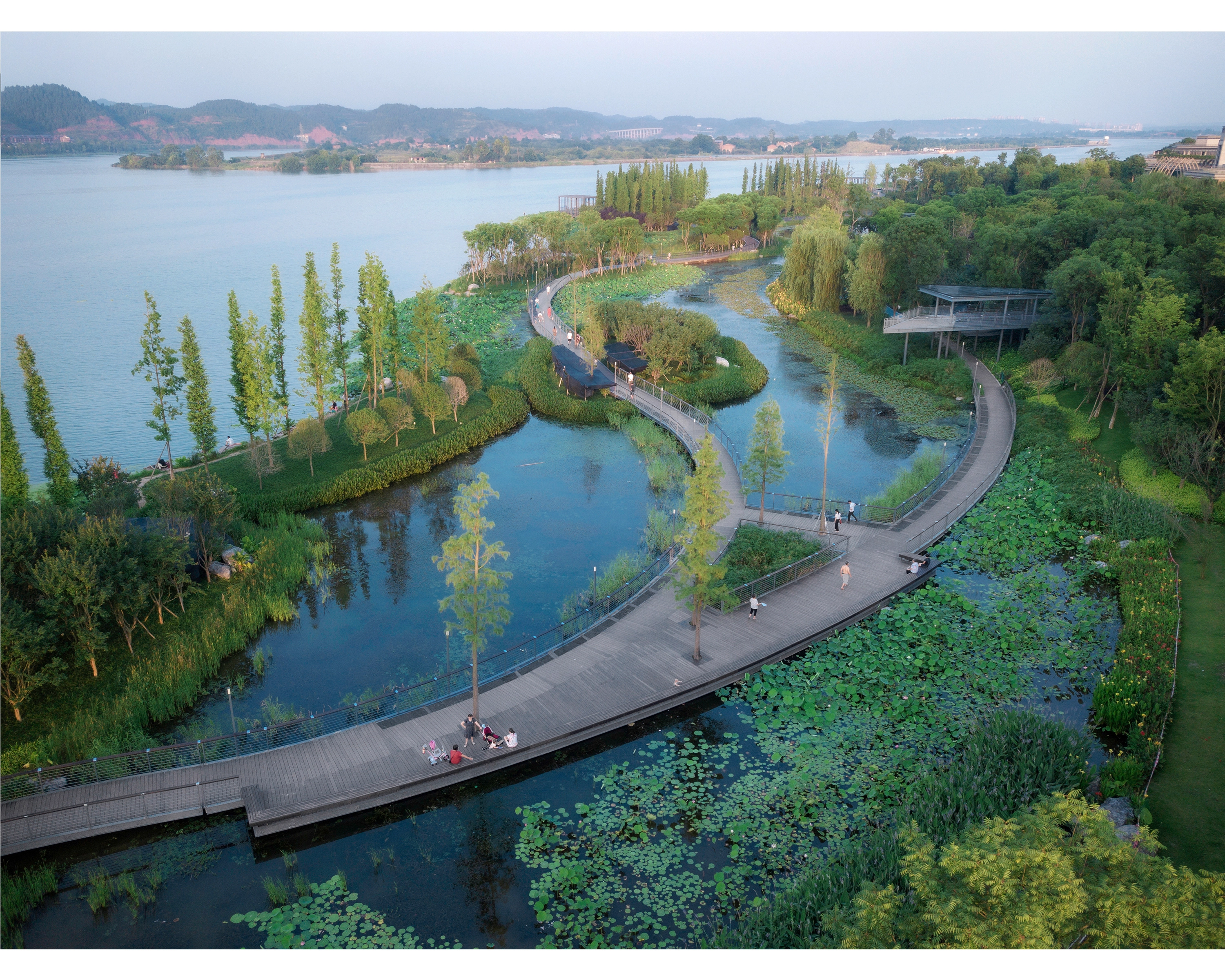
From a Concrete Bulkhead Riverbank to a Vibrant Shoreline Park—Suining South Riverfront Park
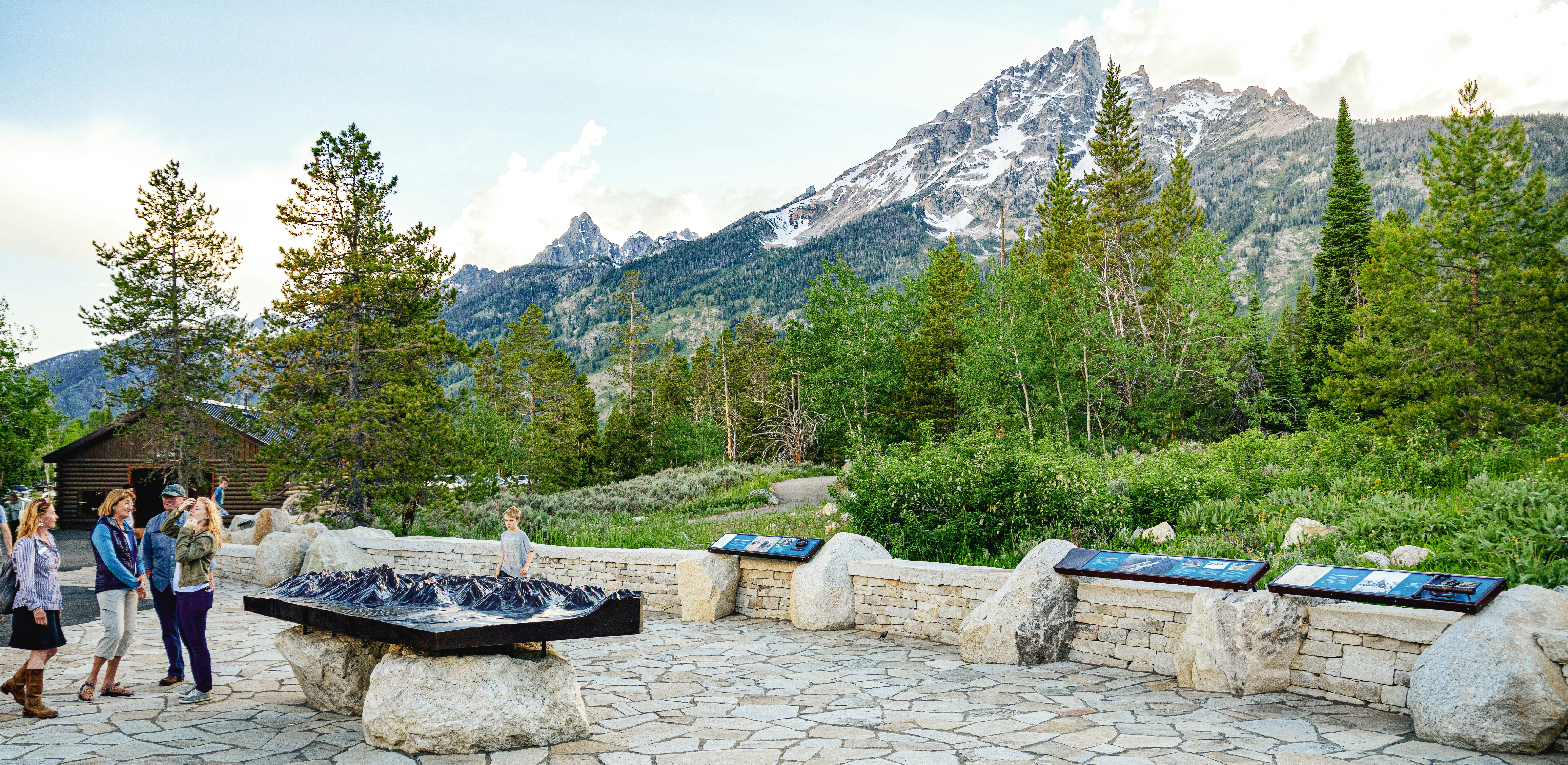
Inspiring Journeys For All
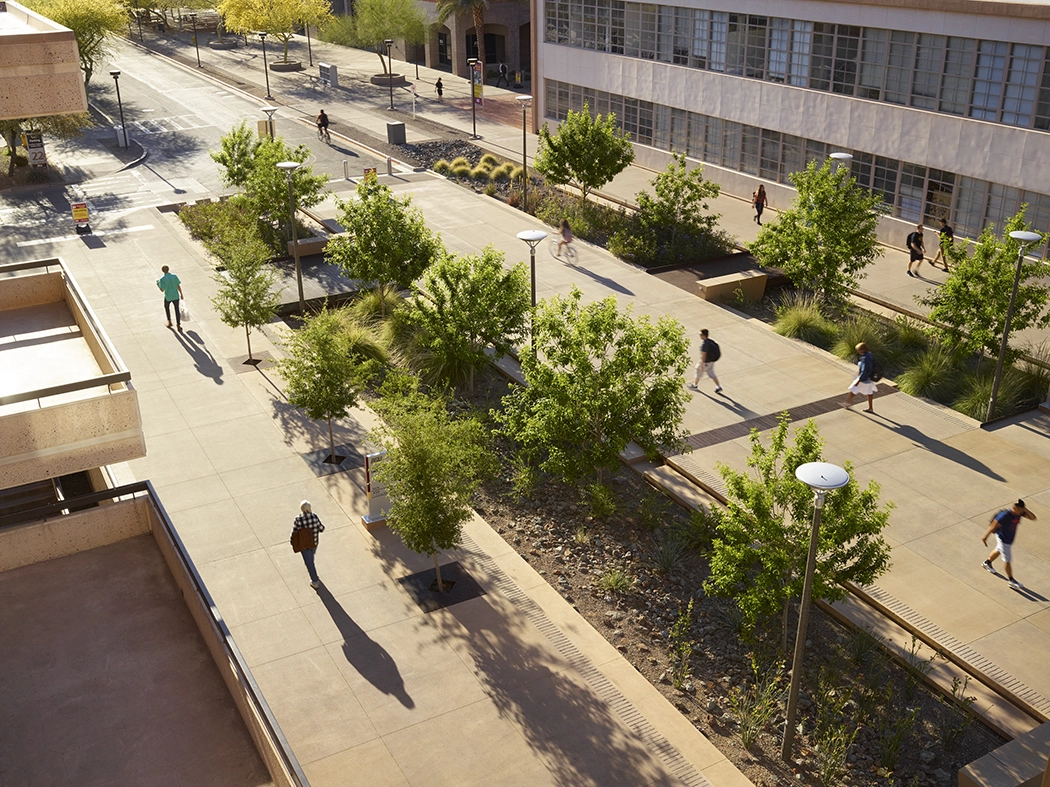
Orange Mall Green Infrastructure
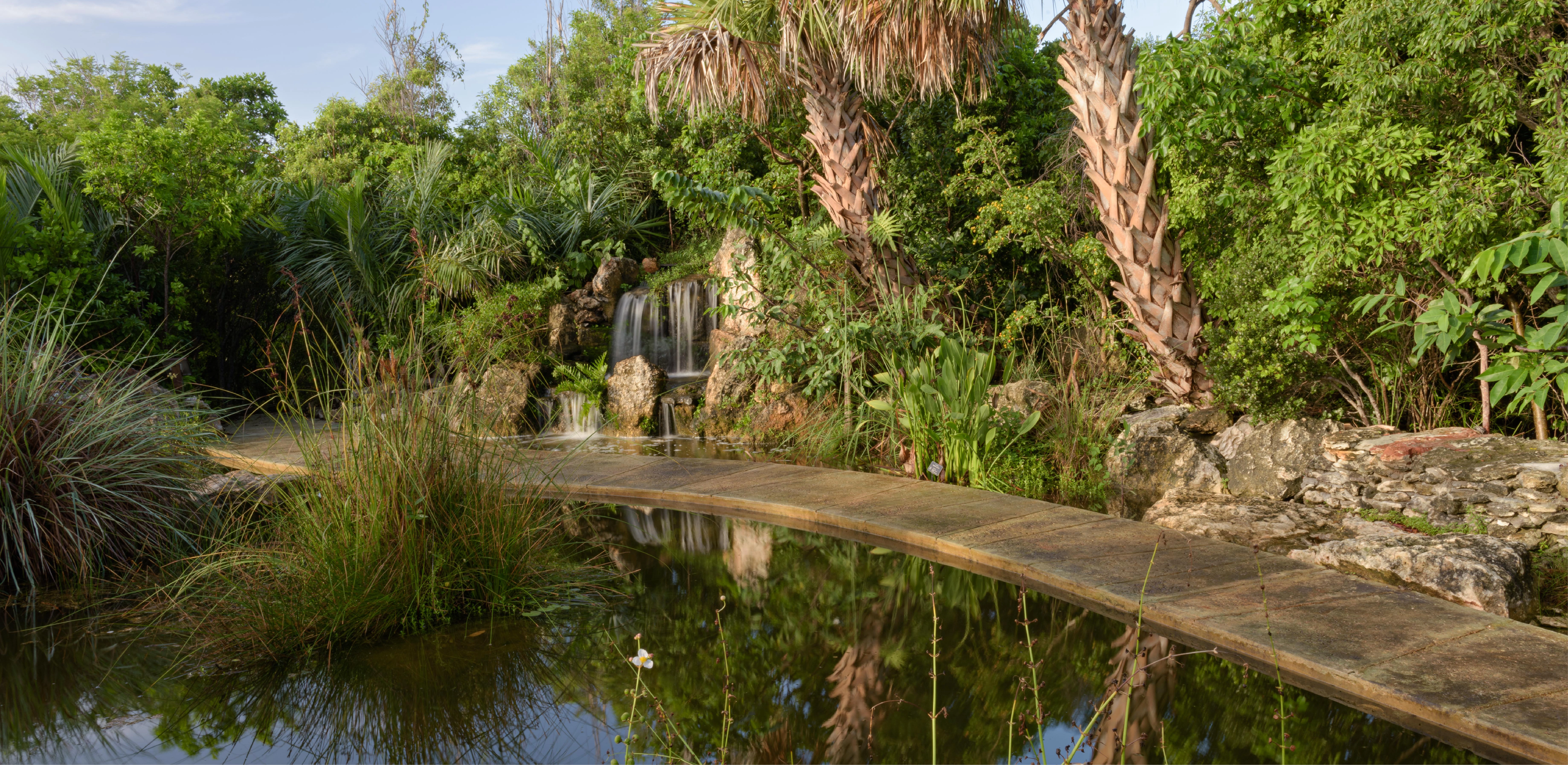
The Leon Levy Native Plant Preserve: A Showcase of Eleuthera’s History, Native Plants, and their Medicinal Uses
Advertisement
Residential Design Category
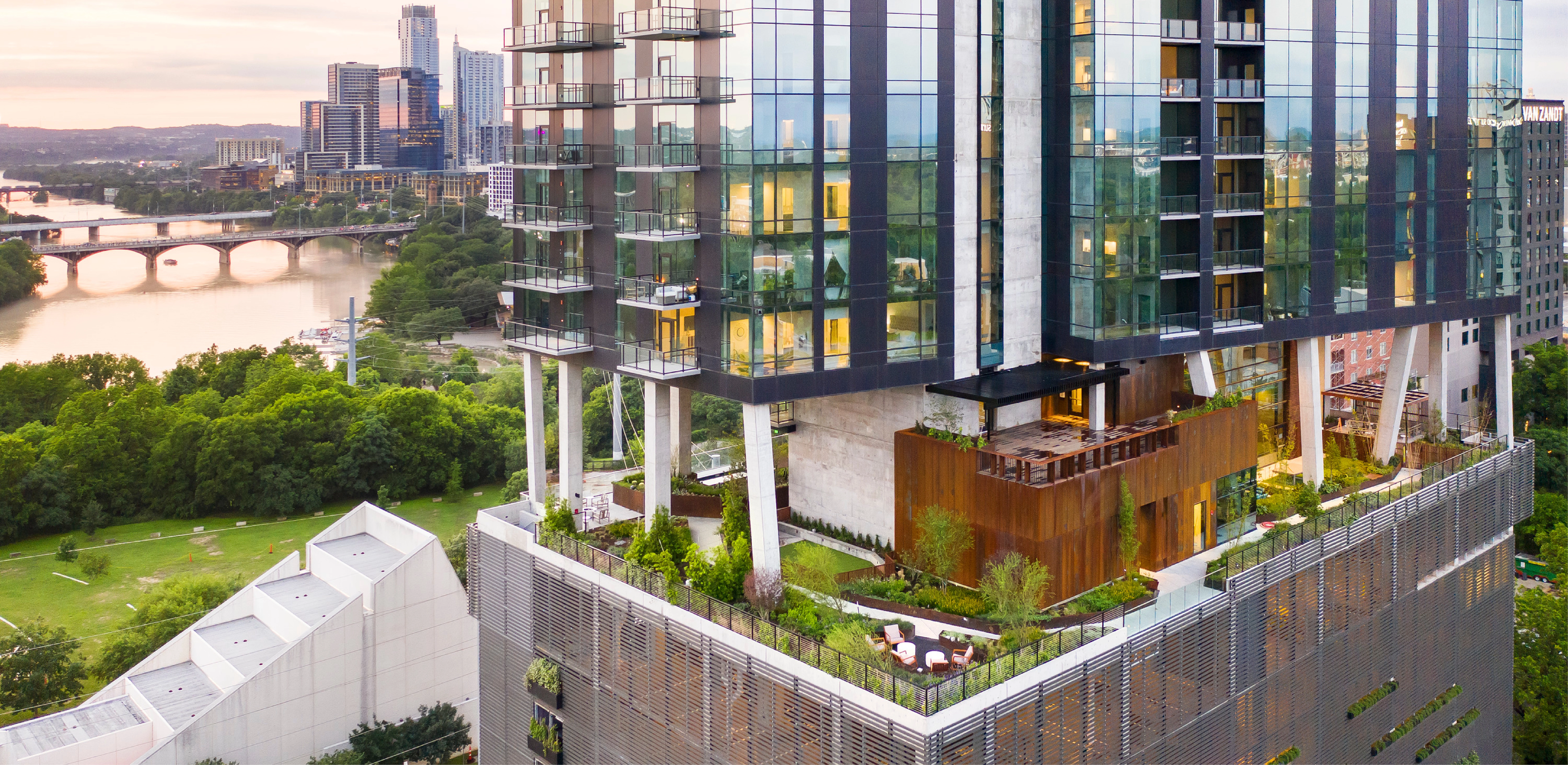
The Sky Garden at 70 Rainey
Soaring 100 feet above the shoreline of Austin’s Lady Bird Lake, 70 Rainey redefines multifamily urban living in a city experiencing rapidly changing technology, culture and innovation. Its Sky Garden, a verdant refuge devoted to recreation, leisure and contemplation, is defined by the diverse and native ecologies of the Texas Hill Country that weave together a sensorial outdoor living experience.
Sustainability, a priority from the outset, led to early microclimate testing, the inclusion of locally sourced pollinator species, and abundant absorbent surfaces that manage stormwater runoff from entering the critical watershed. A complex planting palette, comprised of more than 70 native species, provides an ever-changing and abundant display of regional flora along meandering paths, within secluded nooks, and, most transformational, upon vertical architectural facades. Multidisciplinary collaboration informed design decisions to ensure habitable spaces were tempered from the region’s intense sunlight and high-speed winds.
As cities around the world continue to expand, evolve and respond to climatic change, The Sky Garden at 70 Rainey sets a precedent for creatively and sustainably growing up rather than out.
Residential Design
Honor Awards
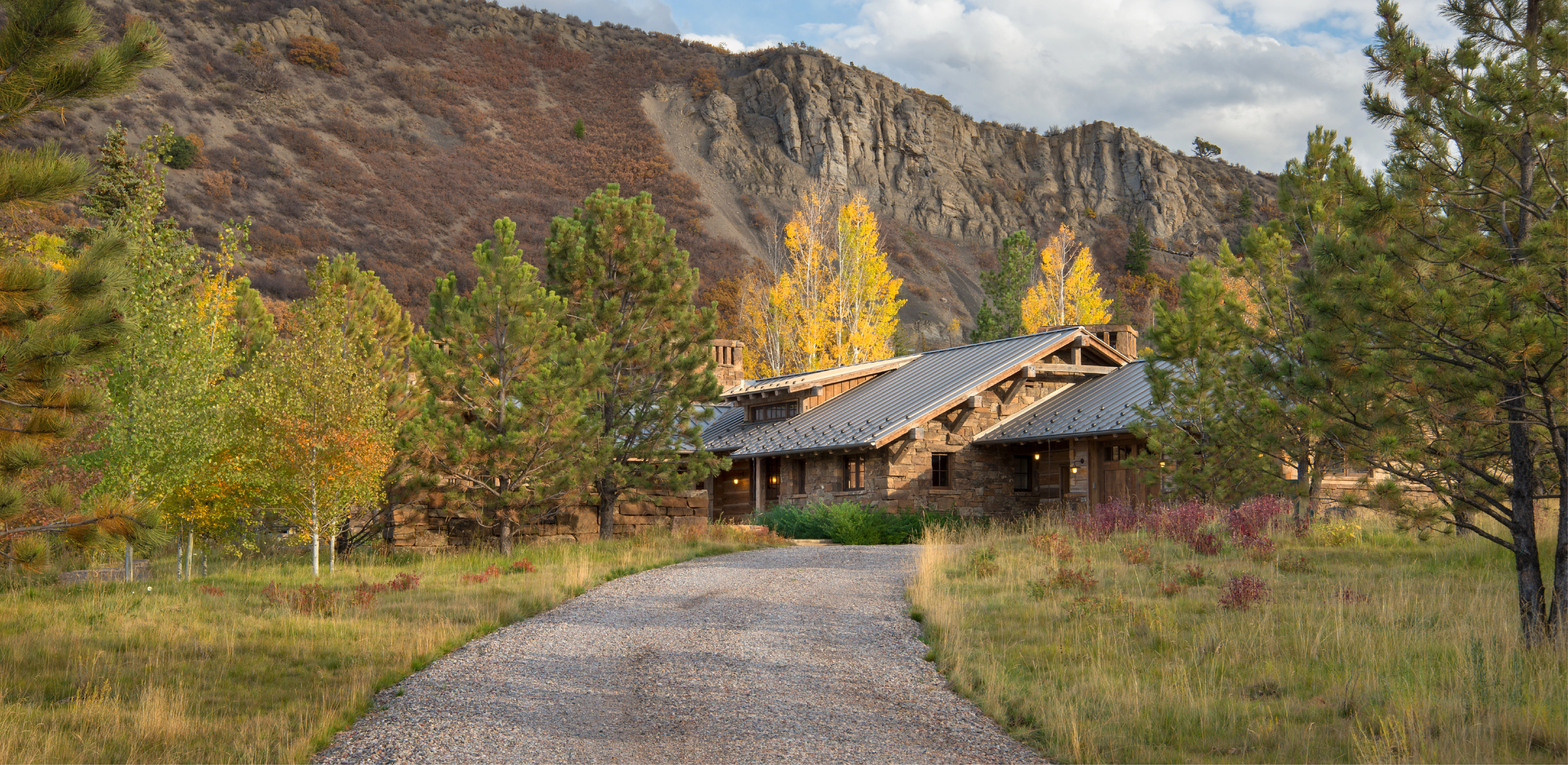
Charlie Mountain Ranch: The Renewal of a Rural Landscape
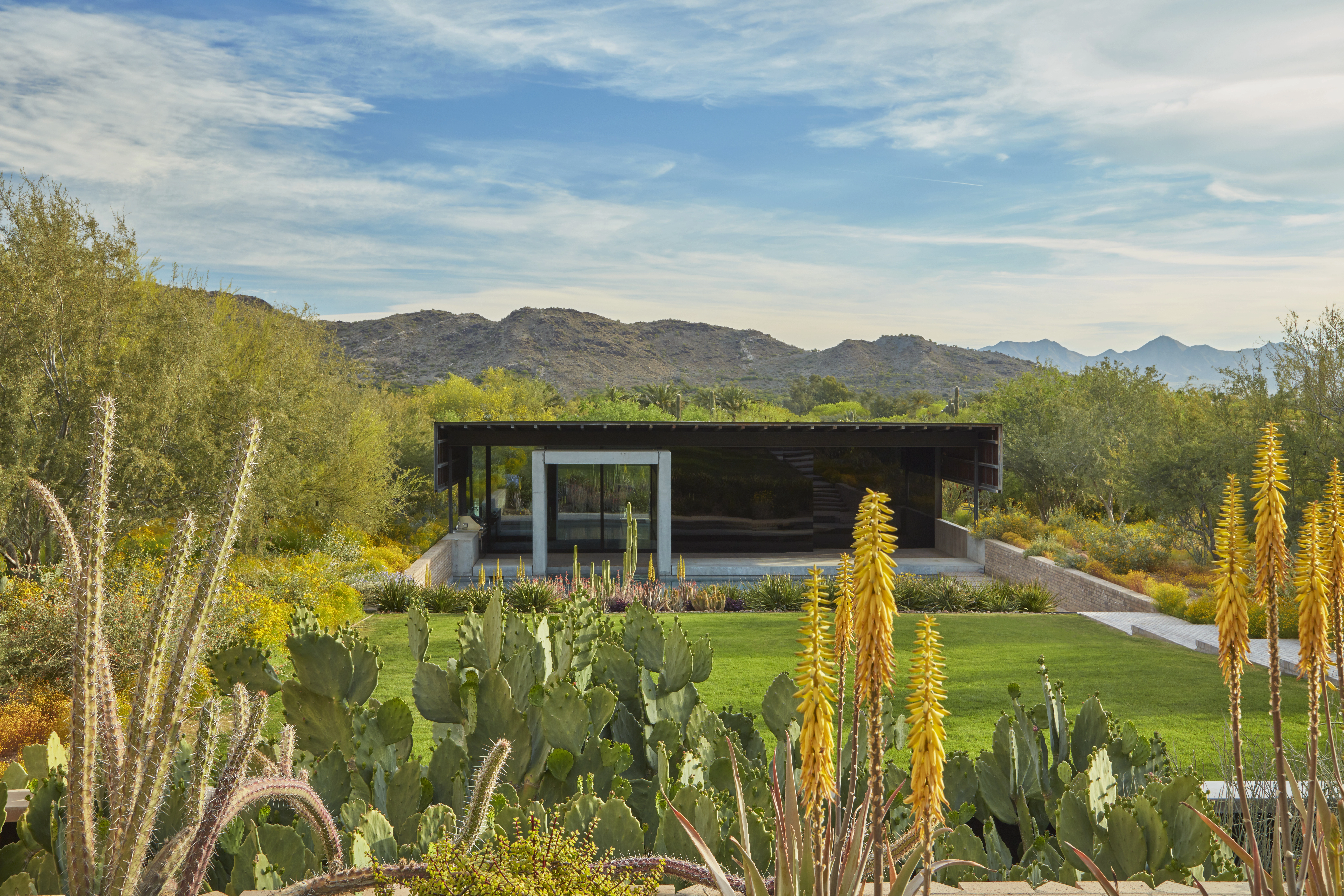
Ghost Wash
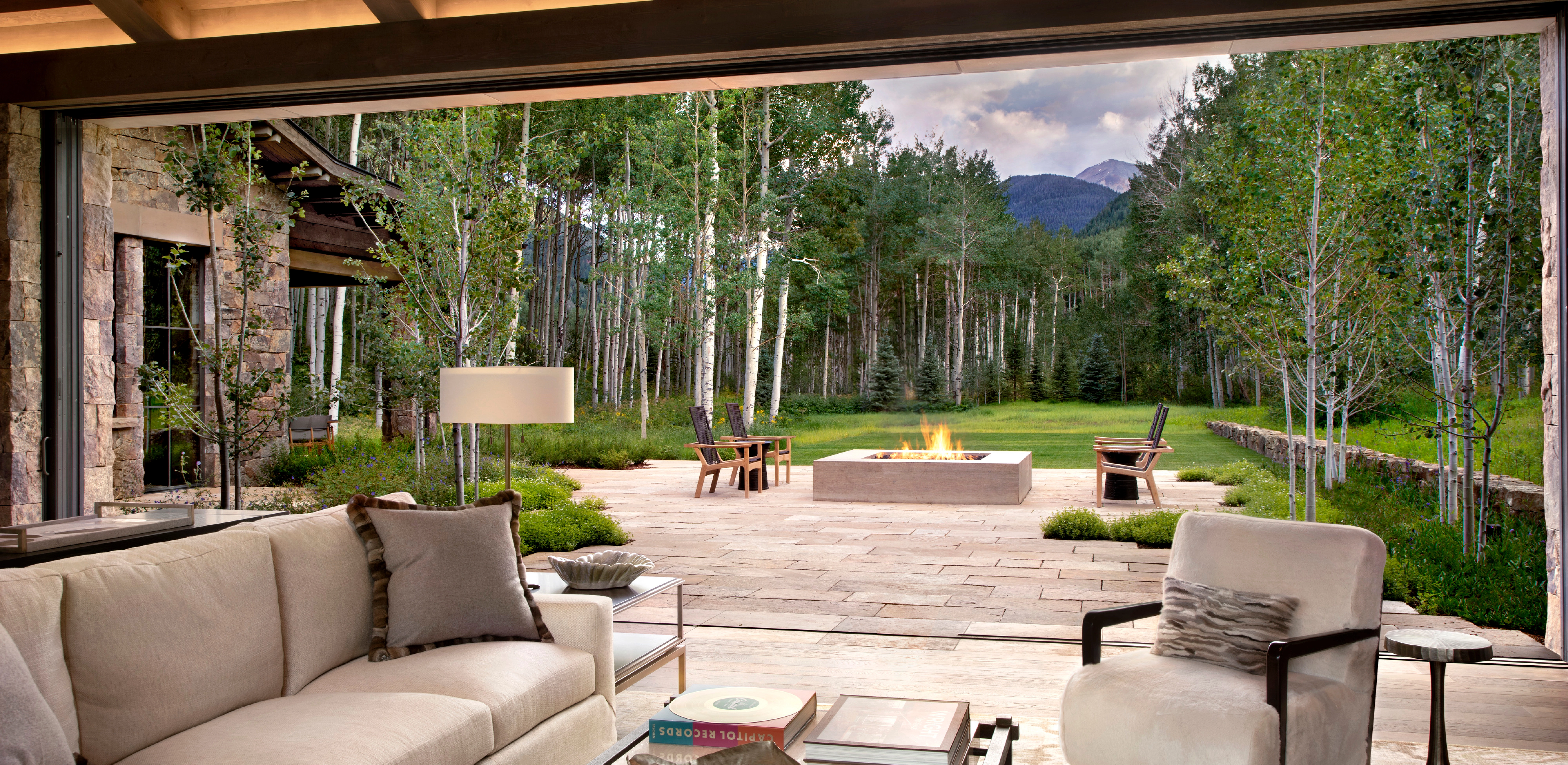
Highlands Retreat
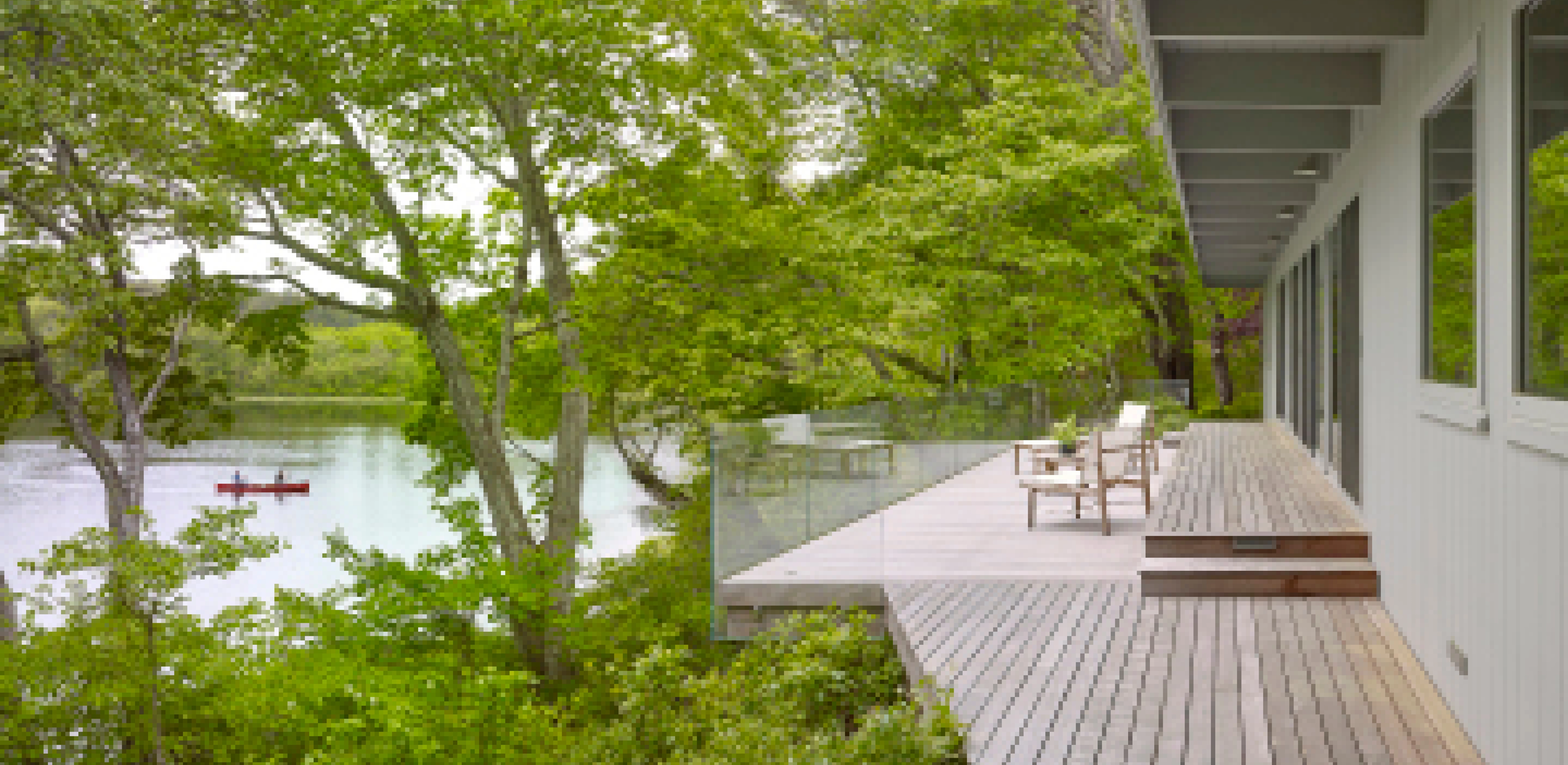
Pond House
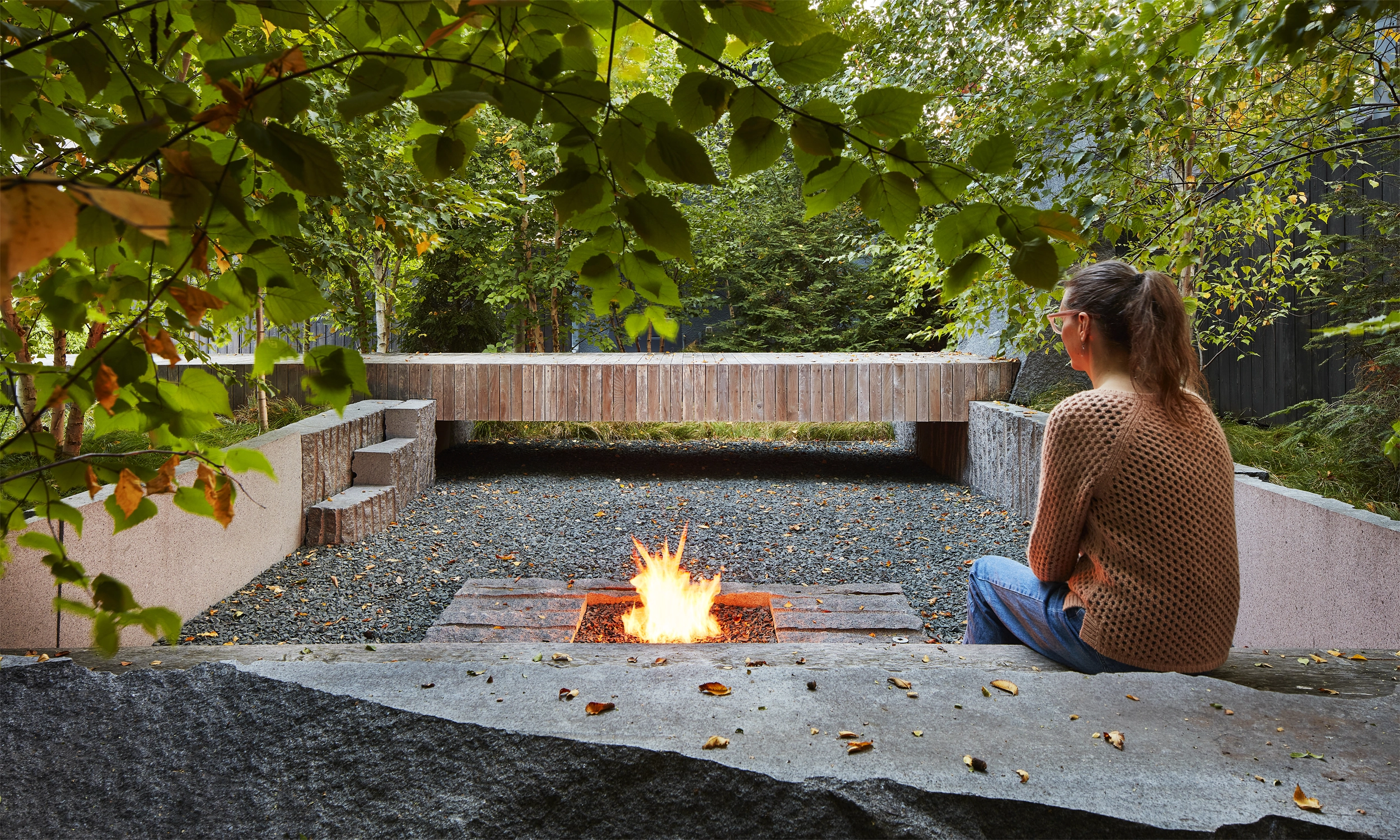
Quarry Garden
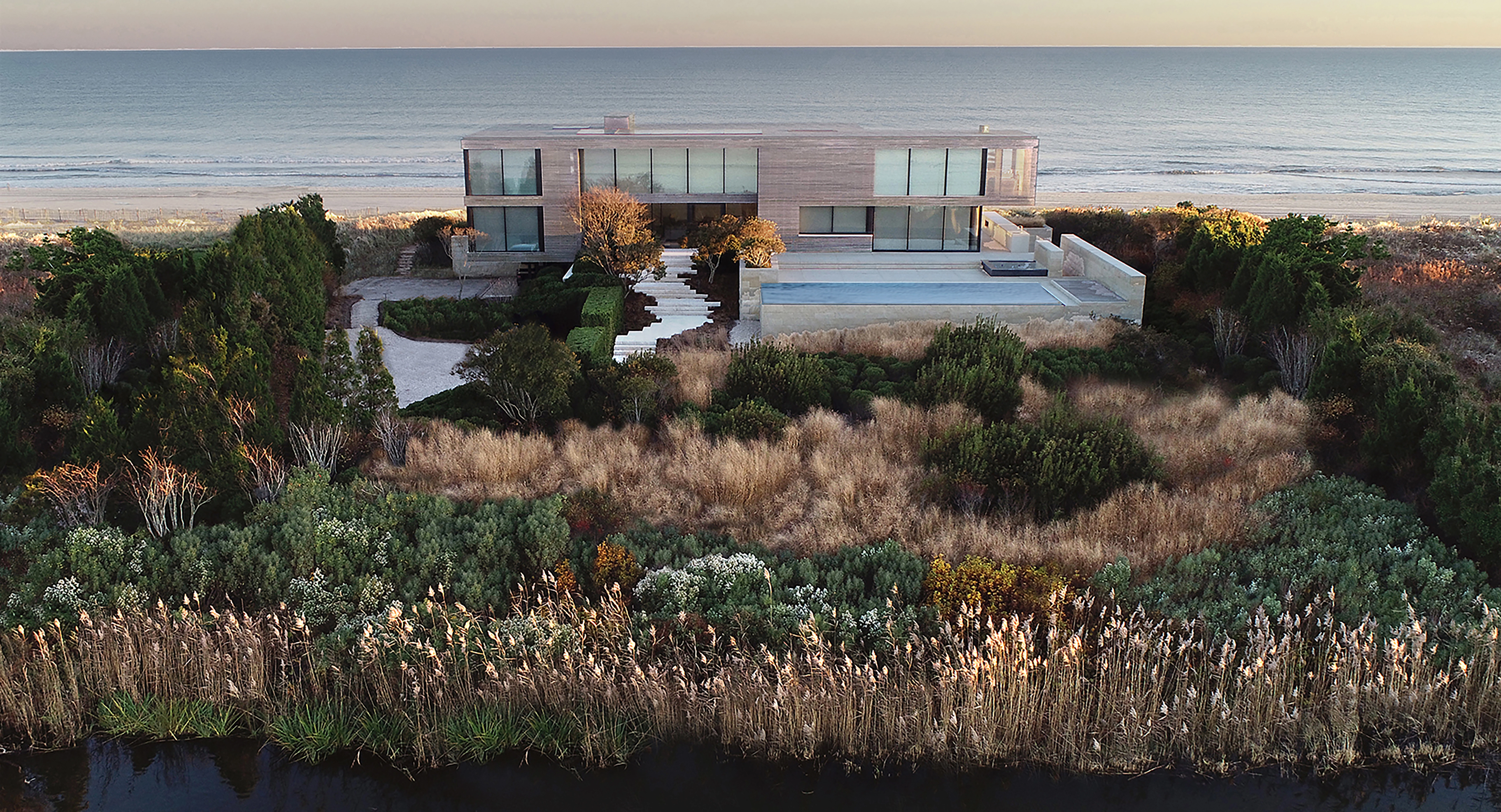
Seaside
Urban Design Category
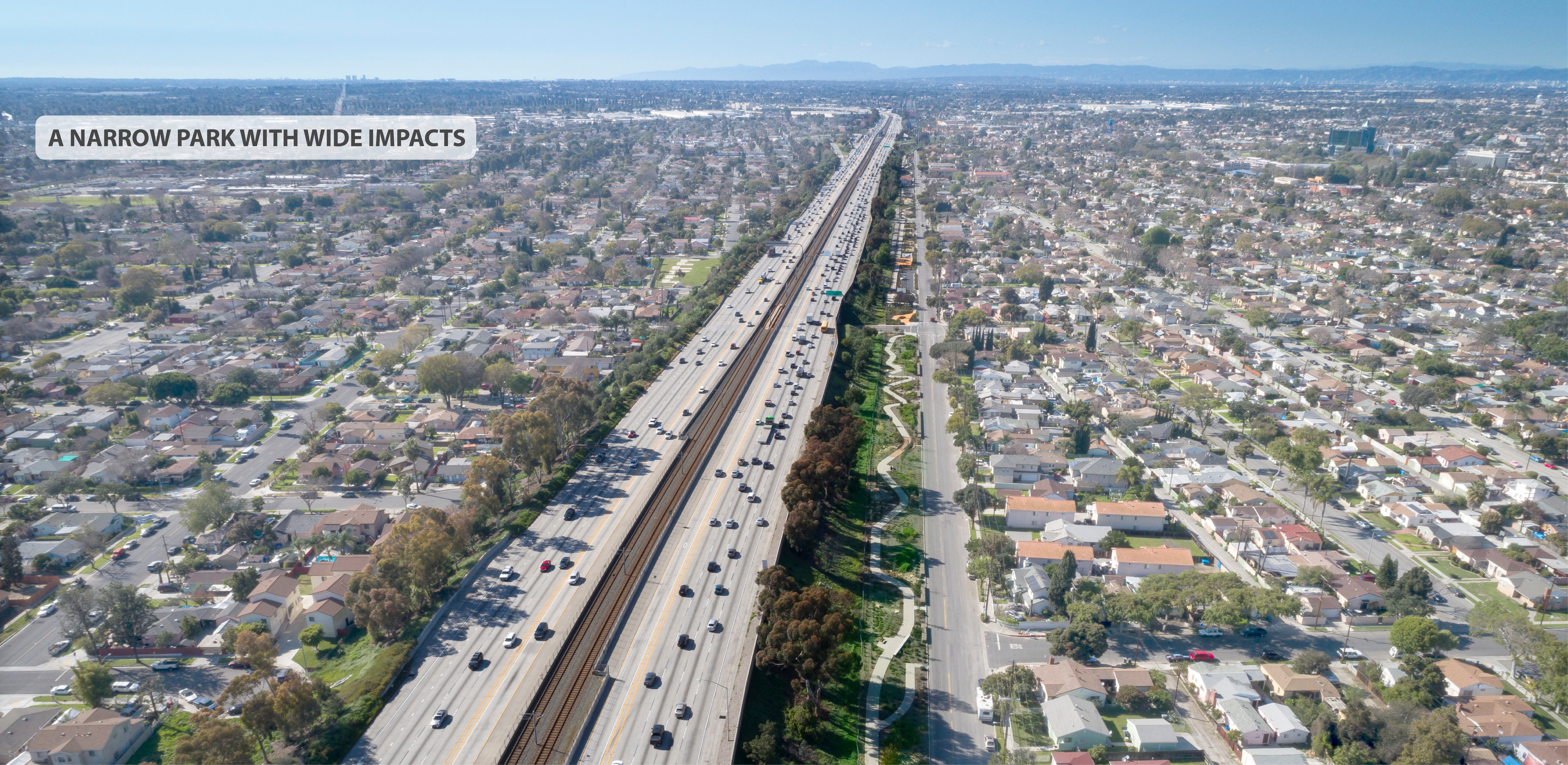
Repairing the Rift: Ricardo Lara Linear Park
In the 1990s, when Interstate 105 was constructed, it cut directly through the City of Lynwood along with several other majority Black and Hispanic communities. Lynwood is only now beginning to recover from the devastating impacts of this reconfiguration, which have been exacerbated by decreased property values, business closures, and “white flight.” Today, the neighborhoods in the shadow of the freeway corridor remain underserved by many basic needs and amenities, including access to safe and equitable outdoor spaces.
In 2014, the design team partnered with the City of Lynwood to transform a derelict freeway-adjacent right of way into a 5.25-acre, five-block linear park. The park supports an abundance of recreational amenities and gathering spaces for the approximately 26,000 people who live within a half-mile walking distance. The park’s programming focuses on exercise, education, and play, while its bold, gestural design reinforces the neighborhood’s unique vitality. Today, the park serves to reconnect the City of Lynwood across the freeway, begin to repair the brutal history of discriminatory development, and celebrate a growing community’s vibrant future.
Urban Design
Honor Awards
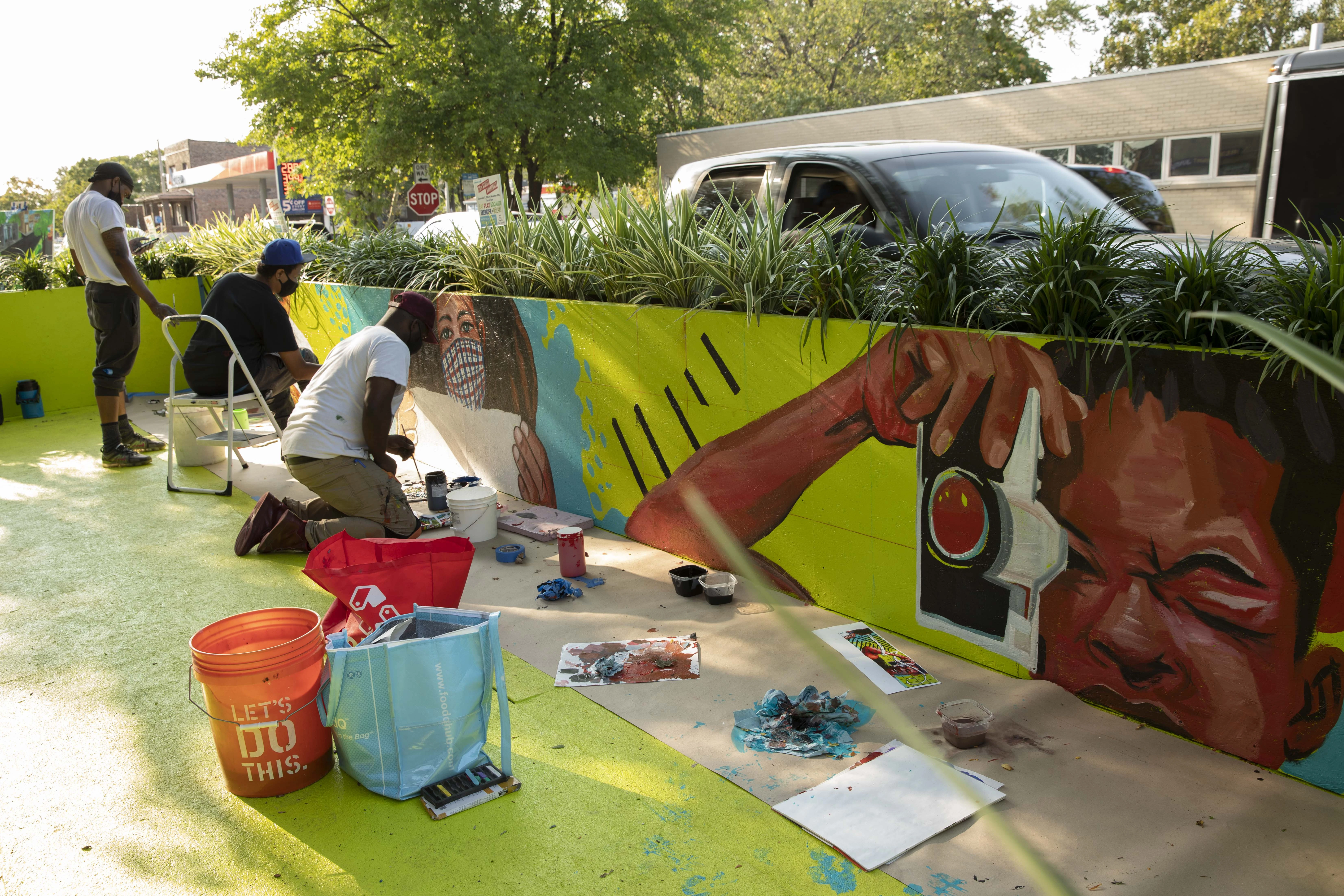
75th Street Boardwalk
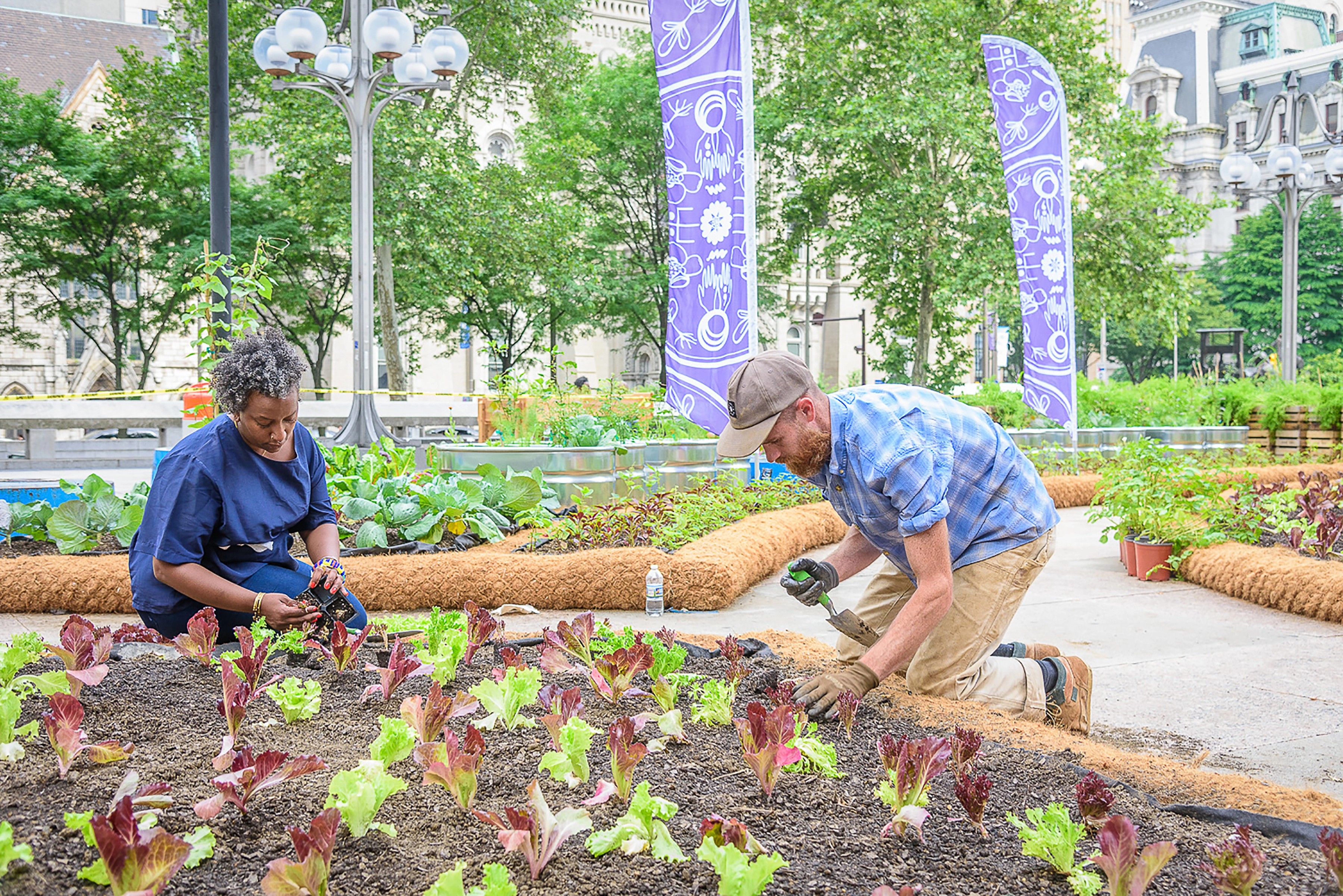
Farm for the City
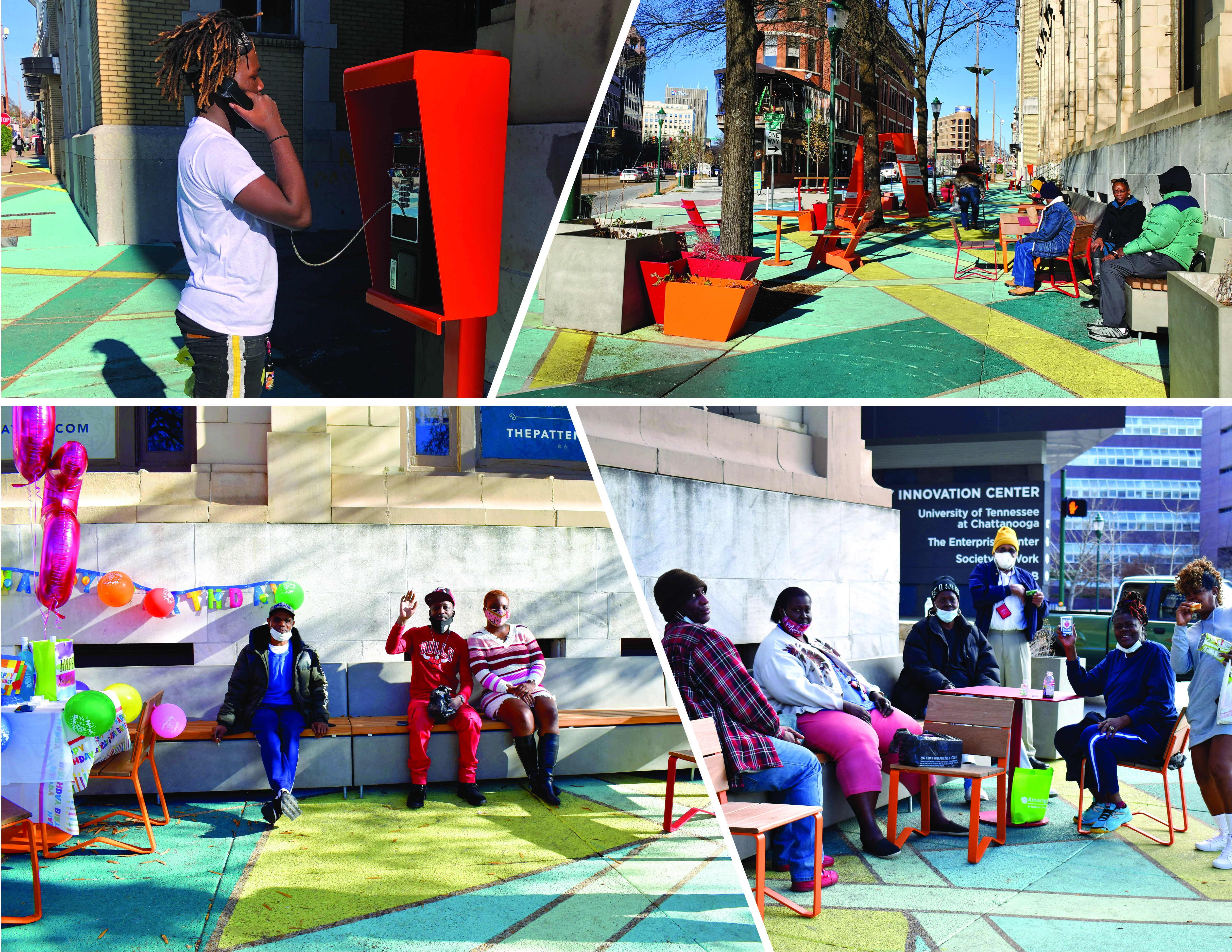
Market + Georgia Public Space
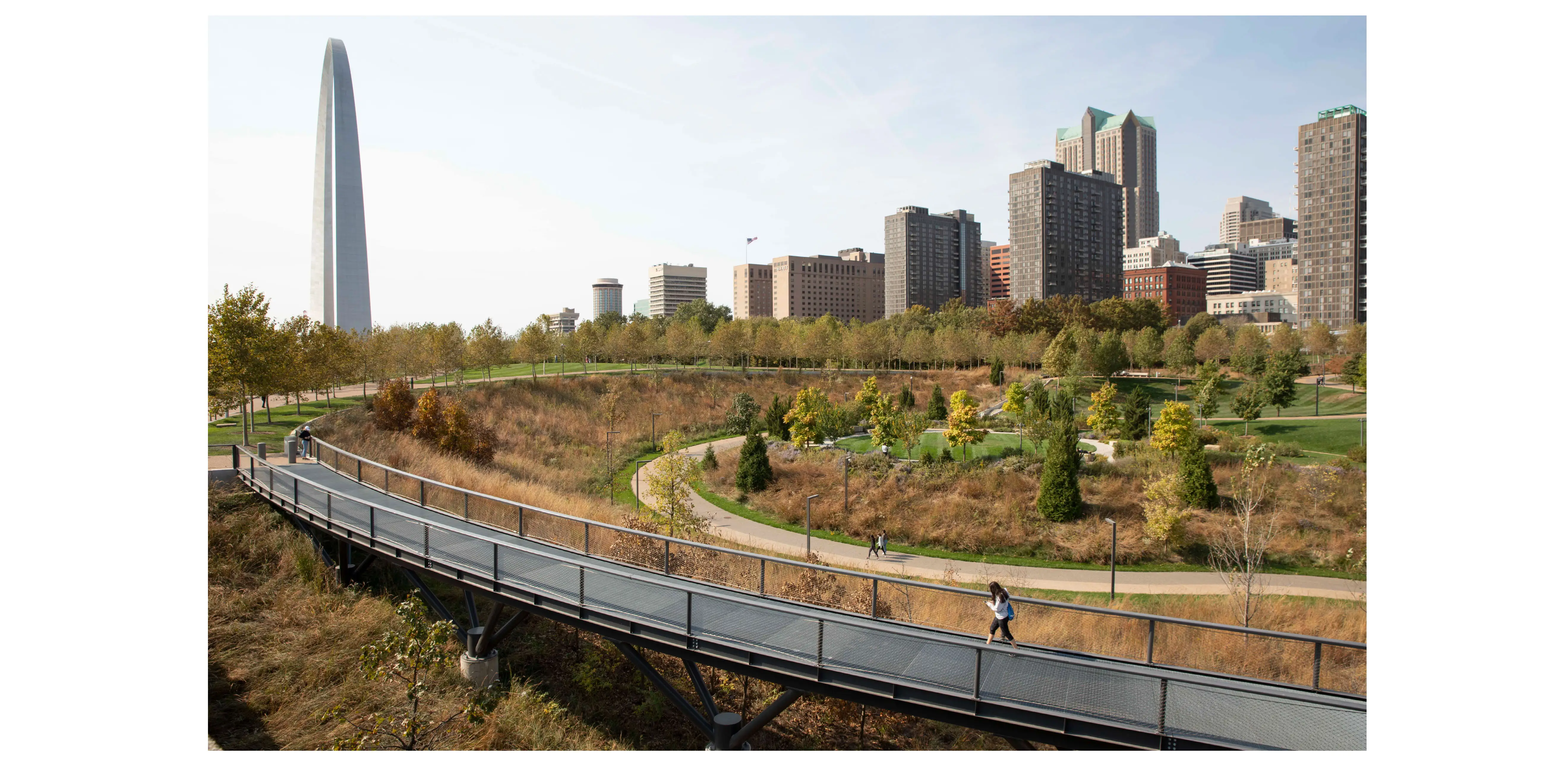
The CityArchRiver Project
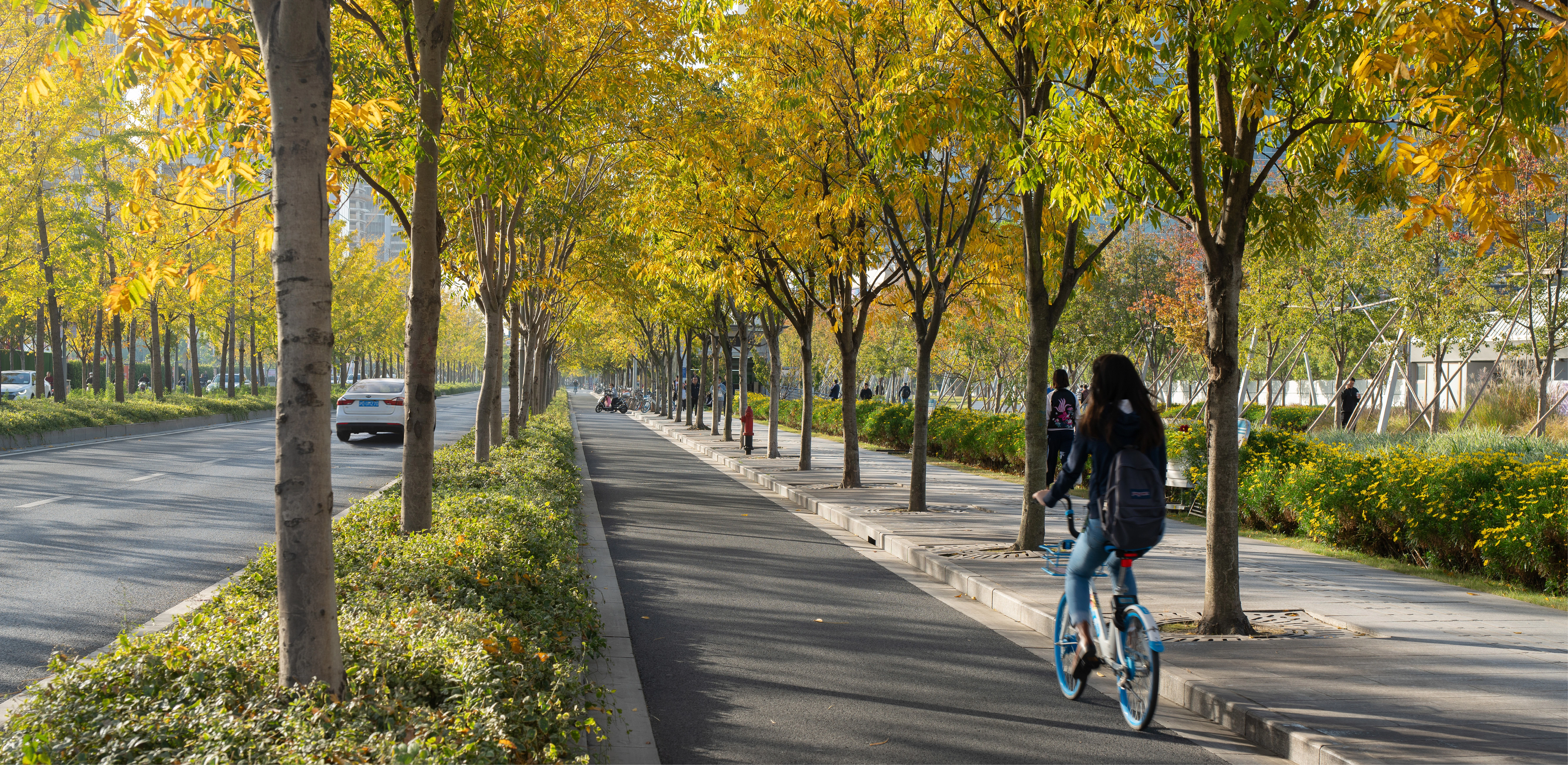
Xuhui Runway Park
Analysis and Planning Category
Honor Awards
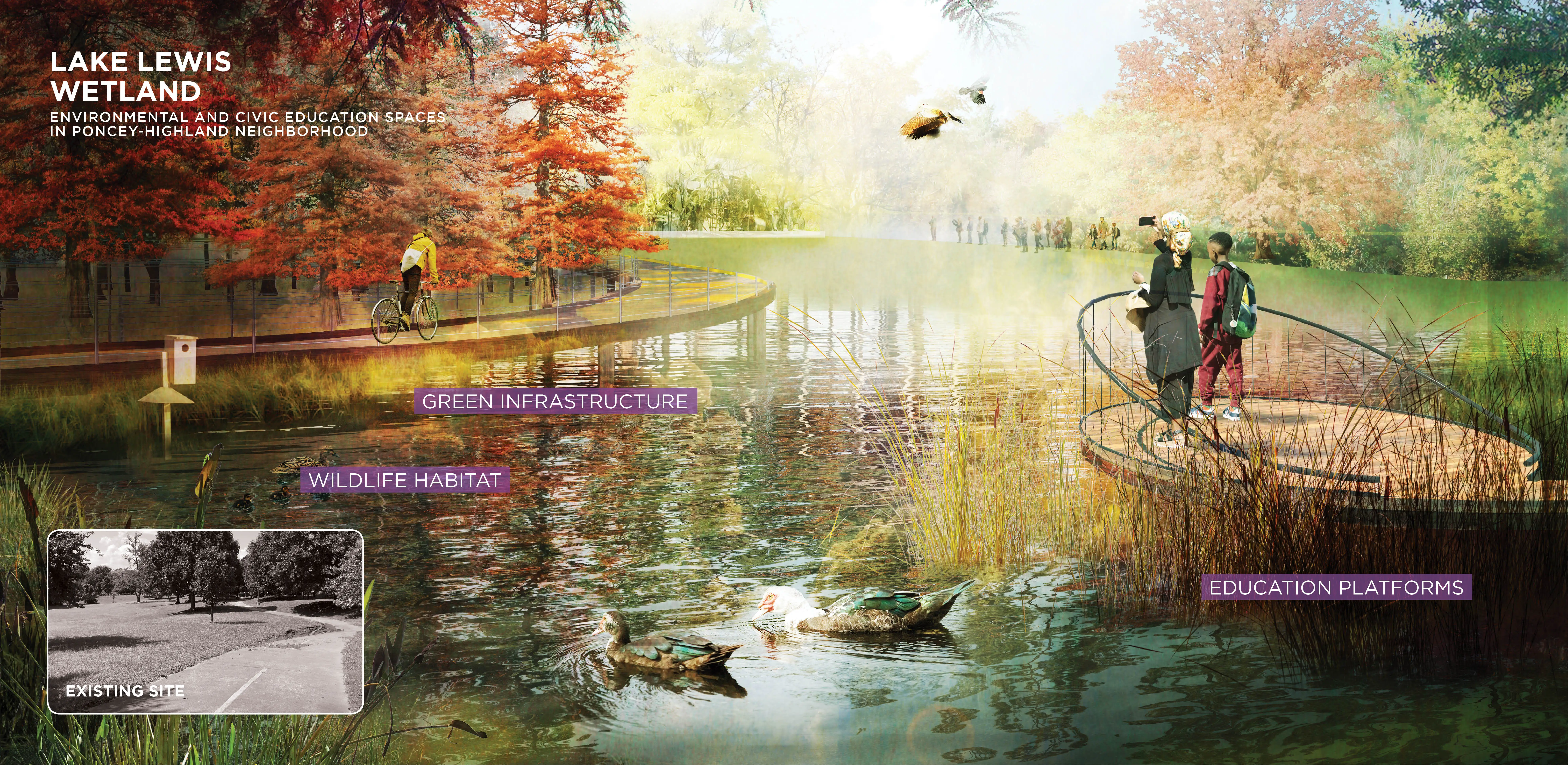
A People's Plan for Freedom Park
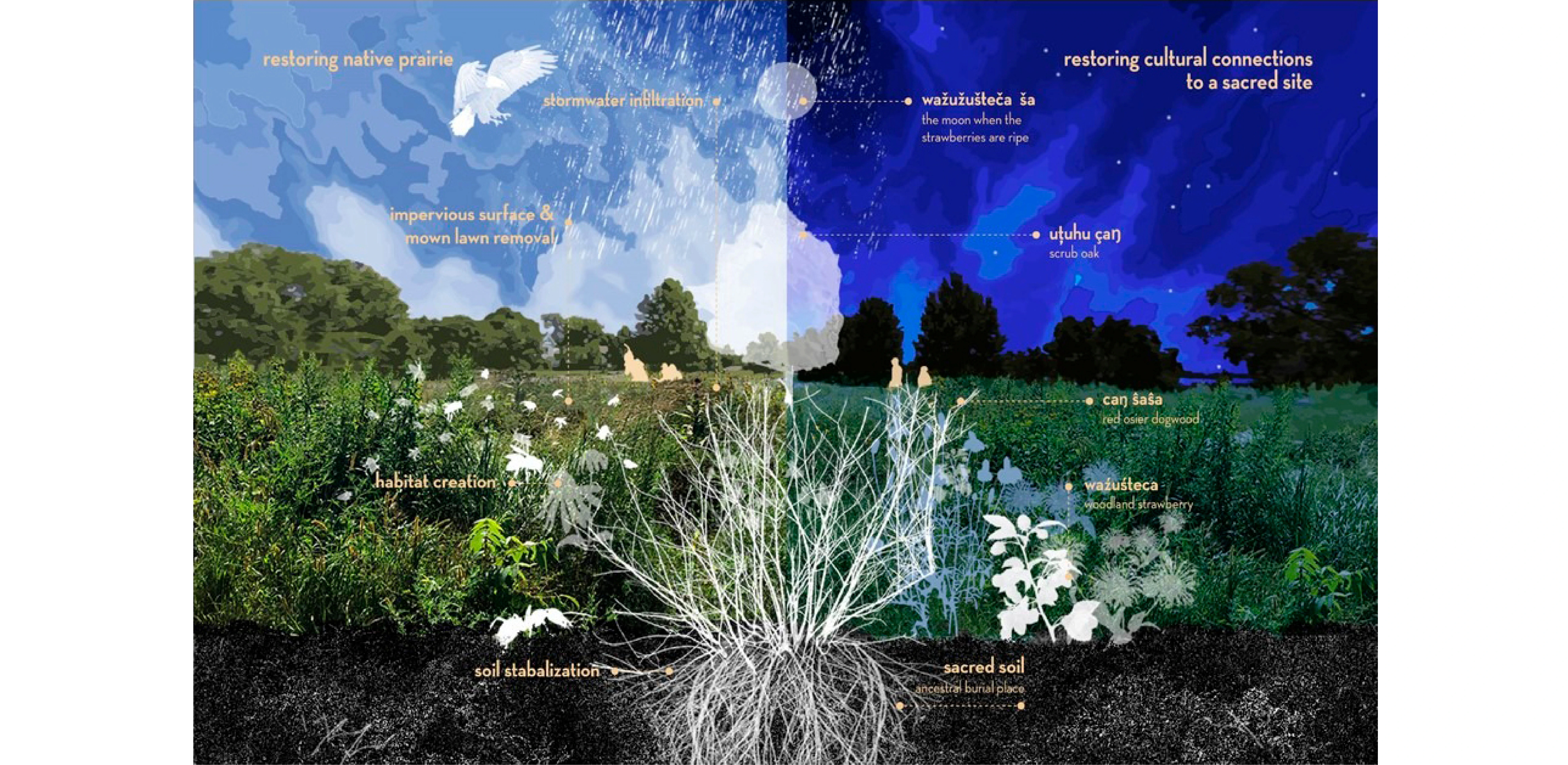
Indian Mounds Cultural Landscape Study and Messaging Plan
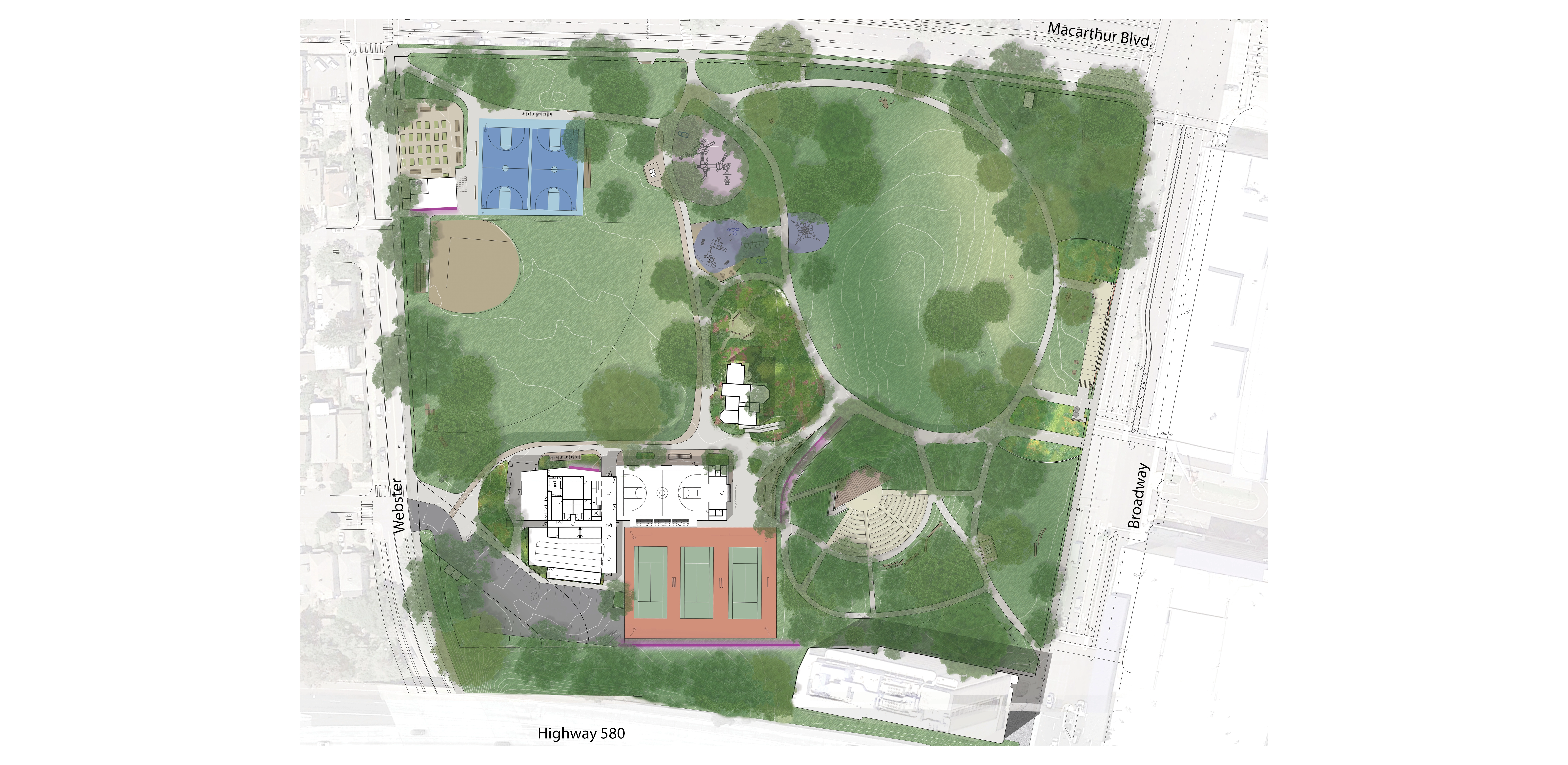
Mosswood Park Master Plan and Community Engagement
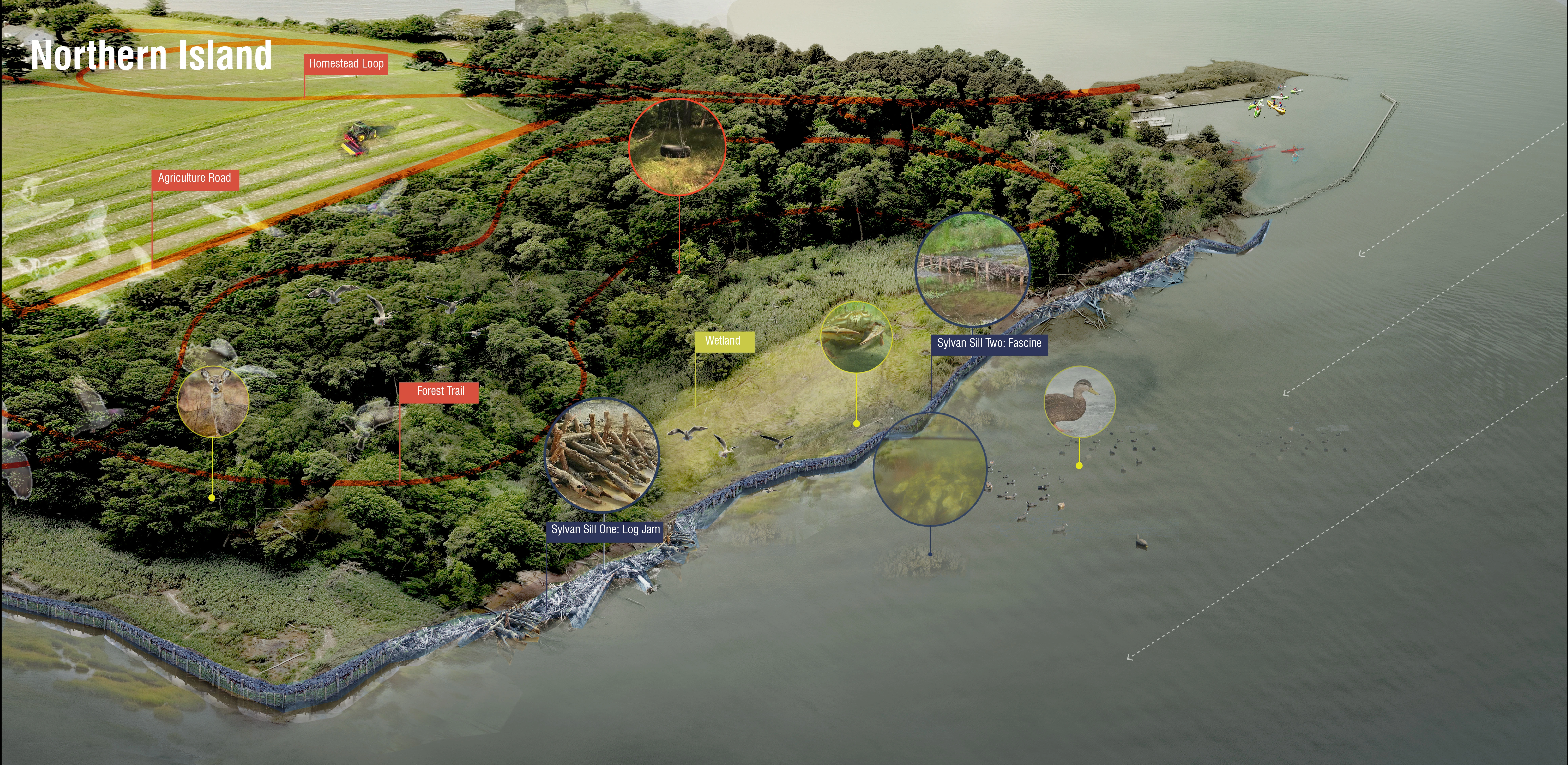
Parsons Island Conservation and Regeneration Plan
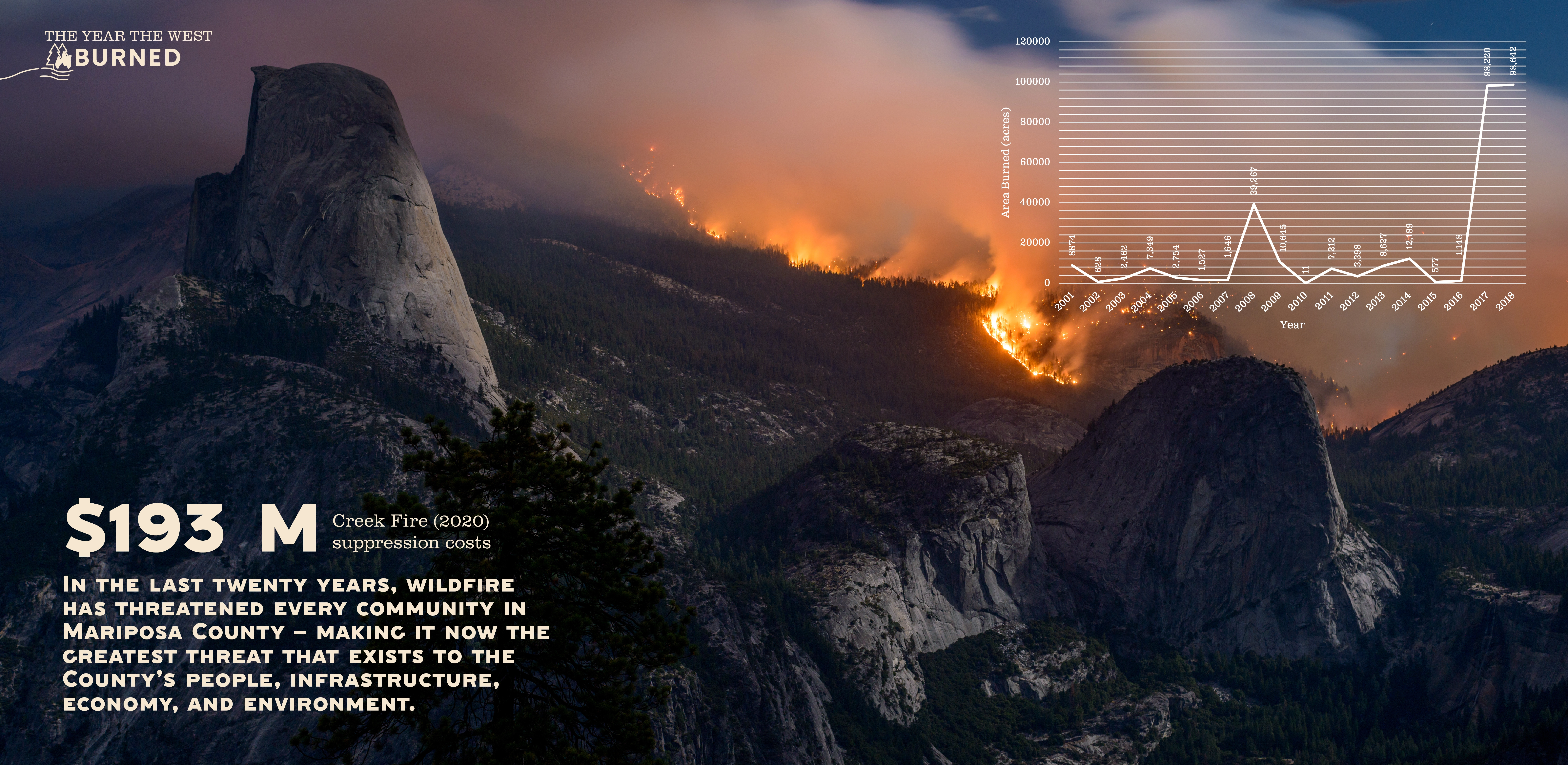
Recreation at the Intersection of Resilience – Advancing Planning and Design in the Face of Wildfire
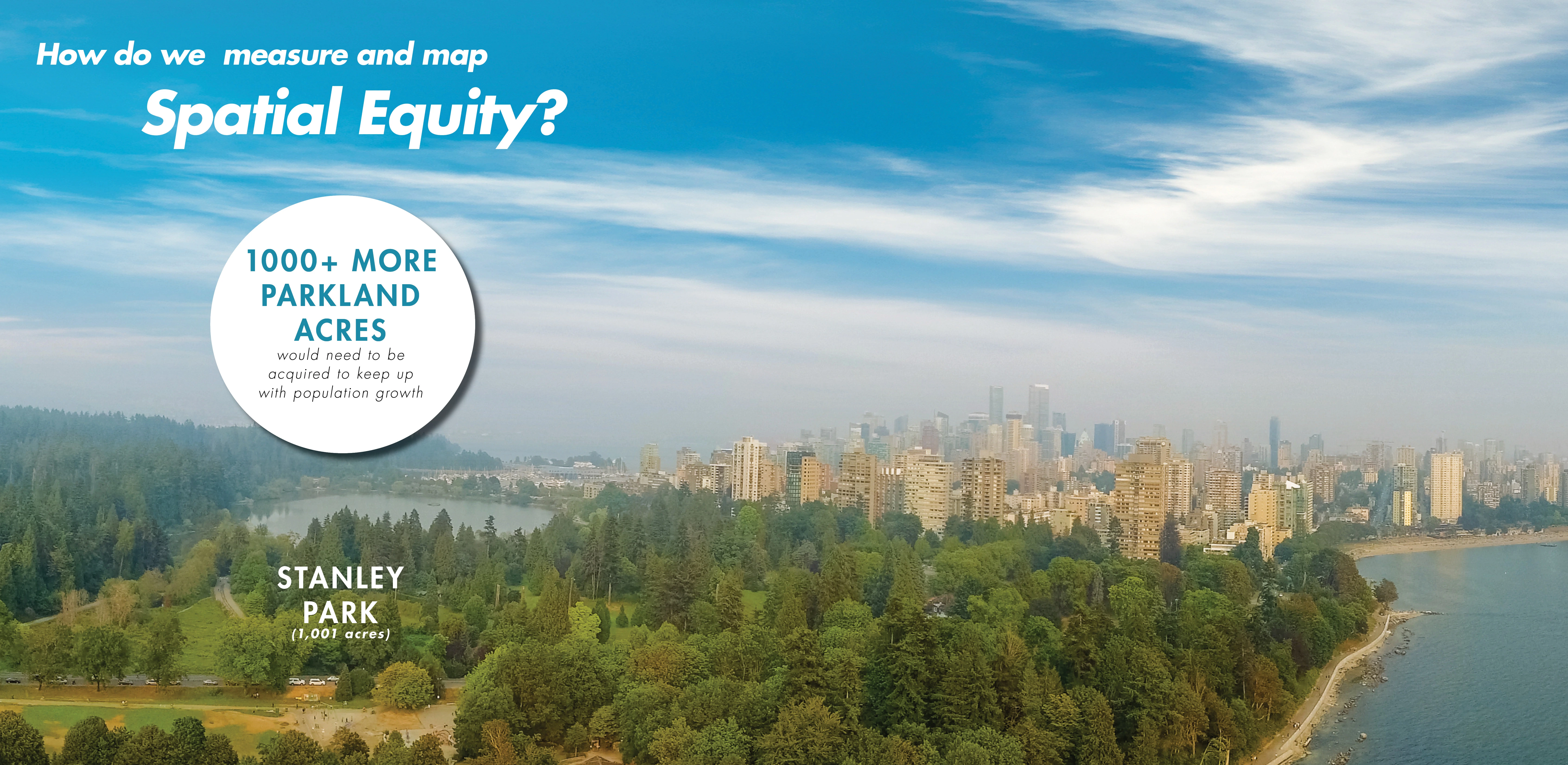
VanPlay: Parks and Recreation Vision Plan
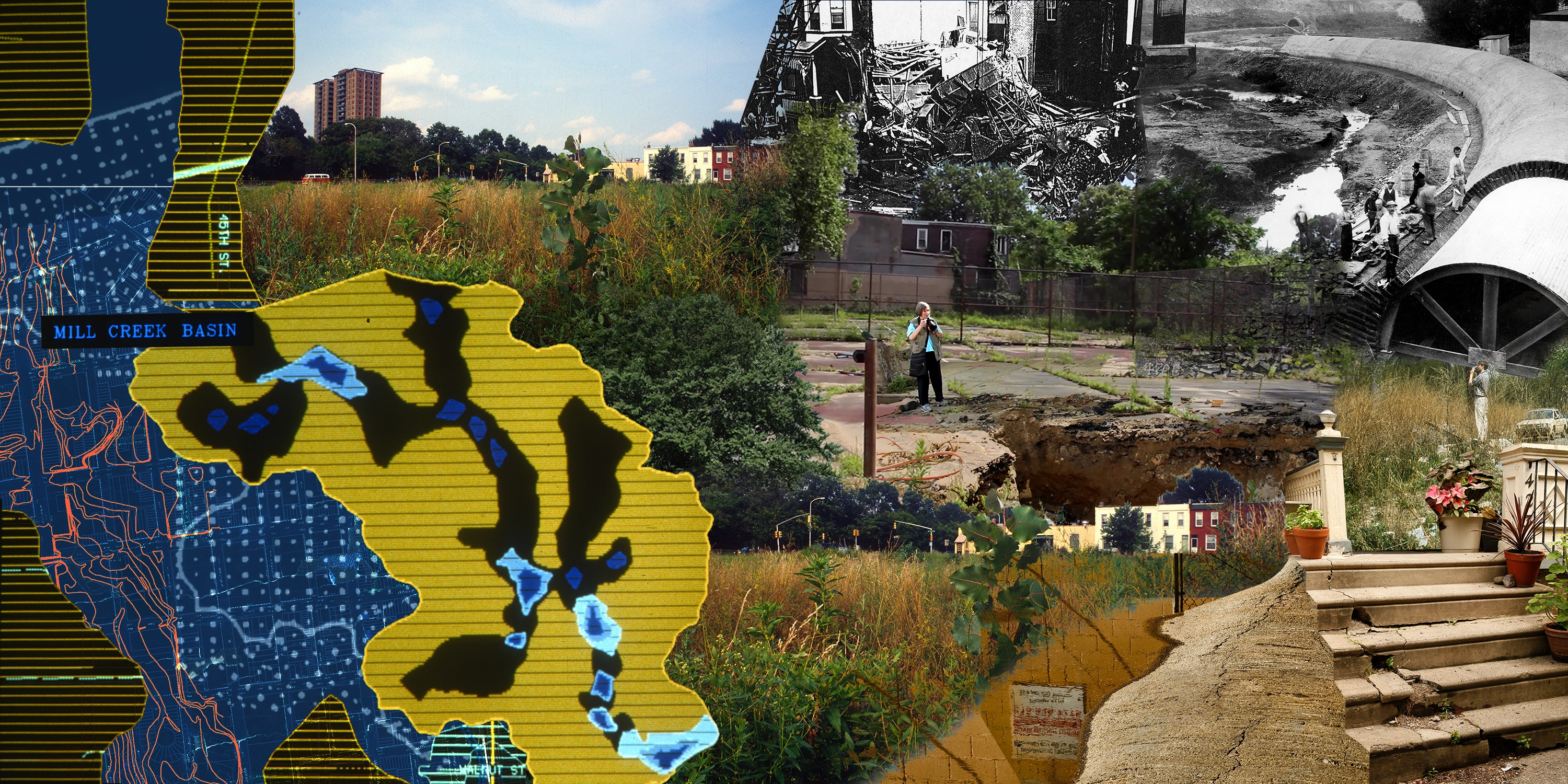
West Philadelphia Landscape Project
Research Category
The Visualizing Equity in Landscape Architecture Project
The Visualizing Equity in Landscape Architecture (VELA) Project is a research initiative that reveals, spatializes, and acknowledges the status of gender equity throughout landscape architecture. Over twenty years have passed since the last report documenting women's careers in landscape architecture. The issues raised then are similar to many problems women face now. To understand why these disparities still exist and the gaps associated with them, the VELA project offers a current review of women's status in both academia and the profession. The research collected over 17,000 unique data points from multiple public sources. The analysis organizes the data into a series of robust visualizations that catalog current trends and highlight opportunities to improve gender equity in the profession. The purpose of this research is a question of value—to recognize where "we" as a profession fall short and where critical re-alignments must occur. The project is a provocative and timely exploration that serves to inform, instigate, and empower the landscape architecture community to rally together and transform the future of practice, now!
Research
Honor Awards
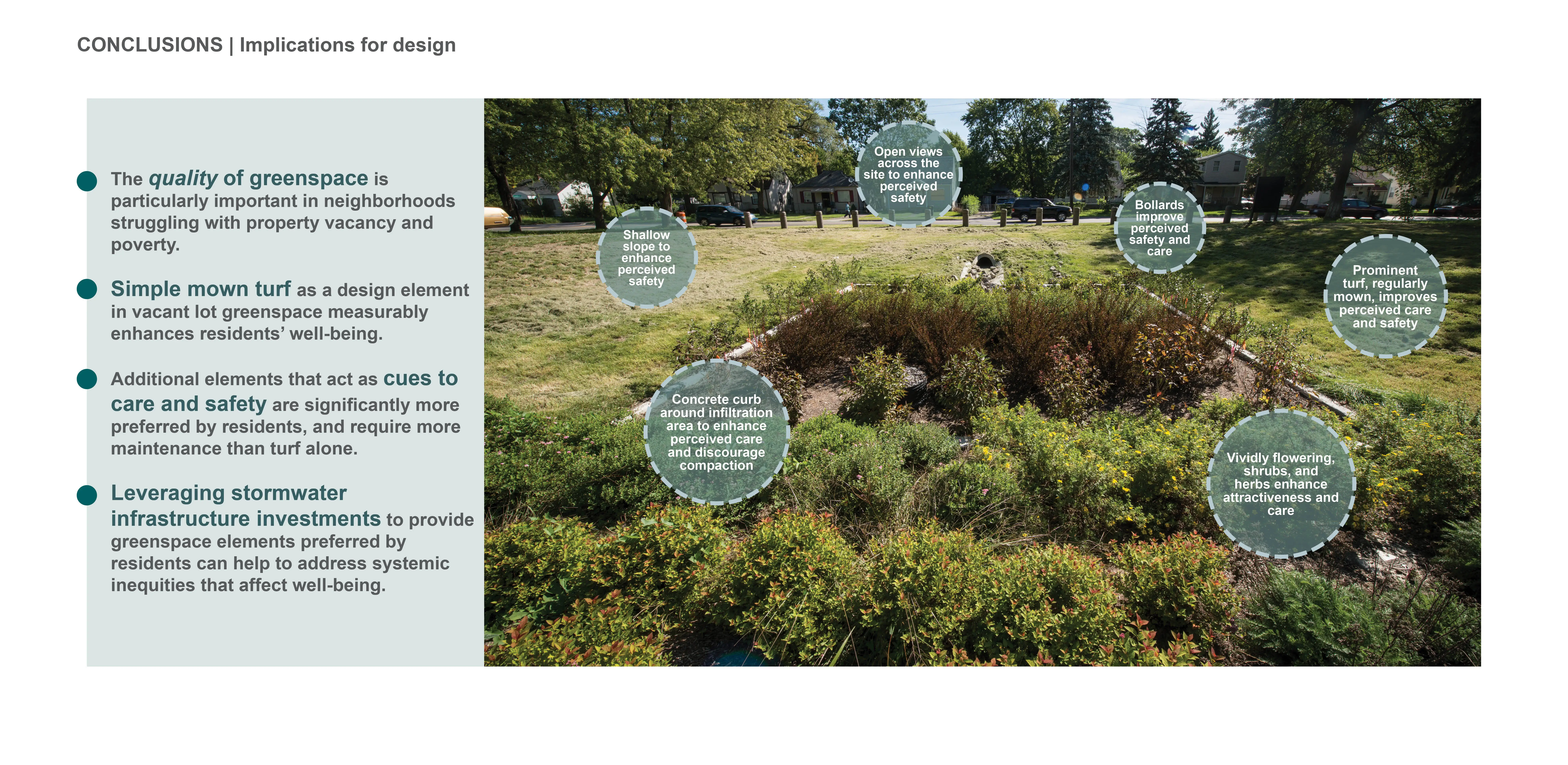
Addressing Systemic Inequities in Neighborhood Greenspace: Leveraging Green Stormwater Infrastructure Design Elements to Enhance Well-Being
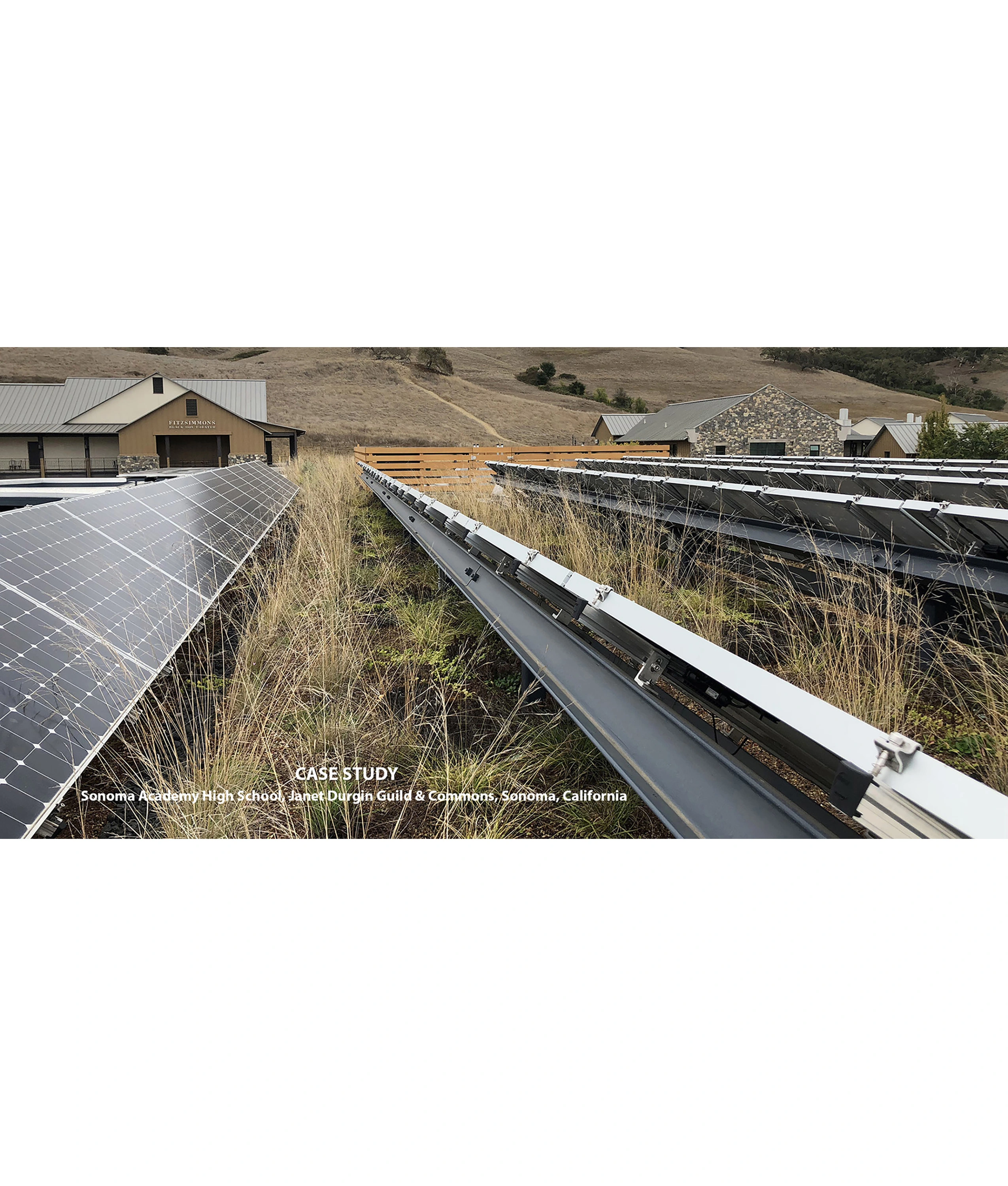
Ecoregional Green Roofs: Theory and Application in the Western USA and Canada
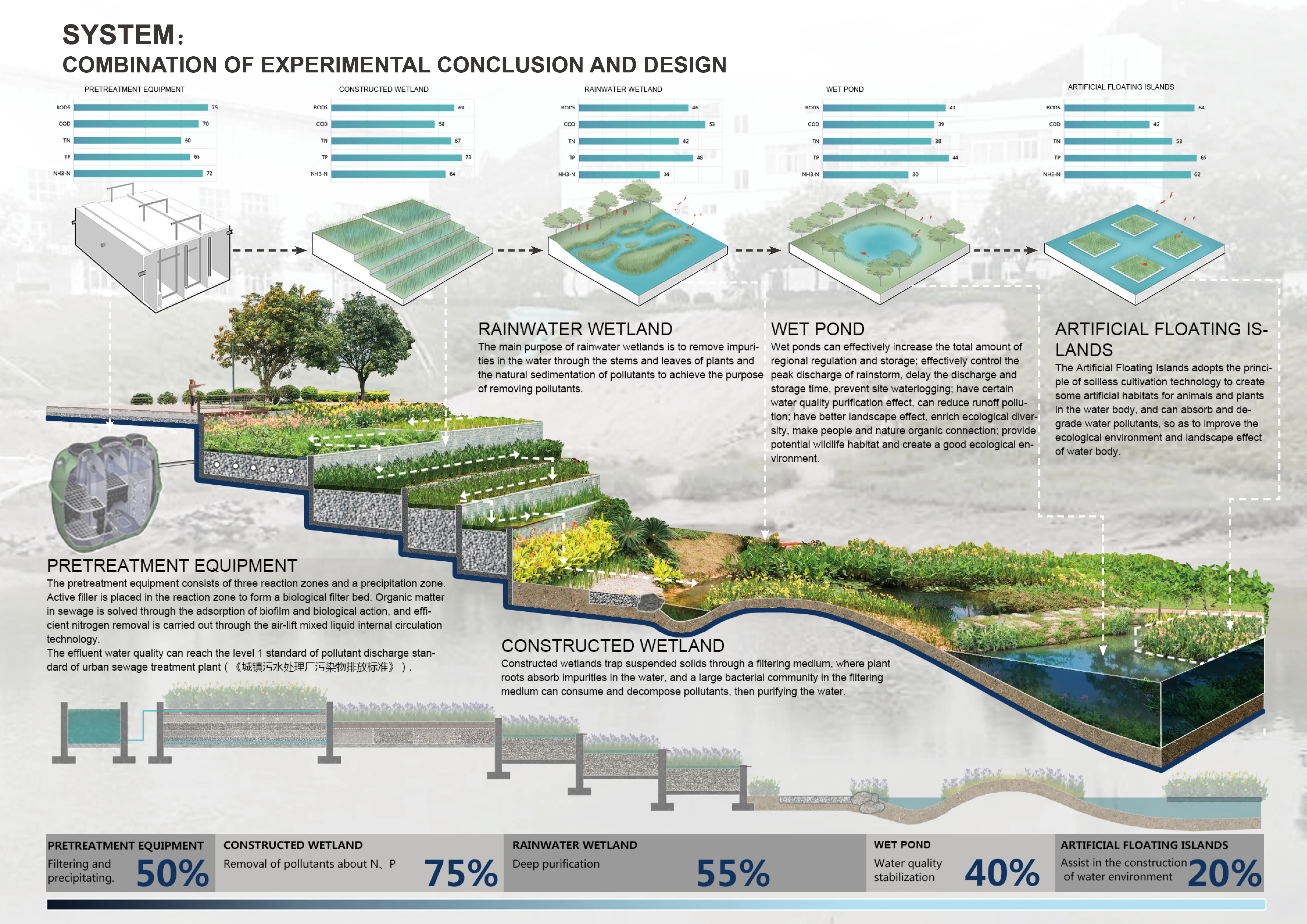
Low-cost and High-efficiency: Use Low-Impact Development Facilities to Build an Ecological Sewage Treatment System for Remote Areas
Communications Category
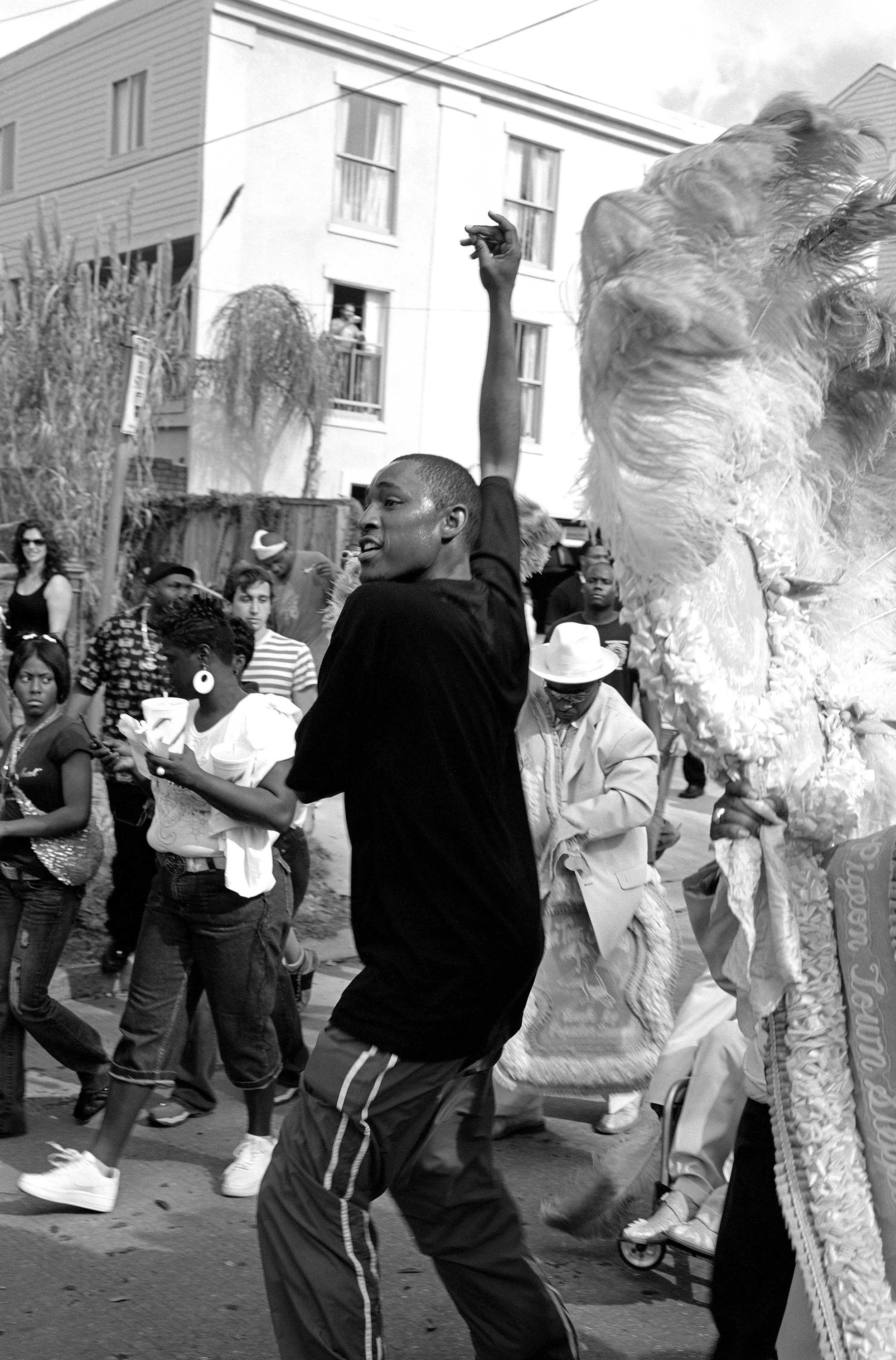
Black Landscapes Matter
Communications
Honor Awards
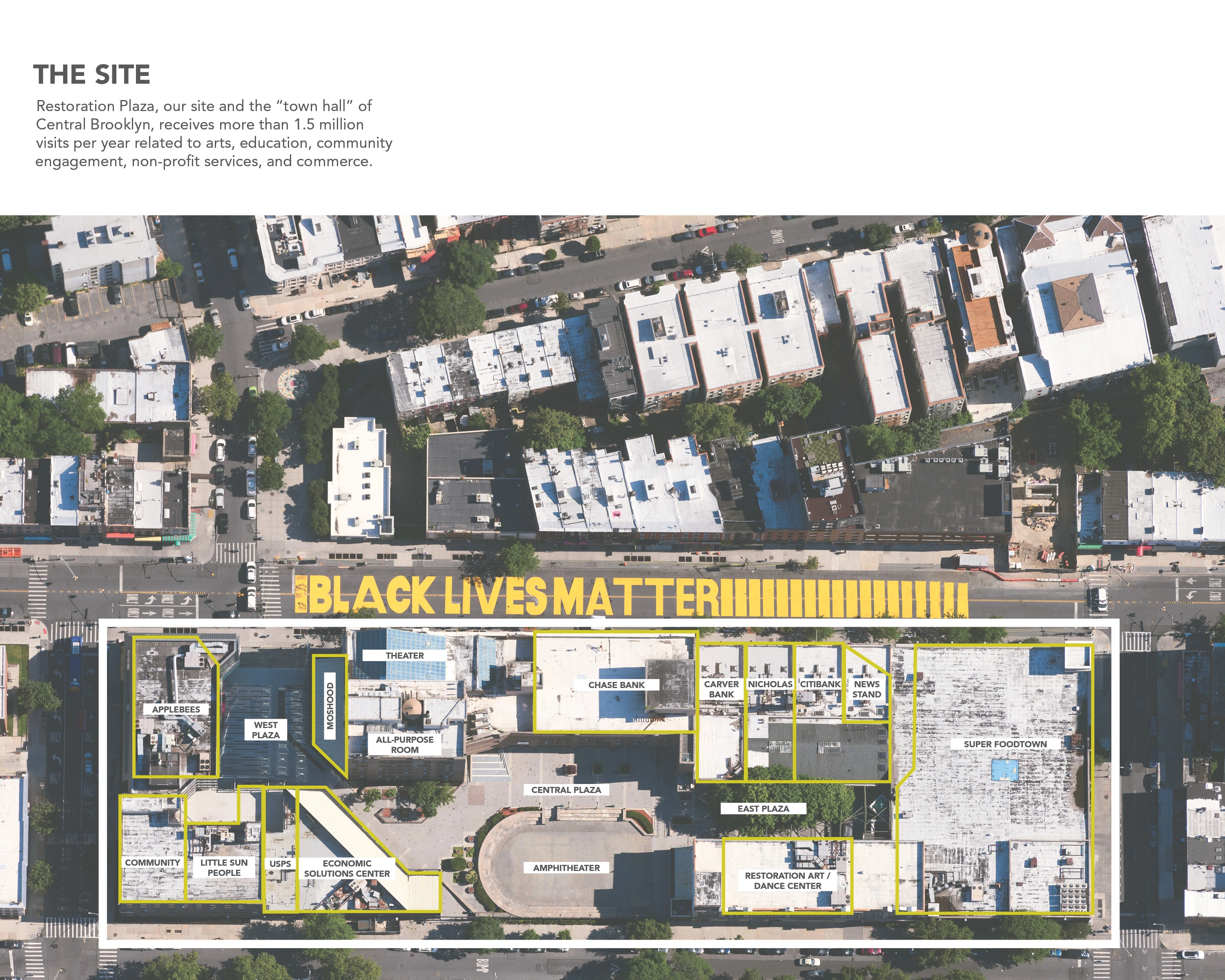
Be a Good Neighbor: A New Approach for Supportive Communications & Resource Sharing
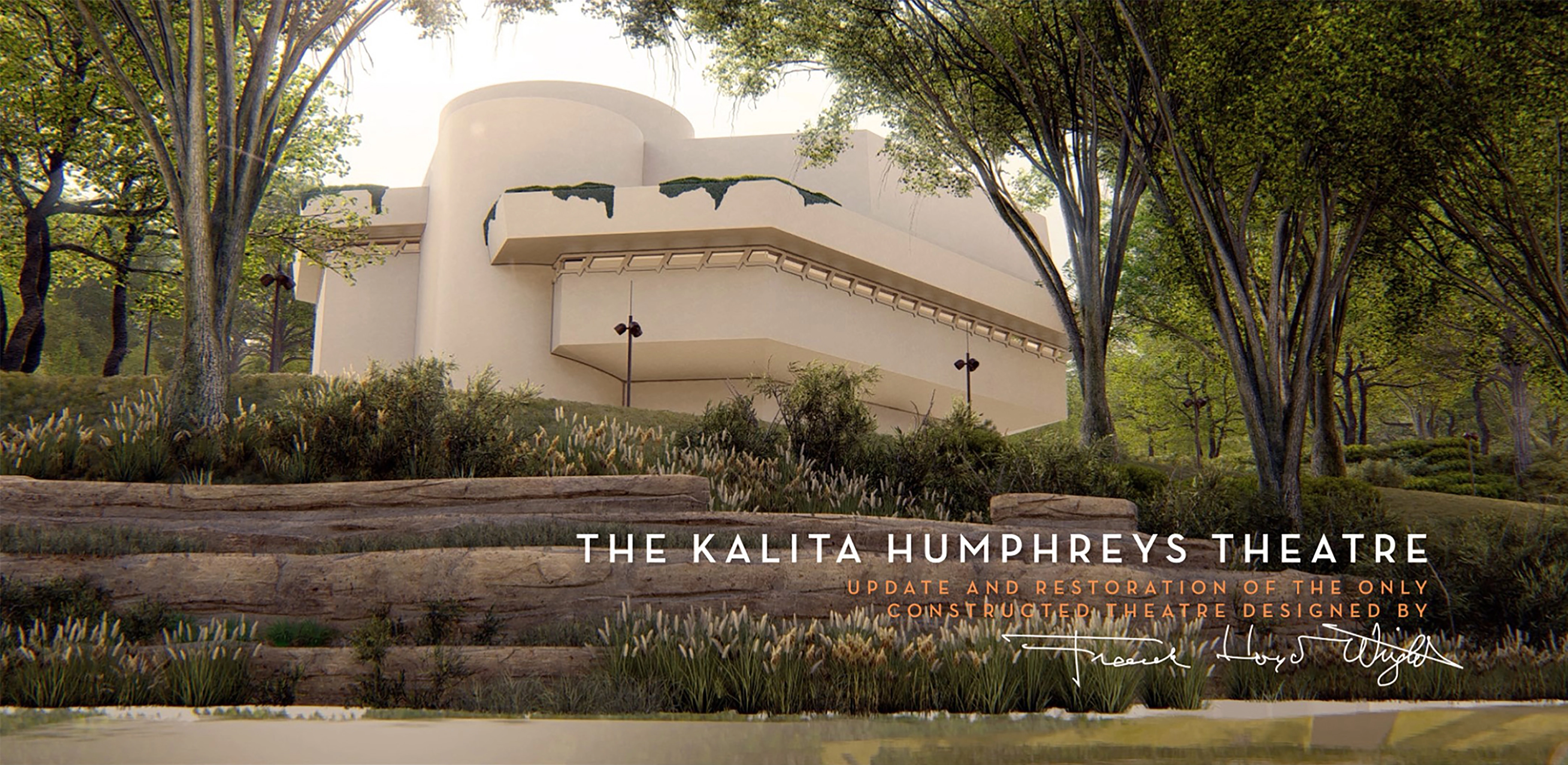
Kalita Humphreys Theater Design Film
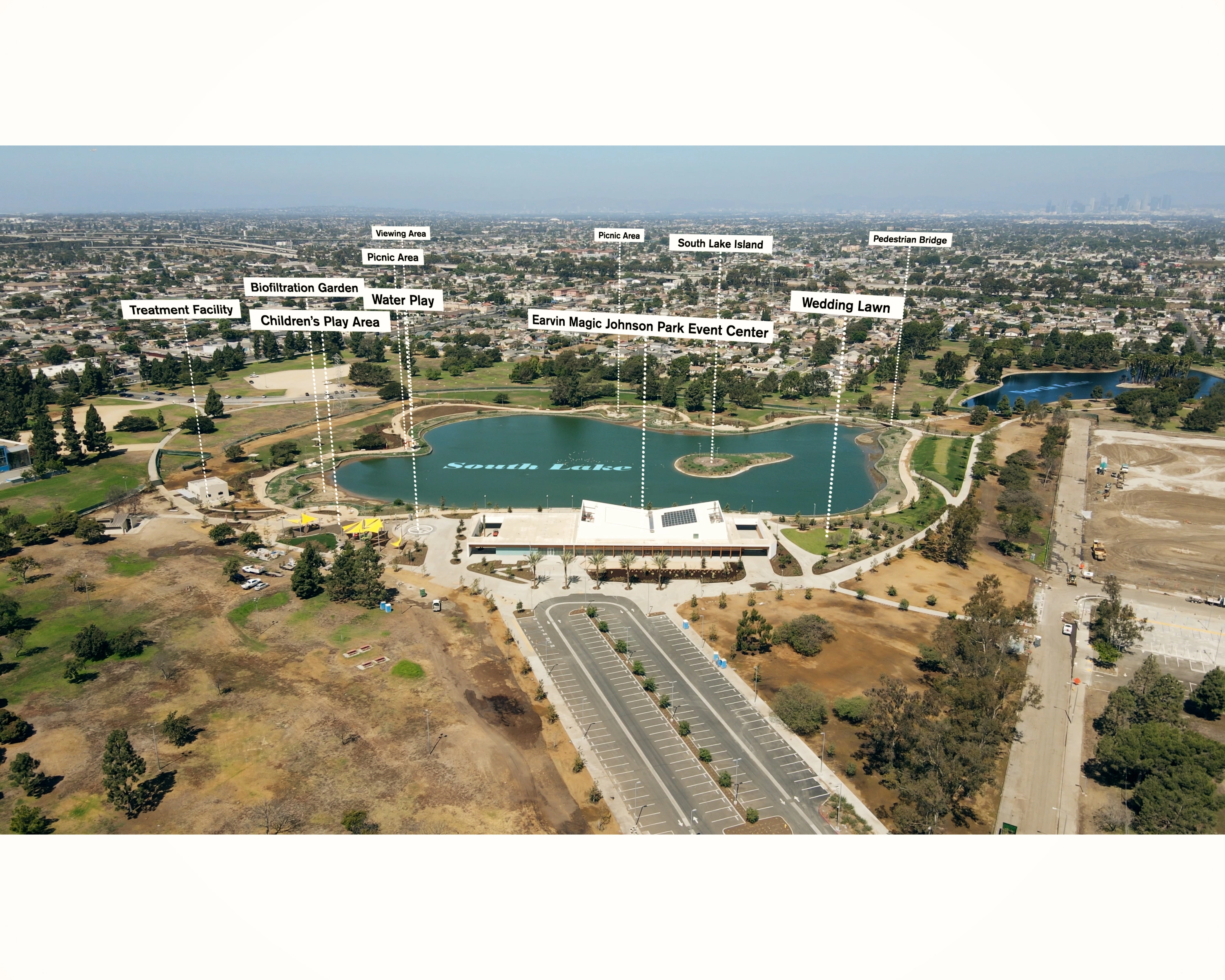
Landslide 2020: Women Take the Lead
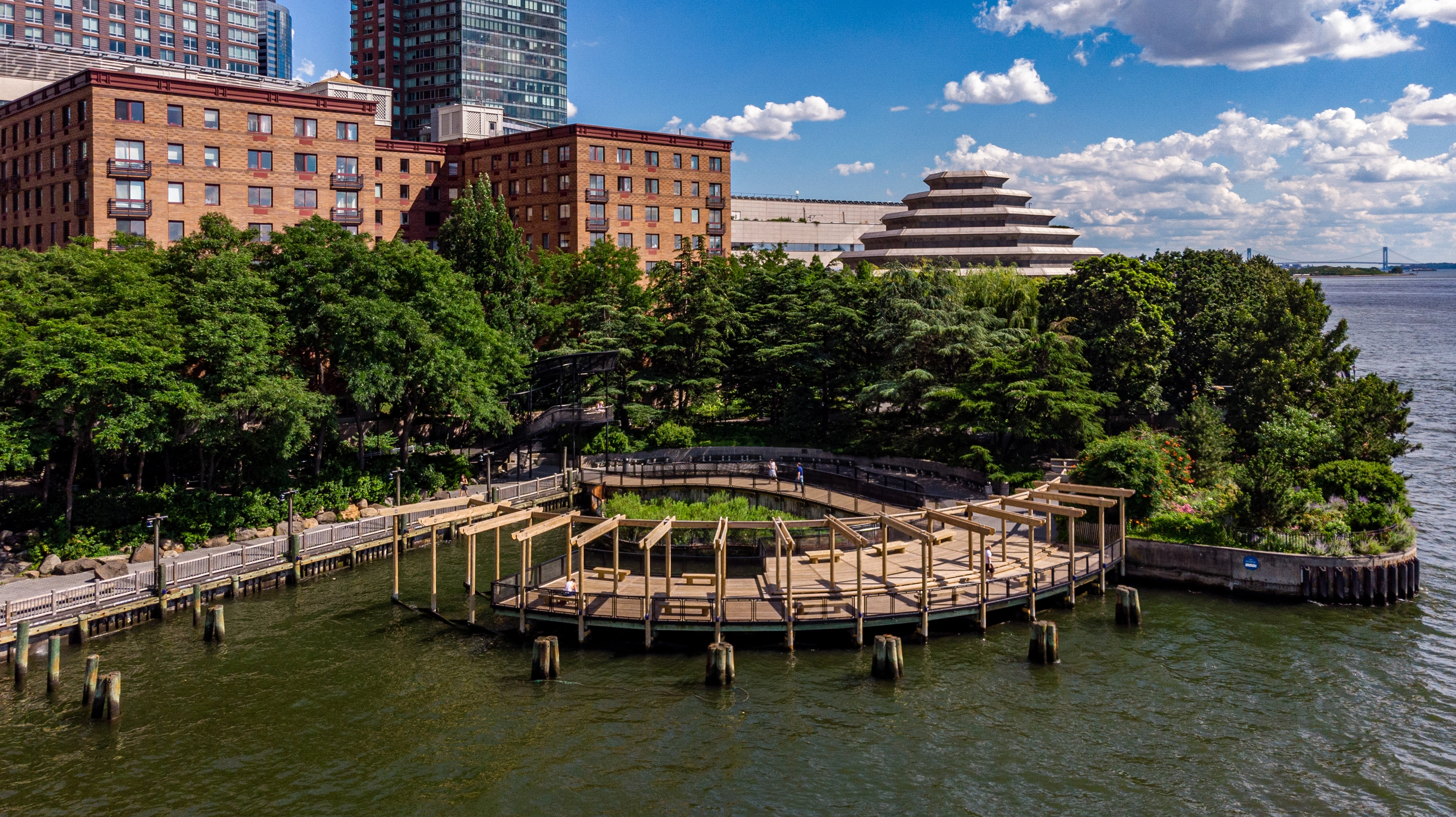
Sanctum
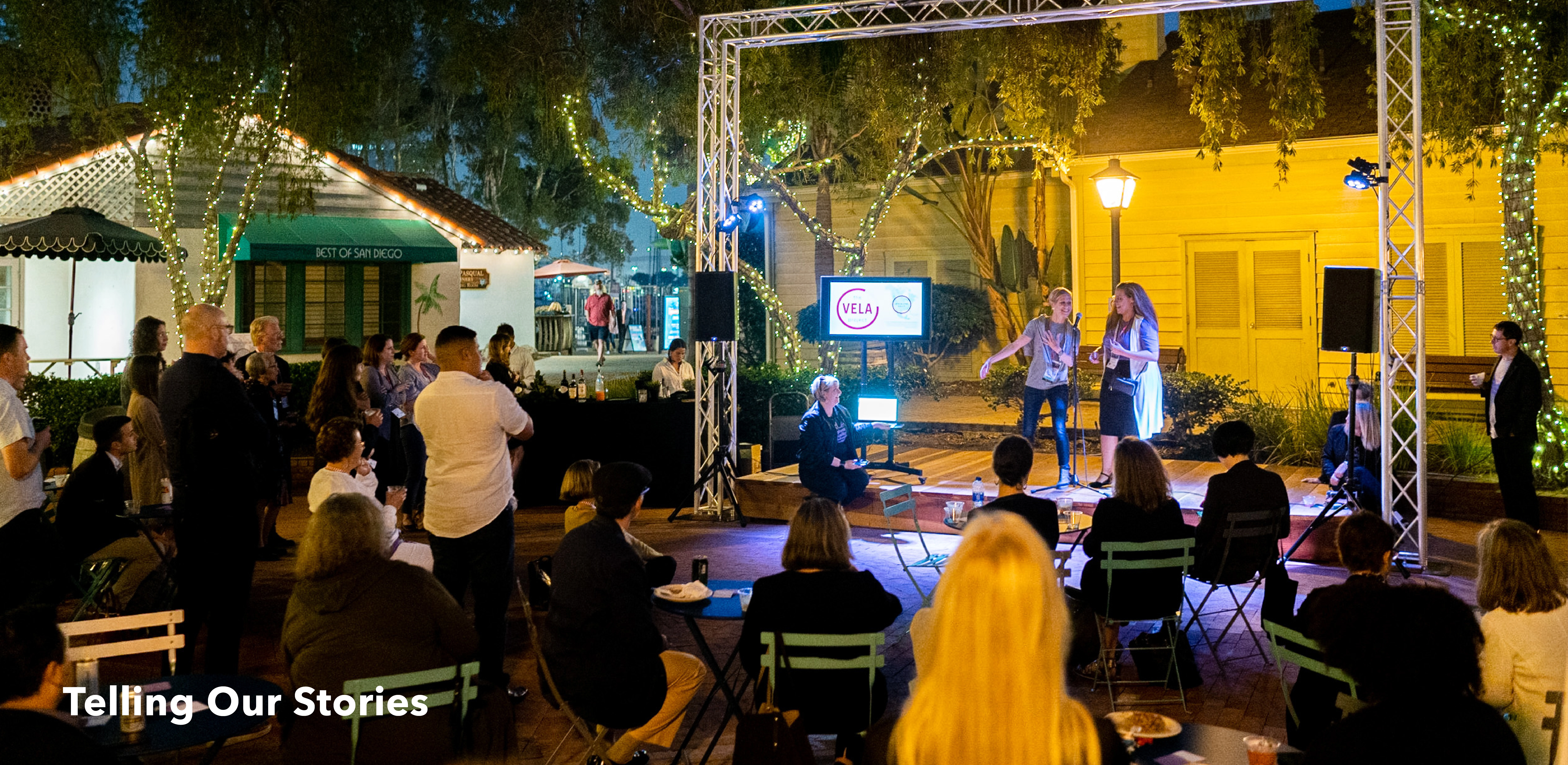
WxLA - Champions for Equality in Landscape Architecture
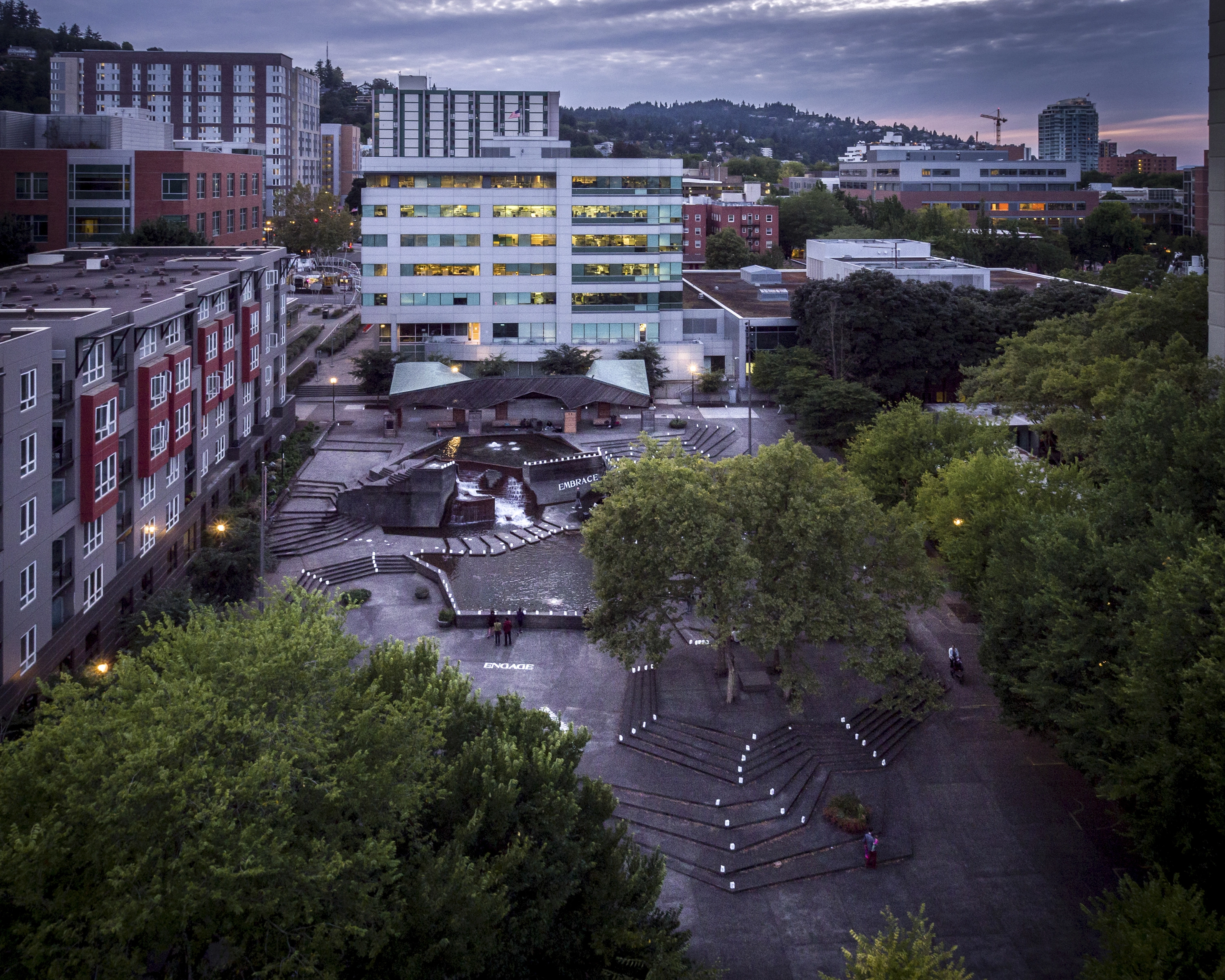
Portland Open Space Sequence
The Portland Open Space Sequence is a quartet of interactive fountains, plazas, and connecting pathways designed between 1963 and 1971 on native land home to Multnomah, Cowlitz, Clackamas, and Confederate Tribes of Grand Ronde. These mid-century modern civic assets are internationally celebrated and stand as Portland’s most influential works of landscape architecture.
Designed to foster civic joy, the Sequence emerged from brutal beginnings, a redevelopment that erased an ethnic enclave and one of Portland’s oldest neighborhoods, South Portland. With bold artistry and magnetic, exuberant public spaces not seen since the Renaissance, the Sequence defies the conventions of American urbanism and mid-century modernism. Their design and construction changed the history of American urban space, pioneering a path from passive parks and squares to a more dynamic, participatory merging of nature, art, and social experiment. A source of community pride, the Sequence, has become the soul of the downtown, iconic Fountain District landmark, a symbol of the Pacific Northwest naturalism, and ‘people place’ for generations to enjoy.