

.webp?language=en-US)


Interview Series: Bridging Academia and Practice
An Interview with Letora Anderson, PLA, AICP
by Sara Hadavi, PhD, ASLA
Landscape architecture education benefits from a diversity of perspectives, and some of the most valuable insights come from individuals who have experienced both academia and professional practice from multiple vantage points. While many practitioners enter teaching as adjunct instructors, others take different paths. These experiences offer a unique lens on the opportunities, challenges, and evolving relationships between universities and the profession.
As part of this interview series, the ASLA Education & Practice Working Group continues to explore how landscape architects contribute to student learning while navigating different career pathways. By sharing the experiences of professionals who have engaged with education in various capacities, the series aims to illuminate the many ways practitioners can help strengthen connections between academic programs and professional practice.
In this interview, we are delighted to feature Letora Anderson, PLA, AICP, whose career spans private practice, a full-time tenure-track faculty position, and her current role balancing professional practice in the public sector with adjunct teaching. Her experiences provide valuable perspectives on the opportunities and tradeoffs of moving between practice and academia, as well as the role practitioners can play in preparing the next generation of landscape architects.

Can you briefly describe your professional journey in landscape architecture and what led you to transition into teaching?
My introductory professional experience while pursuing a BLA at Louisiana State University included internships at a design-build landscape company and later a multidisciplinary firm that included architects, landscape architects, and interior designers. After completing an MLA at CU Denver, I began working at a landscape architecture firm whose projects included parks, multifamily developments, master-planned communities, and commercial projects.
Over time, I became increasingly interested in design at a community scale. This led me to transition to an engineering firm, where I worked on larger scale projects that focused on citywide park master planning, streetscapes, trails, and comprehensive planning projects. That experience provided insight into how design serves as a catalyst to improving communities. During this period, I also began teaching as an adjunct professor in the Landscape Architecture Program within the College of Architecture, Planning, and Public Affairs (CAPPA) at the University of Texas at Arlington (UTA).
A few years later, I transitioned to the public sector and served as the City Planner for the City of Greenville, Texas, to gain additional insight into development decisions that shape cities. From there, I transitioned into teaching full-time before eventually returning to the public sector as Assistant Director of Community Development while also resuming my role as an Assistant Adjunct Professor at UTA.
How has your own education in landscape architecture shaped your approach to teaching?
It is interesting because I believe the university environment, the surrounding region and natural landscape, along with personal experiences interacting with landscapes, all shape our view of landscape architecture. The foundational skills I gained during my undergraduate studies, outside of internships, were conducting site analysis and developing detailed graphic representations. Under the instruction of professors such as Bradley Cantrell, ASLA, our studio courses focused on New Orleans and the Louisiana coast in the aftermath of Hurricane Katrina. These experiences reinforced the importance of understanding environmental change through site analysis, identifying a site’s issues, opportunities, and constraints.
In my own course instruction, I require students to utilize varied methodologies for site inventory and analysis, including GIS analysis, site visits, soil and water testing, case study reviews, literature reviews, mapping, and documentation reviews. Collected data is then synthesized and represented through strong graphic communication, paired with clear descriptions and explanations, which are essential for effectively conveying findings and ultimately informing a design response that reflects the analysis.
My graduate studies at the University of Colorado Denver further emphasized the importance of community engagement in the design process. In a project led by Heath Mizer, we studied the historic African American community of Five Points. Engaging directly with community members provides an important social and qualitative layer of understanding regarding the area’s issues, opportunities, and constraints.
What motivated you to take on a teaching role?
In many ways, teaching comes naturally to me. What I value most about teaching is the opportunity to help students uncover the various systems that affect the built and natural environment of a particular place, along with the feedback loops that reinforce those conditions. I also understand what it feels like to “not know what you don’t know” when preparing for a professional journey. Teaching allows me to create an environment where students can fill those gaps through both lectures and experiential learning opportunities.
Was teaching something you had always considered, or did it emerge organically?
Yes, I knew that I wanted to teach. I realized it while pursuing my undergraduate degree, although I initially assumed it would happen later in my career.
What have been the most surprising or challenging aspects of transitioning from practice to education?
From the perspective of transitioning from adjunct faculty to teaching full time, one of the most surprising and challenging aspects is the difficulty of continuing to actively use one’s professional license while serving as a tenure track professor. Depending on university guidelines, opportunities to maintain an active professional practice may be limited. This can restrict a professor’s ability to occasionally exercise their professional licensure while also meeting the demands of teaching and academic responsibilities.
As a result, the focus often shifts from maintaining a pulse on current development standards and industry trends through professional experience to primarily pursuing grants for research and, in some cases, project implementation. Additionally, support for continuing education and professional licensure is often more limited within universities compared to full-time employment in private practice. For me, transitioning back into an adjunct faculty role has been a better fit. Similarly, a professor of practice position may be better suited for individuals who want the flexibility and opportunity to continue practicing part time or full time while teaching.
What is your teaching load and how do you balance your time and energy between professional work and your academic responsibilities?
Balancing part-time teaching with a full-time professional position requires a significant amount of time and energy. Currently, I teach one to two courses per semester. As an adjunct faculty member, maintaining balance is largely dependent on scheduling courses on the same day or during hours that minimize conflicts with professional work obligations.
Course preparation is also critical in managing the energy required throughout the semester. Having coursework, presentations, site visits, datasets, and other teaching materials planned in advance greatly reduces the amount of time and focus needed once the semester begins. This preparation allows me to concentrate more on reviewing student work and providing feedback, while reducing the overall level of energy required during the term. My passion for teaching and engaging with students certainly helps keep me motivated and energized. However, having these organizational systems and preparations in place is essential for participating in teaching in a sustainable and effective way.
How do you sustain your creative energy across both domains of practice and teaching?
I believe the creative aspect of my personality initially drew me to landscape architecture and continues to sustain my interest in both practice and teaching. I am most fulfilled when I can use my creativity to serve and advance others, and it is through that lens that I approach both my professional work and instruction. I also find it easier to maintain energy and focus when there is a common thread connecting my work and course instruction, when practice, research, and teaching topics align and inform one another.
For me, creativity involves exploring new strategies and engaging in reflective dialogue with students to better understand their perspectives on sites and what they gained from community engagement experiences. Their reflections, along with theoretical and research-based methods and case studies, often spark ideas applied to design strategies presented to communities. Across both practice and teaching, I employ diverse approaches to engagement and implementation. The resulting dialogue and feedback activate both my own desire and my students’ desire to develop design solutions, which in turn fuels creativity and ultimately influences the resulting project outcomes.
From your perspective, what are the most significant gaps between landscape architecture education and professional practice?
From my experience, one of the challenges within academia is the differing value placed on built projects compared to publications. Students benefit greatly when they have opportunities to engage in projects from start to finish, particularly through cumulative courses that build upon each phase of the process or through research assistantships where they can participate in design and construction administration. However, because publications are often emphasized more heavily within tenure track evaluation, full time faculty may be less likely to dedicate the significant amount of time required for design build projects if those efforts are weighted considerably less than scholarly publications. Landscape architecture projects, rather than research alone, provide students with exposure to real world construction and design challenges that involve practical site opportunities, constraints, coordination, and implementation.
What skills, knowledge areas, or habits do students often lack when they enter the profession?
Based on what I have been told, students lack understanding of grading and construction documentation.
How have you tried to address these gaps in your own teaching?
For example, I teach a Landscape Technology II course in which students complete the semester with a full set of construction documents. Throughout the course, students develop construction details and drawing sheets that progressively build toward a complete construction document set. In the past, I have also had students utilize projects from the studio course I taught the previous semester. This approach allows them to take a site through the full process, from analysis and conceptual design to construction documentation. These cumulative courses are particularly important to me, as they help close the gap between design intent and construction documentation, providing students with a more integrated understanding of the full design and delivery process.
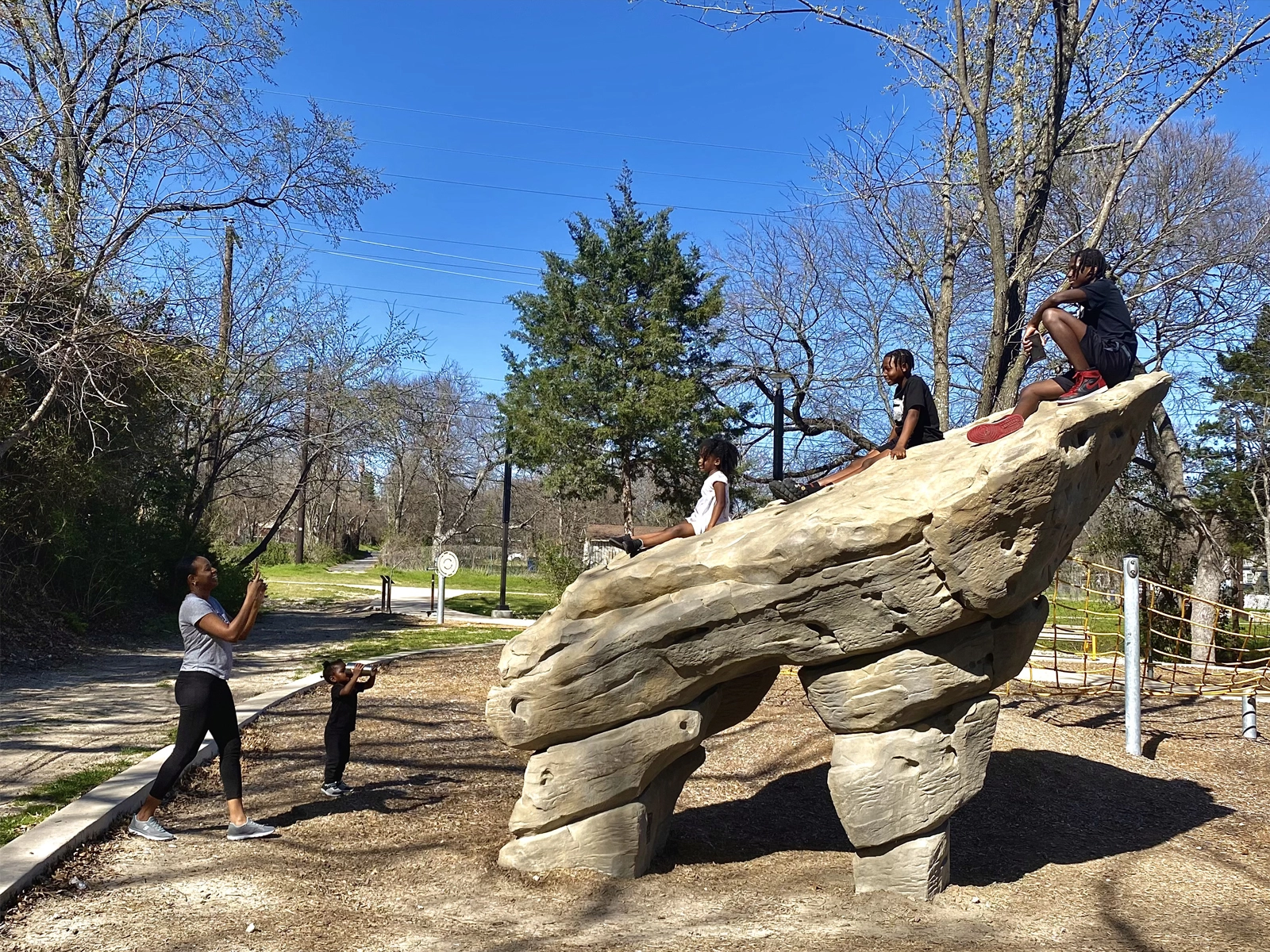
You mentioned that you teach Landscape Technology. What other courses do you teach and how do you bring real-world experiences and constraints into your classroom or studio?
As an adjunct faculty member, I am open to teaching a wide range of courses. I have taught MLA Studios II, III, and IV, Site Planning, Landscape Technology II, Graphic Communications for Landscape Architects, Professional Practice of Landscape Architecture, and Park Planning and Design. I also teach a number of courses in the Sustainable Urban Design Program. The most effective ways to integrate real world experience into these courses are by reinforcing the importance of scale, local plant palettes, grading and drainage, issues affecting sustainability, and local development standards. In addition, when possible, community engagement is essential. It not only informs projects that are intended to serve as community spaces but also helps support the requirements for accreditation.
How receptive are students to learning from someone whose primary background is practice rather than academia?
Students are very receptive. I believe they value both approaches, as long as the instruction aligns with their research interests or professional goals. However, I also believe students prefer instruction from practicing landscape architects over instruction that is not grounded in practice. I have observed that students tend to gravitate toward feedback rooted in practical design approaches, especially once they begin internships. In that sense, the effectiveness of either approach often depends on the professor’s research interests and how those interests are applied in the classroom. Although I find both practice and academic backgrounds to be valuable, particularly when research expertise can be translated into practical application, I also believe that, given landscape architecture is a professional degree, we would be doing a disservice to students by not including practicing landscape architects in course instruction.
Following up on this, what unique value do professional instructors bring to landscape architecture programs?
Professional instructors bring built project experience that can be used as case studies and instructional examples. They also offer professional connections that can lead to internship opportunities and guest jurors for student presentations. Practitioners also understand the skills students need for entry level positions and are often current with industry standard software. In addition, they are able to maintain a pulse on current design trends and local development standards, which can be directly applied when guiding students through design projects in a local context.
What institutional support (or lack thereof) have you encountered as a practicing instructor?
Support structures play a critical role. Better communication from administrative leadership, including deans and program directors, can significantly improve faculty success by clarifying expectations, priorities, and opportunities for engagement. This support varies by institution and leadership style, but it directly impacts how effectively practitioners can integrate into academic roles. Additionally, institutional flexibility is important, particularly when balancing teaching responsibilities with continued professional practice and licensure. Without that flexibility, it can be difficult for practitioners to maintain the real-world engagement into their teaching.
What are the limitations or frustrations of being in a practicing instructor role?
The main limitation, as mentioned, is the ability to actively practice depending on one’s full-time academic role. In addition, built projects are often valued much less than publications within academic evaluation systems, which can be frustrating, especially since publications can often emerge from built work, yet the time required to pursue both is not always available.
Do you think the lecturer model is sustainable for a practitioner?
The lecturer model can be sustainable for a practitioner, but it depends heavily on how the role is structured and the expectations of the institution. Based on my experience, adjunct or lecturer positions are generally more compatible with ongoing practice because they offer flexibility and allow continued engagement in professional work. This makes it possible to bring current projects, standards, and real-world experience directly into the classroom while still maintaining licensure and practice.
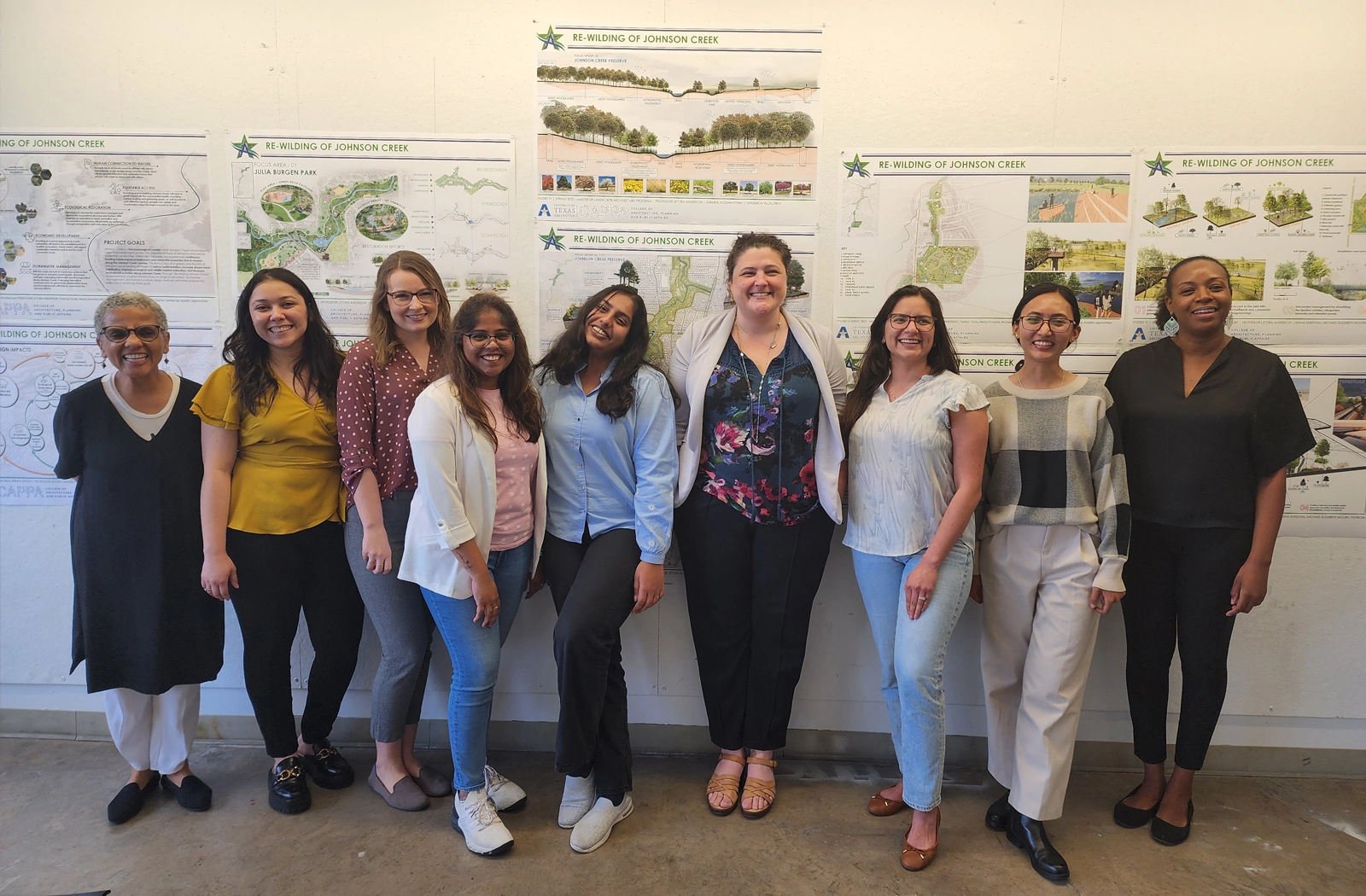
What has been the most rewarding aspect of teaching for you?
The most rewarding aspect of teaching is seeing students’ growth throughout the semesters, receiving their feedback on the courses I have instructed, connecting them with practitioners, and the relationships that are built along the way. I also value the opportunity to equip students with a deeper understanding of the importance of landscape architecture and its role in supporting sustainable development practices, as well as helping communities adapt to changing micro and macro climate conditions.
Has your experience as an educator changed the way you approach professional practice?
Yes, it has. My presentation style for City Council, the Planning and Zoning Board, community members, and other city appointed committees has evolved as a direct result of teaching at the university level. This is partly due to the nature of the classroom, which allows for continuous exploration and refinement of instructional approaches over time. As a result, I have changed how I structure presentations and engagement to better build audience trust, encourage discussion, and improve knowledge retention.
Have you noticed any shifts in the profession that should be reflected more explicitly in design education?
It depends on the landscape architecture program; most may reflect these shifts, particularly those that include practicing landscape architects or place value on professional practice alongside theory. Diversity is also a key shift that has yet to occur in some landscape architecture programs. Unfortunately, design programs that do not seek a cross section of individuals within their faculty pool risk placing students in an environment that is not fully reflective of real-world conditions. As landscape architects, the experience of working with and listening to diverse individuals should be both encouraged and valued, as it is essential to professional practice.
What would you say to practicing professionals who are curious about teaching but unsure where to begin?
If you live near an institution you are interested in and your schedule permits, it is helpful to begin by engaging in conversations with current faculty and alumni and exploring opportunities to serve as a guest juror. Attending program events and volunteering for committees, when available, can also provide insight into the program while helping you build relationships. These connections often increase the likelihood of learning about positions when they become available. If you do not have any teaching experience or the university is not nearby, you can also begin by building your CV through publications, which are often viewed as a strong asset in hiring. Another approach is collaborating with professors on Landscape Architecture Foundation’s case study investigations (CSI) or other collaborative research opportunities. All of these strategies help build relationships and provide a better understanding of university culture and expectations.
What kind of preparation, mindset, or support is necessary for practitioners to thrive in teaching roles?
Thriving within a teaching role requires flexibility and collaboration. It requires the ability to translate practice into structured learning environments while remaining open to evolving methods of inquiry. Practitioners also need to be comfortable working across multiple systems, including practice, research, and teaching, and finding connections between them. Collaboration with faculty, students, and community partners also strengthens this process.
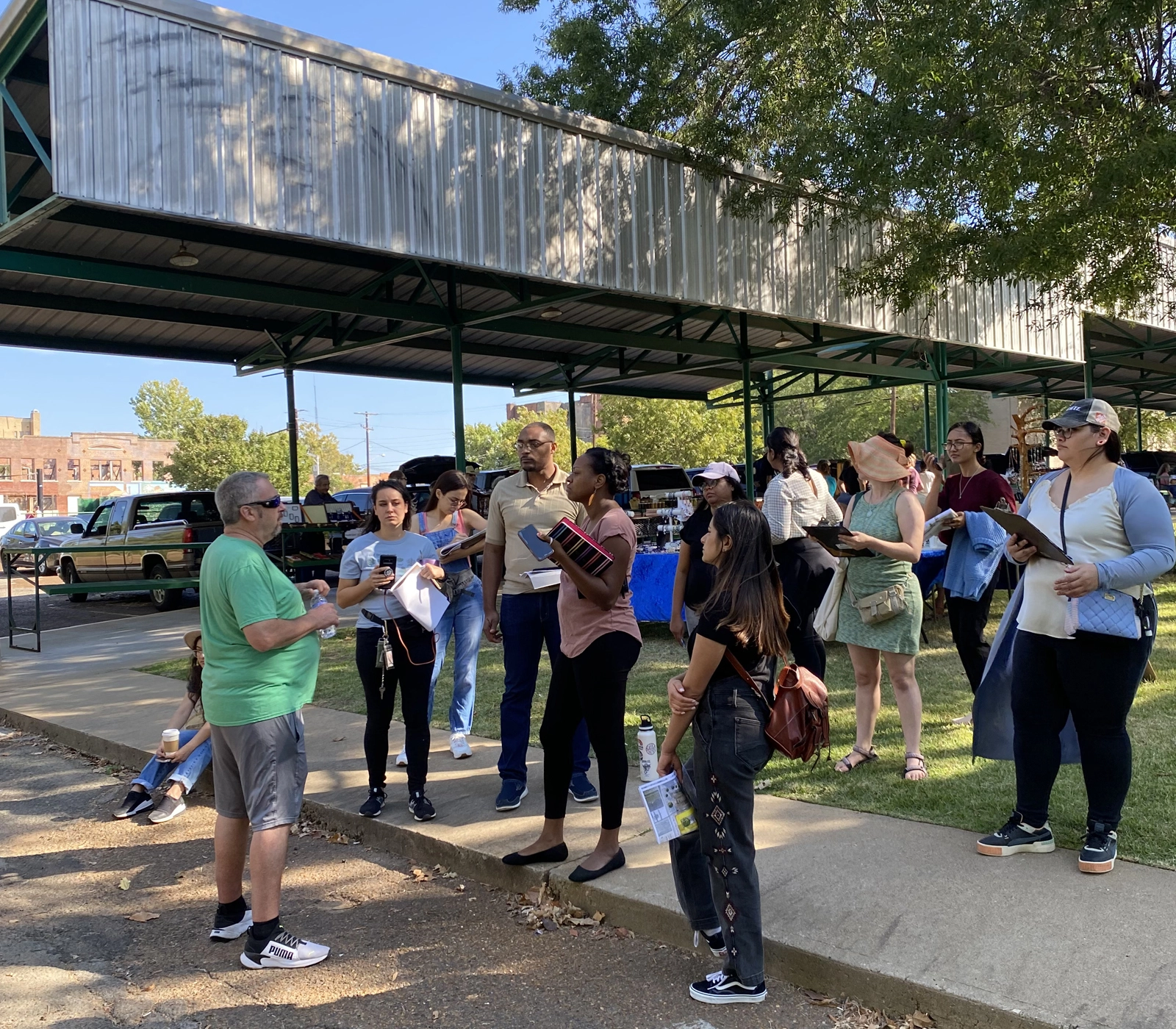
How can universities better integrate practicing professionals into their programs—not just as lecturers, but as active participants in curriculum development?
One effective approach is formalizing an advisory committee composed of alumni and industry professionals who can provide ongoing guidance and perspective. Such a committee can play a role in offering input on curriculum alignment with current practice, as well as providing feedback on course renaming, updates to course descriptions, and evolving professional competencies.
What do you envision as the ideal relationship between academia and practice in landscape architecture?
I believe the ideal relationship between academia and practice in landscape architecture is grounded in greater collaboration across research, community engagement, and built work. However, this level of collaboration requires openness on both sides. Practitioners and academic institutions must be willing to engage in shared processes, whether through studios, research partnerships, advisory roles, or community-based projects. We could also benefit as practice from intentionally facilitating more structured discussions and platforms that bring faculty, students, researchers, and practitioners together. We have seen those discussions have started in conferences and interviews such as this.
Are there emerging trends in the profession (e.g., climate adaptation, equity, digital tools) that academia should prioritize more effectively?
A deeper understanding of equity issues rooted in historic development practices, and how landscape architecture can function as a tool for community development to mitigate the effects of disinvestment. This includes examining how past planning and infrastructure decisions have contributed to disinvestment, environmental injustice, and uneven access to public space and ecological systems. Equally important is helping students understand how design can be used not only to respond to these conditions, but to actively mitigate their long-term effects through intentional investment and community centered design strategies.
How do you see the role of adjunct/practicing faculty in landscape architecture evolving in the coming years?
I see it as a strategy to diversify faculty expertise within landscape architecture programs. My hope is that universities will recognize the value of strategically supporting adjunct and practicing faculty, particularly by providing assistance for projects and research that directly advance core curriculum goals. At the same time, there is sometimes a disconnect between adjunct engagement and awareness of ongoing program initiatives compared to full time faculty. Strengthening communication and collaboration between these groups could help bridge that gap, ensuring that all faculty contributors are aligned.
Any additional thoughts that we didn’t discuss? Please feel free to add.
As we consider the MLA as the terminal professional degree, positions for hire should appropriately reflect that standard by requiring an MLA and preferring licensure or a doctoral degree. However, if a doctorate is required outright, it can unintentionally exclude many qualified practitioners from the hiring pool who bring built experience and professional insight into the classroom. It is also important to consider how workload percentages are structured. For roles designed to attract and support practitioners, a lower research expectation with a greater emphasis on teaching and service may be more appropriate. This allows practitioners to remain engaged in professional practice while contributing to academic programs. Conversely, individuals with more traditional academic backgrounds may be better aligned with positions that include a higher research percentage. Ultimately, more flexible role definitions help ensure that academic programs can benefit from both deeply engaged practitioners and research focused faculty, strengthening the overall balance between practice, teaching, and scholarship.
Thank you very much for sharing your insights.
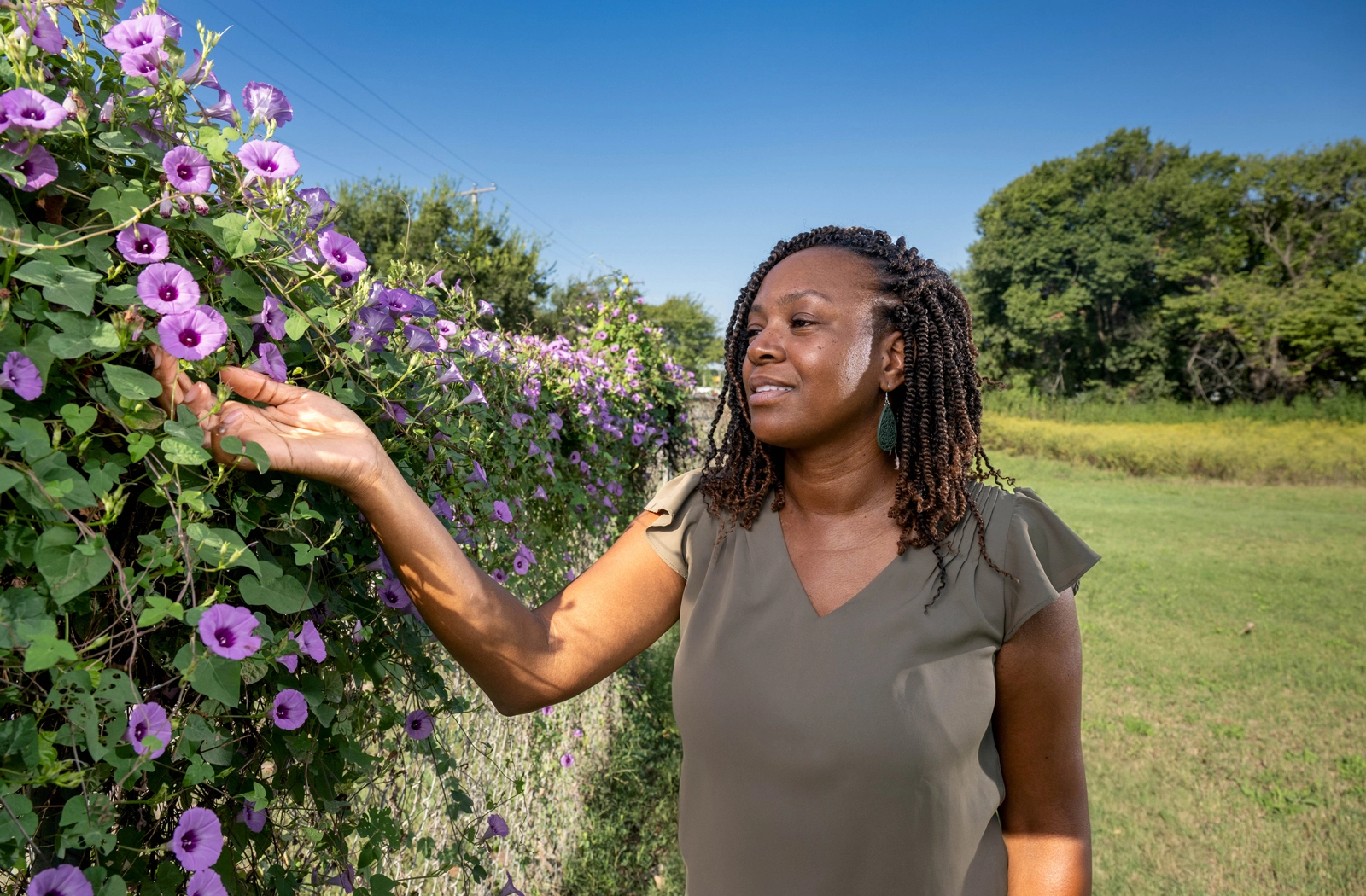
Bridging Academia and Practice
Education & Practice Interview Series
The Education & Practice Professional Practice Working Group is committed to supporting landscape architecture education that better aligns with the needs of the profession. To this end, this interview series is intended to provide firsthand insights for practitioners interested in teaching. Collectively, these interviews aim to offer a clearer picture of the nuts and bolts of academia-practice integration and to help guide practitioners who are considering a role in landscape architecture education.

Interview Series: Bridging Academia and Practice
An Interview with Jessica Henson, ASLA

Interview Series: Bridging Academia and Practice
An Interview with Michelle Delk, FASLA, PLA

Interview Series: Bridging Academia and Practice
An Interview with Paul Kissinger, FASLA, PLA