

.webp?language=en-US)

Landscape Architects Release Freely-Available Guide to Assessing Site Carbon
The guide introduces a new project life cycle phase – Landscape Carbon Storage – to quantify the climate benefits of landscape architecture
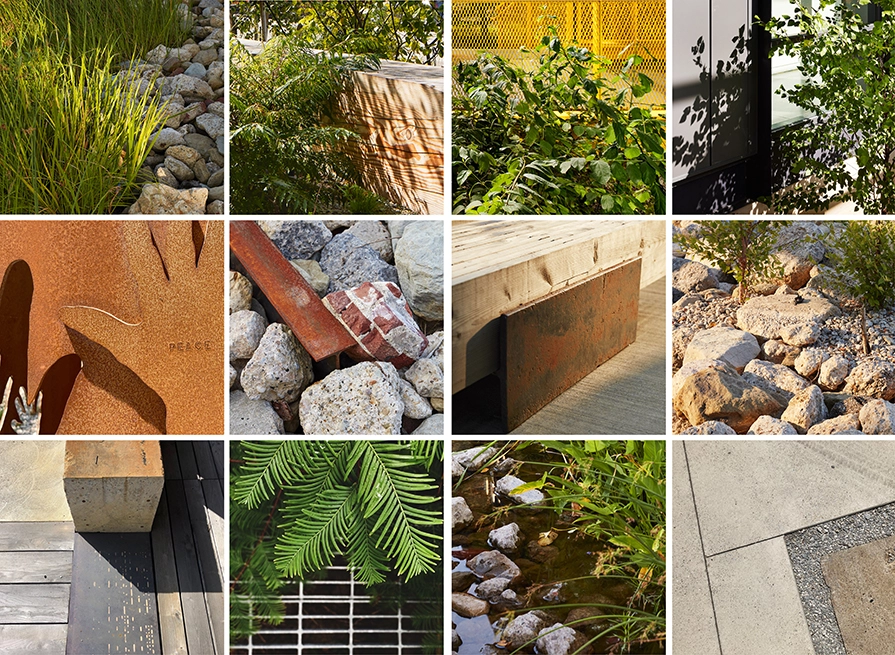
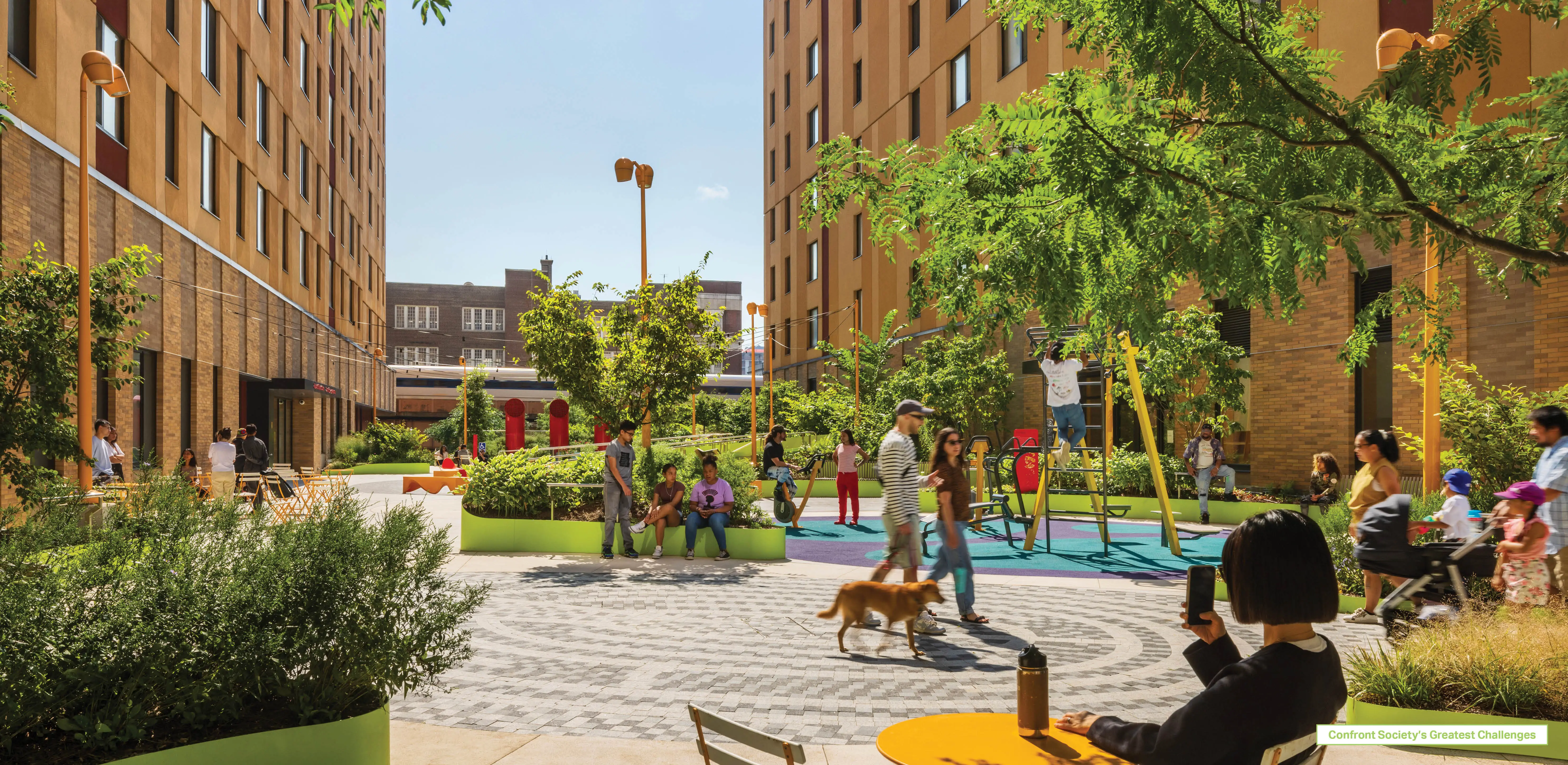
ASLA 2025 Professional General Design Honor Award. Mill 19: A Catalytic Postindustrial Landscape. Pittsburgh, Pennsylvania TEN x TEN, D.I.R.T. Studio TEN x TEN / Gaffer Photography
ASLA has released Landscape Architecture 2040: Guide to Site Carbon Assessment v1, the first standardized methodology for measuring the embodied carbon, operational greenhouse gas emissions, and carbon storage of site projects.
The guide details methods for assessing a new life cycle phase – Landscape Carbon Storage (B9). This enables landscape architects to calculate the carbon storage of existing and proposed trees, plants, and soils in a uniform way.
Landscape architects and designers can use the guide to gather, document, and quantify information about the climate impacts and benefits of sites of all sizes. The guide also informs architects and engineers working with landscape architects on integrated site – landscape, infrastructure, and building – carbon assessments.
The guide helps the profession achieve the goals of Landscape Architecture: Climate & Biodiversity Action Plan by providing a clear, standardized way to calculate greenhouse gas emissions and carbon storage. It also aligns the profession with carbon assessment efforts in the fields of planning, architecture, and civil, mechanical, electrical, plumbing, and structural engineering, as established by the cross-disciplinary ECHO Project.
“This comprehensive guide demystifies each step of a site carbon assessment. It provides detailed guidance to firms that don’t know where to start with carbon assessments. It also enables firms already conducting assessments to standardize methods, so studies are comparable and repeatable,” said ASLA President Brad McCauley, FASLA, PLA.
“With this new guide, landscape architects can now lead site carbon assessments. We will be able to measure the emissions impacts of projects in the same way. But also, crucially, we will be able to calculate the carbon drawdown benefits of sites. To date, this has been left out of architecture, engineering, and construction (AEC) industry carbon assessments,” said Meg Calkins, FASLA.
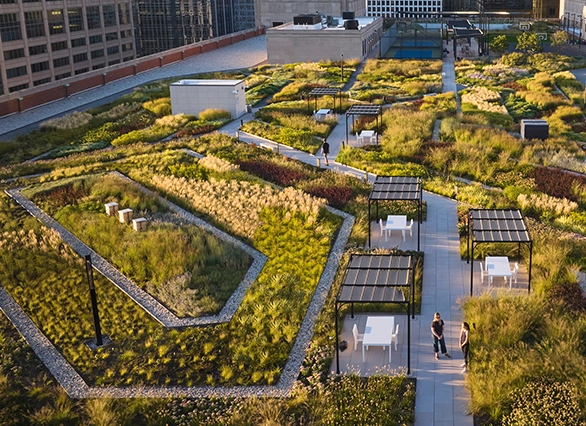
“The field of landscape architecture is now fully aligned with best practices for measuring greenhouse gas emissions used by architects and engineers. This guide sets the stage for collecting standardized site data, so the landscape architecture community can undertake the first national carbon benchmarking pilot next year. Benchmarking is key to establishing an industry-wide baseline we can start to reduce our emissions and increase our carbon sequestration against,” said Alejandra Hinojosa, Affil. ASLA.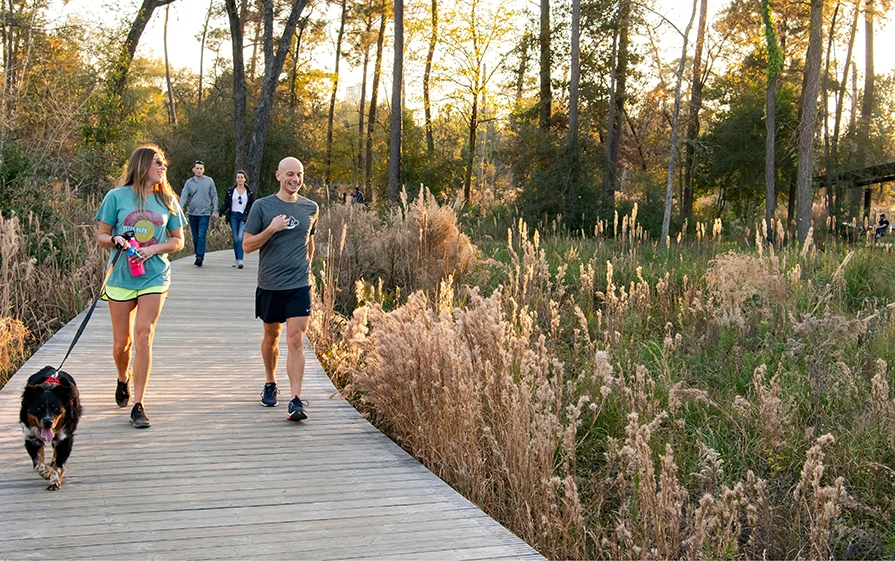 ASLA 2026 Professional General Design Honor Award. Houston Arboretum & Nature Center. Houston, Texas. Design Workshop; Reed Hilderbrand / Brandon Huttenlocher/Design Workshop
The Guide to Site Carbon Assessment explains how to:
Define the scope and criteria for a site carbon assessment.
- Measure embodied carbon emissions, which come from the extraction, production, transportation, construction, use, and deconstruction of materials.
- Estimate operational emissions, which come from the energy used to power, water, and maintain a site.
- Estimate landscape carbon storage, which is the amount of carbon sequestered through plants, trees, and soils.
- Estimate product carbon storage, which is the amount of carbon stored in bio-based products made from wood.
- Use a range of tools to assess site carbon, including Pathfinder, Carbon Conscience, C.Scale, and One Click LCA Infrastructure.
- Leverage project certifications to support carbon assessment work.
The guide was developed by a working group of the ASLA Climate & Biodiversity Action Committee:
- Alejandra Hinojosa, Affil. ASLA, LEED AP BD+C, Co-Chair, Site Carbon Assessment Working Group; Senior Sustainability Specialist, LPA Design Studios
- Meg Calkins, FASLA, FCELA, Co-Chair, Site Carbon Assessment Working Group; Chair, ASLA Climate & Biodiversity Action Plan Task Force; Professor of Landscape Architecture and Environmental Planning, North Carolina State University
- Mariana Ricker, ASLA, PLA, Member, Site Carbon Assessment Working Group; Climate Lead, ASLA Climate & Biodiversity Action Plan Task Force; Associate Principal, SWA Group
- Chris Hardy, ASLA, PLA, CA, Member, Site Carbon Assessment Working Group; Associate Principal, Sasaki
The guide was reviewed by an Industry Peer Group of seven leading built environment organizations and a Professional Practice Group of 13 landscape architecture firms.