
.webp?language=en-US)


The Lawn is Dead – Long Live the Lawn
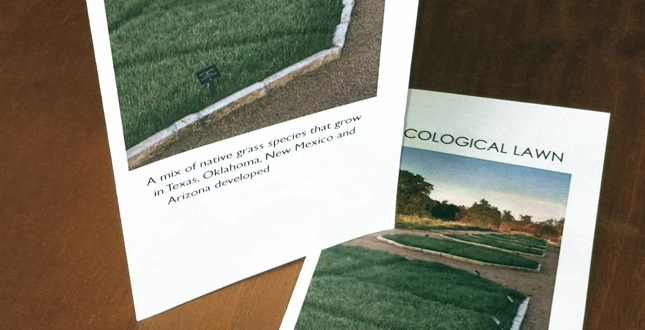
So appropriate for the Southwest, where water is so scarce, but it provides lessons for us all. The key is aesthetics. Natives and low-water plants can be more beautiful than lawns.
Awards Jury
-
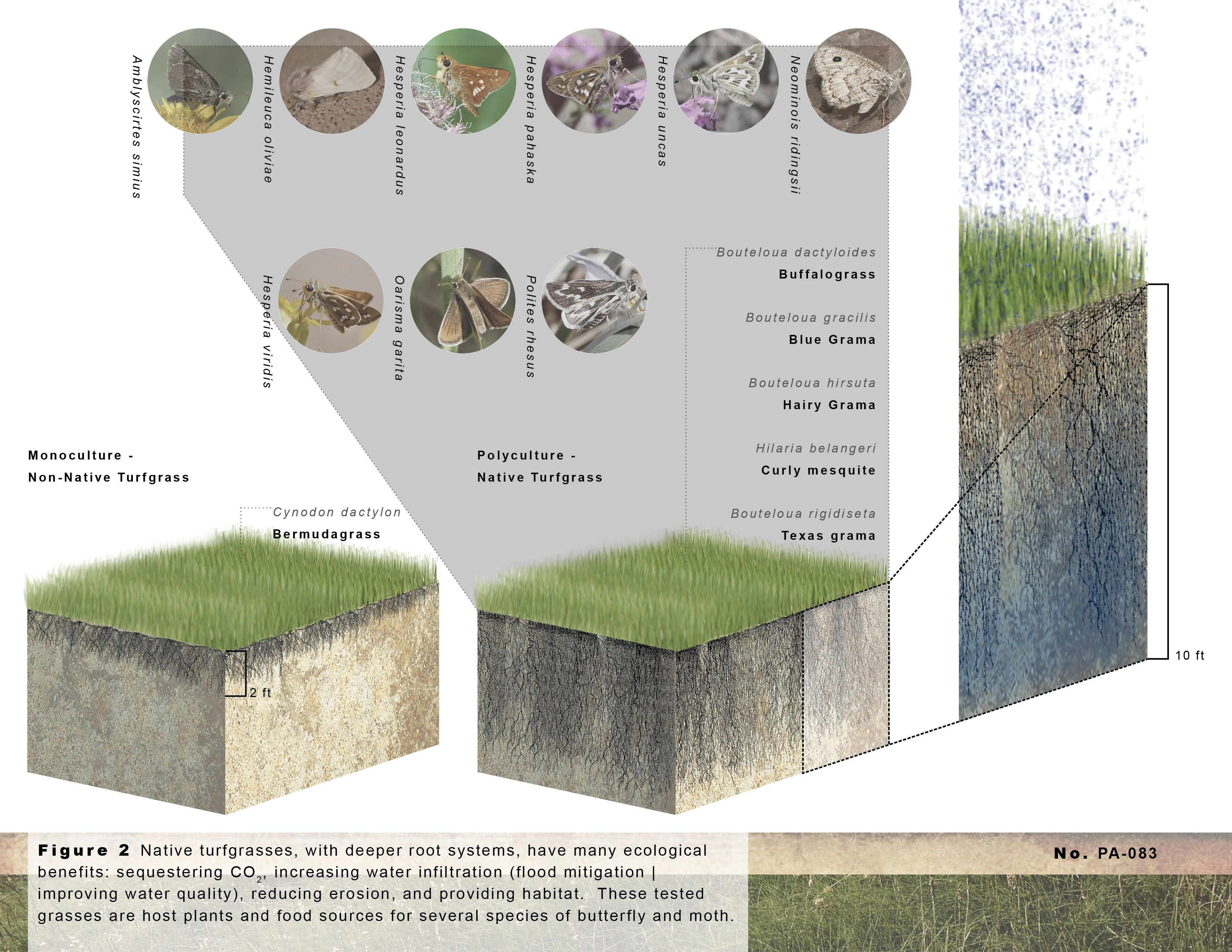
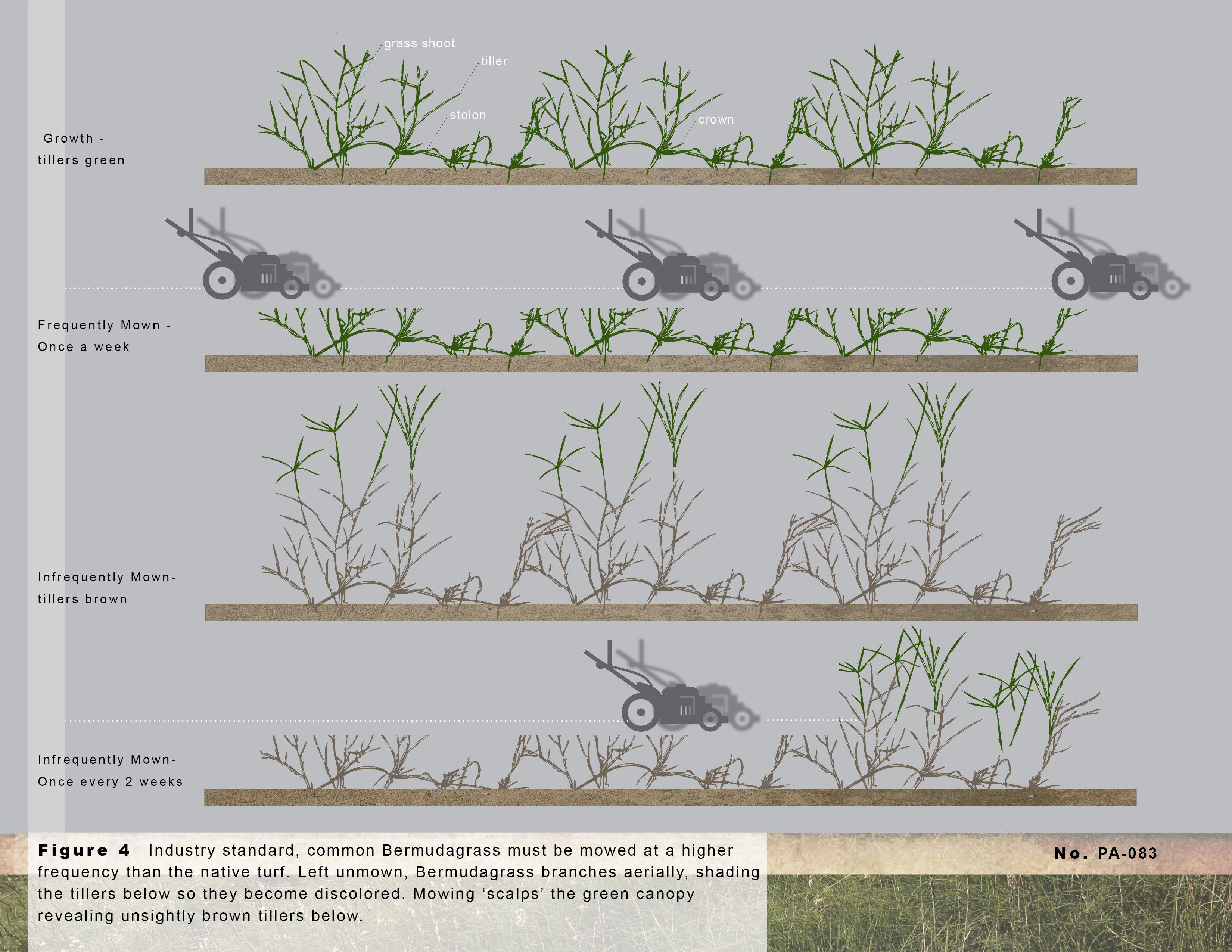
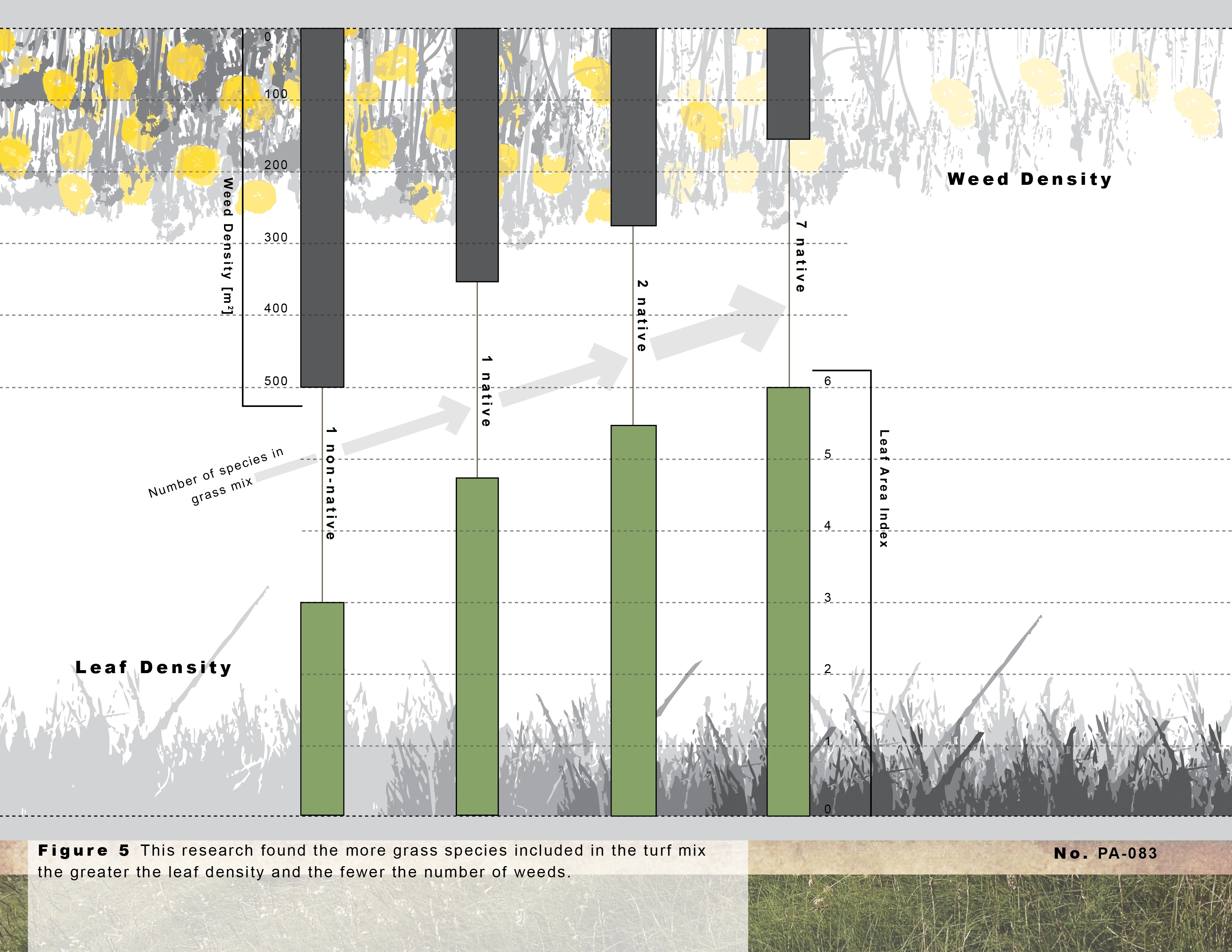
Turf is widely used in urban landscapes, but is frequently criticized due to high demand for water, fertilizer, pesticides and mowing. This research assessed a turf mix derived from regionally-native turfgrass species and determined that it established faster, had higher leaf density, fewer weeds and required less mowing than a common non-native turf. A similar ecological design approach to turf design elsewhere would have a profound effect on the environmental footprint of all turf landscapes.
-
Problem
Turfgrasses are a dominant urban and sub-urban landscape type contributing to roadsides, parks, campuses, golf courses, utility rights-of-way, and residential lawns. These landscapes, however, are justifiably villainized due to their high demand for water, fertilizer, pesticides and mowing. Fifty million acres of turfgrasses in both commercial and residential applications represent the primary irrigated crop in the United States, absorbing up between 30% and 60% of potable urban water. Lawns alone annually consume 67 million pounds of pesticides, 70 million tons of fertilizer, as well as 300 million gallons of gasoline producing 5% of the nation's air pollutants. The resource dependence of this landscape type over the last 40 years has been the direct result of the development of cheap fertilizer and pesticides, breeding of nutrient-dependent grasses and the availability of water. The result is an industrial landscape that has become neither environmentally responsible nor economically viable.
Solution
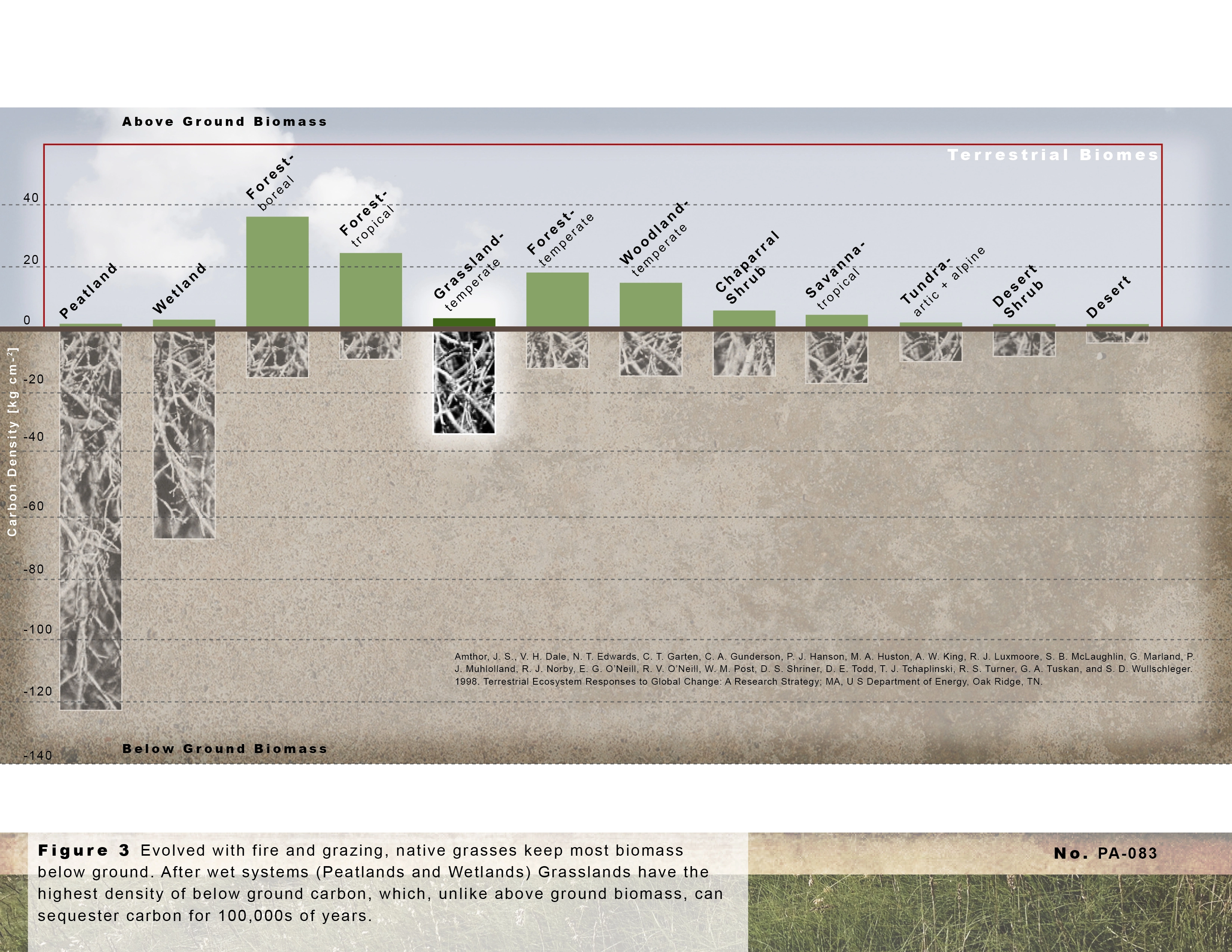
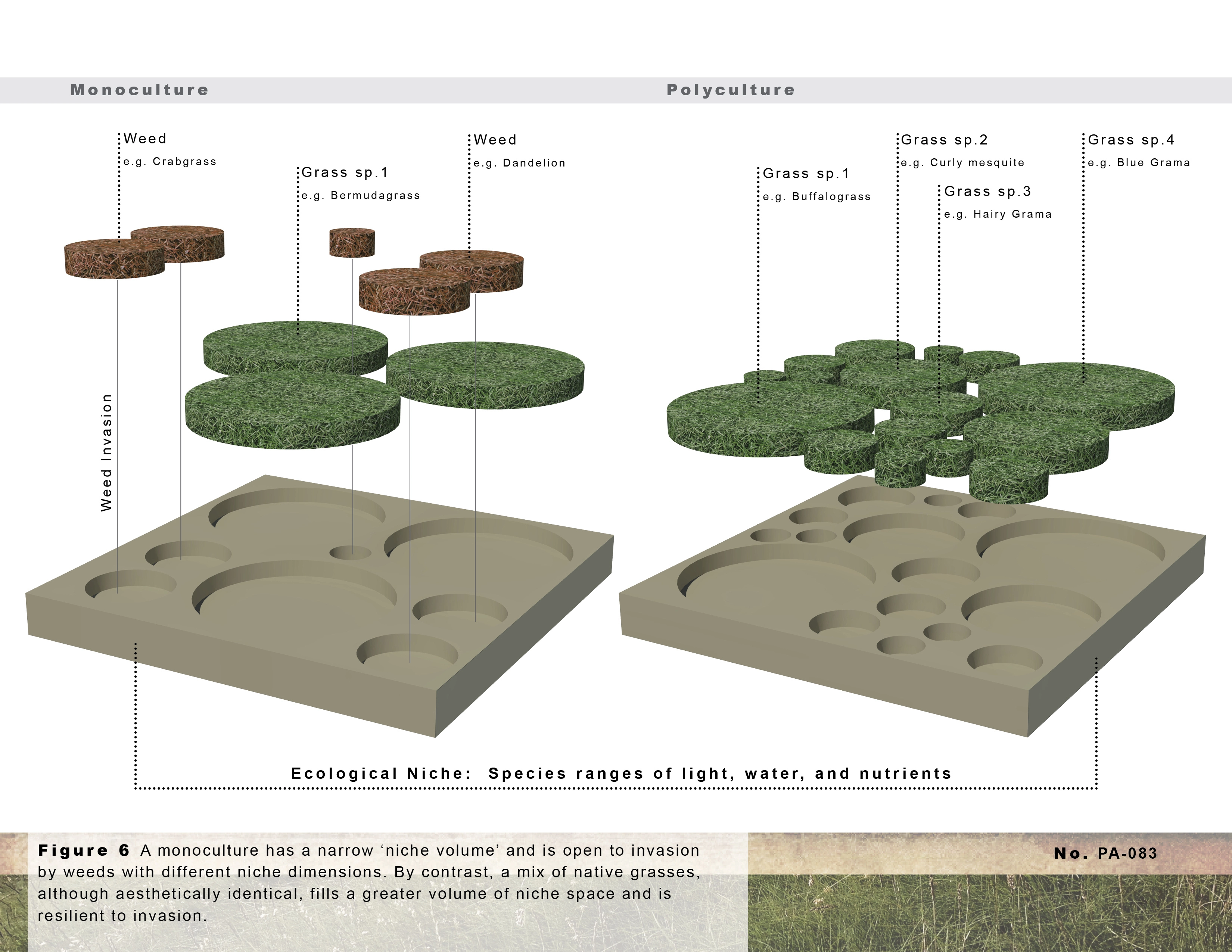
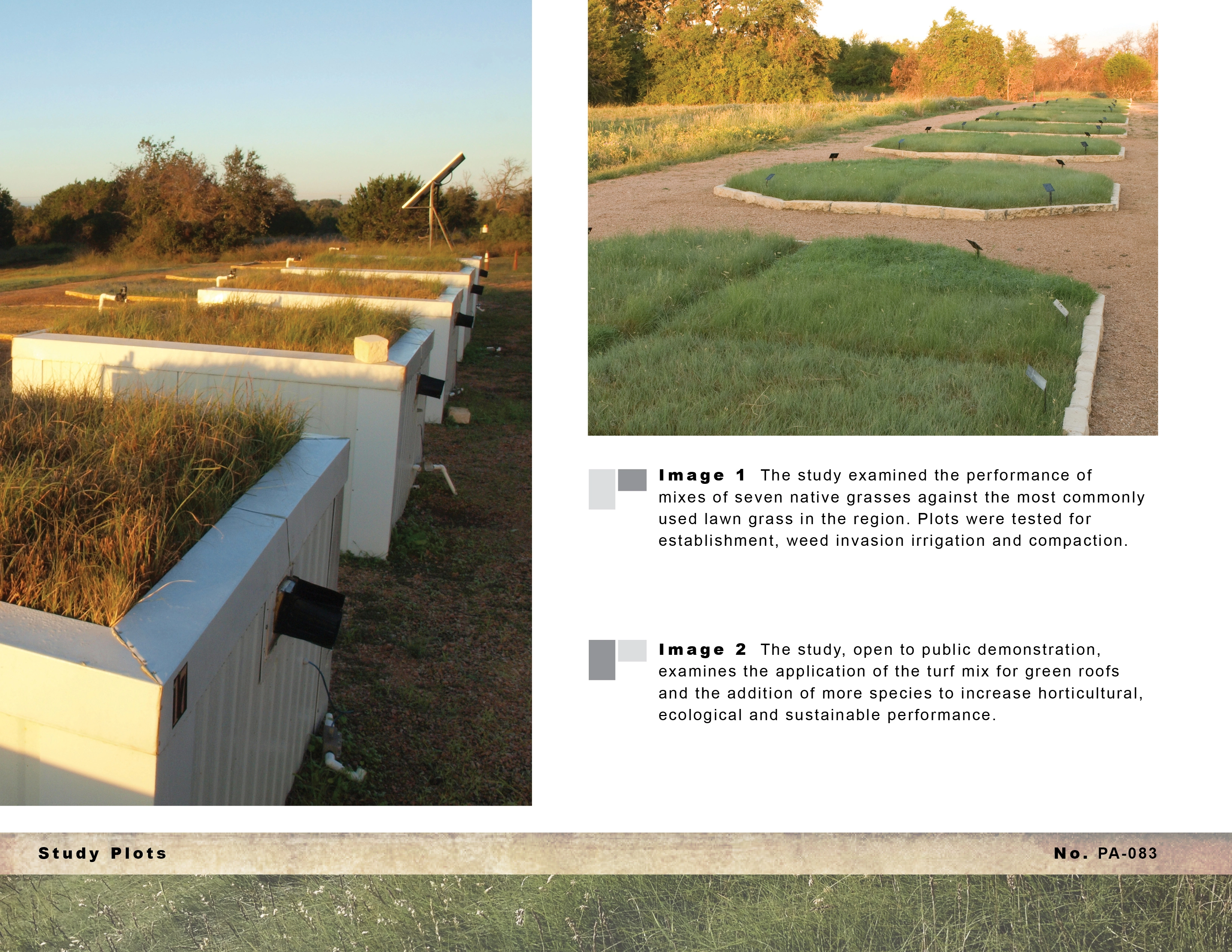
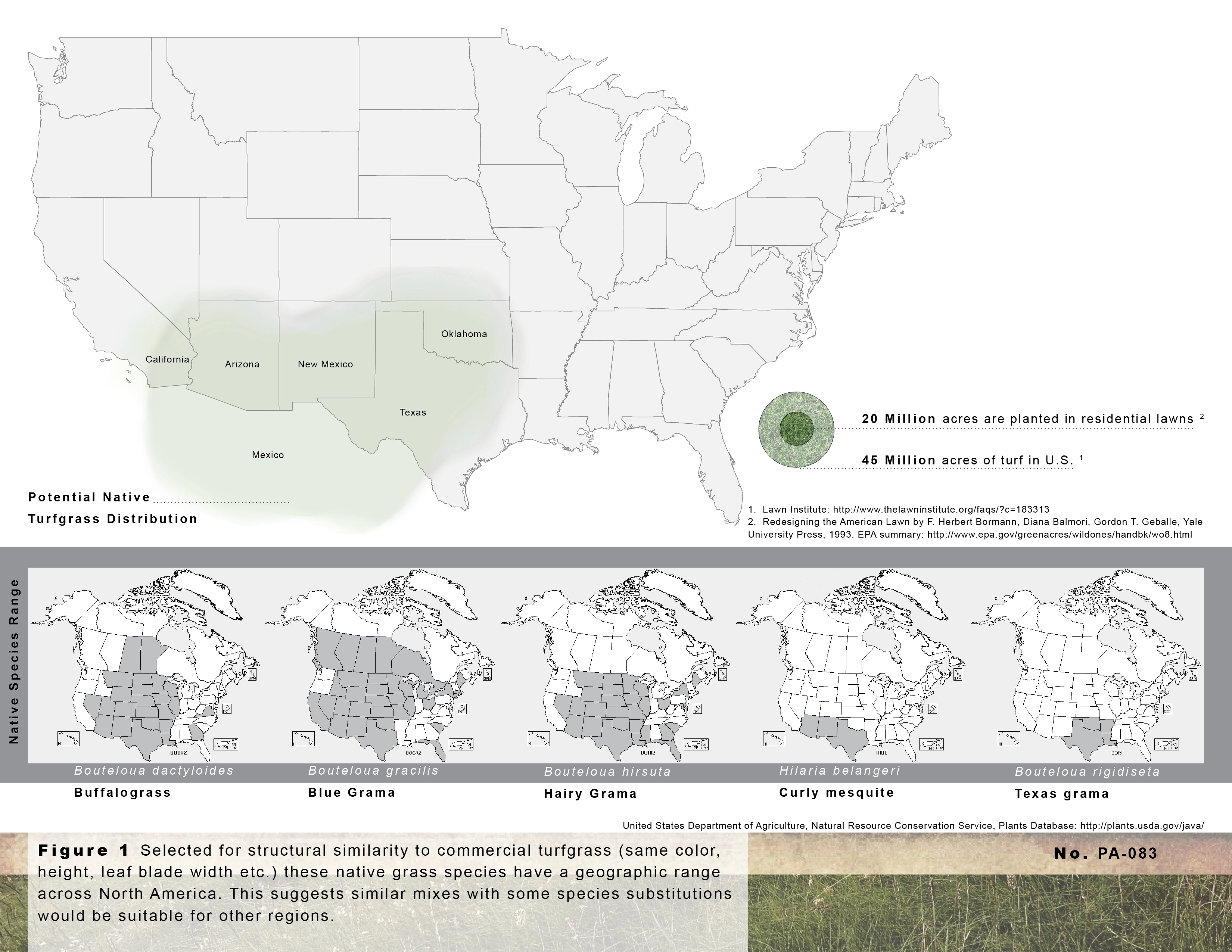
Given the highly desirable aesthetic of this landscape type, we questioned the suitability of species selection and performance of the conventional monocultural non-native turfgrasses. Could a suite of naturally occurring, coexisting, turfgrass species with identical leaf appearance, not only meet the aesthetic and performance expectations, but also, result in the reduction of environmental costs in terms of resource consumption and maintenance requirements? So a series of replicated test plots were designed to assess and compare establishment rates, leaf density, compaction disturbance, and weed infestation of a standard non-native turfgrass, against naturally occurring suites of regionally-native seed mixes. The data demonstrated that native turfgrasses established faster, had higher leaf density, fewer weeds and required less mowing than the conventionally turfgrass. This supports the hypothesis that ecologically-stable native turfgrass communities adapted to the low nutrient soils and regional climatic conditions are better, or at least, as-well suited, as commercial turfgrass species. This has beneficial implications not only from the perspective of lower maintenance needs and reduced environmental risk, but also for biodiversity value, resource requirements and carbon footprint of all turfgrass landscapes.
Conclusion and Next Steps
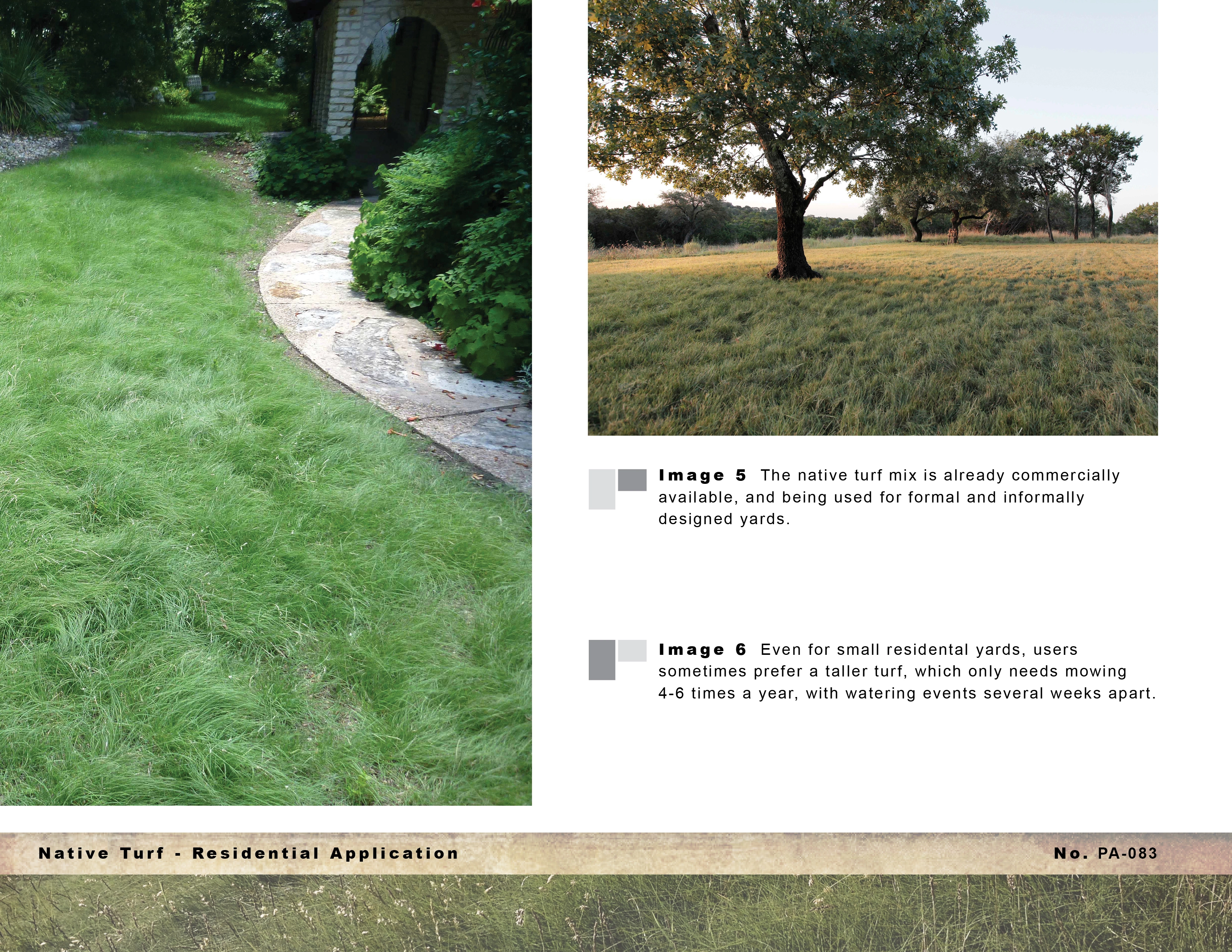
This turfgrass mix is already available commercially and is being implemented on residential and large commercial landscapes. But this research does not stop here. We are currently proposing to the network of public gardens around the nation to replicate this technology regionally. The adoption of similar ecological design protocols to turfgrass elsewhere could have a significant positive effect on sustainability and environmental footprint of all urban landscapes.
This research project presentation demonstrates:
- Distributions and characteristics of selected species
- Benefits of an ecologically designed turf
- Disadvantage of the commonly-used non-native turfgrass monoculture
- Weed resistance of the multi-species turf and the underling ecological theory
- Large scale application examples
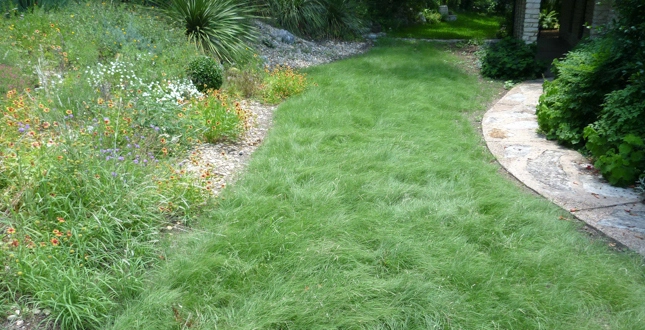
- Residential application examples
- Public outreach
-
Design & Contruction Team
Lead Designer
Mark Simmons, Affiliate ASLAAdditional Project Credits
Michelle Bright, Assoc. ASLA
Michelle Bertelsen
Steve Windhager
Holly Zafian
Emily Manderson, ASLA
Matthew O'Toole
John Hart Asher
Advertisement
Related Awards
Honor Award, Research
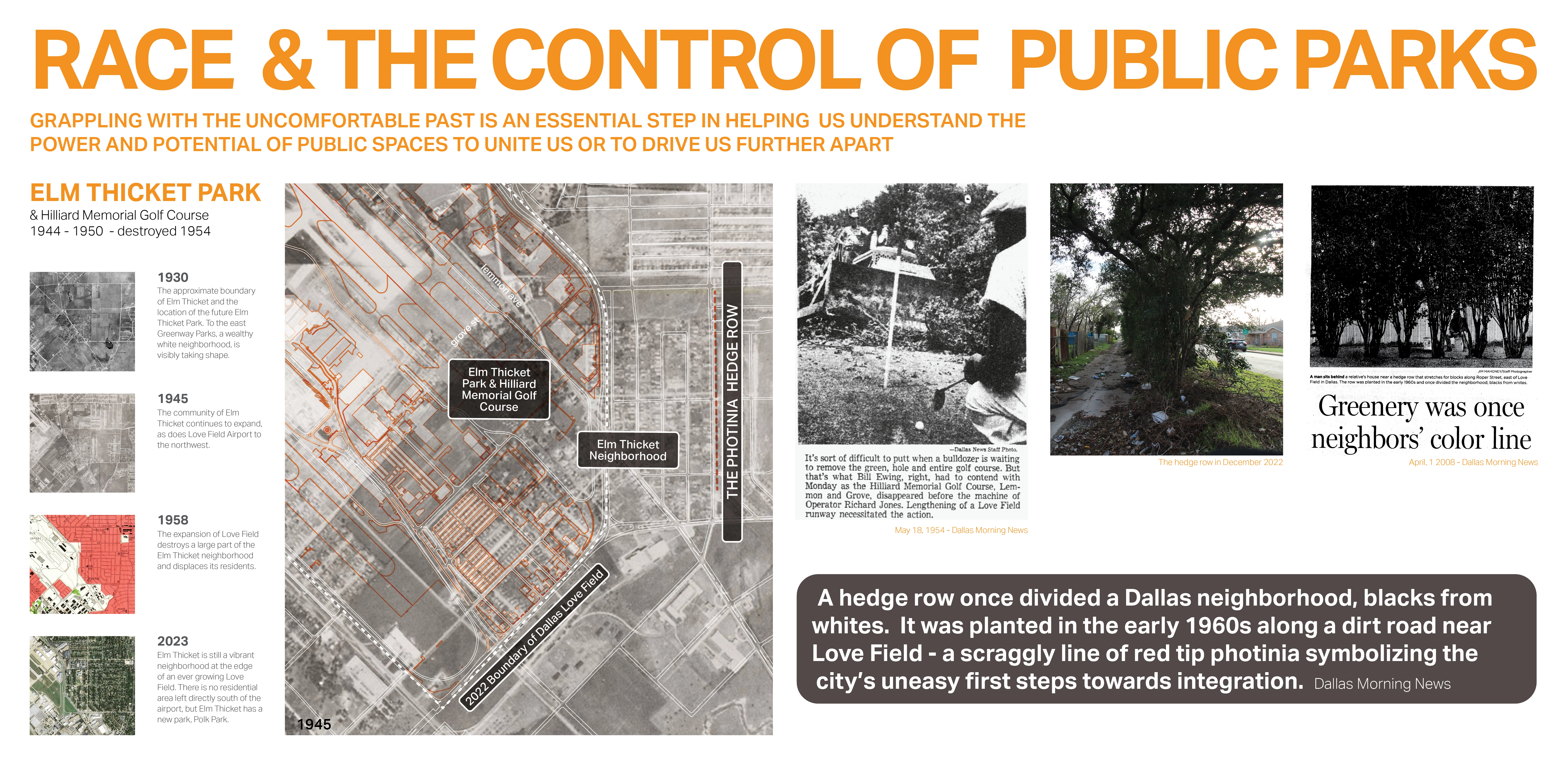
Race and the Control of Public Parks
This research uses a century long historical analysis of the public park system in Dallas, Texas, USA to uncover the physical and psychological ways in which public landscapes and the works of landscape architects have segregated urban spaces and how we might fight against these design practices. Through reframing past practice this work seeks to create a method for informing design thought and practices that seek to create a more just built environment.