
.webp?language=en-US)

Portland Mall Revitalization
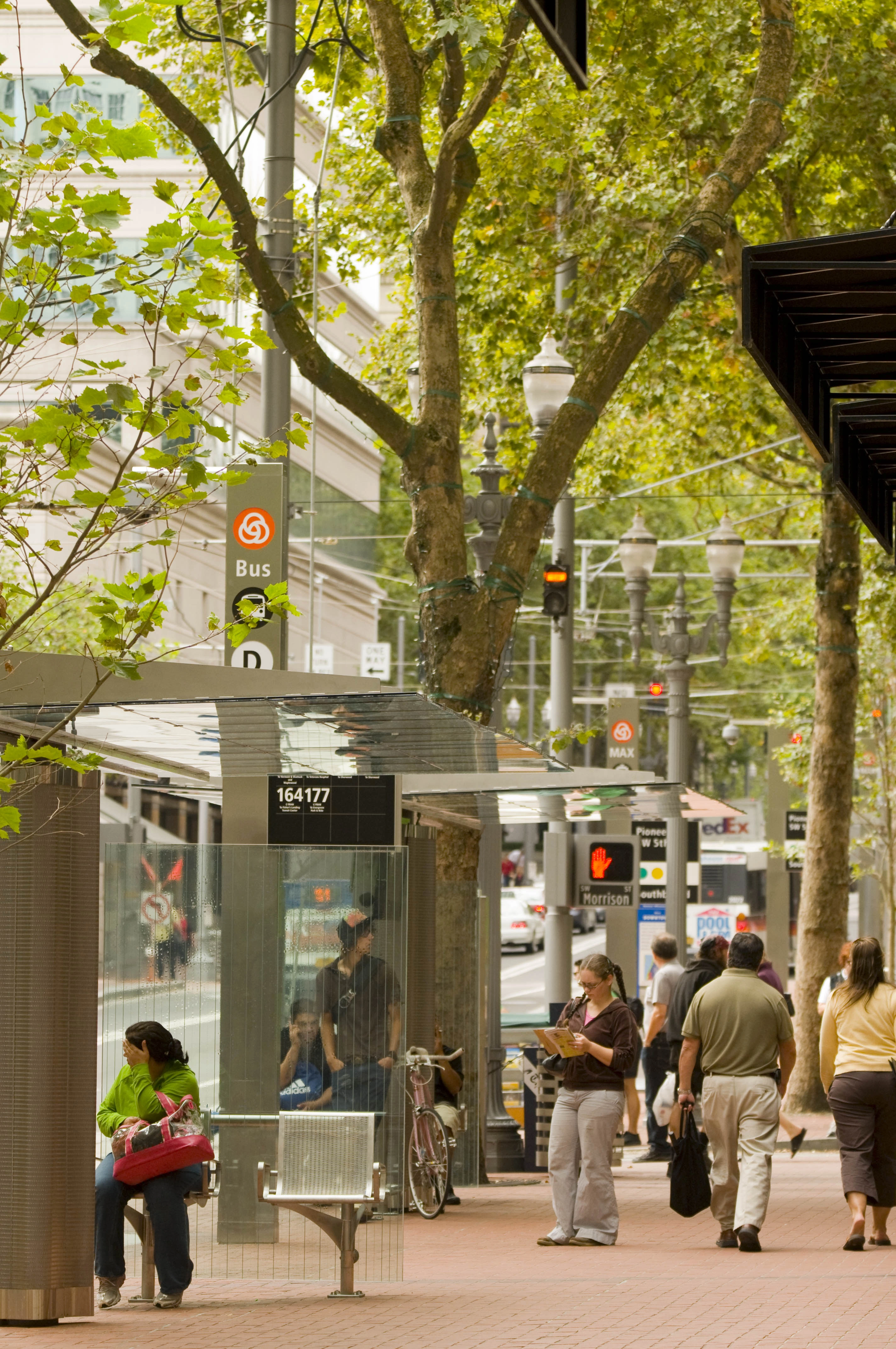
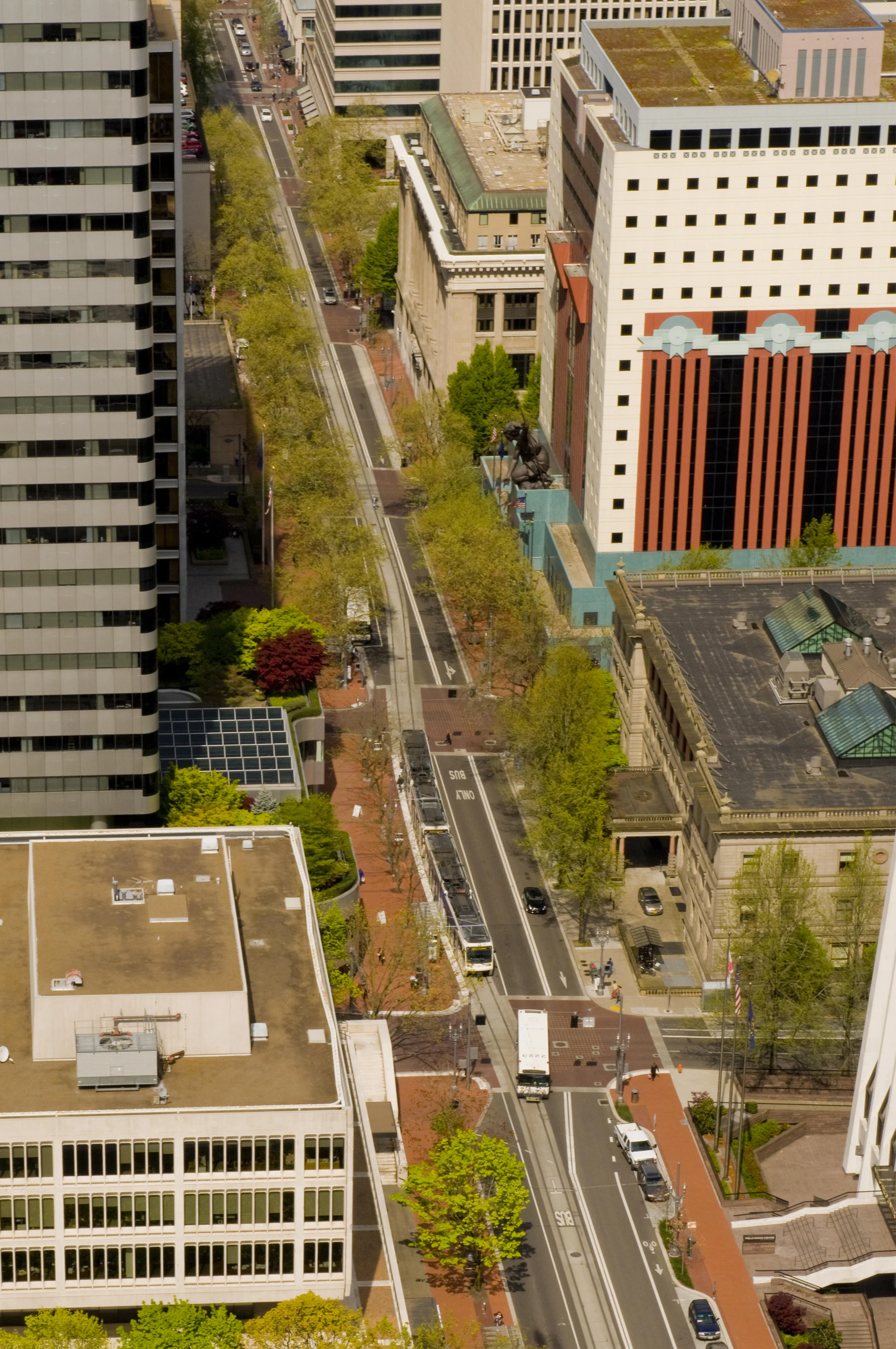
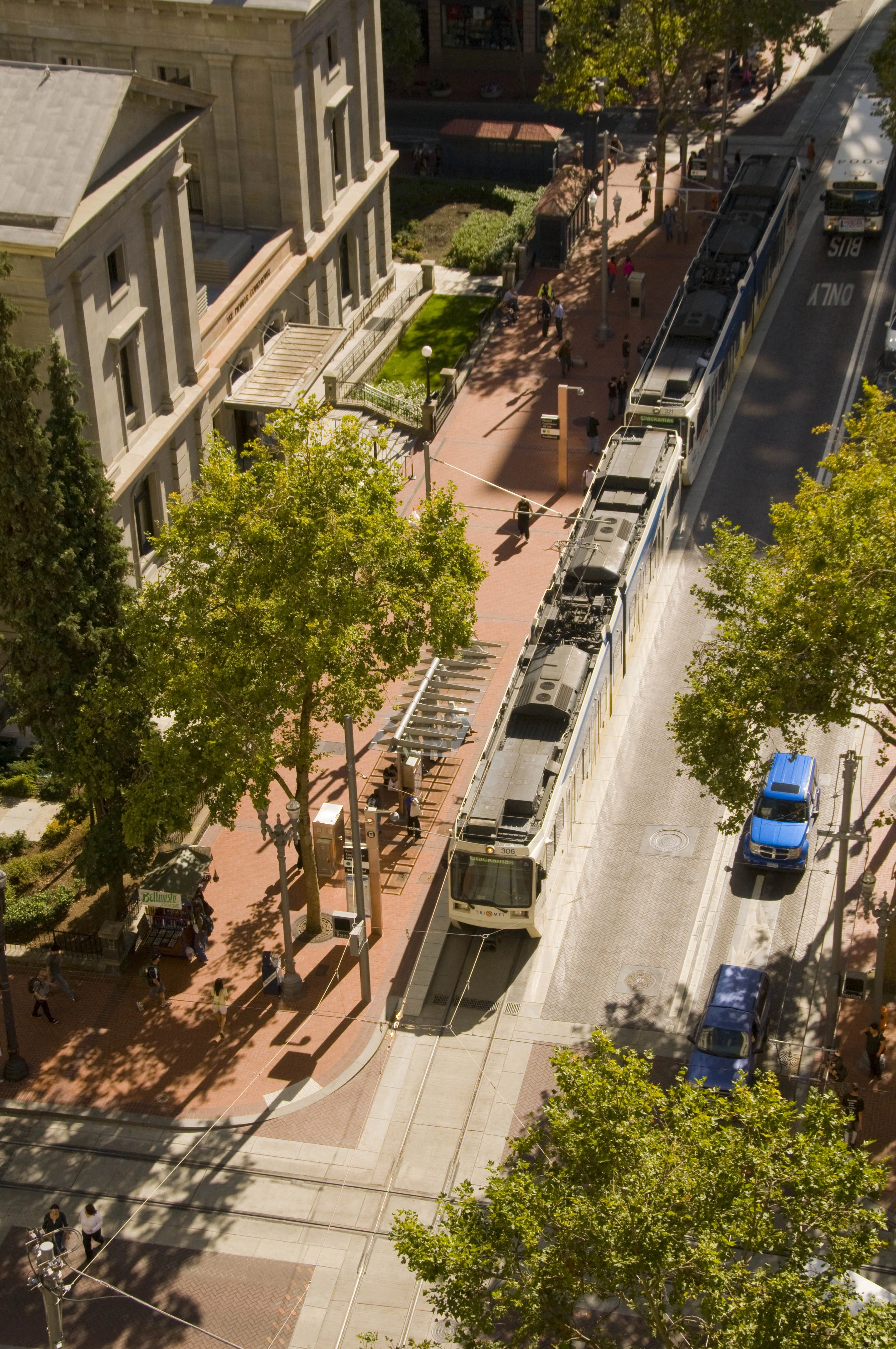
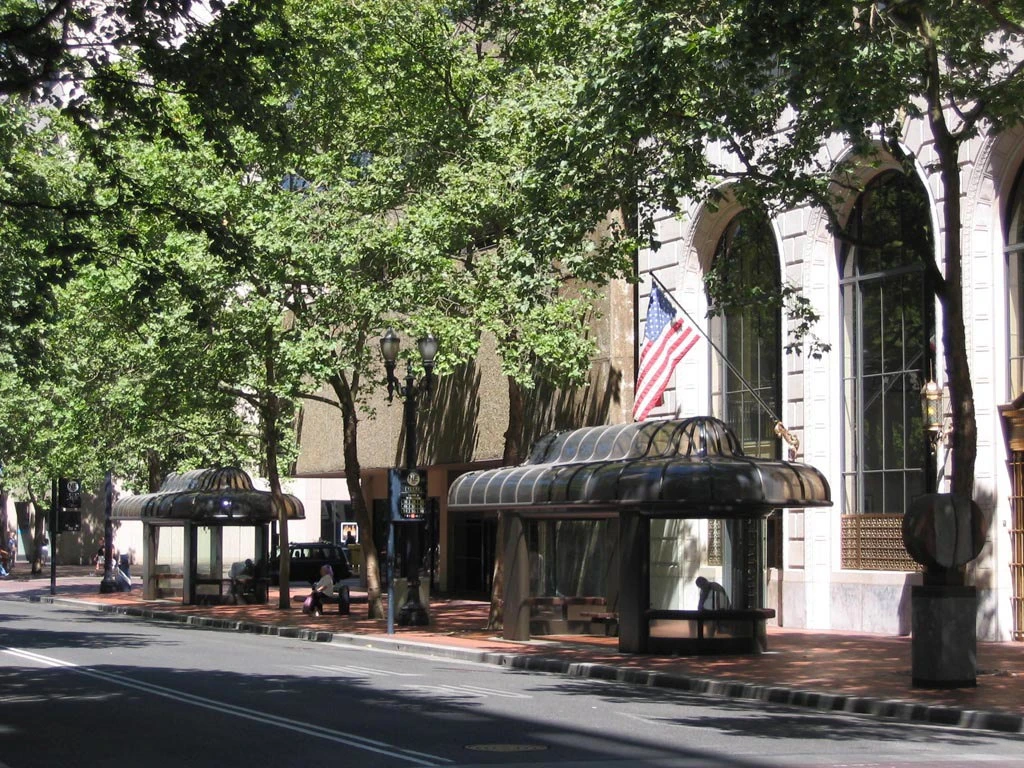
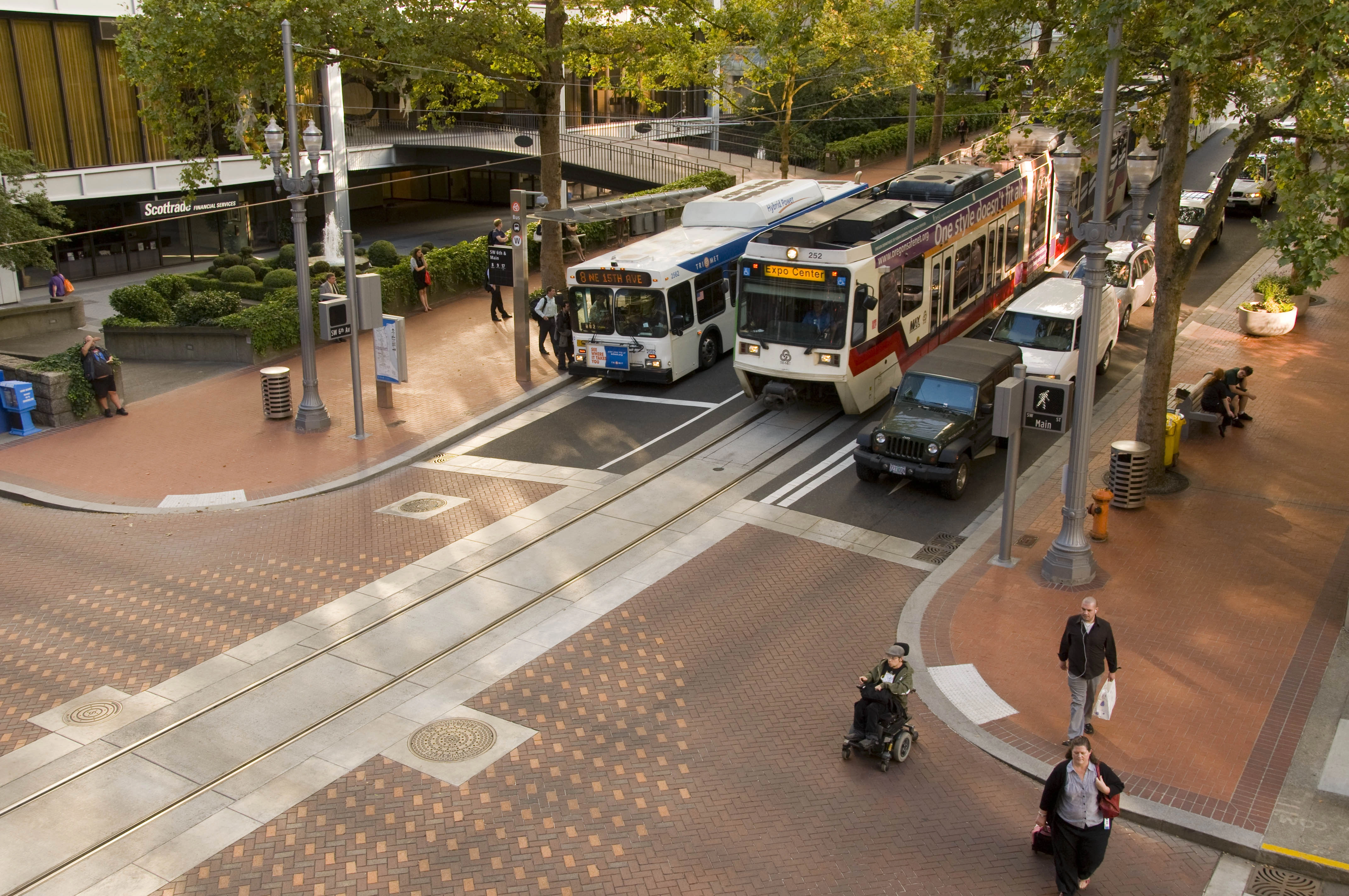
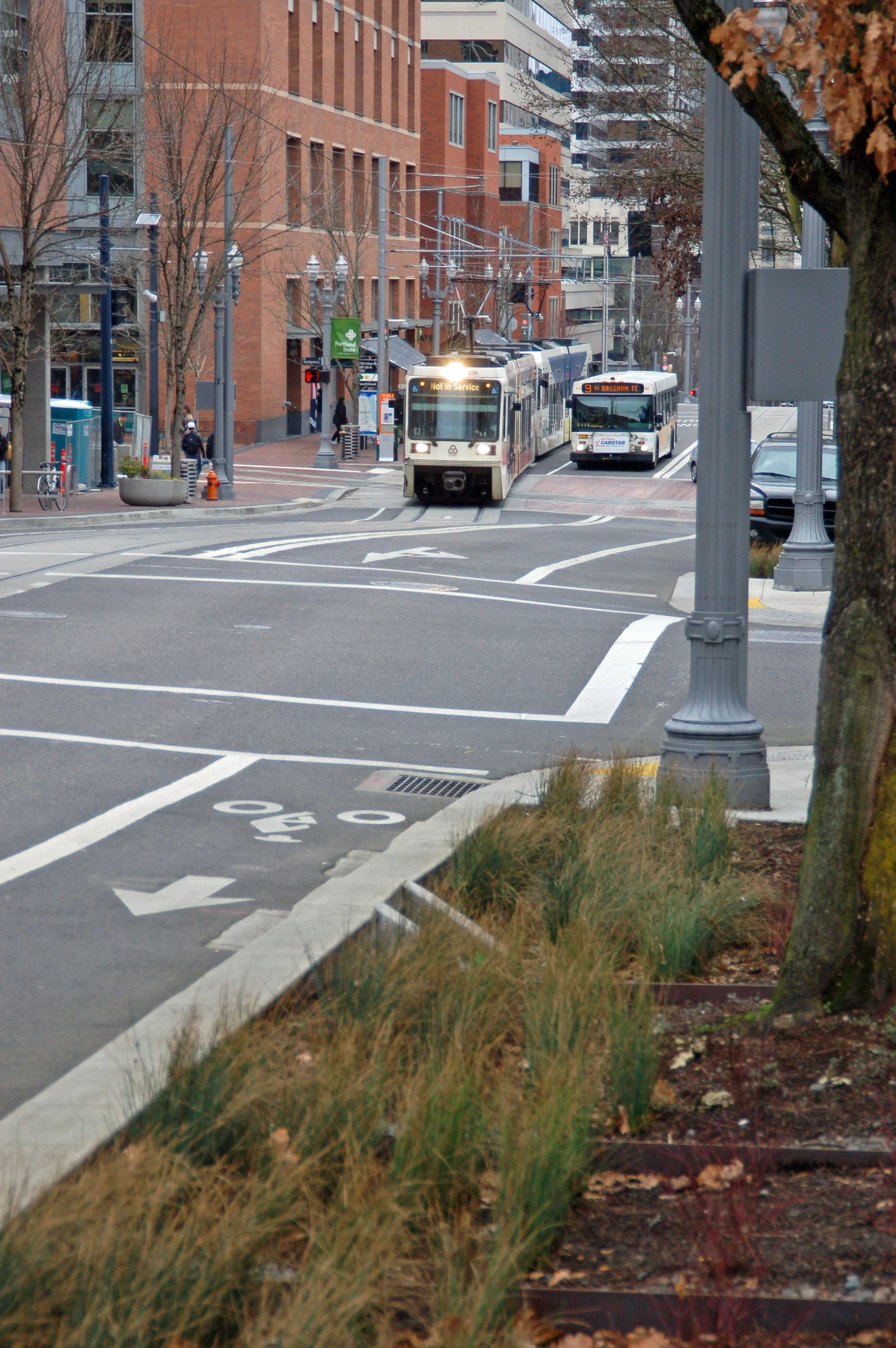
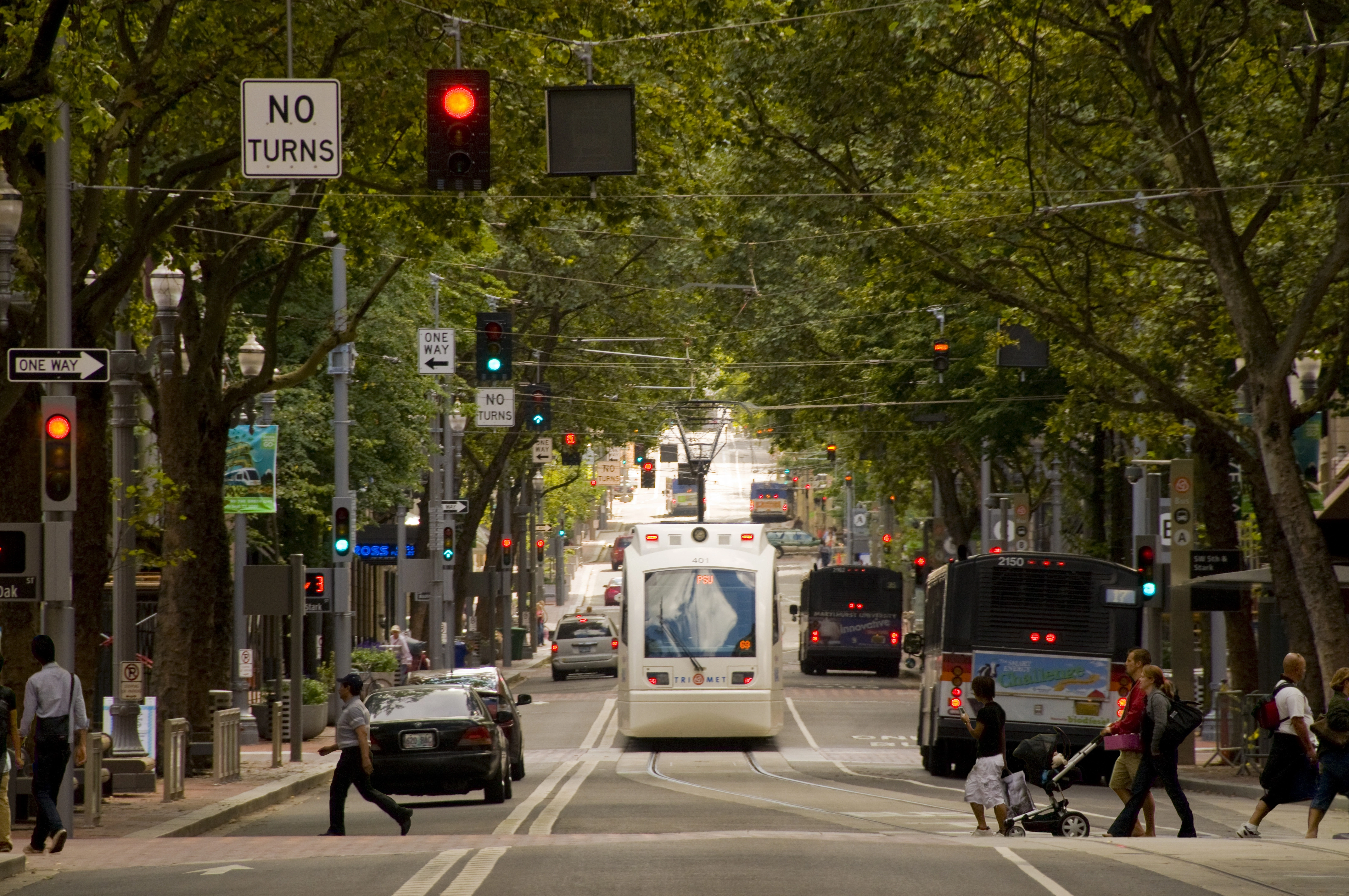
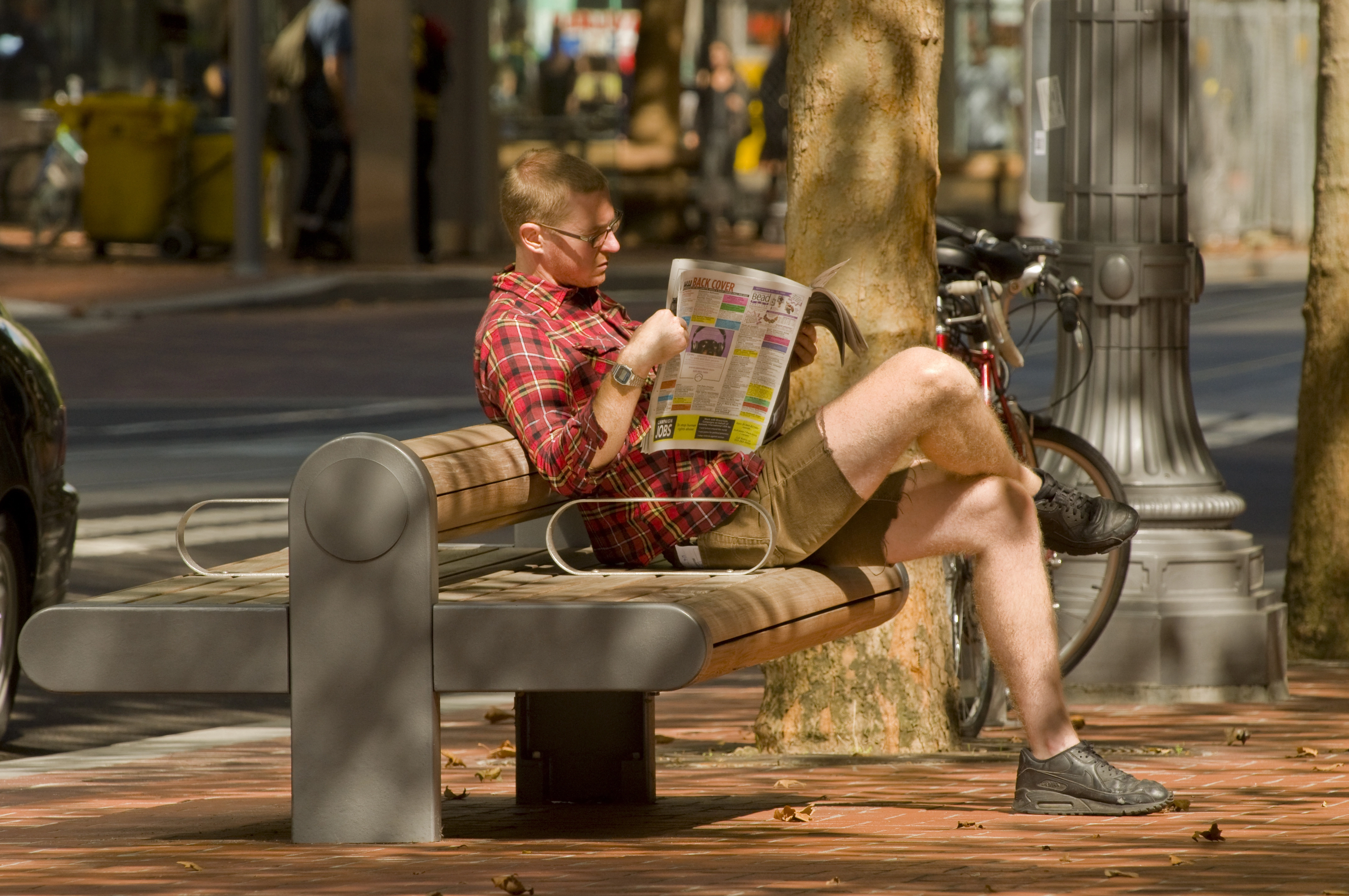
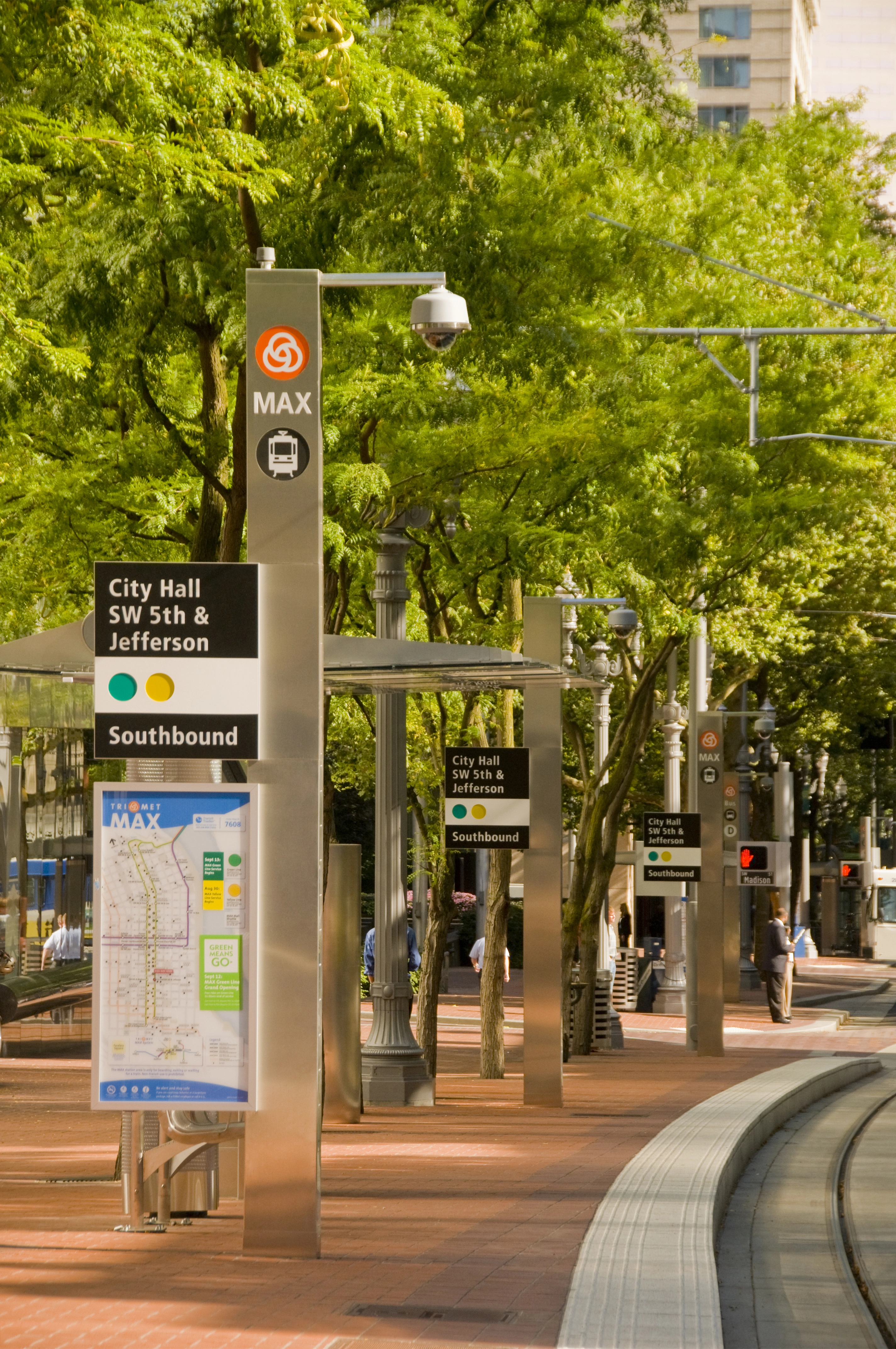
They have taken a good idea and made it even better. It’s a great expenditure of public money and so far ahead of what anyone else is doing. It’s another example of Portland continuing to stay ahead. They were unafraid of taking out what didn’t work and fixing it, which is difficult to do in cities.
Awards Jury
-
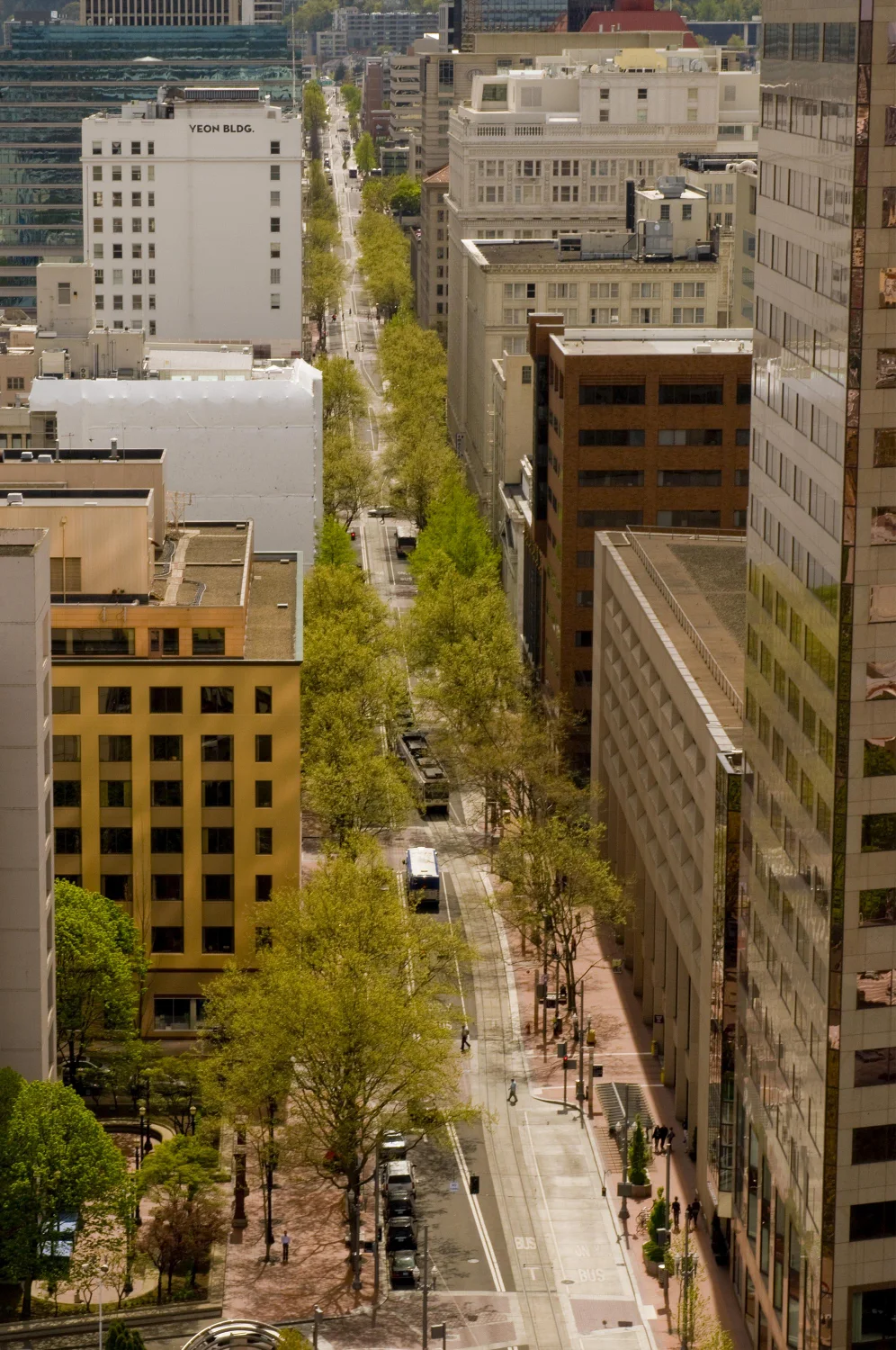
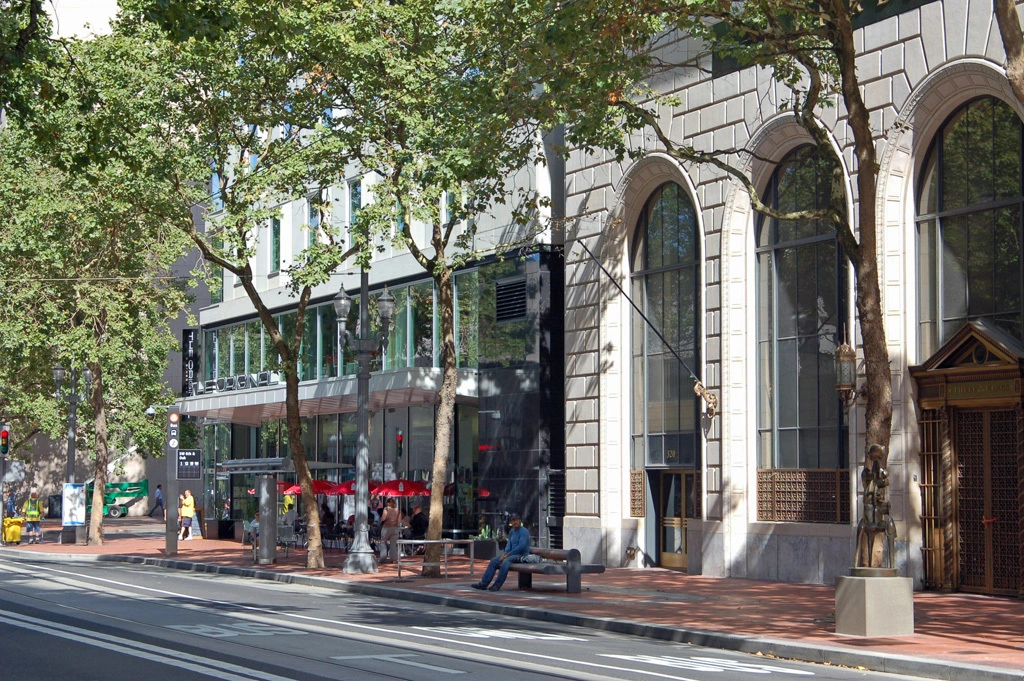
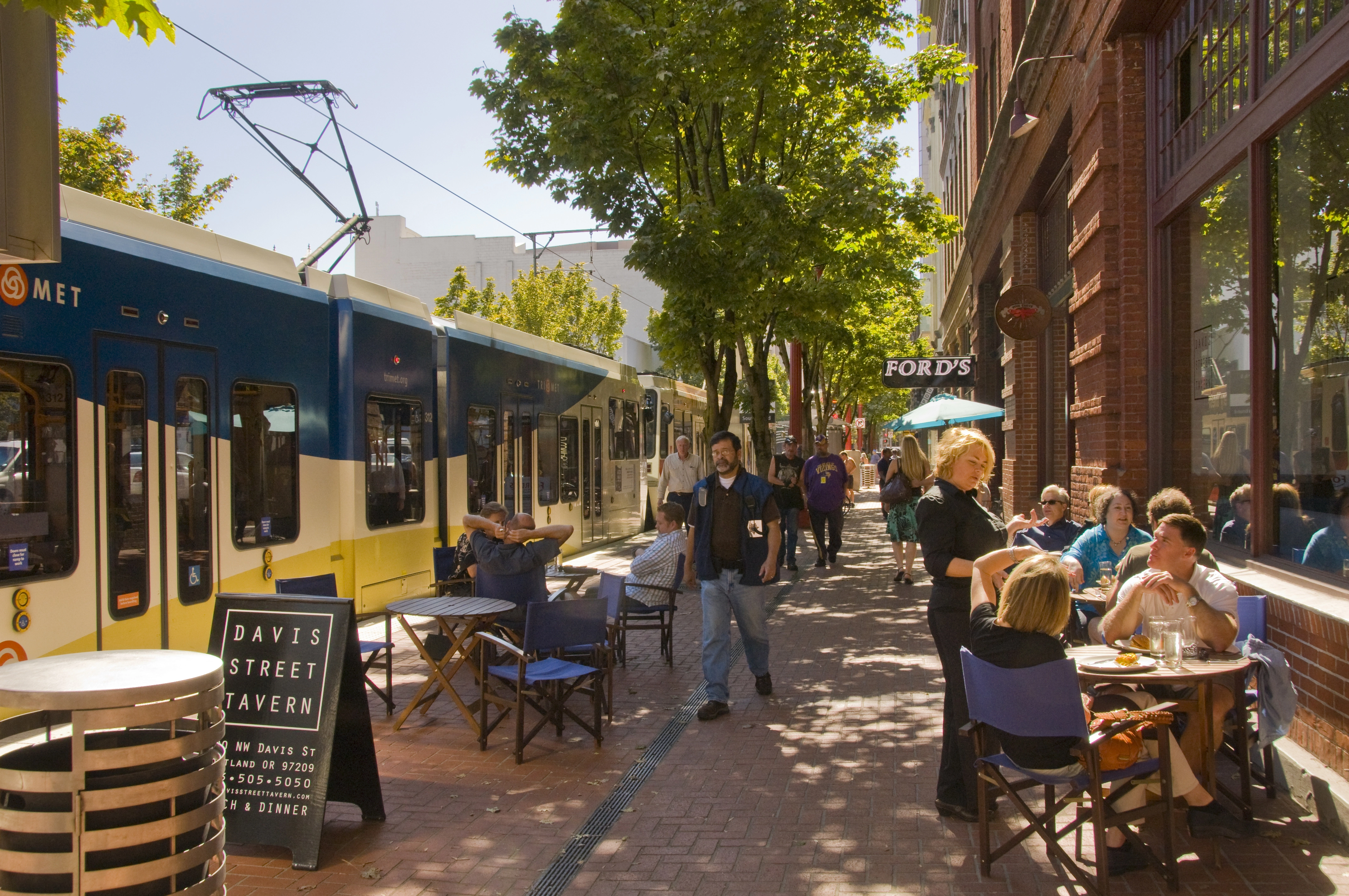
The Portland Mall, a landscape architecture legacy project and icon for progressive urban planning and design, has been transformed into a Great Street. Today it extends the entire length of downtown Portland, mixes multiple modes of transportation, stimulates adjacent development and re-establishes itself as Portland’s civic spine. A new benchmark in design, placemaking and infrastructure for the 21st century – the Portland Mall represents the region’s commitment to civic space, vital urban centers and sustainable transportation.
-
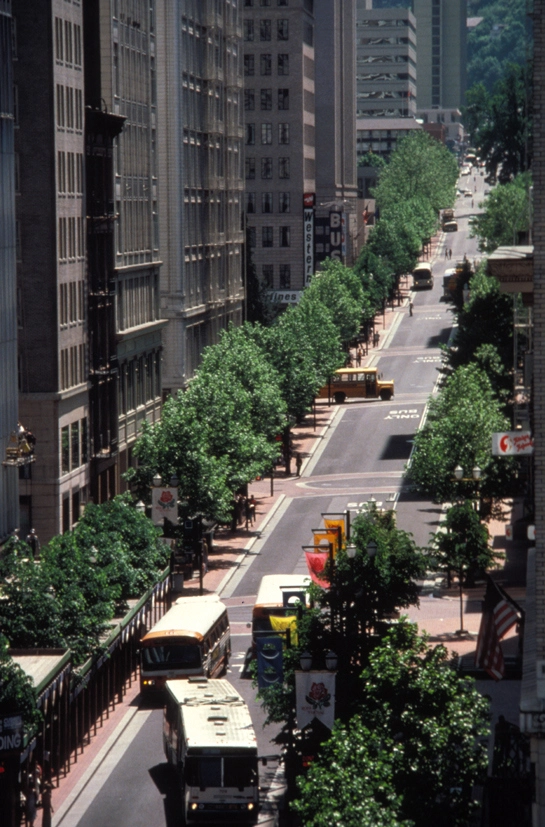
The Portland Mall — as conceived by the original, nationally-recognized design team in 1976 — was an ambitious urban improvement project designed to address congestion, dwindling investment and the need to redefine Portland’s civic form. It was the first and most significant public improvement of Portland’s 1972 Downtown Plan and subsequent urban renaissance. It provided optimum convenience for transit passengers with dedicated lanes, broad brick sidewalks, a continuous tree canopy and high-quality amenities. It was also built with a landscape architect’s level of craft and resolution that had not previously been seen in American city streets and it garnered numerous national awards including a Presidential Design Award for Excellence. In the 1980’s and 90’s, Portland added significant regional light rail transit, all aligned to complement the Portland Mall as the transit crossroads of the city.
Over time the Mall’s physical condition began to steadily deteriorate particularly in an environment of diminishing public/private funds for maintenance. What was once an urban treasure began to be viewed as an uninviting place, losing business partners and tourists and attracting anti-social behavior. To address this decline and a projected 1 million new residents by 2030, TriMet (the region’s transit provider) in partnership with the City of Portland, Metro (regional government), the Portland Business Alliance, and the urban designer — all teamed to develop a vision for the Revitalized Portland Mall. This Great Street vision reasserted the Mall’s role as a civic space in downtown’s urban form; it made the Mall the focus for new development and the nexus of multiple transportation modes including pedestrians, bicycles, automobiles, new light rail and high-capacity bus service.
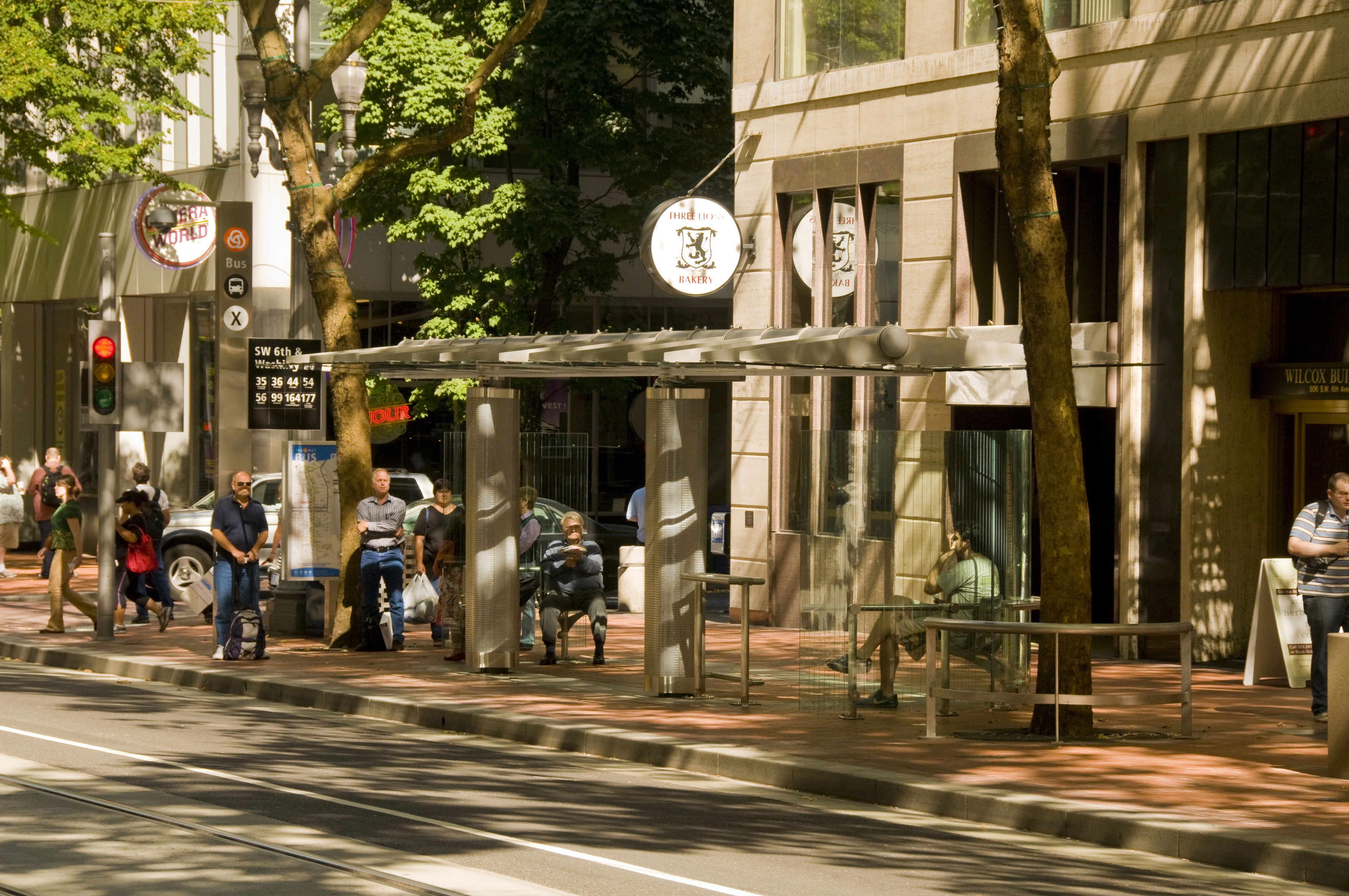
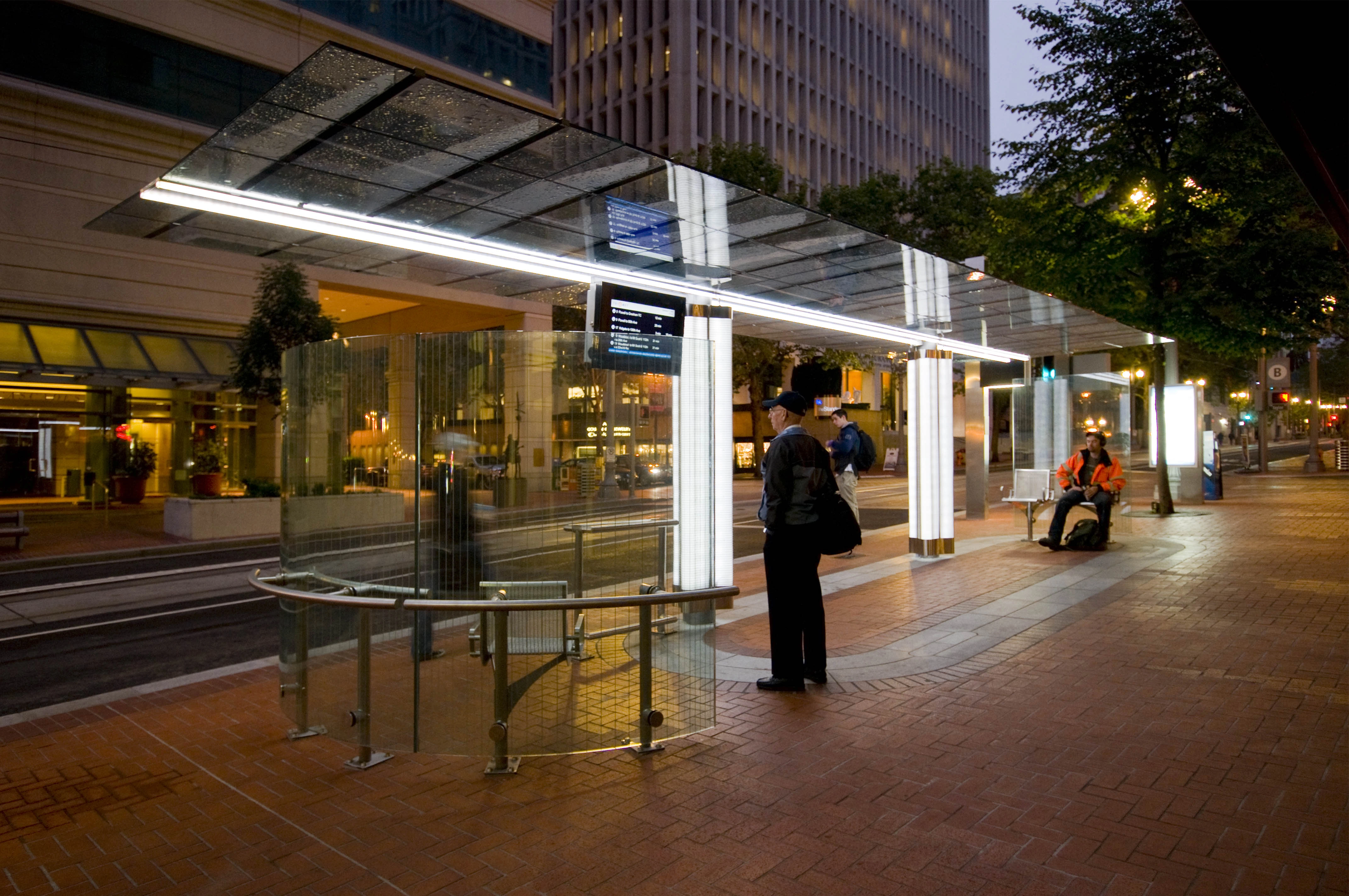
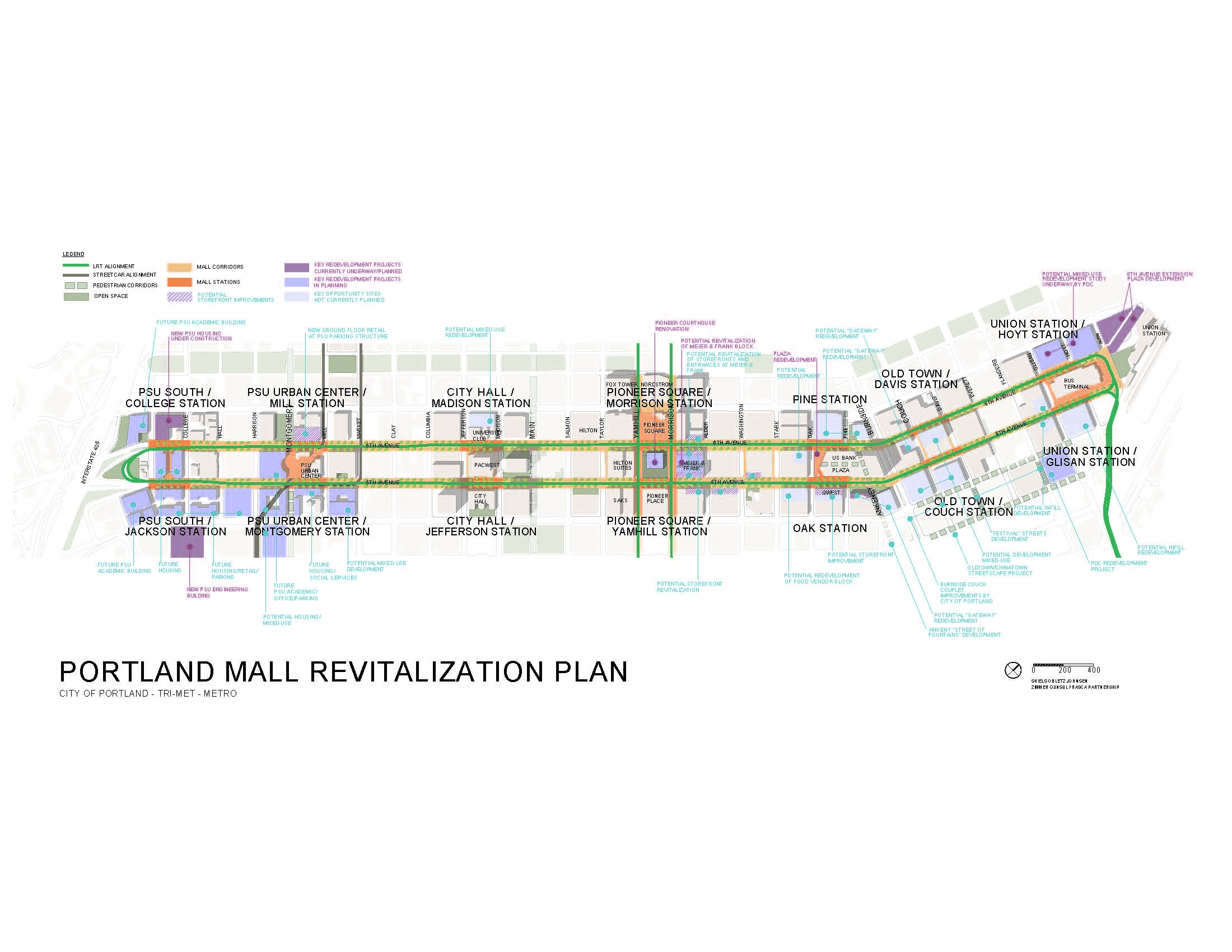
The project site encompasses 1.7 miles and 116 block faces while traversing six distinct districts through downtown Portland. It is currently the largest surface transit project of its kind in the country and includes the original 1978 Mall which utilized 23 blocks of 5th and 6th Avenues as a bus transit corridor, a 14-block North extension to Union Station built in 1994 and a new 18-block South extension to Portland State University. The Revitalization Project provided: 58 renovated or re-built downtown blocks and intersections, enhanced sidewalks with renovated or new amenities including 45 new transit shelters, new and existing public art, a continuous travel lane for autos and bikes and limited parking/loading zones for businesses. With a project value of $220 million, it is Portland’s largest public works project.
TriMet, widely known as an innovator in the American transit industry, assigned the urban designer/landscape architect to lead and coordinate a large, interdisciplinary team of engineers and specialists to complete the design and construction process. This was an unusual move for what many viewed as an infrastructure project, but TriMet recognized the high expectations for the project and wanted the urban designer’s oversight, grasp of the overall concept and attention to detail. On the outreach side, the urban designer teamed with TriMet’s Community Relations staff and a large Citizens Advisory Committee, to conduct an extensive program of evaluation and design consensus during the six-year period of design and construction. This helped maintain progress through complex choices about alignment, station locations, streetscape design, operations, budget, detail design and the conduct of construction. Street-level conditions including commercial vitality, parking and loading, views, user behavior, planned or potential development and important cross connections were mapped and assessed with planned transit station locations to inform design decisions.
After evaluating numerous alignment and station design alternatives, consensus settled on buses and light rail sharing two transit lanes and alternating stops and stations on right-side sidewalks. Autos and bikes were allowed a shared lane for ease of access and service. An early goal identified by adjacent businesses was to design streetscape elements in a visually open manner to integrate transit and street life – walking, sitting, waiting, people-watching, talking, dining and shopping. Consensus was also reached that the overall corridor would have continuity (through paving, lighting, shelters, signage and primary furnishings) as well as diversity (through public art, secondary furnishings and the introduction of storm water landscape features).
Public feedback reinforced that the original materials were still important in unifying downtown and that the Mall should be returned to its original beauty while carefully integrating an additional layer of new infrastructure and furnishings. Existing, physical street elements and materials were accounted for and assessed for reuse. Original granite, brick and custom cast iron were fiscally irreplaceable, but still held design value and had years of service life remaining. The designer’s mission became to preserve, repair, refresh, adjust, replace and integrate. Original granite curbs were salvaged, reused and repaired. Brick paving was renovated or replaced and new furnishings including leaning rails, bike racks and signage, are made of stainless steel for its longevity and refined surface. Four hundred of the 600 existing major trees were preserved and another 115 trees were added to strengthen the street’s distinctive canopy. A highly-engineered design using advanced masonry methods was developed for the replacement of the original, failed brick intersections. Graded, pure-silica sand, made for the glass industry, provides the long endurance setting bed to support special heavy, traffic-rated brick pavers in an interlocking pattern across 33 intersections. The project was also brought into ADA compliance with new, high-quality materials.
The project embodies sustainability at all scales: it reinvests in the city’s core, strengthens Portland’s civic framework, enhances clean mobility choices for an increasingly urban society, and forms a public-private partnership to sustain this investment for the future. It also preserves and renews high quality original materials while introducing new, energy efficient technology in refurbished street lights, signals and new transit shelters. The new southern extension includes 18 blocks that intercept sidewalk runoff with pervious paving and open landscape strips and five blocks that intercept street runoff with bioswales. The final project plan included either renovation or recycling of most pavement, metals, glass and wood.
A major project goal was to reinforce and extend vitality to the whole street, so TriMet and its partners embarked on an outreach program for downtown businesses that included design/permitting assistance and low-interest loans, called the Block-by-Block Program (BBB). When the Revitalized Mall opened in September 2009, right-of-way improvements had been complemented by 40 storefront renovations, two major hotel redevelopments and several institutional projects, representing $1.5 billion in adjacent private investment. To address long-term, public-private support, the Mall Revitalization Project formed a partnership with the business and property owner community at inception. The private sector, in turn, supported the project financially through a Local Improvement District and formed a 501c3 non-profit corporation to maintain and provide stewardship for the Mall in perpetuity.
-
Owner/client: TriMet
Director of Capital Projects: Neil McFarlane;
Community Relations: Ann Becklund;
Civil Engineer: Leah Robbins, PE;
Agency Architect: Robert Hastings, FAIA;
Landscape Architect/design coordination: Elizabeth CraneCo-client: Portland Bureau of Transportation
Director: Sue Keil;
Project Manager/Engineer: Teresa Boyle;
Senior Planner: Steve Iwata;
Street Lighting: Lisa Elbert;
Signals: Bill Kloos;
Construction Engineer: Linda Williams;
Senior Inspector: Gary HopkinsPortland Development Commission: Block by Block Development Program
Director: Pam Johnson;
Project Manager: Eric JacobsonOverall Project Management: Sheils Obletz Johnsen
Project Manager: Doug ObletzUrban Design/Landscape Architecture/Architecture: Zimmer Gunsul Frasca Partnership LLP
Partner-in-charge: Gregory S. Baldwin, FAIA;
Project Manager: Ron Stewart, AIA;
Senior Urban Designer/Landscape Architect: Brian McCarter, FASLA, AICP;
Project Landscape Architect: Kim Isaacson, ASLA;
Project Architect: James McGrath, AIA;
Design Team: Eugene Sandoval, John Breshears, Debbie Chow, ASLA, Greg Matto, ALSA, Sally Garrido-Spencer, Dennis Harper, Tyson Gillard, Frank Howarth, Mark Foster, Nolan Lienhart, Sara Schmidt, Jing WangTransit Signage Design and Landscape Design: Mayer-Reed Associates
Partners-in-charge: Michael Reed, Carol Mayer-Reed, FASLA;
Senior Graphic Designer: Robert Wente;
Landscape Architect: Jeramie Shane, ASLACivil/Track Engineering: URS Corporation
Senior Engineer: Mark Dorn, PE;
Principal-in-Charge: Bob Post;
Project Manager: Katharine Brendle;
Design Team: John Lostra, PE; Rick Nannenga, PE; Tim Martin, PE; Rod Lundberg, PE; Christina Choi, EIT; Robert Bushnell, EIT; Luke Olson, PESystems Engineering: LTK
Project Engineer: Xavier Ramirez, PE;
Design Team: Lloyd Edwards, B. Abbott, S. Howard, D. Haiko, R. Andreassen, E. Pollan, Jim De Santo, Larry WitkopStructural Engineering: KPFF
Principal-in-charge: Craig Totten, PE;
Principal: Brad Moyes;
Project Engineer: Tommi Rutherford, PEArt Program/Block-By-Block Redevelopment Coordinator
Tad SavinarIntersection Flexible Pavement Design
Dr. John KnaptonTraffic Engineering and Signalization: DKS
Principal-in-charge: Peter Coffey, PE;
Design Team: Renee HurtadoPlatform Electrical Engineering:
Reyes Electrical
Principal-in-charge: Flaviano Reyes;
Project Engineer: Jim DoarSpecifications: Oh Planning & Design
Principal: Ken MouchkaArchitects for South Terminus (track turnaround area): Henneberry Eddy
Principal-in-charge: Tim Eddy, AIA;
Project Architect: David Byrne, Jr. LEED APLandscape Architects for South Terminus (track turnaround area): Lango Hansen
Principal-in-charge: Curt LangoGeneral Contractor: Stacy and Witbeck/Kiewit Pacific — A Joint Venture
Project Manager: Steve Wood;
Construction Manager: Jim Abramson;
Project Superintendent: Mike Robertson;
Project Engineer: Huan HoangFeatured Products
Cold Spring Granite
Curbs, built-in planter cladding, curb ramp tactile pavers
Urban Accessories
Ductile iron tree grates and inletsVisco, Inc.
Ornamental street lights
Petersen Manufacturing Co.
Precast concrete planters
Unmin Corp., Industrial Minerals
Pure silica sand setting bed
Renovated bench, stainless steel leaning rails, bike racks, trash receptacles, recycling containers
Hanover Architectural Products
Station tactile paversLNI Custom Manufacturing
Transit shelters
Advertisement
Related Awards

Award of Excellence, General Design
A Floating Forest: Fish Tail Park in Nanchang City
In Nanchang, within the Yangtze River floodplain, we revitalized a heavily degraded 126-acre landscape into a floating forest that manages stormwater, restores habitats, and provides diverse recreational spaces—all within a limited budget and a short timeline. This innovative urban nature model strengthens the district’s identity and spurs surrounding development. Fish Tail Park offers a scalable solution for flood-prone regions, seamlessly integrating flood resilience, ecological restoration