

.webp?language=en-US)

.webp?language=en-US)
Public Practice Engagement
Political Bodies, Stakeholders, Owners, Community Interest Groups, Programming, Inter-Organizational Relations
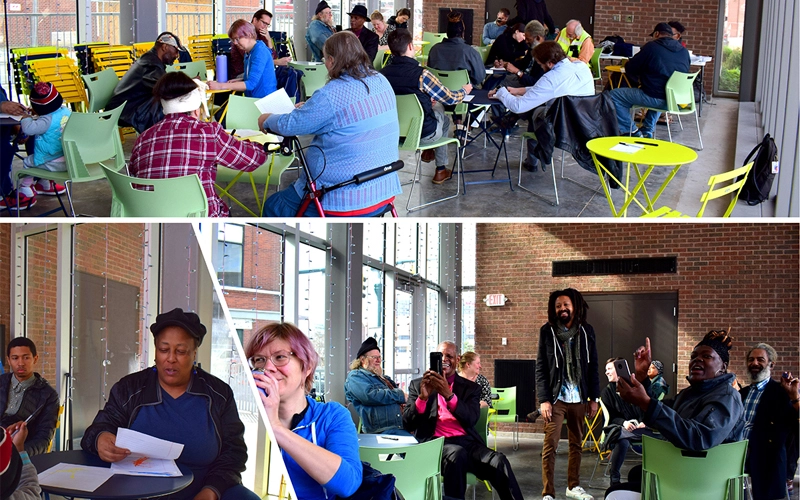
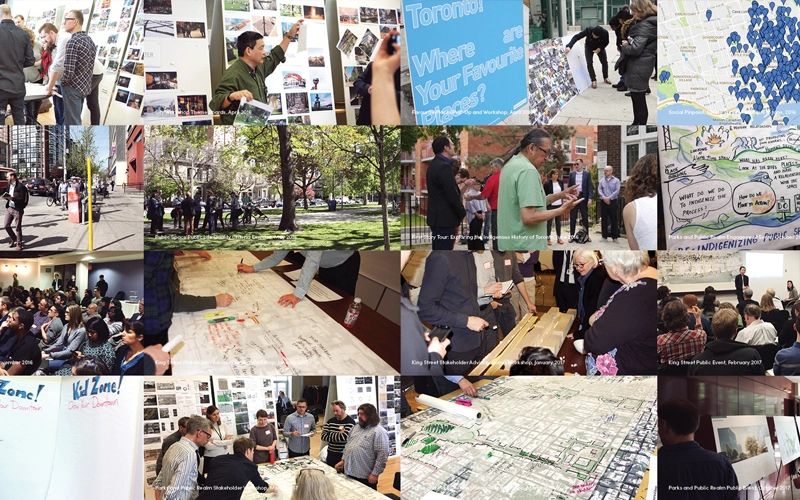
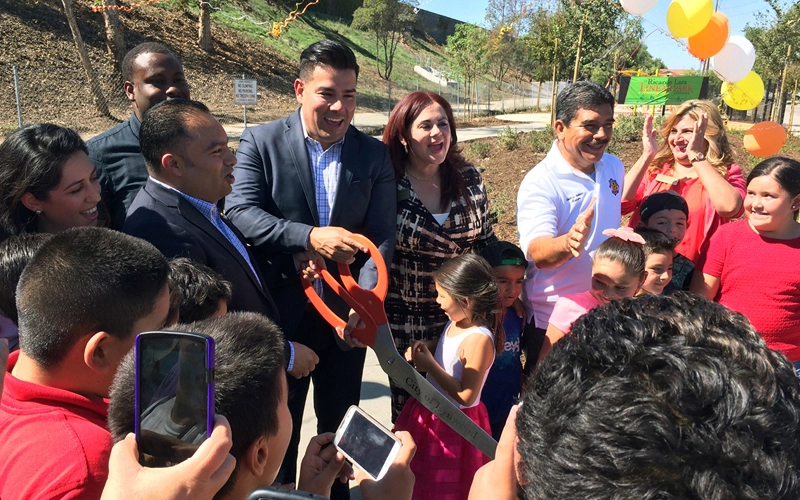
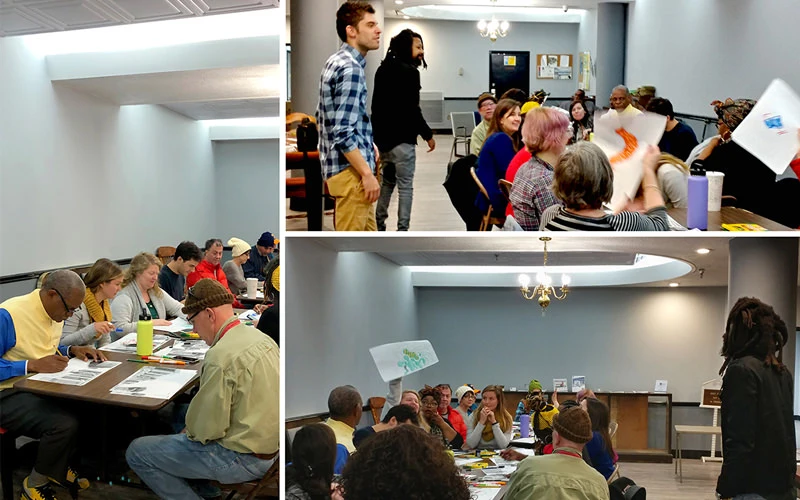
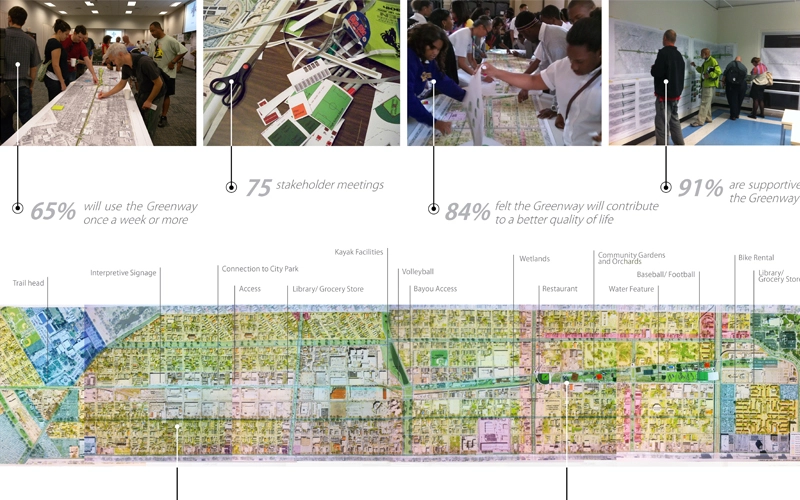
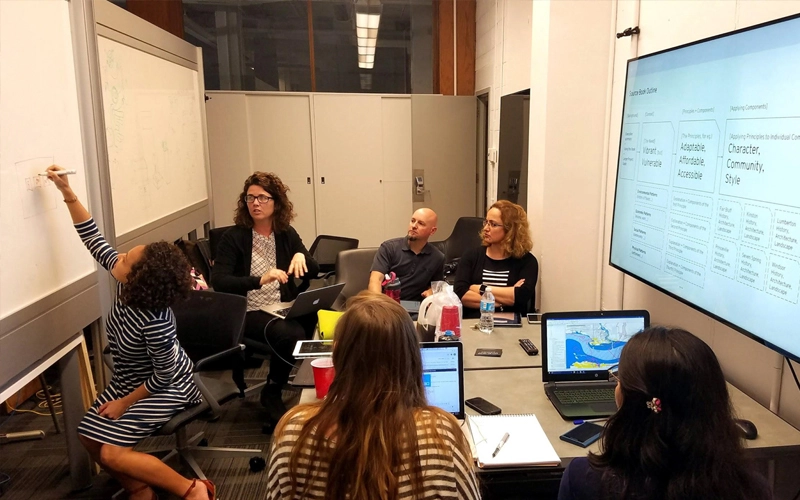
Engagement is the tool utilized to effectively listen to and receive input from community members, stakeholders, political bodies, and interest groups regarding amenities and improvements for spaces that are built, managed, and/or maintained by public agencies. The public practice landscape architect has the responsibility and authority to represent the agency and to effectively align the feedback with the project goals. Examples of engagement include:
- Formal community meetings, whether in person or online
- Outreach through surveys and questionnaires
- Attendance at community events and stakeholder meetings
- Inter-agency coordination
- Private development coordination
- Social media posts
- Dedicated websites
Advertisement
The role of the public practice landscape architect is one of facilitator, collaborator, and participant and data collector. As the face of the public agency or the project, the responsibilities and results of engagement includes the following:
- Invite engagement through the use of community-led planning.
- Utilize feedback for informing and impacting policies related to environmental, social, and economic values.
- Strengthen inter-organizational relationships with open communication and inclusivity. Good relationships help to avoid duplicity in project planning.
- Provide information/feedback updates to political bodies as justification for project’s, long term investments, and the value of assets to the public, i.e. value of mature trees, value of open park.
- Engage with those who program the sites being designed. The dialogue and interaction with the programming staff is imperative during design to gain a better understanding of how the site will operate upon completion. Programming staff should be involved during the course of the project.
- Seek out external stakeholders that are located within the general vicinity of the project, or those that could be impacted by the project.
Keep Exploring Public Practice Landscape Architecture
Guide to Public Practice Landscape Architecture
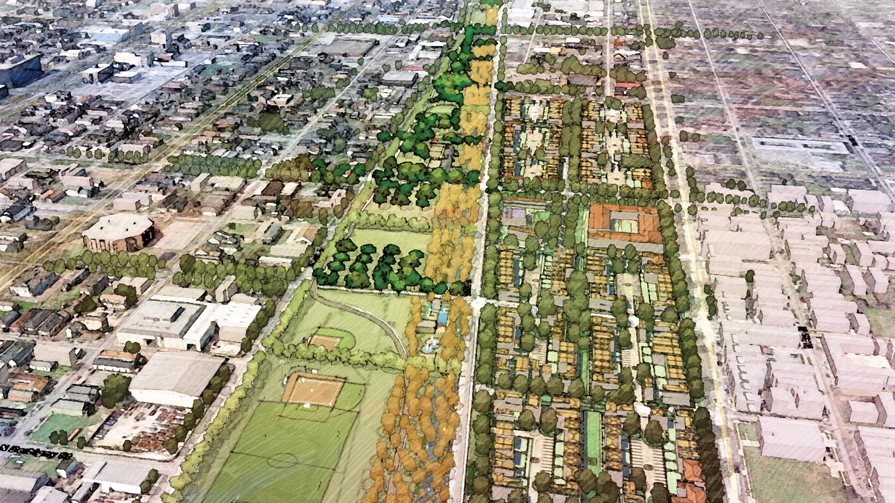
What is public practice landscape architecture? The not-for-profit enterprise whose mission is to design, implement, and manage functional, liveable, safe, and attractive places for the public, often developed with a larger social objective in mind—community gathering, preservation/acknowledgement of history/place, environmental resilience, and economic vitality.
Public Communications
Initiatives, Presentations, Media Relations, Progress Reporting, Public Education
Contract Administration
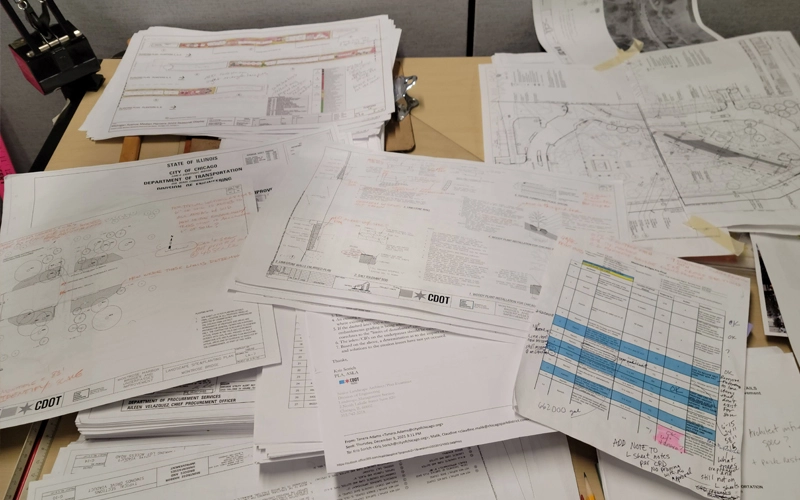
Procurement Proposals, Bid Documents, Advertising, Negotiations, Grants/Funding, Scope-of-work Refinement, Budgets, Billing
Data Collection & Analysis
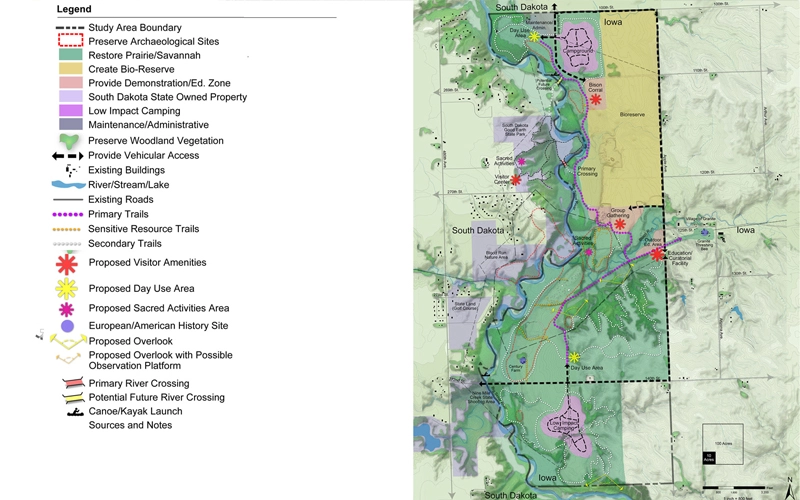
GIS - Mapping, Surveys, Record Reviews, Site Condition Assessment (Grading and Drainage, Erosion, Circulation, Climatic Conditions)
Design
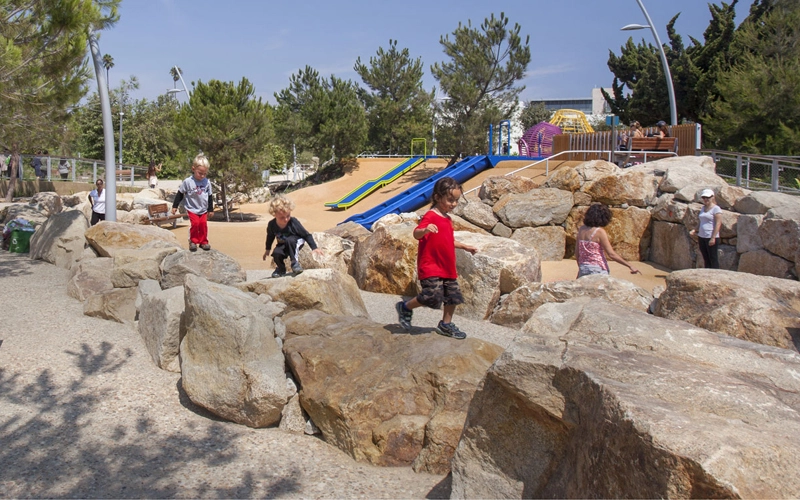
Drive design vision, advocate for landscape architecture components, create design standards, direct design processes
Project Management
Synthesize project components, Resolve project-wide issues, Quality Assurance, Construction document review, Budget and project expenditure monitoring, Process and permit administration
Public Asset Management
Inspections, Maintenance, Stewardship, Health & Safety, Inventories, Acquisitions & Agreements

Regulation & Compliance
Public Policy Development, Ordinances, Development Standards & Guidelines, Zoning Review, Permitting, Specifications
Representation
Coordination, Collaboration, Team Leadership, Subject Matter Expertise, Agency Liaison, Task Force Member, Public Guardian
Research & Documentation
Precedent/Benchmark/Case Studies, Historical Record Review, Preservation Studies, Informational Resources