

.webp?language=en-US)
.webp?language=en-US)
Voices of Women in Landscape Architecture: Jingzhi Fan, Associate ASLA, Tabitha Tattenbach, ASLA, and Wanpeng Zu
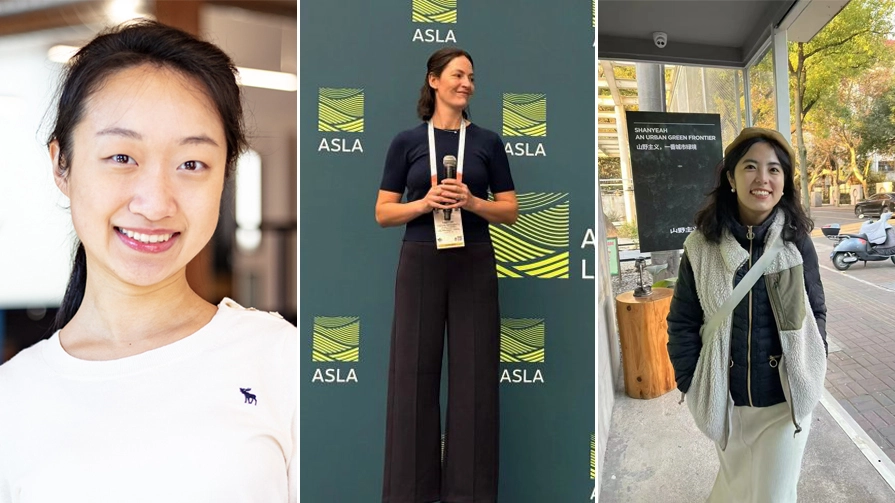
ASLA is sharing the next set of profiles of women in the profession (see the previous installment right here). If you'd like to be featured, the call for submissions remains open, with profiles being shared on an ongoing basis.
These profiles will appear on the ASLA Women in Landscape Architecture LinkedIn group, Facebook group, and here on The Field. This post includes: Jingzhi Fan, Associate ASLA, Tabitha Tattenbach, ASLA, and Wanpeng Zu.
Jingzhi Fan, Associate ASLA

What inspired you to pursue a career in landscape architecture?
Public spaces have a profound impact on people’s quality of life—they shape how we live, interact, and connect with others. Well-designed public spaces don’t just serve a function; they become part of our life stories, creating memories and experiences that blend seamlessly into our daily lives. I’m inspired by the opportunity to design spaces that are meaningful, resilient, and lasting, enriching both individual experiences and the broader community. Design gives me the opportunity to enhance these daily experiences, creating environments that are not only ecologically functional but also foster meaningful human interaction. Seeing the exemplary projects from professionals in this field demonstrating how thoughtful design can transform a public park, a campus, or even a small garden into a space that brings people together really motivated me to turn this interest into a career.
Who are the female role models who have influenced your career?
Joan Nassauer first introduced me to the principles of ecological design. Her work emphasizes the idea that landscapes can be both functional and beautiful while supporting ecological health, and it taught me to think deeply about how design decisions affect the environment over time. MaryCarol Hunter is a landscape architect and ecologist whose work integrates social, psychological, and ecological aspects of sustainable urban design. Her research on resilient urban green spaces under climate change, as well as the impact of nature experiences on mental well-being, has profoundly influenced my thinking about the intersection of design, human health, and the environment. Additionally, Gina Ford, FASLA, is another female role model that demonstrates how creative, thoughtful, community-centered design can create resilient, vibrant, and engaging spaces, which is the kind of impact I aspire to achieve in my own work.
What advice do you have for other women pursuing a career in landscape architecture?
Bravely pursue your passion and trust in your vision.
Can you share with us a project you are particularly proud of and why?
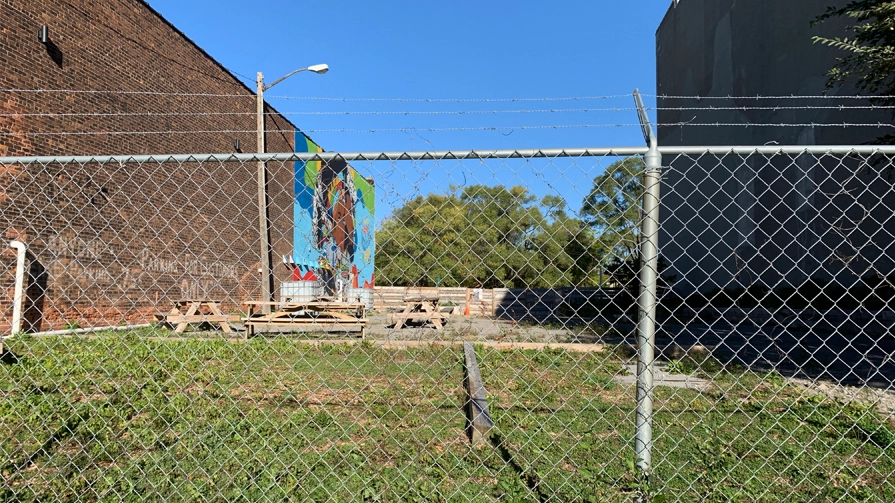
I’m particularly proud of my capstone project as a graduate student; it was a catalyst project in Detroit that addresses environmental justice and climate impacts across two neighboring communities with very different social and ecological realities. The design acts as a long-term catalyst for change, tackling flooding, urban heat, food security, habitat loss, and social fragmentation. Key strategies include ecological stormwater management, activating vacant lots, urban agriculture, and community hubs like Mariner Park, which combine recreation, restoration, and engagement. The project’s goal is to create a resilient, self-sustaining neighborhood that strengthens connections, preserves culture, and fosters equitable growth over time.
What advice would you give your younger self?
I’d remind myself that setbacks are opportunities to learn, and that building curiosity, resilience, and a strong network of mentors and peers can shape you into the kind of designer and person you become.
Tabitha Tattenbach, ASLA
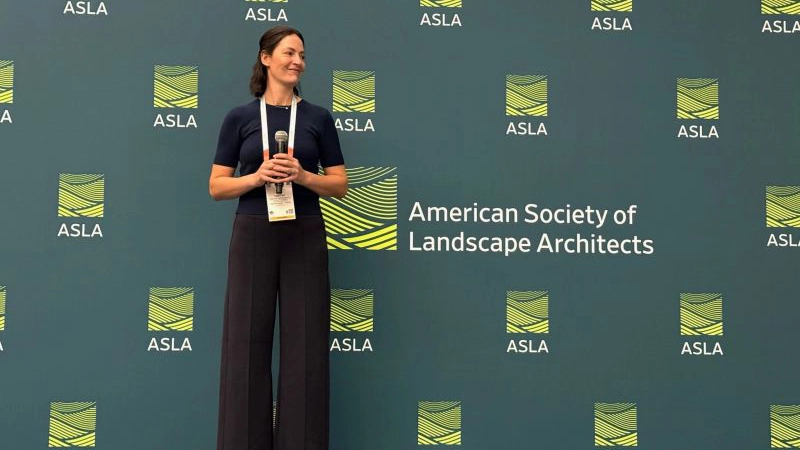
What inspired you to pursue a career in landscape architecture?
The need to leave the planet in a better place than I found it.
Who are the female role models who have influenced your career?
Zaha Hadid and Benedetta Tagliabue; I love the way they fiercely went after what lit their passion.
What advice do you have for other women pursuing a career in landscape architecture?
Don't try to fit into a box, follow what brings you joy and that joy and passion will show in your work.
Can you share with us a project you are particularly proud of and why?
I was project manager for a complex 48-story building, with on-structure and on-grade design components. The coordination with all disciplines was immense and we all learned that communication is the key to success.
What advice would you give your younger self?
Don't be so hard on yourself for not being "there" yet. Build your skillset and find what you're passionate about. It's better to be passionate about what you're doing than to fulfil an ideology for someone else.
Wanpeng Zu, PLA, LEED AP ND, Assoc. AIA
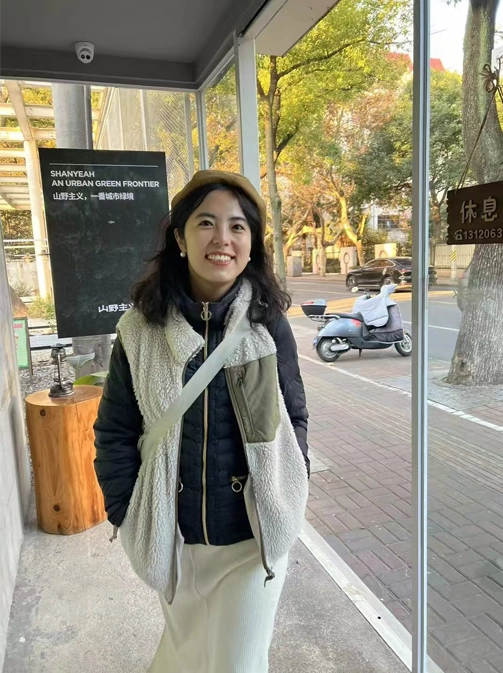
What inspired you to pursue a career in landscape architecture?
I was inspired to pursue landscape architecture through a mix of personal roots and professional curiosity. Growing up Inner Mongolian, with a cultural memory shaped by open horizons and a deep connection to nature, I’ve always been drawn to landscapes and to how people live within them. Later, working across architecture, urban design, and planning in different countries, I realized that landscape is the discipline that most directly connects nature, culture, and human experience. It allows me to bring together my nomadic heritage, my love of exploration, and my interest in how cities grow into one coherent, human-centered practice.
Who are the female role models who have influenced your career?
Kate Orff, FASLA, my mentor and professor in GSAPP (Columbia University Graduate School of Architecture, Planning and Preservation), who really opened my eyes to the creative potential of landscape architecture. Through her teaching and her work across different scales, she showed me how landscape can be both imaginative and deeply tied to ecological thinking.
Women landscape architects whose work continually inspires me: Kathryn Gustafson, Martha Schwartz...
What advice do you have for other women pursuing a career in landscape architecture?
My advice for women entering landscape architecture is this: trust your instincts and trust your eye.
Can you share with us a project you are particularly proud of and why?
One project I’m especially proud of is the Jingzhang Railway Heritage Park in Beijing, China. It allowed us to transform an abandoned railway—full of industrial traces and historical memory—into a vibrant public space. Instead of removing the old structures, we used them as the backbone of the design, weaving in ecology and new public programs. I’m proud of how the project balances heritage and renewal, giving the city a place to reconnect with both nature and its own history.
What advice would you give your younger self?
Trust yourself more. Be brave about taking up space, speak your ideas clearly, and don't underestimate your own perspective.