

.webp?language=en-US)

.webp?language=en-US)
by Suzette Lopane, ASLA, RLA
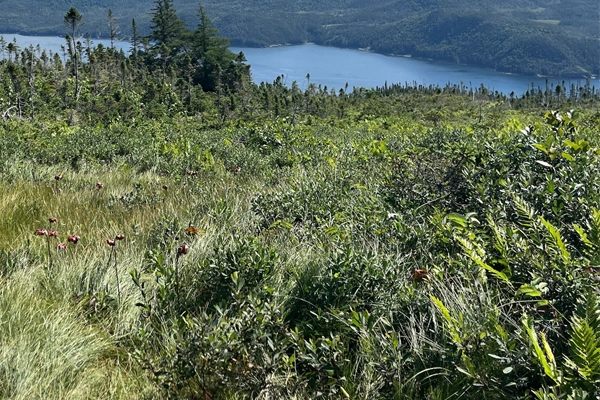
Designing for biodiversity can feel complex, requiring collaboration across disciplines to navigate the complex web of nature. Yet prioritizing biodiversity is essential and a rewarding contribution. Development is reshaping our undeveloped lands and climate patterns are growing more unpredictable. There is an urgent need to create ecologically healthy, resilient, and diverse environments.
Last year, ASLA conducted the first national survey on landscape architects’ planning and design work focused on biodiversity. When asked to rank the primary barriers to addressing the biodiversity crisis, the survey’s 293 respondents highlighted three top issues:
- Client expectations and market demand - 32%
- Lack of awareness and understanding - 27%
- Financial and resources constraints - 19%
Other challenges identified are policy and regulatory constraints, technical and capacity constraints, increased development, and a lack of native plant availability and maintenance.
Increasing awareness of these barriers can inspire further research, drive policy improvements, and foster more coordinated efforts within the field.
What Does Biodiversity Mean to a Landscape Architect?
Before addressing barriers, we must first consider what biodiversity means in the context of landscape architecture. Is it simply a varied plant list; a focus on native, regional species; or a commitment to excluding invasives? Or is it about designing resilient plant communities that thrive in their environments?
Beyond species diversity, should we also prioritize genetic diversity, ensuring plant selections originate from a range of parental sources to strengthen ecological stability?
These considerations shape how we contribute to the planet’s ecosystems through our work. By asking these questions, we gain a deeper understanding of ecological interactions and the landscapes we design.
Key Barriers
Lack of a Biodiversity Net Gain Calculator
Currently, a standard approach to assessing biodiversity is not available. Establishing these tools can improve clarity and consistency. The need for these tools was frequently mentioned in the ASLA survey.
Reliable biodiversity measurement methods at the project scale would help explain to clients and the public the advantages of creating biodiverse landscapes. Currently, tools are only available in certain regions and rely on bespoke datasets. Reformatting the datasets universally across the country and making the datasets available through accessible, user-friendly platforms would enhance their effectiveness, allowing designers to work seamlessly across multiple regions.
Further research needed: Developing practical, standardized methods to measure the ecological benefits of a designed landscape.
Stigma About “Messy” Landscapes
Biodiverse landscapes may be perceived as “messy” or untended, and there can be concerns about attracting unwanted wildlife or creating unintended consequences (dumping, criminal activity, etc.) Therefore, many built landscapes start or evolve into simplified non-diverse planting plans. We are only a partner with our clients in complex project decision-making processes. Educating stakeholders about the value of biodiverse landscapes is essential.
Potential approach: Collaborating with ecologists and educators to communicate the benefits of biodiverse landscapes to clients and the public while identifying and showcasing successful examples across scales and regions.
Lack of Plant Sourcing and Availability
There is a significant lack of genetically diverse, species-rich, regionally appropriate native plants in nurseries. The nursery supply chain is nationwide and dynamic, which makes sourcing specified plant lists challenging. Growers respond to consumer demand and produce what is both reliable and profitable. By fostering stronger connections between designers, clients, and growers, the industry can potentially support the cultivation of a wider range of species.
Local municipal policies, land use regulations, and conservation groups can guide demand toward desirable native plants, which in turn could stimulate market growth. In some parts of the country, this is already happening, with groups as diverse as forest agencies and large cities leading the charge. Landscape architects can influence these strategies to further biodiversity.Further collaborations: Evaluating and expanding native seed banks and nurseries while advocating for policy support to enhance supply chains.
Maintenance Reimagined
The modernization of landscape maintenance would have a dramatic effect on biodiversity. With growing interest in ecological practices, we can move away from traditional “mow and blow” maintenance. On-site stormwater management is becoming standard practice, and there is recognition that designed landscapes play a meaningful part in stormwater infiltration. Wildfire and drought may also influence maintenance practices. More thoughtful approaches and contractors knowledgeable in plant identification and ecological balance could help lead to more sustainable practices that are not as fuel dependent, thus saving on energy costs.
Opportunity: Training programs for landscape contractors and maintenance operations on how to maintain biodiverse spaces and promote the sustained care of projects. (See this previous post about the HELP: Habitat and Ecosystems Land Pro training program as one example.)
The Challenge of Change
Designing for biodiversity requires a cultural shift—moving away from conventionally manicured landscapes toward dynamic, ecologically rich spaces. This transition demands more research, increased collaboration across disciplines, and a re-evaluation of how we measure success in landscape architecture.
Where can we start to make a difference? A good place to look is the nearest ecologically similar natural environment to a project site, often referred to as the reference ecosystem approach. Desktop analysis of the site can be helpful, such as natural resource inventories or ecological assessments. Reassessing landscapes after a few growing seasons can also help inform decisions on future projects.
While there are numerous challenges to implementing truly biodiverse landscape designs, each barrier presents an opportunity for growth, collaboration, and innovation.
By acknowledging these obstacles, we take a vital step toward crafting landscapes that enhance our experience and contribute to the health and resilience of the ecosystems we depend on.
See these recent books for additional inspiration:
- Garden Revolution: How Our Landscapes Can Be a Source of Environmental Change, Larry Weaner, Affil. ASLA, and Thomas Christopher
- Bringing Nature Home: How You Can Sustain Wildlife with Native Plants, Douglas W. Tallamy
Suzette Lopane, RLA, ASLA, is a member of the ASLA Climate and Biodiversity Action Committee Subcommittee on Biodiversity and is a Principal Planner with the County of Westchester, New York. She focuses on comprehensive street revitalization, environmentally sustainable design practices, and community engagement in underprivileged areas.