

.webp?language=en-US)

.webp?language=en-US)


ASLA Calls for Science-Based Clean Water Protections in WOTUS Rulemaking
ASLA opposes move to gut protections for wetlands and streams.
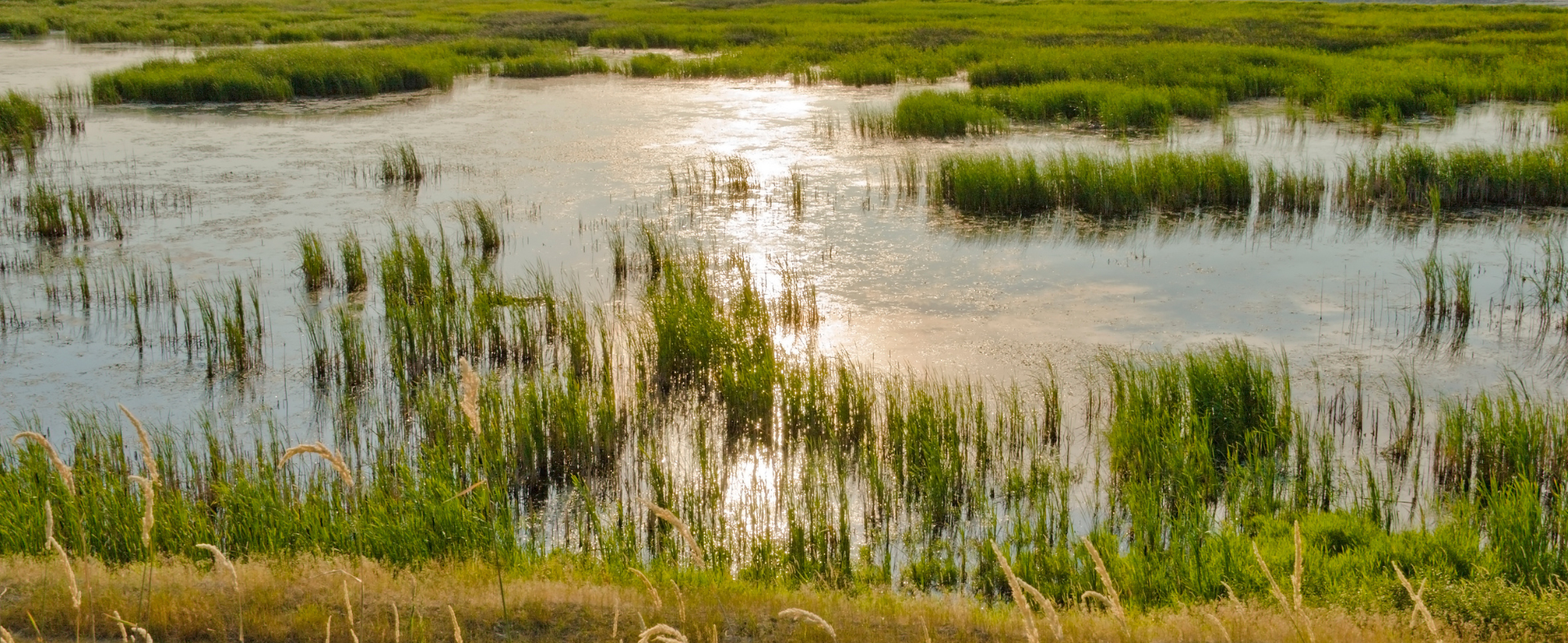
On January 5, ASLA joined more than 60 national, state, and local organizations in submitting public comments opposing the Environmental Protection Agency and U.S. Army Corps of Engineers’ proposed rule revising the definition of Waters of the United States (WOTUS) under the Clean Water Act. As outlined in the letter led by the Water Protection Network, the proposed rule would significantly weaken federal protections for wetlands and streams—going well beyond what is required by the Supreme Court’s Sackett v. EPA decision—and would leave critical water resources vulnerable to degradation and loss. ASLA supports a strong, science-based definition of WOTUS that reflects the Clean Water Act’s original intent to safeguard water quality, ecosystems, and public health.
Landscape architects understand that healthy watersheds are foundational to resilient communities. Wetlands and headwater streams play an essential role in filtering pollutants, managing stormwater, reducing flood risk, recharging groundwater, and sustaining biodiversity. These systems also underpin the success of green infrastructure, nature-based solutions, and climate-resilient design—core principles of landscape architecture practice. Weakening Clean Water Act protections undermines decades of progress and places communities, particularly those already facing environmental and climate stressors, at greater risk.
Through this joint comment letter, ASLA urged federal agencies to halt further rollbacks and instead work to restore and strengthen clean water protections nationwide. Protecting rivers, streams, and wetlands is not only an environmental imperative—it is essential to public safety and economic vitality. ASLA will continue advocating for policies that safeguard the nation’s waters and reflect the critical role of water systems in resilient design, community health, and environmental stewardship.