

.webp?language=en-US)
.webp?language=en-US)
A More Resilient Dia Beacon
By Jared Green
When designing a new, more resilient landscape for Dia Beacon, a contemporary art museum in the Hudson River Valley of New York, landscape architect Sara Zewde, ASLA, first looked to the past.
She looked to how indigenous people used the river landscape and how water once flowed through meadows. For Zewde, designing a landscape that honors the past is the way to achieve resilience in the future.
Zewde is founder of the landscape architecture and urban design firm Studio Zewde and assistant professor of landscape architecture at Harvard Graduate School of Design. She shared her design for a new 8-acre landscape for the museum during a lecture at the National Building Museum in Washington, D.C.
Dia Beacon lies on the Hudson River, "a water body that runs both ways." For centuries, it formed a border between different Indigenous peoples. And today, it separates New York from New Jersey.
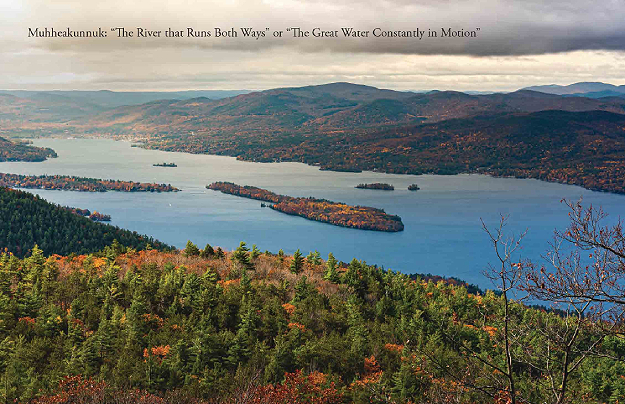
The site of the museum has had a long history -- Native American land, railroad brickyard, Nabisco box printing plant, and now contemporary and land art museum.
"The Dia Art Foundation was born out of the environmental movement of the 1960s," Zewde said. Dia is a "counter institution" -- it was created to counter or undo environmental degradation.
Every aspect of visitors' experience of the museum, which opened in 2003, has been carefully choreographed. When redesigning the former box plant as a museum, artist Robert Irwin and architectural firm OpenOffice sought to "de-register the hierarchy and grid system" of the building. Their goal was for its interior to have "no central axis."
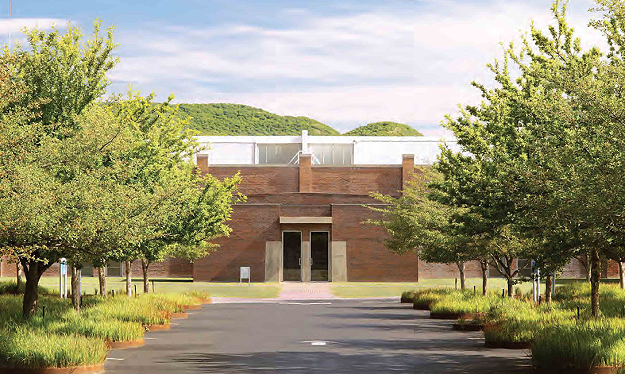
At the north end of the building, Irwin and team designed the parking lot and public spaces to guide visitors to the museum. But at the south end, the "sense of movement simply stops," Zewde said.
To regain that movement, Zewde looked to the flow of historic peoples and water for inspiration.
"Indigenous peoples moved across the Hudson River on a seasonal basis to share ideas and technology."
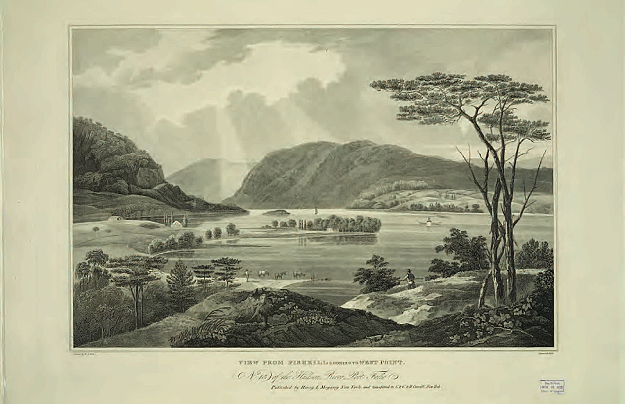
Like these people, water also once flowed through the site's meadows and wetlands. A quote from author Toni Morrison helped crystalize her ideas:
"'Floods' is the word they use, but in fact it is not flooding: it is remembering. Remembering where it used to be. All water has a perfect memory and is forever trying to get back to where it was."
Zewde sought to "reveal the presence of water" on site and let its remembrance, its natural flow, guide the design.
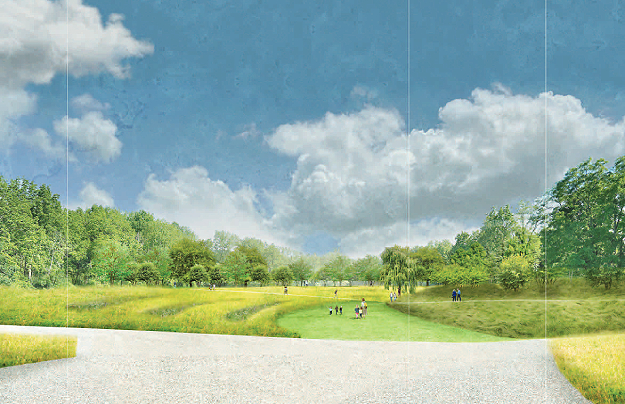
She envisioned a resilient landscape that would choreograph the flow of water around land forms and through meadows.
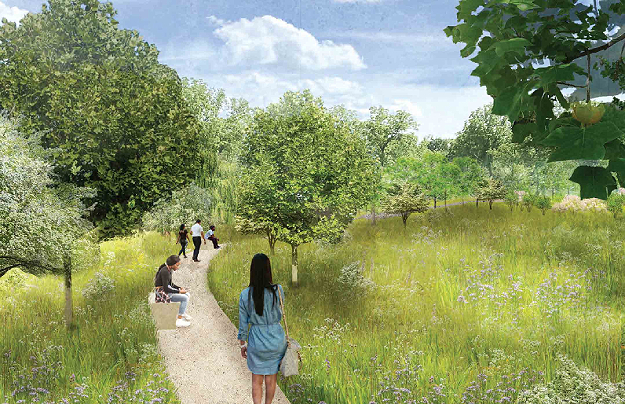
For visitors, an evolving landscape can create a greater sense of connection to natural systems. "They will be able to witness different water levels."
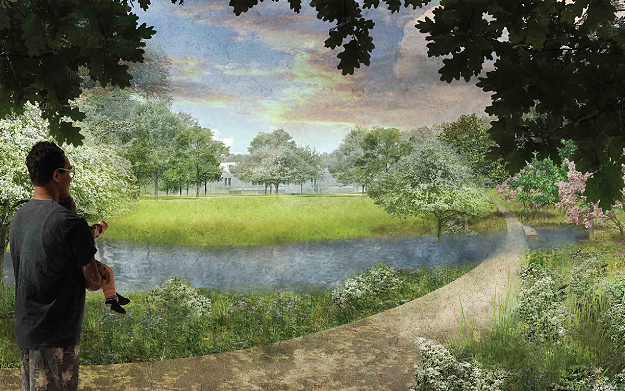
Sculptural land forms closer to the museum will guide water away and protect it from river rise and flooding.
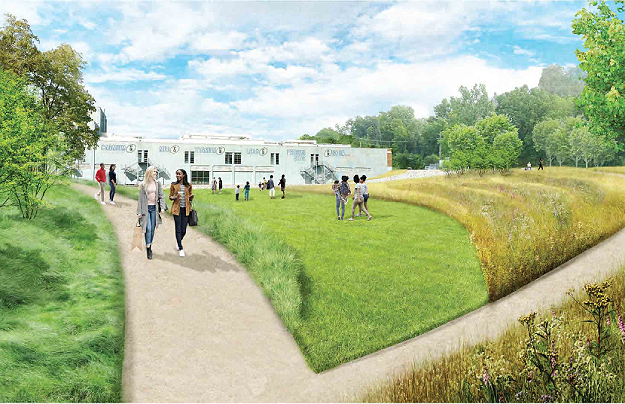
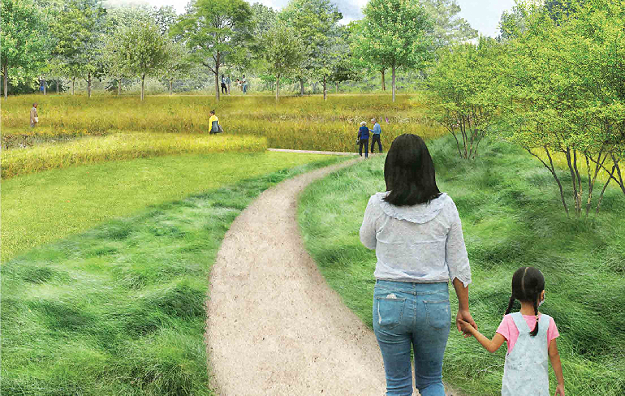
But further away from the building in the lower basin, wet meadows will be created to let water in.
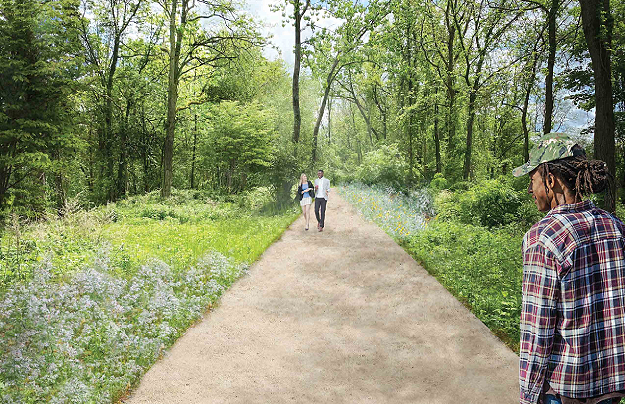
With meadow designer Larry Weiner, she designed meadows with 90 plant species. "These plants form a palette to paint with."
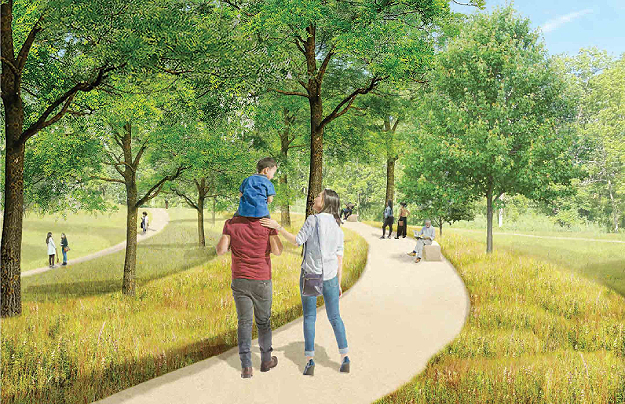
Her design also calls for planting over 400 trees and shrubs, stabilizing soils, and repurposing natural materials found on the site.
Water and how it interacts with people and places has been an enduring interest for Zewde. As a young student, "a storm event led me to landscape architecture." She saw "political, cultural, economic, and social factors manifested in Hurricane Katrina."
Now, Zewde designs landscapes that act as nature-based solutions for flooding and river and sea level rise. Her design at Dia more closely connects people to their environment, making them more aware of change, perhaps reducing risks in the process.