

.webp?language=en-US)

.webp?language=en-US)

Carbon Credits Can Benefit Underserved Communities
By Jared Green
Reducing greenhouse gas emissions as much as possible is the priority. At the same time, landscape architects can plant more trees and plants and restore soils, sequestering more carbon than emitted and increasing biodiversity. This creates climate positive projects.
To support this work, high-integrity carbon offsets can be purchased to expand benefits to underserved communities. According to the latest online discussion organized by the ASLA Biodiversity and Climate Action Committee, carbon credits are a significant untapped opportunity for landscape architects and the communities they serve.
Mark Kenber, executive director of the Voluntary Carbon Markets Integrity Initiative (VCMI), explained that voluntary carbon markets are critical to addressing the significant climate finance gap.
Carbon markets are either regulated via cap and trade systems or voluntary and unregulated. Voluntary carbon markets provide the offsets that many private organizations and individuals purchase to make positive climate contributions.
The global voluntary credit market doubled between 2013 to 2019 but has declined since then. Now approximately $2 to $3 billion goes to voluntary offsets worldwide each year.
This funding goes to projects that are "additional," meaning that they are designed to sequester carbon first and foremost and otherwise wouldn't exist without the carbon credit. These projects conserve and restore landscapes, such as forests, prairies, and wetlands, that sequester carbon. Other projects that provide credits include technological sequestration -- sustainable building materials and carbon capture and storage systems -- or renewable energy.
Kenber said voluntary carbon markets could expand to provide $50 billion in debt-free funding to underserved communities in the U.S. and developing countries by 2030.
Voluntary carbon markets lead to direct investments in projects, not loans that add to debt. They support projects that "reduce emissions, increase sustainability, create transparency, and improve well-being and livelihoods," Kenber said.
"They also have positive spill-over effects." For example, India's rapidly growing renewable energy sector was made possible by early investments in solar through voluntary carbon markets. Those investments enabled hundreds of thousands of people in India to become experts in solar project finance, design, installation, and grid infrastructure. "It laid the foundation for current growth."
There have been numerous high-profile media stories about the problems with carbon markets and credits -- projects that aren't delivered or have negative impacts on communities; or weren't additional. But Kenber doesn't see that as a bad thing. "Scrutiny and transparency raises the bar."
And that has led VCMI to develop new benchmarking standards to support the growth of higher quality, higher integrity offsets. These more stringent standards are resulting in offset projects that "provide more benefits directly to communities, reducing the role of intermediaries."
An organization that offers these high-integrity offsets in the U.S. is the National Indian Carbon Coalition (NICC). It partners with tribal communities across the U.S. to develop offset projects that funnel millions to conserving and restoring ecosystems and building new infrastructure on tribal lands.
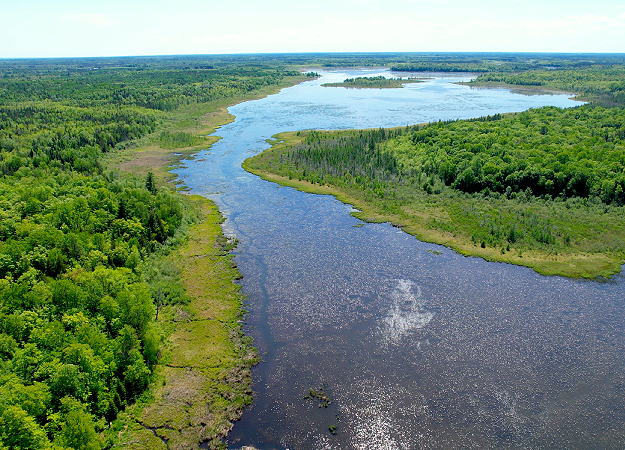
ASLA has partnered with the NICC and tribal communities to offer positive climate contributions to its conference attendees. In 2024, ASLA conference goers and sponsors contributed more than $53,000 to support the tribal forests of the Fond du Lac Band of Lake Superior Chippewa in Minnesota. The Fond du Lac Band’s forest carbon project is a natural climate solution that generates carbon credits through Improved Forest Management.
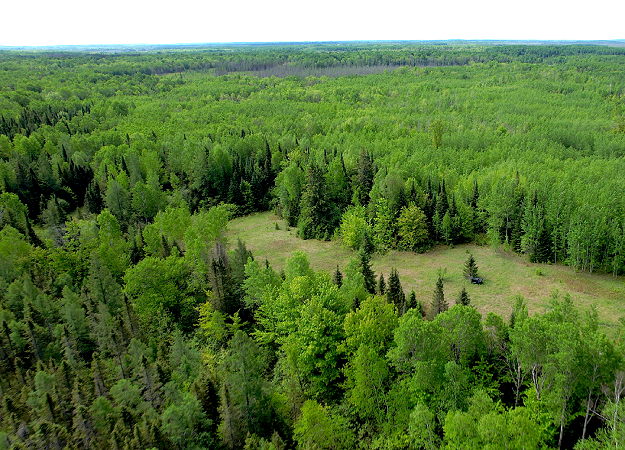
Stephen Taglieri with the NICC said "climate projects are only as good as the communities they benefit and the biodiversity they support."
NICC works with tribal communities to restore native ecosystems and increase wildlife. With the Bois Forte Band of Chippewa (otherwise known as the Ojibwe) in Minnesota, NICC has developed a plan to protect forests from timber harvesting and then restore them using Improved Forest Management approaches.
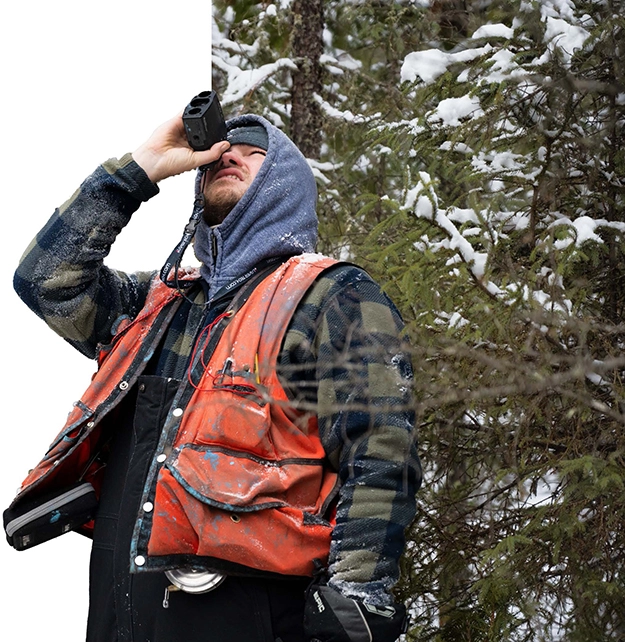
This entails working with the Bois Forte Band to use GIS, data, and forest plot markers to evaluate the health of the restored forest, which spans more than 22,000 acres and includes 32 million trees, and how the healthier forest yields greater carbon sequestration.
The additional sequestration from the restored native forests has been turned into 215,000 credits that are being sold. This work has also led to "measurable improvements" in biodiversity, Taglieri said. With a healthier forest, fish populations have increased in the lakes.
Funds from the carbon credits go back to the tribal communities, with tribal leaders deciding how they will be spent. In Minnesota, the funds have supported efforts to buy back tribal lands, and improve energy efficiency and a K-12 school system.
Taglieri said many of these tribal offset projects are in isolated, rural areas. "These communities have a part to play in carbon development."
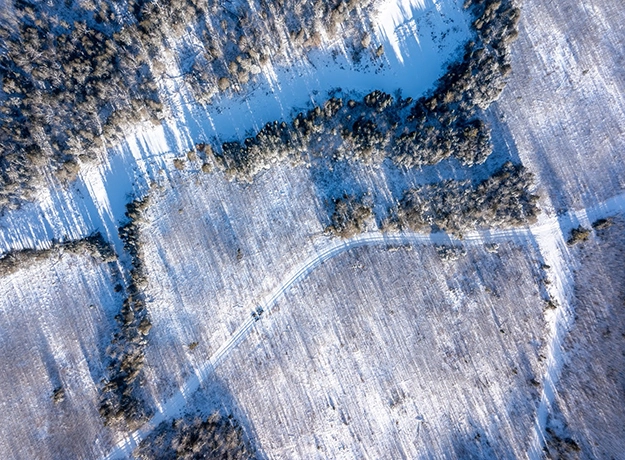
Urban areas can also provide opportunities to sequester carbon and generate positive climate contributions, said Erin Kelly, ASLA, PLA, director of sustainability and innovation with Wayne County, Michigan. City and county governments around the U.S. are investing in local offset opportunities that create jobs and increase sustainability and resilience.
In Washington state, King County is guided by a state-wide cap and investment program that requires companies and organizations to report their emissions and purchase offsets. The program is the result of the Climate Commitment Act and has yielded more than $500 million in funds for soil restoration, health, and water quality priorities.
The county also has a Forest Carbon Program that purchases forests at risk of development and then brings them into the carbon market. Kelly said King County's approach shows the importance of having policies, regulations, and strategic plans in place that support carbon credits.
Minneapolis, Minnesota is another example of how a city can leverage carbon markets to achieve sustainability goals. The city's Park and Recreation Board partners with Green Cities Accord, which uses carbon markets to fund the conservation, restoration, and expansion of the city's urban forest. Green Cities Accord's credits are verified by City Forest Credits. This model shows how carbon markets can provide much needed funding to parks departments across the country.
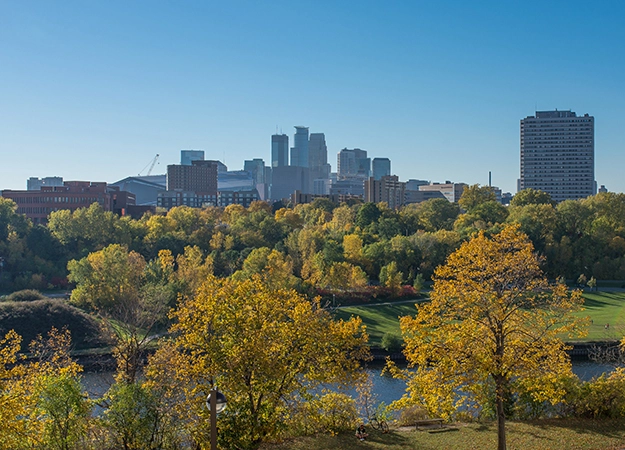
And Kelly noted that Minneapolis is also a leader in biochar and building a new facility. The emerald ash borer has greatly impacted trees in the city. Wood from those trees is becoming biochar, which improves soil health and carbon sequestration. The city's climate equity plan has ensured it's being delivered to underserved communities first.