

.webp?language=en-US)

.webp?language=en-US)
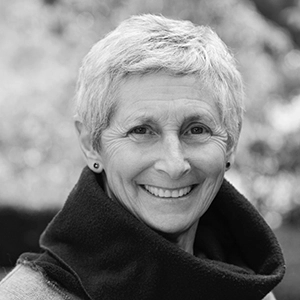
Marion Brenner
on Photographing Landscape Architecture
What makes a great photograph of landscape architecture?
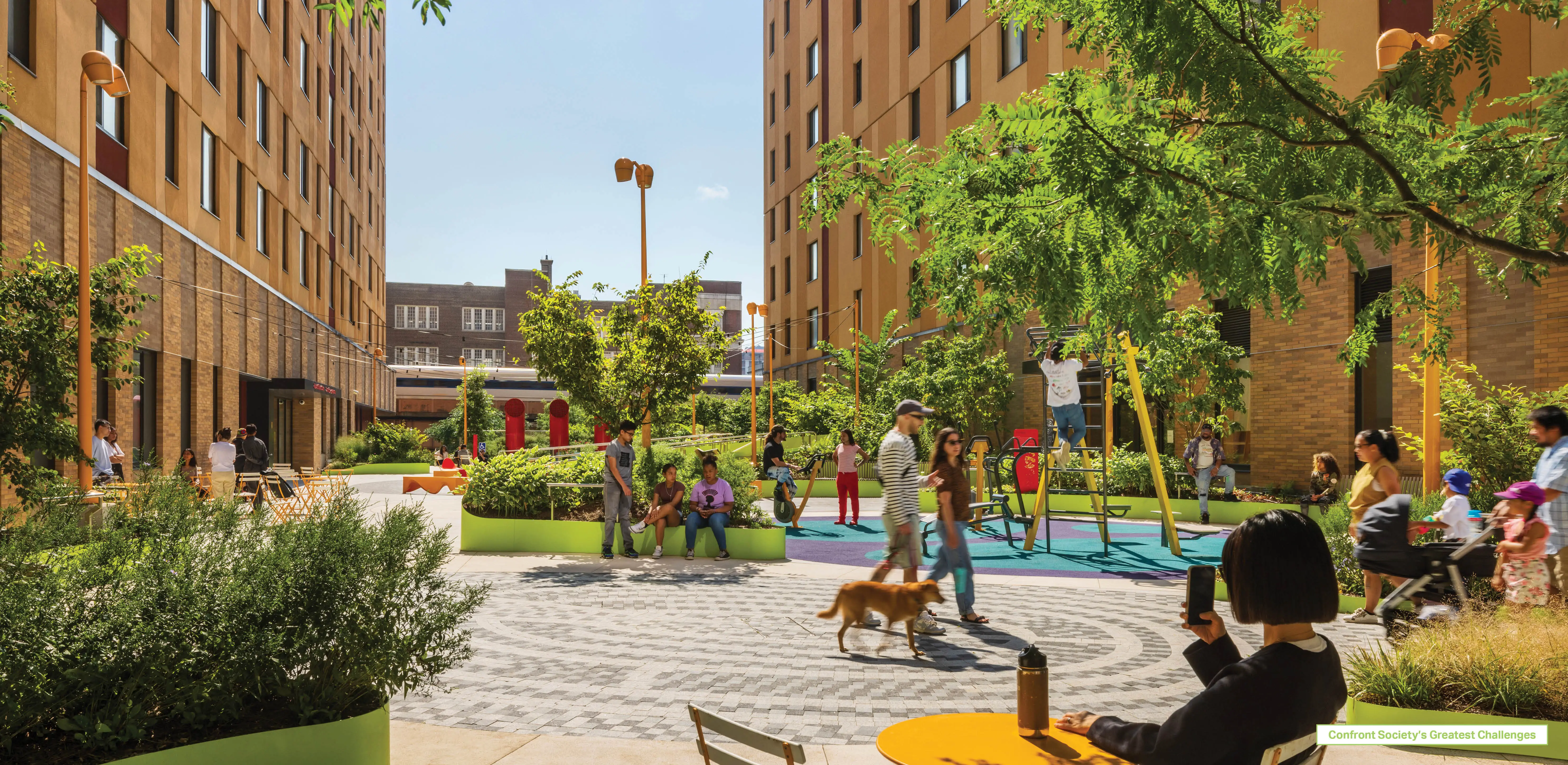
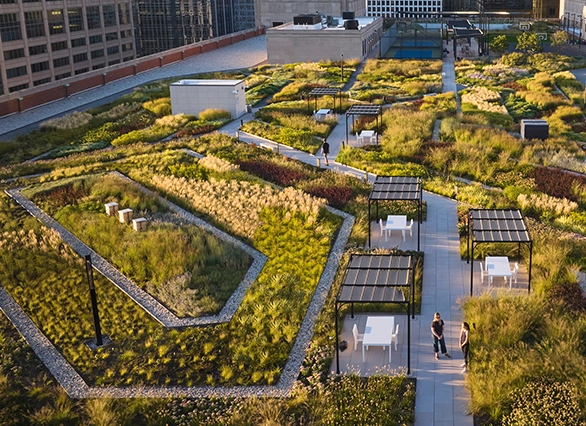
The challenge of photographing landscape architecture is taking a three-dimensional space and making it two dimensional. The best photographs of landscape architecture make you feel like you’re in the space.
A good photograph tells a story. I don’t think of myself as making individual photographs. It’s always interesting to me when someone remembers one photograph, because my photography is about telling the story of a project.
Advertisement
Does taking photographs of natural landscape and works of landscape architecture require different approaches? If so, how?
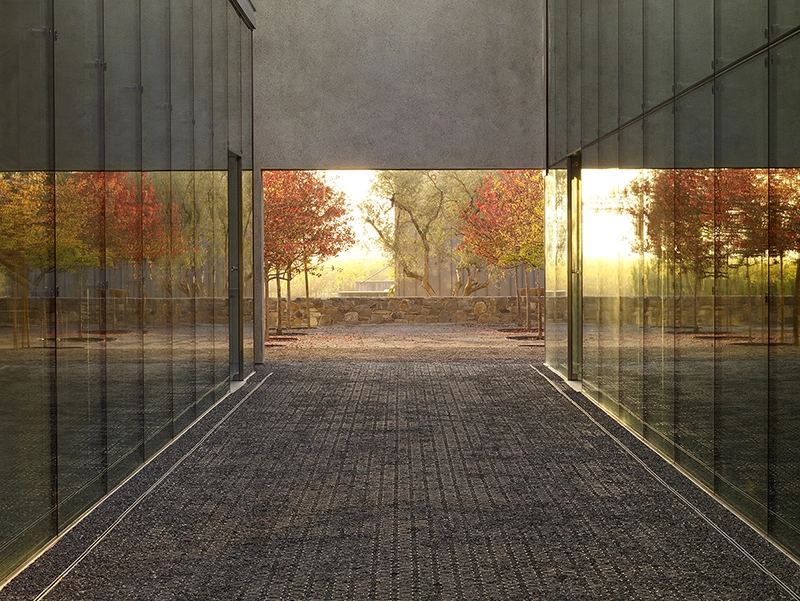
I am not at all interested in taking pictures of the natural landscape. My role is taking pictures of the built environment. I’m most interested in how culture impacts the land and nature. How we want to control it; what we think of as beauty, and the political implications of a designed landscape.
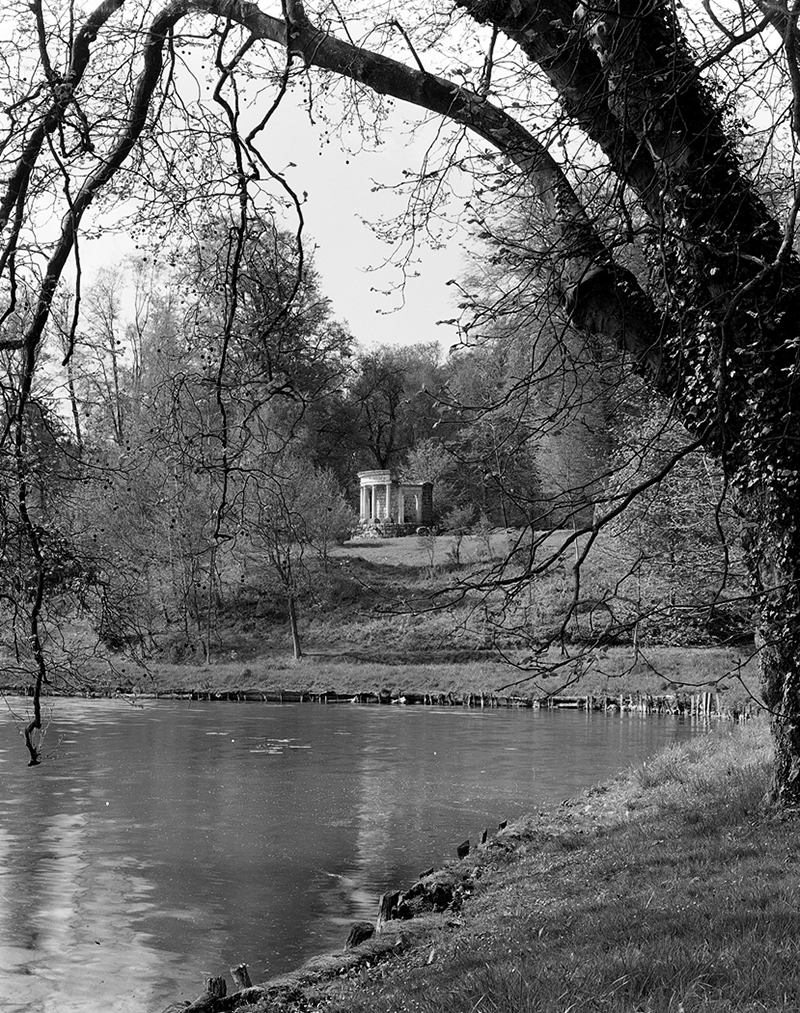
I became aware of this in the 90s. I got a grant with a writer, Diana Ketchum, to photograph 18th century English-style gardens in France. They are based on the philosophy of Jean-Jacques Rousseau. The French are not particularly interested in them. Most people know about Le Nôtre's landscapes: the classic French Vaux-le-Vicomte and Versailles, which symbolizes the absolute power of the king. The English-style gardens were built just before the French Revolution. They are meandering, with winding paths, and views that are meant to make people feel and think and question the absolute power of the king. They were built at a time when people were traveling to Italy to see ruins. In Northern France there were no ruins so they built their own. One of the gardens in Ermenonville is now Parc Jean Jacques Rousseau. It has grottoes and a temple on the hill with fallen pillars.
Today, landscape architecture is political in its relation to how we think about climate change, parks, and water use. Also, there's the issue of parks and gentrification.
How can you capture the feel of a designed landscape, taking a work that is in 3-D and making it 2-D?
I do it in collaboration with the designers. I find that incredibly helpful as they hone my vision. I work with a medium-format digital camera that sends an image to an iPad so my clients can can react to it in real time. They can tell me, “no, no, this is what I meant."
Is there one photograph that tells the whole story? Sometimes. But not always. I leave things out. But I also put in a lot in. One photo is just one part of the story. I need multiple photos to tell the story.
If I have a lot of time in a space I can kind of figure out the logic. But my clients have designed sight lines, they’ve thought about the space, they know the way the light works. They don’t know how to document it, generally, but they know what they want. And, so, it’s this back and forth that I find extremely exciting.
What process yields the best photos?
For me, it’s definitely working with the designer. My clients generally humor me when I go off on a tangent. They encourage me to see what I see.
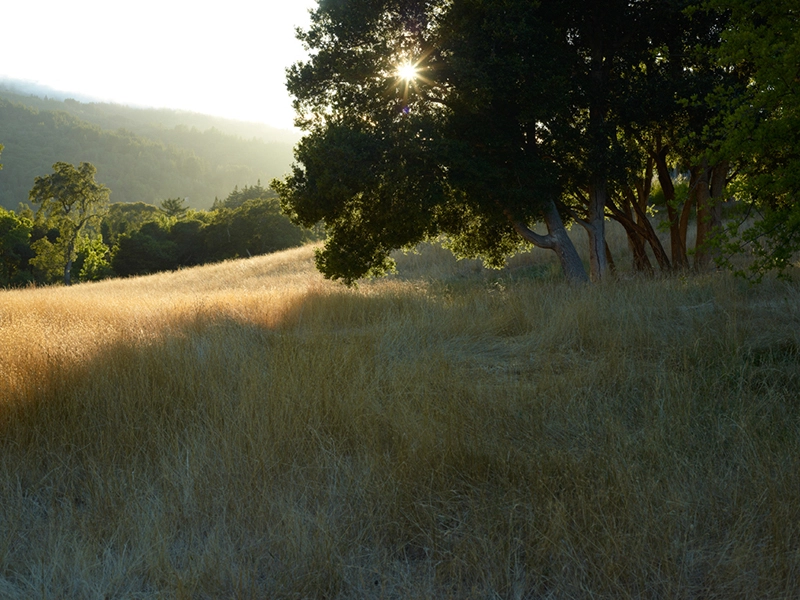
I always say: “turn around.” I was taking a photograph of what I was supposed to be photographing and then I turned around and the light was coming through the trees on the hillside. That photograph ended up being the cover of Living Land, Blasen Landscape Architecture’s book. It was just a moment that captured some essence.
The exciting thing about photographing landscape architecture is that there are no rules. I showed a photograph of Klyde Warren Park in Dallas, Texas, at the field session at the ASLA Annual Meeting. There’s a pole going right down the middle of the photograph. You can see the base of the pole.
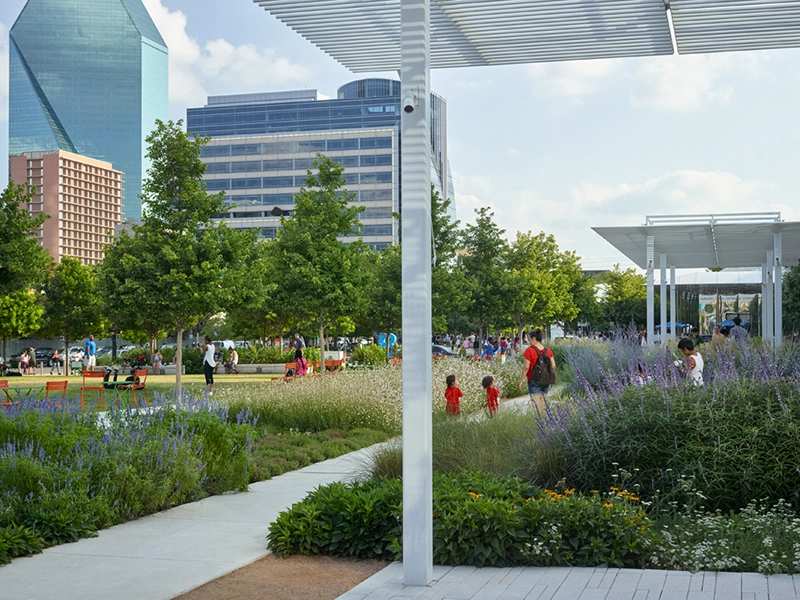
Chris McGee, art director at Landscape Architecture Magazine (LAM), said: “Oh, I was looking at that and saying, 'which photograph do I like better?'" But it was one photograph. I broke the rules. I guess there are rules to break.
How do you capture seasonal change and the progression of time?
There aren’t many projects I do over time. They have to be very significant projects for my clients, because hiring me is a big expense.
I just did a private house this summer for Surface Design, which I’ve documented over time. The landscape has a big meadow that's great to capture in different seasons, but this is a rarity.
How do you capture people inhabiting a landscape in a way that doesn’t feel staged?
You can try to use real people. But one of the problems is that when I shoot dawn or and dusk, there is nobody there. Or if people are there they walk straight through the picture, and you don’t see them. There’s not even a blur, because the exposures are so long.
I sometimes bring a whole team of people. When I photographed the San Antonio Botanical Garden that Christy Ten Eyck designed this summer, the botanical garden invited families so there were kids there. We were able to do the photographs in the right kind of light with people in it.
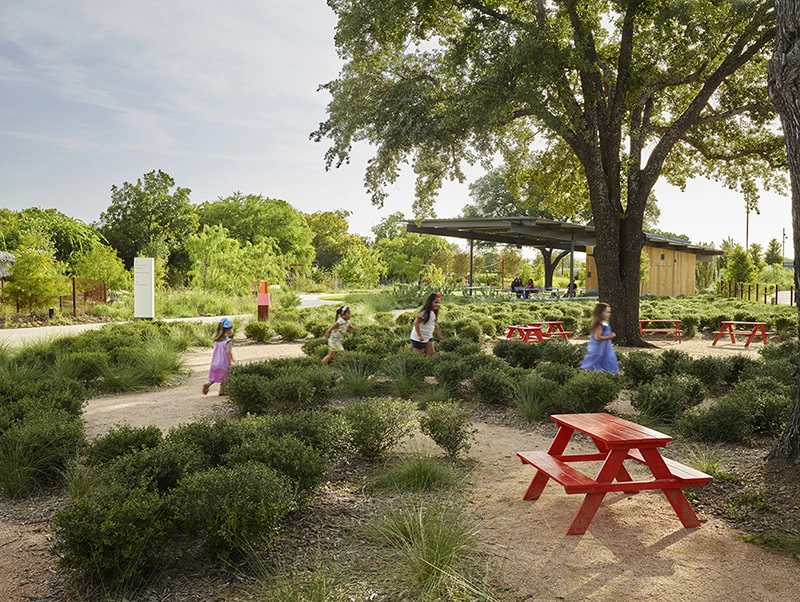
As Chris McGee says, “we just don’t want to see the same person in every shot.” You want people to be comfortable and look natural. I sometimes have people walk through a site in order to get movement through it. The problem with real people is they can go too fast or too slow. They can be carrying a big plastic bag, just not looking right.
What will visual landscape representation look like in 25 years? Will photography always have a place in the world of drones, virtual reality, mixed media, or some other technology that we don’t even know about?
I am not interested in using a drone, but I have been on shoots where drones have been used to great effect. I’m happy to have them, because I hate hanging out over edges where there’s parapets and stuff and you can’t really see, and you’re not getting the angle people want. Landscape architects love things from above.
Drones are not great quality, but they’re great for a certain kind of image. They’re less interesting to me, because, again, it’s flat. I’m not interested in shooting flat. I’m interested in the relationship of near and far and how you make that three dimensional space a photograph.
I may be virtual in 25 years, but I don’t think I’ll be around in 25 years. I have grandchildren and I wonder what their lives are going to be like in 25 years.
Images are ubiquitous now. We live by images. But how much time do you give to an Instagram photograph? It's not really about the quality. It’s about: does it grab me or not? I have a love-hate relationship with Instagram. I like seeing what people are doing and interesting things. The thing I hate about it is: “Well, why am I stuck home here at the computer working when you’re in Nepal on a mountaintop looking at this beautiful sunset!?”
Lastly, what is the most important advice you have for amateur photographers who want to improve their photography of landscape architecture?
Look at landscape photography you admire and try to figure out what you like about it. Imitation is a way of getting where you want to go.
Trial and error; that’s it! Keep doing it. Do it, do it, look at it. Judge it, figure out what works and what doesn’t work.
I had a wonderful mentor at one of the magazines. She wouldn’t let me go out unless the light was right. I learned a lot about light from her. My photographs are about light. The right light is generally not the middle of the day. Early or late.
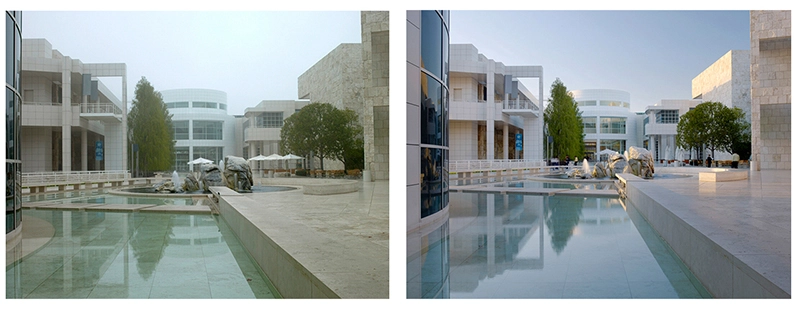
When you’re photographing architecture, you can have full sun on a façade, and it shows the shapes. But when you’re photographing landscape, anything with texture and plants, trees, you end up getting dark pools underneath trees, even the trees themselves are broken up by dark shadows.
You’re not seeing form; you’re seeing light. The forms are light and shadow.
Marion Brenner is one of the leading photographers of landscape architecture. Her work has been featured in numerous books and publications, including Landscape Architecture Magazine, Gardens Illustrated, The New York Times, and Garden Design. Books of her photographs include Private Gardens of the Bay Area, Outstanding American Gardens, The Bold Dry Garden, New Garden Design, Living Land: The Gardens of Blasen Landscape Architecture, and In and Out of Paris: Gardens of Secret Delights. Her photographs are in the collections of the Bancroft Library at University of California at Berkeley, the San Francisco Museum of Modern Art, and the Berkeley Art Museum. She lives in Berkeley, California.
Interview conducted by Jared Green at the ASLA 2018 Annual Meeting & EXPO in Philadelphia.