

.webp?language=en-US)


by Amaia Morgan, Student ASLA
The world that we, as students, will inherit is no longer predictable. Worldwide, we are facing the real impacts of climate change and the uncertainty that looms over our futures. This concern has driven students to get together and demand change, attempting to influence the systems that shape our communities.
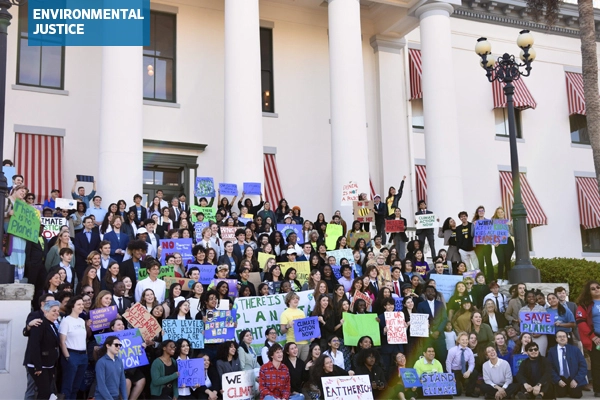
While collective actions like protests and petitions create urgent demands, they can fall short of driving systemic change. On March 6, 2025, I felt this firsthand. On the Florida State Capitol steps, me and 350 other students from across the state gathered, chanting “No justice, no peace.” Meanwhile, legislators remained in their offices, waiting for our scheduled meetings where we planned to convince them to vote in favor of key climate and environmental bills on the upcoming ballots. They were ready to nod in agreement, offer polite words, and send us home without making any real commitment to change. The critical question is: how can we build on the energy of climate anxiety and activism to develop effective, lasting solutions?
I will admit that I was overwhelmed when I first stepped into the world of climate activism. I got a sense that no matter how loud we shouted, the system would not change. With recent (and ironic) headlines like AP News’ “Half of world’s population endured an extra month of extreme heat due to climate change, experts say” and NPR’s “Trump administration shuts down EPA’s scientific research arm,” it is only natural to feel the weight. But, when legislation falls short, landscape architecture can shape spaces in alliance with the demands of a changing world. The more I learned about the field, the more I saw a pathway forward. In the studio, I could create spaces that went beyond concept, and had the potential to become tools for resilience. The anxiety that I once had transformed into momentum. I realized that my role wasn’t only to protest outside the Capitol, but to create spaces that heal and safeguard. That shift is what keeps me in the fight.
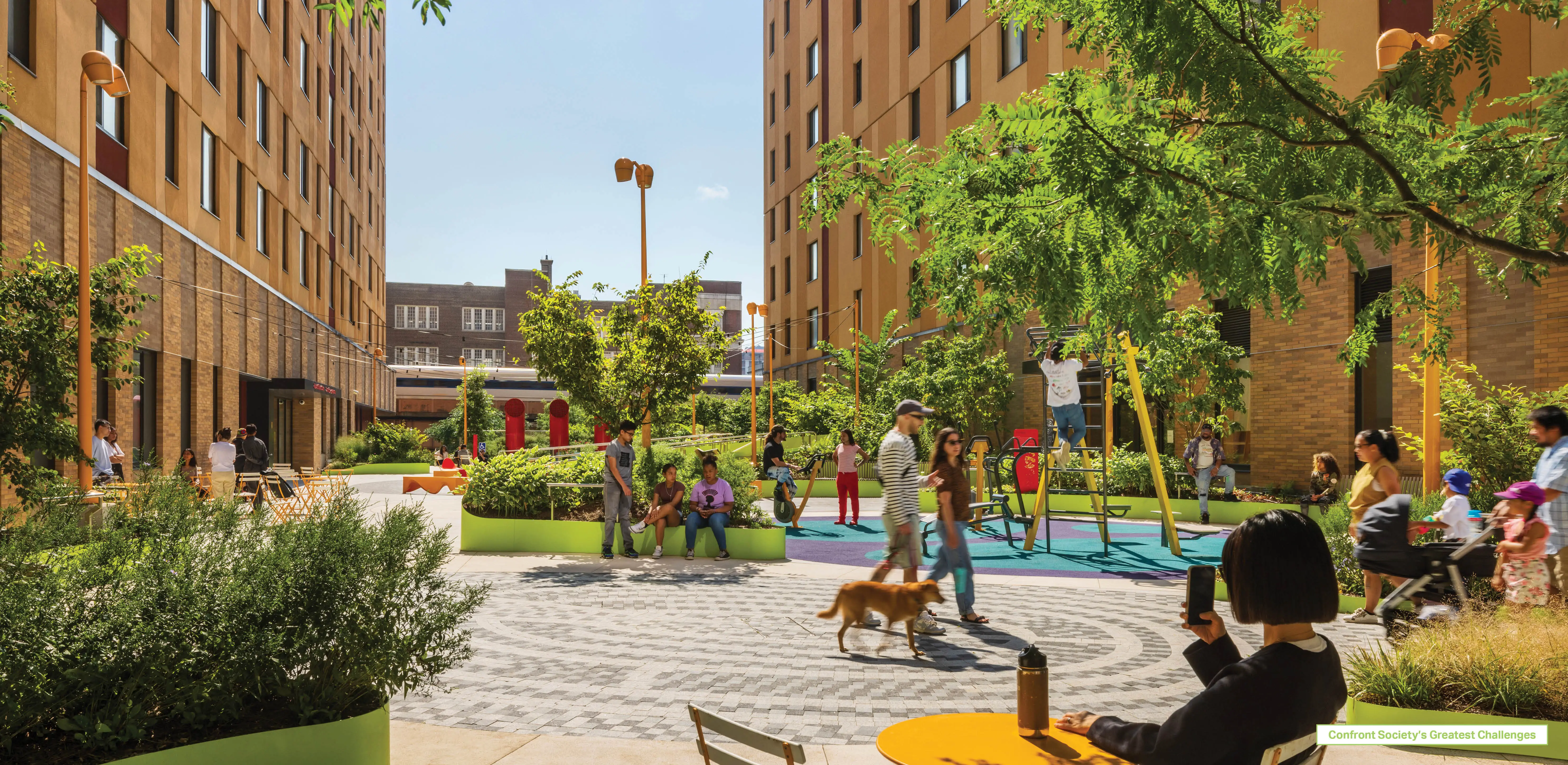
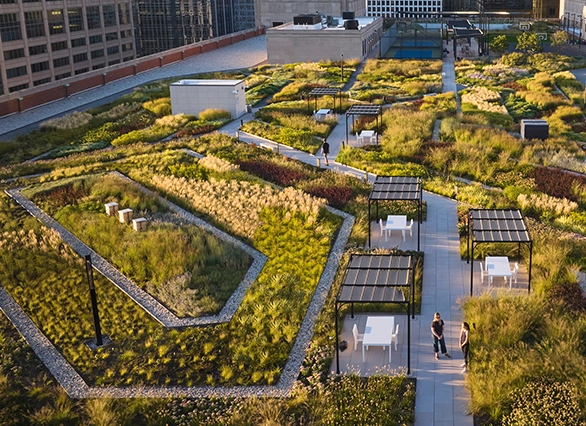
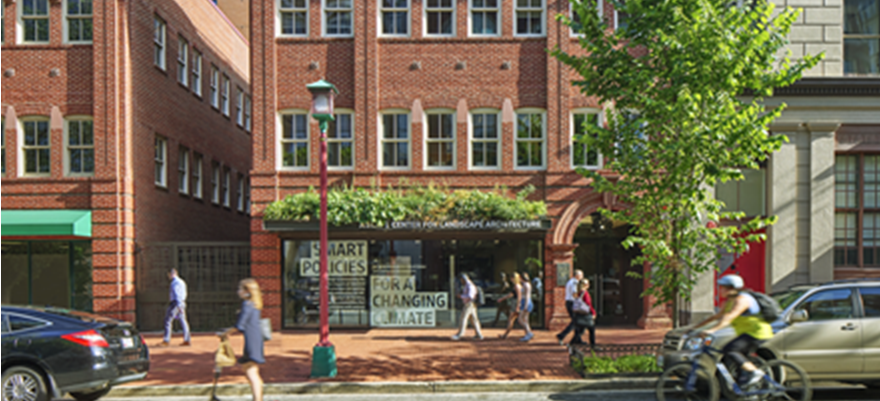
We, in the discipline of landscape architecture, should see design not only as a creative pursuit, but as an act of environmental justice. Urban tree canopies, green roofs, and floodable parks aren’t just beautiful; they also shield communities from these rising environmental threats. The urgency that drives activism should guide our work, and the work, in turn, should fuel that urgency. Work with the power of Mother Nature, shaping spaces in harmony with her systems. Cut carbon at the source, choosing materials that reduce our impact. Restore ecosystems, planting natives that nurture biodiversity and resilience. Design as pessimists, crafting landscapes that endure and assist in times of uncertainty. Put people and community first, and create solutions rooted in lived experience. Design is our tool, and our answer to a changing planet.
Still, work cannot and will not stop at the studio. Design alone cannot protect communities; policies must exist, be enforced, and backed by action. I urge you to be in the streets. Attend the meetings. Join phone banks. Show up at public hearings. Make sure you are registered to vote, and then vote like lives depend on it, because they do. Every act of engagement is part of shaping a resilient and sustainable world. Without active participation, even the best-designed solutions remain powerless. Change demands persistence, courage, and tireless presence. If we can carry this dual commitment, our work will protect communities not just now, but for generations.
Designers truly have a unique responsibility: every line we draw can either uphold the status quo or challenge it. Every section cut, planting plan, and site model can serve as an argument for the kind of future we want to see. That’s why I challenge my peers to treat every drawing, plan, and model as a piece of climate activism. To inspire communities, persuade policymakers, and protect those most vulnerable to environmental harm. Our creativity is not just an aesthetic skill, it is a form of advocacy. When design and activism move together, they have the power to shift both landscapes and laws.
Amaia Morgan, Student ASLA, is a Basque-Cuban student at the University of Florida, studying Landscape Architecture and Sustainability and the Built Environment. Originally from Miami, Florida, she is active in climate advocacy groups and blends her passion for design with environmental responsibility, creating eco-friendly fashion pieces featured in a local fashion magazine.