
.webp?language=en-US)



This Monday, AIGA DC convened a panel at the Mary W. Jackson NASA Headquarters in Washington, DC, as part of their DC Design Week. The speakers had backgrounds in astronomy, art history, museum studies, and graphic design, illustrating how these disciplines work together to advance NASA's vision. By bringing together subject matter experts with designers and storytellers, the teams behind the Earth Information Center and NASA's repository of scientific visualizations (which are free to access and use) join forces to amplify and simplify all this rich data for a general audience. The aim for making this information accessible and digestible to as many people as possible is to inform and to empower—to get a glimpse of all that we know and all that we are studying as we think about climate action going forward.
The event was a good reminder that NASA is not an agency that exclusively looks outwards (and sometimes way, way out), but has actually been studying the earth for more than 50 years with space-based technology, tracking changes in sea level, precipitation, temperature, ocean circulation, and land use, among many other data points. They may be best known most for their exploration of space, but NASA does a lot of earth science, too.
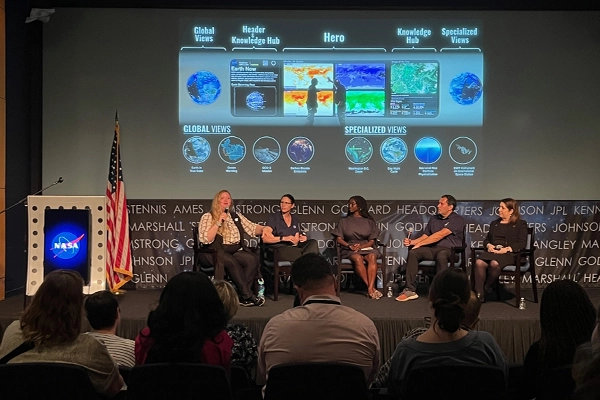
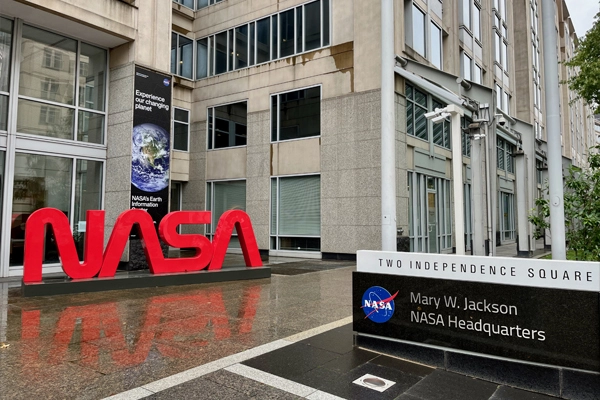
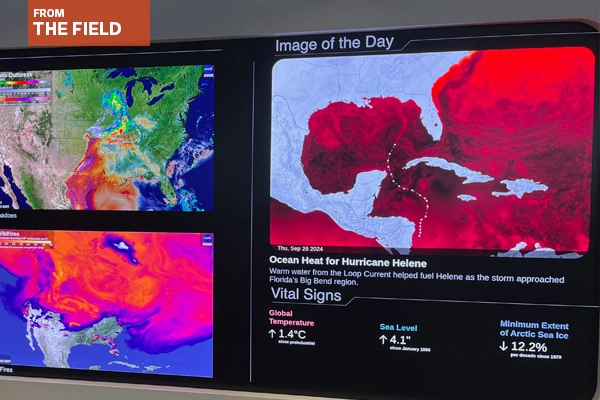
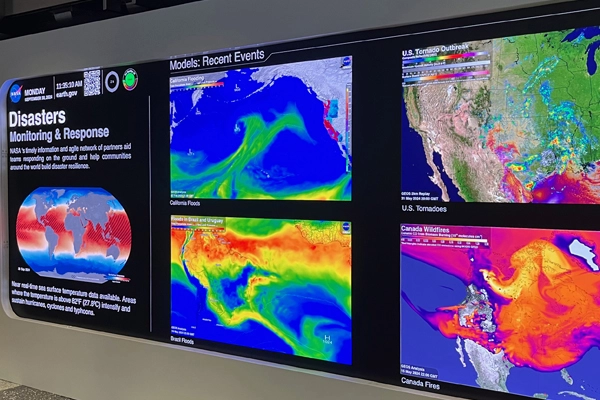
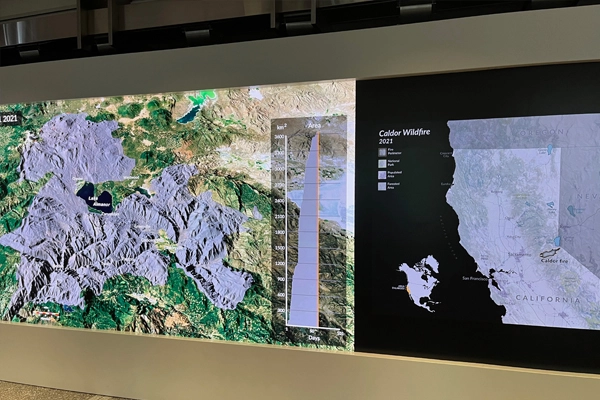
The conversation covered the development of the Earth Information Center at NASA Headquarters (additional centers are planned for the National Museum of Natural History and Kennedy Space Center) and how scientists, designers, and visitor experience specialists worked to include as many different tactics as possible to grab people's attention, bring them in (the big red NASA 'worm' logo outside definitely helps), and make heavy data into something non-expert visitors can understand. Designing for a wide audience requires multiple solutions, so there's something there for visitors who gravitate toward objects, ideas, stories, or interactive elements—there's no one-size-fits-all answer, but a whole toolkit of options.
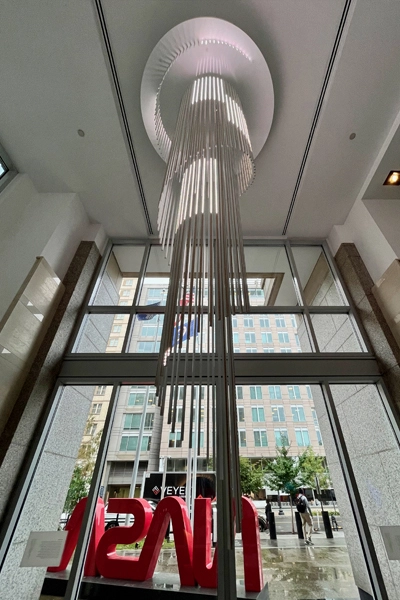
This multi-pronged, multidisciplinary design approach led to the creation of a place to see and absorb information, a place where abstract concepts and datasets are made tangible and visible, by bridging the gap between art and science.
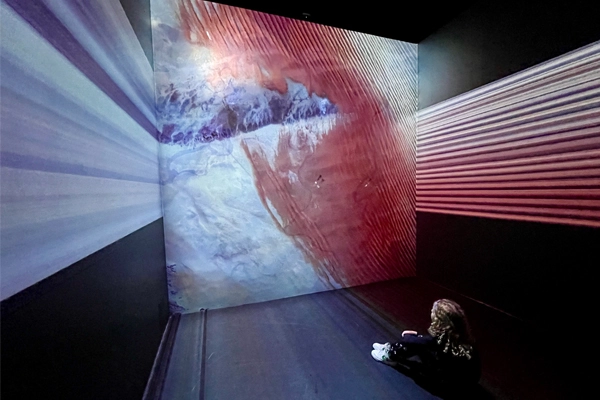
One takeaway NASA hopes visitors walk away with: we know more about our planet now than at any point in the past. NASA, as an informational agency, collects and shares data that then informs the work of operational agencies—there is a wealth of resources available to inform the climate action work that is happening now and all that is to come in the future. Knowing more about the research being done can help to ameliorate climate anxiety. Visitors should come away with a sense of hope, inspired by how much information is there and how many people are working on this.
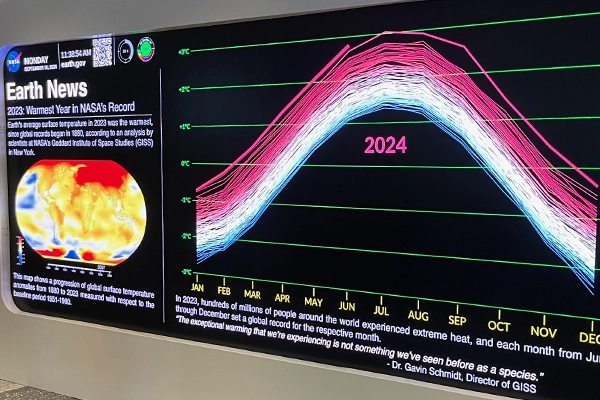
If you're coming to DC for the ASLA Conference on Landscape Architecture, there is an education track for climate action along with many other relevant events, including presentations organized by ASLA's Biodiversity & Climate Action Committee in the EXPO. And NASA's Earth Information Center, open Monday through Friday, is just a short metro ride to Federal Center SW. To extend your climate-focused excursion, there's also Xavier Cortada: Climate Science Art at the National Academy of Sciences, on view through December 31, 2024.