

.webp?language=en-US)



by Dan Greenberg, ASLA
See Part 1 and Part 2: An Emerging Meadow, in case you missed the previous installments in this three-part series.
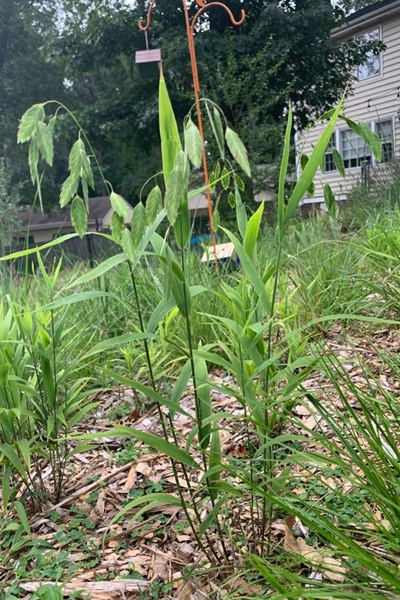
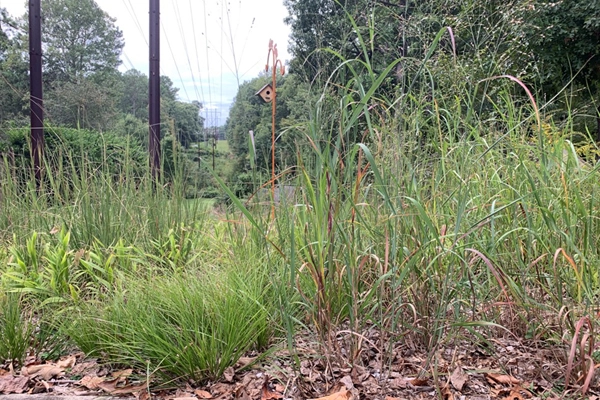
After an exciting spring establishing the meadow grasses, summer's heat arrived in July. The plants in the upper meadow appeared to take this in stride, continuing to push their foliage taller. In several areas the crowns began to overlap and hide the ground below. It was so exciting to see my meadow taking shape!
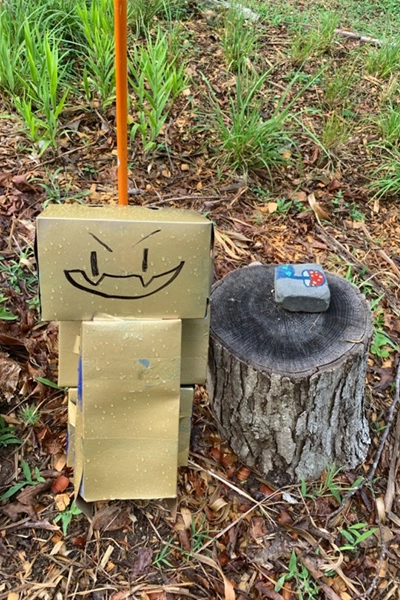
And the feeling was contagious. On a morning coffee walk I noticed a scarecrow standing guard against the rabbits. Fortunately, the birds were not deterred.
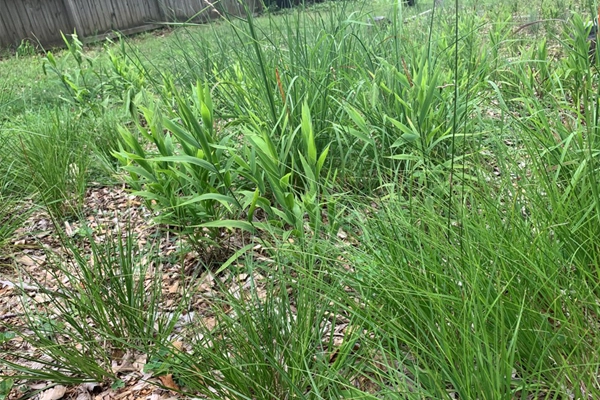
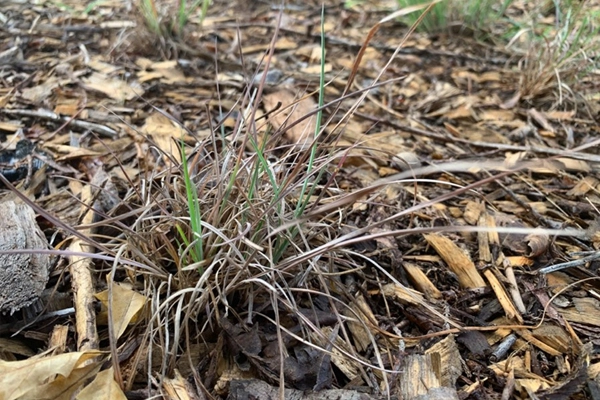
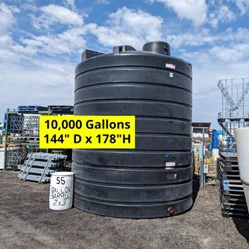
The plants in the lower meadow were establishing with less exuberant progress. In some cases I became worried that the heat was too much for them. Little Bluestem in particular showed some modest growth in some plants, while others appeared to be succumbing to the stress. I watered these newer plugs twice a week from the rain barrel, hoping the roots were establishing out of sight.
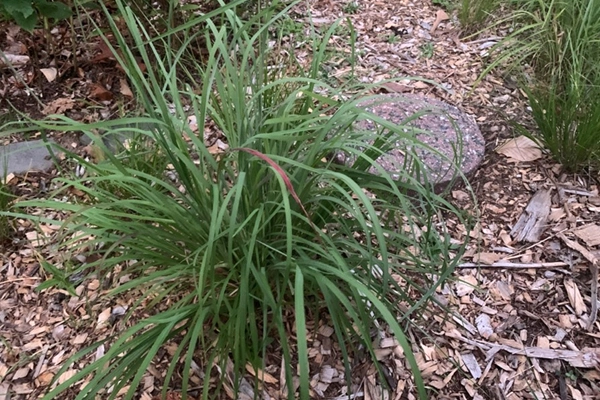
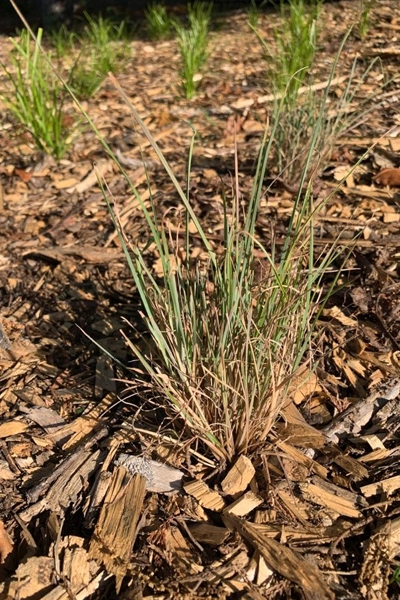
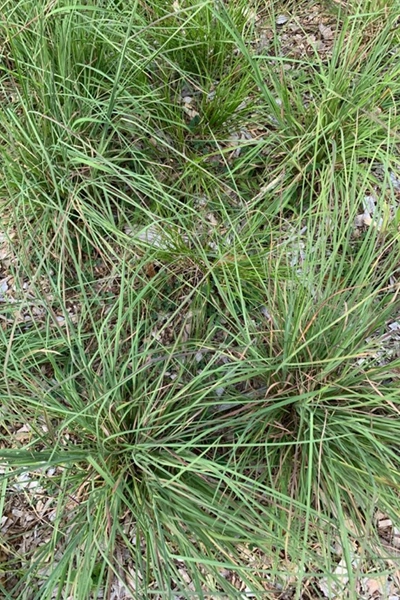
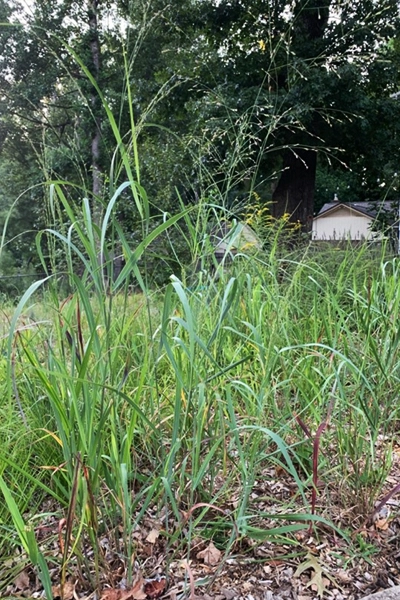
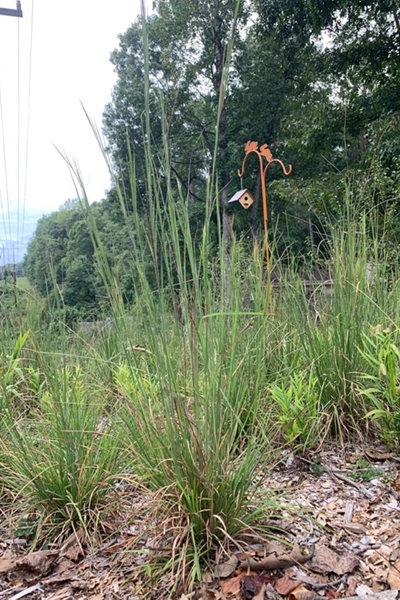
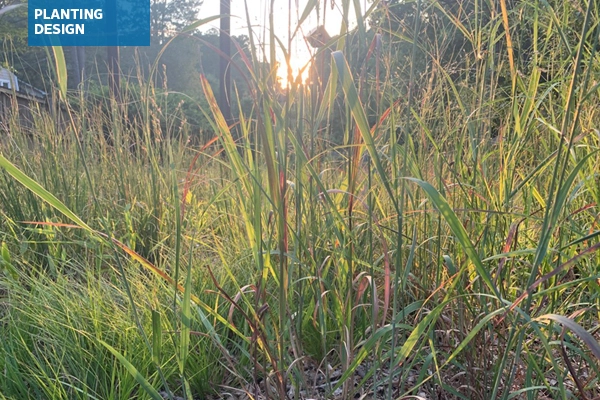
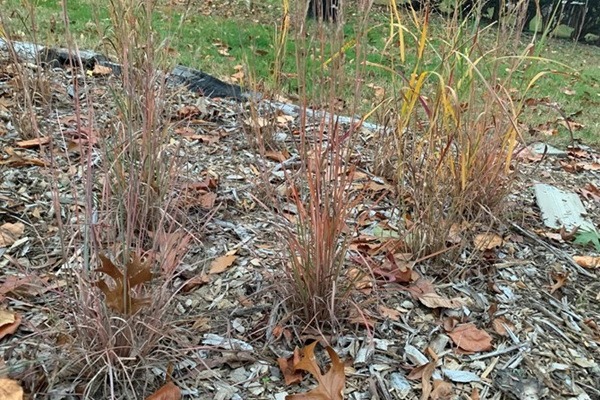
The summer heat carried on into September. The grasses continued to spread out and lean over each other. Emerging from their centers were beautiful seed heads. First to emerge were branching sprays of Switchgrass, followed by erect stalks of Andropogon. Their foliage began to display colorful highlights of maroon and deep red. These colors intensified through the fall and looked stunning in the early morning sunlight.
Chasmanthium, also known as Northern Sea Oats, displayed flat, layered flowers on arching branches in July. The oat-like heads transitioned to a toasty brown color dangling from those branches.
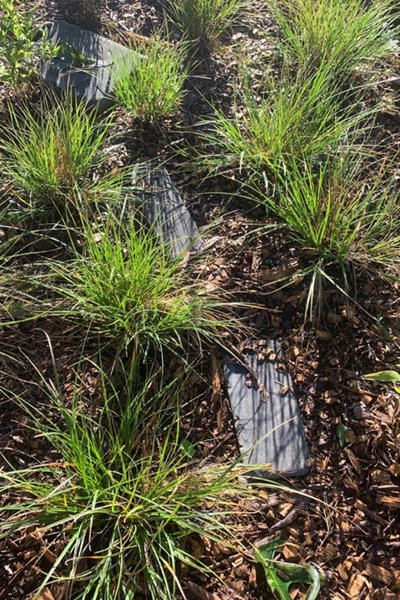
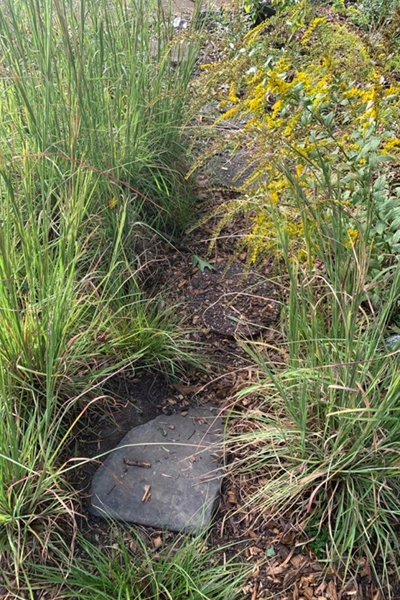
Little Bluestem showed the greatest change in September, shaking off their slow emergence and sending up tall spikes of blue and pink. The Carex provided a more subtle display as they anchored the ground plane. Bicknell Sedge transitioned to a deeper green with straw highlights. Cherokee Sedge held its cheerful green tones.
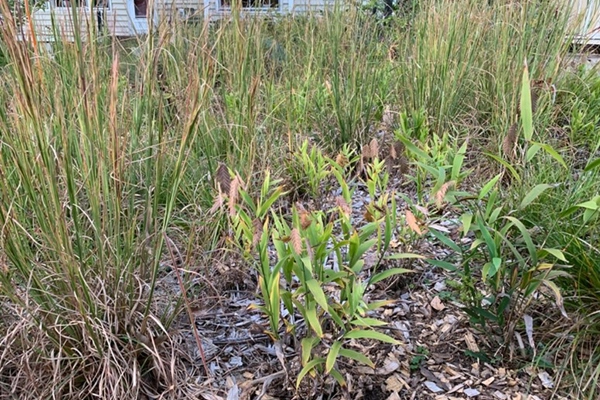
As autumn progressed the grasses displayed a beautiful range of colors. Andropogon, Panicum, and Chasmanthium treated me to tans, reds, and browns. Little Bluestem had a much richer palette of blues, reds, and pinks. The maturing seeds provided a bounty of textures for me to enjoy and treats for the passing birds. Feather-like seeds appeared on the stalks of the Andropogon and Schyzachyrium. These provided a wonderful contrast against the larger oat-like pods of Chasmanthium.
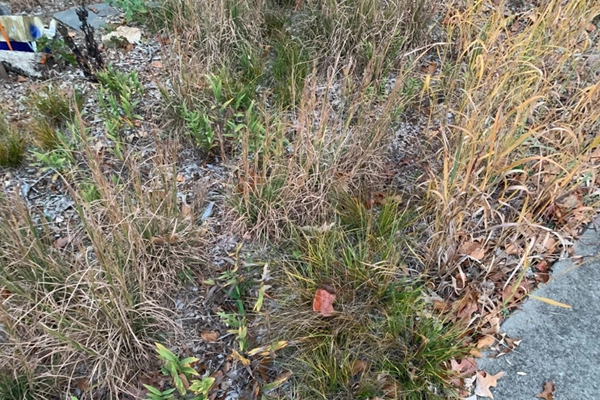
As the November days grew shorter, I raked fallen leaves from the driveway into the beds, sprinkling a light layer into the meadow on top of those that had already collected. On Thanksgiving weekend, I considered the growing season complete.
Throughout the year I had kept a spreadsheet to document my activities. For 30 weeks across April and November I noted the time and resources that I put into the meadow, and those that would have gone into a turf lawn using standard practices. It was time to review the data!
Excluding the hours planting, I spent 37 hours in the meadow, along with 3,720 gallons of water. That water went to establishing the lower meadow grasses in August.
By comparison, standard practices for lawn management include one inch of water per week. For my 1,000 square foot area, this equates to 620 gallons per week. Removing the 10 weeks of rain we received, I would have used 13,020 gallons of water. Maintenance would include an hour for mowing and cleanup, and 0.2 gallons of gas. This would have totaled 30 hours and 6 gallons of gas, plus 9 pounds of fertilizer/ herbicide and 8 pounds of seeds.
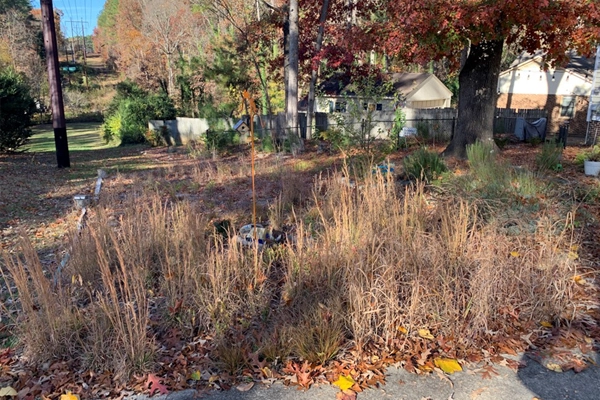
My meadow's first year saved 10,000 gallons of water, 6 gallons of gasoline, and the noted chemical inputs. I spent a little more time, but I'll call that a win as it was quieter and surrounded by pollinators. These numbers will be more favorable into the future, as the established meadow will require less maintenance. But I will likely spend more time there anyway enjoying the bees, birds, butterflies, and lightning bugs!
My meadow is a small experiment that shows powerful opportunities at scale. Consider the impacts if these grasses were planted on one acre—a yearly savings of 400,000 gallons of water, 250 gallons of gasoline, and 50 days of valuable time. That is a lot of beautiful mornings drinking coffee and watching the dragonflies!
This series was original published on the ReGreen Photography blog.
Dan Greenberg, ASLA, is a Senior Landscape Architect at Surface 678, working on parks, recreation, campus, and municipal projects in his native North Carolina. He holds a Master of Landscape Architecture from the University of Colorado at Denver that includes a year of foreign study in Helsinki, Finland. His travels have instilled a deep respect for the landscape and an appreciation for its powers to heal, restore, and inspire people. He is passionate about plants as green infrastructure and ecological keystones. Dan’s meadow project is a practical exploration of these ideas.