

.webp?language=en-US)

What’s Out There Guide to African American Cultural Landscapes
-
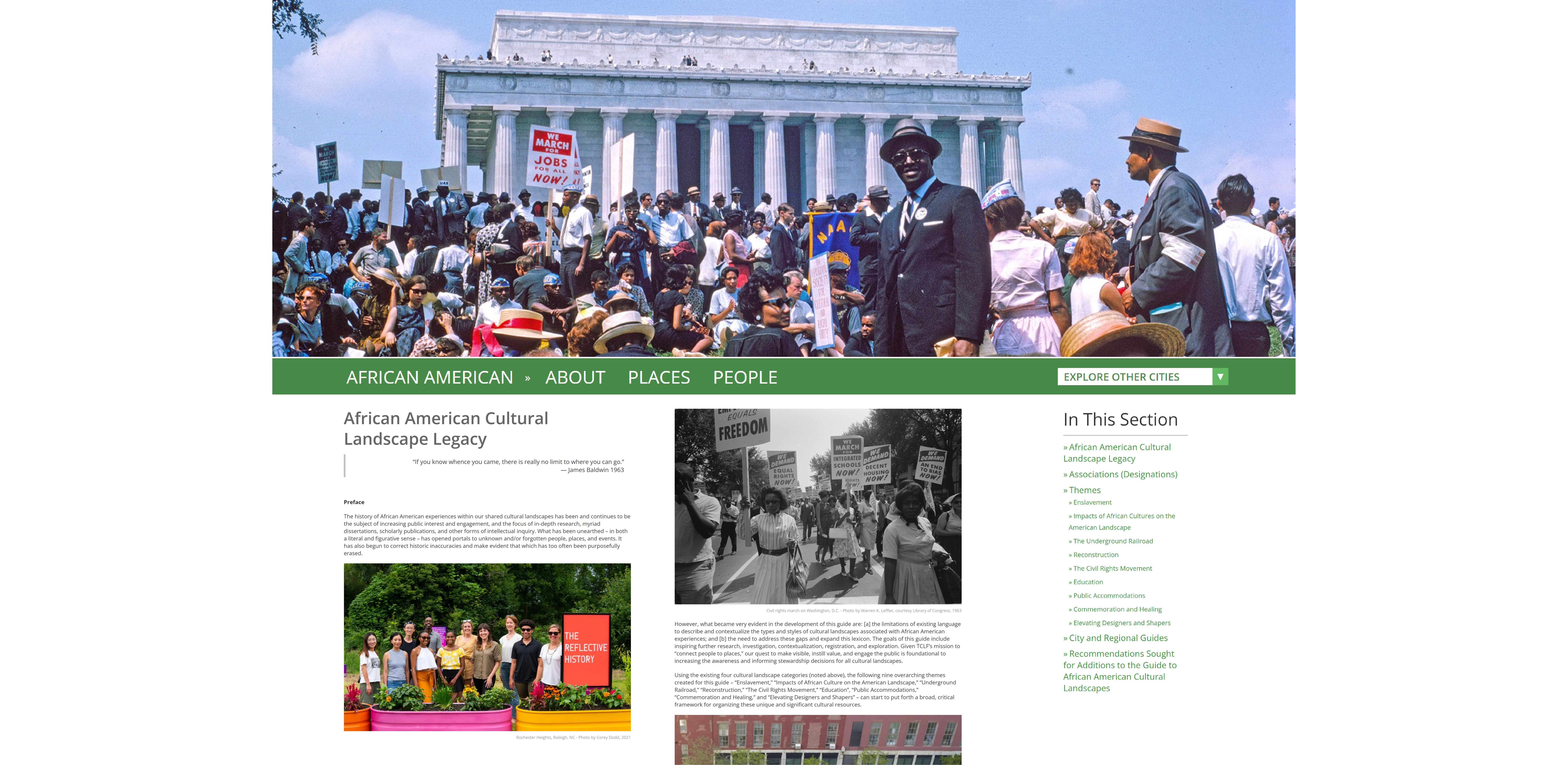
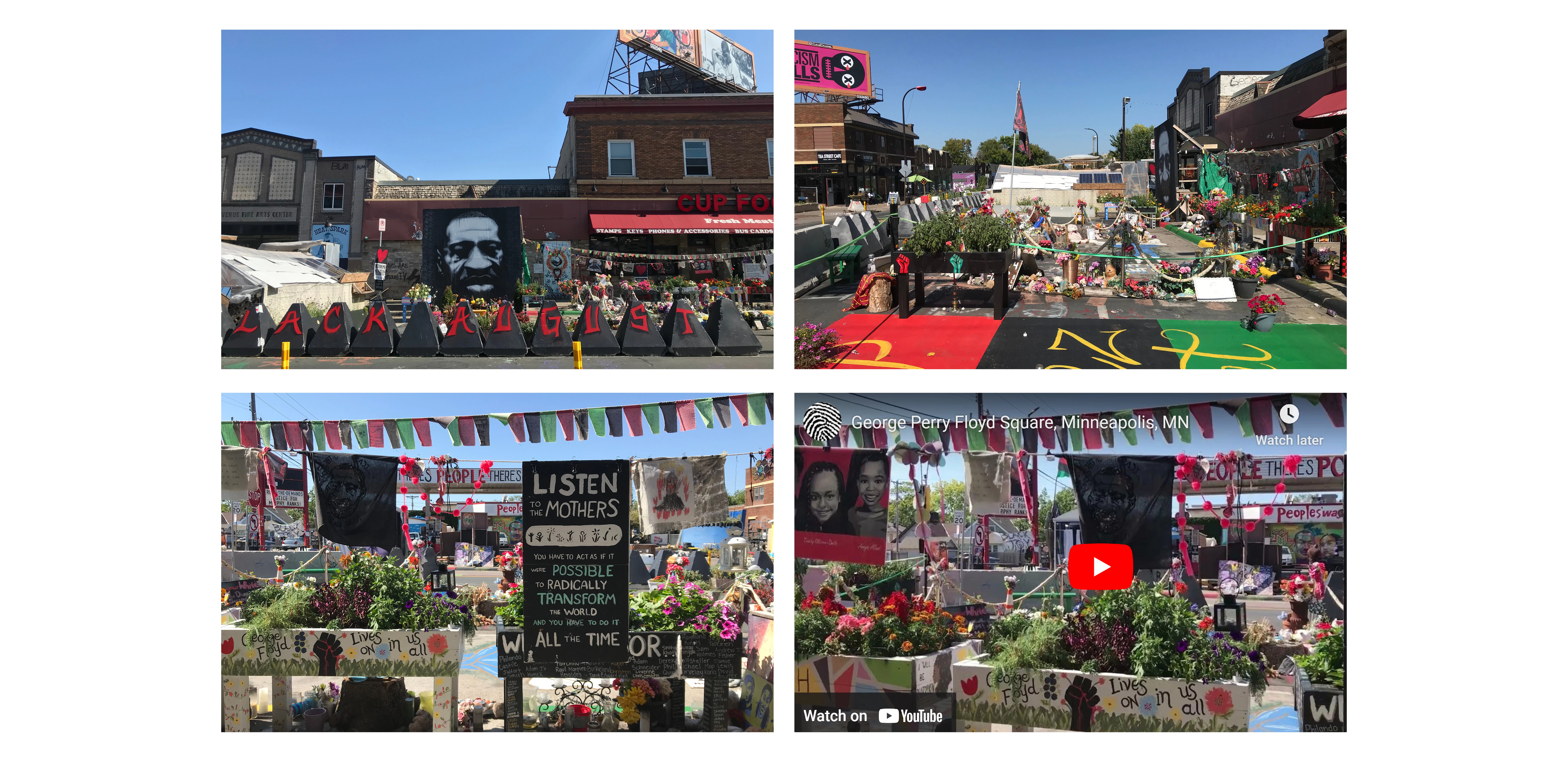
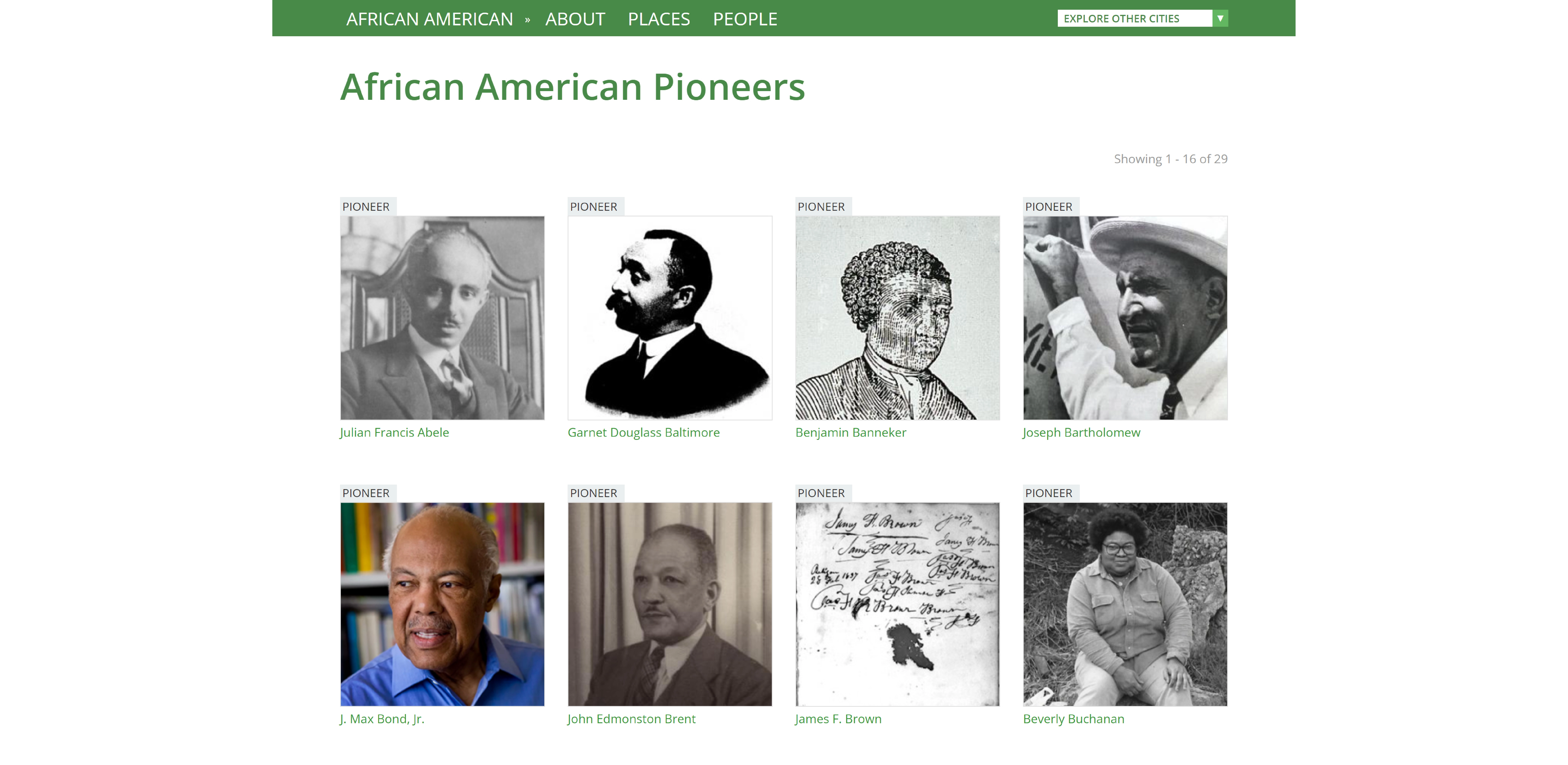
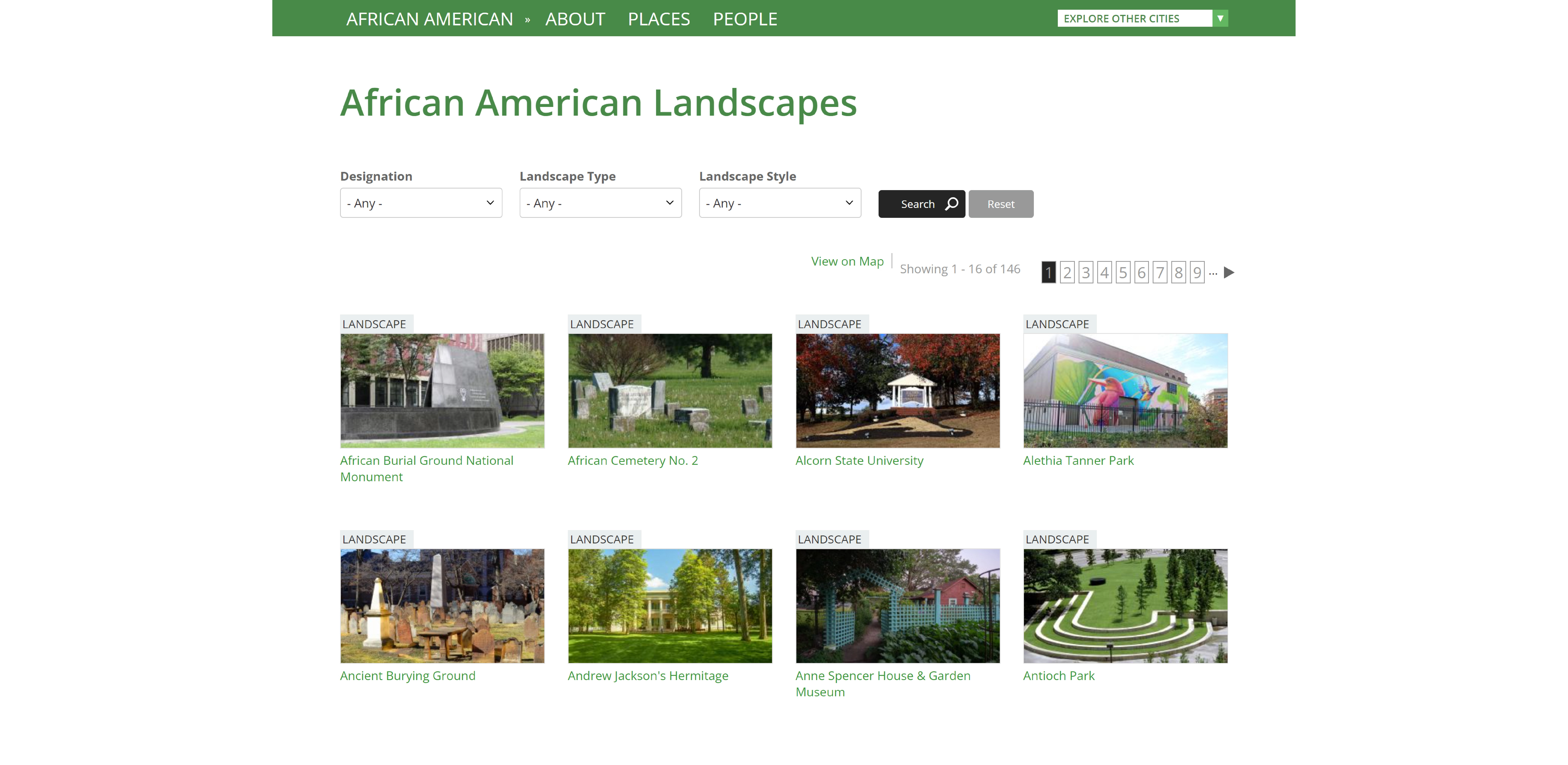
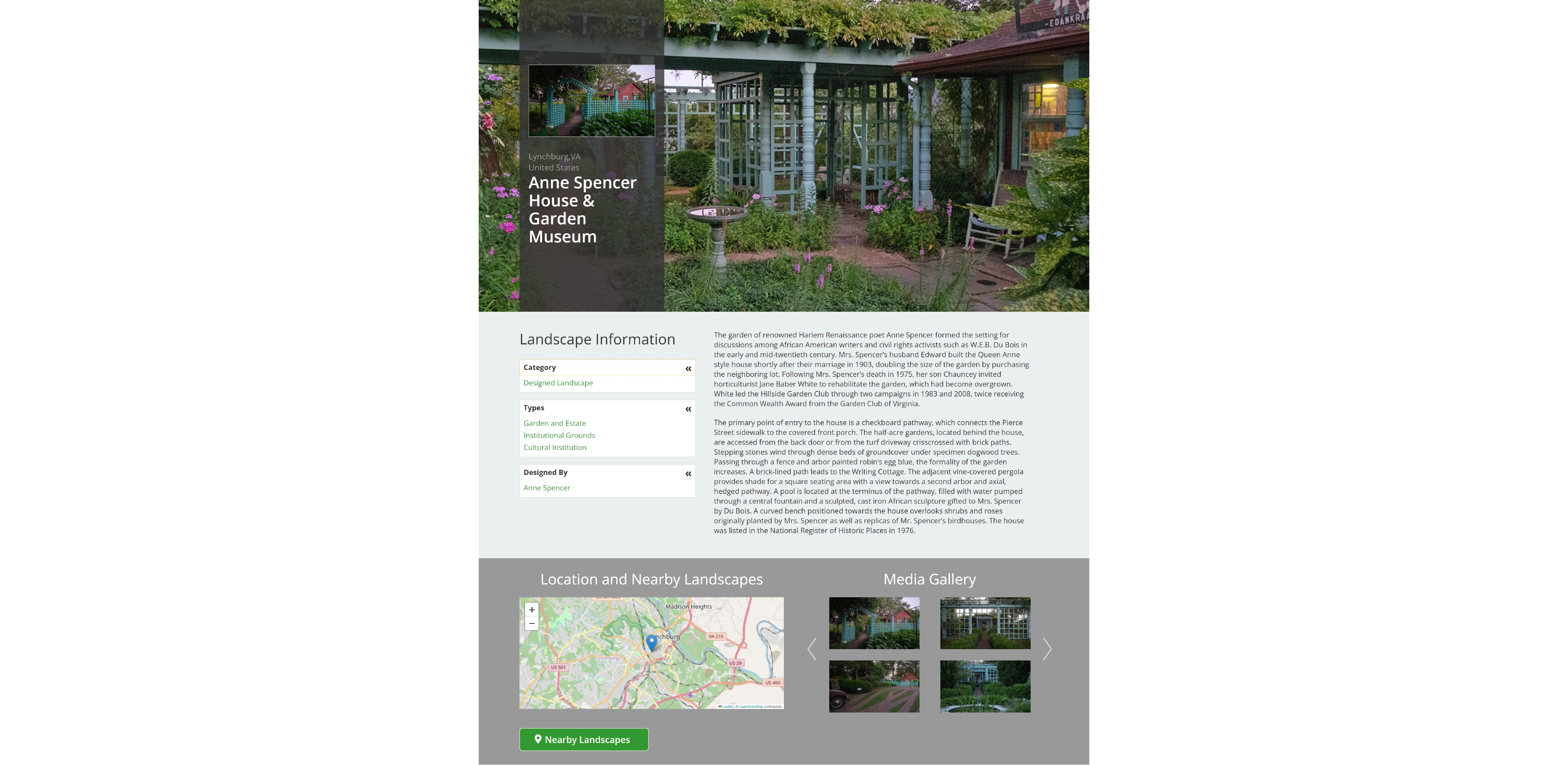
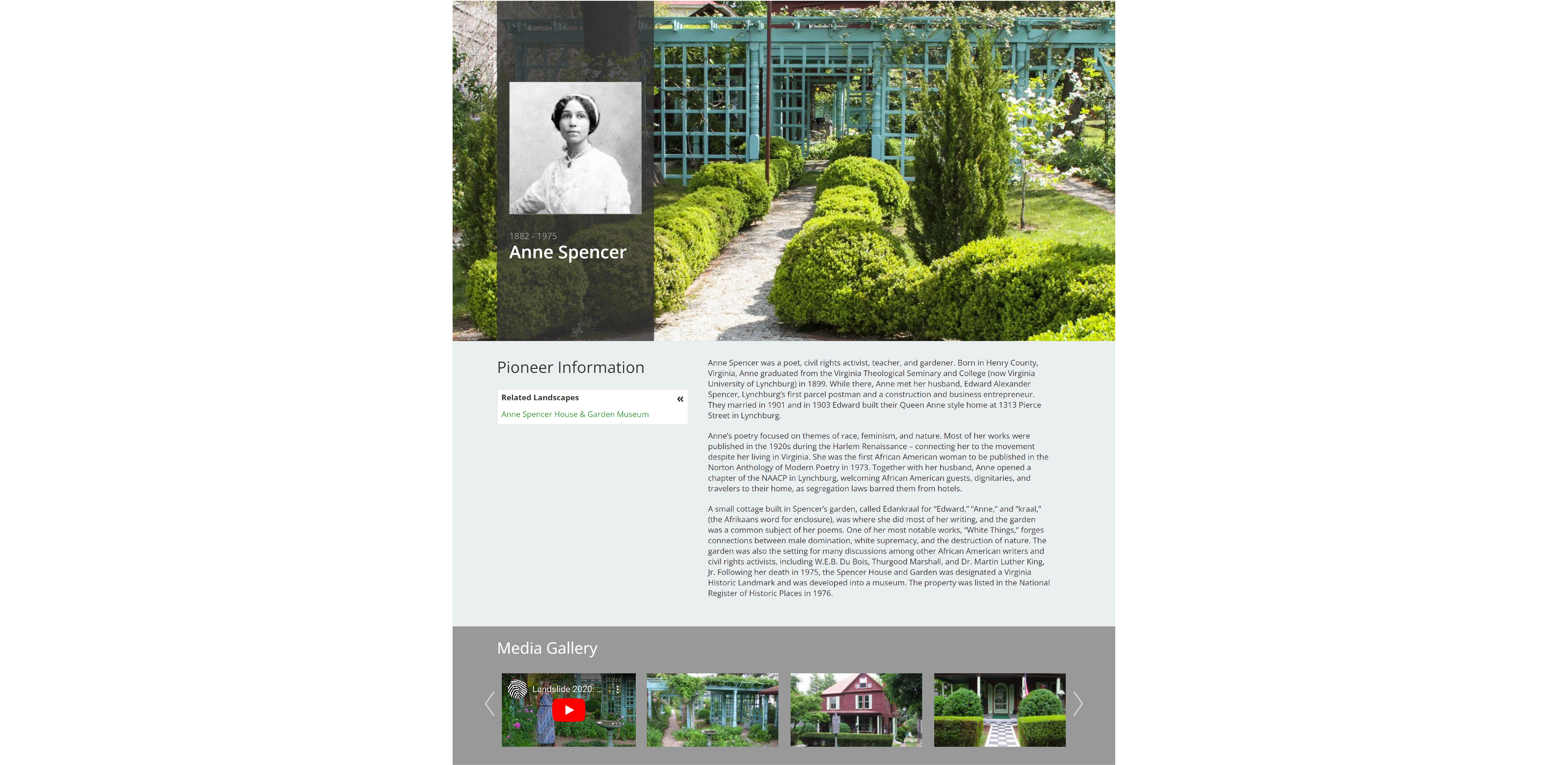
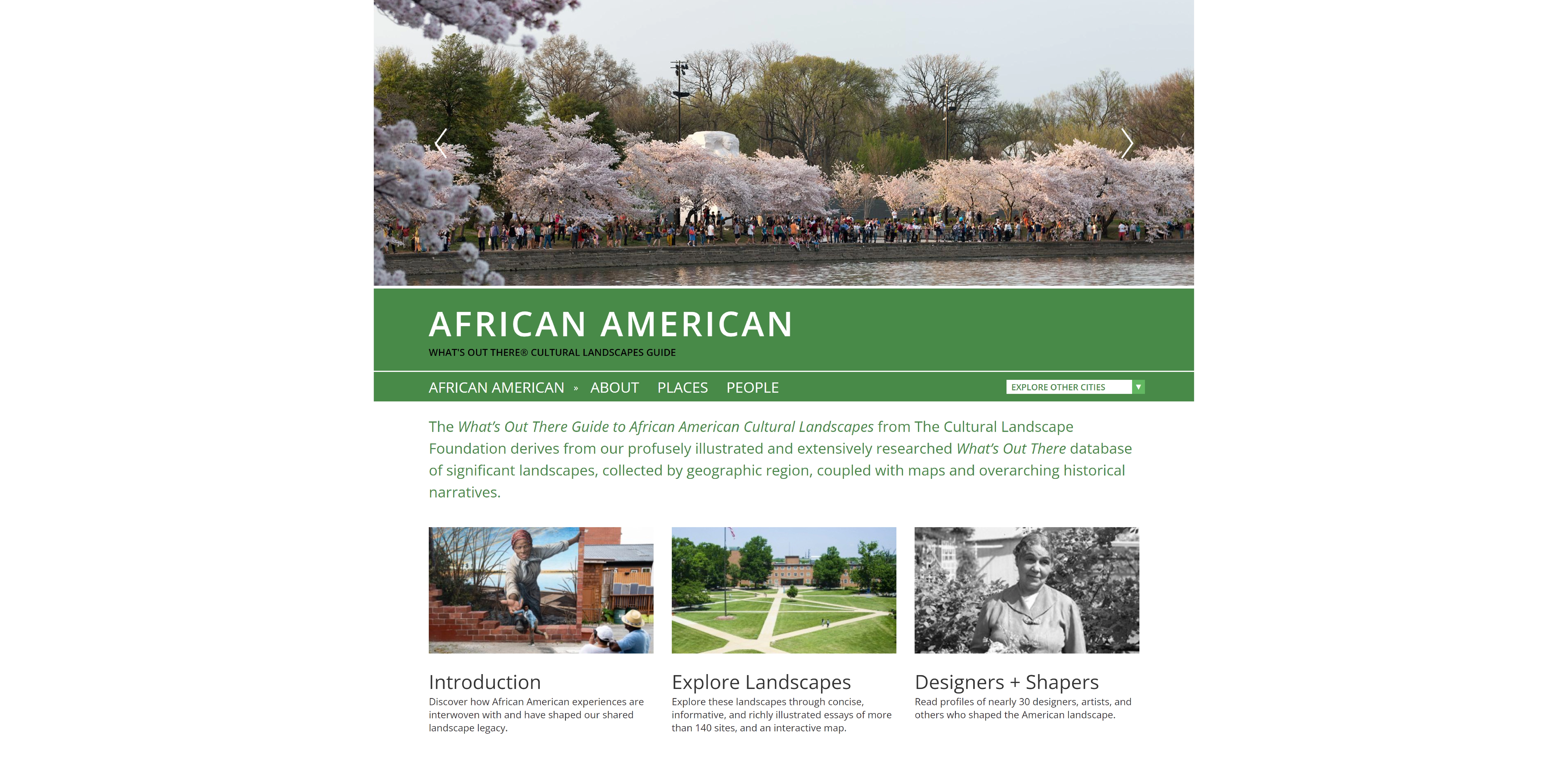
This unique, carefully vetted, profusely illustrated, ever growing digital guide to African American cultural landscapes was created by The Cultural Landscape Foundation (“TCLF”) and launched in February with nearly 150 sites and 30 biographies, and which documents, contextualizes, and highlights landscapes, some unknown, associated with African American cultural lifeways. The guide will make this study area’s growing body of knowledge more accessible to the public and raise the visibility and value of historical developments reflected in the specific sites where history happened. It is also meant to provoke discussion and inspire research by providing an accessible platform to host, reveal, and share these interconnected histories.
-
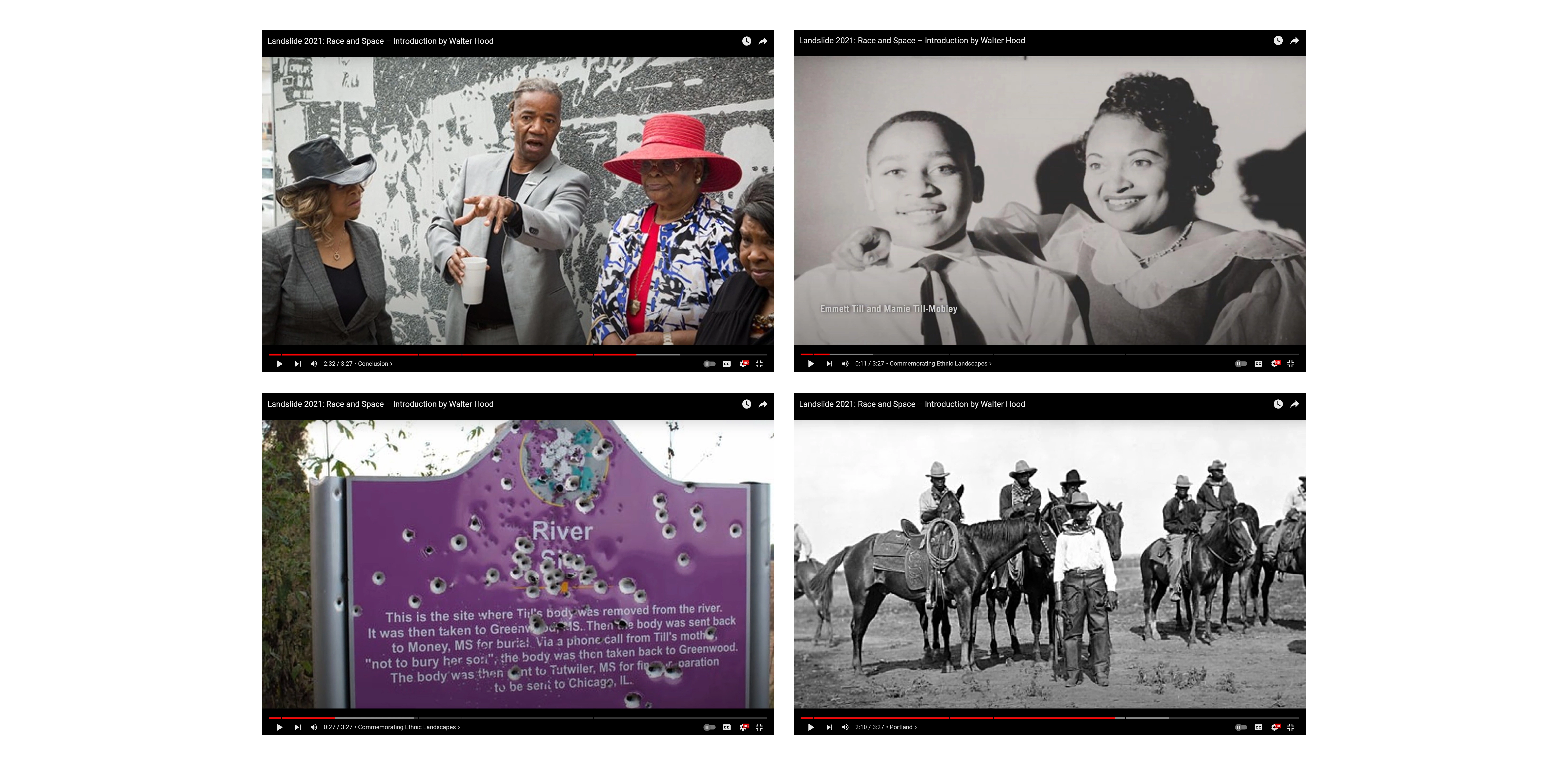
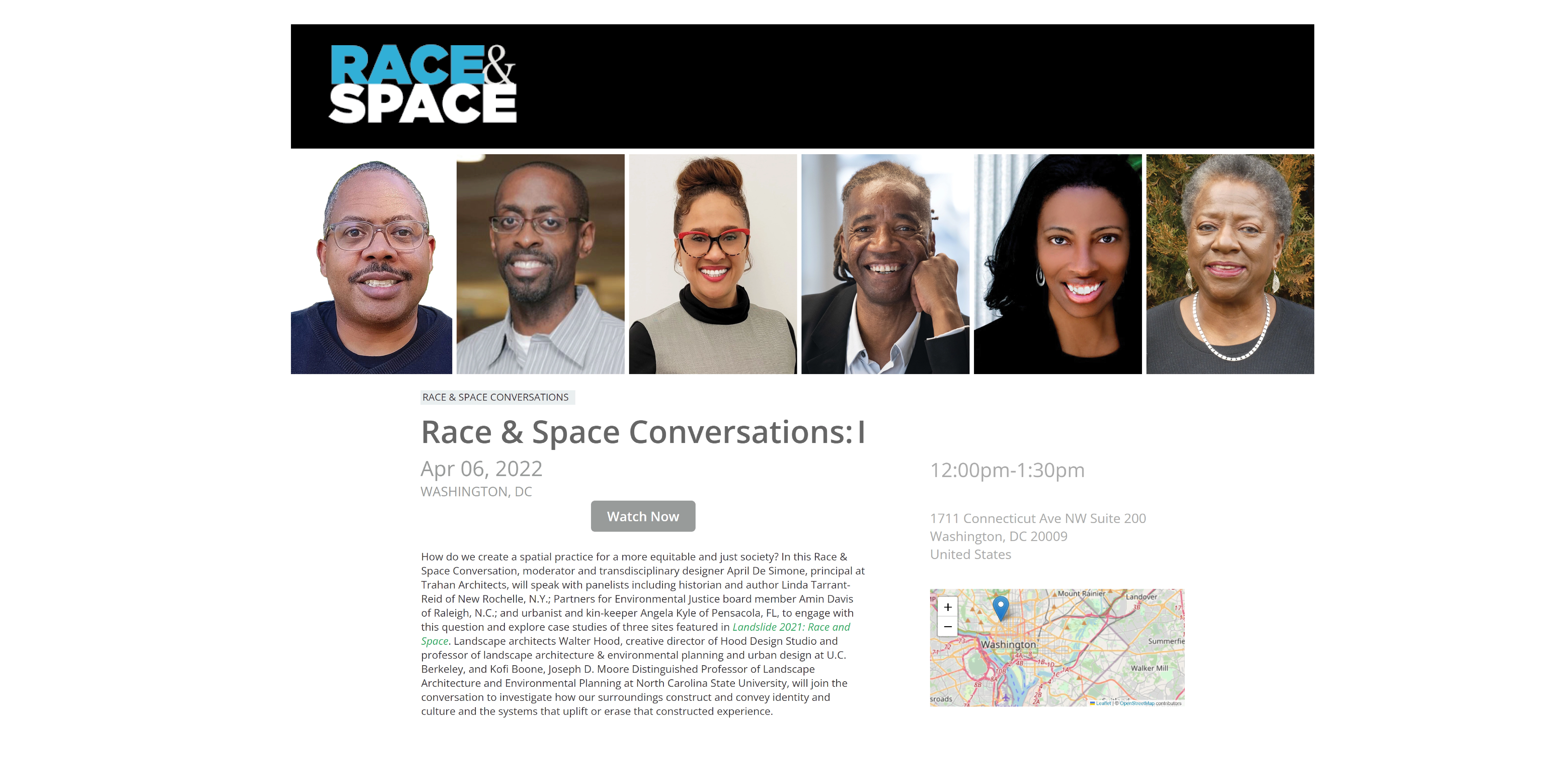
In February 2024, The Cultural Landscape Foundation (“TCLF”) launched the digital “What’s Out There Guide to African American Cultural Landscapes” (“Guide”), which documents, contextualizes, and highlights those landscapes associated with African American cultural lifeways. The guide is part of TCLF’s broader “Race and Space” initiative, created in 2020, that has been implemented across all TCLF programming and advocacy initiatives to reveal the stories of these often invisible and largely unrecognized cultural landscapes and lifeways.
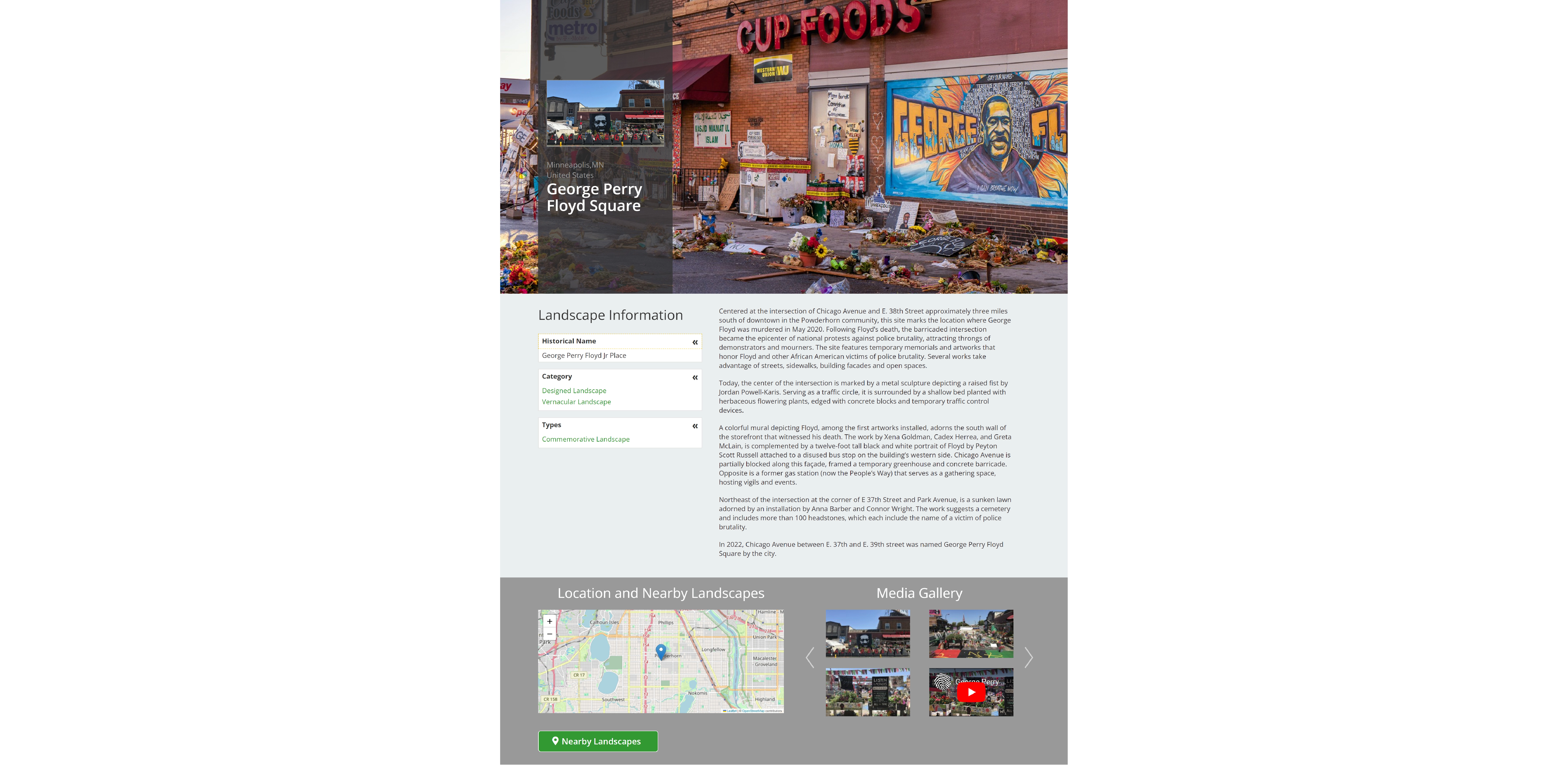
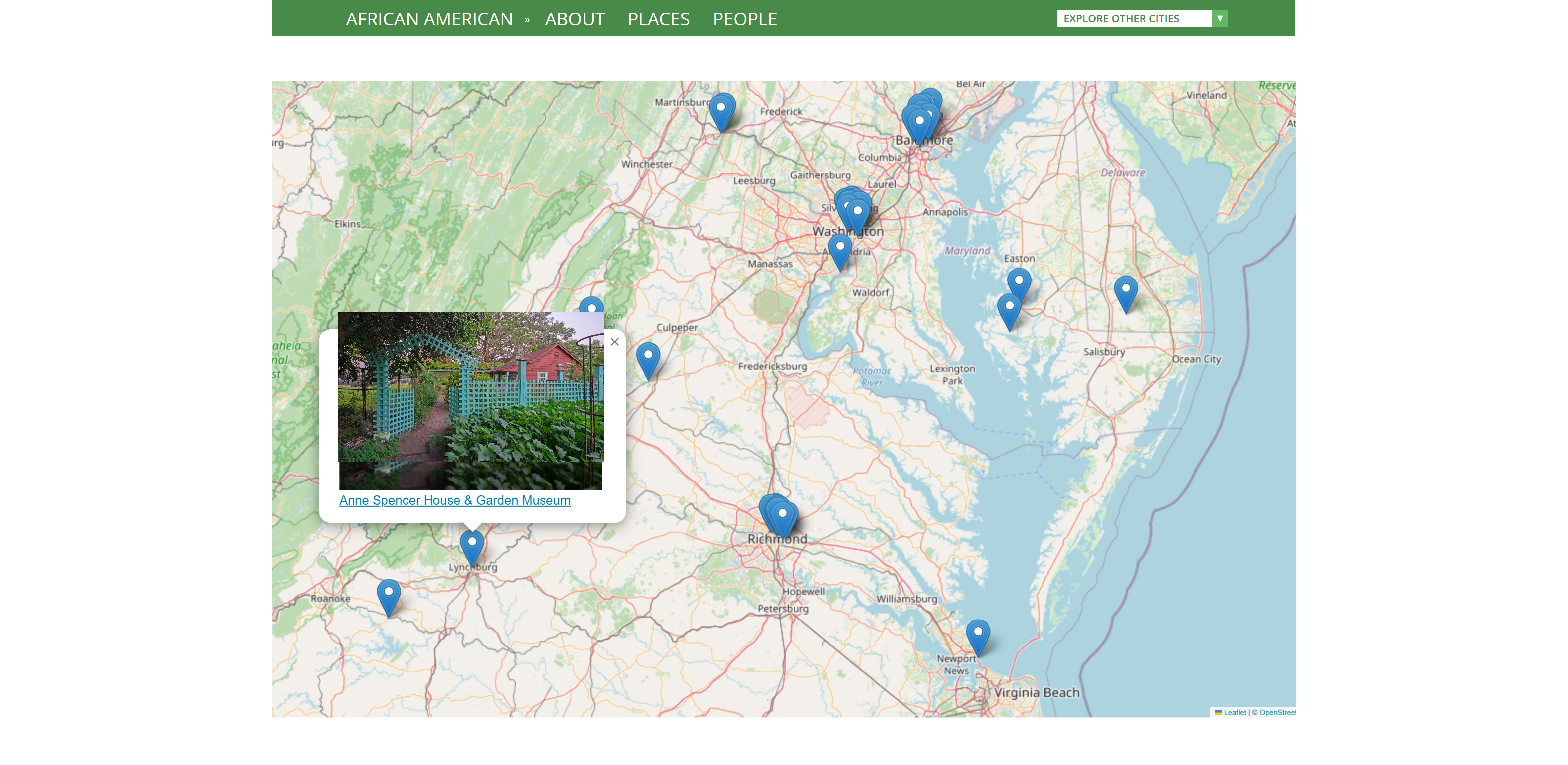
The Guide is also nested within TCLF’s carefully vetted, searchable What’s Out There (“WOT”) database, which features more than 2,700 landscape profiles, 1,400 biographies, and 14,000 images. The GPS-enabled database is optimized for smartphones and encourages users – from landscape architects to the public -- to explore nearby cultural landscapes. Each landscape profile includes a 250- to 350-word essay and on average ten high-resolution photographs and videos that collectively convey the site’s history and landscape features.
The Guide recognizes that the history of African American experiences within our shared cultural landscape legacy has been and continues to be the subject of increasing public interest and engagement and the focus of in-depth research, dissertations, scholarly publications, and other forms of intellectual inquiry. What has been unearthed – in both a literal and figurative sense – has opened portals to unknown and/or forgotten people, places, and events, correcting historic inaccuracies, and making evident that which has too often been purposefully erased. The Guide aims to make this growing body of knowledge more accessible to the public, while also raising the visibility and value of the historical developments reflected in the specific sites where history happened. The Guide is also meant to provoke discussion and inspire research by providing an accessible platform to host, reveal, and tell these interconnected histories.
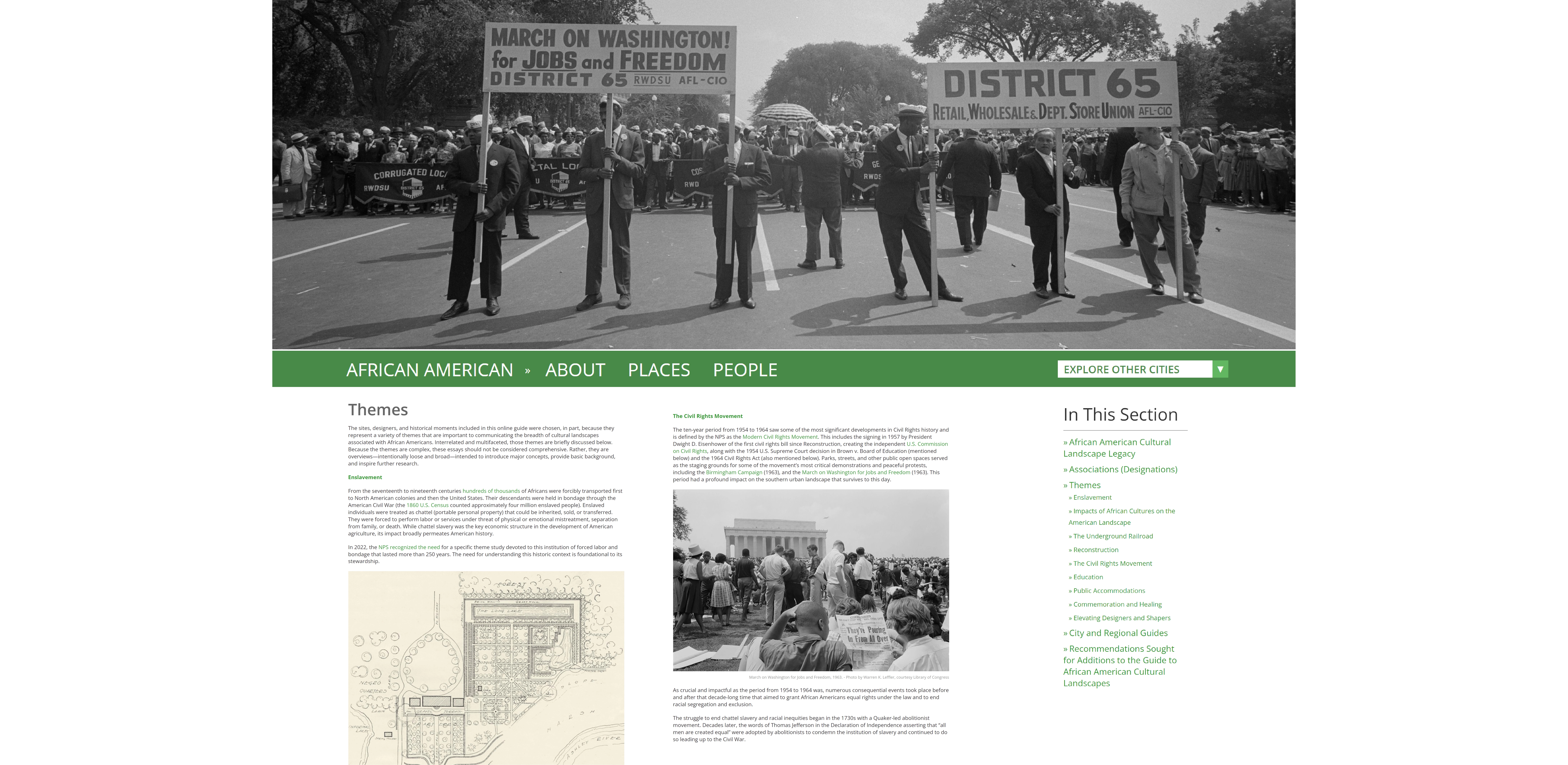
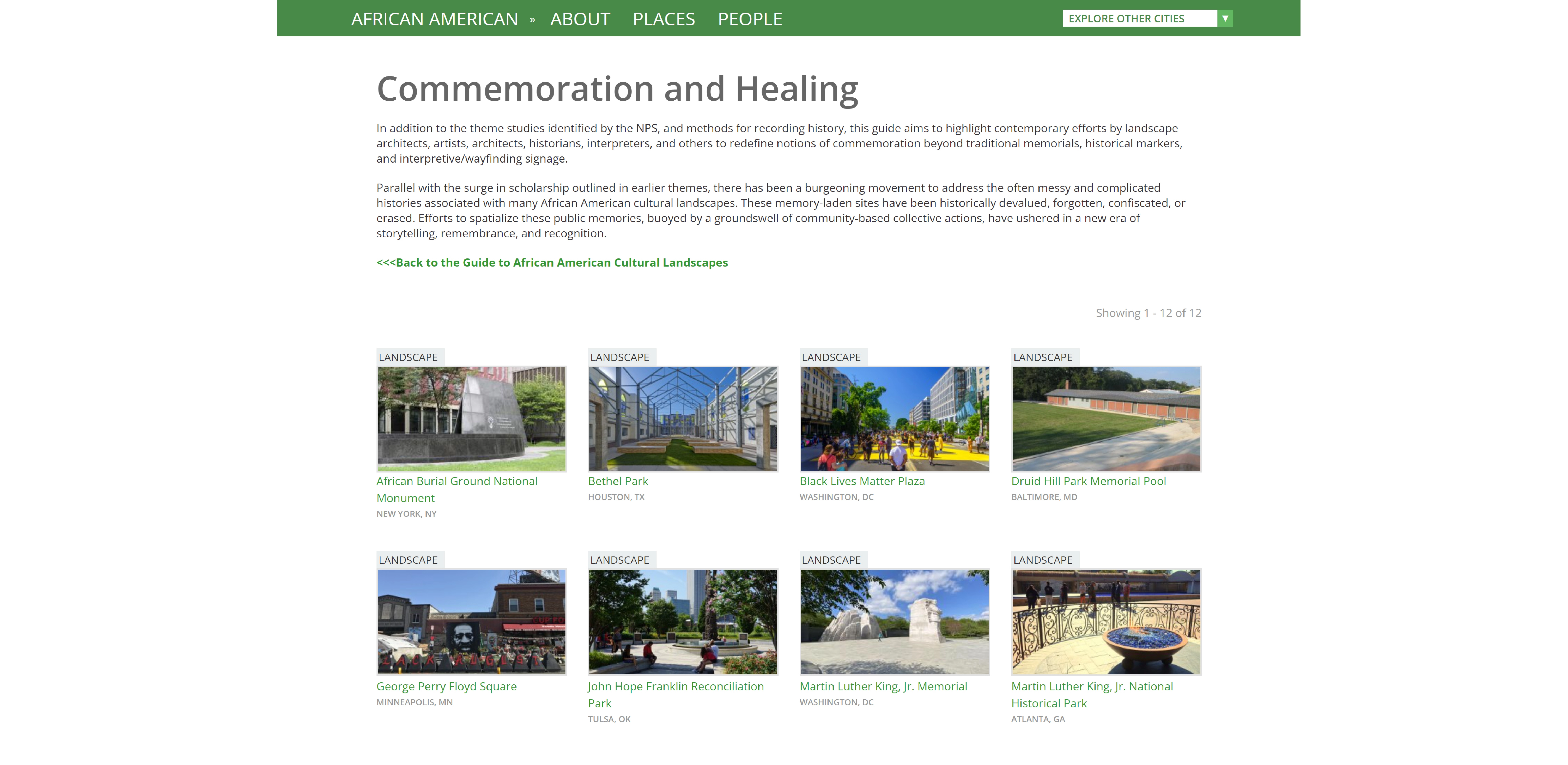
The Guide’s overarching organizational framework explicates landscapes through nine separate historical themes. Six themes, including “Reconstruction,” “The Underground Railroad,” and “The Civil Rights Movement,” are codified frameworks developed and recognized by the National Park Service’s National Historic Landmarks program. Three themes (“Enslavement”, “Commemoration and Healing”, and “Elevating Designers and Shapers”) were developed specifically for this cultural landscape focused guide.
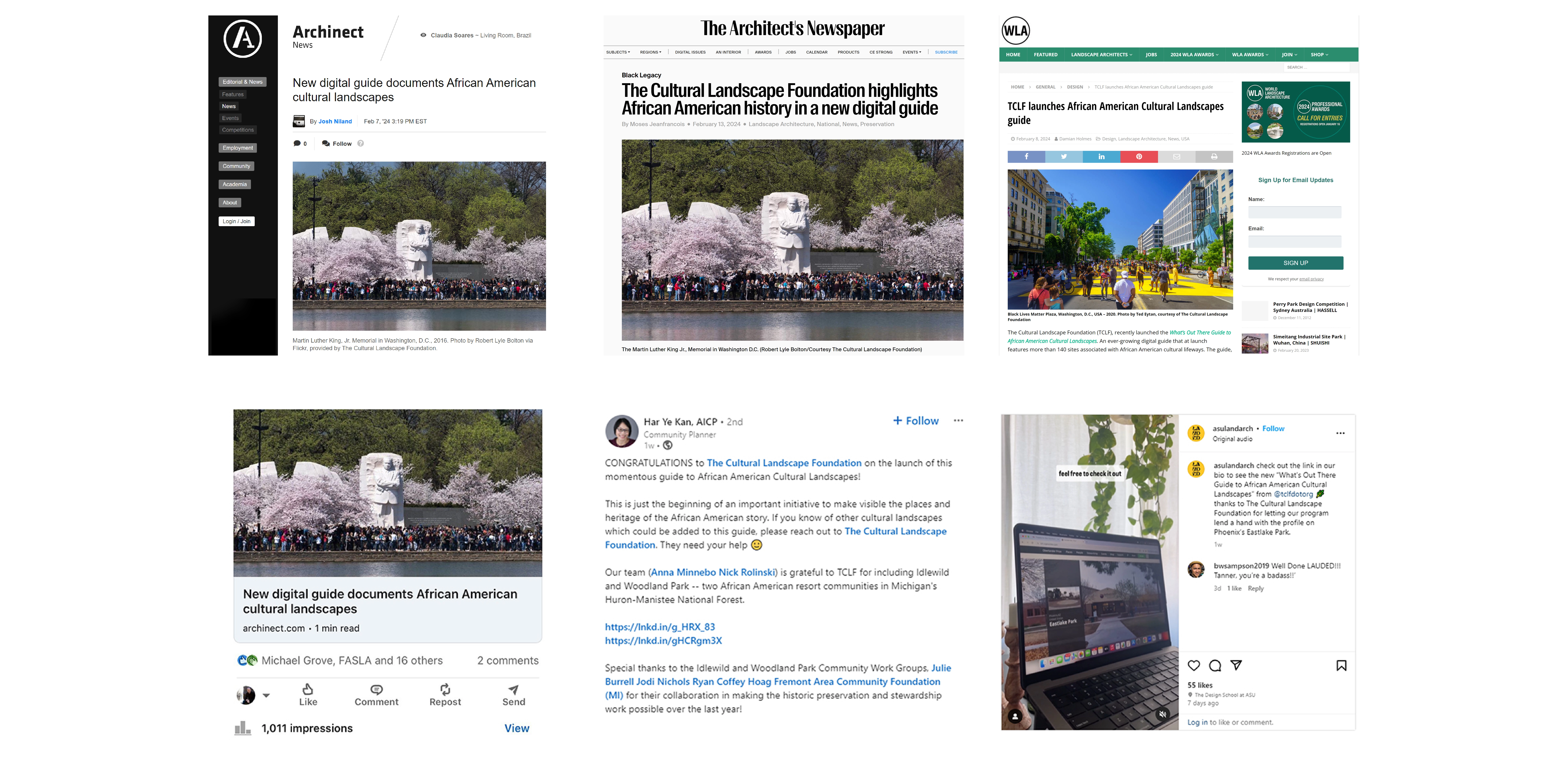
The rollout during National Black History Month in 2024 drew national, regional, and local media attention including coverage in yahoo!news, Architect’s Newspaper, Archinect, World Landscape Architecture, Surface Magazine, Landscape Architecture magazine, LAND, and numerous local outlets.
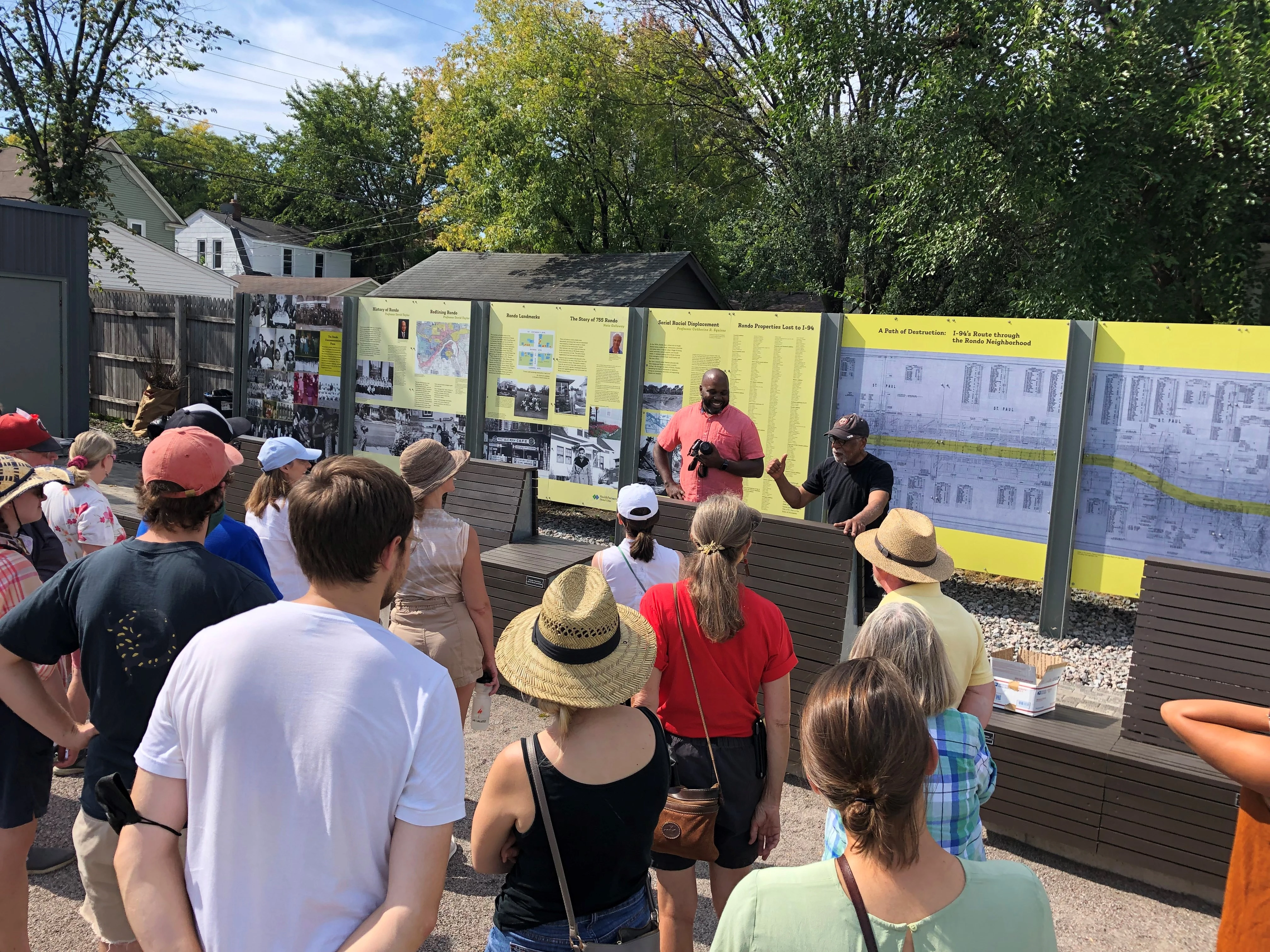
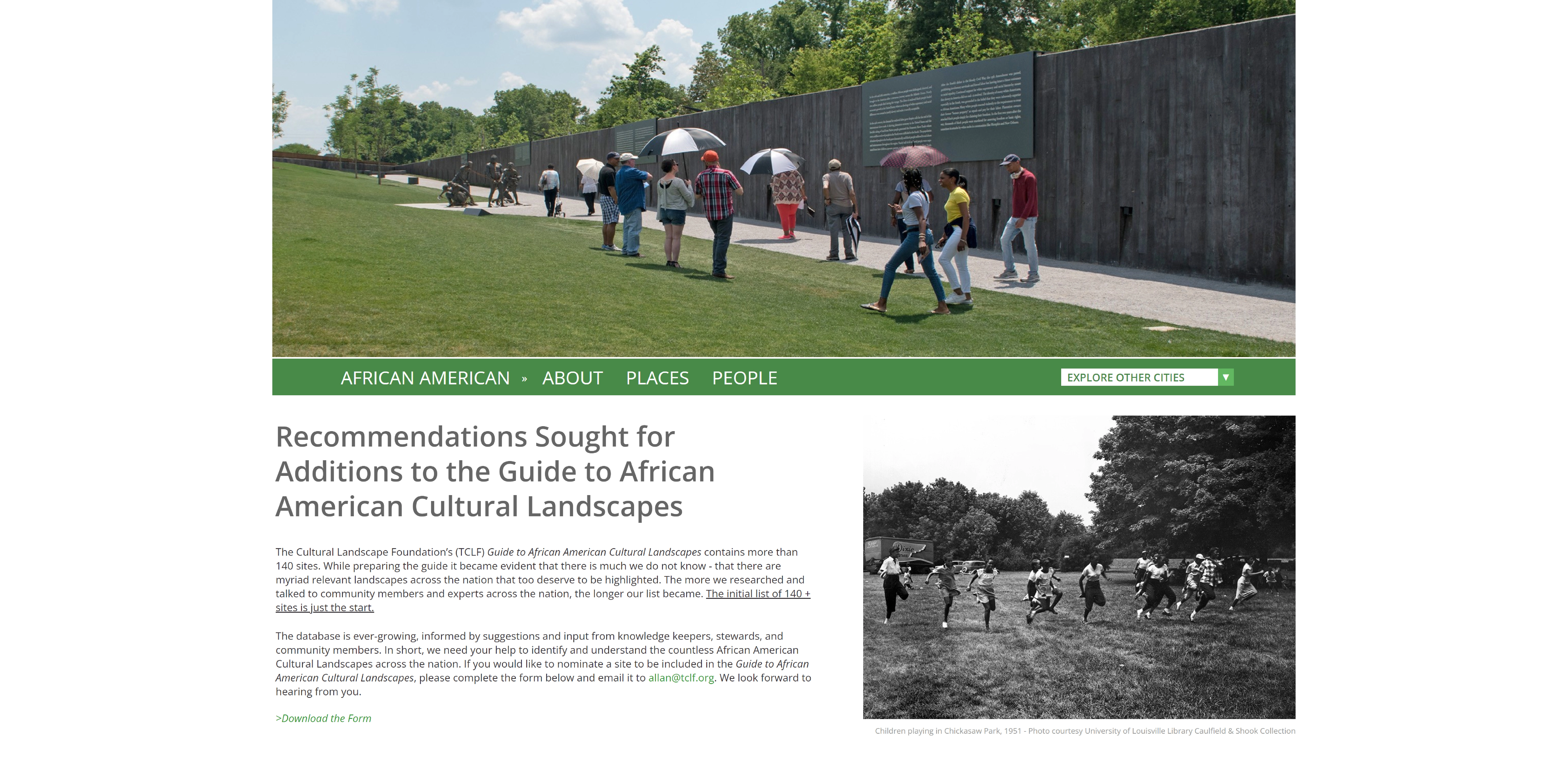
Significantly, as part of the ongoing public engagement process, TCLF is actively soliciting recommendations via its website and targeted media outreach for additional sites/people to include in the Guide. Moreover, looking ahead, TCLF is committed to adding 100 sites during the next two years to the Guide, while also elevating the value of those invisible, and often erased sites, providing avenues for landscape architects to contribute to their rediscovery, healing and commemoration. These forgotten places and cultural lifeways, embodied with power of place that is waiting to be revealed, are part of the American mosaic of cultural landscapes.
-
- Charles A. Birnbaum, FASLA FAAR - President and CEO, The Cultural Landscape Foundation
- Nord Wennerstrom - Director of Communications, The Cultural Landscape Foundation
- Justin Clevenger - Visual Content Director, The Cultural Landscape Foundation
- Aileen Beringer - Managing Director, The Cultural Landscape Foundation
- Allan Greller - Project Manager, The Cultural Landscape Foundation
- Barrett Doherty - Photographer, Videographer, Editor - Barrett Doherty Images
- Celia Carnes - Project Manager, The Cultural Landscape Foundation
- Dena Tasse-Winter - Writer, Editor
- Jacqueline Shin - Writer, Editor
- Caroline Craddock - Writer
- Erica Schapiro-Sakashita - Writer
Related Awards
Honor Award, Communications
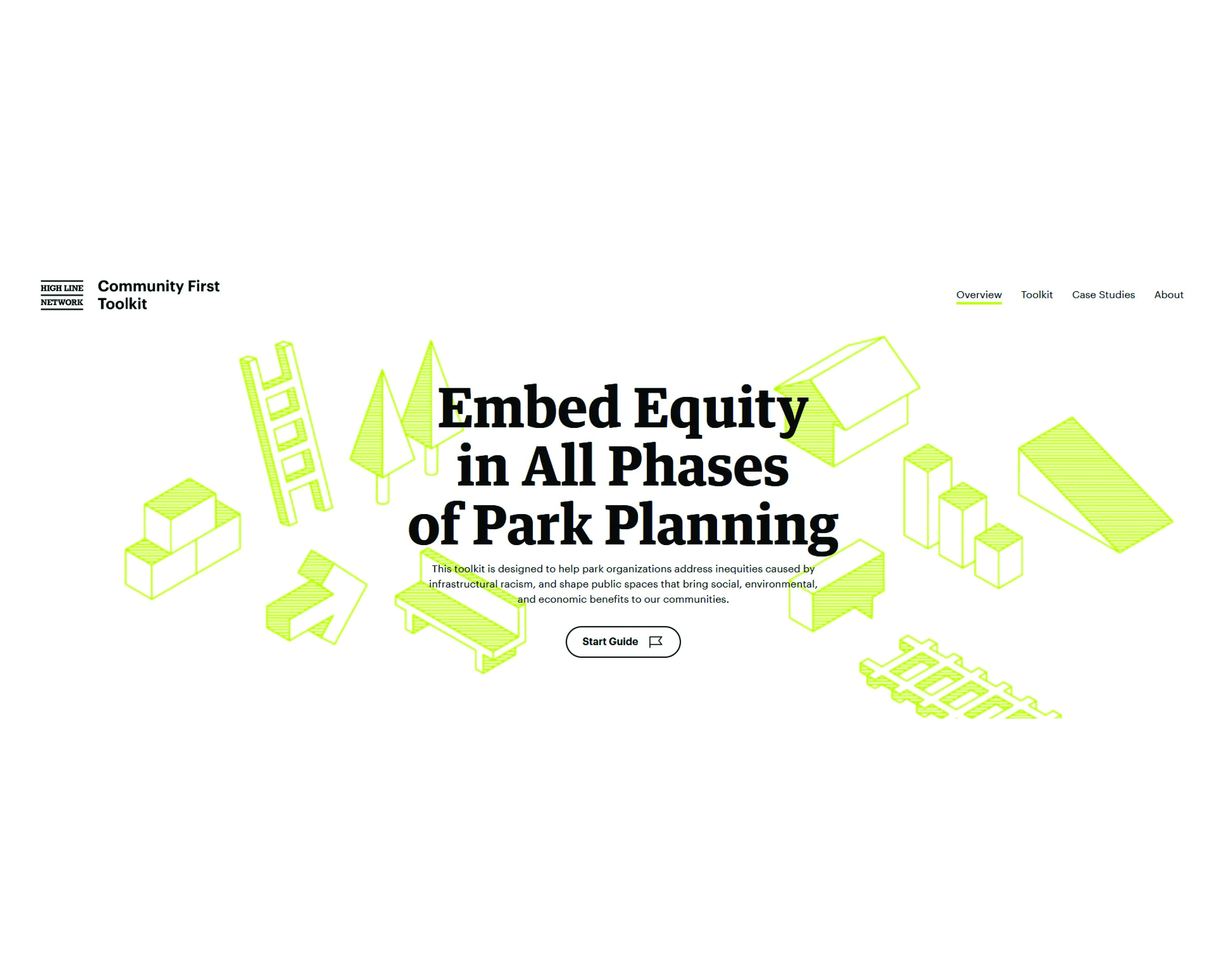
The Community First Toolkit: A Framework for Equitable Public Spaces
Communities across North America have faced uneven development for decades. The Community First Toolkit (CFT) provides a visionary, adaptable framework for public realm advocates to directly tackle infrastructural racism and embed equity at all stages of the design process.
Related Articles
Awards
ASLA 2026 Professional Awards: Early Bird Deadline Approaching January 9
Submit your best work by the January 9 Early Bird deadline to save. Get insider tips at the January 7 Professional Awards Webinar. Student and other professional deadlines follow in February.
Dec 16 2025