

.webp?language=en-US)


Public Practice Landscape Architects Spotlight
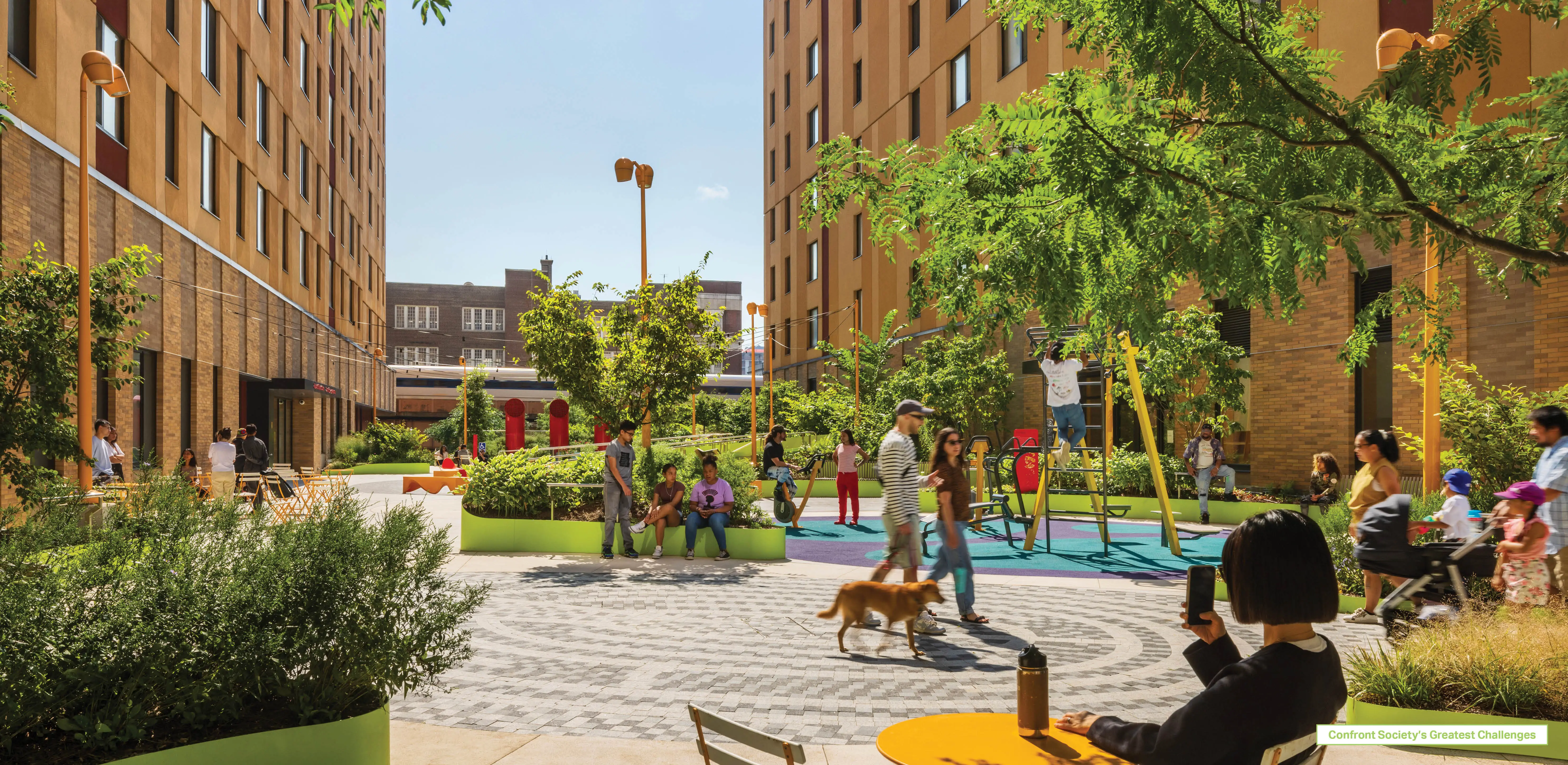
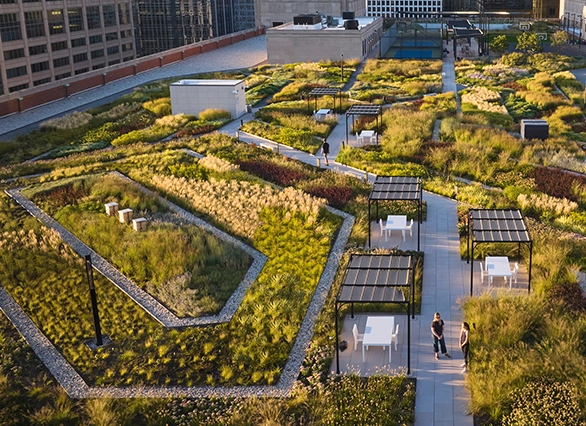
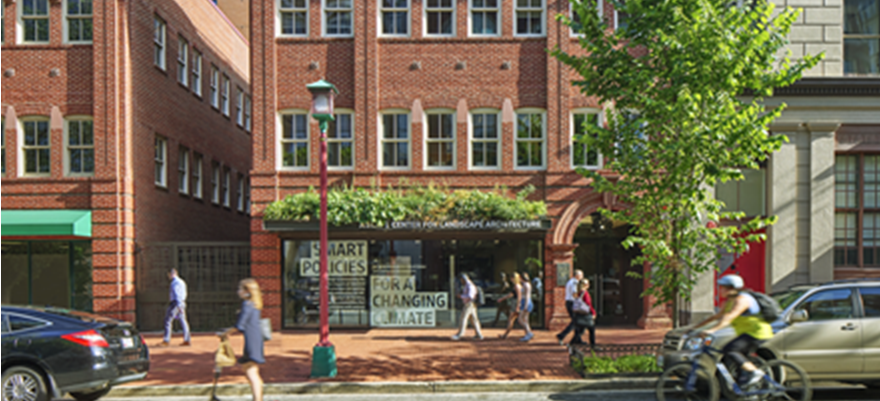
Last month, ASLA released an online guide outlining 10 distinctive aspects of public practice work, providing an overview of public practice landscape architecture. Its mission is to design, implement, and manage functional, liveable, safe, and attractive places for the public. These spaces are often developed with a larger social goal in mind.
Public practice, including non-profit and governmental work, offers unique opportunities and challenges for practitioners. Less than ten percent of ASLA’s membership identify as public practitioners. They work for local, state, and federal government agencies, universities and colleges, transit agencies, or parks and arboreta. Many of these ASLA members have found their way to public practice after years in private practice. They seek to have an impact on public spaces for the common good.
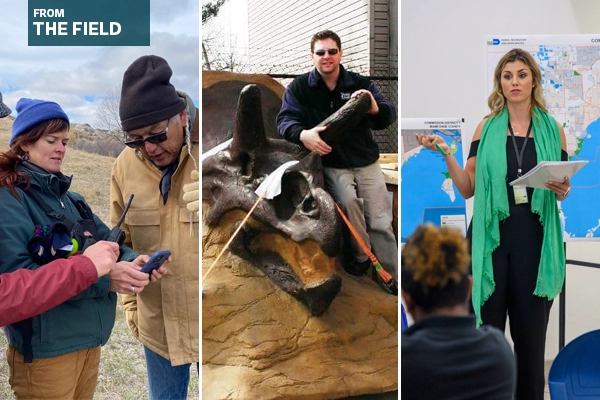
To help illustrate this landscape architecture practice type, we are releasing a handful of profiles of public practice landscape architects. This first installment includes:
Kat Shiffler, Associate ASLA Landscape Architect Rivers, Trails & Conservation Assistance Program, National Park Service
Matt Boehner, PLA, ASLA Senior Planner / Landscape Architect Columbia Parks & Recreation
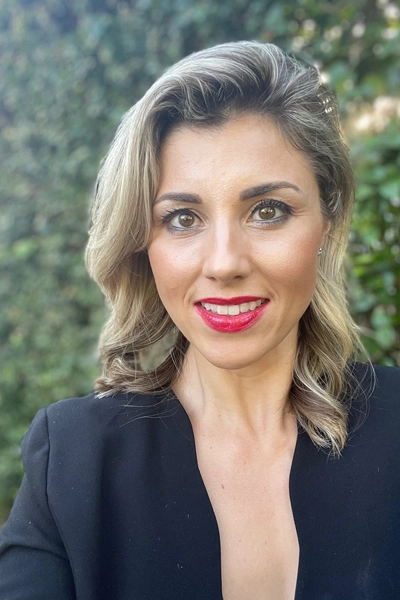
Maria Debye Saxinger, ASLA PROS Master Plan Manager | Planning, Design, and Construction Excellence Division Miami-Dade County Parks, Recreation, and Open Spaces (PROS)
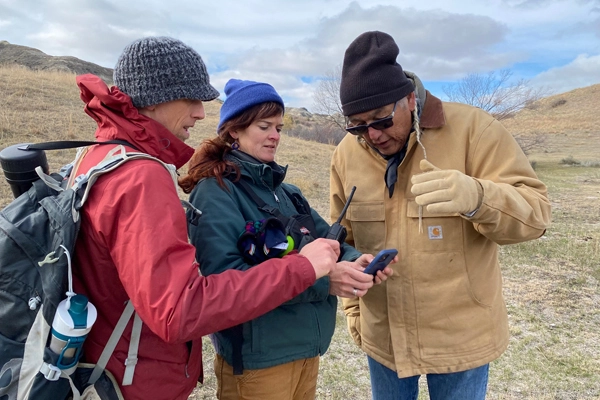
Kat Shiffler, Associate ASLA Landscape Architect Rivers, Trails & Conservation Assistance Program, National Park Service
What inspired you to pursue a career in landscape architecture and how did you find your way to public practice?
I knew I wanted to go back to school following my time in the Peace Corps. I was looking for academic programs to advance broad competencies in design thinking and community engagement and a friend of mine directed me to landscape architecture. It turned out to be the perfect combination of those broad competencies, plus combined my love for plants and the outdoors along with art and creativity. The University of Michigan offered a fellowship for Returned Peace Corps Volunteers and I was so fortunate to end up there because of the program’s position within the School for Environment and Sustainability; the emphasis on ecological design and the opportunity to work at the University’s arboretum and botanical gardens during my time as a student was a dream come true—and a good transition back to the United States from more than two years in rural Nicaragua.
I found my way to the National Park Service through a fellowship opportunity following graduate school. I was looking for meaningful work in my home state of Nebraska and was doing lot of cold emailing firms in Lincoln and Omaha. Through that process I found out that the Park Service has a regional office in Omaha. An email to the regional manager of the Rivers, Trails and Conservation Assistance program (NPS RTCA) led to a fellowship that led to an eventual full-time job as a Landscape Architect with the NPS RTCA.
Can you share a favorite project you have worked on as a public practice landscape architect? What is the impact it has had on the community?
NPS RTCA supports locally-led conservation and outdoor recreation projects through pro bono design and planning services. We work on a wide range of projects: developing or restoring parks, designing trails, conservation areas, rivers and wildlife habitats. We work largely outside of federal lands to bring forward the resources and technical expertise of the National Park Service to assist communities in achieving their goals. I manage on-the-ground projects in the states of Nebraska, Iowa, Kansas, South Dakota, and North Dakota, and am part of an incredible national team of community planners, recreation planners, and landscape architects.
One of my favorite projects is supporting the park development efforts of the Mandan, Hidatsa, and Arikara Nation (MHA) in Western North Dakota. The creation of MHA Nation Tribal Park represents a historic expansion of the Fort Berthold Reservation, the first in over 160 years. Initially spanning more than 12 million acres, the territory of the Mandan, Hidatsa, and Arikara (MHA) Nation, also known as the Three Affiliated Tribes, was drastically reduced to less than 3 million acres by 1892 due to federal policies. However, in a landmark move in 2021, MHA Nation acquired a 2,106-acre ranch along the Little Missouri River. The vision is to create a public-facing park to share their landscape, heritage, ecology, and living culture with the world. Our ongoing technical assistance to MHA Nation is contributing to a comprehensive master plan for the site. This plan encompasses the layout of a trail system, a conceptual visitor center design, recreational use plan, and management guidance. I love the relationships I’ve formed over the past three years on this project and it feels like a tremendous privilege to be invited into the process. The park is more than a scenic area; it's a dynamic space where cultural resource preservation meets the joys of outdoor recreation, a place where MHA Nation is sharing their own landscape story.
What is one thing you wish more people knew or understood about public practice?
I don’t have experience in the private sector to compare it to, but I think I’ve got the best landscape architecture job in the world. I love the community aspect of what I do, that everyday is different, that I’m outside often, and that I can be genuinely helpful to communities that don’t have the resources to pay for planning or design services. And I feel fortunate not to have to bill clients for my time—it’s all a public service.
Working for a large, mission-driven agency also means that there are many opportunities and a huge network to explore. I feel like the National Park Service specifically really invests in its staff, and there are innumerable opportunities for training and professional development. The federal government has a reputation for bureaucracy, but most of the time I don’t experience it; I have a really creative role within an innovative program. These opportunities may seem few and far between, but they are out there!
What advice would you give to someone who is interested in career in the public sector?
Speaking to the federal government specifically, it can be a challenge to “get in the door.” My advice is to make contact with actual human beings to ask questions and express interest. Reach out!
Matt Boehner, PLA, ASLA Senior Planner / Landscape Architect Columbia Parks & Recreation
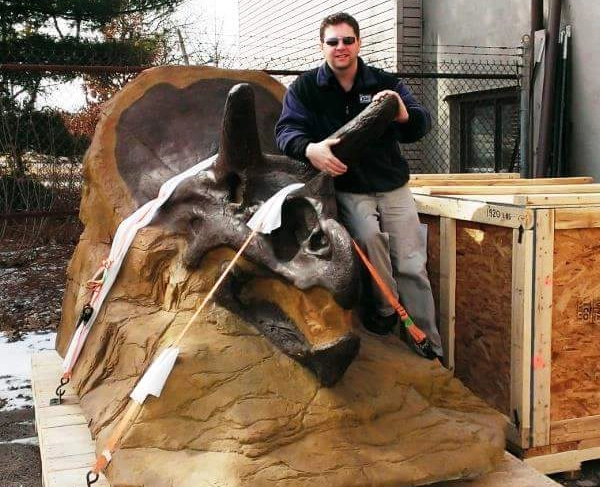
What inspired you to pursue a career in landscape architecture, and how did you find your way into public practice?
My father was an architect, so I was around drafting tables and construction sites before I turned 10 (don't worry, I wore a hardhat and a vest!). In 1987 my father was hired by a local Dairy Queen franchise that had about two acres of land on the back of the store property in North Springfield; the owner wanted to build a family entertainment center with a miniature golf course. After several meetings, my father learned that the owner's wife had multiple sclerosis and their first date 25 years prior had been miniature golf. Knowing that she would soon be confined to a wheelchair, my father focused on making all 18 holes completely wheelchair accessible. It opened in the spring of 1990 and did very well, bringing new life to the North Springfield community, even earning my father an AIA Award and recognition from the Governor of Missouri.
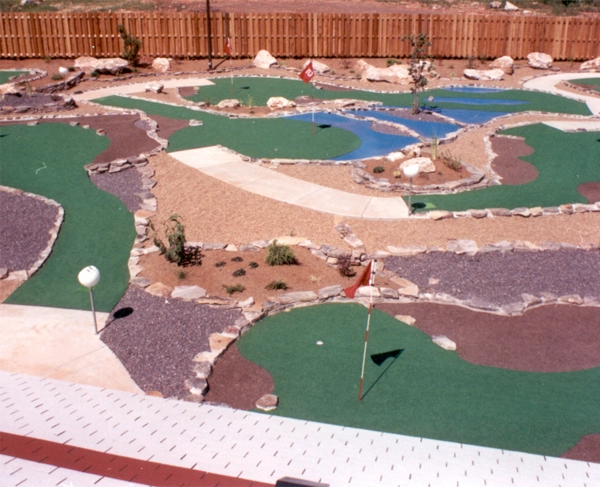
Through this experience, I became obsessed with golf course and park design from a young age and this led me to pursue a degree in landscape architecture at Arizona State in 1996. College would prove difficult as ASU heavily leaned on environmental planning and sustainability, shunning my attempts to include golf courses into my projects. I would join the ASLA student chapter and travel to my first ASLA Annual Meeting in Portland in 1998. It was here, walking the streets and plazas, enjoying the diversity of life and public art, that I found my calling and wanted to work in public practice where my work could be appreciated by all.
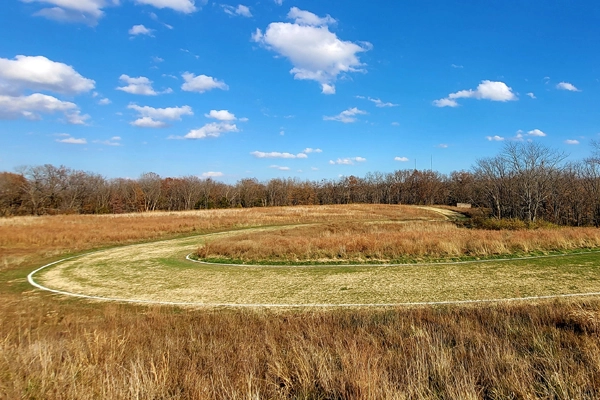
Can you share a favorite project you have worked on as a public practice landscape architect? What is the impact it has had on the community?
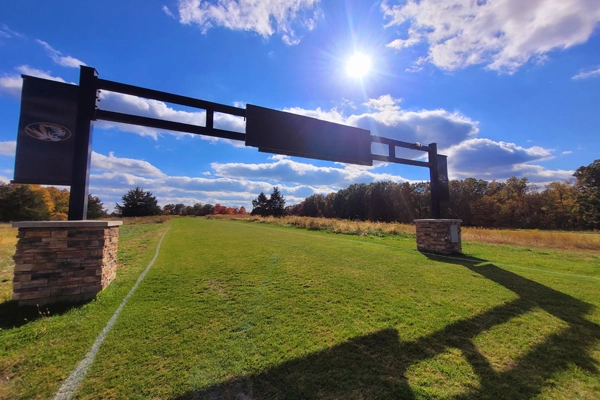
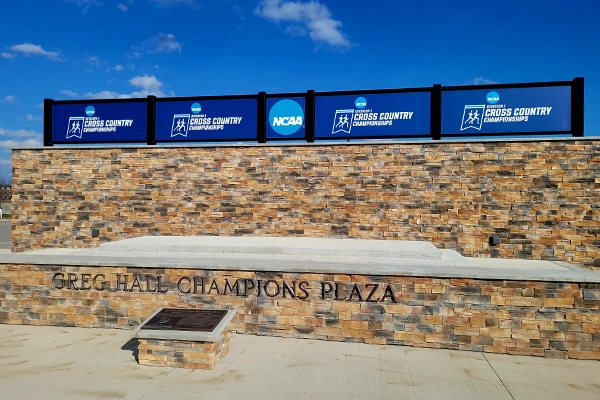
Hands down, the Cross Country Course at Gans Creek Recreation Area has been the most unique project. I would have never thought that cross country running was such a rabid spectator sport. Designing the course to be functional for so many events large and small, but also with a focus on spectators and accessibility, has been very rewarding. The course hosts the Missouri State High School XC Championships every November and is the home course to the University of Missouri. It hosted the SEC Championship in 2021 and will host the NCAA Championship in 2025, and is currently in discussions with Nike to host an annual open invitational night race for top athletes from around the country. These large events are great for tourism and creating more interest in running sports.
What is one thing you wish more people knew or understood about public practice landscape architecture?
Our education and experience is much more broad than a general planning background. Licensure is very important to seek out and maintain.
What advice would you give to someone who is interested in a career in the public sector?
Creative solutions will always be a major need in cities and towns of all sizes. Never accept the status quo. Challenge your peers to look outside the box.
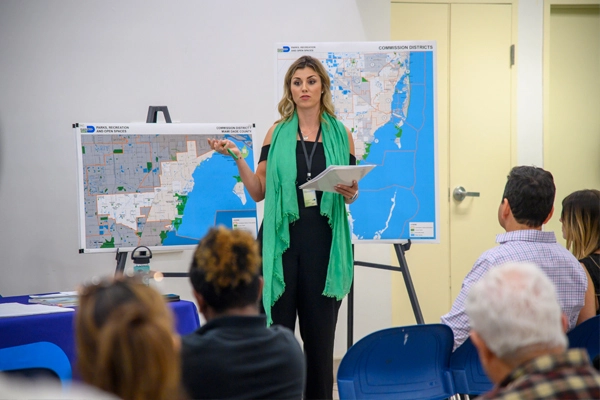
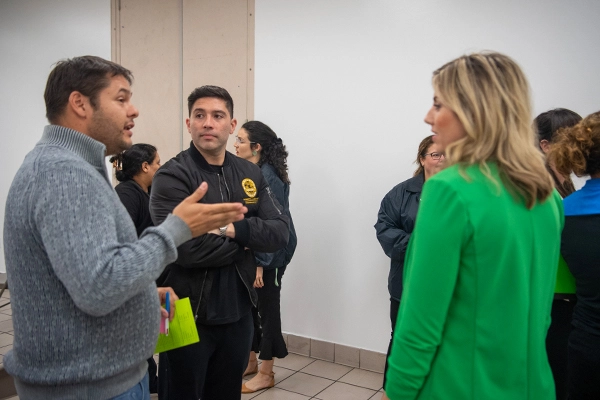
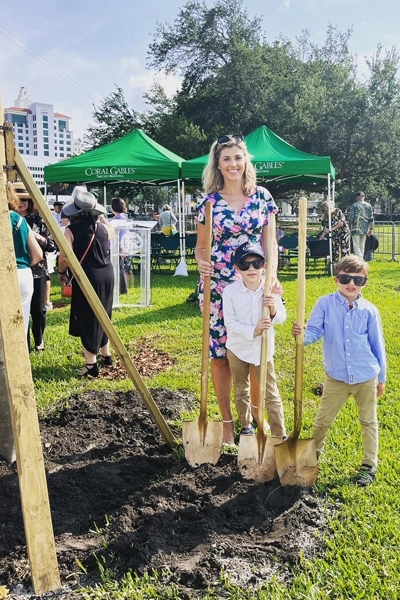
Maria Debye Saxinger, ASLA PROS Master Plan Manager | Planning, Design, and Construction Excellence Division Miami-Dade County Parks, Recreation, and Open Spaces (PROS)
What inspired you to pursue a career in landscape architecture, and how did you find your way into public practice?
Growing up in upstate New York and visiting New York City as a child inspired me to find a career path aligned with filling the nature-deficit through planning and design of the built urban environment. I am most inspired when I am able to inspire others to make shared recreational and social experiences because I know the power of parks for people in cities. It re-energizes me to be able to find my peace, focus, and solitude in outdoor activities where I can push myself and engage in outdoor recreation such as running, swimming, cycling, taking my children to play, and more amongst other people doing the same thing in parks that are designed to help us take care of ourselves in the midst of busy schedules, skyscrapers, in between sunrises and sunsets, with changing views, and across all land-water-street-scapes! We need them, and more importantly, we need each other, and city parks help bring us all together and bridge this gap.
Can you share a favorite project you have worked on as a public practice landscape architect? What is the impact it has had on the community?
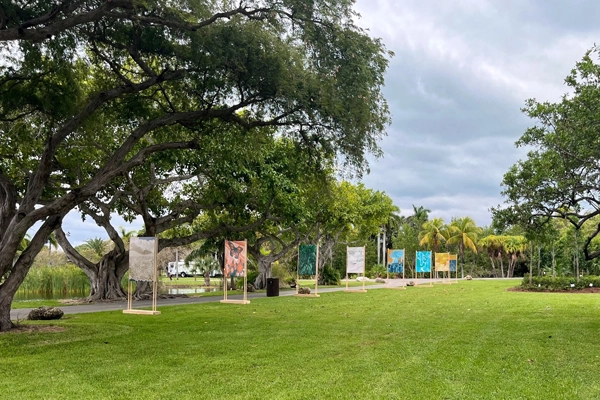
One of my favorite projects at Miami-Dade County Parks, Recreation and Open Spaces was our open call to artists as a part of a two-day eco-festival to highlight Parks’ involvement in creating sustainable and resilient futures in our outdoors. The event celebrated Miami-Dade County’s Crandon Park’s 75 years of serving the community’s 2.8 million residents by taking a look at how a STEAM-based approach to environmental learning can help to bolster our community knowledge base around parks. Crandon Park is a Miami-Dade County Heritage Park that represents the ecological history of the county and by opening the call for artists to illustrate our Ecological transect, we not only engaged those who participated, but were able to share information about our unique plants and animals in an engaging, colorful, and interactive way in celebration of the rich ecologies that surround us in our parks and engage all age groups of our community in the creation and exhibition of the work itself.
What is one thing you wish more people knew or understood about public practice landscape architecture?
I wish that more people knew that public practice landscape architecture professionals are uniquely qualified to address future planning of our public built environment domain. Because of the skills we are trained in within accredited degree programs, we have not only the ability to work with a living medium itself, but we continuously acquire important knowledge and expertise that is the basis for providing us with the insight needed in order to envision future projects that weave together environmental, social, economic, and our best engineering tactics to face our climate challenges in a way that will be functional, beautiful, and humane.
What advice would you give to someone who is interested in a career in the public sector?
I encourage anyone interested in embarking on a career in landscape architecture, and more specifically in the public sector areas of landscape architecture, to investigate and explore the processes by which parks come to life. While this varies from city to city, take a career opportunity that involves learning about the lifecycle of park creation that factors in acquisitions, funding, planning, community input, design, and construction and how they are all critical to the successful delivery of a project.
For more about public practice landscape architecture, see ASLA's online guide outlining 10 distinctive aspects of public practice work.
Explore Public Practice Landscape Architecture >Looking for even more on public practice?
You may also explore the online resources for ASLA’s Parks and Recreation and Transportation Professional Practice Networks (PPNs), and see these related ASLA Online Learning webinars:
- A Seat at the Table: Landscape Architects in the Public Sector
- Nimble Innovation - Transforming the Public Realm Through Possibility Government
- Nimble Innovation 2.0—The Possibility Government Toolkit in Action
- Inside the LA Studio—MnDOT
- Equitable Transportation Design with Small Communities
For snapshots of public practitioner career paths, check out the Common Space interview series, originally published in ASLA's LAND newsletter. (Please note: several of these are archived pages, and links may no longer be functional.)
Interviewees include:
Jennifer Shagin, ASLALandscape Designer, NES
Kris Sorich, ASLASenior Landscape Architect, Chicago Department of Transportation
Haley Blakeman, FASLA, PLASuzanne L. Turner Professor at the Robert Reich School of Landscape Architecture at Louisiana State University
Jon Wreschinsky, ASLA, PLAFacilities Planner, San Diego Unified School District
Terry Clements, FASLAProfessor and Program Chair, Virginia Tech Landscape Architecture Program
Linda Komes, ASLALandscape Architect and Project Manager, Park Development Division, Maryland-National Capital Park and Planning Commission
Nick AcetoLandscape Architect and Urban Designer, Aceto Landscape Architects
Robynne Heymans, Associate ASLAPark Planner, Austin Parks and Recreation Department
Theresa Hyslop, Associate ASLAProject Manager and Landscape Designer, ETM Associates, LLC
Om Khurjekar, ASLA, PLA, LEED AP BD+CPrincipal, Hord Coplan Macht
Kevin Meindl, Associate ASLALandscape Architect and Green Infrastructure Program Manager, Buffalo Sewer Authority
Darcy Nuffer, ASLALandscape Architect, Planning Division, Austin Parks and Recreation Department
Andrea Weber, ASLAProgram Manager for Historic Roadside Properties, Minnesota Department of Transportation (MnDOT)
David T. Tatsumi, ASLAPresident, Tatsumi and Partners, Inc.
Nette Compton, ASLADeputy Director of Parks for People, The Trust for Public Land
Mark H. Hough, FASLAUniversity Landscape Architect, Duke University
Mami Hara, ASLAGeneral Manager and Chief Executive Officer, Seattle Public Utilities
Glenn Acomb, FASLARetired from the University of Florida Department of Landscape Architecture and from the Program for Resource Efficient Communities (PREC), a UF cross-disciplinary research group
Dee Merriam, FASLACommunity Planner, Centers for Disease Control and Prevention
Irene Ogata, ASLALandscape Architect, City of Tucson, Arizona
And, one more article from the archives for those who've made it this far:
The Things They Didn’t Teach You in School About Public PracticeASLA Public Practice Advisory Committee members look back on what they learned about public practice in school, what they didn’t learn in school but wish they had, and what they think ASLA members should consider before pursuing public practice.