
.webp?language=en-US)

-
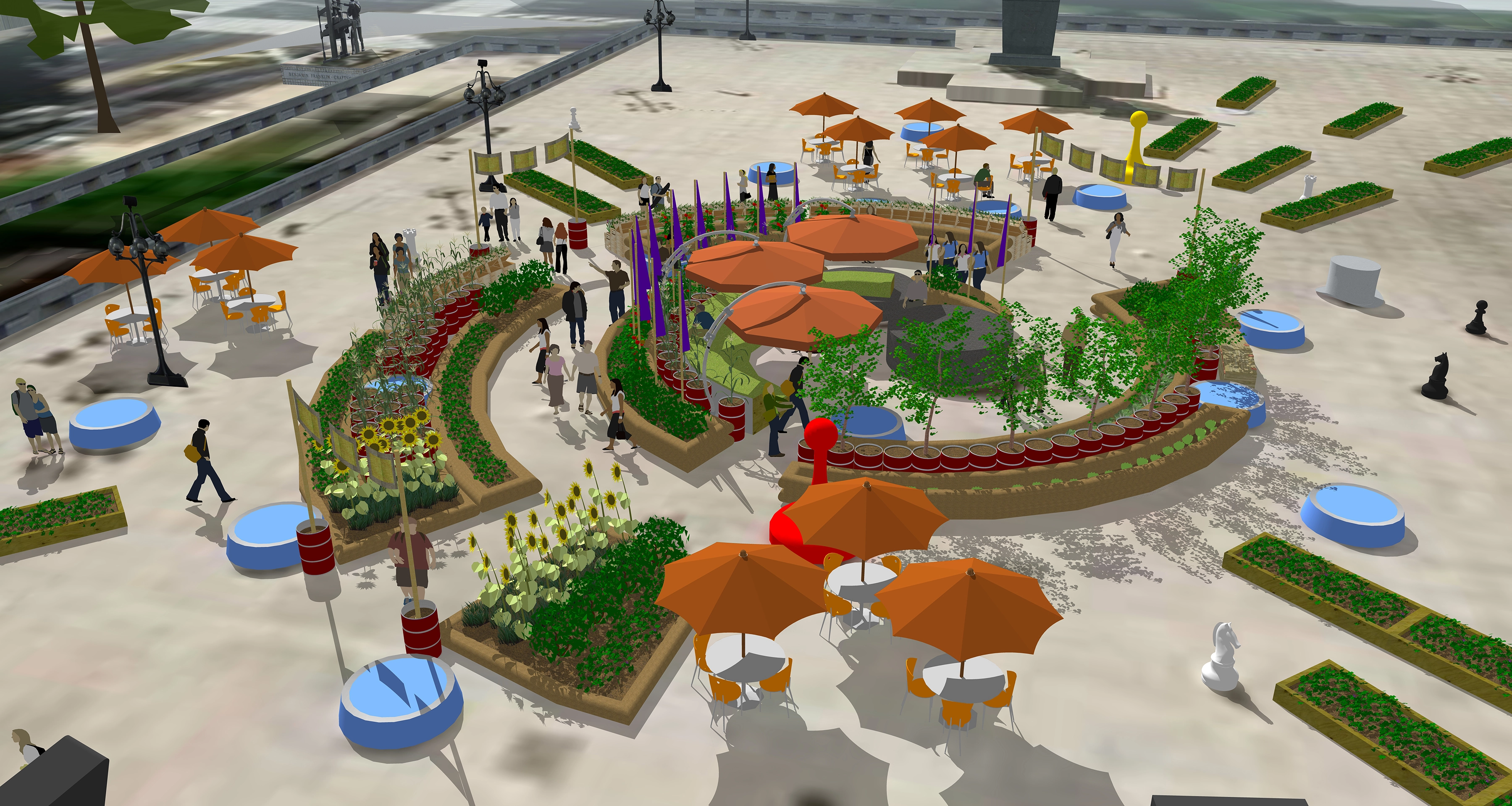
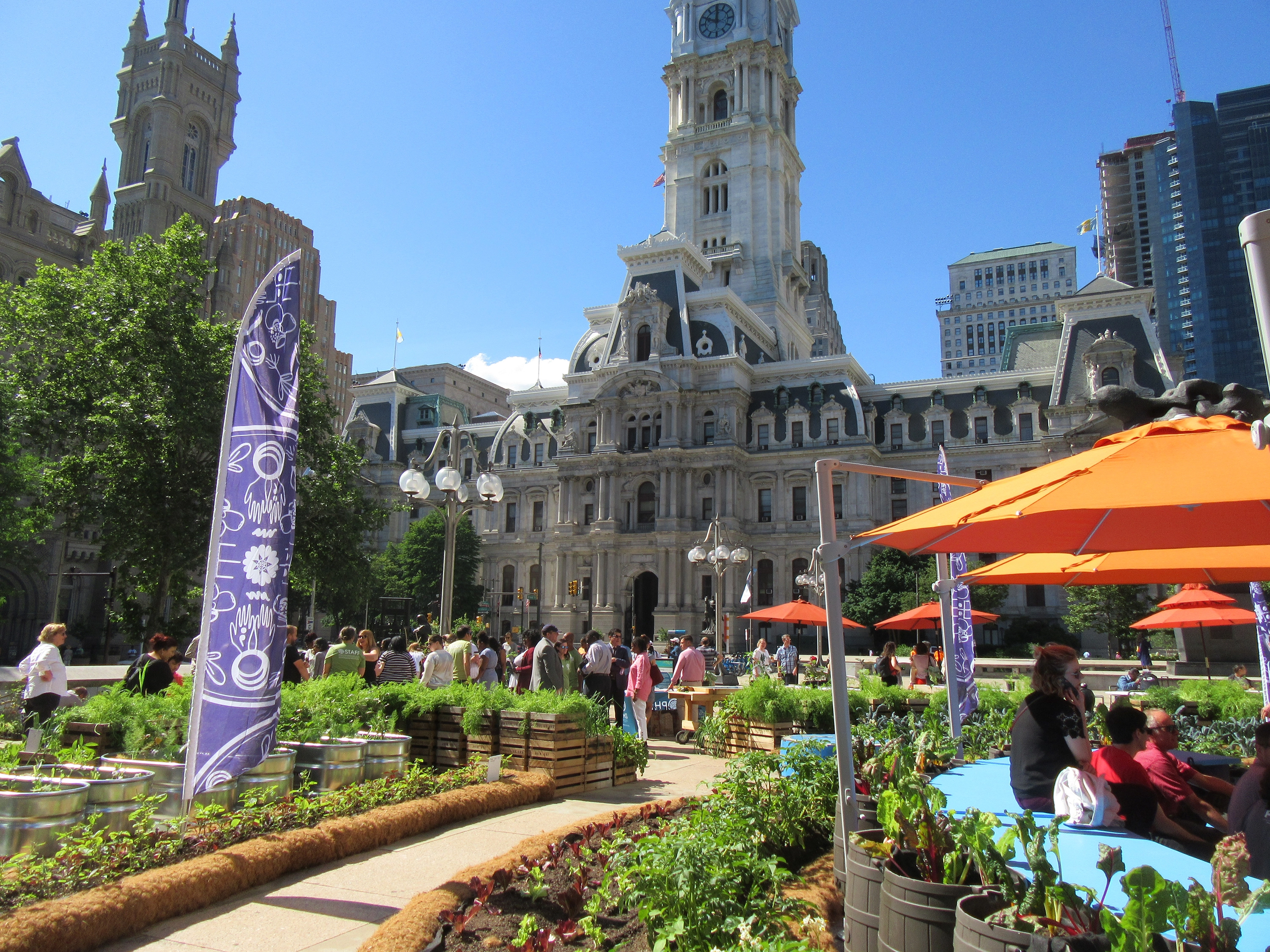
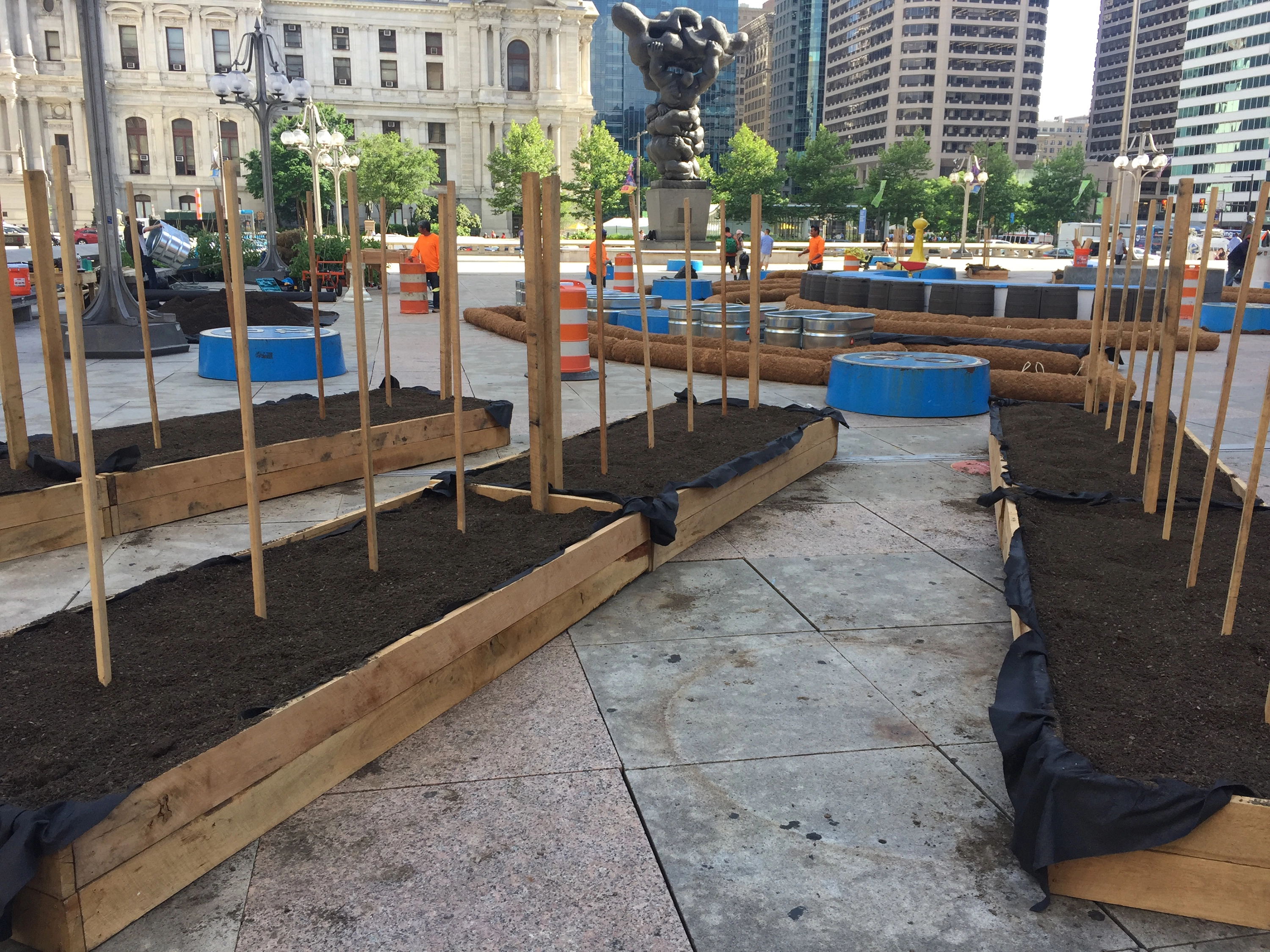
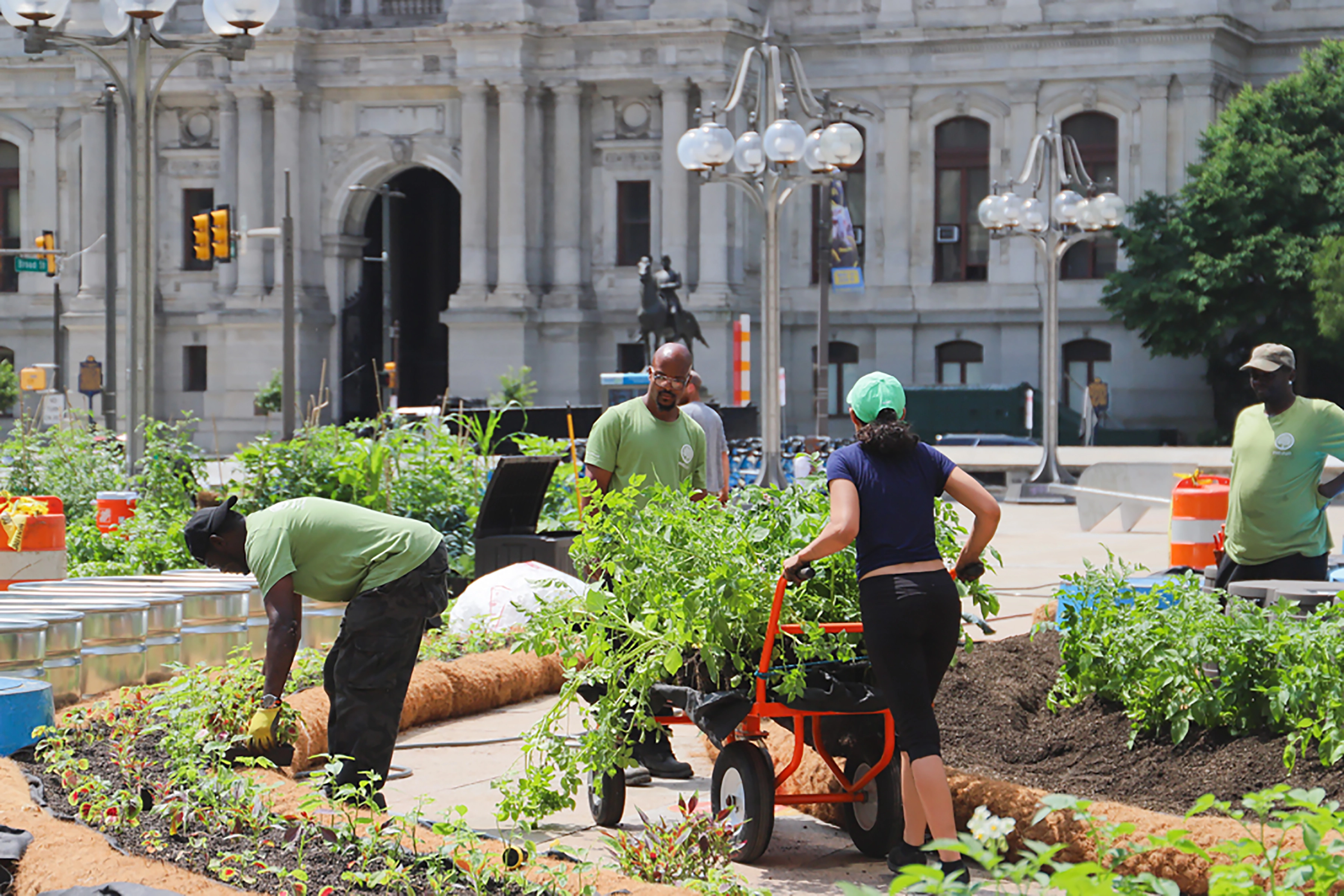
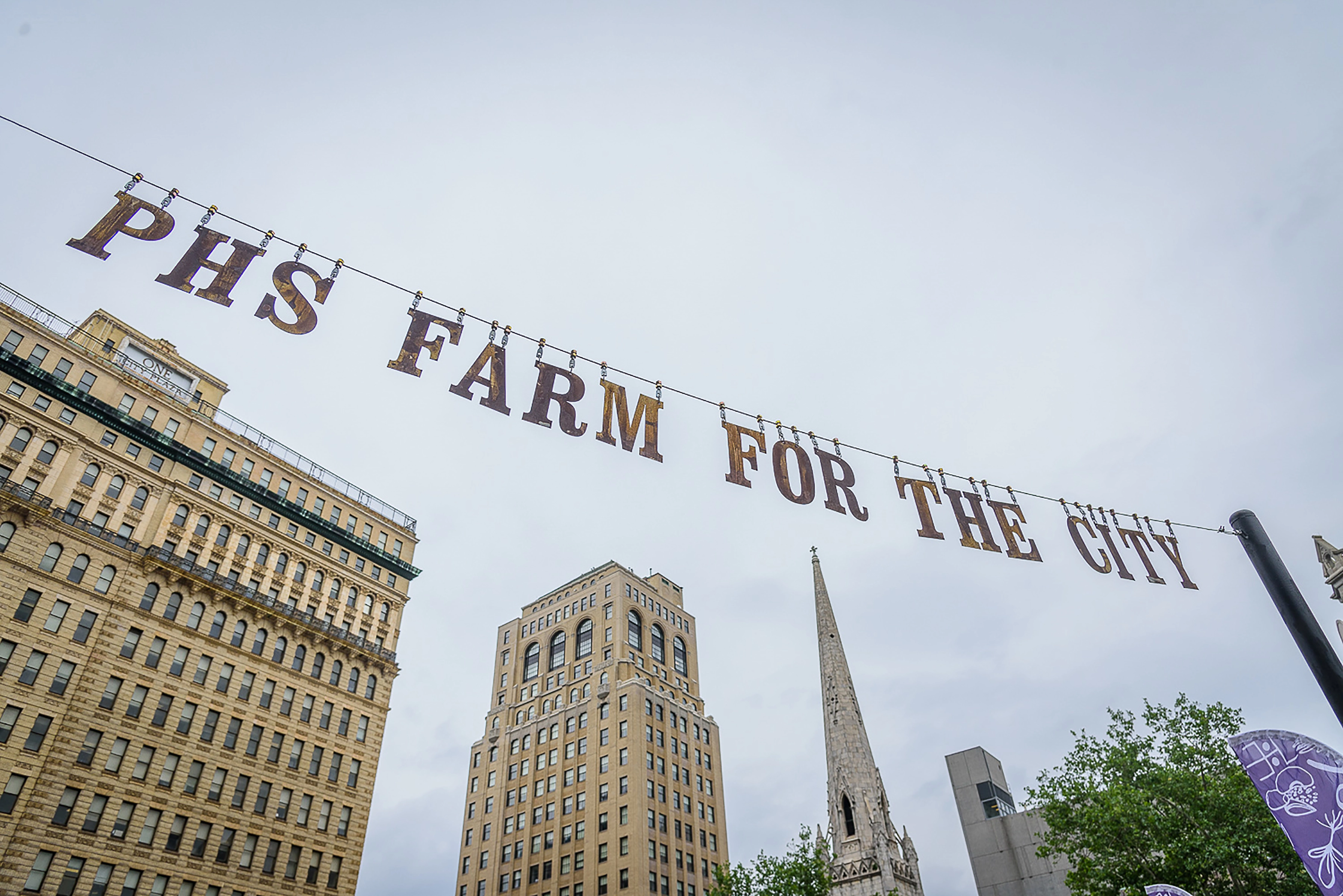
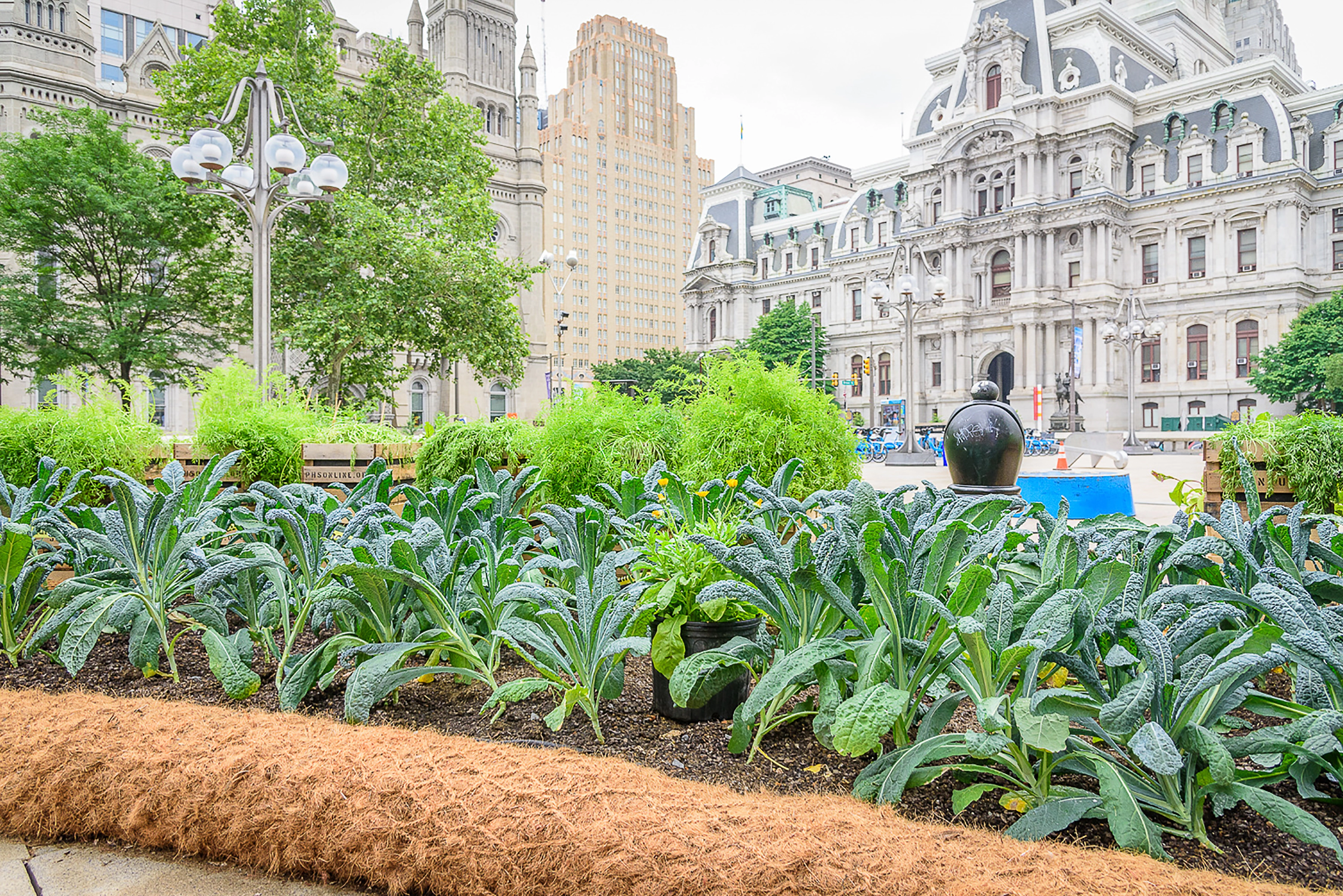
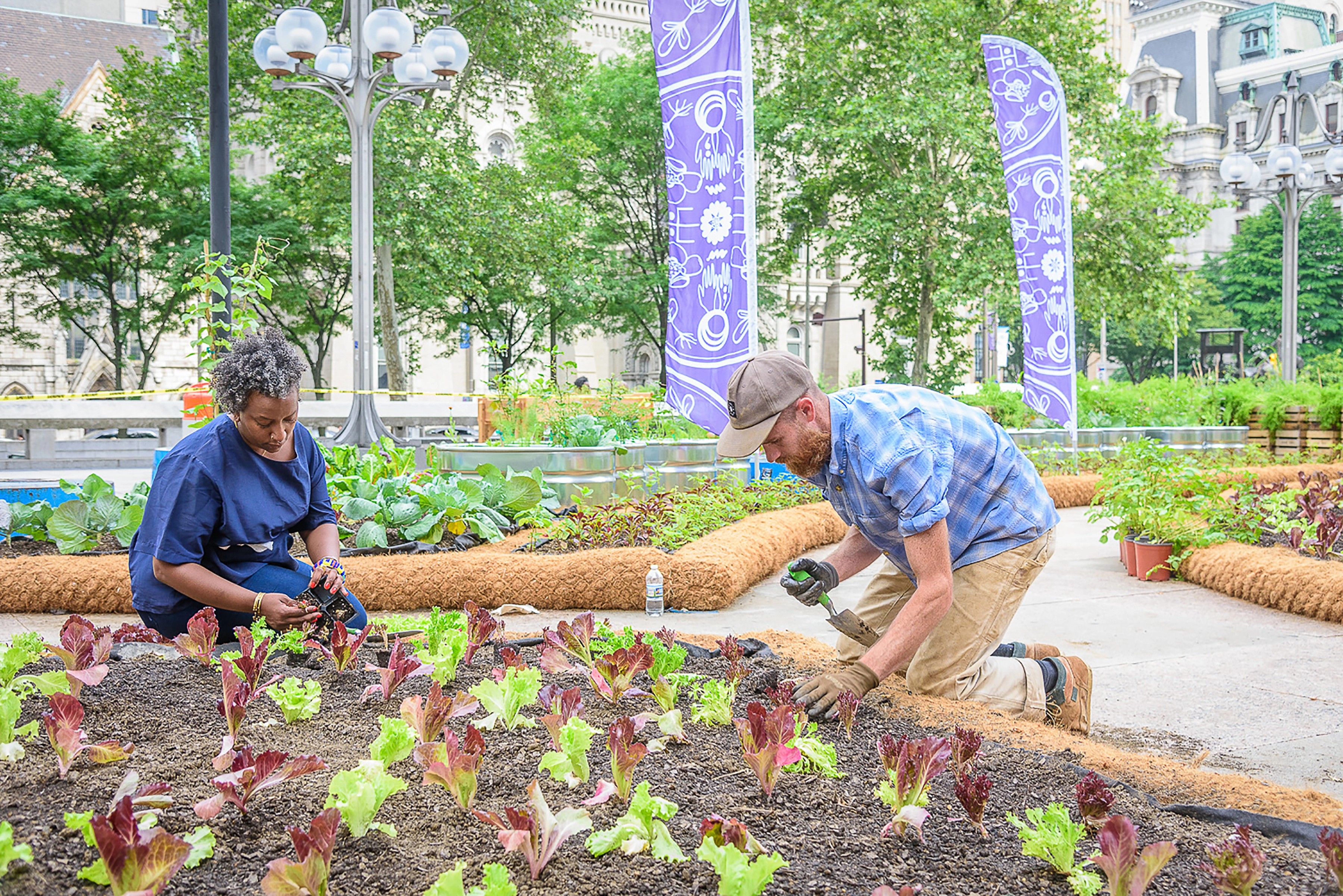
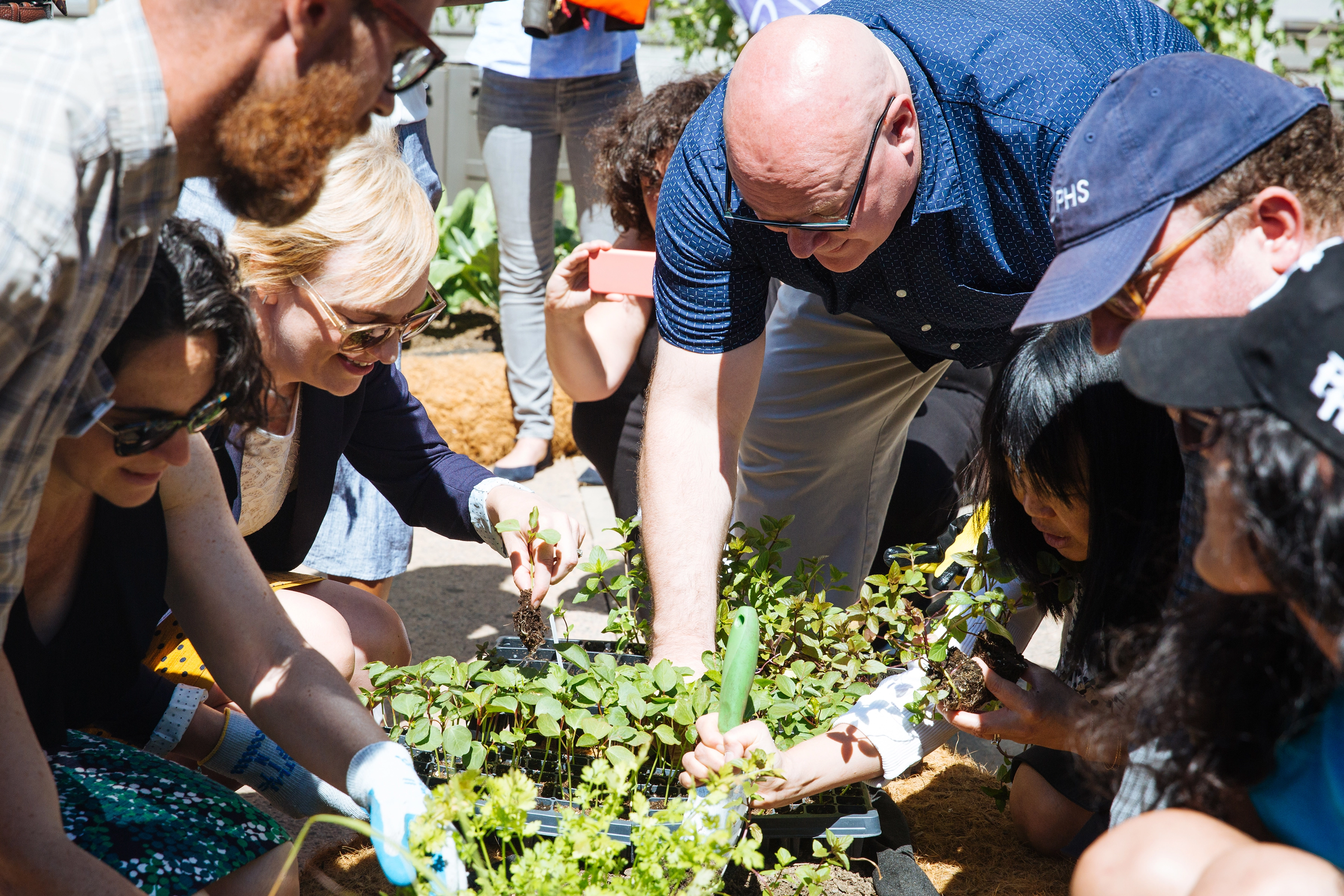
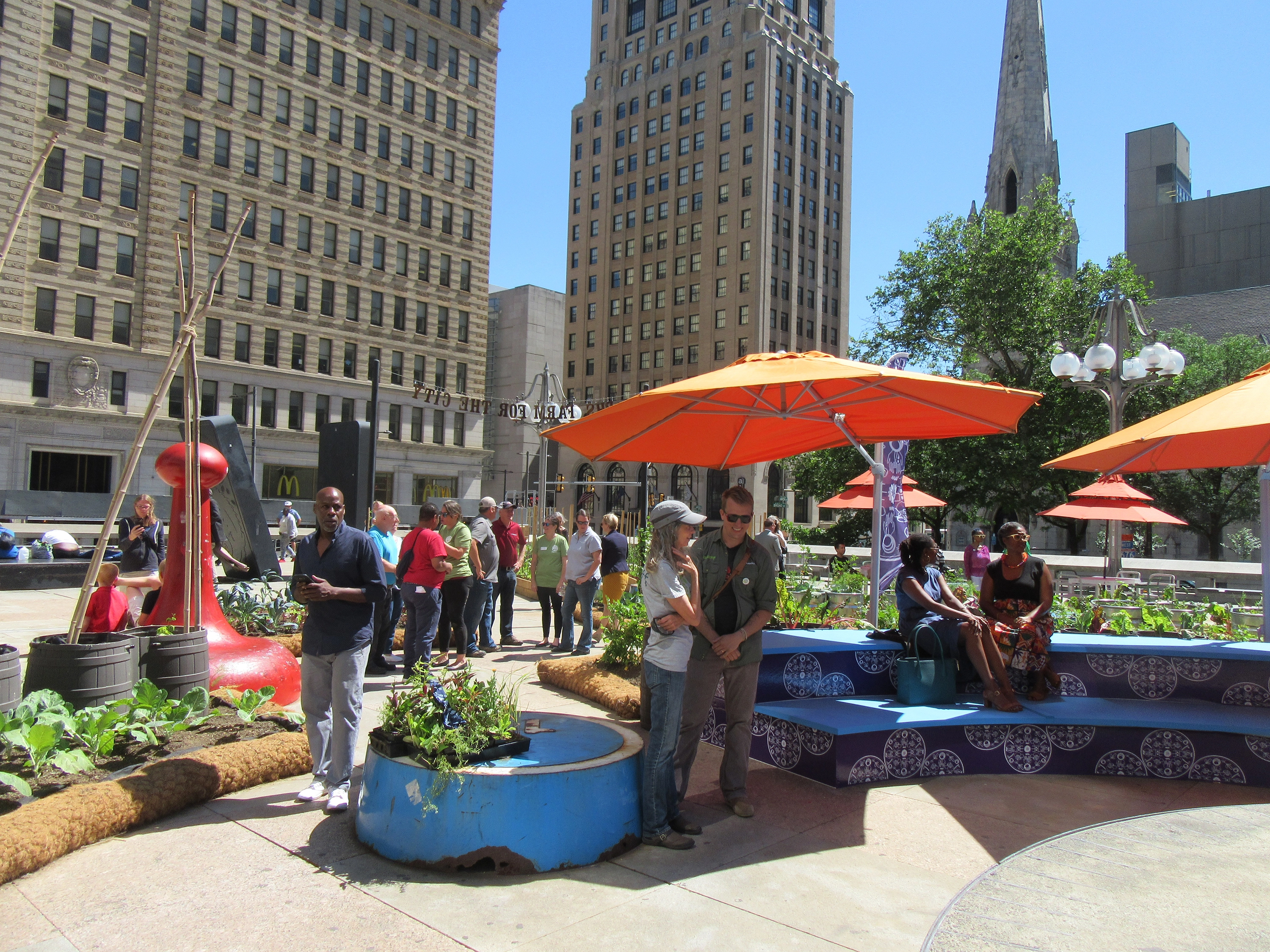
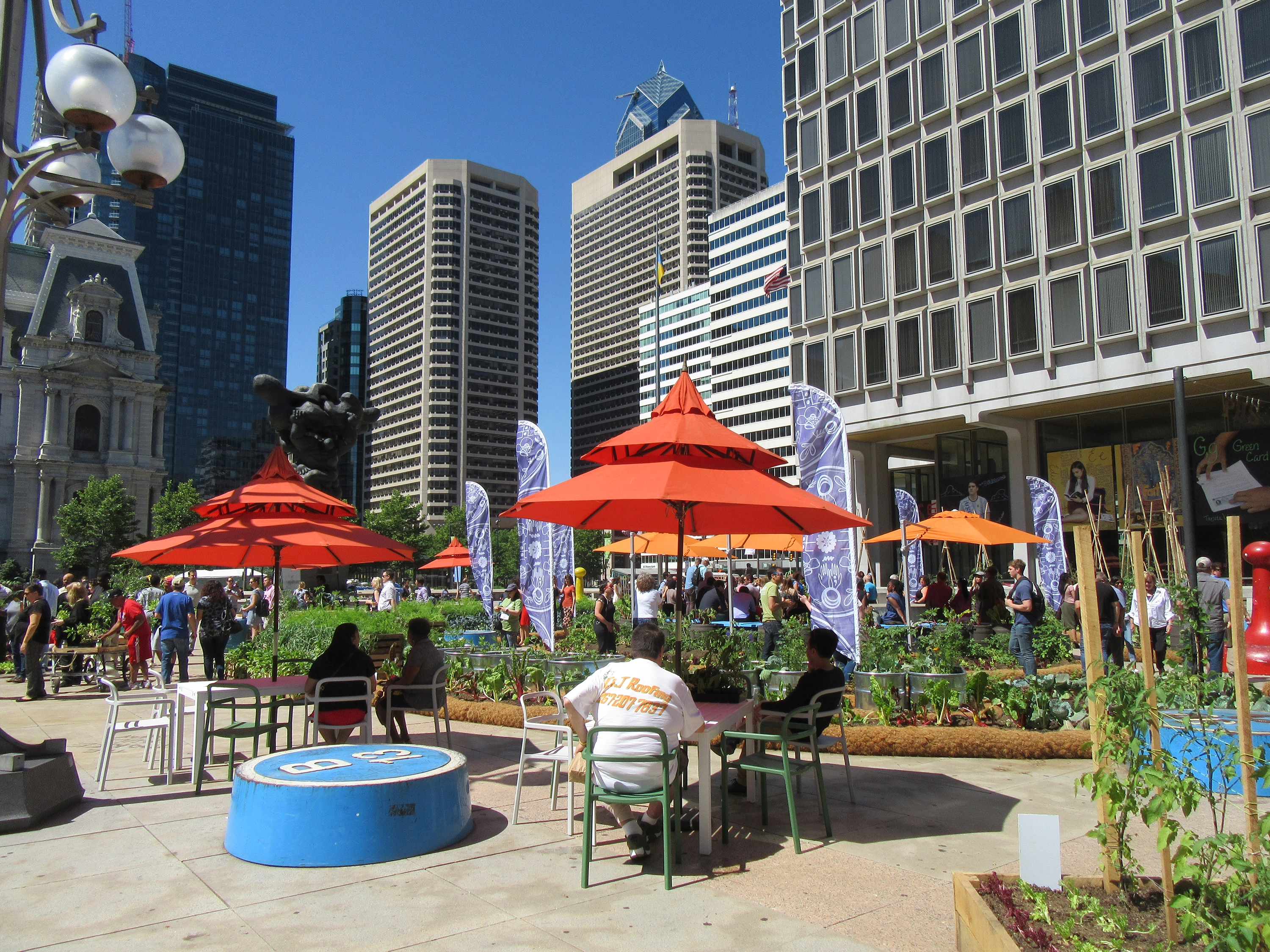
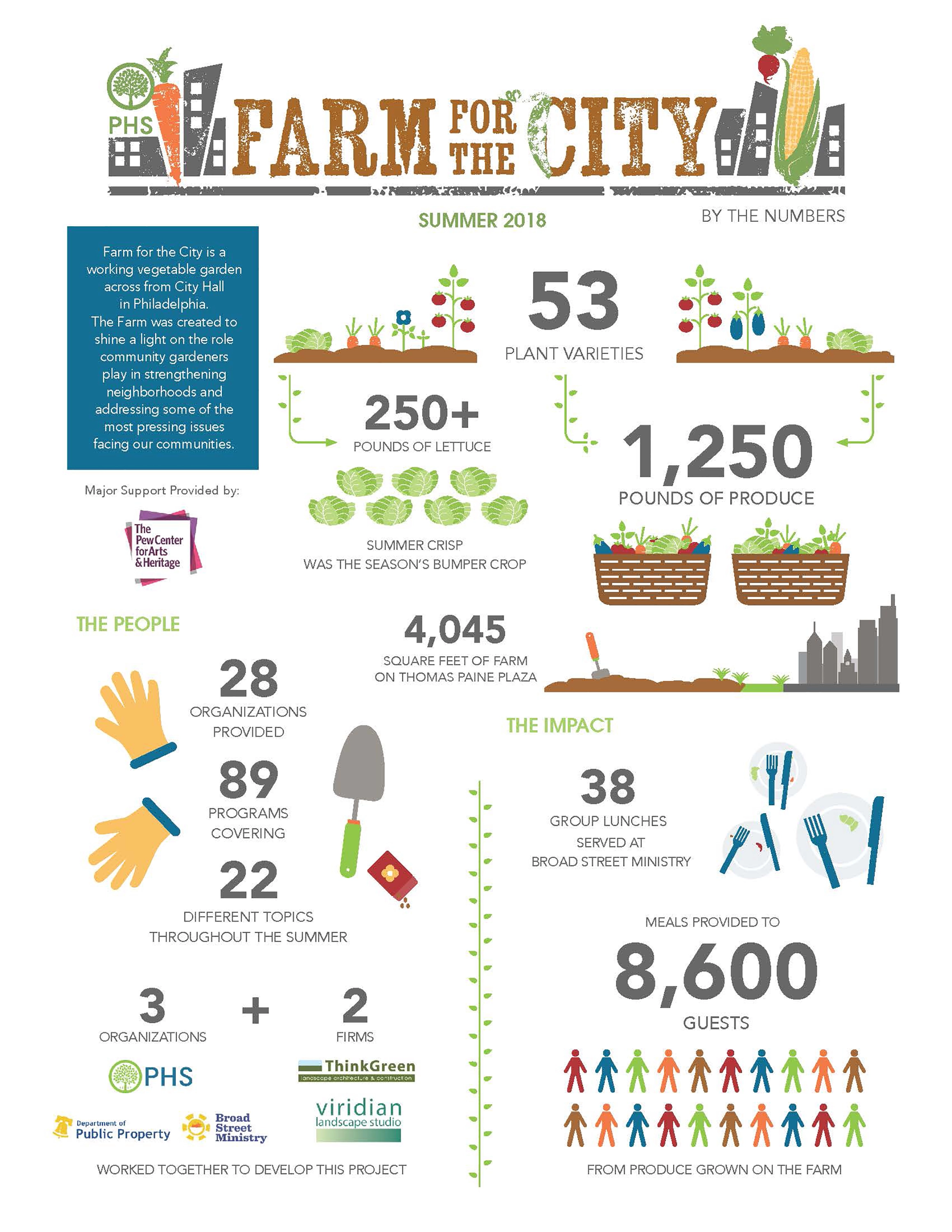
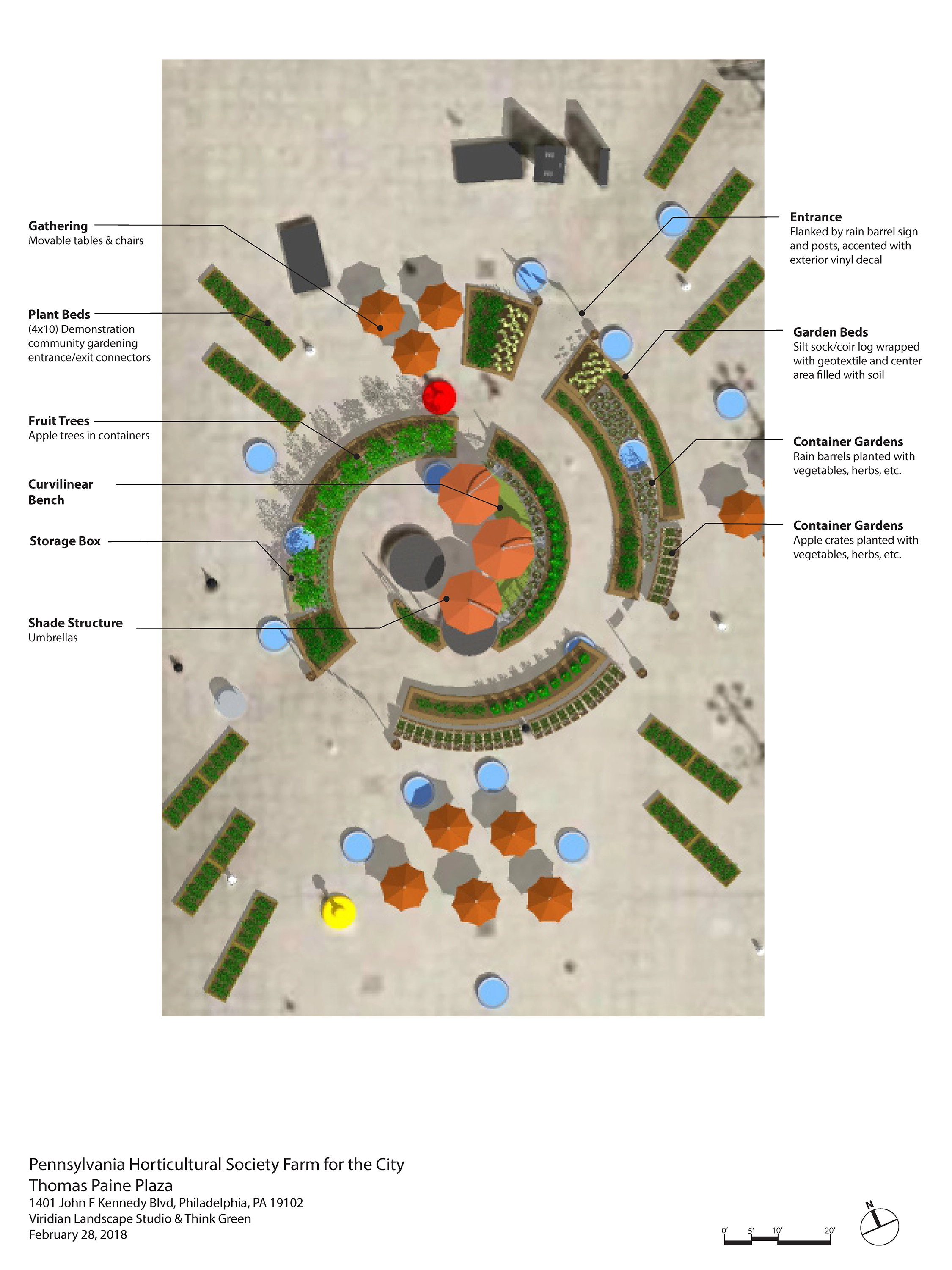
The Farm for the City highlighted the role community gardeners play in strengthening neighborhoods and the gardens' positive impacts on some of the most pressing issues facing our communities, such as food insecurity. This pop-up project transformed a largely barren Philadelphia plaza atop the offices of City License and Inspections into a beautiful production farm. Over fifty crops were grown, with plant selections informed by community gardens and cultures across the city. The design is based on the nautilus shape, a symbol of expansion and renewal. The 2000 sf garden swirled around existing giant game piece sculptures and reached its arms out toward the city. The temporary farm-as-art project delivered over 1200 pounds of produce to feed 8600 men and women who are homeless, at risk of being homeless, or of low-income. The interactive exhibit and working farm invited the public to learn more about community gardening through free workshops, public forums, and activities during the growing season.
-
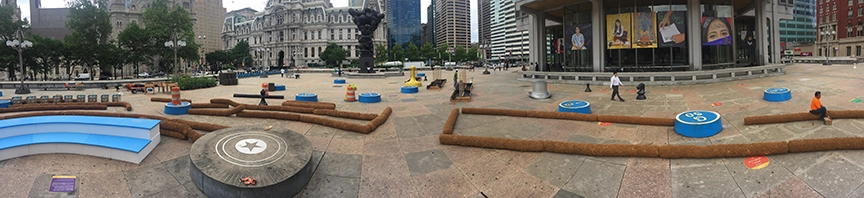
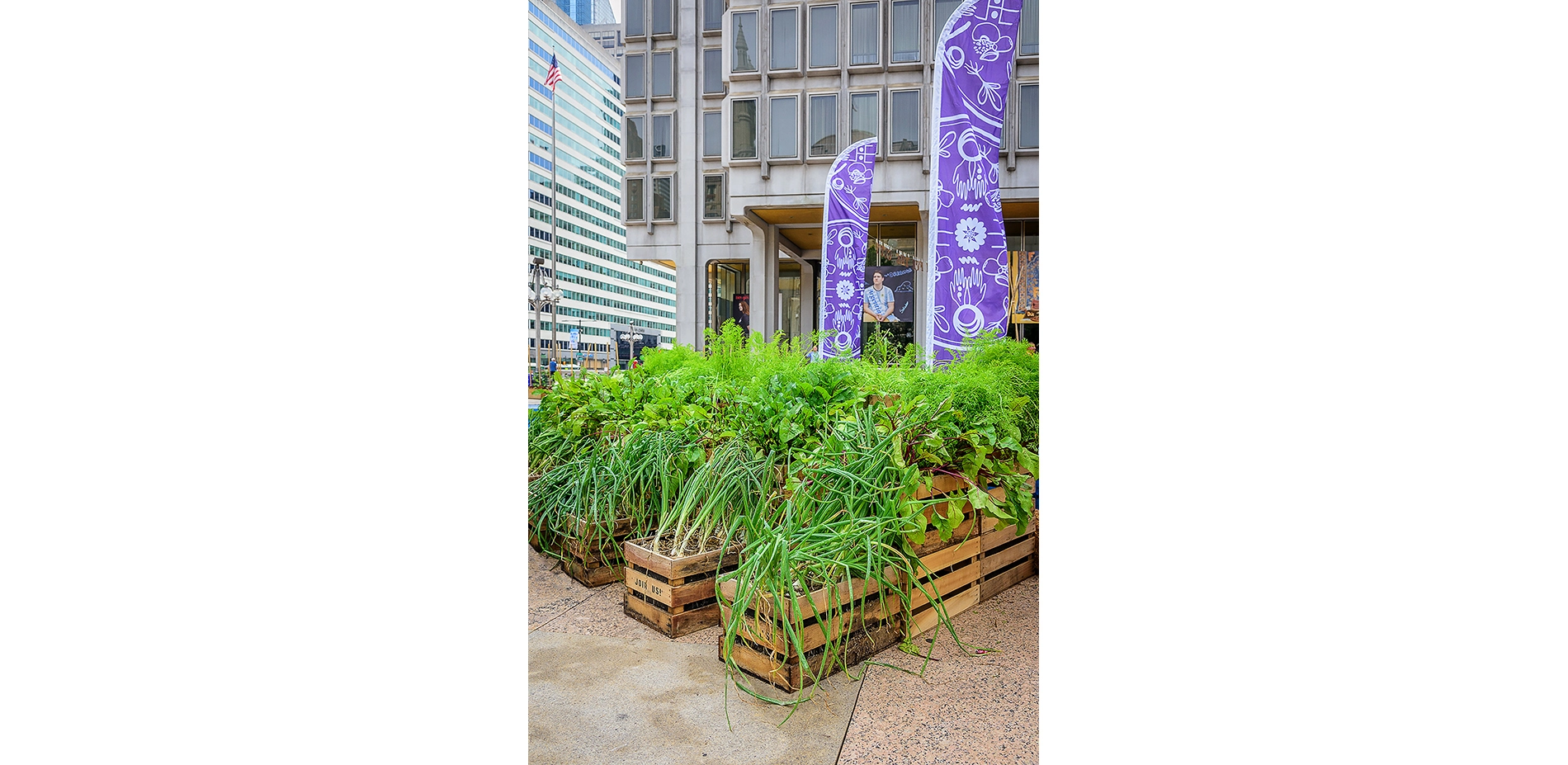
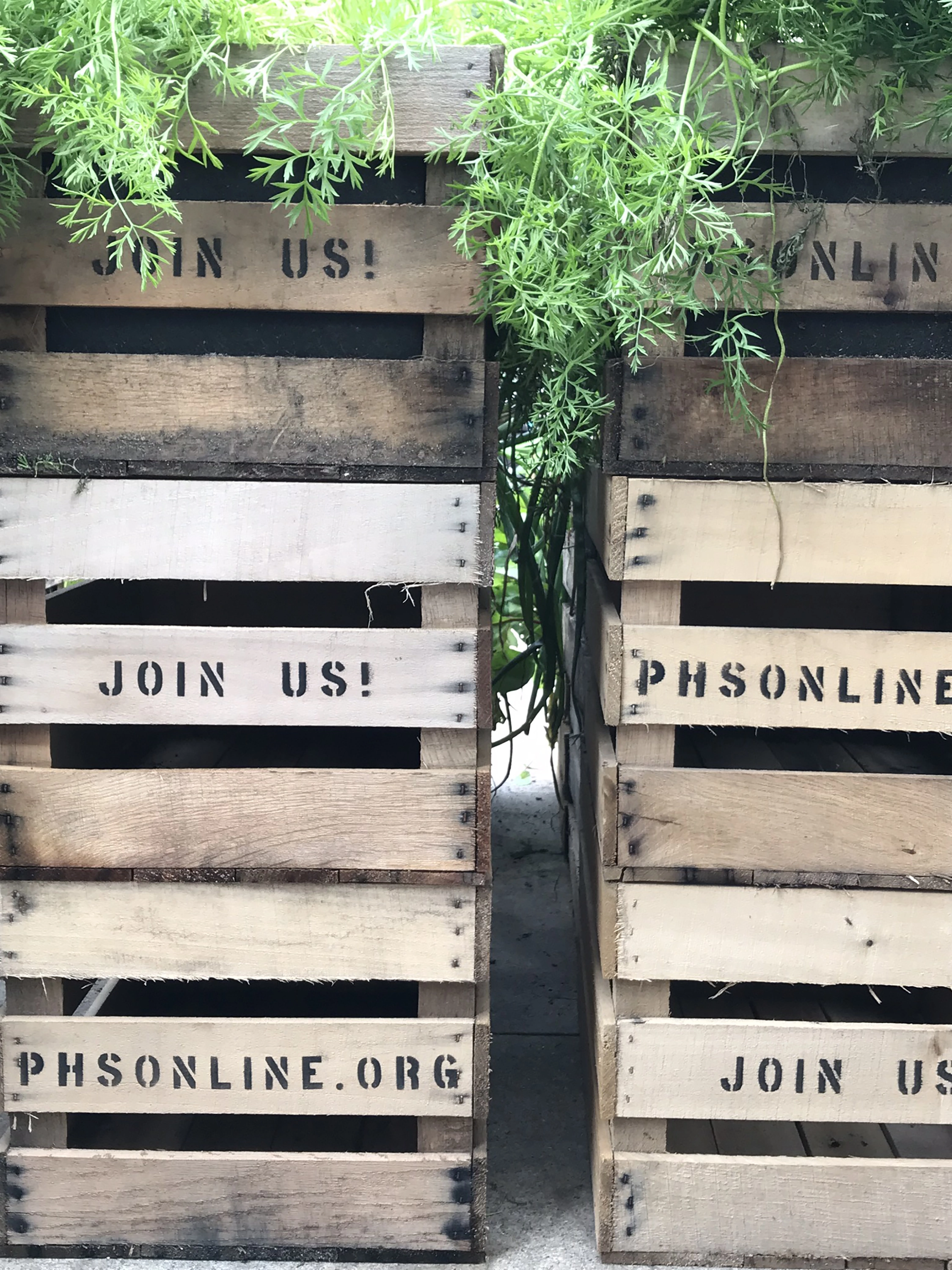
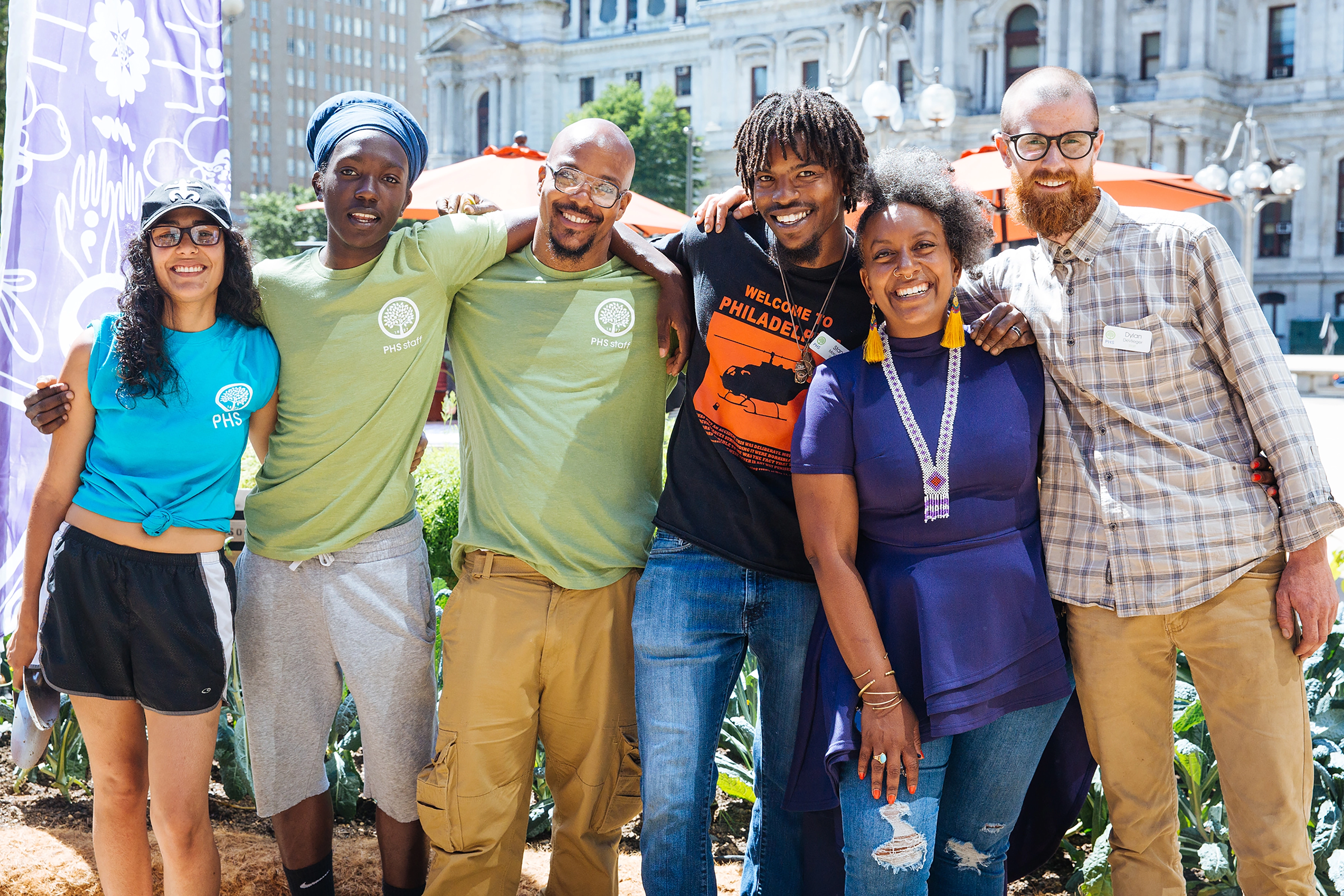
The client and design team transformed Thomas Paine Plaza, Philadelphia PA, into a beautiful, 2000 sf production farm. One in five Philadelphians is food insecure and the projected aimed to demonstrate how city residents can harness the power of horticulture to enrich and strengthen their communities and help make healthy food more accessible to those in need. The project bolstered both the clients’ and designers’ work to transform under-utilized spaces into community assets. The Farm was an example of how a vacant lot or empty urban space can be repurposed, even temporarily, into a verdant garden or green space that can benefit the neighborhood and the city at large. The plaza sits directly across from City Hall in the heart of Philadelphia. The barren foreboding granite square forms the podium of the 18-story Municipal Services Building. It is raised above the adjacent sidewalk to about eye level. From June through September the Farm for the City injected life into the plaza showing a way in which public space can be quickly transformed from lifeless to community asset. The working art-as-farm pop-up community garden design was based on the nautilus shape, a symbol of expansion and renewal. The garden swirled around existing giant game piece sculptures and reached its arms out toward the city. The chambered spiral both invited people into the space to experience and learn from the garden and implied sending them out into the city to share their knowledge and enthusiasm. The garden could be experienced both from the ground level and from the windows of the surrounding high-rise buildings. At the core of the nautilus there was a shaded amphitheater for presentations with existing giant checkers pieces serving as the stage. Crops were carefully chosen to celebrate diversity and to generate the desired look and feel for the space. In addition, the crops were vetted by the chefs who would prepare them. Heritage crops were show-cased including Lenape peoples’ repatriated corn and crops grown from Philadelphia immigrants’ seed banks some brought to the US over 30 years ago. Crops included chard, onion, mustard greens, carrots, fennel, African eggplant, Huauzontle, Pigeon Peas and herbs like tulsi, Epazote, cilantro, thyme, mint and lavender. The interactive exhibit and working farm invited the public to learn more about community gardening through free workshops, public forums, and activities. The farm produced over 1200 pounds of produce. The produce was delivered to a meal center, located just five blocks south, where it was prepared by professional chefs providing food for 8600 men and women who are homeless, at risk of being homeless, or of low-income. Two community dinners – featuring food grown on the farm – brought 150 people from different backgrounds together at the farm to dine and discuss food security and healthy community building. The designers and farmers were careful to respect the community of people who were already spending time on the plaza. “I think, too, as a lot of areas in Center City have been developed, a lot of housing-insecure folks have been pushed out, and pushed, and pushed, and all those spaces are disappearing. And as all that money is being poured into those projects, I don’t think there’s an equally large enough amount of money being poured into providing services for folks,” one of the farmers said. Project materials were an interpretation of those used in community gardens and selected for the ability to have a second life in new homes. Everything was built and inspected off-site and carried up to the plaza by hand. All of the pieces and parts of the garden were recycled and relocated into gardens across the city after garden disassembly. Garden beds were made from coir logs and wooden planters. Container Gardens were made in metal troughs, recycled plastic barrels and wooden produce boxes with stenciled client contact graphics. Flags were printed with community designed graphics to announce the farm to street-level passersby. The amphitheater used the same graphics and provided a vibrant centerpiece. Tables and chairs were carefully selected from the client’s warehoused stockpile. Umbrellas from the same stockpile provided vital shade. The soil was a split mix of compost, topsoil, and composted pine bark. The pine bark assisted with drainage and to prevent root rot. Designers minded strict weight and wind load requirements as the plaza floor is also the roof of city offices located below. As the season progressed, the designers gathered feedback from the farmers about the successes and challenges of the working farm. The farmers also relayed public reaction to the space. This information will be used to strengthen future designs. The designers, a landscape architecture firm and a construction firm, collaborated with their not-for-profit client to bring the project to life in six months on time and on-budget. Through the four-month farm season, the designers participated in client programs helping the client bring to light the issues of food insecurity with the goal of protecting and enhancing community gardens for all Philadelphians.
-
- Pennsylvania Horticultural Society (PHS)- client - Alan Jaffe, Senior Director of Communications & Media
- Pennsylvania Horticultural Society (PHS) - client - Julianne Schrader Ortega, Vice President, Chief of Programs
- Pennsylvania Horticultural Society (PHS) - client - Tammy Leigh DeMent, Associate Director of Project Development
- ThinkGreen, LLC - Thomas Johnston - design and construction
- Meliora Design - James Adams - structural engineering
- The Pew Center for Arts & Heritage - major supporter
- Broad Street Ministry- Mike Dahl, Executive Director - project partner
- Department of Public Property - project partner
-
Products
- Structures
- Soils
- Other
-
- Lemon Grass
- Rosemary
- Lavender
- chives
- Basil
- cilantro
- Epazote
- parsley
- Beans
- Beets
- Beet Greens
- Cabbage
- Calabash long gourds
- Carrots
- Celosia argentea
- Chard var Bright Lights
- Collards
- Corn
- Cowpeas
- Cucumbers
- Escarole
- Fennel
- Grain Amaranth
- Hot Peppers and Sweet Peppers
- Huauzontle
- Husk Cherries
- Kale
- Lettuce - Summer Crisp Head Lettuce - Sylvesta and Cherokee
- Luffa
- Malabar Spinach
- Moon Squash
- Onions
- Pac Choi
- Passion Flower
- Pigeon peas
- Pole Beans
- Red leaf amaranth
- Red Orach
- Salanova lettuce
- Snake Gourd
- Squash
- Strawberry Spinach (Chenopodium capitatum)
- Summer Squash with a cover crop of oats under sown before summer squash was removed
- Sunchokes
- Sunflowers
- Sweet Potatoes
- Tomatoes
Related Awards
Honor Award, Urban Design
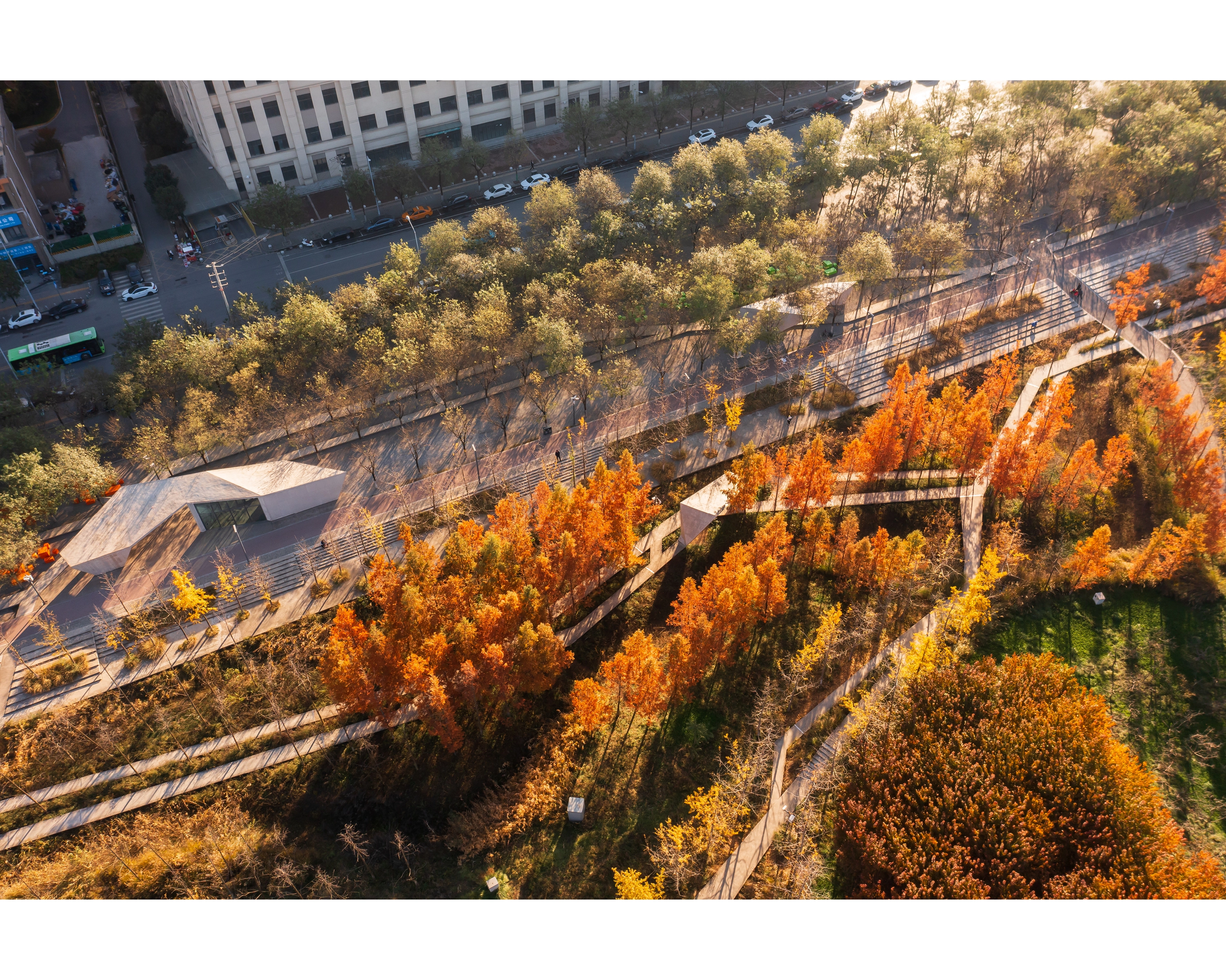
Urban Balcony Embracing Rewilded Nature
In a densely populated urban setting, this project unveils a rewilded natural area, revitalizing a former concrete waterway through innovative stormwater management. The design introduces a linear activity zone extending over four residential blocks, tailored for diverse social interactions. It underscores the vital role of landscape architecture in enriching the social and ecological aspects of urban living.