

.webp?language=en-US)

Advertisement
Designing Our Future: Sustainable Landscapes
More than 25 case studies of sustainable landscapes at all scales
Sustainable landscapes are responsive to the environment, regenerative, and help create healthy communities. They sequester carbon, clean the air and water, increase energy efficiency, restore habitats, and create value through significant economic, social, and environmental benefits.
Learn how landscape architects improve your world through projects ranging from the large-scale sustainable master plans and housing communities to small-scale green streets, parking lots, and private yards. See how landscape architects, planners, architects, engineers, horticulturalists, and others work in interdisciplinary teams to create innovative models that outline a path to sustainable future practice.
Discover animations that introduce key sustainable design concepts—clear, engaging, and accessible for the general public and students of all ages.
Eastern U.S.
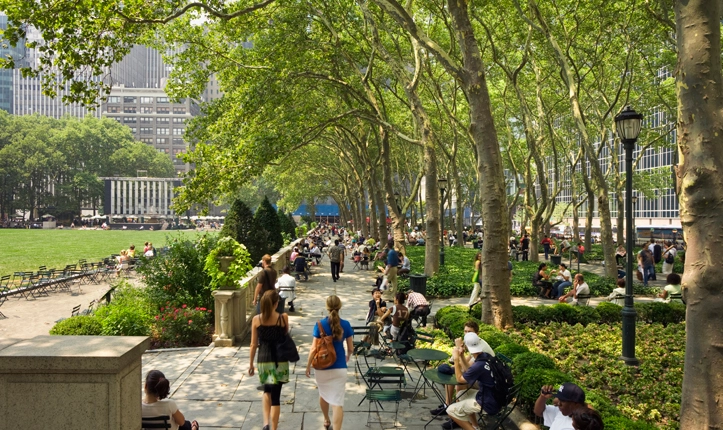
Bryant Park
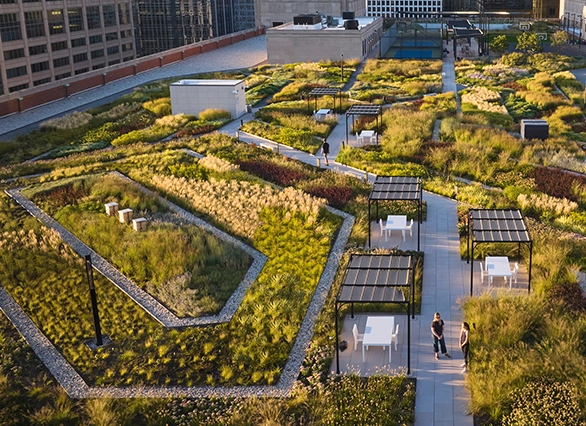
Bryant Park in Midtown Manhattan is a restored urban oasis with flexible lawns, gardens, and year-round events that revive a once-blighted city block.
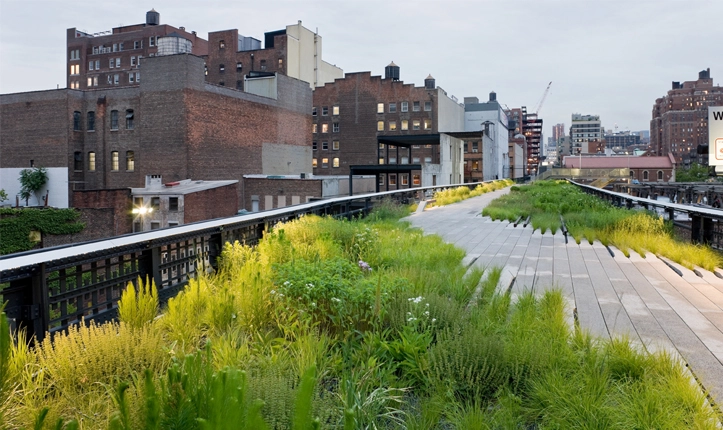
High Line Park
High Line Park in NYC turns an elevated freight rail into a linear green roof and public park with native plantings, city views, and year‑round programming.
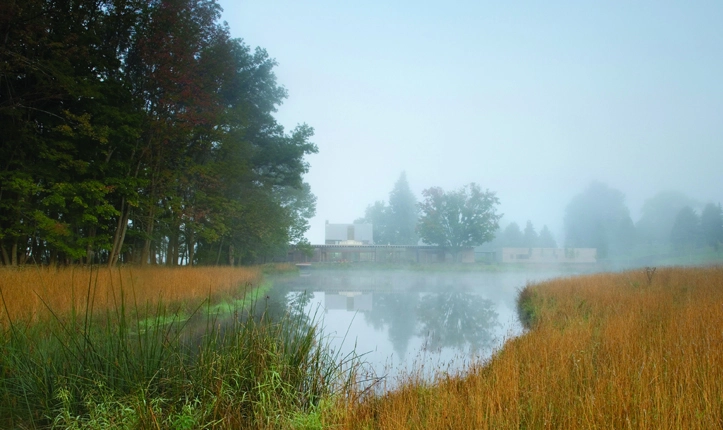
Lily Lake Residence
Lily Lake Residence in rural Pennsylvania transforms an 88-acre farm with native planting, stormwater ponds, and gutterless roofs that restore habitat and reduce flooding.
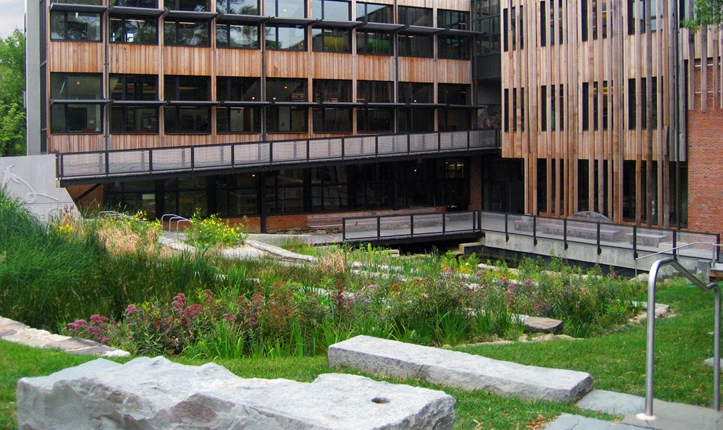
Sidwell Friends School
The middle school campus at Sidwell Friends School in Washington, D.C. is LEED Platinum, with a green roof, wetlands, rain garden, and on-site wastewater reuse.
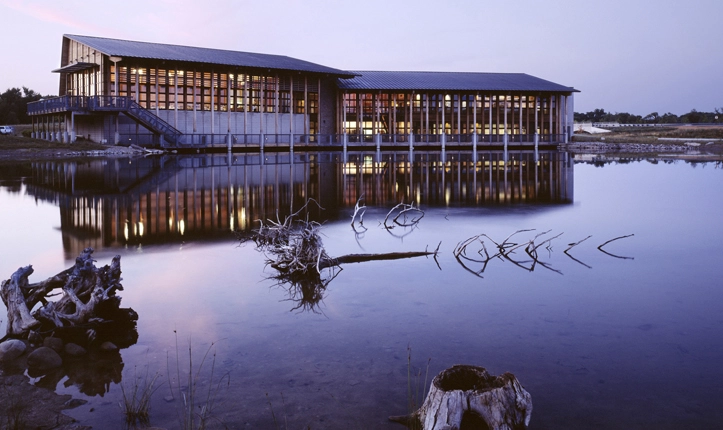
James Clarkson Environmental Discovery Center
Award-winning 70-acre environmental discovery center near Detroit restoring native prairie, woodland, and wetland habitats as a living outdoor classroom.
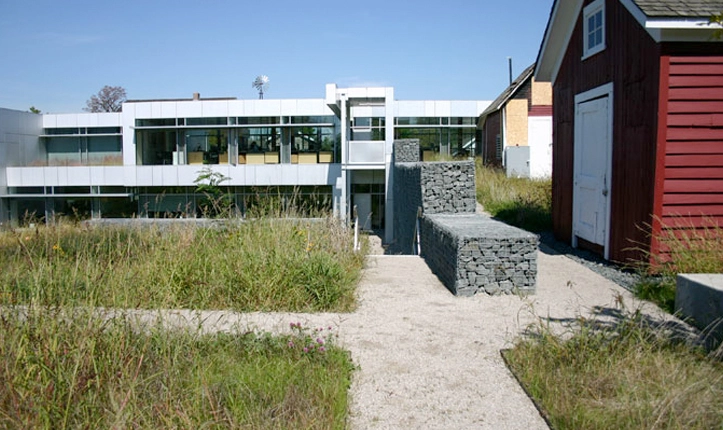
Kresge Foundation Headquarters
Kresge Foundation Headquarters in Troy, MI is a LEED Platinum campus with restored prairie, green roofs, porous paving and on-site stormwater reuse.
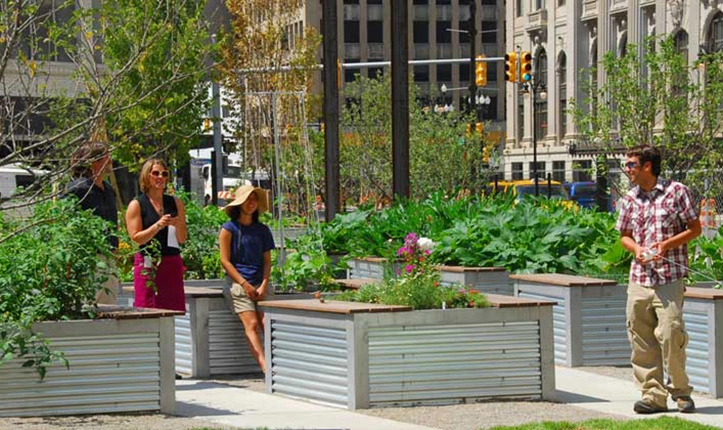
Lafayette Greens
Lafayette Greens in downtown Detroit turns a former high-rise site into an urban farm that donates food, manages stormwater, and restores biodiversity.
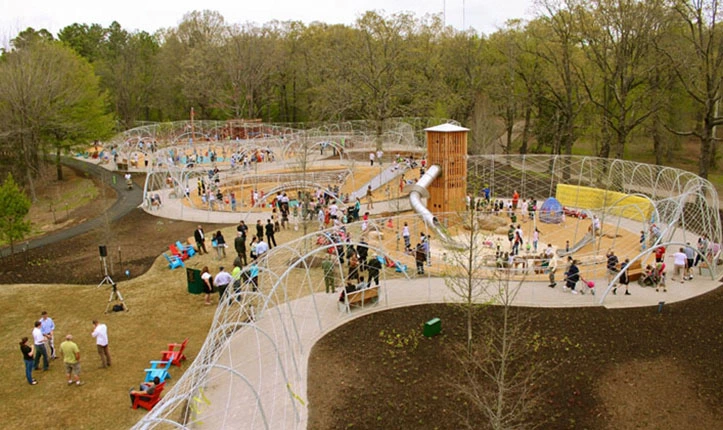
The Woodland Discovery Playground
Woodland Discovery Playground at Shelby Farms Park in Memphis uses native plantings, recycled materials, and nature play to promote healthy child development.
Western U.S.
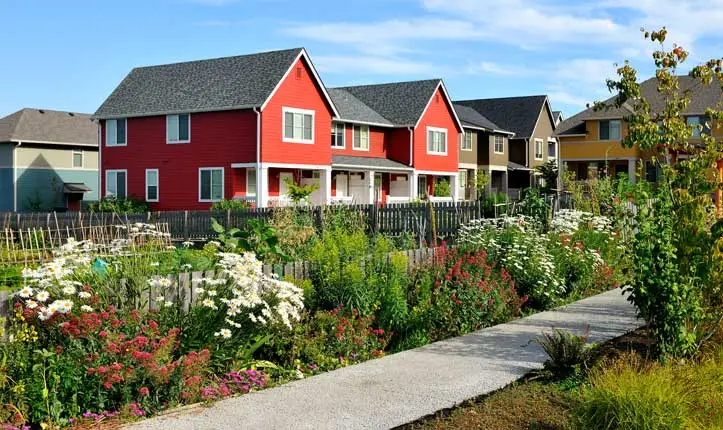
High Point
High Point in Seattle is a mixed-income green community with natural drainage, complete streets, and allergen-free landscapes that cut asthma rates.
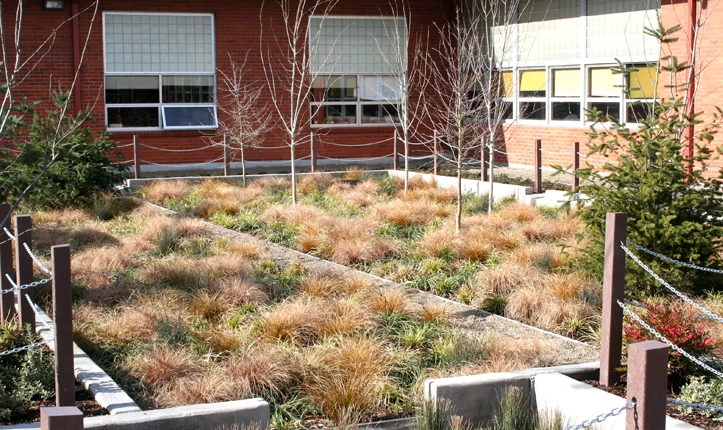
Mount Tabor Middle School Rain Garden
Mount Tabor Middle School’s 2,000 sq ft rain garden cools classrooms, manages 30,000 sq ft of runoff, and saves Portland over $100,000 in sewer upgrades.
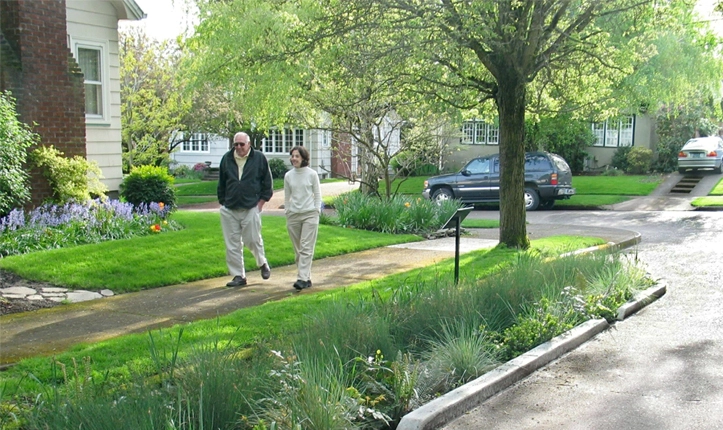
NE Siskiyou Green Street
NE Siskiyou Green Street in Portland uses planted curb extensions and checkdams to capture, filter and infiltrate 225,000 gallons of stormwater yearly.
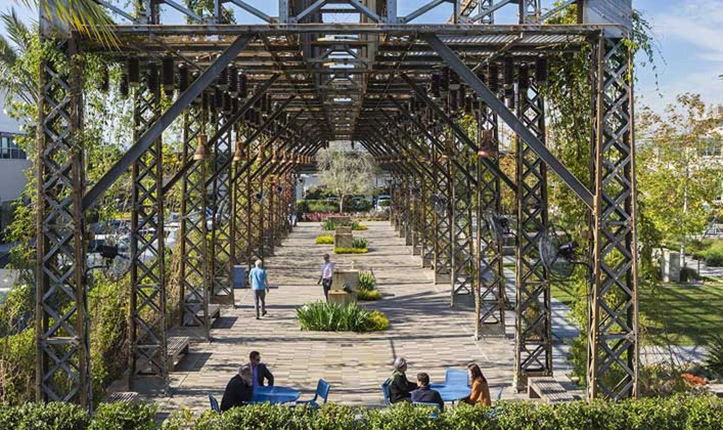
Burbank Water and Power Eco-Campus
Burbank Water and Power Eco-Campus is LEED Platinum sustainable utility in California that features green roofs, green streets, and 100% recycled water systems.
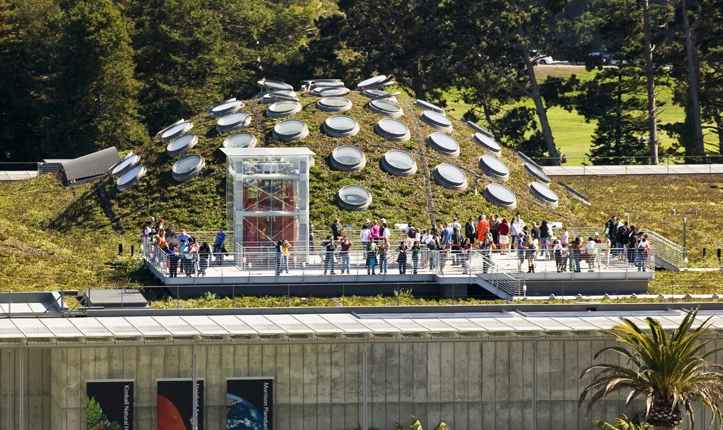
California Academy of Sciences
California Academy of Sciences is a LEED Platinum museum in San Francisco with a 2.5-acre living roof, native habitat, stormwater capture, and solar power.
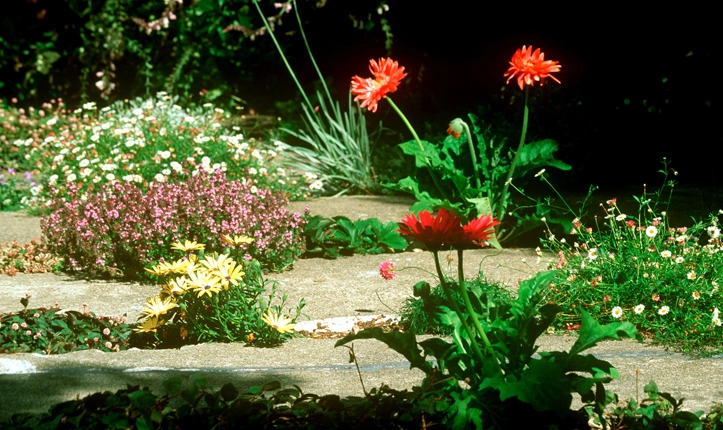
The Crack Garden
The Crack Garden in San Francisco transforms a concrete backyard slab into a permeable garden of herbs, vegetables and flowers, cooling and greening the space.
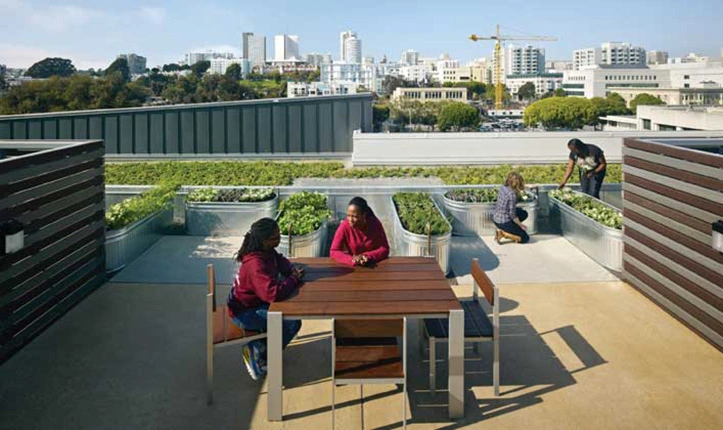
Drs. Julian and Raye Richardson Apartments
Drs. Julian and Raye Richardson Apartments in San Francisco is GreenPoint-rated supportive housing with healing gardens and green infrastructure.
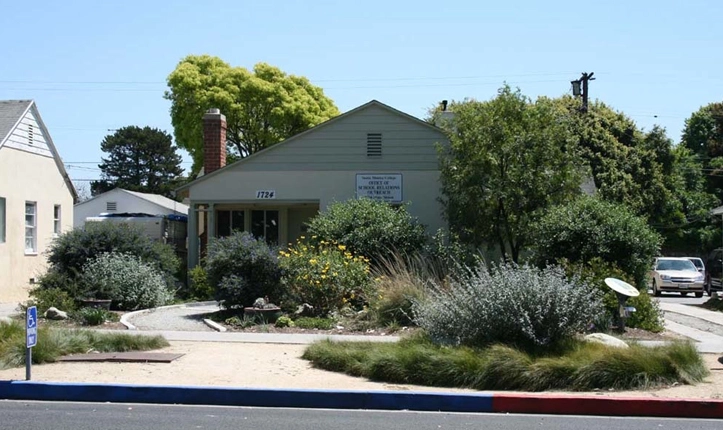
Garden/Garden — A Comparison in Santa Monica
Santa Monica’s Garden/Garden demo compares a native, water‑saving front yard to a traditional lawn, showing 77% less water use and lower maintenance.
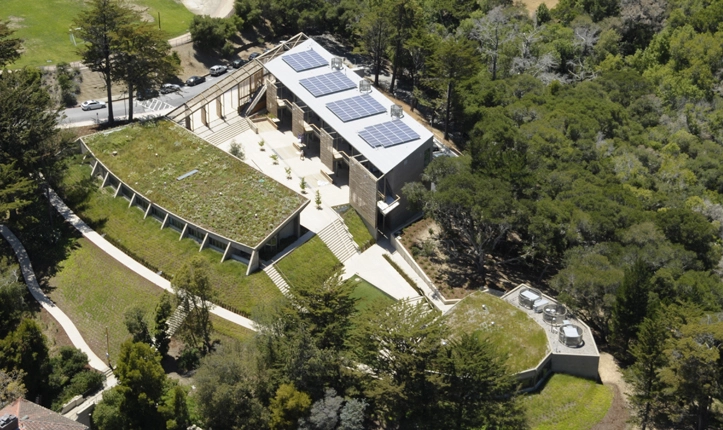
Nueva School
Nueva School’s Hillsborough campus transforms a parking lot into green roofs, native habitat and outdoor classrooms showcasing innovative stormwater management.
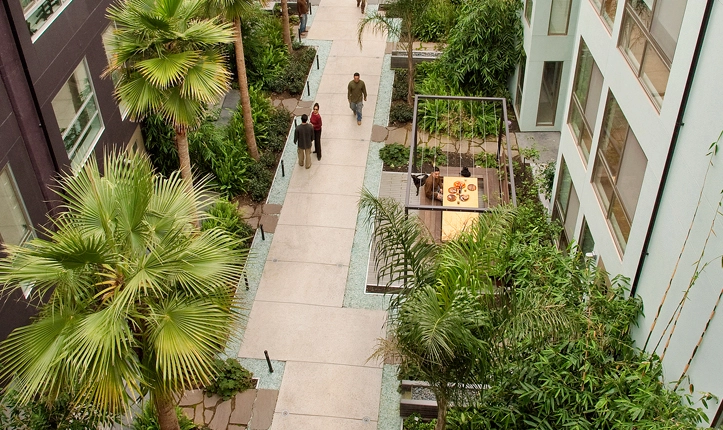
Pacific Cannery Lofts
Pacific Cannery Lofts turns a contaminated Oakland cannery into transit‑oriented green housing with social courtyards, recycled materials, and on‑site stormwater reuse.
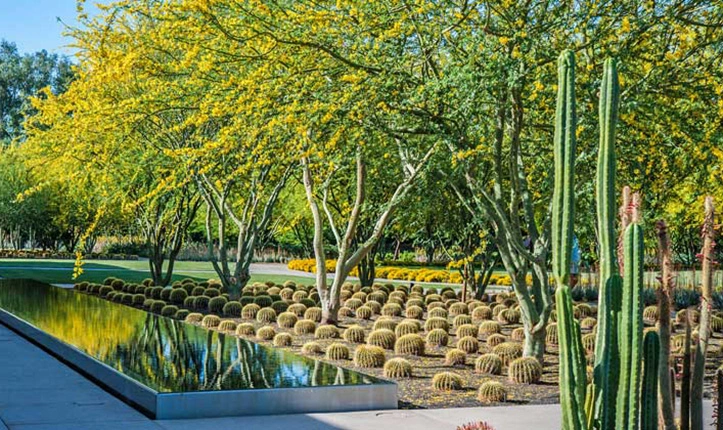
Sunnylands Center & Gardens
Sunnylands Center & Gardens in California is a LEED Gold-desert landscape with native plants, stormwater retention, and a solar-powered, water-saving design.
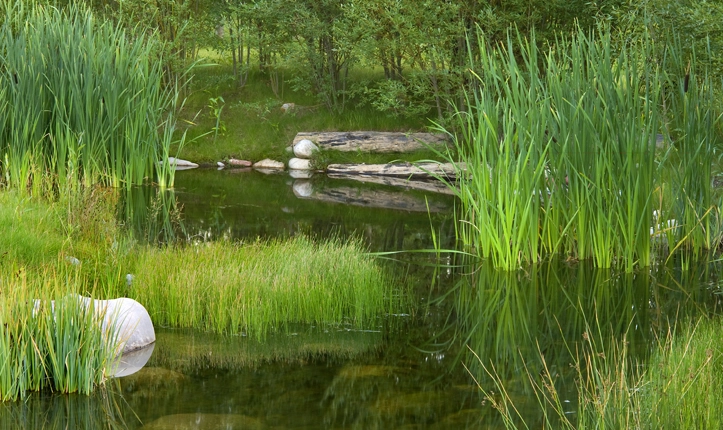
Transformative Water
Transformative Water in Pitkin County, CO turns a polluted asphalt plant into a sustainable ranch with wetlands, water storage ponds and wildlife habitat.
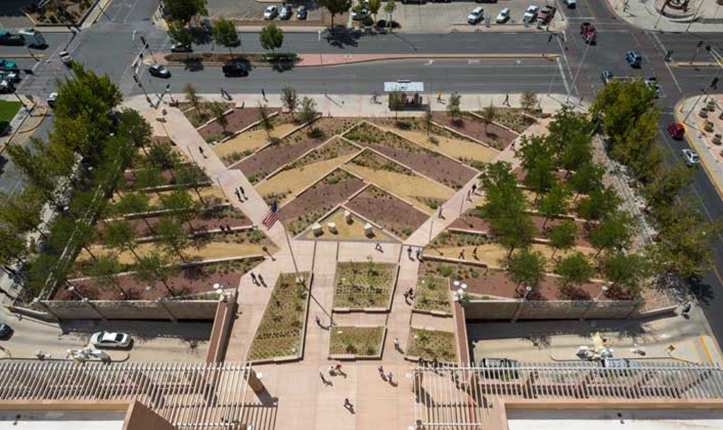
Pete V. Domenici U.S. Courthouse Sustainable Landscape Renovation
The Pete V. Domenici U.S. Courthouse’s sustainable plaza features native plants, xeriscaping, stormwater harvesting, solar power, and a walkable design.
International
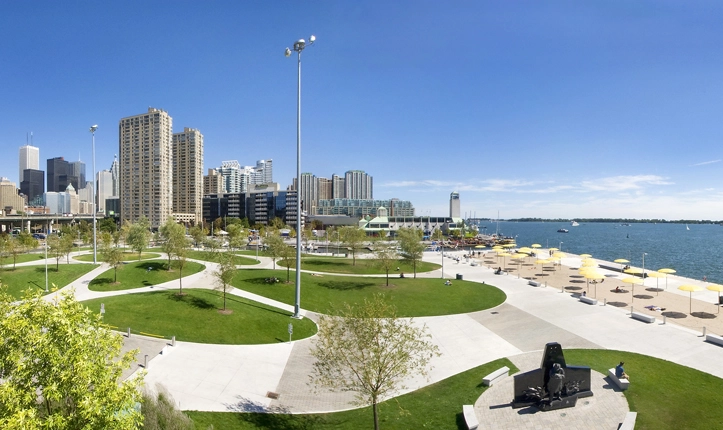
HtO Park
HtO Park transforms a polluted Toronto waterfront brownfield into a six‑acre urban beach and green park with lake‑water irrigation and porous stormwater paths.
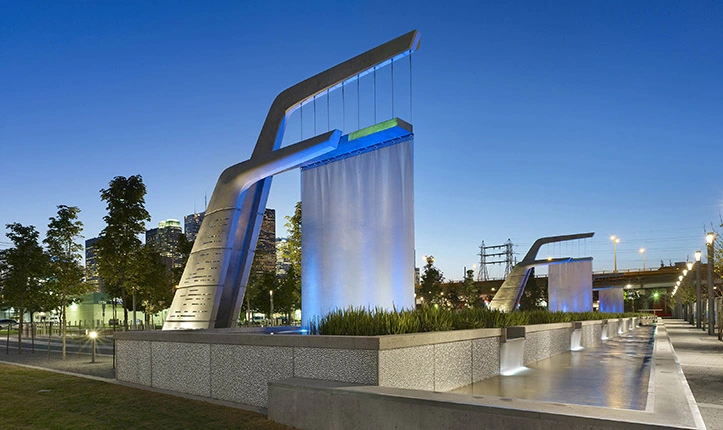
Sherbourne Common
Explore Sherbourne Common, a LEED Gold Toronto waterfront park that treats stormwater with UV, restores a brownfield, and adds native, cooling green space.
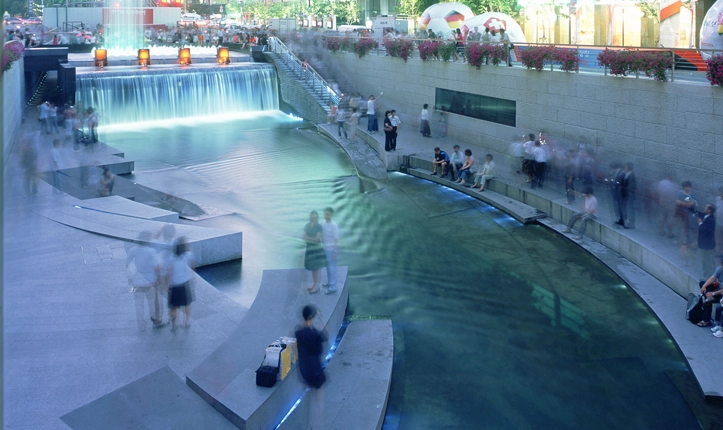
ChonGae Canal Point Source Park
Explore ChonGae Canal Point Source Park in Seoul, a restored urban waterway and park that cleans stormwater, cools the city, and restores biodiversity.
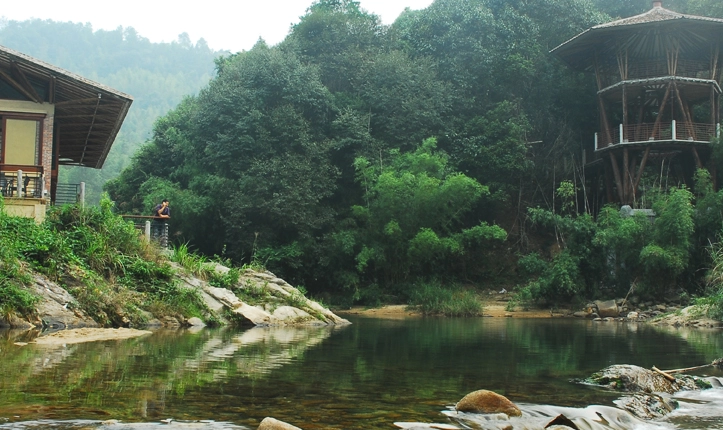
Crosswaters Ecolodge
Explore Crosswaters Ecolodge, China’s first ecotourism resort, blending native forest, bamboo architecture, local food, and community-led conservation.
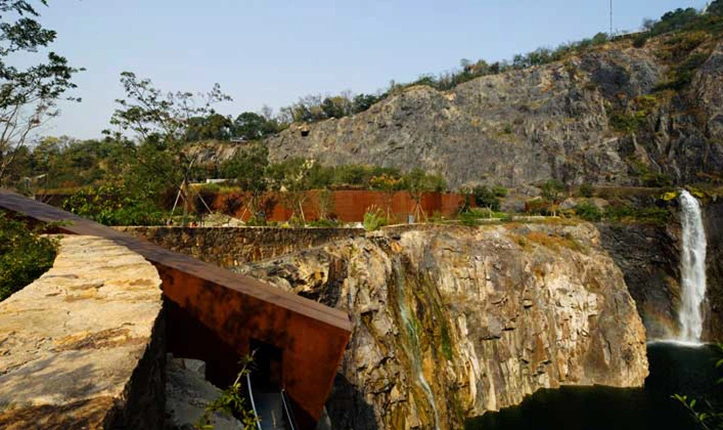
Quarry Garden
Explore Quarry Garden in Shanghai, an abandoned rock quarry reborn as an ecological public garden that restores biodiversity and honors tradition.
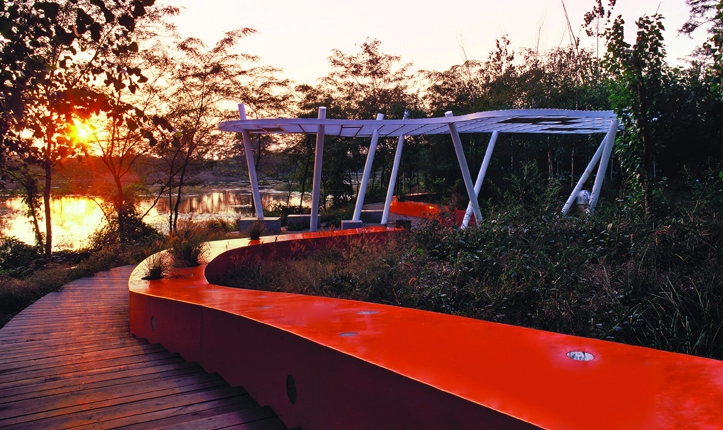
The Red Ribbon
The Red Ribbon, Tanghe River Park in Qinhuangdao transforms a former riverside dump into a native riverfront park with a 500‑meter lit ribbon walkway.
K–12 lesson plans and classroom activities on sustainable landscape design
30 case studies on climate and biodiversity solutions at all scales
These case studies were developed with the support of the National Endowment of the Arts