
|

Are They Getting It?
Visitors respond to the Crosby Arboretum’s ecological aesthetic.
By Robert F. Brzuszek and James Clark, ASLA
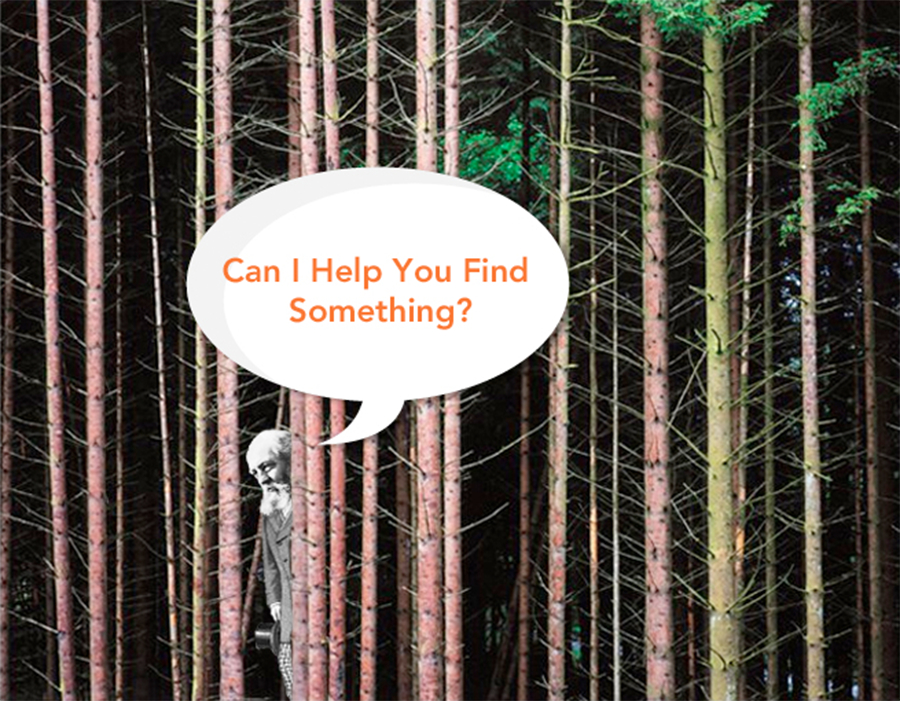
“Excuse me, can you tell me where the arboretum is?” she
asked.
“You are standing in it,” I replied.

Edward L. Blake, Jr., ASLA |
This was not an uncommon question in the early days at The Crosby
Arboretum (ASLA Honor Award 1991) in Picayune, Mississippi, where
I served as curator for 14 years. One of the first public American
gardens to fully embrace a regional ecological design concept, the
landscape exhibits in the 1980s featured natural succession thickets
of twisting wax myrtle and saw briar, wet depressions of iris and
gum trees, and acres of sun-dappled grassy savannas. These were
not exactly the tulip-laden beds and formal tree vistas common to
botanic gardens at the time.
With long Gulf Coast growing seasons and copious rainfall,
the arboretum’s successional woodland exhibits have matured today into a young,
open southern forest, the aquatic exhibits feature a plethora of wetland plant
and animal species, and acres of sun-dappled grassy savannas are maintained by
regular applications of prescribed fire.
These days, fewer people are asking where the arboretum is.
A recent visitors’ survey conducted at the Crosby Arboretum (now part of the Mississippi
State University Extension Service) revealed that the public not only accepts
this “messy ecosystem” but in fact gets the design intent. This appears to
conflict with critics’ perceptions of the ecological design approach and the
experience of similar regionally based public gardens such as the Lady Bird
Johnson Wildflower Center (see “Restless About the Natives,” Landscape Architecture, December 2003).
The difference is one of scale. As financially strapped botanic institutions
struggle to attract a larger share of the paying public, they are increasingly
relying on themed exhibits that are popular with the public. A Thoreau-inspired
walk in a restored oak woodland does not pack the gate-receipt punch of a
gaping-mouthed dinosaur garden exhibit. Yet it appears that at least a segment
of the visiting public increasingly accepts and understands the ecological
design approach as “garden.”
…To read the entire article, subscribe to LAM!
What's New
| LAND
| Annual Meeting
Product Profiles & Directory
ASLA Online
|